Tennessee kitchens have always known how to feed people right, but some spots have managed something extra special. They’ve earned praise from national critics, James Beard committees, and food writers from coast to coast while keeping the heart and soul that made locals fall in love with them first.
These ten restaurants prove you don’t have to choose between recognition and authenticity, between awards and atmosphere, or between fame and staying true to your roots.
1. The Barn at Blackberry Farm — Townsend
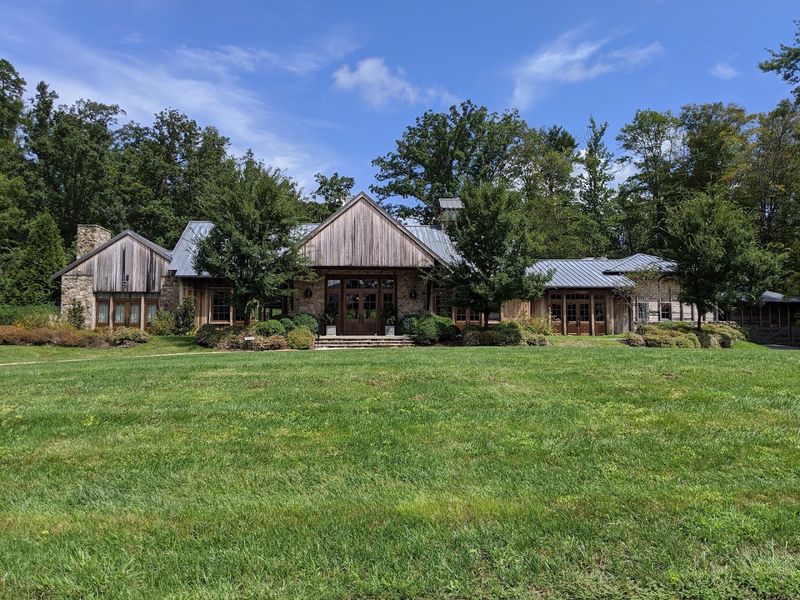
Nestled in the foothills where the Smokies begin their climb, this dining destination has collected accolades most restaurants only dream about. Multiple James Beard honors sit alongside national magazine features, yet walk through the door and you’ll find menus built around what’s growing within a few miles.
The commitment runs deeper than sourcing locally—it’s about preserving Appalachian foodways that stretch back generations.
Seasonal ingredients arrive from the property’s own gardens and nearby family farms that have worked this land for decades. Traditional preservation techniques like smoking, curing, and pickling connect modern plates to mountain traditions.
The kitchen treats these methods not as historical curiosities but as living practices worth maintaining and celebrating.
What sets this place apart isn’t just the quality—it’s the intentionality behind every choice. Chefs here study Appalachian food history with the same seriousness they bring to technique and presentation.
Root vegetables, wild ramps, heritage grains, and foraged ingredients appear throughout changing menus that honor both place and season.
Despite the white tablecloths and refined presentation, there’s nothing pretentious about the experience. The connection to East Tennessee farming culture remains visible and genuine.
Diners might taste heirloom beans that have been grown in these valleys for a century or sample preserves made using recipes passed down through local families.
Recognition from the culinary world hasn’t pushed this restaurant toward generic fine dining or trendy fusion experiments. Instead, success has deepened their commitment to the region’s foodways.
The result is cooking that impresses food critics and honors the mountain communities that inspired it, proving that national attention and local authenticity can absolutely coexist when respect for place comes first.
2. Ridgewood Barbecue — Bluff City
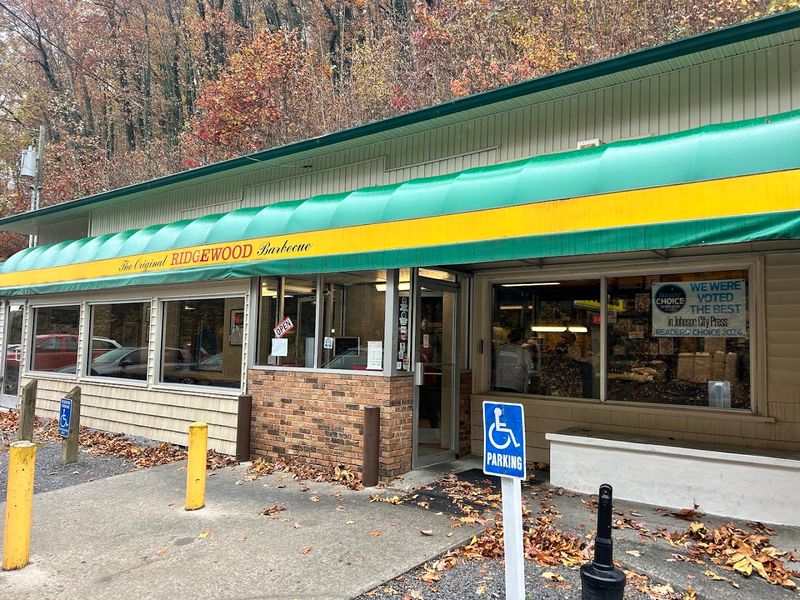
Pull up to this unassuming spot near the Virginia border and you might wonder what all the fuss is about. The building looks like countless other roadside joints scattered across the South.
Then you taste the barbecue and understand exactly why food writers keep making the drive to this corner of Northeast Tennessee.
Hickory-smoked ham barbecue sets Ridgewood apart from the pork shoulder and ribs that dominate most Southern barbecue menus. This regional specialty requires different techniques, longer smoking times, and a understanding of how ham responds to slow cooking and wood smoke.
Getting it right takes patience and practice that can’t be rushed or faked.
The same family has been perfecting this craft for generations, maintaining consistency that only comes from doing one thing exceptionally well for a very long time. National food publications have featured Ridgewood repeatedly, praising both the distinctive menu and the authentic atmosphere.
Yet nothing about the place has changed to court that attention or capitalize on fame. Locals still pack the dining room just like they have for decades. The service remains friendly and unpretentious.
Prices stay reasonable enough for regular visits rather than special occasions only. There’s no gift shop, no branded merchandise, no attempts to turn recognition into a larger brand or empire.
What makes Ridgewood special isn’t just the food—it’s the refusal to let outside validation change the core identity. The restaurant knows what it does well and sees no reason to expand, franchise, or modernize beyond what serves the barbecue and the community.
Acclaim from food writers matters less than maintaining the gathering place that Northeast Tennessee families have relied on for generations, and that priorities show in every detail.
3. The Appalachian — Sevierville
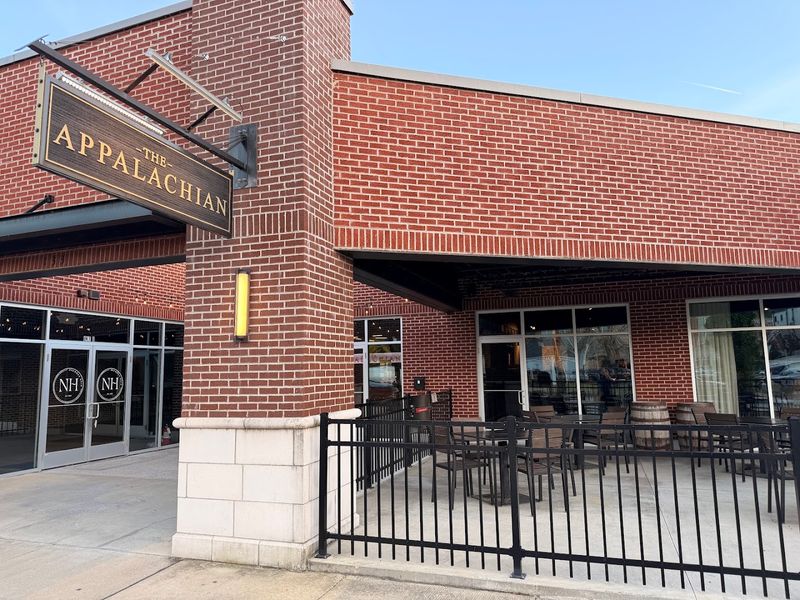
Historic downtown Sevierville doesn’t always get the attention it deserves, overshadowed by nearby tourist attractions and outlet malls. This restaurant is changing that narrative one plate at a time.
Polished presentation meets deeply rooted regional cooking in a space that honors both tradition and innovation without favoring one over the other.
Wood-fire cooking forms the foundation here, connecting modern techniques to methods mountain cooks have used for centuries. Open flames and hardwood coals add layers of flavor that gas ranges and electric ovens simply can’t replicate.
Watching the kitchen work those flames reveals skill developed through repetition and respect for how fire transforms ingredients.
East Tennessee ingredients drive the menu in ways that go beyond token nods to localism. Seasonal availability determines what appears on plates rather than the other way around.
Farmers, foragers, and producers from the surrounding region supply much of what the kitchen uses, creating direct connections between the restaurant and the agricultural community.
Appalachian culinary traditions inform the cooking without limiting it to historical recreation or nostalgic comfort food. The kitchen explores what regional foodways can become when given room to evolve while maintaining clear links to their origins.
Diners experience Southern cooking that feels both familiar and fresh, rooted yet forward-looking.
Recognition from food critics and regional dining guides has brought new attention to Sevierville’s downtown dining scene. Yet the restaurant hasn’t used acclaim as an excuse to abandon accessibility or inflate prices beyond what locals can afford for regular visits.
The balance between sophistication and approachability remains carefully maintained, creating a restaurant that serves both residents and visitors without catering exclusively to either group. That dual commitment keeps the place grounded even as its reputation grows.
4. Calliope — Chattanooga
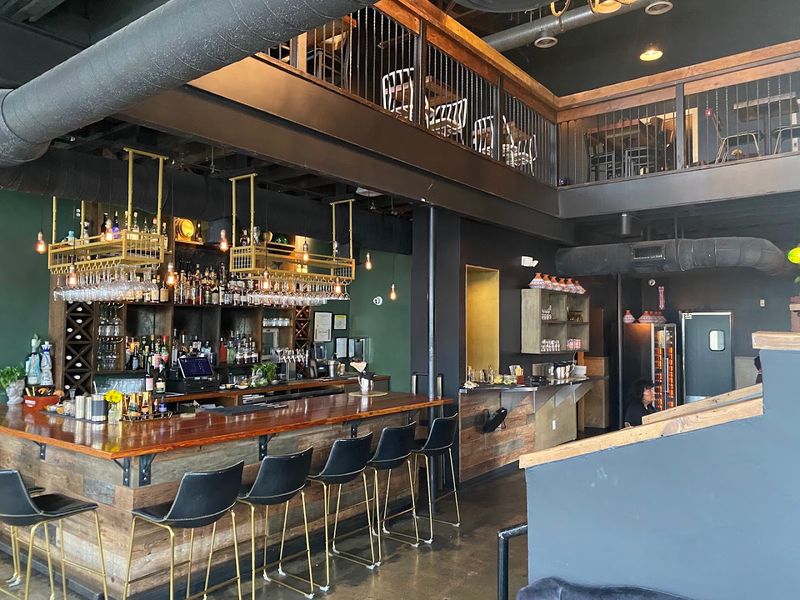
Being named among The New York Times’ top restaurants in America could easily go to a place’s head. Most restaurants would use that kind of recognition to justify higher prices, harder-to-get reservations, and a shift toward impressing critics over serving neighbors.
Calliope took a different path entirely, staying committed to the independent dining culture that makes Chattanooga special.
The James Beard-recognized chef leading the kitchen could have leveraged national attention into a multi-city restaurant group or celebrity chef brand. Instead, the focus remains on doing one restaurant exceptionally well right here.
That decision speaks volumes about priorities and what success actually means when you’re building something meant to last.
Personal touches define the experience in ways corporate restaurants can never replicate. The scale stays intimate enough that regular guests are remembered and welcomed like friends. Menus reflect the chef’s genuine interests and Chattanooga’s food culture rather than following trends designed to impress out-of-town food writers.
Connections to local farmers, producers, and the broader independent restaurant community remain strong and visible. Calliope exists as part of Chattanooga’s dining ecosystem rather than above it.
Success hasn’t created distance between the restaurant and the city that supported it from the beginning.
Walking through the door, you’d never guess this place has earned the kind of national recognition that transforms most restaurants into something unrecognizable. The atmosphere stays welcoming rather than intimidating.
Service feels warm and genuine instead of overly formal or practiced. Prices remain reasonable enough for locals to visit regularly rather than saving it for special occasions only.
That combination of serious culinary skill and unpretentious hospitality creates something rare—a restaurant that food critics love for the same reasons neighbors do. National attention confirmed what Chattanooga already knew rather than changing what made the place worth celebrating in the first place.
5. Potchke Deli — Knoxville
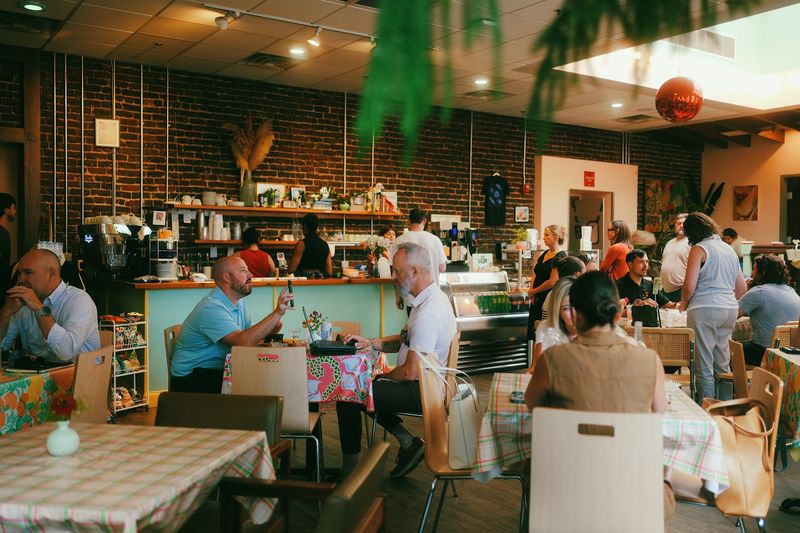
USA Today doesn’t hand out Restaurant of the Year selections to just anyone, yet this Ukrainian-influenced Jewish deli in Knoxville earned that recognition while keeping the neighborhood feel that makes it special. Handmade pastries line the display case each morning, prepared using techniques and recipes that connect to Eastern European traditions going back generations.
The care shows in every layer of strudel and every perfectly formed pierogi.
Comforting dishes fill the menu without relying on shortcuts or compromises that speed service at the expense of quality. Soups simmer for hours. Doughs rest properly before shaping. Fillings are made from scratch rather than ordered from restaurant supply companies.
This commitment to doing things right takes more time and effort, but it’s exactly what separates truly good food from merely adequate meals.
Despite national recognition and features in major publications, the atmosphere remains refreshingly unpretentious. Tables fill with regulars who stop by weekly, students grabbing lunch between classes, and families introducing kids to foods from their own childhoods.
Conversations flow easily between strangers sharing counter space, creating the kind of casual community feeling that corporate restaurants try and fail to manufacture.
Prices stay accessible enough that visiting doesn’t require a special occasion or careful budget planning. The portions are generous without being wasteful.
Service is friendly and patient, especially with customers unfamiliar with Ukrainian or Jewish deli traditions. There’s genuine warmth here that has nothing to do with marketing strategies or calculated hospitality techniques.
What makes Potchke remarkable isn’t just the food quality or the national attention—it’s the refusal to let success change the fundamental character of the place. The deli knows what it is and who it serves.
Awards validate the work but don’t redirect it. That authenticity resonates with customers who appreciate restaurants that stay true to their identity regardless of outside recognition.
6. Prince’s Hot Chicken — Nashville
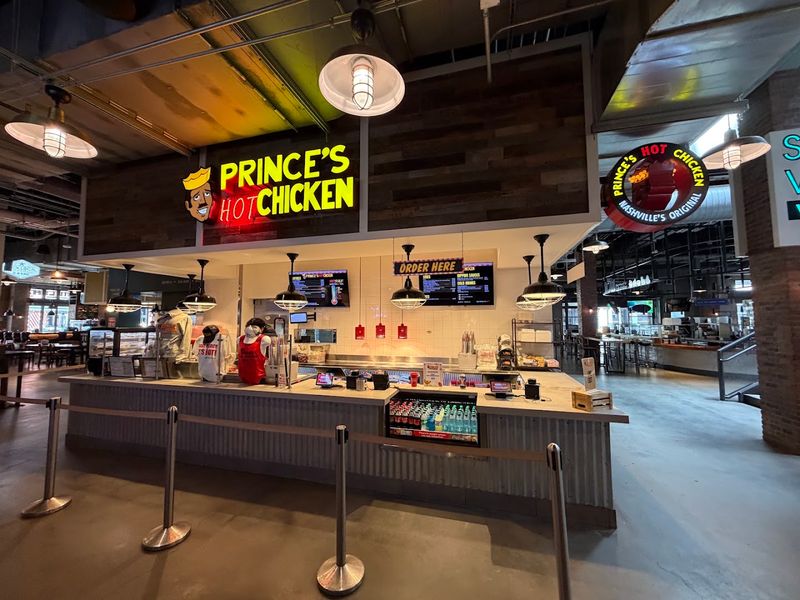
Creating an entire food category that spreads across the country is one thing. Receiving a James Beard America’s Classics Award that recognizes both national influence and enduring local importance is another level entirely.
Prince’s managed both while remaining the same straightforward chicken joint it’s always been, serving Nashville’s signature dish the way it was meant to be served.
The story behind Nashville hot chicken starts here, born from a combination of spite, cayenne pepper, and culinary genius that turned a vengeful prank into a legendary dish. That history isn’t just marketing copy—it’s the foundation of everything the restaurant represents.
Recipes haven’t been modernized or adjusted for milder palates. The process remains labor-intensive and uncompromising because that’s what the dish requires.
Plenty of restaurants now serve hot chicken across Nashville and beyond, but Prince’s holds a special place as the originator. That status could easily translate into tourist-trap pricing and declining quality as crowds arrive seeking Instagram moments rather than authentic food experiences. Instead, the commitment to doing things right has never wavered.
Local customers still pack the place just like they did before food television discovered hot chicken and turned it into a national phenomenon. The neighborhood location hasn’t moved to a more tourist-friendly area. Hours remain the same. The no-frills atmosphere stays unchanged.
Nothing about the operation has been polished or sanitized for broader appeal.
Recognition from the James Beard Foundation specifically honored Prince’s importance to the Nashville community alongside its culinary influence. That dual acknowledgment matters because it recognizes that great restaurants serve their neighbors first, even when their impact reaches far beyond the immediate area.
Prince’s never forgot that essential truth, and the community loyalty reflects that ongoing commitment. National fame came as a byproduct of doing one thing exceptionally well for decades, not as the primary goal.
7. Cozy Corner BBQ — Memphis
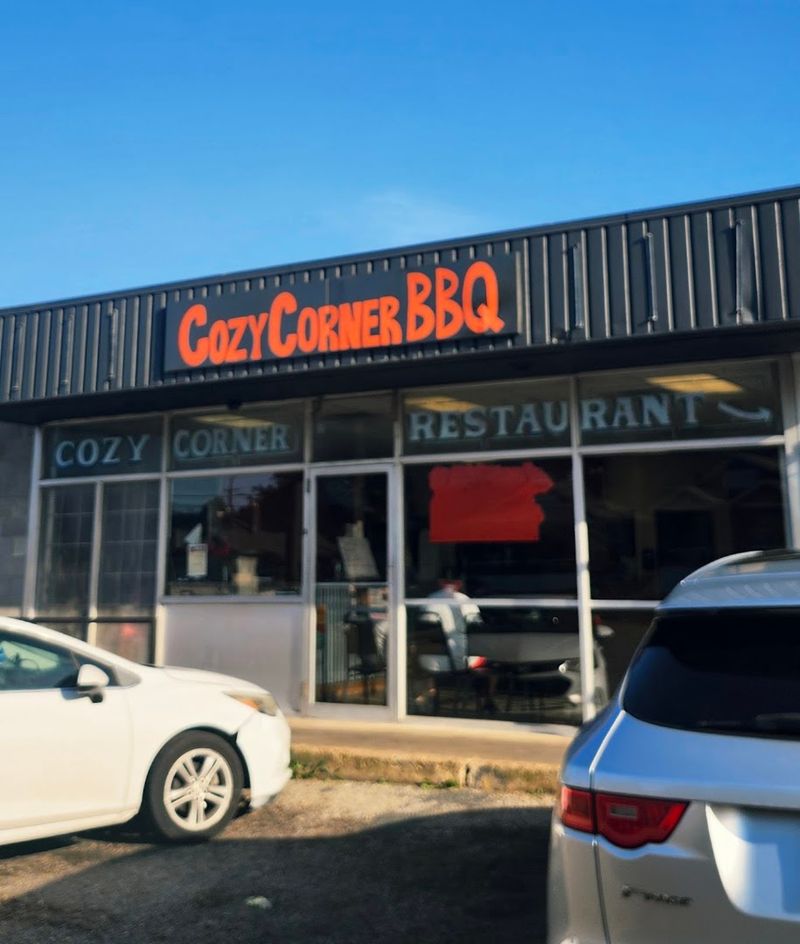
Desiree Robinson made history as the first Black woman inducted into the American Royal Barbecue Hall of Fame, bringing long-overdue recognition to her skills and her family’s Memphis institution. That groundbreaking achievement brought national media attention and elevated Cozy Corner’s profile far beyond the neighborhood it has served for decades.
Yet the restaurant’s character remains unchanged, still operating as the same family-run gathering place locals have relied on through generations.
Legendary pitmaster status hasn’t translated into franchise deals or brand expansion. The focus stays on making exceptional barbecue right here rather than spreading thinner across multiple locations.
Quality and consistency matter more than growth, a philosophy that keeps regular customers coming back year after year.
Memphis barbecue carries its own distinct traditions, different from Kansas City, Texas, or the Carolinas. Cozy Corner represents that regional identity authentically, preparing meats with techniques and seasonings that reflect the city’s particular approach to smoking and sauce.
Cornish hen has become a signature that sets the menu apart from typical barbecue offerings, showing creativity within tradition.
Recognition from the barbecue world and food media could have justified higher prices or a shift toward catering to tourists over neighbors. Instead, Cozy Corner continues serving the community that supported it long before national attention arrived.
Portions remain generous, prices stay reasonable, and the welcome feels genuine rather than transactional.
Family ownership means decisions prioritize long-term sustainability over short-term profit maximization. The restaurant doesn’t chase trends or adjust its identity to match what’s currently popular in food media.
This steadiness creates trust with customers who know exactly what they’re getting every single visit.
Robinson’s Hall of Fame induction celebrated not just individual skill but also the importance of family barbecue traditions in Black culinary history. That recognition honored decades of work that often goes unacknowledged.
Cozy Corner’s continued success proves that staying true to your roots and your community creates something more valuable than any amount of expansion or rebranding ever could.
8. Yassin’s Falafel House — Knoxville
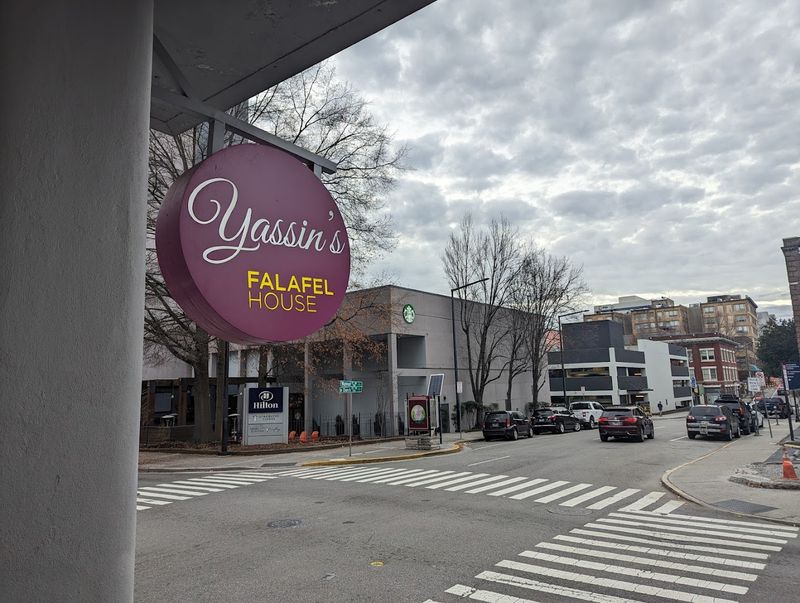
Kindness isn’t usually listed as a menu item, but at Yassin’s it might be the most important thing served. National celebrations of this Knoxville restaurant consistently mention the hospitality and community spirit alongside the excellent falafel and Middle Eastern specialties.
That combination of great food and genuine human connection creates something most restaurants struggle to achieve even when they try deliberately.
The casual atmosphere invites lingering rather than rushing customers through meals to maximize table turns. Conversations flow between strangers who find common ground over shared plates.
The owner’s presence and warmth set a tone that staff naturally reflect, creating consistent experiences that feel personal rather than corporate.
Recognition from food media and community organizations hasn’t changed the fundamental approach or inflated the ego behind the operation. Success is measured in relationships built and neighbors fed well, not just revenue or expansion opportunities.
That perspective keeps the restaurant grounded even as its reputation grows beyond Knoxville.
Menu offerings stay true to their origins while remaining accessible to customers unfamiliar with Middle Eastern cuisine. Explanations are offered patiently, samples are shared freely, and there’s never judgment about what people order or how they eat it.
This welcoming approach introduces new flavors to people who might otherwise stick with familiar comfort zones.
Prices remain affordable enough for regular visits rather than special occasions only. Students, families, and retirees all mix comfortably in the dining room, creating the kind of diverse community gathering space that cities need but rarely get.
The restaurant serves as more than just a place to eat—it’s become a neighborhood hub where people from different backgrounds connect over good food.
Yassin’s proves that restaurants can be both excellent and unpretentious, both nationally recognized and deeply local. The acclaim came because the fundamentals were right: great food, fair prices, and treating every customer like they matter.
Those basics never go out of style, and they can’t be faked or manufactured through marketing strategies. Authenticity resonates because people recognize the real thing when they experience it.
9. The Beacon Light Tea Room — Bon Aqua
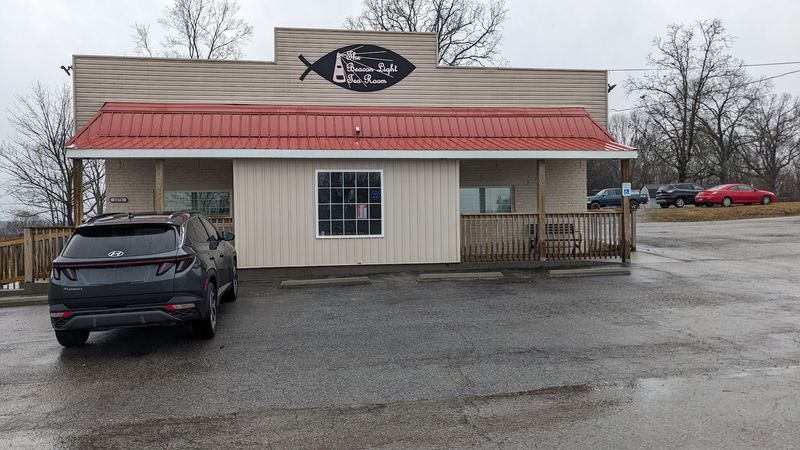
Since 1936, travelers have been finding their way to this rural institution for country cooking that hasn’t changed with the times because it never needed to. Biscuits still come out fluffy and buttered. Fried chicken still crackles with perfectly seasoned crust. Country ham delivers the salty, rich flavor that can’t be rushed or replicated with shortcuts.
Generations have passed through these doors, introducing children and grandchildren to the same dishes they grew up eating.
The location in tiny Bon Aqua means this isn’t a restaurant you stumble across by accident. Getting here requires intention, a willingness to drive rural highways away from interstate convenience.
That remoteness has protected the Tea Room from pressures that change restaurants in more accessible locations. There’s no competition pushing menu updates or atmosphere upgrades to stay current.
What makes country cooking work is consistency and care rather than innovation or trend-chasing. The kitchen knows what regulars expect and delivers it meal after meal, year after year.
Recipes have been refined through decades of repetition until they reach a level of reliability that newer restaurants can’t match regardless of talent or effort.
The unmistakably homegrown atmosphere feels authentic because it is—there’s no designer trying to recreate farmhouse charm or consultant advising on rustic aesthetics. Everything about the place developed organically through years of serving meals to neighbors and travelers who appreciated straightforward food done right.
That history shows in details you can’t fake or manufacture.
National attention has found the Beacon Light periodically over the decades, with food writers and travel journalists featuring it as a destination worth the drive. Those articles bring waves of new visitors, but the restaurant’s identity never shifts to accommodate outside expectations.
The menu doesn’t expand to include trendy items. Service doesn’t become formal or self-conscious. Prices stay reasonable rather than inflating to match the acclaim.
Longevity like this is rare in the restaurant business, where most places close within a few years. Surviving nearly ninety years requires staying true to what works while maintaining the quality that built your reputation.
The Beacon Light understands that lesson perfectly.
10. The Loveless Cafe — Nashville
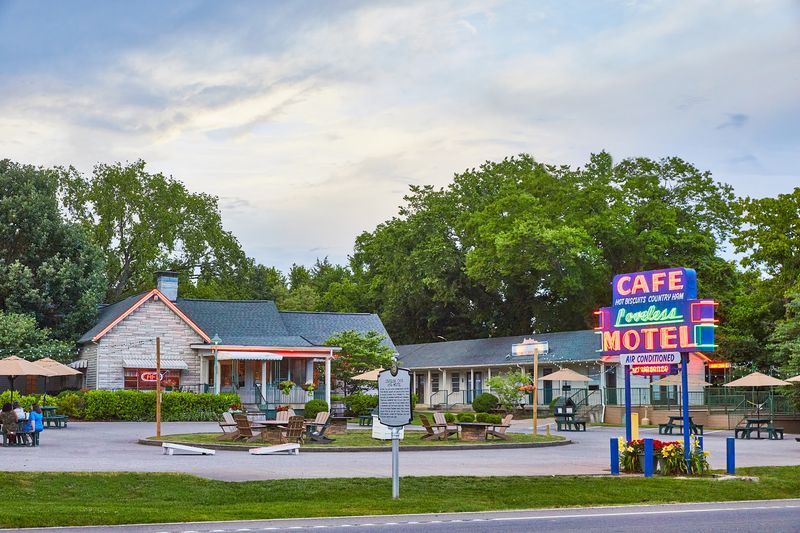
Just outside Nashville’s city limits sits a roadside institution that has somehow maintained its soul despite becoming one of Tennessee’s most famous breakfast destinations. Tour buses arrive daily now, bringing visitors from around the world who’ve read about the biscuits and preserves in travel guides and food magazines.
Yet longtime Nashville residents still make the drive for weekend breakfast, trusting that the quality and character haven’t been sacrificed to accommodate crowds.
Those biscuits deserve every bit of praise they receive—fluffy, buttery, and served with house-made preserves that showcase fruit at its peak. The kitchen turns out hundreds daily without cutting corners or compromising on technique.
Fried chicken, country ham, and other Southern breakfast staples meet the same high standards, prepared the way they’ve been made for decades.
The building’s history as a motel and cafe dating back to 1951 gives the place genuine vintage character rather than manufactured nostalgia. Original details remain throughout, creating atmosphere that newer restaurants try desperately to replicate through design choices and carefully curated antiques.
You can’t fake the patina of seventy-plus years in business.
Expansion over the years has been handled carefully, adding capacity without destroying the roadhouse feel that makes the Loveless special. The gift shop could easily veer into tacky tourist trap territory, but merchandise stays focused on the preserves, country ham, and other products that represent what the cafe actually does well.
Balancing tourism appeal with local authenticity is tricky, and plenty of Nashville restaurants have failed that test as the city’s popularity has exploded. The Loveless manages it by refusing to change the fundamentals that made people fall in love with the place originally.
The food stays true to Southern country cooking traditions. Service remains friendly and efficient rather than over-rehearsed. Prices, while not cheap, stay reasonable given the quality and portions.
Share this story