Tennessee has long been a magnet for people seeking lower costs and a relaxed pace of life, but some towns are experiencing price jumps that have caught both locals and newcomers off guard. Housing markets are heating up, everyday expenses are climbing, and what once felt like a bargain is starting to look more like a premium.
If you’re thinking about moving to the Volunteer State or already call it home, these ten towns show just how much the landscape is changing.
1. Franklin
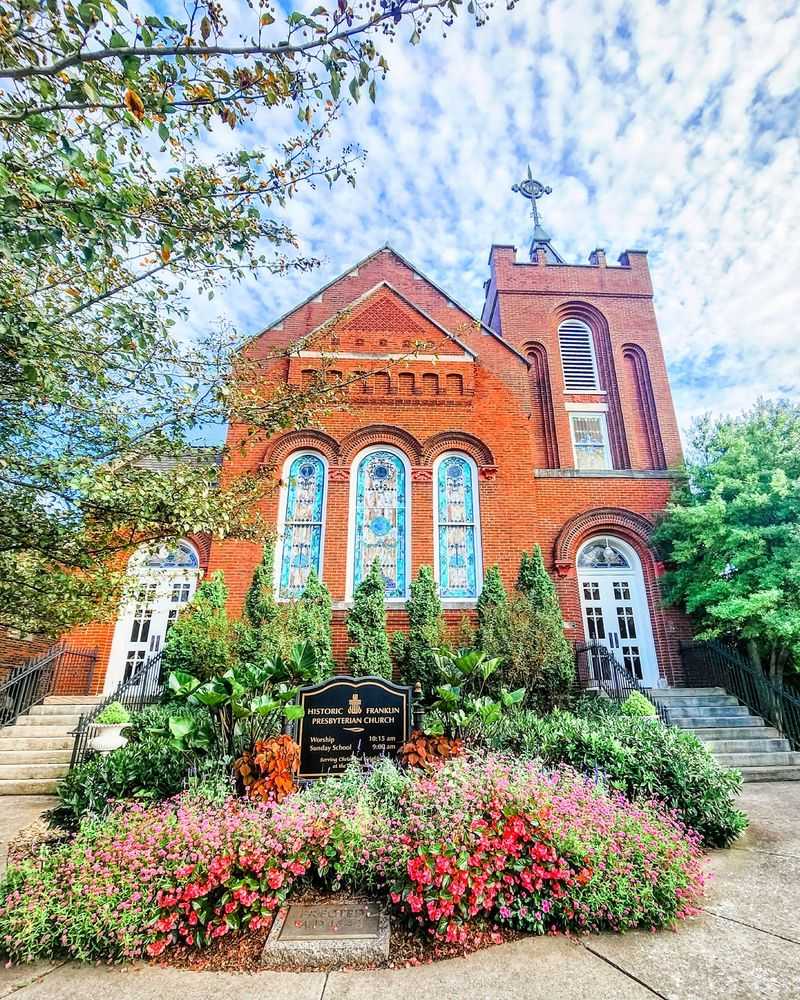
Franklin sits just south of Nashville, and over the past decade it has transformed from a quiet historic town into one of the most sought-after addresses in Middle Tennessee. The quaint downtown, lined with boutiques and award-winning restaurants, draws visitors from across the region.
But that popularity comes at a price. Home values have skyrocketed, with median prices now hovering well above the state average.
What’s driving the surge? Proximity to Nashville plays a huge role.
Commuters can reach downtown in under thirty minutes, making Franklin an ideal spot for professionals who want small-town charm without sacrificing access to big-city jobs. The school system consistently ranks among the best in Tennessee, which attracts families willing to pay a premium for quality education.
Add in low crime rates and a calendar packed with festivals, and it’s easy to see why demand keeps climbing.
Renters aren’t immune to the trend either. Apartment complexes and townhomes that once offered affordable options are now commanding rents that rival urban centers.
Even everyday expenses like dining out or grabbing groceries feel noticeably steeper than they did a few years ago. Local businesses are adjusting to the influx of higher earners, and the cost of living reflects that shift.
Long-time residents often express mixed feelings about the changes. They appreciate the economic growth and improved amenities, but many worry about being priced out of neighborhoods where they’ve lived for decades.
Young adults who grew up in Franklin find themselves unable to afford homes in their hometown. The transformation is real, and it shows no signs of slowing down anytime soon.
2. Mount Juliet

Mount Juliet exploded onto the scene as one of Tennessee’s fastest-growing cities, and the price tags followed right along. Located just east of Nashville along Interstate 40, this once-sleepy suburb has become a hotspot for families and young professionals.
New subdivisions pop up seemingly overnight, and the demand for housing has pushed prices to levels that would have seemed unthinkable a decade ago. It’s a classic case of growth outpacing affordability.
The appeal is straightforward. Mount Juliet offers excellent schools, low crime, and a strong sense of community, all within easy reach of Nashville’s job market.
Retail and dining options have expanded rapidly, with shopping centers and chain restaurants lining Providence Marketplace and other major corridors. The city has invested heavily in parks and recreation, making it especially attractive to families with kids.
But all those perks come with a cost.
Housing inventory struggles to keep up with demand, which means bidding wars are common and prices keep climbing. Buyers who might have considered Mount Juliet a budget-friendly alternative to Nashville proper are now facing sticker shock.
Rent prices have followed a similar trajectory, with newer apartment complexes charging rates that rival downtown areas. Even property taxes have crept upward as home values rise.
For those already living here, the changes are bittersweet. The city has undeniably improved in terms of amenities and infrastructure, but the cost of living has jumped faster than many incomes.
New residents bring fresh energy and economic activity, yet long-time locals sometimes feel squeezed out by the very growth they once welcomed. Mount Juliet’s transformation is a textbook example of how rapid development can reshape affordability.
3. Spring Hill
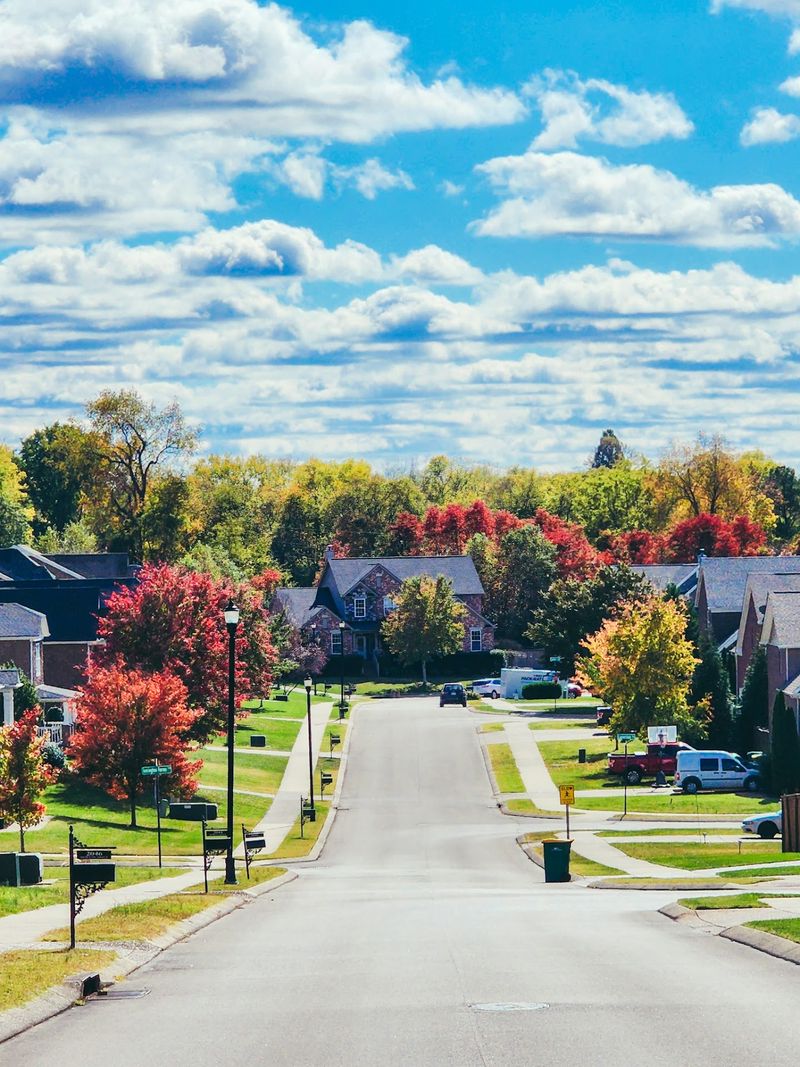
Spring Hill has become synonymous with explosive growth, and the cost of living has followed suit. Once known mainly for its General Motors plant, the town has evolved into a residential powerhouse that attracts people from all over the region.
Subdivisions stretch across former farmland, and the pace of construction shows no signs of slowing. With that growth comes a price tag that catches many by surprise.
Location plays a big part in Spring Hill’s appeal. It sits at the crossroads of Williamson and Maury Counties, offering relatively easy access to both Nashville and Franklin.
Families are drawn by the promise of newer homes, good schools, and a suburban lifestyle. The town has added shopping centers, restaurants, and entertainment options to keep up with the influx.
But all that development has driven prices upward at a pace that feels almost dizzying.
Home prices in Spring Hill have surged well beyond what they were just five years ago. Buyers often find themselves competing for limited inventory, and bidding wars are common.
Renters face similar challenges, with apartment complexes charging rates that reflect the area’s growing desirability. Even everyday costs like groceries and services have ticked upward as the population grows and businesses adjust their pricing.
Long-time residents sometimes struggle to recognize the town they once knew. The quiet rural character has given way to busy streets and crowded schools.
While many appreciate the improved amenities and economic opportunities, others feel priced out or overwhelmed by the rapid change. Spring Hill’s story is one of transformation, and the financial reality reflects just how much the town has shifted in a short amount of time.
4. Gallatin
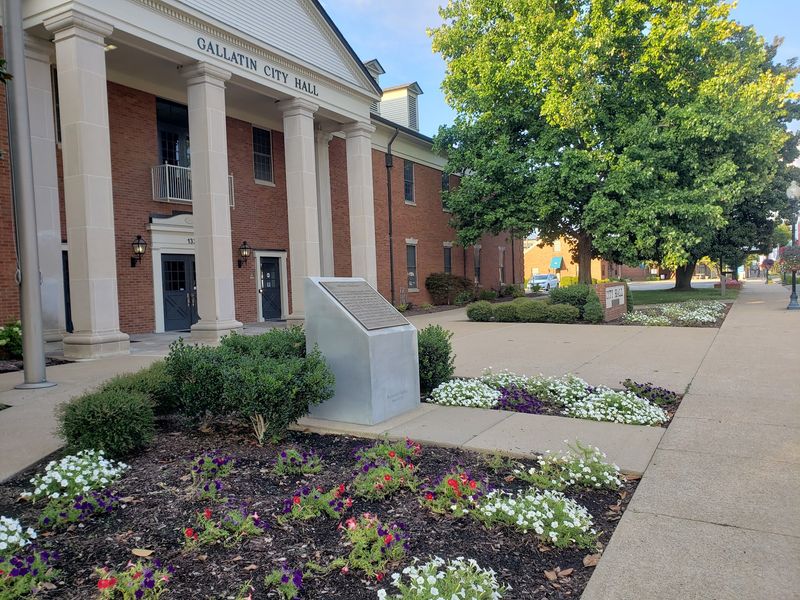
Gallatin has always been a charming town with a historic square and a friendly vibe, but recent years have brought changes that are reshaping its affordability. Located northeast of Nashville, Gallatin offers a blend of small-town character and convenient access to the city.
That combination has attracted a wave of new residents, and the cost of living has climbed right along with the population. What was once a budget-friendly option is now feeling decidedly less so.
The town’s proximity to Nashville makes it a natural choice for commuters who want more space and a slower pace. Gallatin’s schools are well-regarded, and the community has a strong local identity that appeals to families.
The town square, with its shops and restaurants, remains a focal point for residents. But as more people discover Gallatin’s charms, housing prices have surged.
Homes that were affordable just a few years ago now command prices that rival more established suburbs.
Renters are also feeling the pinch. Apartment complexes and rental houses that once offered reasonable rates have raised prices to match the growing demand.
Even property taxes have increased as home values climb, putting pressure on long-time homeowners. Everyday expenses like dining out or shopping locally have also crept upward, reflecting the town’s shifting economic landscape.
Residents who have lived in Gallatin for years often express frustration about the rapid changes. They value the town’s growth and improved amenities, but many worry about affordability and the loss of the close-knit feel that once defined the community.
Newcomers bring energy and economic activity, but the cost is real. Gallatin’s transformation is a reminder that even small towns aren’t immune to the pressures of a booming regional economy.
5. Maryville
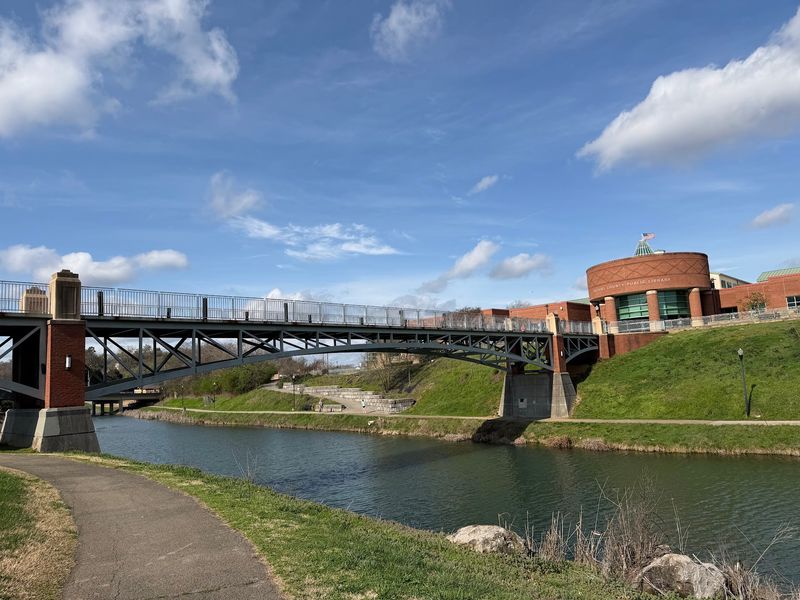
Maryville sits at the edge of the Great Smoky Mountains, and for years it offered an affordable gateway to one of the country’s most visited national parks. The town’s combination of natural beauty, small-town charm, and reasonable costs made it a favorite among retirees and families.
But the secret is out, and prices have climbed in ways that have surprised even long-time residents. Maryville is no longer the budget-friendly haven it once was.
The town’s appeal is easy to understand. It offers stunning mountain views, a mild climate, and a slower pace of life that contrasts sharply with urban areas.
Outdoor recreation is practically on the doorstep, with hiking, fishing, and scenic drives just minutes away. Maryville also boasts a historic downtown with local shops and restaurants that give it a distinct character.
But as more people discover these perks, housing demand has surged and prices have followed.
Home values in Maryville have jumped significantly over the past few years, driven by both out-of-state buyers and people relocating from larger Tennessee cities. Renters are also facing higher costs, with limited inventory pushing rates upward.
Even property taxes have increased as assessments reflect the rising market. Everyday expenses like groceries and services have also ticked higher, especially in areas that cater to tourists and newcomers.
Long-time locals often feel conflicted about the changes. They appreciate the economic growth and the attention their town is receiving, but many worry about affordability and the strain on local resources.
Schools and infrastructure are working to keep up with the influx, but the pace of change can feel overwhelming. Maryville’s transformation highlights how even towns in more rural areas can see dramatic cost increases when demand outpaces supply.
6. Sevierville
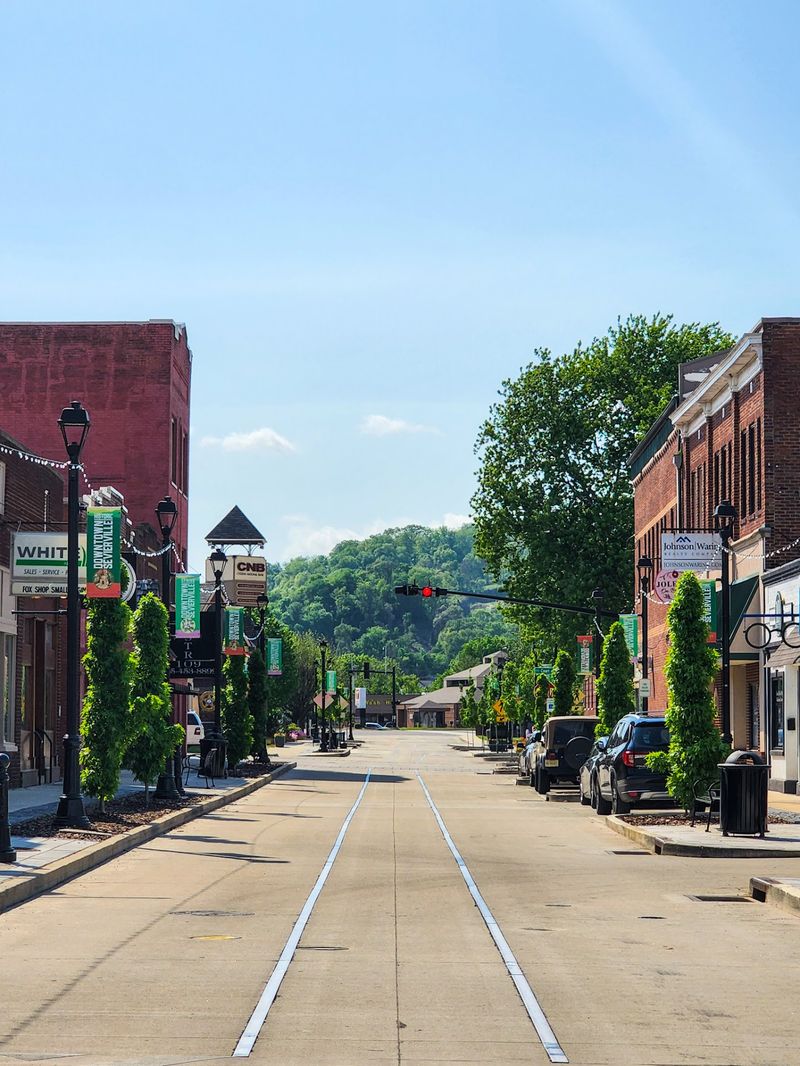
Sevierville has long been known as the gateway to the Smokies and the hometown of Dolly Parton, but it’s also become one of the more expensive places to live in East Tennessee. The town’s tourism industry drives much of the local economy, and that influx of visitors has a ripple effect on housing and everyday costs.
What once felt like an affordable mountain town now carries price tags that reflect its popularity and proximity to Gatlinburg and Pigeon Forge.
Tourism brings jobs and economic activity, but it also drives up costs for residents. Short-term rentals and vacation properties have proliferated, reducing the supply of long-term housing and pushing prices higher.
Homebuyers compete not just with other residents but also with investors looking to capitalize on the area’s booming tourism market. The result is a housing market where bidding wars are common and prices have climbed steadily year after year.
Renters face similar challenges. Apartments and rental homes that might have been affordable a decade ago now command rates that reflect the area’s desirability.
Even property taxes have increased as home values rise, putting pressure on long-time homeowners. Everyday expenses like groceries and dining out also feel steeper, especially in areas that cater to tourists.
The cost of living in Sevierville has become a real concern for many residents.
Long-time locals often express frustration about the changes. They appreciate the economic opportunities that tourism brings, but many feel priced out of the town they’ve called home for years.
Young families and retirees on fixed incomes find it increasingly difficult to afford housing. Sevierville’s transformation is a reminder that even towns built on tourism can see their affordability erode when demand outstrips supply.
7. Columbia
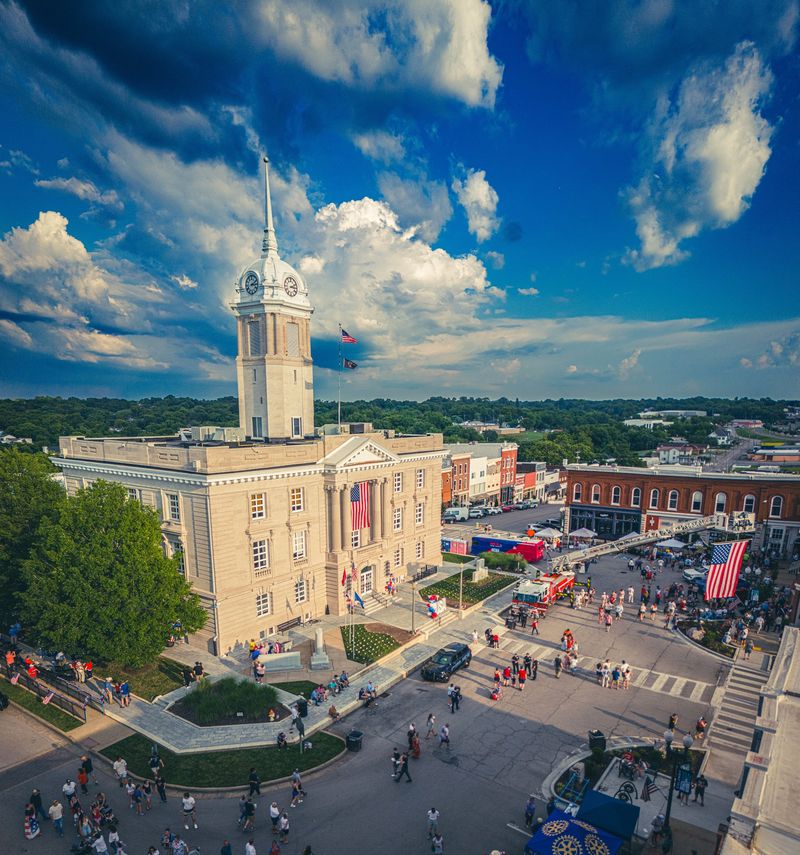
Columbia might not grab headlines like some of Tennessee’s bigger cities, but it’s quietly becoming one of the more expensive places to live in the southern part of the state. Located about an hour south of Nashville, Columbia has long been known for its historic downtown and mule festival.
But recent years have brought a wave of new residents and rising costs that have reshaped the local landscape. The town’s affordability is no longer what it used to be.
Part of the change comes from people seeking alternatives to pricier markets like Nashville and Franklin. Columbia offers a slower pace, lower crime, and a strong sense of community, all within commuting distance of larger cities.
The town has invested in revitalizing its downtown, which now features local shops, restaurants, and cultural attractions. Schools are generally well-regarded, and the cost of living was once a major selling point.
But as more people move in, housing prices have climbed.
Home values in Columbia have surged over the past few years, driven by both local demand and out-of-town buyers. Renters are also feeling the squeeze, with limited inventory pushing rates higher.
Property taxes have increased as assessments reflect the rising market, and even everyday expenses like groceries and services have ticked upward. The town’s growing popularity has brought economic benefits, but it’s also made life more expensive for many residents.
Long-time locals often have mixed feelings about the changes. They appreciate the economic growth and the improvements to downtown, but many worry about affordability and the loss of the tight-knit character that once defined Columbia.
Young families and retirees on fixed incomes find it harder to make ends meet. Columbia’s transformation is a reminder that even smaller towns can see dramatic cost increases when growth accelerates.
8. Lebanon
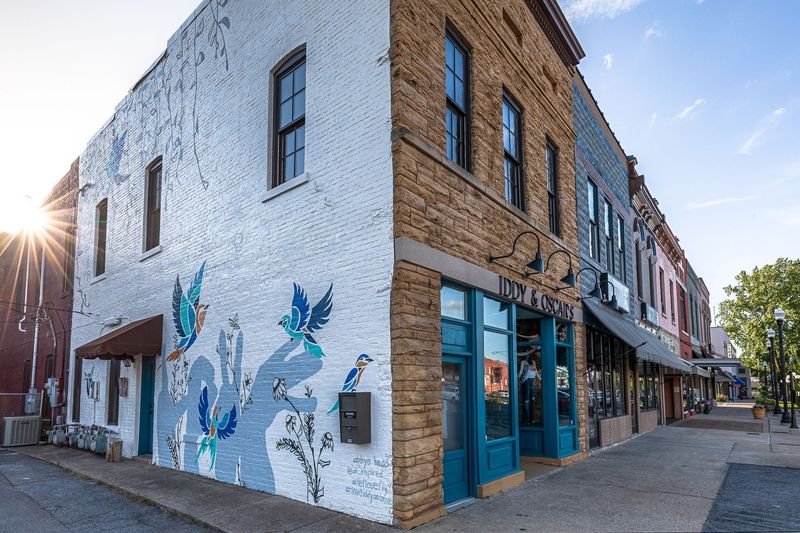
Lebanon sits just east of Nashville, and for years it offered a more affordable alternative to the capital city’s rising costs. The town’s blend of small-town charm and convenient access to urban amenities made it a popular choice for families and commuters.
But the secret is out, and prices have climbed in ways that have caught many residents off guard. Lebanon is no longer the budget-friendly option it once was.
The town’s appeal is straightforward. It offers good schools, a lower cost of living than Nashville, and a strong sense of community.
Lebanon’s downtown has seen revitalization efforts, with new shops and restaurants opening alongside historic buildings. The town also boasts parks and recreational facilities that attract families.
But as more people discover these perks, housing demand has surged and prices have followed. What was once an easy choice for budget-conscious buyers now requires serious financial consideration.
Home values in Lebanon have jumped significantly over the past few years, driven by both local demand and people relocating from more expensive areas. Renters are also facing higher costs, with apartment complexes and rental houses charging rates that reflect the area’s growing desirability.
Property taxes have increased as assessments climb, and even everyday expenses like groceries and services have ticked upward. The cost of living in Lebanon has become a real concern for many residents.
Long-time locals often express frustration about the rapid changes. They appreciate the economic growth and improved amenities, but many worry about affordability and the strain on local resources.
Young adults who grew up in Lebanon find it harder to afford homes in their hometown. Lebanon’s transformation highlights how quickly costs can rise when a town becomes a popular alternative to more expensive markets.
9. Murfreesboro
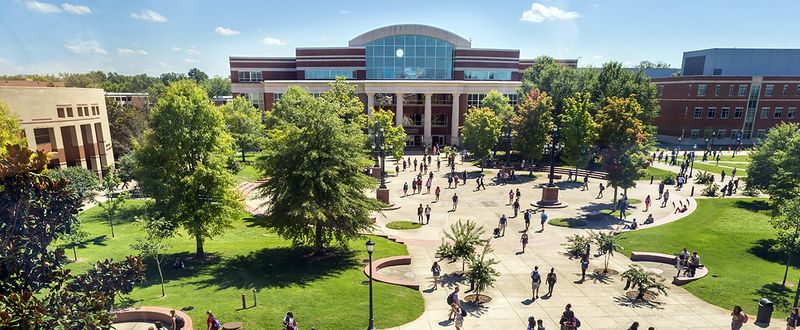
Murfreesboro has been growing for years, but recent cost increases have taken even seasoned residents by surprise. As Tennessee’s sixth-largest city and home to Middle Tennessee State University, Murfreesboro has always had a mix of students, families, and professionals.
But the town’s proximity to Nashville and its own expanding job market have driven a surge in demand that has pushed prices upward across the board. Affordability is no longer a given here.
The city’s appeal is multifaceted. It offers a diverse economy, good schools, and a range of housing options from apartments to single-family homes.
Murfreesboro’s historic downtown has seen revitalization, with new restaurants and shops opening alongside longstanding businesses. The presence of MTSU brings a youthful energy and cultural events that enrich the community.
But all that growth comes with a price tag. Home values have climbed steadily, and bidding wars are common in desirable neighborhoods.
Renters are also feeling the pinch. Apartment complexes that once offered affordable options for students and young professionals now charge rates that rival larger cities.
Property taxes have increased as home values rise, putting pressure on homeowners. Even everyday expenses like dining out and shopping have crept upward as the city grows and businesses adjust their pricing.
The cost of living in Murfreesboro has become a topic of concern for many residents.
Long-time locals often have mixed feelings about the changes. They appreciate the economic opportunities and improved amenities, but many worry about affordability and the loss of the small-town feel that once characterized Murfreesboro.
Young families and retirees on fixed incomes find it harder to make ends meet. Murfreesboro’s transformation is a reminder that even mid-sized cities can see dramatic cost increases when growth accelerates and demand outpaces supply.
10. Hendersonville
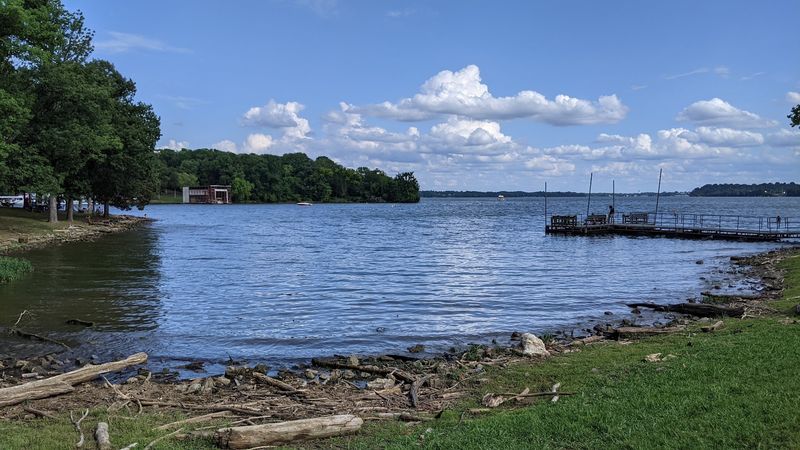
Hendersonville sits along the shores of Old Hickory Lake, and for decades it offered a desirable lakeside lifestyle at prices that felt reasonable. The town’s combination of waterfront access, good schools, and proximity to Nashville made it a favorite among families and retirees.
But recent years have brought cost increases that have reshaped the local housing market. Hendersonville is no longer the affordable lakeside community it once was.
The town’s appeal is obvious. Lakefront living brings opportunities for boating, fishing, and outdoor recreation right outside your door.
Hendersonville’s schools are well-regarded, and the community has a strong local identity. The town is close enough to Nashville for an easy commute but far enough to maintain a quieter, more relaxed atmosphere.
But as more people seek out these perks, housing demand has surged and prices have followed. Lakefront properties command premium prices, and even homes without water access have seen significant value increases.
Renters are also facing higher costs. Apartments and rental homes that once offered affordable options now charge rates that reflect the area’s desirability.
Property taxes have increased as home values climb, putting pressure on long-time homeowners. Even everyday expenses like groceries and dining out have ticked upward as the town grows and attracts more affluent residents.
The cost of living in Hendersonville has become a real concern for many.
Long-time locals often express frustration about the rapid changes. They appreciate the economic growth and the town’s continued appeal, but many worry about being priced out of neighborhoods where they’ve lived for years.
Young families find it harder to afford homes, and retirees on fixed incomes feel the squeeze. Hendersonville’s transformation is a reminder that even established communities can see dramatic cost increases when demand outpaces supply and desirability drives prices upward.
Share this story