Tennessee has long been known as a place where people move for lower living expenses and a slower pace of life. But since 2020, some towns across the state have watched their populations shrink instead of grow.
Rising housing costs, increased property taxes, and the general jump in everyday expenses have pushed families to look elsewhere for affordable places to call home. Here’s a closer look at ten Tennessee towns that have lost more residents than you might expect.
1. Memphis
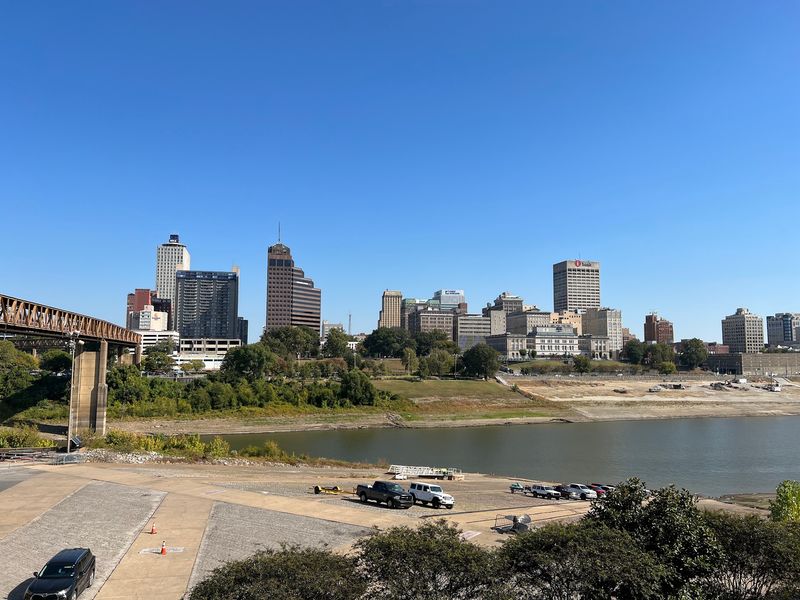
Memphis saw the biggest raw population drop of any Tennessee city between 2020 and 2025, losing nearly 19,000 residents. That’s a 3% decline in a city that once held more than 628,000 people.
While that percentage might not sound huge, the sheer number of folks packing up and leaving tells a bigger story about affordability challenges in what used to be one of the South’s most budget-friendly metro areas.
Housing costs in Memphis have climbed faster than many longtime residents expected. Rent for a two-bedroom apartment that might have run $800 a few years ago can now top $1,200 or more in decent neighborhoods.
Property taxes have also ticked upward as the city works to fund schools and infrastructure, squeezing homeowners who were already stretching their budgets. Groceries, utilities, and gas all cost more than they did in 2019, and wages haven’t kept pace for everyone.
Families who grew up in Memphis are weighing their options. Some have moved to smaller towns outside Shelby County where rent is cheaper and the pace feels less rushed. Others have left Tennessee altogether, heading to states with lower tax burdens or better job markets.
The city still has plenty of charm, from its world-famous barbecue to the rich music history that draws tourists year-round. But charm doesn’t pay the bills. When a household budget gets tight, even a city with deep roots and cultural landmarks can lose its appeal.
Memphis leaders are working on economic development projects and affordable housing initiatives, hoping to slow the exodus. Whether those efforts can reverse the trend remains to be seen, but the numbers from the past few years show that rising costs have real consequences for real people trying to make ends meet in a place they love.
2. Bartlett
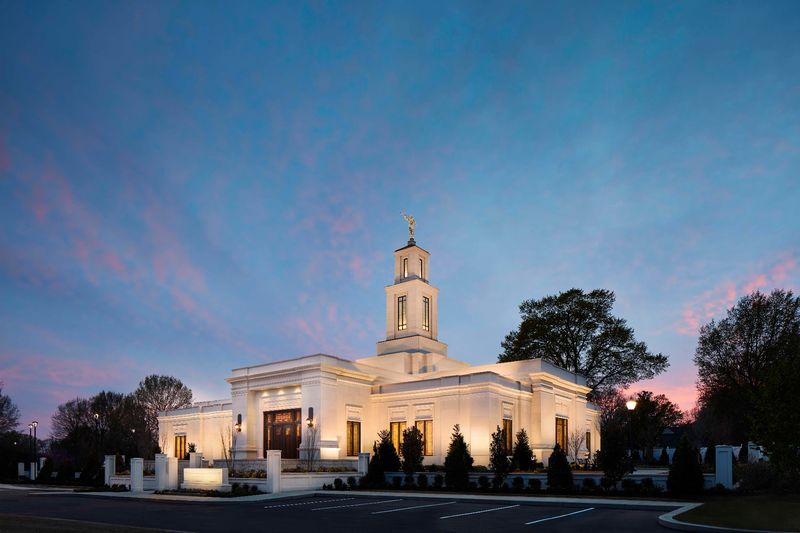
Bartlett sits just northeast of Memphis, and for years it was the kind of suburb families dreamed about. Good schools, safe streets, and a short commute into the city made it a popular landing spot for young parents and retirees alike.
But between 2020 and 2025, Bartlett lost about 1,400 residents, a 2.4% drop that stands out because the broader Memphis metro has generally been growing. Something pushed people away, and rising costs are a big part of the answer.
Property taxes in Bartlett have climbed as the town invests in parks, public safety, and road maintenance. Homeowners who bought in when prices were lower now face annual tax bills that can feel like a second mortgage payment.
Meanwhile, home values have jumped, which sounds good on paper but makes it harder for first-time buyers to get in. Rent hasn’t stayed flat either, with landlords raising rates to keep up with their own expenses.
Grocery stores, gas stations, and restaurants in Bartlett have all raised prices since the pandemic. A family that used to spend $150 a week on groceries might now spend $200 or more for the same items.
Utilities have gone up too, especially during hot summers when air conditioning runs nonstop. All those little increases add up, and for some households, the math just doesn’t work anymore.
Bartlett still has a lot going for it. The schools remain strong, and the community vibe is friendly and welcoming. But when a family can save $300 or $400 a month by moving twenty miles farther out, that’s a hard offer to refuse.
The town’s leaders are aware of the problem and are looking for ways to keep costs manageable, but reversing a population decline takes time and creative solutions.
3. Germantown
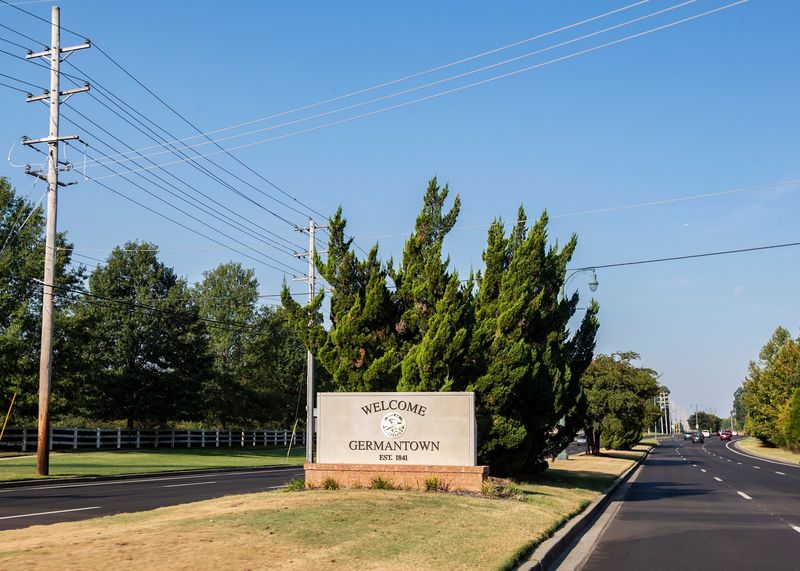
Germantown has always been one of the pricier suburbs in the Memphis area, known for its excellent schools, low crime, and well-kept neighborhoods. But even this affluent community hasn’t been immune to population loss.
Between 2020 and 2025, Germantown dropped from about 41,300 residents to just over 40,000, a 3.2% decline. That might surprise people who assume wealthier towns are insulated from affordability pressures, but the reality is more complicated.
Housing in Germantown was already expensive before 2020, and it’s only gotten worse. The median home price has climbed well into the $400,000 range, and property taxes reflect those high values.
For retirees on fixed incomes, those tax bills can be brutal. Some longtime residents have sold their homes and moved to less expensive areas where their retirement savings will stretch farther.
Younger families face a different challenge: even with good jobs, scraping together a down payment and covering a mortgage in Germantown can feel impossible.
Everyday expenses have also crept higher. Germantown’s restaurants, boutiques, and service businesses cater to an upscale clientele, and prices reflect that.
A dinner out that might have cost $50 a few years ago can now run $75 or more. Lawn care, house cleaning, and other services that many Germantown residents rely on have all raised their rates.
When you add it all up, living in Germantown requires a bigger paycheck than it used to.
Some families have decided the trade-off isn’t worth it anymore. They’re moving to nearby towns like Collierville or even farther out into rural areas where they can get more house for less money.
Germantown still ranks as one of Tennessee’s best places to live by many measures, but if the cost of staying keeps rising, more residents may follow those who’ve already left.
4. Brownsville
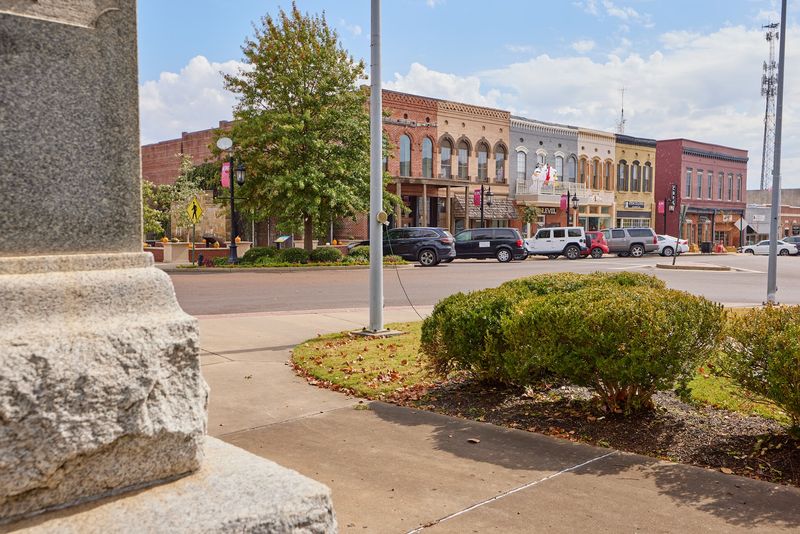
Brownsville is a small town in West Tennessee, about an hour northeast of Memphis. It’s the kind of place where everybody knows your name, and life moves at a slower pace.
But that small-town charm hasn’t been enough to keep people from leaving. Between 2020 and 2025, Brownsville lost more than 600 residents, a 6.2% drop. That’s a steeper decline than many larger cities have seen, and it raises questions about what’s driving people away.
One big factor is the cost of living relative to local wages. Brownsville doesn’t have a booming job market, and many residents commute to Memphis or Jackson for work.
Gas prices spiked after 2020, making those daily drives more expensive. At the same time, rent and home prices in Brownsville have climbed, even if they’re still lower than in bigger cities.
For families already living paycheck to paycheck, even a small increase in expenses can tip the balance.
Groceries, utilities, and healthcare costs have all gone up, just like everywhere else. But in a town where median incomes are lower, those increases hit harder.
A family that was just getting by in 2019 might now be struggling to cover basic bills. Some have moved to larger towns with better job opportunities, while others have left Tennessee altogether in search of a fresh start.
Brownsville has its strengths. The town is home to the West Tennessee Delta Heritage Center, and the community spirit is strong.
Local leaders are working to attract new businesses and create jobs, but economic development takes time. In the meantime, the population decline continues, and the town feels a little quieter each year.
Reversing that trend will require not just lower costs, but also better opportunities for the people who call Brownsville home.
5. Tiptonville

Tiptonville is a tiny town in the far northwest corner of Tennessee, right next to Reelfoot Lake. It’s a peaceful spot, popular with anglers and nature lovers, but it’s also one of the towns that has been hit hardest by population loss.
Between 2020 and 2025, Tiptonville’s population fell from nearly 4,000 to about 3,300, a staggering 16.2% decline. That means roughly one in every six residents left town in just five years, and rising costs are a big part of why.
Tiptonville doesn’t have a lot of high-paying jobs. Most of the work is in agriculture, small businesses, or service industries, and wages haven’t kept up with the cost of living.
Rent has gone up, groceries cost more, and utility bills have climbed. For families already living on tight budgets, those increases can be the difference between making it and falling behind.
Some have moved to larger towns like Union City or Dyersburg, hoping for better job prospects and more affordable housing.
Healthcare access is another issue. Tiptonville is small, and residents often have to drive an hour or more for specialized medical care.
Gas prices make those trips expensive, and for older residents on fixed incomes, the cost of getting to a doctor can be a real burden. Some retirees have moved closer to family in other states where living expenses are lower and medical care is easier to reach.
Reelfoot Lake remains a draw for tourists, and the town has a loyal community of people who love the quiet, rural lifestyle. But loving a place doesn’t pay the bills.
Tiptonville’s leaders are aware of the challenges and are working to bring in new businesses and improve infrastructure. Still, reversing a 16% population drop is no small task, and the road ahead looks tough for this small Tennessee town.
6. Union City
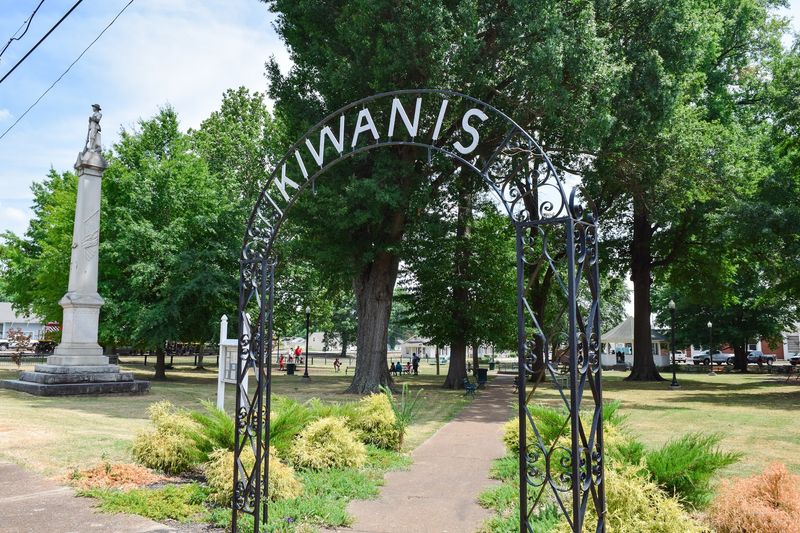
Union City sits in Northwest Tennessee, about halfway between Memphis and Paducah, Kentucky. It’s a regional hub for the surrounding rural area, with a hospital, shopping centers, and a branch of the University of Tennessee.
But even with those amenities, Union City has seen its population shrink. Between 2020 and 2025, the town lost about 370 residents, a 3.3% drop.
That’s significant for a community of just over 11,000 people, and it reflects broader trends in rural Tennessee.
Job opportunities in Union City are limited compared to larger cities. Many residents work in manufacturing, healthcare, or retail, and wages in those fields haven’t kept pace with rising costs.
Rent has gone up, and so have home prices, even in a town where housing was already relatively affordable. Property taxes have climbed as the city tries to maintain roads, schools, and public services, adding to the financial pressure on homeowners.
Everyday expenses have also increased. Groceries that used to cost $100 a week now run closer to $130 or $140.
Utility bills are higher, especially in the summer when air conditioning is a must. Gas prices spiked after 2020, making it more expensive for people who commute to jobs in other towns.
All those little increases add up, and for families living on the edge, they can be the final straw.
Union City has a strong sense of community, and many residents have deep roots in the area. The town hosts annual events like the Obion County Fair, and local schools are a source of pride. But when the cost of living outpaces what people can earn, even the strongest community ties can fray.
7. Clifton
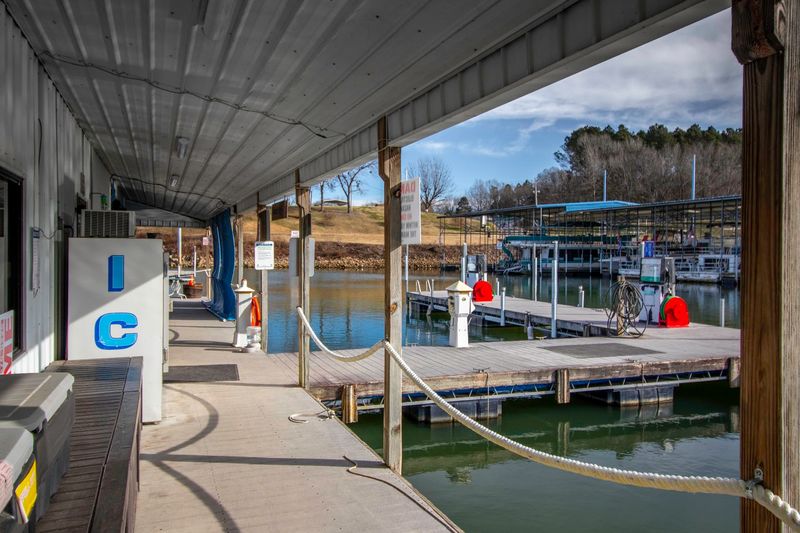
Clifton is a small town on the banks of the Tennessee River, tucked away in Wayne County. It’s a quiet, scenic place, popular with retirees and people who love the outdoors.
But between 2020 and 2025, Clifton lost more than 300 residents, an 11.7% decline. That’s a significant chunk of a town that only had about 2,600 people to begin with, and it’s a clear sign that something is driving folks away.
One issue is the lack of economic opportunity. Clifton doesn’t have a lot of jobs, and the ones that exist tend to be low-wage positions in retail, food service, or seasonal work related to tourism.
Younger people often leave for college or better job prospects in cities like Nashville or Memphis, and many don’t come back. Retirees who once flocked to Clifton for its peaceful setting are now finding that living on a fixed income in a place where costs are rising can be tough.
Housing costs have increased, even in a small town like Clifton. Rent for a modest apartment or house has gone up, and property taxes have climbed as the county tries to fund schools and infrastructure.
Groceries, utilities, and healthcare costs have all risen too. For retirees on Social Security or families working low-wage jobs, those increases can make it hard to get by.
Some have moved to larger towns where there are more job opportunities and better access to services.
Clifton still has its charms. The Tennessee River offers great fishing and boating, and the town has a tight-knit community feel. But charm doesn’t pay the bills, and when people are struggling to make ends meet, they’ll go where the opportunities are.
Clifton’s leaders are aware of the problem, but attracting new businesses and residents to a small, rural town isn’t easy. The population decline may continue unless something changes to make Clifton more affordable and economically viable.
8. La Follette
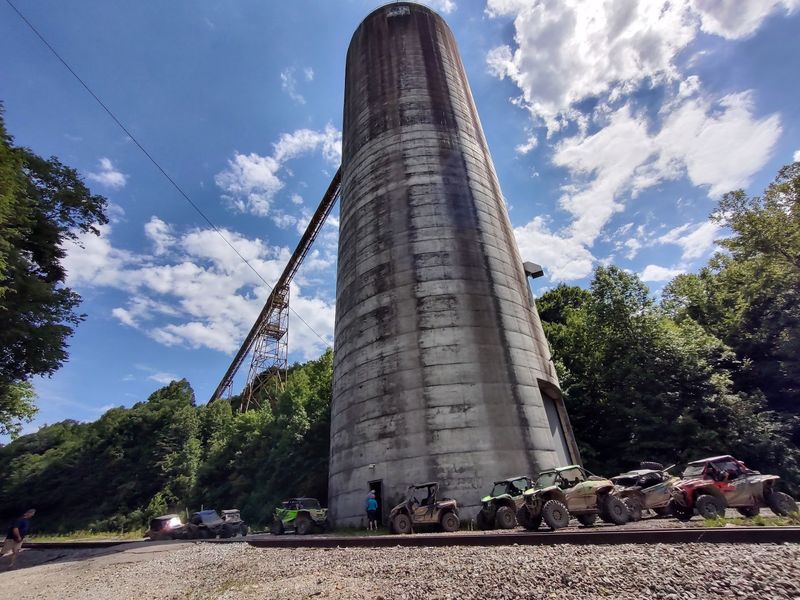
La Follette is a small city in Campbell County, nestled in the foothills of the Appalachian Mountains in East Tennessee. It’s a place with a proud history tied to coal mining and manufacturing, but like many rural towns, it has struggled in recent years.
Between 2020 and 2025, La Follette lost about 260 residents, a 3.5% decline. That might not sound like much, but in a town of just over 7,000 people, every loss is felt.
Economic challenges have been a big part of the story. La Follette’s economy was built on coal and manufacturing, but both industries have been in decline for decades.
Jobs are scarce, and the ones that remain often don’t pay enough to cover rising living costs. Rent and home prices have gone up, even in a town where housing was already affordable.
Property taxes have increased as the city struggles to maintain aging infrastructure and fund schools.
Everyday expenses have climbed too. Groceries cost more, utilities are higher, and gas prices spiked after 2020, making it more expensive for residents who have to drive to Knoxville or other nearby cities for work or shopping.
Healthcare access is another issue. La Follette has a small hospital, but for specialized care, residents often have to travel an hour or more, adding to their expenses.
Many younger people leave La Follette for college or job opportunities elsewhere, and few return. Retirees who once found the town appealing are now dealing with the reality of rising costs on fixed incomes.
Some have moved to larger towns where services are more accessible and living expenses are more manageable. La Follette still has natural beauty and a strong sense of community, but without economic growth and better job opportunities, the population decline is likely to continue.
9. Dyersburg
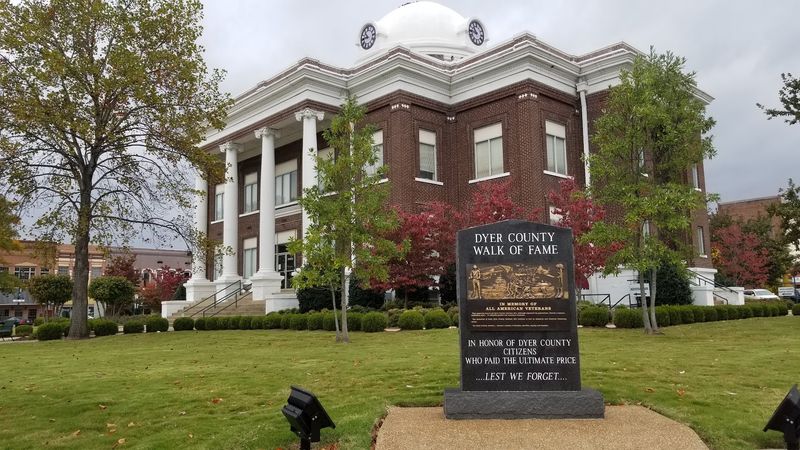
Dyersburg is one of the larger towns in Northwest Tennessee, serving as a regional center for Dyer County and the surrounding area. It has a hospital, shopping centers, and a variety of businesses, but even with those advantages, Dyersburg has seen its population slip.
Between 2020 and 2025, the town lost about 270 residents, a 1.7% decline. That’s a smaller percentage than some other towns on this list, but it still represents hundreds of people who decided to leave.
Job opportunities in Dyersburg are better than in many rural Tennessee towns, but they’re still limited. Manufacturing and healthcare are major employers, but wages in those fields haven’t kept pace with rising costs.
Rent has gone up, and so have home prices, even in a town where housing was relatively affordable. Property taxes have increased as the city invests in infrastructure and public services, putting additional pressure on homeowners.
Everyday expenses have climbed across the board. Groceries that used to cost $120 a week now run closer to $150 or $160.
Utility bills are higher, especially during the hot summer months. Gas prices spiked after 2020, making it more expensive for people who commute to work or drive to Memphis for shopping and entertainment.
All those increases add up, and for families living on tight budgets, they can make staying in Dyersburg feel unsustainable.
Dyersburg has a strong community and a historic downtown that the city has worked hard to revitalize. Annual events like the Dogwood Festival draw visitors from across the region.
But when the cost of living outpaces what people can earn, even a town with a lot going for it can struggle to hold onto residents. Some families have moved to larger cities with better job markets, while others have relocated to smaller towns where living expenses are lower.
Dyersburg’s leaders are working on economic development and affordable housing initiatives, but reversing a population decline takes time.
10. East Ridge
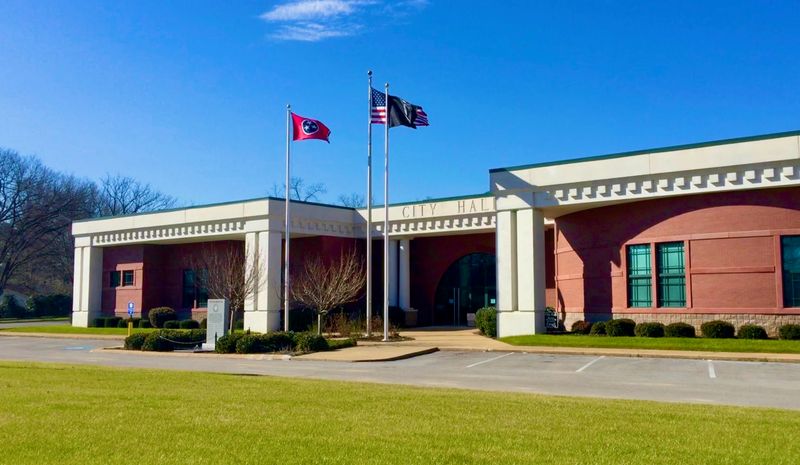
East Ridge sits right on the Tennessee-Georgia border, just outside Chattanooga. It’s a small city with a mix of residential neighborhoods, shopping centers, and easy access to I-75.
For years, East Ridge was seen as an affordable alternative to Chattanooga proper, but between 2020 and 2025, the city lost about 250 residents, a 1.1% decline. That’s especially interesting because Chattanooga itself has been growing rapidly, drawing new residents and businesses.
So why is East Ridge losing people?
One reason is rising housing costs. East Ridge used to be a bargain compared to Chattanooga, but rent and home prices have climbed significantly. A two-bedroom apartment that might have rented for $800 a few years ago can now cost $1,100 or more.
Property taxes have also gone up, and for homeowners on tight budgets, that can be a deal-breaker. Some residents have moved farther out into rural areas where housing is cheaper, even if it means a longer commute.
Everyday expenses have increased too. Groceries, utilities, and gas all cost more than they did in 2019.
East Ridge has a lot of retail and dining options, but prices at those businesses have gone up as well. For families trying to make ends meet, the small increases in every area of life add up to a big problem.
Some have decided to move to towns in Georgia or farther into Tennessee where the cost of living is lower.
East Ridge still has a lot to offer. It’s close to Chattanooga’s job market and cultural attractions, and the city has good schools and parks. But being close to a booming city doesn’t automatically mean sharing in that growth.
If East Ridge can’t keep housing costs in check and offer residents a good quality of life at a reasonable price, more people may follow those who’ve already left.