Texas museums offer way more than dusty displays behind velvet ropes. Across the state, you’ll find collections that bring history roaring back to life, spark your curiosity about science and nature, and tell stories you never knew existed. Whether you’re exploring the drama of World War II battles or stepping inside an 1800s log cabin, these spots transform a regular day into something you’ll remember for years.
Pack your sense of adventure and get ready to discover why Texas museums are anything but boring.
1. National Museum of Funeral History (Houston)
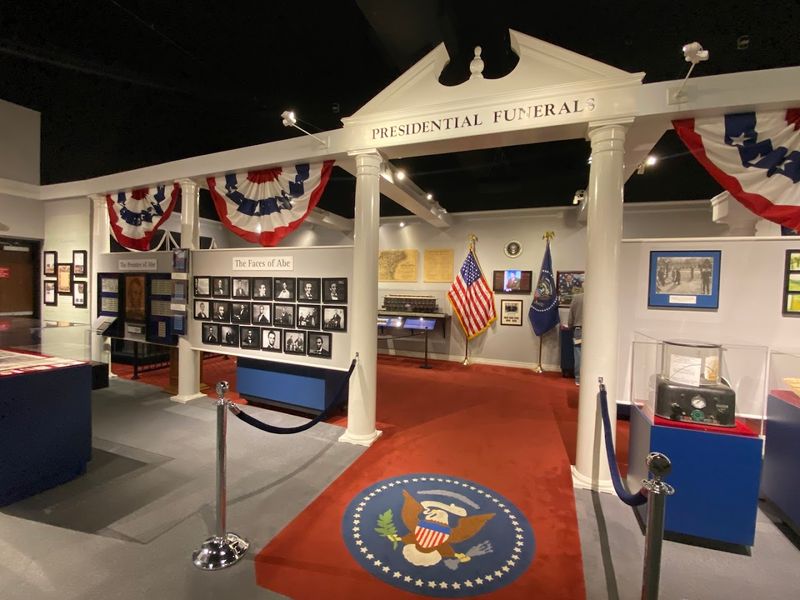
Most people don’t think about funeral customs until they have to, but this Houston museum proves the subject is way more fascinating than you’d imagine. Walking through these halls feels like uncovering secrets about how different cultures honor their dead, from elaborate Victorian mourning rituals to modern memorial practices. You’ll see everything from antique hearses that look like they belong in a Tim Burton movie to presidential caskets that carried some of America’s most famous leaders.
The collection includes a surprising amount of quirky artifacts that make you see death in a completely different light. There’s a display about jazz funerals in New Orleans that practically makes you want to dance, and exhibits on Day of the Dead celebrations that burst with color and life. The museum doesn’t shy away from the strange stuff either, like coffins shaped like giant fish or colorful fantasy caskets from Ghana.
Kids might sound skeptical at first, but they usually end up totally absorbed by the unusual stories and objects. The papal collection showcases items used in Vatican funerals, while another section explores how funeral customs vary wildly around the world. You’ll learn about embalming history, cremation practices, and memorial traditions you never knew existed.
What makes this place special is how it handles a serious topic with respect while keeping things genuinely interesting. The staff knows their stuff and can answer questions you didn’t even know you had about funeral practices. Plan to spend at least an hour and a half here because once you start exploring, it’s hard to pull yourself away.
The museum sits in a regular-looking building that doesn’t hint at the treasures inside. Admission prices are reasonable, and the gift shop offers some truly unique souvenirs you won’t find anywhere else. This isn’t your typical museum experience, and that’s exactly what makes it worth the visit.
2. Frontier Texas! (Abilene)
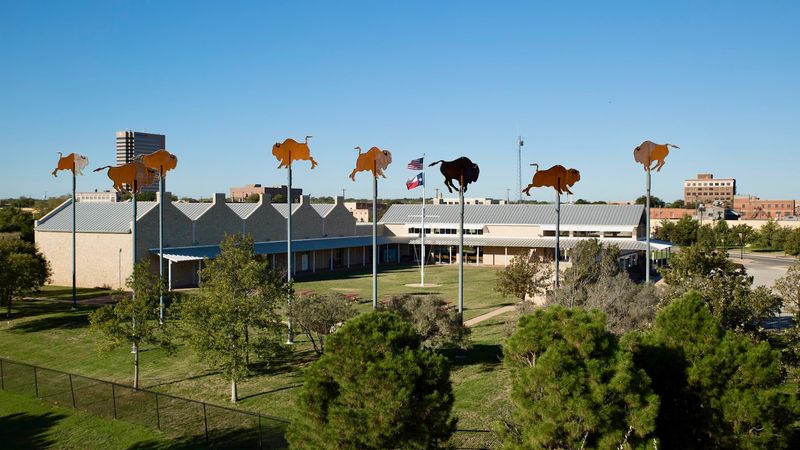
Holograms of real historical figures greet you at this Abilene attraction, telling their own stories about life on the Texas frontier. These aren’t cheesy special effects either—the technology creates lifelike projections of cowboys, Native Americans, and settlers who actually lived in West Texas during the 1700s and 1800s. Hearing their voices describe buffalo hunts, cattle drives, and survival struggles makes history feel immediate and personal rather than distant and boring.
The museum focuses on a specific slice of Texas history that often gets romanticized in movies but rarely explored with this much depth. You’ll discover what daily life actually involved for people carving out an existence in harsh territory. The exhibits explain conflicts between different groups, the reality of frontier justice, and how communities formed in the middle of nowhere.
Interactive elements keep younger visitors engaged while adults appreciate the serious research behind everything. Touch screens let you explore maps showing how the frontier changed over time, and displays showcase authentic artifacts from the period. The theater experience uses a massive curved screen to immerse you in frontier landscapes, complete with thundering buffalo herds and dramatic weather.
What separates this place from typical history museums is the storytelling approach that makes you feel connected to actual people rather than just reading dates and facts. The holographic guides include a Comanche warrior, a buffalo soldier, and a frontier woman, each offering different perspectives on the same era. Their stories sometimes contradict each other, which helps you understand how complex and messy real history actually was.
The building itself looks impressive from the outside, designed to reflect frontier architecture with modern touches. Most visitors spend around two hours exploring everything, though history buffs could easily stretch that longer. Abilene doesn’t always top tourist lists, but this museum alone makes the trip worthwhile for anyone curious about Texas heritage beyond the Alamo.
3. Museum of South Texas History (Edinburg)
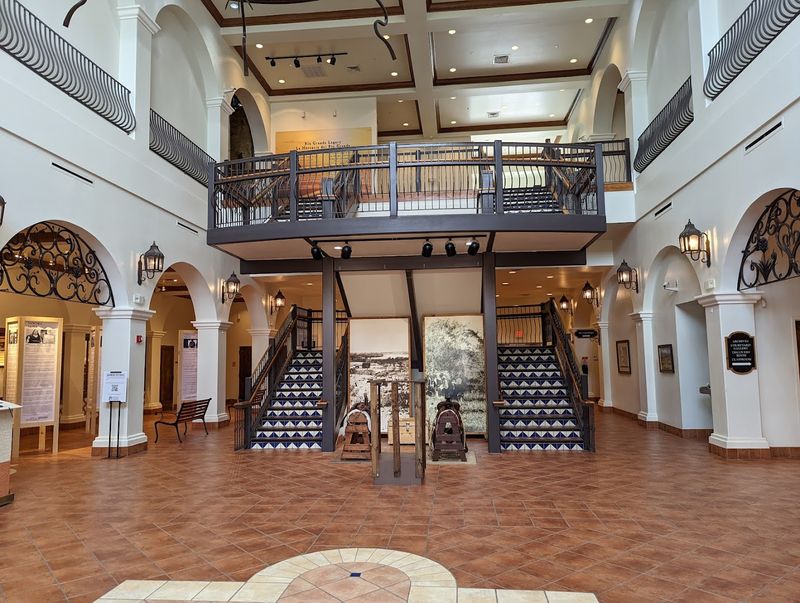
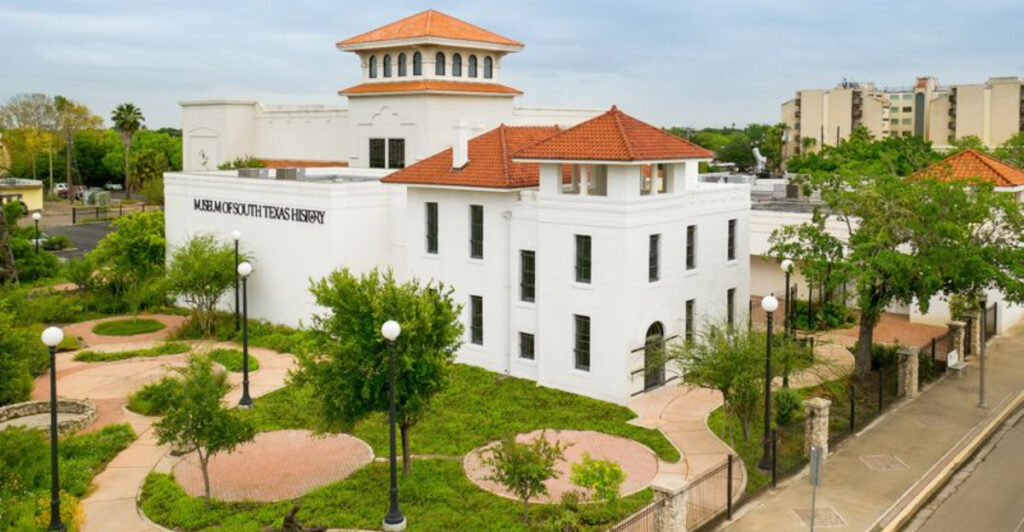
South Texas history stretches way beyond what most textbooks cover, and this Edinburg museum fills in those gaps with style. The region’s story involves Spanish explorers, Mexican ranchers, Native American tribes, and waves of immigrants who all left their mark on the landscape. Instead of presenting one simplified version of events, the exhibits acknowledge different viewpoints and help you understand why South Texas developed its own distinct culture.
Walking through feels like traveling backward through time, starting with modern South Texas and working your way to the earliest inhabitants. You’ll see ranching equipment that reminds you how important cattle culture remains in the area, alongside artifacts from the region’s agricultural boom. The collection includes everything from ancient arrowheads to vintage clothing that shows how fashion evolved over centuries.
One of the most interesting sections explores the borderlands experience and how living near Mexico shaped communities in unique ways. The exhibits don’t ignore complicated topics like land disputes, cultural clashes, and economic struggles that defined the region. You’ll gain appreciation for how resilient people had to be to thrive in South Texas, where summer heat can be brutal and resources weren’t always abundant.
The museum does an excellent job explaining why certain traditions remain strong in South Texas today. From quinceañera customs to rodeo culture, you’ll trace the roots of practices that still matter to local communities. Kids especially enjoy the hands-on activities that let them try on period clothing or handle replica tools from different eras.
Architecture buffs will appreciate the building itself, which blends modern design with nods to regional heritage. The staff includes people deeply connected to South Texas who can share personal stories that add extra layers to what you’re seeing. Plan for at least two hours if you want to read most of the exhibit text and watch the video presentations.
This museum proves that every region has fascinating stories worth preserving, even if they don’t make national headlines.
4. Bullock Texas State History Museum (Austin)
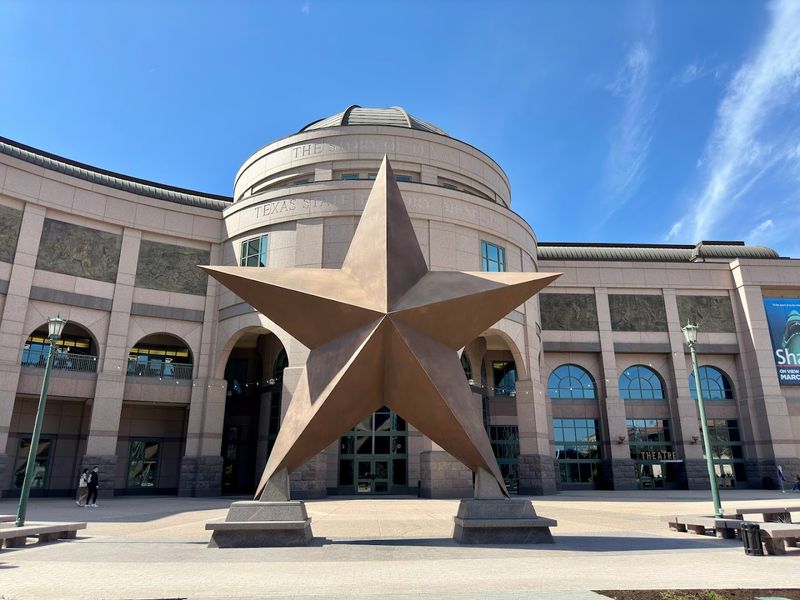
Austin’s official state history museum tackles the massive job of covering Texas from prehistoric times to the present, and somehow pulls it off without feeling overwhelming. The three floors of exhibits move chronologically, letting you experience how Texas transformed from wilderness to Spanish territory to independent republic to U.S. state. Giant artifacts like a real La Salle ship and historic vehicles grab your attention immediately, while smaller displays reward closer inspection.
The first floor focuses on land and identity, exploring the geography that shaped Texas culture and the diverse groups who called it home. You’ll encounter Native American artifacts, Spanish mission history, and stories of early empresarios who brought settlers to Mexican Texas. The exhibits don’t sugarcoat the violence and displacement that came with expansion, presenting a more complete picture than old-school Texas mythology.
Moving upstairs, you’ll follow Texas through revolution, statehood, and the Civil War era. The museum does something smart by showing how different Texans experienced the same events—what looked like progress to some meant loss and suffering for others. Interactive elements let you try your hand at activities like sending telegraph messages or examining historical documents up close.
The top floor brings Texas history into modern times, covering oil booms, civil rights struggles, space exploration, and cultural achievements. You’ll see how Texas influenced music, food, and entertainment on a national scale. The IMAX theater shows films that complement the exhibits, though it requires a separate ticket.
What makes this museum work is the balance between entertaining presentations and serious scholarship. The design keeps things moving so you don’t get exhibit fatigue, and the layout makes it easy to skip sections if certain eras interest you more than others. The gift shop offers quality Texas-themed items beyond the usual tourist junk.
Located right near the Capitol, the museum makes a perfect addition to a downtown Austin day. Most visitors need at least three hours to see everything without rushing. Whether you’re a lifelong Texan or just visiting, you’ll leave with a deeper understanding of what shaped this complicated, fascinating state.
5. Whiteside Museum of Natural History (Seymour)
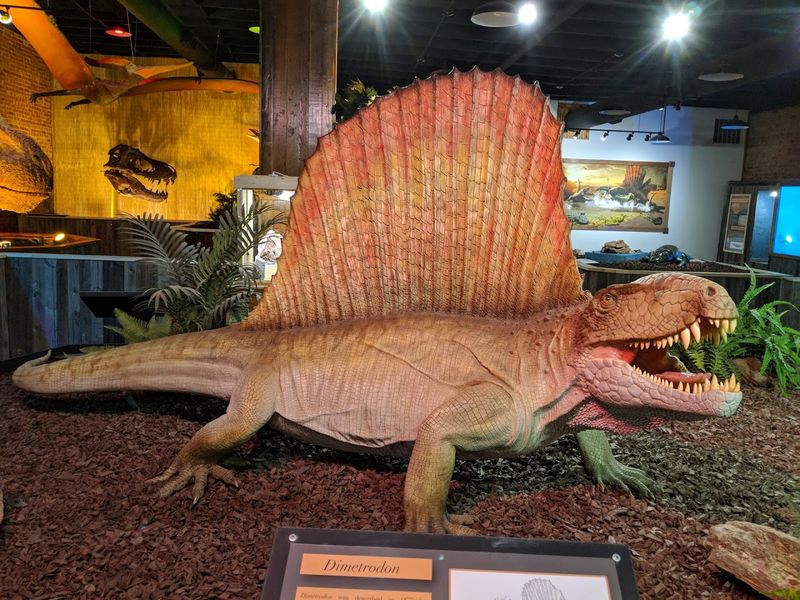
Small-town museums sometimes hold the most unexpected treasures, and this Seymour gem proves that point perfectly. What started as one person’s passion for collecting fossils and minerals grew into a museum that rivals much bigger institutions in terms of quality and scope. The sheer variety of specimens packed into this space will blow your mind—from massive dinosaur bones to delicate butterfly collections to rocks that glow under ultraviolet light.
The fossil collection deserves special attention because it includes some seriously impressive finds from Texas and beyond. You’ll see ancient sea creatures that lived when Texas sat underwater, massive mammal bones from the Ice Age, and dinosaur remains that spark imagination. The displays explain how these creatures lived and why they disappeared, making prehistoric life feel real rather than abstract.
Minerals and gems fill entire rooms with colors and formations that look almost alien. Some specimens are huge and dramatic, while others require close examination to appreciate their intricate crystal structures. The museum doesn’t just show pretty rocks—it explains how they formed, where they came from, and why certain minerals matter to human civilization.
Beyond geology and paleontology, the museum branches into other natural history topics including taxidermy displays of animals from around the world. The mounted specimens show incredible detail and help you appreciate the diversity of life on Earth. Kids especially love seeing animals they’ve only encountered in books or screens, now presented in three-dimensional glory.
What really stands out is how much passion went into building this collection over decades. The museum maintains a personal touch that massive institutions sometimes lose, with knowledgeable volunteers who genuinely love sharing what they know. The building itself might look modest from outside, but inside you’ll find display after display that rewards curiosity.
Seymour isn’t a major tourist destination, which means you’ll probably have the museum mostly to yourself during your visit. Admission costs very little considering what you get to see, making this an incredible value for families. Plan for at least an hour and a half, though anyone fascinated by natural history could easily spend much longer exploring every corner of this hidden treasure.
6. LBJ Presidential Library (Austin)
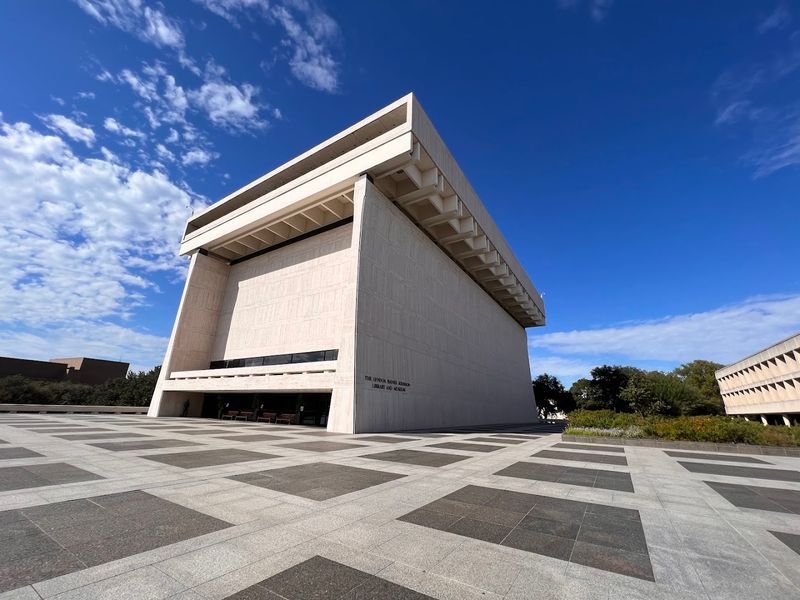
Presidential libraries might sound dry, but this Austin institution brings the 1960s roaring back to life in ways that feel surprisingly relevant today. Lyndon Johnson’s presidency covered some of the most turbulent years in American history—civil rights battles, the Vietnam War, the Great Society programs, and cultural upheaval that changed the nation forever. The library doesn’t shy away from controversy, presenting both LBJ’s achievements and his failures with honesty.
The building sits on the University of Texas campus, and its brutalist architecture perfectly captures the era’s bold, confident style. Inside, you’ll find floors of exhibits covering Johnson’s entire life from his Texas childhood through his sudden ascension to the presidency after Kennedy’s assassination. The displays use photos, videos, and artifacts to recreate the feeling of the 1960s, when everything seemed to be changing at once.
One of the most powerful exhibits recreates the Oval Office exactly as Johnson used it, complete with the multiple television sets he famously watched simultaneously. You can listen to actual phone conversations he recorded, hearing him cajole, threaten, and persuade senators to pass civil rights legislation. These recordings reveal his complex personality—brilliant and crude, visionary and calculating, deeply committed to helping poor Americans while also escalating a disastrous war.
The civil rights section deserves extended time because it documents a pivotal moment when federal government finally enforced constitutional rights for Black Americans. You’ll see the pens used to sign historic legislation, photos of marches and protests, and explanations of how the Voting Rights Act and Civil Rights Act transformed the country. The exhibits acknowledge that progress came through struggle and sacrifice, not just presidential action.
The Great Society programs get thorough coverage too, showing how Medicare, Medicaid, Head Start, and other initiatives aimed to eliminate poverty. Whether these programs succeeded remains debated, but the museum presents the ambitious vision behind them. You’ll also confront the Vietnam War exhibits that show how the conflict consumed Johnson’s presidency and ultimately drove him from seeking reelection.
Most visitors need at least two hours to explore properly, though political junkies could spend half a day here. The library hosts excellent temporary exhibits and educational programs throughout the year. This isn’t just a monument to one president—it’s a window into a decade that still shapes American life today.
7. National Museum of the Pacific War (Fredericksburg)
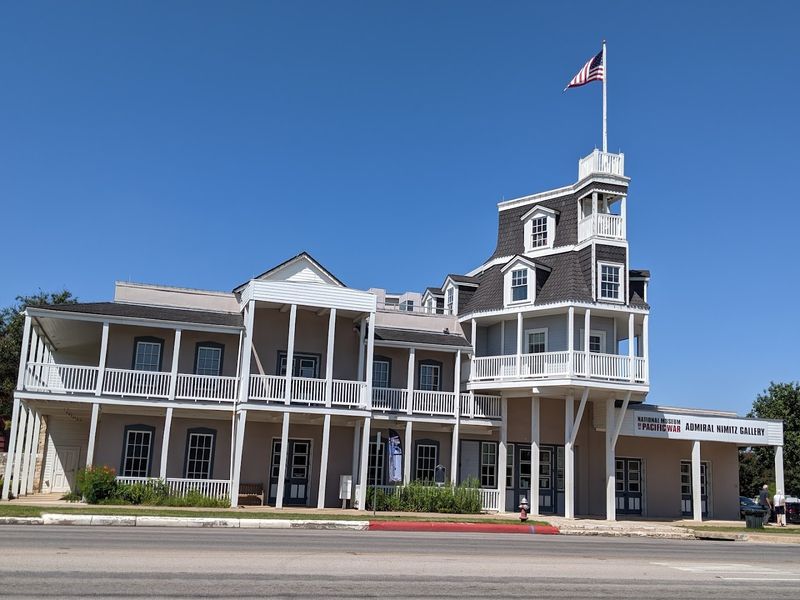
Fredericksburg seems like an unlikely spot for one of the world’s premier World War II museums, but the connection makes perfect sense once you learn that Admiral Chester Nimitz grew up here. The museum started as a tribute to the local hero who commanded U.S. forces in the Pacific, then expanded into a comprehensive look at the entire Pacific theater. What you’ll find now is a sprawling complex that rivals anything in Washington D.C. for scope and quality.
The main gallery building houses artifacts, photos, and exhibits that walk you through the Pacific War from Pearl Harbor to Japan’s surrender. You’ll see everything from personal items carried by soldiers to massive weapons and vehicle sections. The displays explain military strategy in ways that make sense even if you’re not a history buff, showing how island-hopping campaigns slowly pushed Japanese forces back across the Pacific.
Outside, the Pacific Combat Zone recreates actual battle conditions with amazing attention to detail. You’ll walk through a Philippine village, examine artillery pieces, and see how soldiers lived and fought in jungle conditions. Volunteers sometimes conduct living history demonstrations, firing weapons and explaining tactics.
The outdoor area alone could occupy an hour of your time.
The Plaza of Presidents features a stunning Japanese Garden of Peace, donated by the Japanese government as a symbol of reconciliation. The contrast between this serene space and the combat exhibits creates a powerful reminder about the costs of war and the value of peace. The garden’s design follows traditional principles, offering a quiet place to reflect between more intense museum sections.
The George H.W. Bush Gallery focuses on naval aviation and the war at sea, honoring another Pacific War veteran who became president. You’ll learn about carrier operations, submarine warfare, and the dangerous missions flown by young pilots like Bush.
The personal stories throughout the museum help you connect with individuals rather than just absorbing facts about battles and casualties.
Plan to spend at least three hours here, possibly more if you read everything and explore all the outdoor areas. The museum takes the Pacific War seriously while remaining accessible to all ages. Fredericksburg offers plenty of other attractions, but this museum alone justifies the trip for anyone interested in World War II history.
8. Log Cabin Village (Fort Worth)
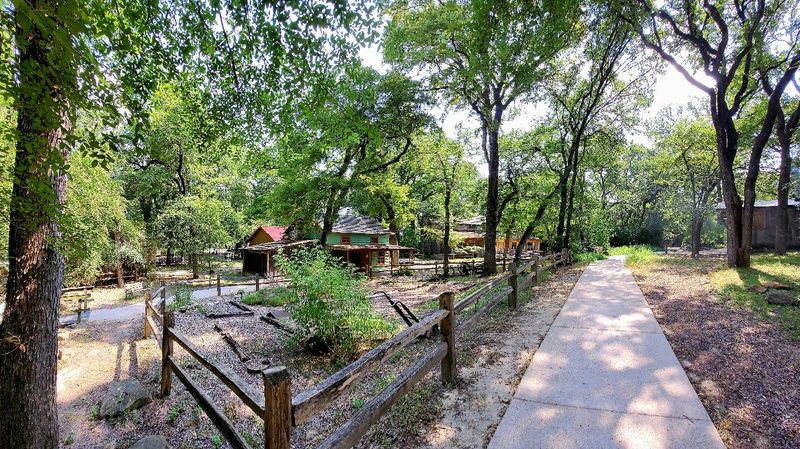
Stepping into this Fort Worth attraction feels like walking onto a movie set, except everything here is completely authentic. Seven historic log cabins were relocated from across North Texas and carefully restored to show how pioneers actually lived in the mid-1800s. Unlike museums where you just look at stuff behind glass, this village lets you wander through actual homes, peek into smokehouses and barns, and imagine daily life on the Texas frontier.
Each cabin tells a different story because they came from different families with varying levels of wealth and success. The Parker Cabin is the fanciest, built by a relatively prosperous farmer who could afford glass windows and wooden floors. The simpler cabins show how most settlers lived—in tight quarters with dirt floors and minimal possessions.
You’ll notice details like hand-hewn logs, wooden pegs instead of nails, and ingenious solutions to everyday problems.
Costumed interpreters bring the village to life, demonstrating skills like spinning wool, blacksmithing, and cooking over open fires. They stay in character and can answer questions about everything from what people ate to how they made soap. Kids love trying their hand at old-fashioned activities, and adults appreciate learning about the incredible amount of work required just to survive without modern conveniences.
The village sits along the Trinity River in a wooded area that probably looks similar to how it did 150 years ago. The natural setting helps you understand why settlers chose certain locations and how they used the land. You’ll see gardens growing heritage vegetables, chickens scratching in the yards, and maybe even sheep grazing near the barns.
Special events throughout the year showcase specific aspects of frontier life, from candle-making to quilting to harvest celebrations. The village also hosts school groups, offering hands-on history lessons that beat textbook learning any day. Even without special events, the regular exhibits and demonstrations provide plenty to see and do.
Most visits last between one and two hours, depending on how many questions you ask and whether you participate in activities. Admission prices are modest, making this an affordable family outing. Fort Worth has plenty of big attractions, but this small village offers something unique—a chance to slow down and appreciate how dramatically life has changed in just a few generations.
9. Fort Worth Museum of Science and History (Fort Worth)
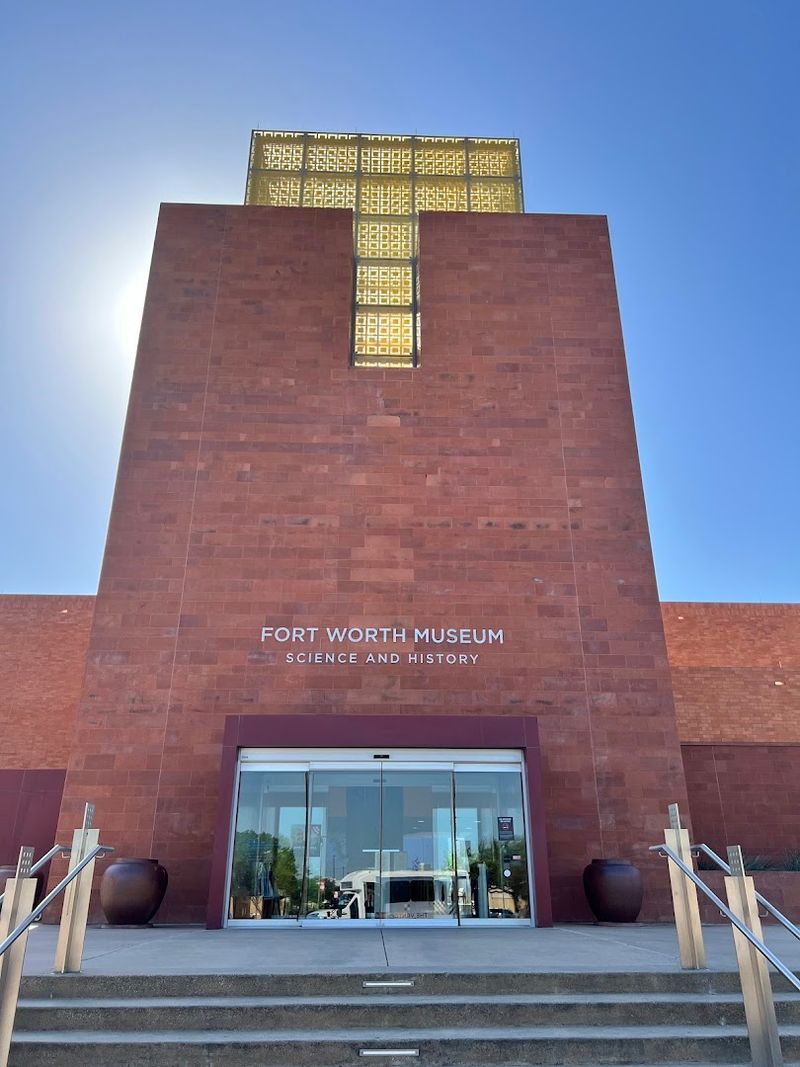
Fort Worth’s science museum manages to appeal to everyone from toddlers to grandparents, which is harder to pull off than it sounds. The building itself looks impressive from outside, with modern architecture that hints at the innovative exhibits inside. Once you enter, you’ll find yourself torn between exploring dinosaur fossils, watching planetarium shows, checking out Texas history displays, or diving into hands-on science experiments.
The DinoLabs and DinoStomp sections let you get up close with real fossils and learn how paleontologists actually work. You’ll see technicians preparing specimens in the visible lab, which shows that science is an ongoing process rather than just finished displays. The dinosaur exhibits focus heavily on Texas species, reminding visitors that this state once hosted its own prehistoric ecosystem complete with massive sauropods and fierce predators.
The Cattle Raisers Museum occupies an entire section, documenting how ranching shaped Texas economy and culture. You might not expect cowboy history in a science museum, but the combination works because it shows how humans adapted to Texas environments. The exhibits cover everything from trail drives to modern ranching technology, with plenty of artifacts and interactive elements.
The Innovation Studios let visitors tinker, build, and experiment with their own ideas. Unlike traditional museums where you just observe, these spaces encourage you to make things and test concepts. Kids can spend ages here constructing, problem-solving, and learning through play.
Adults enjoy these areas too, especially the engineering challenges that require creative thinking.
The Noble Planetarium presents shows about astronomy, space exploration, and cosmic phenomena on a massive dome screen. The technology creates an immersive experience that makes you feel like you’re floating through the universe. Show topics change regularly, so even repeat visitors find something new.
The theater also screens IMAX films on science and nature topics.
The museum regularly updates exhibits and adds new attractions, giving locals reasons to return throughout the year. The Energy Blast section explores power generation, while other galleries cover everything from human health to the water cycle. Special traveling exhibits rotate through, often featuring major topics like mummies or space exploration.
Plan at least half a day here because there’s genuinely too much to see in a quick visit. The museum cafe provides decent food so you can refuel without leaving. Fort Worth has excellent museums across several categories, but this one offers the most variety under one roof.
10. The Bryan Museum (Galveston)
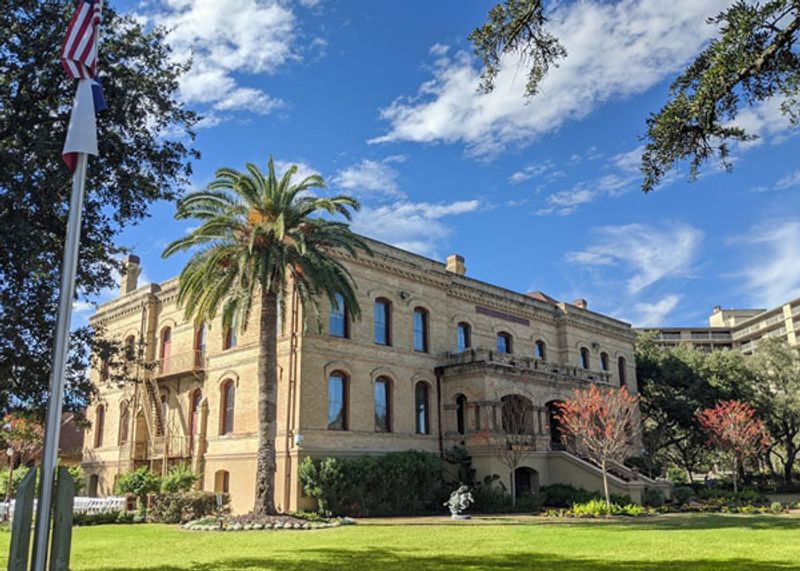
Galveston’s most impressive museum occupies a stunning 1895 building that originally served as an orphanage, and the architecture alone makes the visit worthwhile. The Bryan Museum houses what might be the most comprehensive collection of Texas and Southwest history artifacts in private hands. Walking through these galleries feels like discovering treasures in a mansion, with rare documents, artwork, weapons, and cultural objects filling room after elegant room.
The collection spans thousands of years, starting with indigenous peoples and moving through Spanish colonial times, Mexican rule, the Texas Revolution, and beyond. You’ll see items that belonged to famous figures like Stephen F. Austin and Sam Houston, alongside objects from everyday people whose names history forgot.
The variety is staggering—ancient pottery sits near ornate Spanish saddles, while Mexican War artifacts share space with early Texas maps.
Art lovers will appreciate the paintings and sculptures throughout the museum, many depicting Texas landscapes and historical scenes by talented artists. The collection includes works by Porfirio Salinas, whose bluebonnet paintings captured Texas beauty, and other regional artists who documented the Southwest. These aren’t just decorative additions—they provide visual context for the historical periods covered in other exhibits.
The document collection contains some genuine treasures, including letters, land grants, and papers signed by historical figures. Seeing actual handwriting from people who lived centuries ago creates a tangible connection to the past. The museum displays these fragile items carefully, with explanations that help you understand their significance beyond just being old paper.
What sets this museum apart is the personal nature of the collection, assembled over decades by J.P. Bryan and his family. The displays reflect one person’s passion for preserving Texas heritage rather than a committee’s decisions about what matters.
This creates a more intimate, idiosyncratic experience than you’d find at large institutional museums.
The building’s restoration preserved its historic character while adding modern climate control and display systems to protect the artifacts. You’ll walk through rooms with original architectural details, making the museum feel like exploring a historic home rather than a sterile gallery space. The location in Galveston’s historic district means you can combine your visit with exploring the island’s other attractions.
Most visitors spend two to three hours exploring the collection, though serious history enthusiasts could linger much longer. The museum hosts lectures, book signings, and special events that dive deeper into Texas history topics. This is essential viewing for anyone who wants to understand Texas beyond the simplified stories taught in school.
Share this story