Colorado does not mess around when it comes to car culture. Scattered between mountain towns, Front Range cities, and eastern plains backroads, these museums showcase everything from brass-era classics to roaring muscle-car legends. Some feel polished and world-class, while others have the charm of a hidden discovery you cannot wait to tell people about afterward.
Every stop brings its own mix of history, craftsmanship, racing stories, and chrome-covered nostalgia. Whether you are into vintage roadsters, rare collector cars, or old-school Americana, these museums make the experience feel personal and memorable. If gasoline nostalgia is your thing, this Colorado road map delivers.
1. Rangely Automotive Museum (Rangely)
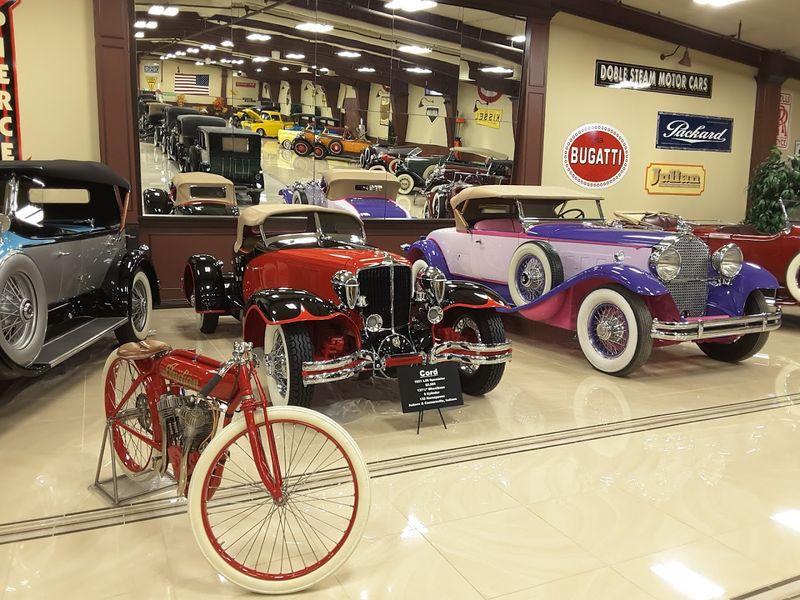
Way out on Colorado’s Western Slope, Rangely Automotive Museum feels like the kind of place gearheads hope still exists. The atmosphere leans personal, enthusiastic, and wonderfully unpretentious, with early automobiles and motorcycles sharing space with old signs, gas memorabilia, and bits of Americana that instantly set the mood.
You are not just looking at transportation here – you are stepping into the era when motoring still felt experimental, glamorous, and a little wild.
What makes this stop especially fun is the sense of variety packed into a modest footprint. Rotating vehicles help keep things fresh, and the collection is known for spotlighting uncommon pieces from the early decades of the automobile, including motorcycles and unusual prewar machines.
That mix gives the museum a treasure-hunt energy, where every corner seems to offer one more detail worth slowing down for.
Even if you usually chase midcentury cruisers or big-horsepower muscle, this place can pull your attention backward in time fast.
The appeal is in the craftsmanship, the elegant body lines, the mechanical simplicity, and the reminder that automotive history did not begin with tailfins and V8 rumble. You can almost picture dusty roads, leather goggles, and the first thrill of independent travel.
For a road trip detour, this one punches far above its size. It is quirky, sincere, and deeply satisfying for anyone who loves machines with character. Rangely proves that a hidden gem does not need flash to leave a lasting mark.
2. The Orphanage-Automotive themed gallery space (Yuma)
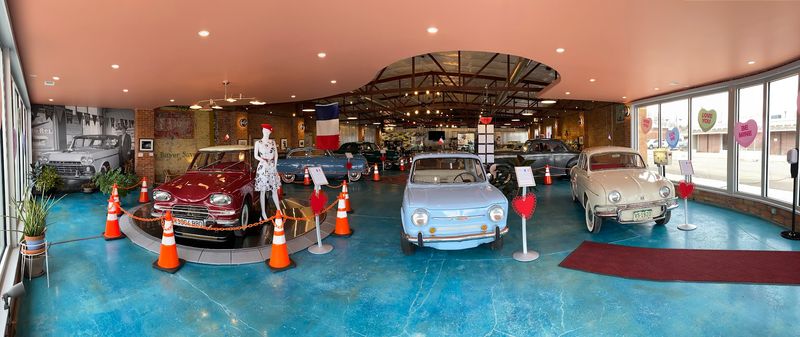
If your taste runs a little more neon, a little more oddball, and a lot more nostalgic, The Orphanage in Yuma deserves a spot on the route.
This automotive themed gallery space mixes classic cars with glowing signs, retro collectibles, and pop culture touches that make the whole stop feel playful instead of overly formal.
You get the sense that someone built it for people who love the full atmosphere around cars, not just the sheet metal.
That wider lens is exactly what makes it memorable. A beautifully preserved vehicle can hit differently when it is surrounded by era-specific colors, advertising style, and roadside Americana that help set the scene.
Rather than reading like a strict timeline of automotive development, the space feels more like a curated mood board for people who appreciate how cars shaped music, design, nightlife, and weekend cruising culture.
There is also something refreshing about a destination that embraces personality. Not every museum needs a massive footprint or a famous founder to stick in your head.
Sometimes the best stops are the ones that feel a bit unexpected, where a cool car, a vintage sign, and a perfectly chosen collectible combine into a setting that makes you smile before you even start studying details.
For anyone building a Colorado car trip beyond the obvious big names, this is exactly the kind of wildcard pick that keeps the itinerary interesting. It is eccentric, photogenic, and easy to remember. Yuma’s Orphanage turns nostalgia into an experience instead of a backdrop.
3. Gunnison Pioneer Museum (Gunnison)
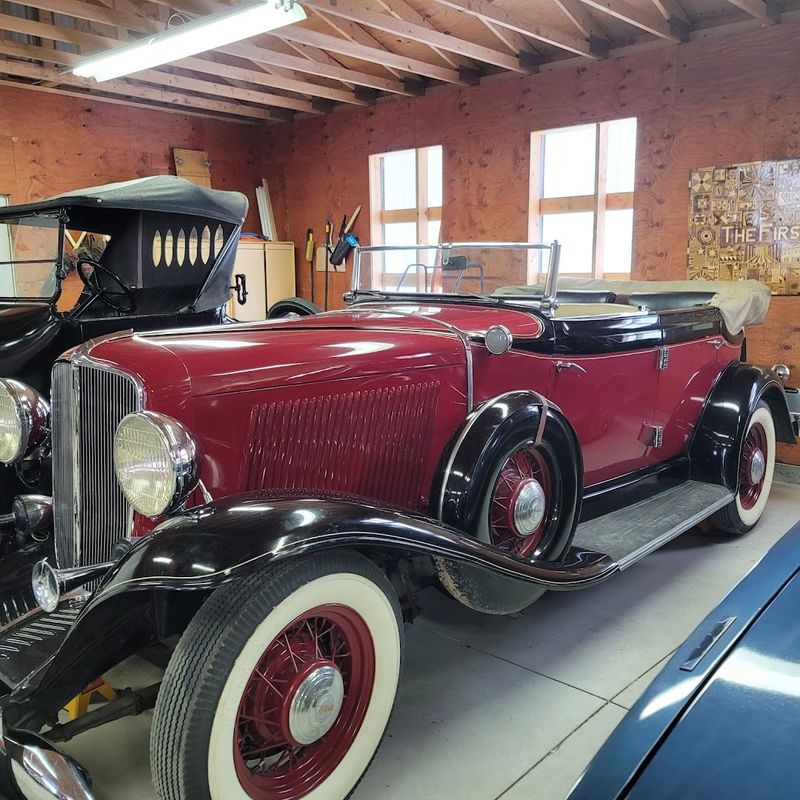
In Gunnison, automotive history comes with a Rocky Mountain frontier twist. The Gunnison Pioneer Museum is broader than a car-only stop, and that is exactly why the Andy Mallett Antique Car Collection lands so well here.
Seeing early automobiles alongside regional artifacts gives you a sharper sense of what these machines meant in places where weather, distance, and rough terrain were part of daily life.
Instead of isolating the cars from everything around them, the museum naturally frames them as tools, status symbols, and signs of changing mobility. That context matters.
You are not just admiring old hoods, lamps, and wheels, but also imagining how dramatic the shift must have felt when motorized travel started reshaping mountain communities and the routines tied to them.
The antique vehicles themselves bring the expected charm: elegant proportions, hand-crafted details, and a mechanical straightforwardness that feels worlds away from modern dashboards. Yet the surrounding pioneer setting gives those details extra weight.
A brass-era automobile in a generic showroom is cool, but a brass-era automobile viewed within a wider story about settlement, supply, work, and travel feels more vivid and grounded.
This is a strong pick for visitors who like their car history connected to a bigger regional narrative. Gunnison offers that without losing the visual fun that makes antique vehicles so rewarding to see up close.
It is thoughtful without becoming heavy, and it leaves you with a clearer picture of how transportation changed life in the high country.
4. Rambler Ranch (Elizabeth)
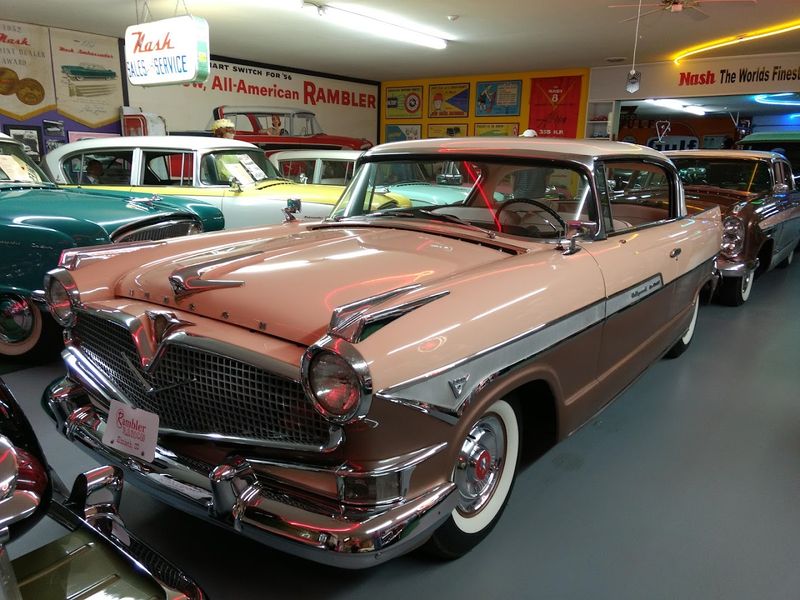
Rambler Ranch is the kind of place that makes niche car fans feel gloriously vindicated. While plenty of museums lean on Ferraris, Corvettes, or celebrity-name muscle, this Elizabeth destination goes deep on Rambler, Nash, and AMC vehicles with a level of commitment that is hard not to admire.
Even if those badges were not on your childhood bedroom wall, the sheer concentration of odd, charming, underappreciated machines is enough to pull you in fast.
The appeal here is not only the number of vehicles, but the worldview behind them. AMC history tends to reward anyone who enjoys the alternate path in automotive culture, where practical design, quirky branding, and flashes of bold experimentation all meet.
When you walk through a collection built around those ideas, you start noticing just how much personality these cars carried, especially compared with the safer narratives that dominate mainstream collector talk.
The supporting cast helps too. Retro diner elements, service station memorabilia, and assorted automotive oddities build a setting that feels less like a sterile warehouse and more like a loving time capsule.
That atmosphere gives the vehicles context and keeps the visit visually lively, whether you care most about styling, badges, interiors, or the broader midcentury culture that surrounded them.
Because tours are limited, Rambler Ranch keeps a bit of mystique, which honestly suits it. This is not a casual drop-in spot so much as a pilgrimage for people who appreciate overlooked corners of American car history. By the time you leave, AMC probably makes a lot more sense.
5. Shelby American Collection (Boulder)
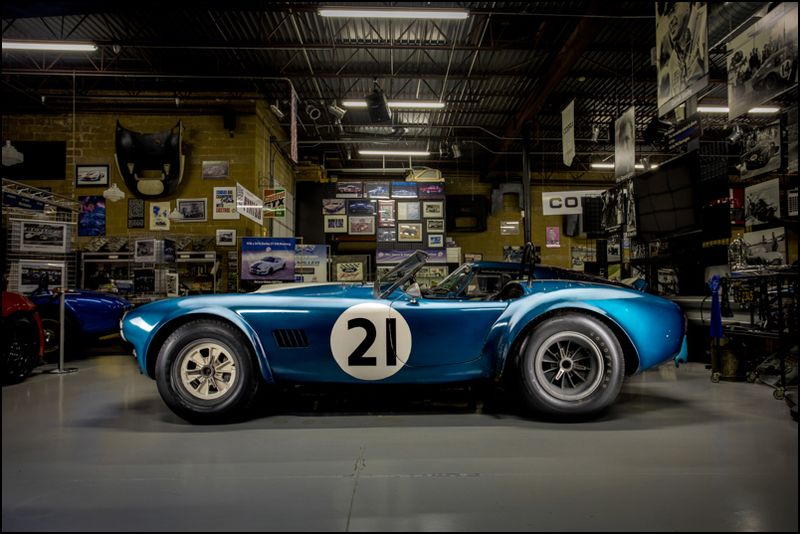
Few museums in Colorado hit the performance nerve quite like the Shelby American Collection in Boulder. This is where the conversation shifts from charming antique motoring to raw speed, race pedigree, and the unmistakable swagger of Carroll Shelby’s legacy.
Cobras, Shelby Mustangs, GT40s, and competition history give the place an instant pulse, even before you start reading the details beside each car.
What stands out most is how clearly the collection celebrates engineering with attitude. These are machines built not simply to look good under lights, but to win, intimidate, and rewrite expectations.
Even standing still, they carry that tension in their proportions, with low stances, purposeful shapes, and the sort of visual aggression that still feels fresh decades later.
The museum also works because it is not just a lineup of famous names. Memorabilia, race records, and supporting displays help connect the hardware to the people, decisions, and competition that gave these vehicles meaning.
For visitors who know the Shelby story, that context deepens the experience. For anyone newer to it, the collection makes a convincing case very quickly.
You do not have to be a track junkie to enjoy this stop, but it certainly helps if a racing number on a door speeds up your heartbeat.
Boulder offers one of the state’s strongest encounters with American performance history, and it does so without watering down the edge that made these cars legendary. This place has bite, and that is exactly the point.
6. Cussler Museum (Arvada)
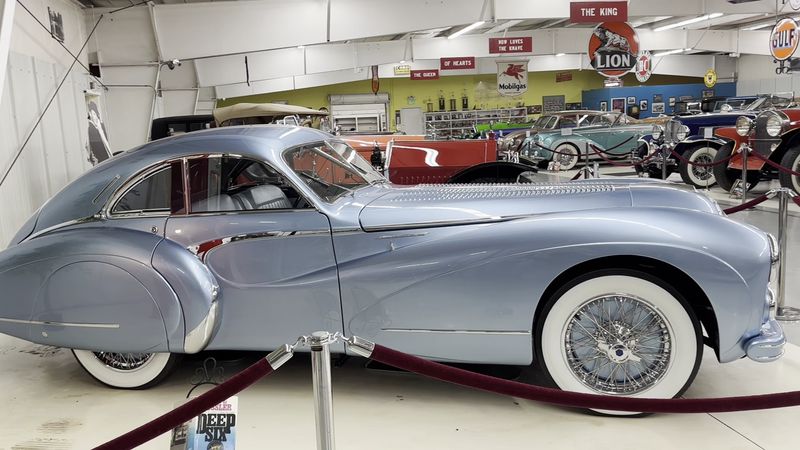
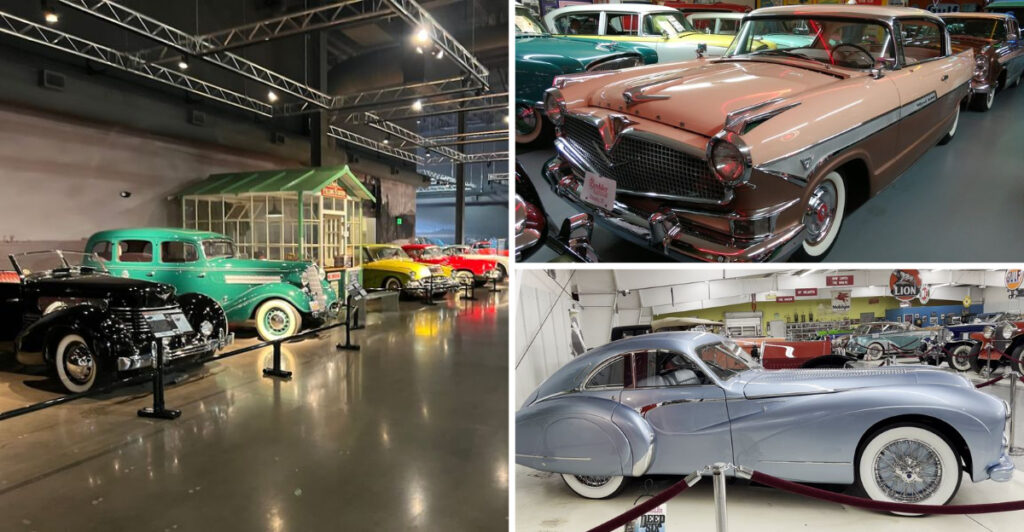
Some museums win you over with horsepower, others with rarity and polish. The Cussler Museum in Arvada belongs firmly in the second camp, offering a refined look at significant automobiles from the early decades of motoring through the mid twentieth century.
Founded from Clive Cussler’s collection, it carries a sense of careful preservation that suits the material perfectly. The range is a major strength.
Instead of locking into one brand, one era, or one type of vehicle, the museum gives you a broader look at automotive evolution across many styles and purposes.
That makes the visit especially satisfying if your interests bounce between brass-era elegance, coachbuilt luxury, racing heritage, and the incremental design changes that slowly transformed how cars looked and performed.
There is also a pleasing sense of discipline in the way this kind of collection reads. Rare and historically notable vehicles do not need theatrical staging to command attention.
Clean presentation lets details carry the show: the shape of a fender, the delicacy of an instrument panel, the confidence of a radiator shell, the narrow cockpit of a period racer. You find yourself slowing down because each car invites closer inspection.
Arvada’s standout quality is balance. It feels serious without becoming stiff, and accessible without turning simplistic.
If you enjoy automotive history as design history, social history, and mechanical story all at once, this is one of the smartest stops in the state. It is less about noise and more about significance, which can be even more rewarding.
7. Vehicle Vault (Parker)
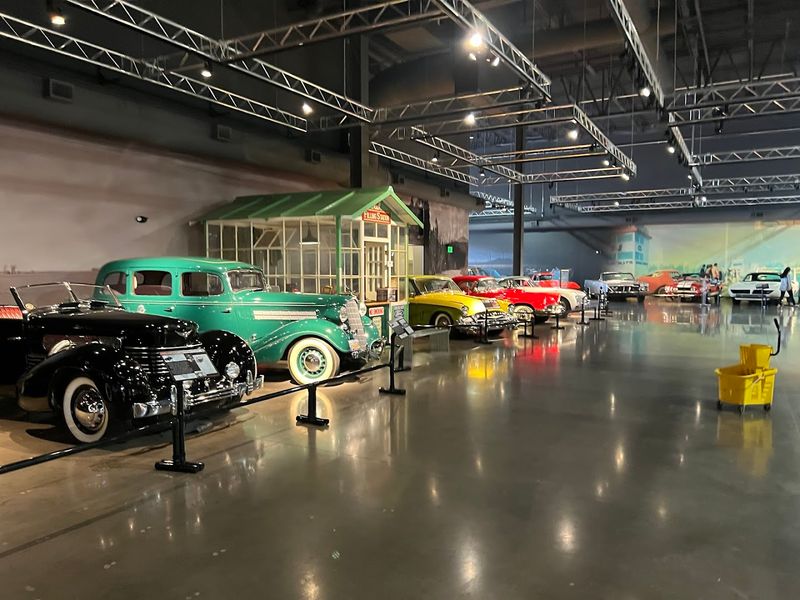
Vehicle Vault in Parker brings a very different energy to the Colorado museum lineup. Part museum, part luxury event space, it presents classic and exotic cars in a setting that feels sleek, curated, and intentionally dramatic.
If some collections feel like stepping into a dusty chapter of history, this one feels more like entering an automotive lounge where rarity and presentation matter equally.
That polished atmosphere works well with the mix on display. Muscle cars, prohibition-era pieces, and high-end European exotics can coexist awkwardly in the wrong hands, but here the variety reads as a rolling overview of aspiration across generations.
You move from old-world craftsmanship to brute American power to modern supercar excess, and the contrasts are part of the fun rather than a distraction.
Because the museum also functions as an event venue, there is an undeniable lifestyle angle to the experience. Some visitors will love that immediately, while others may arrive wondering whether style outweighs substance.
The good news is that the cars themselves remain the draw. A well-chosen collection can hold attention regardless of the room, and Vehicle Vault clearly understands how to let dramatic machines do what they do best.
This is an excellent stop for people who enjoy the collector world as much as the history itself. Parker offers glamour, variety, and enough serious automotive eye candy to keep enthusiasts engaged from start to finish. It may feel more modern than nostalgic, but that difference is exactly what gives it an edge.
8. Forney Museum of Transportation (Denver)
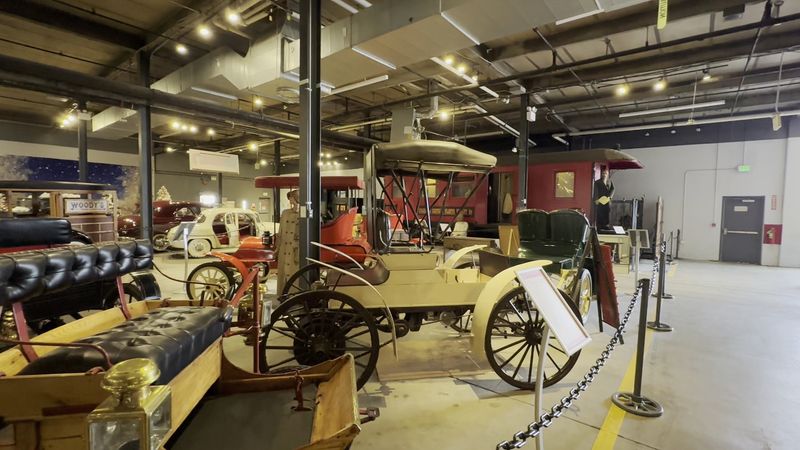
For sheer breadth, the Forney Museum of Transportation in Denver is tough to beat. Its famous anything-on-wheels spirit means automobiles share the floor with motorcycles, rail equipment, carriages, and other transportation history, creating a dense, high-interest experience that rewards curiosity.
For car lovers, that broader scope is not a distraction at all. It actually sharpens your appreciation for how the automobile fit into a much larger story of movement and technology.
The visual contrast here is part of the magic. You can be studying a refined vintage automobile one moment and then glance over at a massive locomotive or a horse-drawn vehicle the next.
That juxtaposition makes mechanical progress feel immediate instead of abstract. It reminds you that automotive design did not evolve in isolation, but alongside entirely different solutions to the same basic human urge to go farther, faster, and more comfortably.
Automobile fans still get plenty to savor on their own terms. The collection includes attractive classics and historically interesting vehicles, and the museum’s scale keeps the visit lively because the pace never settles into repetition.
There is always another category, another era, or another surprising object waiting a few steps ahead, which makes this an easy recommendation for mixed-interest groups as well.
If you only have time for one museum in Denver, Forney makes a very strong case. It delivers recognizable highlights, genuine variety, and enough automotive content to satisfy gearheads without boxing everyone else out. Big, eclectic, and consistently engaging, this one earns its reputation.
9. Dougherty Antique Car & Tractor Museum (Longmont)
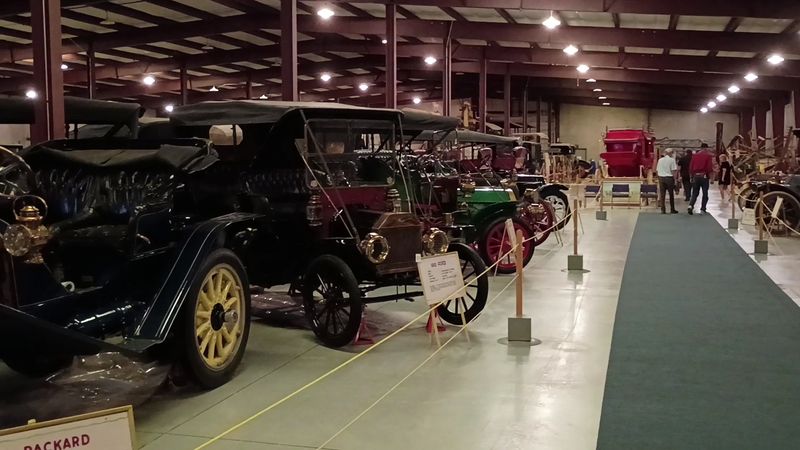
At first glance, pairing antique cars with tractors might sound like a split focus. In practice, that is exactly why the Dougherty Antique Car & Tractor Museum in Longmont stands out.
The collection highlights how transportation and machinery evolved together in rural America, where the story was never just about stylish touring cars, but also about practical equipment that changed how people worked, traveled, and lived.
That rural angle gives the museum a grounded, human scale. Instead of presenting antique automobiles as isolated luxury objects, it places them in a world of tools, fields, family businesses, and everyday ingenuity.
You can trace how design priorities shifted depending on need, budget, and geography, which makes the visit especially rewarding for anyone interested in utility as much as beauty.
There is also an appealing warmth to family-run museums that larger institutions sometimes struggle to match. Even without needing overblown theatrics, these places often feel closer to the real heart of collecting: preservation driven by affection, memory, and hands-on respect for old machines.
That tone suits Longmont well, because the vehicles and tractors both benefit from being seen as lived objects, not just museum pieces behind a concept.
If your idea of automotive history includes barn finds, agricultural heritage, and the mechanical backbone of everyday American life, this museum is a strong pick. It is less flashy than some destinations on this list, but no less worthwhile.
Longmont offers a smart reminder that the romance of old machines is not limited to race cars and chrome-heavy boulevard cruisers.
10. Penrose Heritage Museum (Colorado Springs)
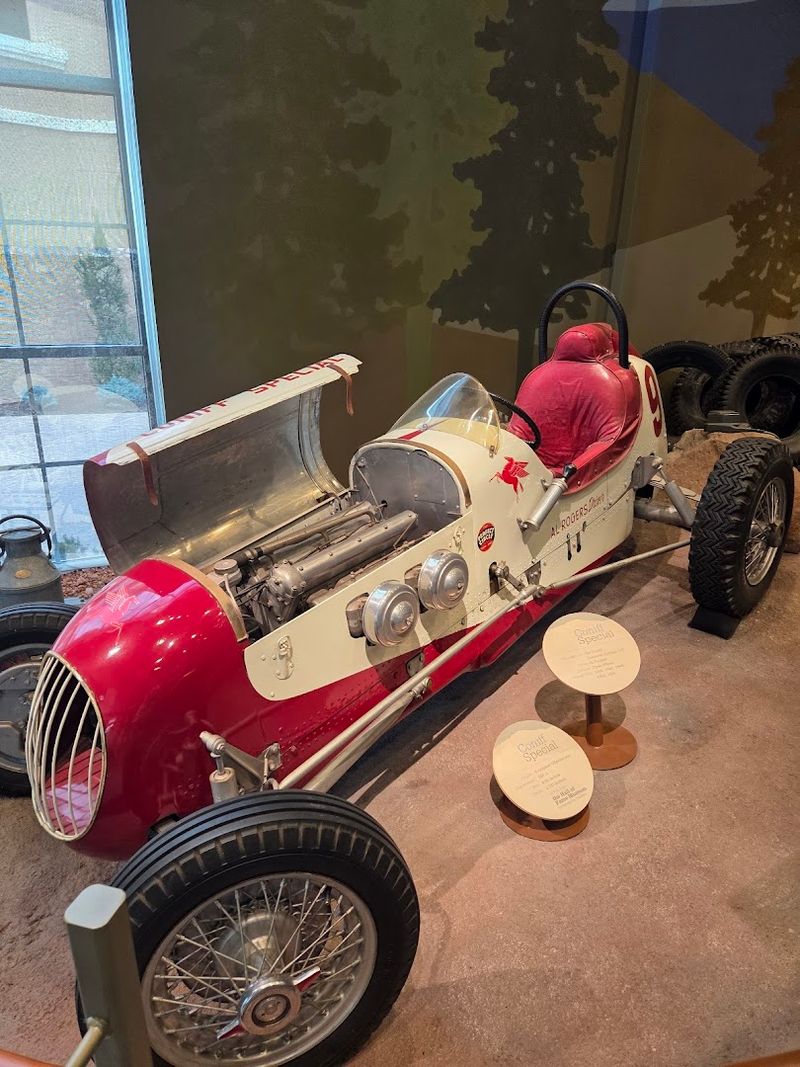
Penrose Heritage Museum in Colorado Springs taps into one of the state’s most irresistible automotive themes: mountain racing history.
Best known for its connection to the Pikes Peak Hill Climb, the museum blends race cars, motorcycles, carriages, and regional artifacts into a collection that feels distinctly Colorado.
You are not just seeing old vehicles here – you are seeing machines shaped by altitude, ambition, and a road famous for testing both.
The hill climb connection gives the museum its personality. Race cars always carry drama, but Pikes Peak cars tell a particularly vivid story because the event itself is so tied to place.
Thinking about engines straining uphill, changing surfaces through the decades, and drivers chasing time against the mountain adds a layer of tension that follows you from one display to the next.
At the same time, the collection is not limited to racing alone. The broader transportation artifacts help frame the region’s history and keep the experience from becoming too narrow.
That balance is useful because it lets visitors appreciate both the thrill-seeking side of Colorado automotive culture and the older, slower forms of travel that came before it. The result feels textured instead of one-note.
Free admission only sweetens the deal, but the real draw is the museum’s sense of place. Plenty of collections could display attractive old vehicles.
Far fewer can connect them so directly to a landscape and event that still capture imaginations today. Penrose does that with style, and it makes Colorado Springs an essential stop for racing-minded travelers.
11. Dragonman’s (Colorado Springs)
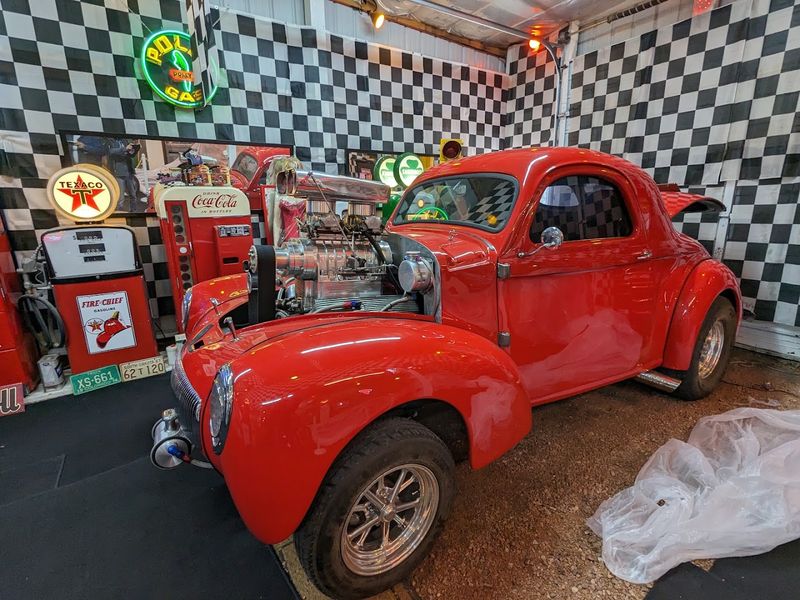
Dragonman’s in Colorado Springs is where military history, hot rod culture, and pure collector obsession collide in the most unapologetically over-the-top way possible.
Instead of focusing strictly on polished exhibits or textbook automotive preservation, this attraction leans into custom cars, vintage motorcycles, Americana, and eccentric memorabilia that constantly compete for your attention.
If you enjoy places that feel personal, unpredictable, and proudly excessive, this stop speaks directly to the side of car culture that thrives on individuality rather than restraint. That anything-goes atmosphere gives Dragonman’s a distinctly high-energy personality.
Traditional museums often guide visitors carefully from one curated display to the next, but this place feels more like wandering through someone’s lifelong mechanical fantasy brought vividly to life.
A gleaming hot rod, a retro sign, or a strange collectible can instantly pull your attention sideways, and that constant visual overload becomes part of the charm instead of a distraction.
The custom builds and vintage machines help ground the experience in authentic enthusiast culture rather than pure spectacle. They showcase craftsmanship, creativity, and the rebellious spirit that has always fueled hot rod scenes and collector communities alike.
You do not have to separate nostalgia from personality here because the entire property is built around the idea that machines become more memorable when they reflect the people behind them. Among Colorado’s automotive destinations, Dragonman’s occupies a truly unique lane.
It is less about orderly chronology and more about energy, surprise, and sensory overload. Colorado Springs delivers gearhead chaos in unforgettable fashion.
Share this story