Tennessee hides some of the most jaw-dropping rock formations in the southeastern United States, and 2026 is the year to finally see them in person. From towering natural arches to balanced boulders that seem to defy gravity, these geological wonders have been carved by water, wind, and time over millions of years.
Whether you’re an experienced hiker looking for your next challenge or a weekend explorer who wants to witness something truly unforgettable, Tennessee’s stone landmarks offer adventures that belong on every bucket list.
1. Twin Arches — Oneida
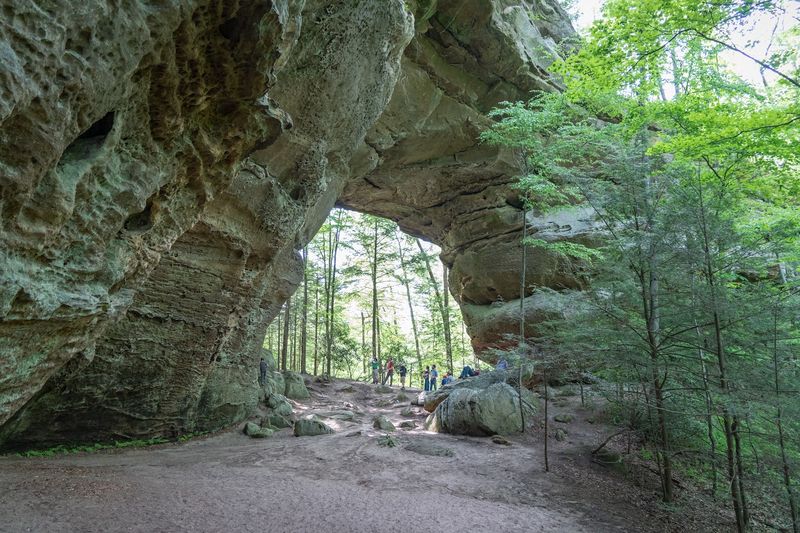
Standing beneath Twin Arches feels like stepping into a cathedral made by nature itself. These two colossal sandstone spans sit side by side in the Big South Fork area, and Tennessee proudly calls this the largest natural bridge complex in the state and among the largest anywhere on Earth. The bigger of the two stretches about 135 feet across, while its companion measures roughly 93 feet, and both tower high enough to make you feel wonderfully small.
Getting there requires a moderate hike of about 4.5 miles round trip, winding through hardwood forests and across rocky terrain that gives you a taste of the Cumberland Plateau’s wild character. The trail isn’t overly technical, but it does have some elevation changes that’ll get your heart pumping. Pack water and wear sturdy shoes because the path can be uneven and muddy after rain.
What makes Twin Arches truly special is how you can walk right underneath both formations and peer up at the layered sandstone that’s been slowly eroding for thousands of years. The arches frame the sky in a way that photographers dream about, especially during golden hour when the light catches the rust-colored rock. Early morning visits often reward you with mist hanging in the hollows and fewer crowds.
This spot draws geology enthusiasts who want to understand how freeze-thaw cycles and water carved these massive openings from solid rock. But you don’t need a science degree to appreciate the sheer scale and beauty of what’s in front of you.
2. Great Stone Door — Beersheba Springs
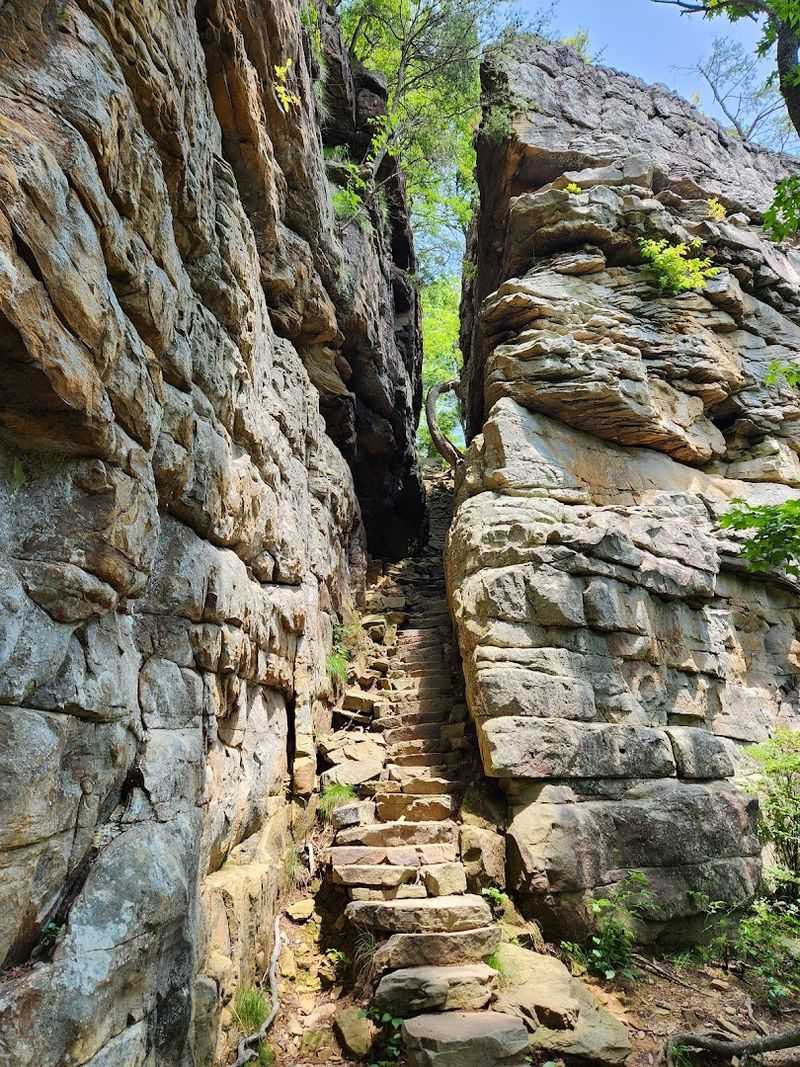
Imagine a crack in a cliff so perfectly shaped that it looks like a doorway carved by giants. That’s the Great Stone Door, a natural split in the limestone bluff that opens into a deep gorge below. The formation sits at the edge of the Cumberland Plateau near Beersheba Springs, and when you stand at the rim, you’re looking down into the Savage Gulf wilderness through a vertical slice in the rock that’s both eerie and beautiful.
The Stone Door itself is about 10 feet wide and 100 feet tall, and it’s been a landmark for centuries. Native Americans used this passage as a route between the plateau and the valley below, and later settlers marveled at its dramatic presence. Today, it’s part of the South Cumberland State Park system and accessible via a relatively short trail that’s perfect for families or anyone who wants big rewards without a marathon hike.
The trail to reach it is only about a mile round trip, mostly flat and well-maintained, which makes this one of the most accessible rock formations on this list. But don’t let the easy walk fool you into thinking it’s tame. When you peer through the Stone Door into the gulf below, the drop is dizzying, and the views stretch for miles across forested ridges and valleys.
Bring a camera because the way light plays through the narrow opening creates constantly changing shadows and highlights on the rock walls. Visiting in fall adds another layer of magic when the hardwoods below explode in reds, oranges, and golds.
3. Alum Cave Bluffs — Great Smoky Mountains National Park
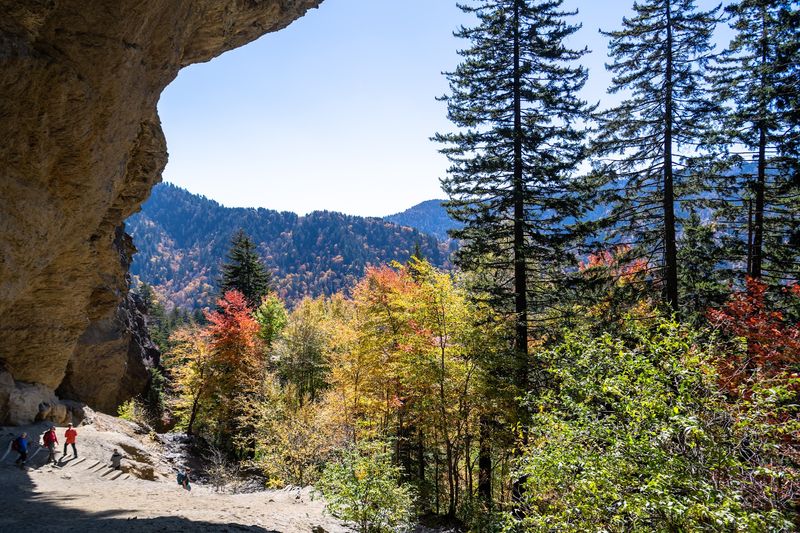
Don’t let the name trick you. Alum Cave Bluffs isn’t actually a cave at all but a massive concave bluff that arches overhead like a stone umbrella. The overhang is huge, deep enough to shelter dozens of hikers from a sudden mountain rainstorm, and the rock face is streaked with minerals that give it a rusty, otherworldly appearance.
Reaching Alum Cave requires a commitment: the round-trip hike is 4.6 miles with a steady climb that gains about 1,400 feet in elevation. The trail is one of the most popular in the Smokies, and for good reason. Along the way, you’ll cross Alum Cave Creek on footbridges, pass through old-growth forest, and navigate sections where steel cables bolted into the rock help you along narrow ledges.
The bluff itself was once mined for alum and saltpeter in the 1800s, though the minerals found here weren’t true alum but rather Epsom salts. History aside, the real draw is the sheer scale of the rock shelter and the views from the trail. On clear days, you can see ridgeline after ridgeline rolling into the distance.
Visiting in winter offers a quieter experience, though ice on the trail can make things tricky, so microspikes are smart. Spring and summer bring wildflowers and lush greenery, while fall delivers that classic Smoky Mountain color show. The hike continues beyond the bluffs to Mount LeConte if you’re feeling ambitious, but even if you turn around at Alum Cave, you’ve earned bragging rights and some seriously impressive photos.
4. Arch Rock — Great Smoky Mountains National Park
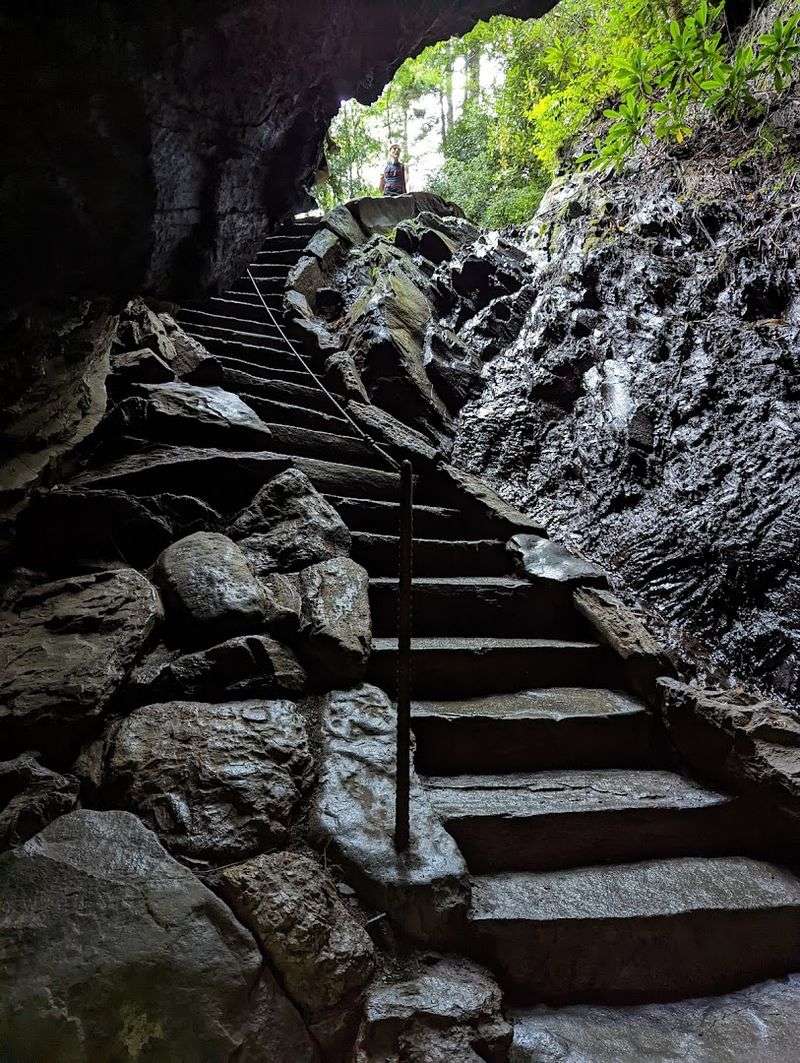
Arch Rock holds a special distinction: it’s the only natural rock arch in Great Smoky Mountains National Park that you can actually walk through. The trail passes directly under and through the arch, making it a highlight moment on the popular Alum Cave Trail. The formation is modest compared to some of the bigger arches elsewhere in Tennessee, but its accessibility and the experience of hiking through solid rock make it memorable.
You’ll encounter Arch Rock about 1.4 miles into the Alum Cave Trail, which means it’s a roughly 2.8-mile round trip if you turn back here. The trail climbs steadily through rich forest, crossing small streams and passing beneath towering hemlocks and rhododendron thickets. When you reach the arch, the path actually uses stone steps and a small tunnel to guide you through the opening, adding a sense of adventure that kids especially love.
The rock itself is sandstone, shaped over millennia by water and weathering. It’s not a massive span, but standing inside it and looking up at the layers of stone overhead gives you a tangible connection to the forces that built these mountains. The National Park Service has done a great job making this spot safe and accessible without stripping away its wild character.
Timing your visit for a weekday or early morning helps you avoid the crowds that flock to this trail during peak season. The forest around Arch Rock is particularly beautiful in spring when wildflowers carpet the understory and in fall when the canopy turns gold and crimson. It’s a short enough hike for most fitness levels but rewarding enough to feel like a real mountain adventure.
5. Lilly Bluff — Obed Wild & Scenic River
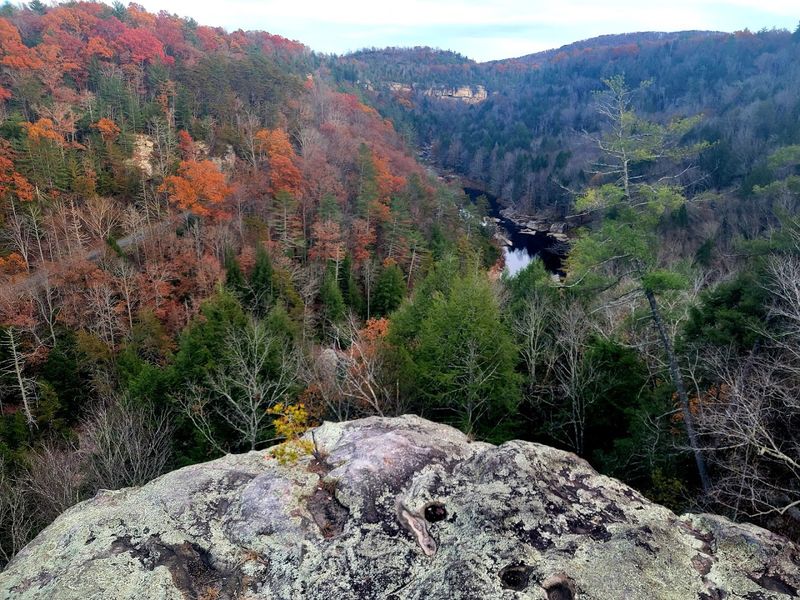
Perched high above the Obed River, Lilly Bluff delivers sweeping views that make the short hike completely worth it. This rock outcrop juts out over the river gorge, giving you a bird’s-eye perspective of the water winding through the canyon below and the forested ridges stretching into the distance. It’s the kind of spot where you’ll want to linger, catch your breath, and soak in the wild beauty of the Cumberland Plateau.
The trail to reach Lilly Bluff is mercifully short, less than a mile round trip, and rated easy by most standards. That makes it a fantastic choice if you’re short on time or hiking with younger kids who might not be up for a marathon trek. The path follows the rim of the gorge through hardwood forest before opening onto the bluff itself, where the ground drops away dramatically.
Standing on the edge, you get a real sense of how water has carved these sandstone cliffs over millions of years. The Obed River below looks almost lazy from this height, but it’s a powerful force that shaped this entire landscape. Rock climbers love the cliffs in this area, and you might spot a few scaling the vertical faces if you visit on a nice weekend.
Bring a picnic and plan to spend some time here because the views change as the light shifts throughout the day. Sunrise and sunset are particularly stunning, painting the gorge in warm colors. The Obed Wild & Scenic River area doesn’t get as much attention as the Smokies, which means places like Lilly Bluff often feel like your own private discovery.
6. Devil’s Breakfast Table — Obed Wild & Scenic River
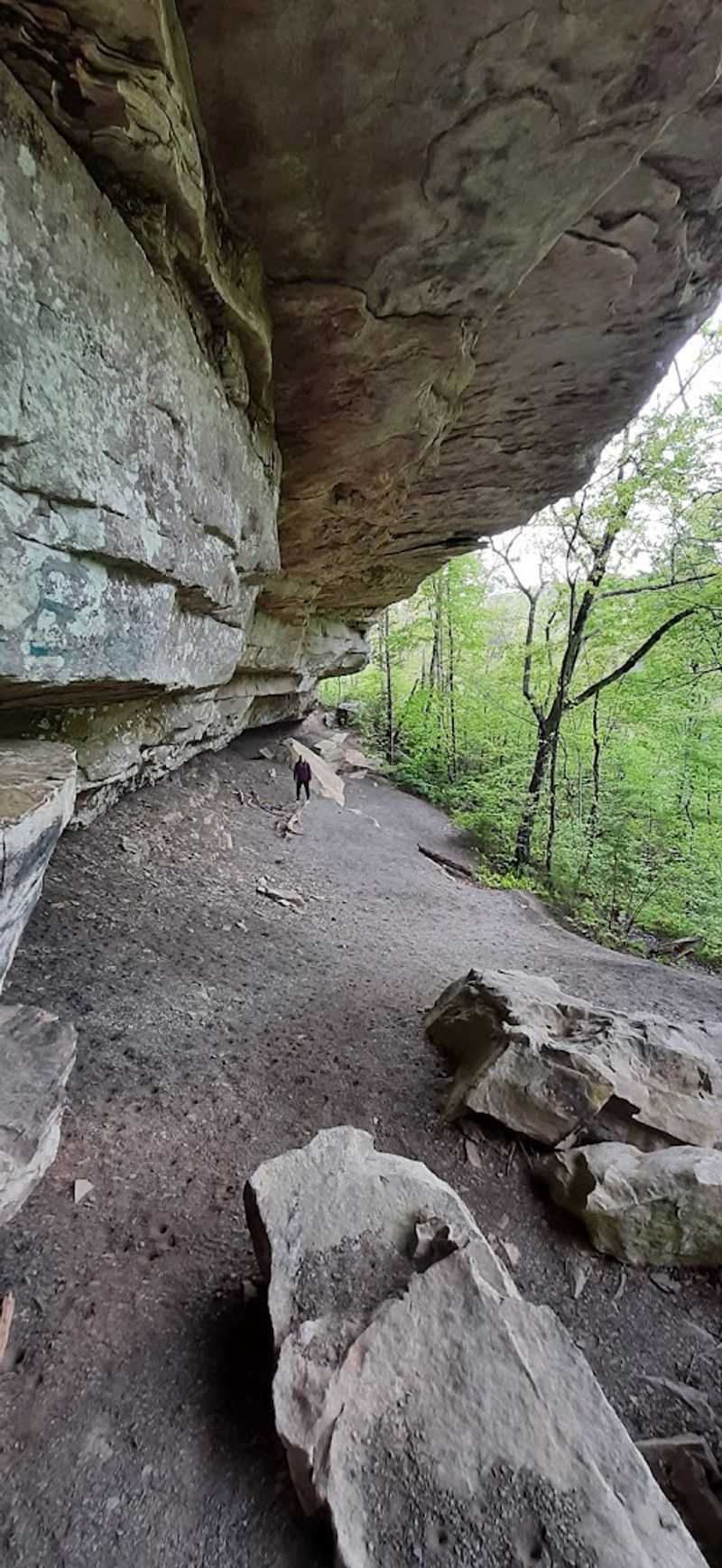
Devil’s Breakfast Table looks like something a sculptor might dream up after too much coffee. A flat, horizontal slab of rock balances precariously on a narrow vertical stone spire, creating a formation that seems to defy gravity and common sense. It’s one of those geological oddities that makes you stop and stare, wondering how it hasn’t toppled over yet and how long it’s been standing there in the first place.
The formation sits within the Obed Wild & Scenic River area, and reaching it involves a moderate hike through rugged terrain. The trail isn’t as well-traveled as some of the more famous spots in Tennessee, which means you might have the place to yourself if you visit on a weekday. The path winds through forest and over rocky ground, so wear shoes with good traction and watch your footing.
Geologists explain that balanced rocks like this form through differential erosion, where softer rock layers wear away faster than harder ones, leaving these improbable towers and tables behind. But honestly, even knowing the science doesn’t make it any less weird and wonderful to see in person. The Devil’s Breakfast Table has been standing for who knows how many centuries, outlasting storms, freezes, and the slow march of time.
The play of light and shadow on the rocks changes throughout the day, and the surrounding woods provide a frame that emphasizes how out-of-place this balanced rock seems. It’s quirky, unexpected, and exactly the kind of natural wonder that makes exploring Tennessee’s wild places so rewarding.
7. Lilly Arch — Obed Wild & Scenic River
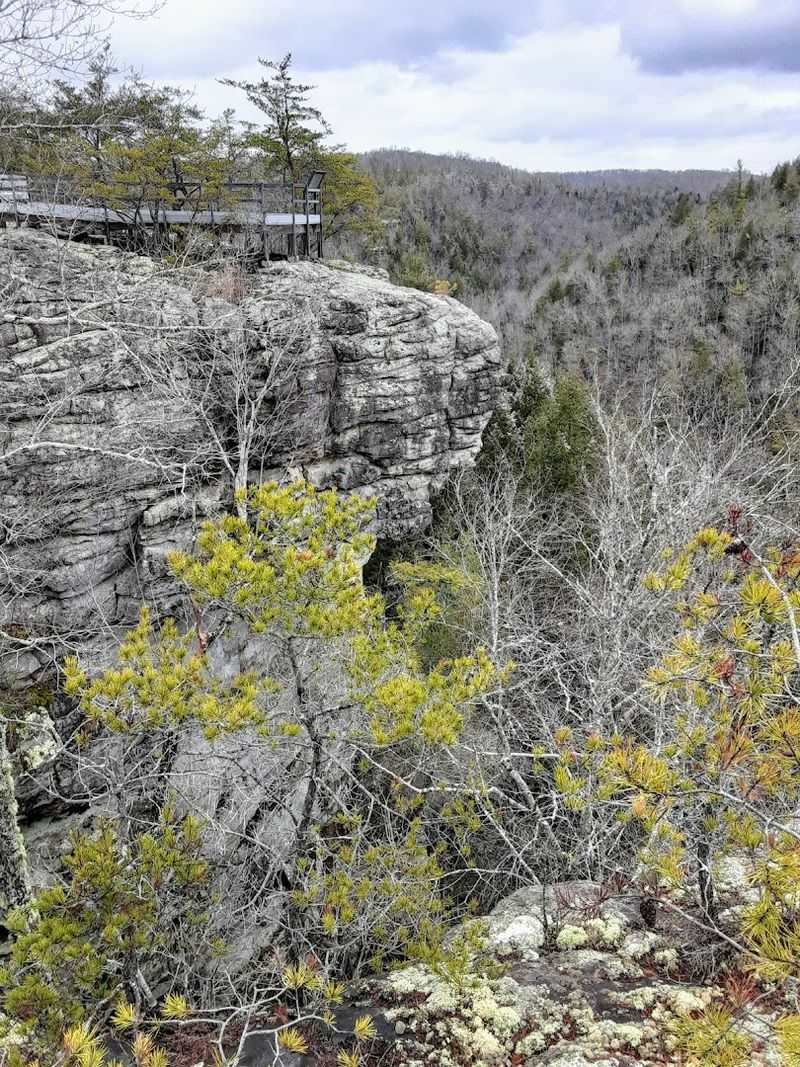
Tucked away in the Obed Wild & Scenic River corridor, Lilly Arch rewards those who venture off the beaten path with a hidden natural arch and stunning gorge views. The arch itself is more subtle than some of Tennessee’s larger spans, but its secluded location and the journey to reach it make it feel like a secret worth keeping. You’ll follow the Point Trail, which hugs the bluff line and eventually leads to an overlook where the river gorge spreads out below.
The hike to Lilly Arch is moderate, covering a few miles of uneven terrain through forest and along rocky sections where you’ll want to watch your step. The trail isn’t heavily trafficked, which means you’ll likely encounter more birdsong than other hikers. That solitude is part of the appeal, giving you space to connect with the landscape without the distractions of crowds.
When you finally spot the arch, it’s framed by trees and rock, a graceful opening in the sandstone that demonstrates how water and time sculpt stone into art. The arch isn’t massive, but its proportions are elegant, and the way it opens onto views of the gorge beyond adds to its charm. The overlook at the end of the trail offers a different perspective on the Obed River winding through its canyon.
This area is particularly beautiful in spring when wildflowers bloom along the trail and in fall when the hardwoods turn brilliant shades of red and gold. Bring plenty of water and a camera, and give yourself time to explore both the arch and the overlook.
8. Natural Bridge — Pickett CCC Memorial State Park
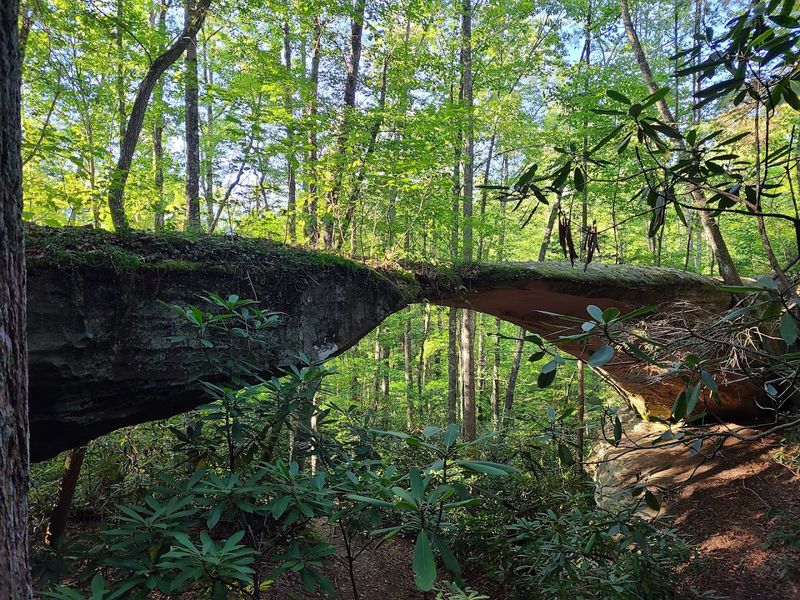
Pickett CCC Memorial State Park is a wonderland of sandstone formations, and the Natural Bridge stands out as one of its signature features. This graceful arch spans a gap in the rock, creating a bridge that’s been standing for thousands of years. Walking beneath it or viewing it from nearby trails gives you a sense of the powerful erosive forces that shaped this landscape, carving arches, shelters, and bluffs from solid stone.
The park itself was developed by the Civilian Conservation Corps during the 1930s, and their careful work preserved these geological treasures while making them accessible to visitors. The Natural Bridge is easily reached via a short trail that’s suitable for most fitness levels, making it a great stop for families or anyone looking to experience Tennessee’s rock formations without a strenuous hike.
What makes Pickett special is the concentration of features in a relatively small area. You can visit multiple rock formations, natural bridges, and bluff lines in a single day, making it an ideal destination for a road trip focused on Tennessee’s geological highlights. The Natural Bridge is often the starting point for exploring the park’s other wonders.
The surrounding forest is lush and green, with ferns, mosses, and wildflowers adding color and texture to the landscape. The sandstone itself is weathered and layered, showing the history of its formation in bands of color and texture. Visiting in the cooler months can be especially pleasant, with fewer bugs and comfortable temperatures for hiking.
Pickett remains less crowded than some of Tennessee’s more famous parks, which means you can enjoy the Natural Bridge and other formations without jostling for space. It’s a hidden gem that deserves more recognition and a spot on any rock formation road trip through the state.
9. Hazard Cave — Pickett CCC Memorial State Park
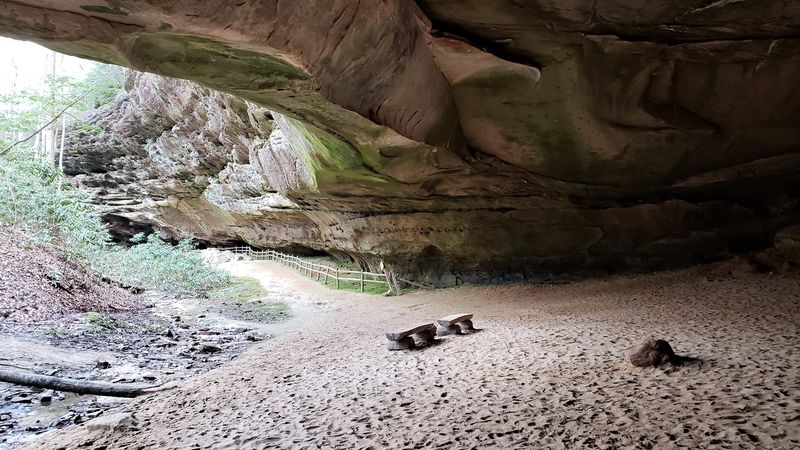
Hazard Cave isn’t a true cave in the spelunking sense but rather a massive rock shelter carved into the sandstone bluffs of Pickett State Park. The overhang is deep and dramatic, creating a sheltered space that Native Americans once used for temporary camps and that hikers today use as a shady rest stop and photo opportunity. The layered sandstone walls and ceiling show the slow work of weathering and erosion in vivid detail.
Reaching Hazard Cave involves a moderate hike through the park’s forested trails, passing other rock formations and natural features along the way. The trail system at Pickett is well-marked and maintained, thanks to the legacy of the CCC workers who built much of the infrastructure here. You’ll walk through hardwood forest, over small streams, and along rocky paths that give you a taste of the rugged Cumberland Plateau landscape.
The cave itself is large enough to shelter dozens of people from the elements, and its size becomes even more impressive when you step inside and look up at the curved ceiling overhead. The rock is cool and damp, a welcome relief on hot summer days, and the acoustics inside are surprisingly good. It’s easy to imagine ancient peoples gathering here, using the natural shelter for protection and community.
The textures in the rock are endlessly interesting, with layers, cracks, and mineral stains creating patterns that tell the story of this formation’s slow creation. Hazard Cave is memorable not just for its size but for the connection it offers to both natural history and human history in Tennessee.
10. Arch Lake Rock Bridge — Pickett CCC Memorial State Park
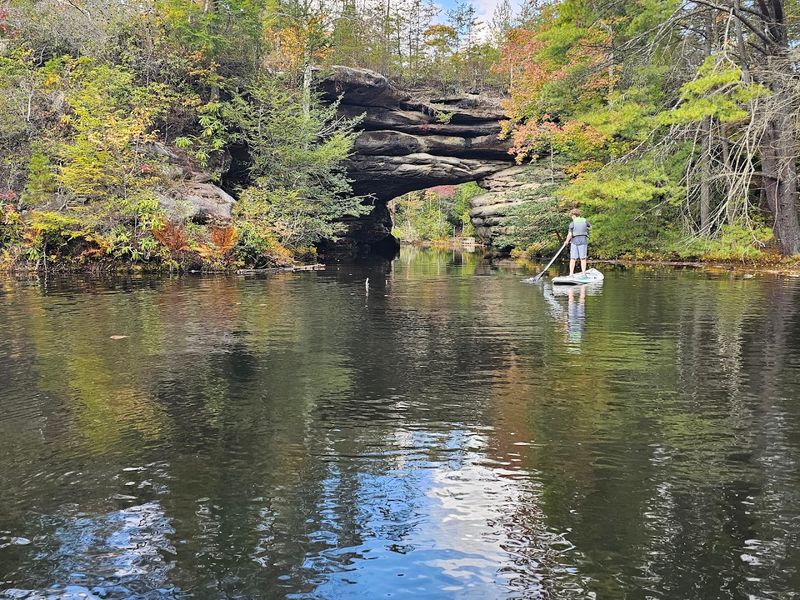
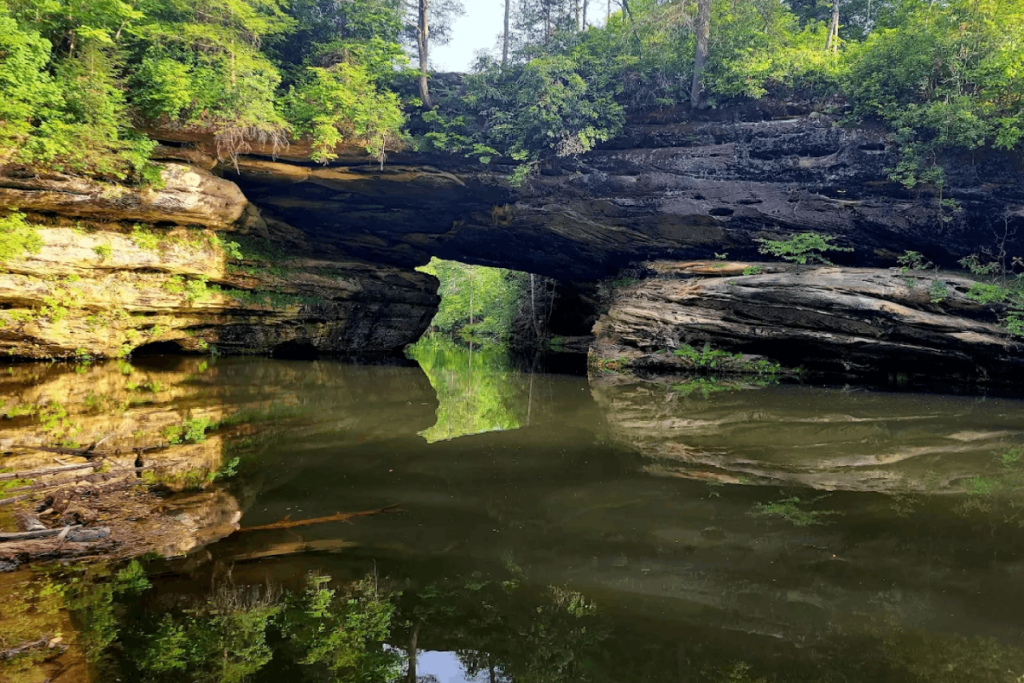
Arch Lake gets its name from the impressive sandstone arch that rises near its shore, a natural bridge that adds drama and beauty to an already scenic spot. The lake itself is small and peaceful, surrounded by forest and rock formations that make it feel remote and unspoiled.
The trail to Arch Lake and its namesake rock bridge is moderate, winding through Pickett State Park’s distinctive Upper Cumberland landscape. You’ll pass through stands of hardwoods, over rocky sections, and along ridges that offer glimpses of the surrounding terrain. The park’s trail system is well-designed, allowing you to link multiple features into a longer hike or visit individual highlights like the arch on shorter outings.
What sets Arch Lake apart is the combination of water and rock, two elements that create a sense of tranquility and timelessness. The lake’s surface mirrors the sky and trees, and when conditions are right, the arch’s reflection doubles its visual impact. It’s a spot that invites you to slow down, sit by the water, and simply enjoy being present in a beautiful place.
Wildlife is abundant in this area, with opportunities to spot deer, wild turkeys, and a variety of bird species. The forest around the lake is particularly lovely in spring when wildflowers bloom and in fall when the leaves turn. Bring a fishing rod if you’re so inclined, or just bring a sense of curiosity and a camera.
11. Fiery Gizzard Rock Formations — South Cumberland/Savage Gulf Area
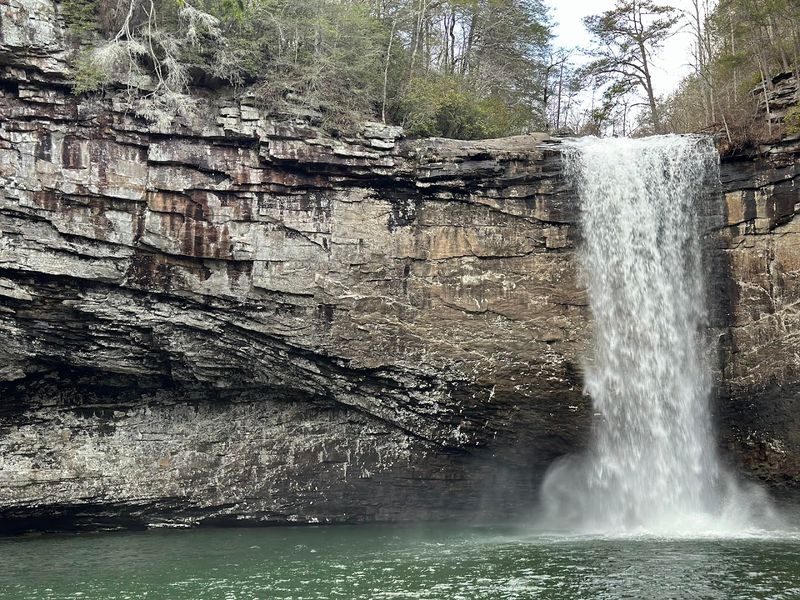
Saving the wildest for last, the Fiery Gizzard Trail delivers some of the most dramatic and challenging rock scenery in Tennessee. This legendary hiking route passes through rock gardens, beneath towering bluffs, alongside cascading waterfalls, and over boulder fields that demand your full attention and respect. The sandstone formations here are rugged and raw, carved by Fiery Gizzard Creek and other tributaries into a landscape that feels genuinely remote.
The full Fiery Gizzard Trail stretches nearly 13 miles, though most hikers tackle it in sections or as a point-to-point shuttle hike. The terrain is technical, with steep climbs, rock scrambles, and creek crossings that can be tricky after rain. This isn’t a casual stroll but rather an adventure for experienced hikers who want to test themselves against Tennessee’s wildest terrain.
The rock formations along the trail are endlessly varied. You’ll pass under massive overhangs, climb alongside vertical bluffs, navigate narrow passages between boulders, and cross streams that have carved deep channels through solid stone. Tennessee State Parks describes the Savage Gulf area as featuring sheer sandstone cliffs, rugged canyons, and waterfalls, and the Fiery Gizzard delivers on all counts.
Waterfalls add another dimension to the experience, with several notable cascades tumbling over rock ledges into clear pools below. The combination of water, rock, and forest creates an environment that feels primal and powerful, a reminder of the forces that continue to shape this landscape. Visiting in spring offers the highest water flow, while fall brings cooler temperatures and spectacular foliage.
Fiery Gizzard isn’t for everyone, but for those who love a challenge and want to experience Tennessee’s rock formations in their most dramatic setting, it’s absolutely worth the effort.
Share this story