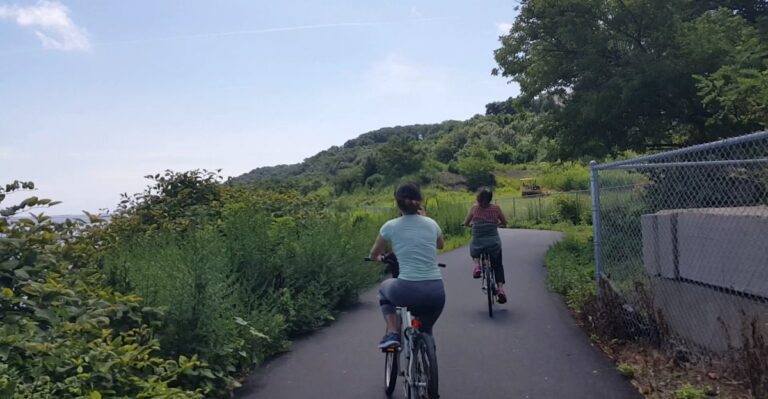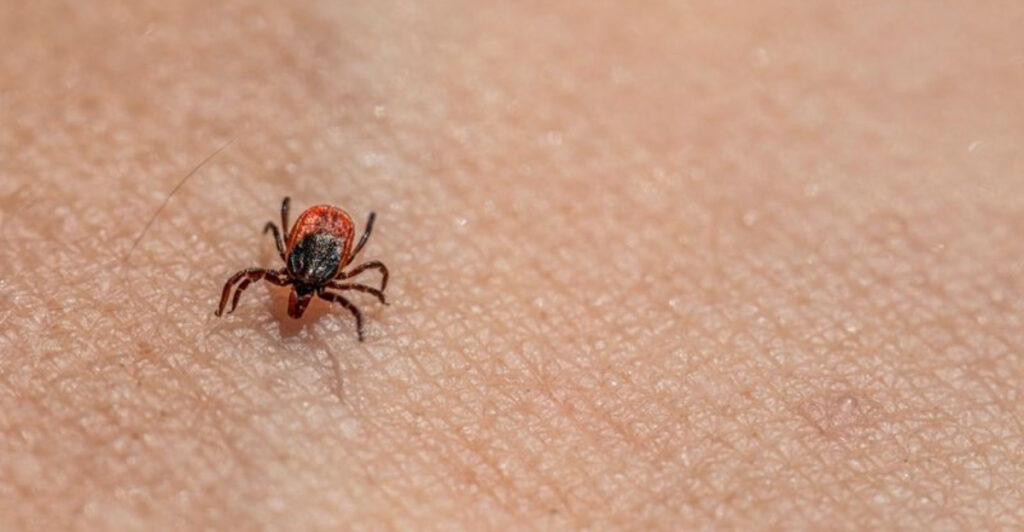
A dot no larger than a poppy seed can turn a perfectly good summer hike into several anxious weeks of symptom-watching.
That is the frustrating reality of New Jersey’s peak tick season, when tiny nymphs are active at the same time residents are crowding trails, reservoirs, campgrounds, and backyard gardens.
Current state reporting points particularly toward Hunterdon, Morris, and Ocean counties, but tick-friendly terrain stretches from the shaded ridges of Sussex County to the scrub oak of the Pine Barrens. These are not places to avoid.
They are places to visit with repellent applied, pant legs protected, and a post-hike tick check already built into the plan. Risk can vary from one trail to the next, and official case data generally identifies a patient’s home county rather than the precise location of a bite.
Still, the following areas combine reported regional activity with the leafy, brushy, wildlife-rich habitats where ticks are most likely to be encountered.
1. Stockton-Glen Gardner-High Bridge Area
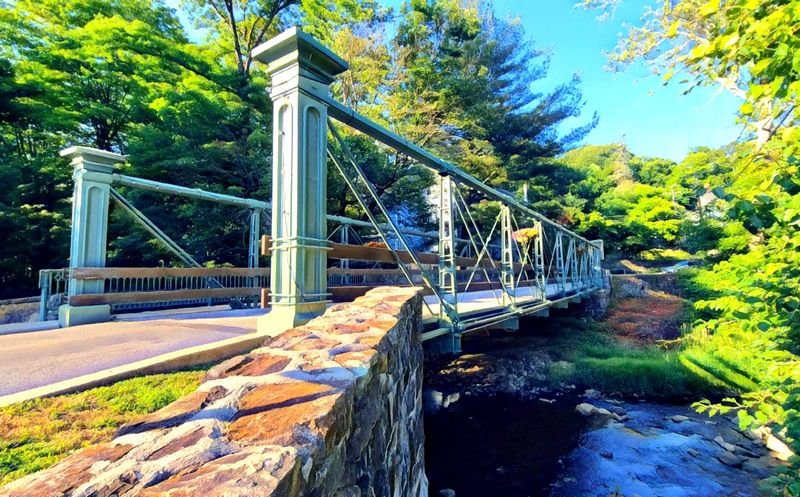
A shaded towpath beside the Delaware River may look harmless compared with a rugged backcountry trail, but the soft edges are exactly where trouble can begin. Stockton, Glen Gardner, and High Bridge sit in Hunterdon County, one of the areas recording New Jersey’s largest Lyme disease totals in 2026.
Between the D&R Canal corridor, the Columbia Trail, wooded stream valleys, old farms, and neighborhoods carved into former woodland, this broad stretch of the county offers plenty of contact points between people, deer, small mammals, and ticks.
Around Stockton, cyclists and walkers should be mindful when stepping from the canal path into tall vegetation or sitting along a grassy riverbank.
Farther north, High Bridge and Glen Gardner add forested slopes, creekside paths, hedgerows, and stone-wall country where damp leaf litter can linger after surrounding ground has dried. The risk is not confined to an all-day hike, either.
Gardening beside the woods, walking a dog along an unmowed shoulder, or cutting through a backyard tree line can be enough for a hitchhiker to climb aboard. Light-colored clothing makes crawling ticks easier to spot, while repellent and treated footwear provide useful protection before the outing starts.
Once home, check behind the knees, around the waist, under the arms, and along the scalp rather than giving your ankles a quick glance and calling it done.
2. Blairstown-Hardwick-Frelinghuysen Area
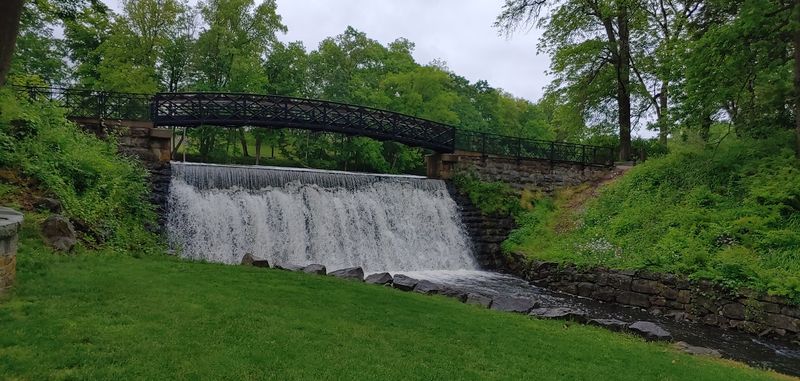
Farm lanes, creek bottoms, and wooded hills blend almost seamlessly across this corner of Warren County. That pastoral scenery is the attraction, but it also creates a complicated patchwork of tick habitat.
Blairstown gives outdoor enthusiasts access to the Paulinskill Valley Trail and the wider Delaware Water Gap region, while Hardwick and Frelinghuysen are filled with rural roads, forest fragments, fields, and residential properties bordered by brush.
Those boundary zones matter because ticks are often concentrated where one type of landscape meets another: lawn against woodland, meadow against tree line, or trail against dense undergrowth.
You do not need to bushwhack through remote forest to encounter one. A stroll beside tall grass, a break on a log, or a dog nosing through roadside weeds can do the job.
Blacklegged ticks are the chief Lyme disease concern in northern New Jersey, and their nymphs are particularly difficult to notice because of their tiny size. American dog ticks may also turn up in sunnier grass and open areas.
For a summer walk on the Paulinskill trail, stay near the center instead of brushing the plants along either side. Treat boots and socks before leaving home, and keep a tick-removal tool or fine-tipped tweezers in the car.
Pets deserve a careful inspection too, especially around the ears, collar, toes, and legs, where ticks can hide before being carried indoors.
3. High Point-Stokes Forest-Walpack Area

At 1,803 feet above sea level, the High Point Monument gets the photographs, but the forest floor below deserves just as much attention.
This Sussex County region contains an enormous sweep of wooded recreation land, from High Point State Park and the trail-packed Stokes State Forest to the quiet roads, streams, and abandoned farm clearings around Walpack.
The Appalachian Trail passes through the area, Stokes alone contains more than 60 miles of marked trails, and the nearby Delaware Water Gap landscape adds tens of thousands of acres of forest and wildlife habitat. For ticks, that means shade, moisture, leaf litter, deer routes, and a steady parade of possible hosts.
Hikers are most likely to make contact along narrow trail edges, low shrubs, grassy parking areas, and spots where ferns or saplings lean into the path. A cool mountain breeze does not make the risk disappear, and neither does choosing a popular trail.
Summer visitors should wear repellent even for short walks to an overlook or waterfall, not only for strenuous backcountry outings. Long socks and light-colored pants may not win a wilderness fashion contest, but they make a tick easier to see before it reaches skin.
Check frequently during the hike rather than waiting until bedtime. When the day is over, inspect packs and clothing before placing them in the car, then shower and perform a full-body check at home.
The views are worth the preparation; the souvenir attached behind your knee is not.
4. Kinnelon-Jefferson-Boonton Area

Tripod Rock may be the local celebrity, but the low wetlands and shadowy trail margins around it are more relevant during tick season. The Kinnelon, Jefferson, and Boonton area lies within Morris County, another county posting one of New Jersey’s highest Lyme disease totals this year.
It is classic Highlands terrain: rocky ridges, reservoirs, hardwood forest, swampy hollows, and suburban streets ending abruptly at protected open space.
Pyramid Mountain Natural Historic Area alone covers more than 1,600 acres and offers roughly 19 miles of trails, while nearby preserves and state lands extend the same habitat across municipal borders.
This is where the suburban misconception about ticks tends to fall apart. A resident can leave a neatly maintained driveway, walk five minutes into dense woodland, and return through a brushy yard edge where deer traveled overnight.
Moist pockets near streams and wetlands help ticks survive hot weather, while shaded stone walls and leaf-covered slopes create additional hiding places. Plan hikes with the same care you would use farther north: repellent on exposed skin, treated shoes or clothing, and no wandering through waist-high plants for a shortcut.
If you stop to admire a reservoir view, choose a bench or exposed rock rather than sitting directly in leaves. Parents should check children’s hairlines and waistbands after outdoor camps or nature walks, and dog owners should inspect leashes and harnesses along with the animal.
In this region, “just a neighborhood walk” can still pass through prime tick country.
5. Watchung-Warren-Bernardsville Area
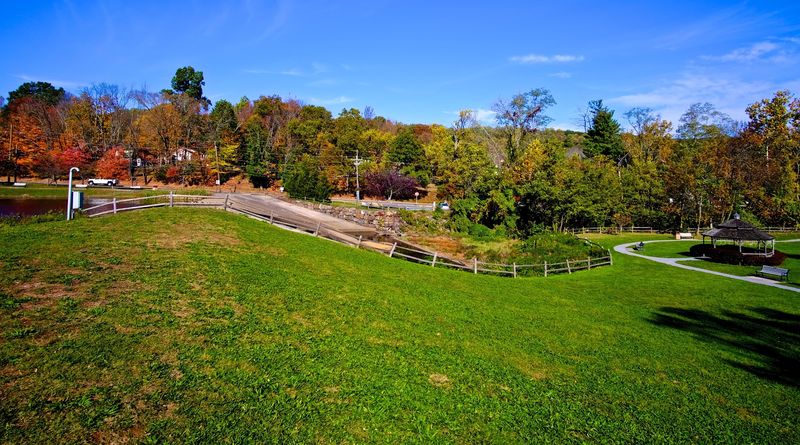
One moment you are crossing a broad boardwalk above a marsh; the next you are climbing a wooded ridge or passing a meadow full of knee-high plants. That habitat variety is what puts the wider Watchung, Warren, and Bernardsville area on the summer watch list.
Watchung Reservation contains more than 2,000 acres and miles of forest trails, while the Somerset County side brings the wetlands, floodplain woods, fields, and boardwalk routes of Lord Stirling Park and the Great Swamp landscape.
Add wooded residential lots and deer moving between preserves, parks, golf courses, and gardens, and there are countless opportunities for ticks to spread beyond deep forest.
Blacklegged ticks favor humid, sheltered ground, while American dog ticks are more often encountered along grassy paths and open edges. Lone star ticks have also become an increasing consideration as their New Jersey range has moved northward.
The easiest risk reduction is behavioral: remain on clear paths, avoid brushing past vegetation, and do not leave backpacks or picnic blankets in leaf litter. Boardwalks provide separation from the ground, but the walk from a parking lot or a detour onto an unpaved trail can still create exposure.
Keep repellent handy for spontaneous stops rather than reserving it for planned hikes. Afterward, give special attention to warm, concealed areas of the body and place trail clothing somewhere separate from untreated laundry.
This area offers some of central North Jersey’s most accessible nature, which means prevention should be equally routine and accessible.
6. Howell-Manasquan Reservoir Area
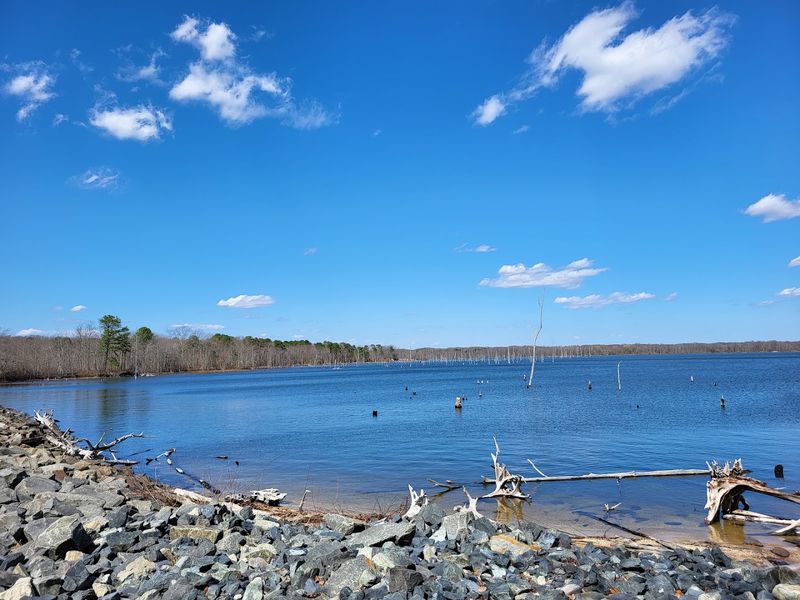
The five-mile loop around Manasquan Reservoir attracts walkers, runners, cyclists, birders, and families who might never describe themselves as hikers.
That popularity is part of the risk equation: many people are moving through a landscape of woods, wetlands, grassy clearings, and brushy shoreline without necessarily dressing for tick country.
The Howell site covers more than 1,300 acres of land and water, with a perimeter route that repeatedly shifts between exposed and shaded terrain. Blacklegged ticks can be encountered in wooded and shrubby sections, while American dog ticks are better suited to sunny grass near trailheads, picnic areas, and field edges.
Monmouth County also sits in the transition zone where lone star ticks have become increasingly relevant. Their more active host-seeking behavior makes them an important reason to check clothing during an outing, not merely afterward.
The good news is that the main reservoir path is broad and maintained, making it easier to stay away from vegetation. Trouble is more likely when visitors step aside, explore narrower side paths, sit near the woods, or let pets roam at the end of a leash through brush.
Current construction around the Environmental Center area may affect access to some nearby paths, so review posted notices before choosing a route. Once the walk is finished, inspect shoes, socks, bicycles, strollers, and dogs before loading everything into the vehicle.
A reservoir lap should end with tired legs and a camera full of osprey photos—not an unnoticed passenger riding home.
7. Princeton-Pennington-Hopewell Area
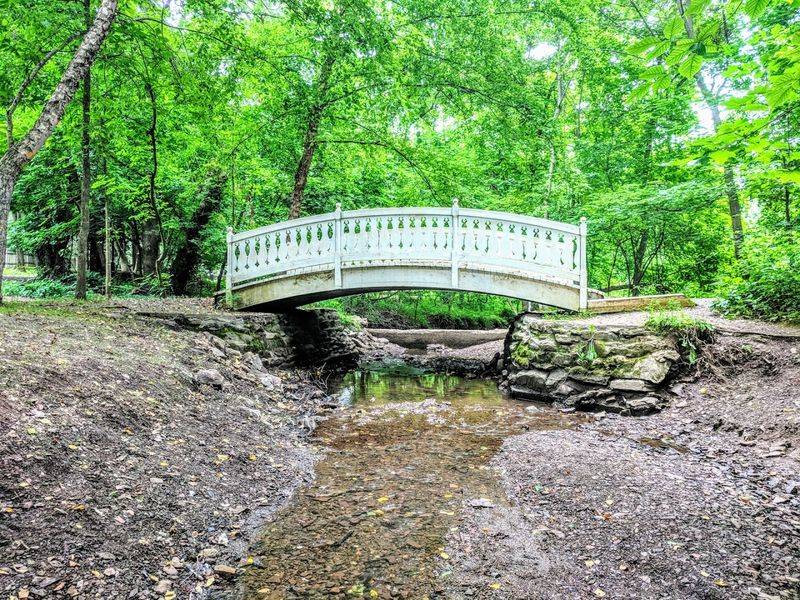
A manicured university lawn can give a false sense that Princeton and its neighbors are too polished for serious tick exposure. Move beyond the busiest streets, however, and the landscape quickly becomes a network of preserved farms, canal paths, wooded stream corridors, meadows, and backyard tree lines.
Mercer Meadows, Washington Crossing State Park, Baldpate Mountain, the D&R Canal, and smaller Hopewell Valley preserves create abundant recreation space across Princeton, Pennington, and Hopewell. They also create the forest-field boundaries where people and ticks frequently cross paths.
Meadow trails deserve particular attention because walkers often assume open ground is safer than the woods. Tall grass can support American dog ticks, while shaded margins and nearby leaf litter suit blacklegged ticks.
Cyclists using canal routes may pick up ticks during rest stops, trailside repairs, or short walks into vegetation rather than while actually riding. In residential areas, deer and small mammals can carry ticks into gardens and unfenced yards, meaning the post-outdoor check still matters after chores at home.
Wear closed shoes for preserve walks and keep trouser cuffs away from plants when possible. Families visiting historic or nature sites should reapply repellent as directed instead of assuming one hurried spray in the morning lasts all day.
A shower soon after returning can wash away unattached ticks and creates a natural moment for a careful inspection. Around here, summer prevention belongs beside the water bottle and sunscreen as standard equipment.
8. Lacey-Manchester-Waretown Area
Dry sand crunching beneath your shoes does not seem like the beginning of a tick encounter. Yet beneath the Pine Barrens’ scrub oak, along wetland margins, and around grassy trail openings, conditions can be much more favorable than the exposed ground suggests.
Lacey, Manchester, and Waretown lie in Ocean County, which is among the counties recording New Jersey’s largest Lyme disease totals in 2026.
The area includes extensive state, county, and conservation lands, with Wells Mills County Park alone protecting more than 900 acres of pine and oak forest and offering miles of trails.
Double Trouble, Forked River Mountain, cranberry-bog country, and the vast woods around Manchester add even more places where hikers, hunters, dog walkers, and mountain bikers may encounter ticks. South Jersey brings a broader species mix than many visitors expect.
Blacklegged ticks remain a concern, while lone star ticks are well established and can be notably persistent. American dog ticks favor the sunnier, grassier portions of recreation areas.
The smartest approach is to protect footwear and lower legs before entering the woods, then pause occasionally to scan trousers rather than waiting until the end of a long hike. Pine needles and sandy roads make dropped ticks difficult to spot, so avoid placing clothing or gear directly on the ground.
Check pets before they climb into the car, and inspect yourself again later at home. The landscape may look dry, open, and forgiving, but summer tick precautions should be taken seriously throughout this Ocean County corridor.
9. Ringwood-West Milford-Wanaque Area

Reservoir country has a way of keeping hikers focused upward—toward ridgelines, rocky overlooks, and gaps in the trees revealing blue water. Tick prevention requires occasionally looking down.
Ringwood, West Milford, and Wanaque are surrounded by some of North Jersey’s most substantial outdoor terrain, including Ringwood State Park, Wawayanda State Park, Apshawa Preserve, Tranquility Ridge, and the Highlands Rail Trail.
Wawayanda contains more than 60 miles of marked trails, and Apshawa protects nearly 600 acres with reservoir views, wet areas, and wooded slopes.
Across the region, the mix of forest, swamp, old roads, power-line corridors, and residential edges creates excellent habitat for wildlife and the ticks that feed on it. Muddy or flooded sections deserve special care because hikers naturally step toward the brush to get around them, putting legs directly against vegetation.
Recent trail improvements at Apshawa have rerouted some paths away from persistent flooding, but conditions can still change after storms. Wear shoes and clothing you are willing to treat, and resist the temptation to squeeze past plants at the edge of an overgrown route.
At overlooks, use bare rock for a rest rather than the leafy ground nearby. A mid-hike scan is especially helpful on long routes, since removing a crawling tick is easier than finding one after it has attached.
Before driving away, check packs, socks, and the cuffs of trousers. Northern Passaic County rewards preparation with excellent hiking; it simply does not reward bare ankles.
10. Weymouth-Mullica-Estell Manor Area
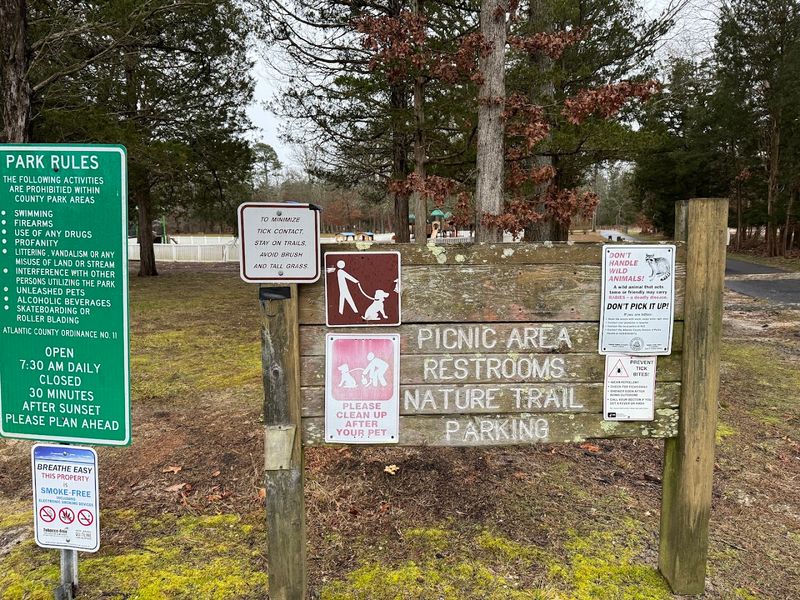
A boardwalk through a cedar swamp seems like the safest possible way to explore South Jersey wetlands—and while it certainly reduces contact with ground vegetation, it does not erase the risk found on connecting trails, picnic lawns, campsites, and riverbanks.
The Weymouth, Mullica, and Estell Manor area brings together the Great Egg Harbor River, pine forest, coastal woodland, old industrial sites reclaimed by nature, and miles of sandy or muddy routes.
Estell Manor Park covers more than 1,700 acres and has approximately 27 miles of trails, including a 1.8-mile elevated swamp boardwalk. Beyond the boards are compacted-earth paths, forest edges, fields, and wet sections where multiple tick species may be active.
Lone star ticks are a major South Jersey consideration and may move toward passing hosts more assertively than blacklegged ticks. Blacklegged and American dog ticks can also be encountered depending on the habitat.
Canoe launches and fishing access points deserve attention because visitors often walk through weeds while carrying equipment, then sit without noticing what has climbed onto clothing. Apply repellent before unloading the car, not after reaching the trailhead.
Campers should conduct checks every evening and keep worn clothing away from sleeping areas. Since ticks can ride indoors on dogs and gear, inspect both carefully.
The old glassworks, wartime ruins, river scenery, and swamp forest make this area unusually interesting, but they also provide plenty of reasons to arrive dressed for more than a casual park stroll.
11. Wharton State Forest and the Central Pine Barrens
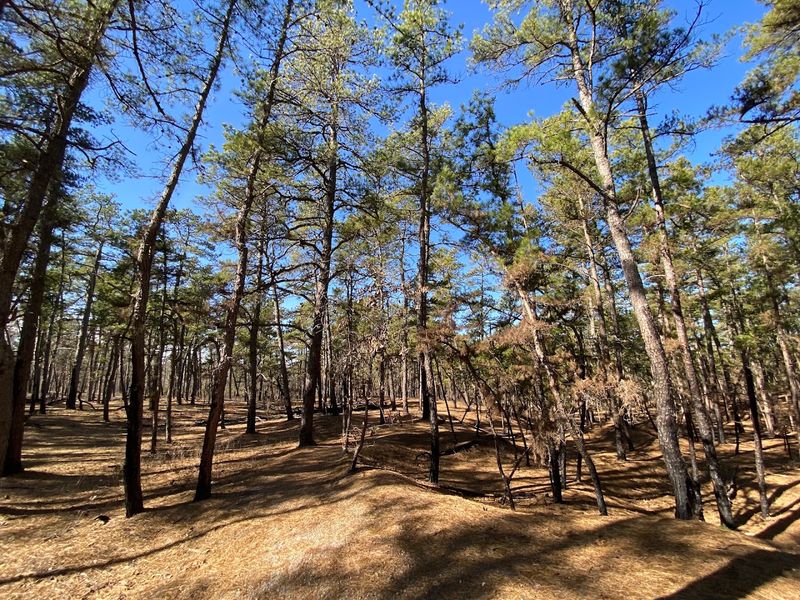
This is the place where a quick tick check halfway through the day can feel less like overcaution and more like common sense.
Wharton State Forest is the largest single tract in New Jersey’s state park system, spreading across a huge portion of the central Pine Barrens with unpaved roads, campsites, cedar swamps, oak-pine woods, ponds, fields, and sections of the Batona Trail.
Visitors come to hike, camp, paddle, ride horses, explore Batsto Village, and disappear down sandy roads that feel wonderfully remote. That combination of extensive habitat and long outdoor exposure earns Wharton special attention.
Lone star ticks are particularly important in southern New Jersey. The adult female’s white spot makes her recognizable, but younger stages can be much harder to see, and several ticks may be encountered during one outing.
Blacklegged and American dog ticks add to the mix in damp woodland and open grassy areas. Full-coverage clothing is worthwhile for narrow trails, and treated shoes, socks, and trousers provide a stronger barrier for campers and long-distance hikers.
Do not toss worn clothes onto a tent floor, sleeping bag, or vehicle seat without checking them. Paddlers are not automatically protected, either; launches, portages, and shoreline breaks can involve plenty of contact with vegetation.
Carry tweezers, inspect yourself daily, and treat every campsite as a place where ticks may arrive on people, pets, or gear. Wharton remains one of New Jersey’s great wild escapes—just give its smallest residents considerably less hospitality.
Share this story