Texas holds some of the most breathtaking churches you’ll ever see, with architecture that makes you stop and stare. From hand-painted ceilings to Gothic spires reaching toward the sky, these sacred spaces blend faith with art in ways that feel almost magical. Whether you’re drawn to ornate European-inspired designs or historic missions with centuries of stories, the Lone Star State’s churches offer beauty that photographs simply can’t capture.
Get ready to discover religious buildings so stunning they might just take your breath away.
1. St. Joseph Catholic Church (San Antonio)
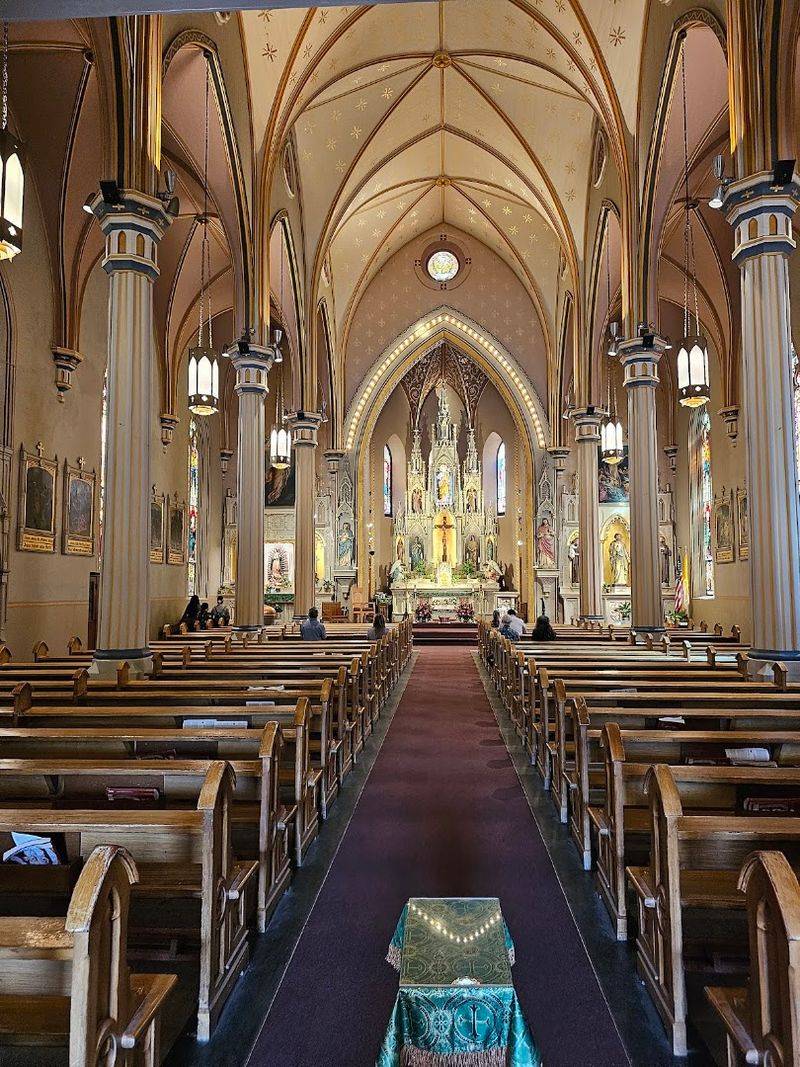
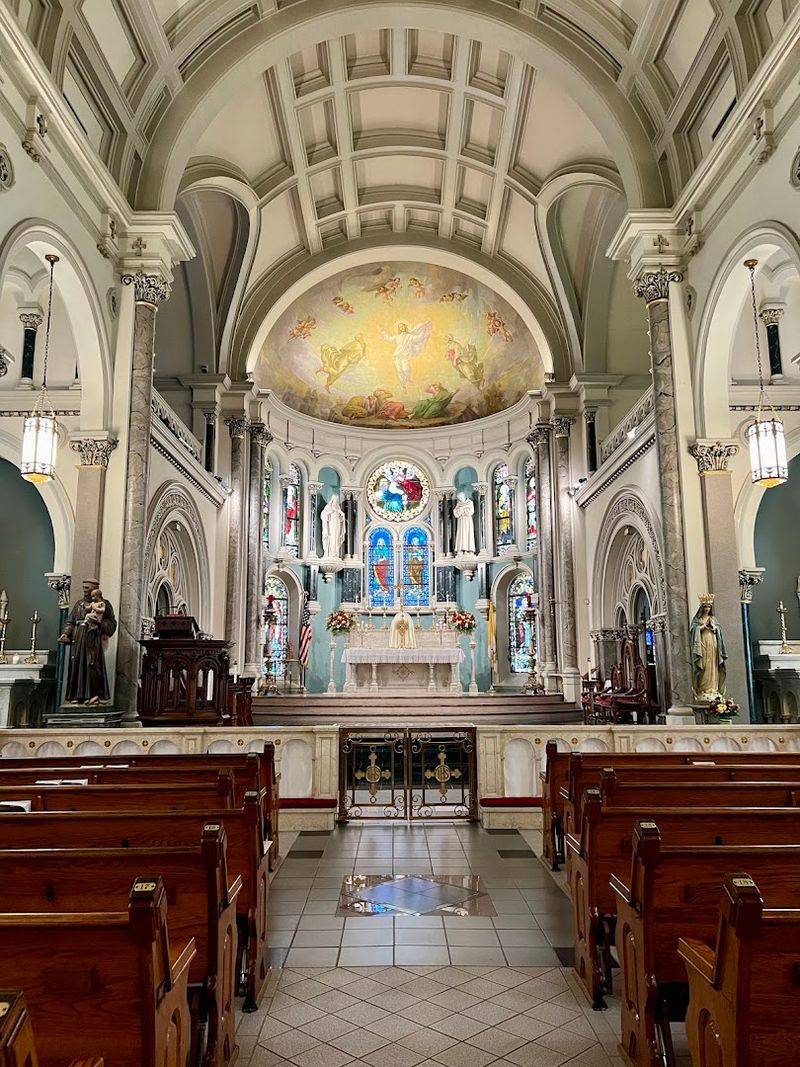
Built in the late 1800s, this Gothic Revival masterpiece stands proudly in downtown San Antonio with twin spires that pierce the skyline. The exterior alone commands attention with its intricate stonework and towering presence. But step inside, and you’ll find yourself surrounded by beauty that feels transported from medieval Europe.
The stained glass windows are absolutely spectacular, casting colorful light across the sanctuary throughout the day. Each window tells a biblical story through vibrant blues, reds, and golds that seem to glow from within. The craftsmanship involved in creating these glass masterpieces is mind-boggling when you consider they were installed over a century ago.
High vaulted ceilings draw your eyes upward, creating a sense of space that feels both grand and intimate. The altar area features detailed woodwork and marble that took skilled artisans months to complete. Ornate columns line the nave, each one carved with precision that modern machinery still struggles to replicate.
What makes this church particularly special is how well it’s been preserved despite its age. The parish community has worked tirelessly to maintain every detail, from the original pews to the hand-painted stations of the cross. Even the floor tiles remain largely original, showing patterns that have been walked over by generations of worshippers.
Visiting during a quiet weekday afternoon gives you the best chance to appreciate the architecture without crowds. The acoustics are remarkable too—whispers carry across the space in ways that feel almost supernatural. Whether you’re religious or simply appreciate beautiful buildings, this church delivers an experience that stays with you long after you leave.
2. St. Mary’s Church of the Assumption (Praha)
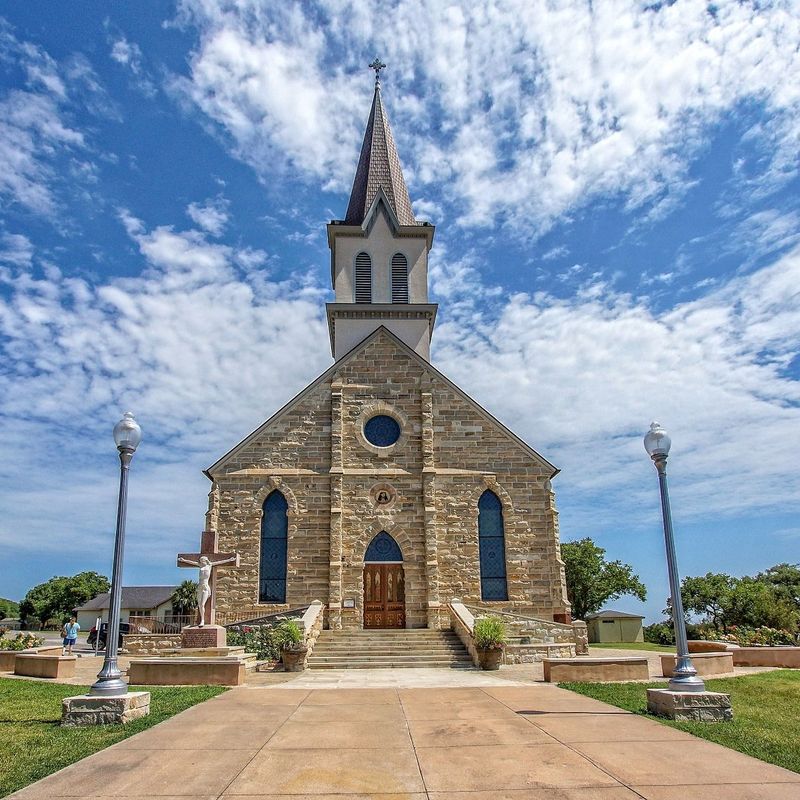
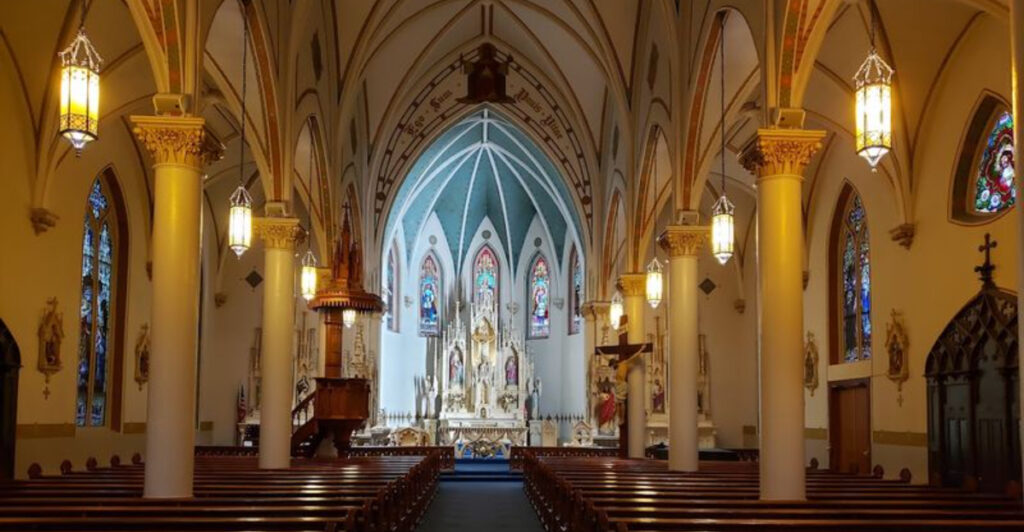
Hidden in the tiny town of Praha sits a church that looks like it belongs in a European village rather than rural Texas. This gem was built by Czech immigrants in the 1890s who wanted to recreate the beauty they remembered from their homeland. The result is a building that packs more visual punch per square foot than churches ten times its size.
Walking through the doors feels like entering a jewelry box filled with treasures. Every surface seems to be decorated with paintings, carvings, or gilded details that catch the light. The ceiling alone could keep you staring upward for an hour, covered in hand-painted murals depicting religious scenes in vivid colors.
The altar is a work of art that dominates the front of the church with its elaborate design. Columns twist and reach upward, supporting arches covered in gold leaf and intricate patterns. Statues of saints stand in carefully arranged niches, each one painted with lifelike detail that makes them seem ready to step forward.
What’s remarkable is that this tiny community of Czech farmers created something so elaborate with limited resources. They brought craftsmen from Europe and used techniques passed down through generations. The dedication shows in every brushstroke and carved detail that still looks fresh today.
The church sits in the middle of farmland, surrounded by nothing but fields and blue sky. This isolation makes stumbling upon it feel like discovering a secret. Local parishioners still maintain the building with pride, ensuring that future generations can experience the same awe their ancestors intended.
Photography is welcome, though no picture truly captures the overwhelming beauty of standing inside this painted sanctuary.
3. Annunciation Catholic Church (Houston)
Right in the heart of Houston stands a church that transports you straight to Renaissance Italy. The design draws heavily from classical European architecture, featuring a dome that rises majestically above the surrounding buildings. Massive columns frame the entrance, giving the exterior a sense of grandeur that announces this is something special before you even step inside.
The interior continues the Italian theme with breathtaking attention to detail. Marble covers the floors and altar area in patterns that create visual movement throughout the space. The dome’s interior is painted with religious imagery that seems to float above worshippers, creating an upward pull that makes the ceiling feel impossibly high.
Natural light floods through carefully placed windows, illuminating the sanctuary in ways that change throughout the day. Morning light creates soft shadows that highlight architectural details you might miss otherwise. Afternoon sun brings warmth to the marble and makes the gold accents shimmer.
The church serves a diverse Houston community, but its design speaks a universal language of beauty and craftsmanship. Intricate mosaics decorate side chapels, each one telling different stories through tiny colored tiles. The main altar features a baldachin—a ceremonial canopy—that rises on twisted columns covered in decorative elements.
What sets this church apart is how it balances grandeur with warmth. Despite its size and elaborate decoration, the space doesn’t feel cold or museum-like. Wooden pews worn smooth by decades of use add a human touch to all the marble and gold.
The acoustics are perfect for the choir, whose voices seem to come from everywhere at once during services. Even if you’re just passing through Houston, this architectural treasure deserves a stop.
4. St. Anthony Cathedral Basilica (Beaumont)
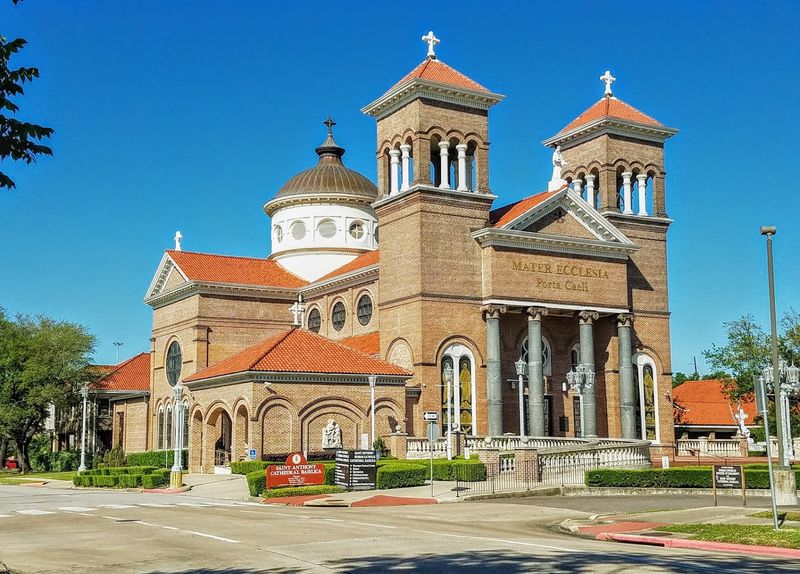
Beaumont’s cathedral rises from the landscape like a fortress of faith, with twin towers that can be spotted from miles away. The Romanesque Revival style gives it a solid, timeless quality that suggests it’s been standing for centuries. Massive stone blocks form the exterior walls, creating a sense of permanence that modern buildings rarely achieve.
The front entrance features a stunning rose window that serves as the building’s centerpiece. This circular stained glass masterpiece depicts religious scenes in sections that radiate outward like flower petals. When sunlight hits it from behind, the entire front of the church seems to glow with multicolored light.
Inside, the cathedral opens up into a vast space supported by thick columns and rounded arches. The ceiling soars overhead, decorated with paintings and plasterwork that required scaffolding stories high to complete. Side aisles run along both walls, creating additional space that makes the interior feel even more expansive.
The main altar sits elevated on a platform, backed by an elaborate reredos—a decorated screen—that frames the sacred space. Marble and bronze combine in the altar’s construction, with candlesticks and religious vessels adding to the visual richness. The bishop’s chair, or cathedra, sits nearby, a reminder that this isn’t just a church but the mother church of the diocese.
What makes this basilica particularly impressive is its completeness. Nothing feels like an afterthought or compromise. From the floor tiles to the ceiling paintings, every element works together to create a unified vision.
The building has weathered Gulf Coast humidity and storms for over a century, yet still looks magnificent. Visiting during a service lets you experience the space as intended, filled with music and the murmur of prayers.
5. Saints Cyril and Methodius Catholic Church (Schulenburg)
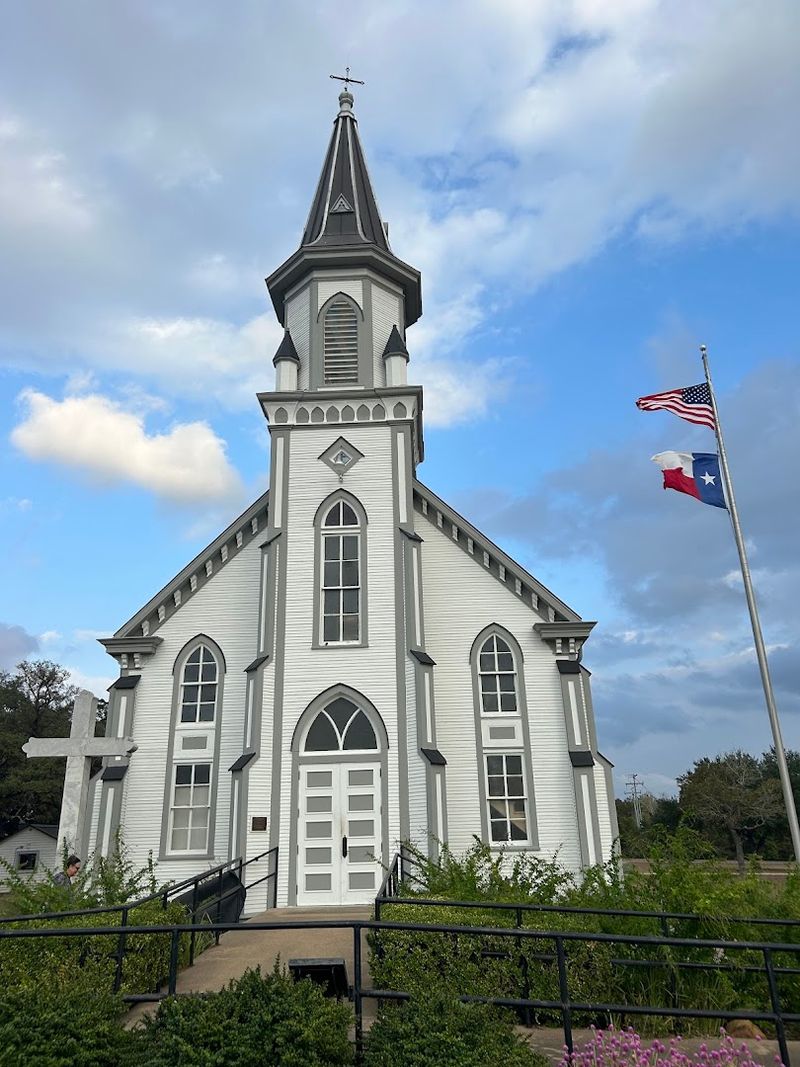
Out in the countryside near Schulenburg, you’ll find a church that looks like it was plucked from a Czech fairytale. The white exterior practically glows against the green Texas landscape, topped by a steeple that reaches skyward with elegant simplicity. This is one of the oldest Czech churches in Texas, built by immigrants who arrived in the mid-1800s with little more than faith and determination.
The exterior’s clean lines and Gothic-inspired windows give it a charming, almost storybook quality. A covered entrance protects visitors from sun and rain, leading to doors that have welcomed worshippers for generations. The building sits in the middle of farmland, surrounded by a cemetery where many of the original Czech settlers rest.
Stepping inside reveals an interior that’s surprisingly elaborate for such a small rural church. Hand-painted decorations cover the walls and ceiling in patterns that blend religious symbolism with folk art traditions. The color palette of soft blues, pinks, and golds creates a cheerful atmosphere that feels welcoming rather than solemn.
The altar is a focal point of carved wood painted in multiple colors and accented with gold leaf. Statues of saints stand in niches, each one carefully maintained and dressed in fabric robes. The stations of the cross around the walls are hand-painted rather than mass-produced, giving each one unique character.
What’s truly special about this church is its authenticity. Unlike larger city churches that have undergone multiple renovations, this one retains much of its original character. The wooden floors creak underfoot, and the pews show wear from more than a century of use.
Local parishioners still gather here for services, keeping alive traditions their great-great-grandparents brought from Europe. The church is often open for visitors, offering a peaceful retreat that feels worlds away from modern life.
6. St. Mary Cathedral (Austin)
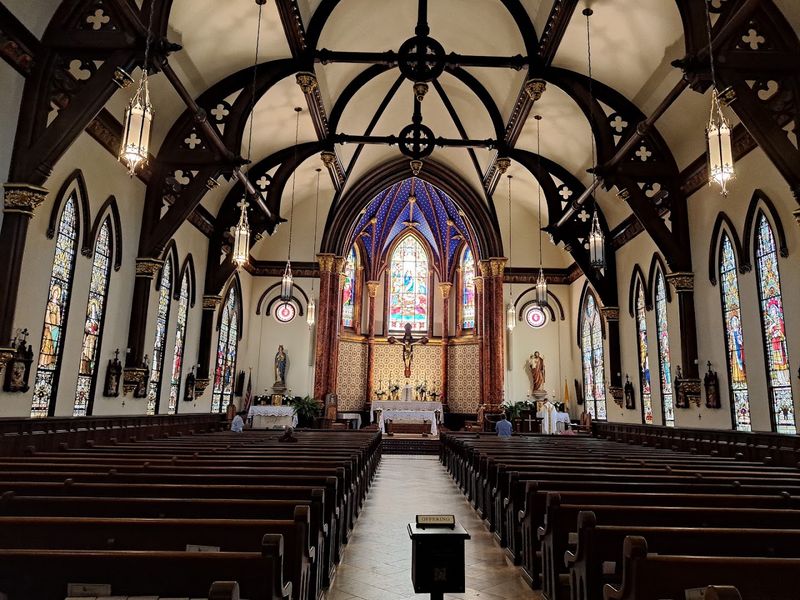
Right in downtown Austin, blocks from the state capitol, stands a Gothic Revival cathedral built from red brick that has witnessed the city’s transformation. The structure dates back to the 1870s, making it one of Austin’s oldest buildings still in active use. Its pointed arches and vertical lines draw your eyes upward, creating a sense of reaching toward heaven that Gothic architects perfected centuries ago.
The brick exterior has aged beautifully, developing a patina that gives the building character and warmth. A tall spire marks the building’s location from blocks away, serving as a landmark in the downtown skyline. The entrance features a pointed Gothic arch decorated with stone trim that contrasts nicely with the surrounding brick.
Inside, the cathedral opens into a long nave lined with columns that support the vaulted ceiling. Stained glass windows along both sides filter sunlight into colored beams that shift across the interior as the day progresses. The windows depict various saints and biblical scenes, each one a work of art worth studying up close.
The altar area has been updated over the years while maintaining respect for the building’s historic character. A large crucifix hangs above the altar, and the sanctuary is decorated with marble and fine woodwork. The cathedral houses a pipe organ whose deep tones fill the entire space during services, creating an immersive sound experience.
Being located in downtown Austin means this cathedral serves a diverse congregation from all walks of life. The building has hosted countless weddings, funerals, and celebrations over its 150-year history. Despite the modern city growing up around it, the cathedral maintains a sense of timelessness.
The parish welcomes visitors during the day, offering a quiet refuge from the bustling streets outside. Attending a service here connects you to generations of Austinites who have worshipped in the same space.
7. San Fernando Cathedral (San Antonio)
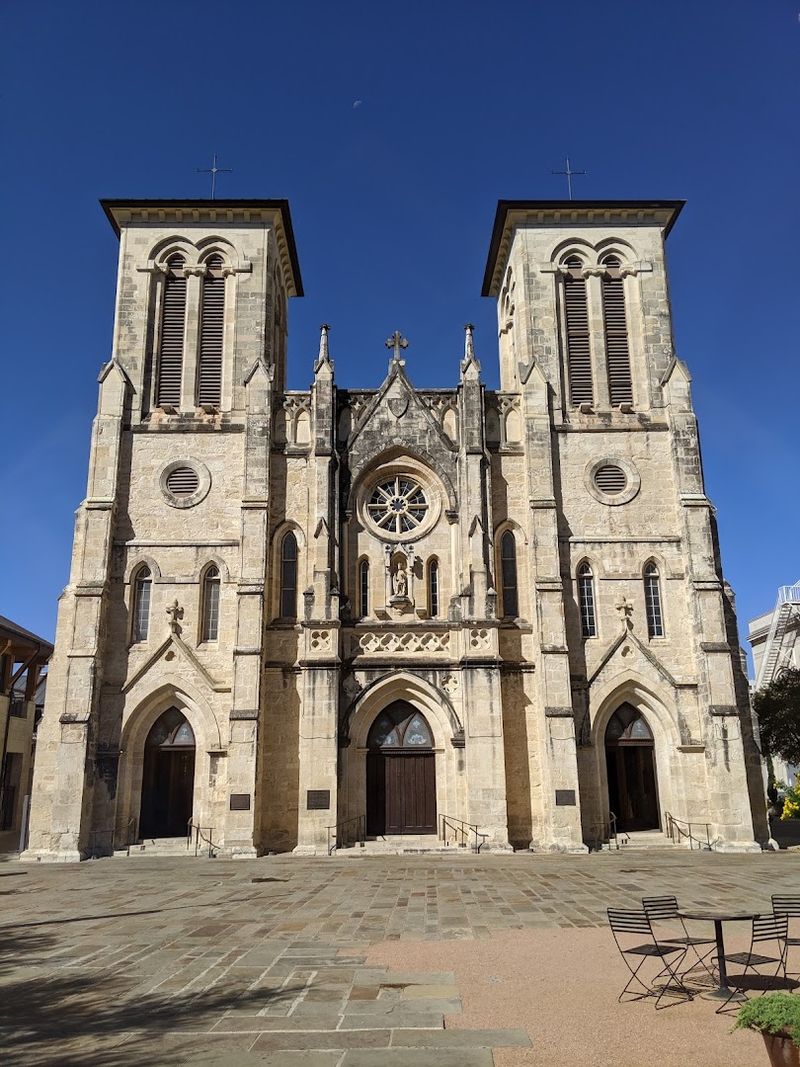
San Antonio’s Main Plaza is dominated by a cathedral that has stood since 1731, making it one of the oldest cathedrals in the United States. The building has witnessed Texas history unfold right at its doorstep, from Spanish colonial days through the Texas Revolution and beyond. The facade shows Spanish Colonial baroque style with ornate stonework that frames the entrance in swirls and religious imagery.
The twin bell towers rise on either side of the main entrance, housing bells that have called the faithful to worship for centuries. The exterior’s warm stone has weathered to a beautiful golden tone that glows in the Texas sun. Architectural details include niches holding statues of saints, decorative columns, and carved elements that reward close inspection.
Inside, the cathedral combines its historic bones with updates made over nearly three centuries. The nave stretches back from the entrance, lined with side chapels dedicated to various saints. The ceiling is decorated with paintings and plasterwork that have been carefully restored to maintain their beauty.
Gothic-style arches mix with baroque elements, creating a unique architectural blend.
The cathedral houses the tomb of several Texas heroes, including some defenders of the Alamo. This connection to Texas history adds another layer of significance beyond its religious importance. The main altar is an impressive structure of carved wood and gold leaf, commanding attention at the front of the sanctuary.
What makes San Fernando truly special is how it remains a living, active church rather than just a historic monument. Mass is celebrated daily, and the cathedral serves a vibrant downtown parish. Evening light shows projected onto the facade tell the story of San Antonio’s history through stunning visuals.
The cathedral grounds include a peaceful courtyard that offers a quiet spot in the busy downtown area. Whether you’re interested in history, architecture, or spirituality, this cathedral delivers on all fronts.
8. St. Mary’s Catholic Church (Fredericksburg)
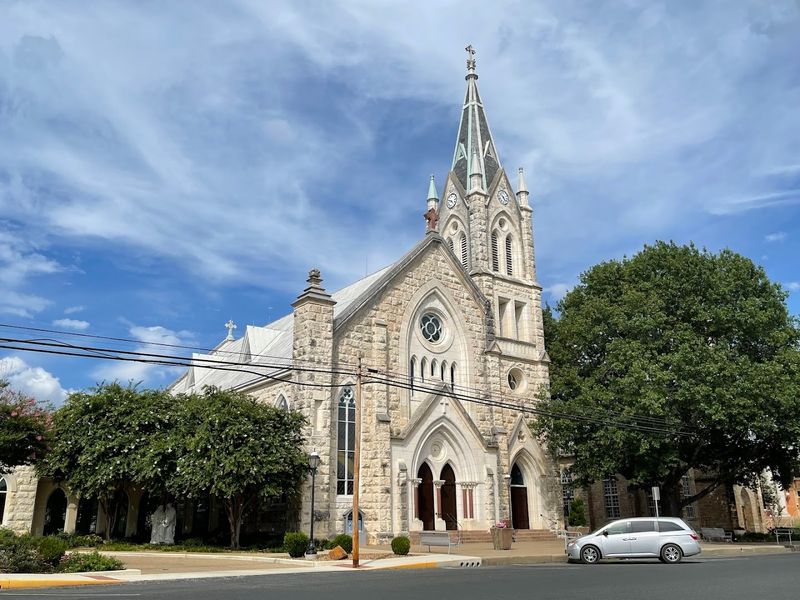
Fredericksburg’s German heritage shines through in this beautiful Gothic Revival church that dominates the town’s skyline. Built by German immigrants in the late 1800s, the church reflects the architectural traditions they brought from Europe. The tall steeple serves as a landmark visible throughout town, pointing heavenward with distinctly German proportions and style.
The exterior features honey-colored limestone blocks quarried locally from the Hill Country. This native stone gives the church a solid, grounded appearance that suits the rugged landscape. Gothic pointed arch windows line the walls, each one filled with stained glass that depicts religious scenes in rich colors.
Inside, the church opens into a surprisingly spacious sanctuary supported by columns and arches. The ceiling is painted in soft colors with decorative elements that add visual interest without overwhelming the space. Natural wood pews, worn smooth by generations of worshippers, provide seating that extends from the entrance to the altar.
The altar area features carved wood and marble work that demonstrates the craftsmanship German artisans brought to Texas. Statues of Mary and various saints occupy places of honor, each one carefully maintained and decorated. The stations of the cross around the walls are particularly beautiful, showing artistic skill in their execution.
What sets this church apart is how perfectly it fits its setting. In a town known for preserving German heritage, this building serves as both a place of worship and a cultural touchstone. The parish remains active and vibrant, hosting services in both English and German on special occasions.
The church sits just off Fredericksburg’s main street, making it easy to visit while exploring this charming Hill Country town. The surrounding grounds include well-maintained gardens that provide a peaceful setting. Attending a service here offers insight into how German Catholic traditions have been preserved in Texas for over a century.
9. First Methodist Church (Houston)
Downtown Houston’s skyline includes a Gothic Revival church that has served the community since the late 1800s. The building’s architecture stands in striking contrast to the modern glass towers surrounding it, offering a glimpse into Houston’s past. A tall tower rises from one corner, its Gothic details and pointed windows creating a vertical emphasis that draws the eye upward.
The exterior combines red brick with stone trim in patterns that create visual interest across the facade. Pointed arch windows, a hallmark of Gothic design, line the walls and fill the interior with natural light. The main entrance features elaborate stone carving around its doorway, with religious symbols and decorative elements that reward close examination.
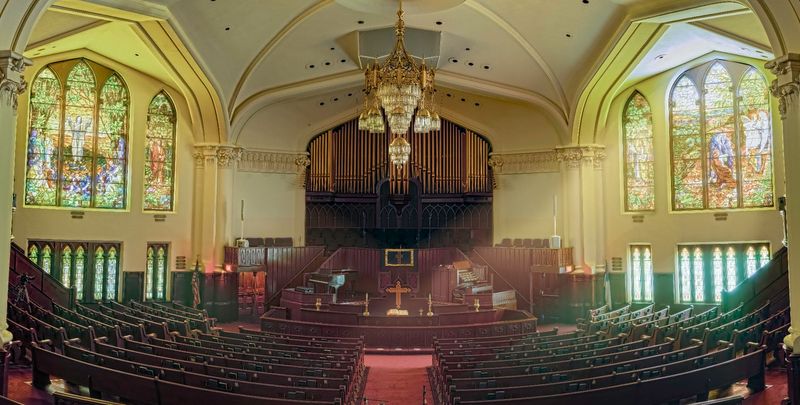
Stepping inside reveals a sanctuary that balances traditional church architecture with more contemporary updates. The nave is lined with wooden pews facing an elevated chancel area where services are conducted. Stained glass windows cast colored light across the interior, creating an atmosphere that shifts with the time of day and weather conditions.
The church features beautiful woodwork throughout, from the pews to the decorative elements around the altar. A pipe organ sits prominently, its facade of metal pipes forming an impressive visual element. The ceiling rises high overhead, supported by wooden beams and arches that create a sense of spaciousness.
This church has played a significant role in Houston’s religious and civic life for over a century. The congregation has grown and changed with the city, adapting to serve a diverse downtown community. The building itself has been carefully maintained and updated to preserve its historic character while meeting modern needs.
Being located in the heart of downtown makes it accessible to both regular parishioners and visitors exploring the city. The church often opens its doors for tours and community events beyond regular services. Its presence serves as a reminder of Houston’s roots amid all the modern development surrounding it.
10. St. Mary’s Catholic Church (Victoria)
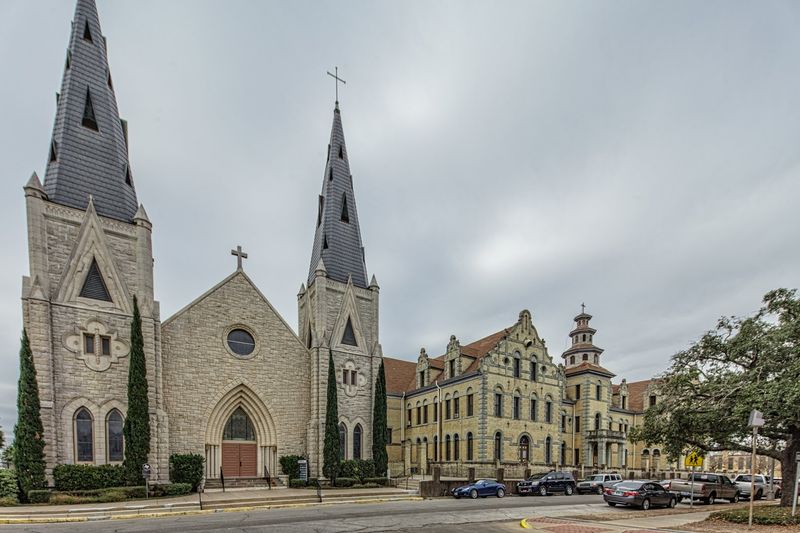
Victoria’s skyline is marked by twin spires that announce the presence of one of South Texas’s most impressive churches. Built in the early 1900s, this Gothic Revival structure demonstrates the ambition of the Catholic community that constructed it. The red brick exterior rises several stories, topped by spires that seem to reach impossibly high into the sky.
The front facade features a large rose window that serves as the visual centerpiece between the two towers. This circular stained glass window depicts religious imagery in intricate detail, creating a stunning effect when lit from behind. The main entrance sits beneath the rose window, framed by pointed Gothic arches and decorative stonework.
Inside, the church opens into a vast sanctuary that can accommodate hundreds of worshippers. Columns line the nave, supporting arches that carry the weight of the ceiling high overhead. The interior is decorated with paintings, statues, and architectural details that create a rich visual environment.
Stained glass windows along the side walls tell biblical stories through colored glass that glows when sunlight streams through.
The altar area is particularly elaborate, featuring marble work, carved wood, and metalwork that combine into an impressive focal point. A large crucifix hangs above the altar, and the tabernacle is housed in an ornate structure that draws the eye. Side chapels dedicated to various saints offer quieter spaces for prayer and reflection.
What makes this church remarkable is its scale in relation to Victoria’s size. This relatively small city has a cathedral-sized church that rivals those in much larger cities. The building reflects the importance of faith to the community and the resources they were willing to dedicate to creating something beautiful.
The church remains active today, serving a parish that takes pride in maintaining this architectural treasure. Visitors are welcome during the day to admire the architecture and experience the peaceful atmosphere inside.
11. Sacred Heart Catholic Church (Galveston)
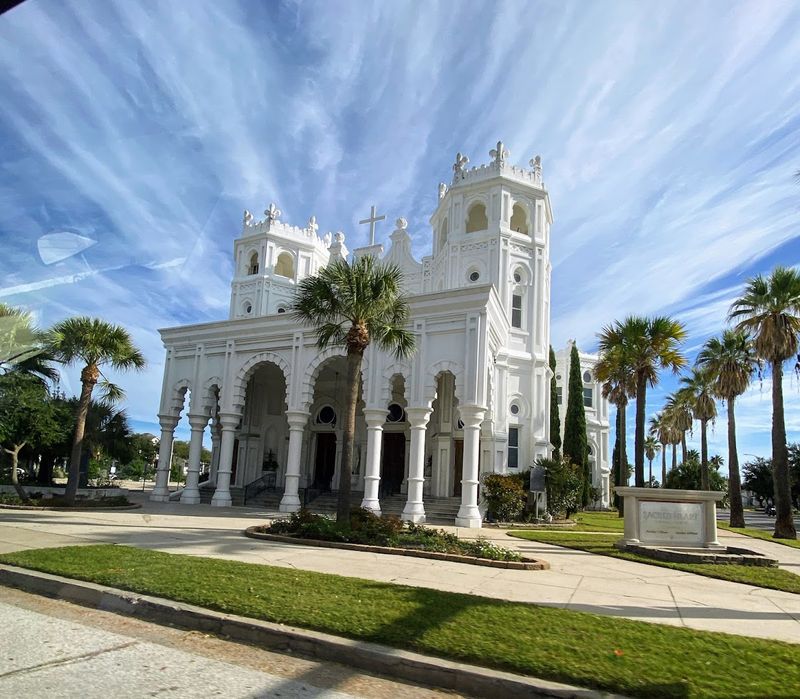
On Galveston Island stands a Victorian Gothic church that has survived hurricanes and time since the 1890s. The building’s ornate brickwork and decorative elements reflect the prosperity Galveston enjoyed during its heyday as Texas’s most important port city. A tall steeple rises from the structure, visible from blocks away and serving as a landmark in the historic neighborhood.
The exterior showcases intricate brickwork patterns that create texture and visual interest across the walls. Pointed arch windows in true Gothic style line the building, each one fitted with stained glass. The entrance features elaborate stone carving and decorative elements that demonstrate the craftsmanship invested in the building.
Buttresses along the sides provide structural support while adding to the Gothic aesthetic.
Inside, the sanctuary opens into a space that feels both grand and intimate. Wooden pews face an altar area that’s been lovingly maintained over the decades. The ceiling is decorated with paintings and plasterwork that have been carefully restored after damage from various hurricanes.
Columns support Gothic arches that create rhythm and movement throughout the space.
The stained glass windows are particularly beautiful, casting colored light that changes throughout the day. Each window depicts different saints or biblical scenes, created by skilled artisans over a century ago. The main altar features marble and wood carving, with religious statues positioned around the sanctuary.
A pipe organ adds to the church’s historic character, still used during services to fill the space with music.
This church has witnessed Galveston’s ups and downs, surviving the devastating 1900 hurricane that destroyed much of the island. The building stands as a testament to the resilience of the community and their commitment to preserving this sacred space. Today it serves an active parish while also attracting visitors interested in Galveston’s architectural heritage.
The church’s location in a historic neighborhood makes it part of a larger walking tour of Victorian-era buildings that survived the island’s turbulent history.
Share this story