Tennessee is home to some of the most beautiful church buildings you’ll ever see. From tiny towns to big cities, these sacred spaces combine stunning architecture with deep history.
Whether you’re into Gothic spires, Greek columns, or rare Egyptian details, this list celebrates the churches that make you stop and stare.
1. All Saints’ Chapel – Sewanee
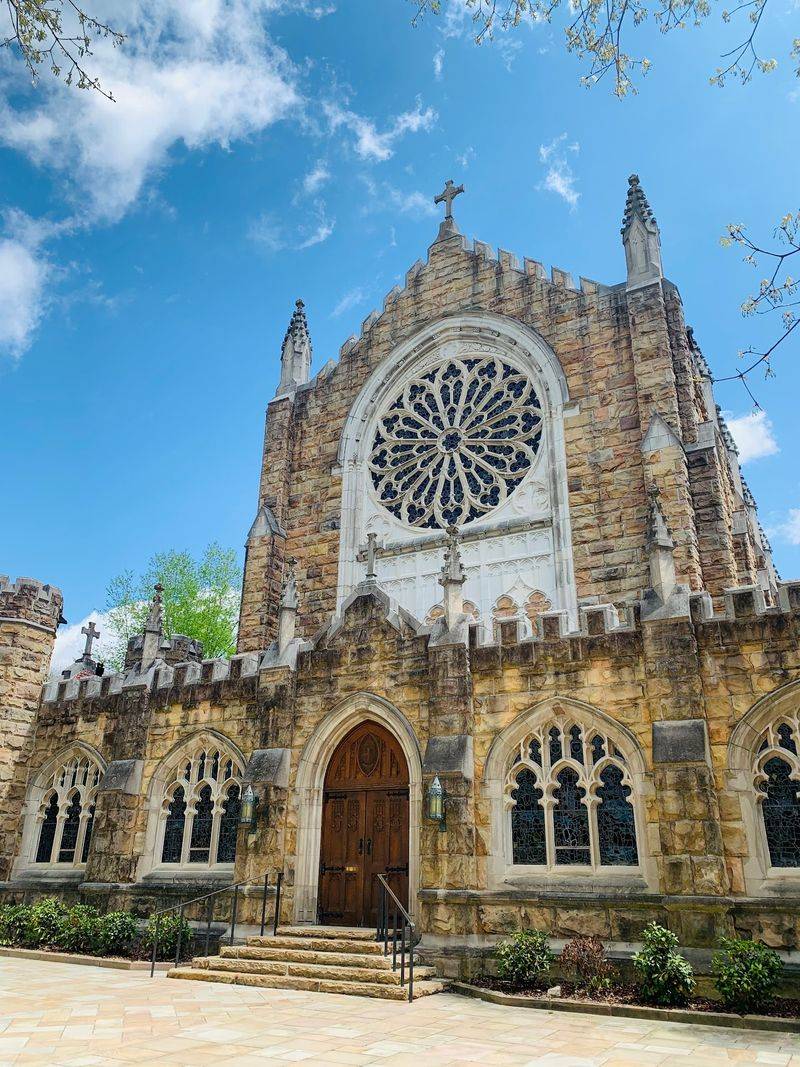
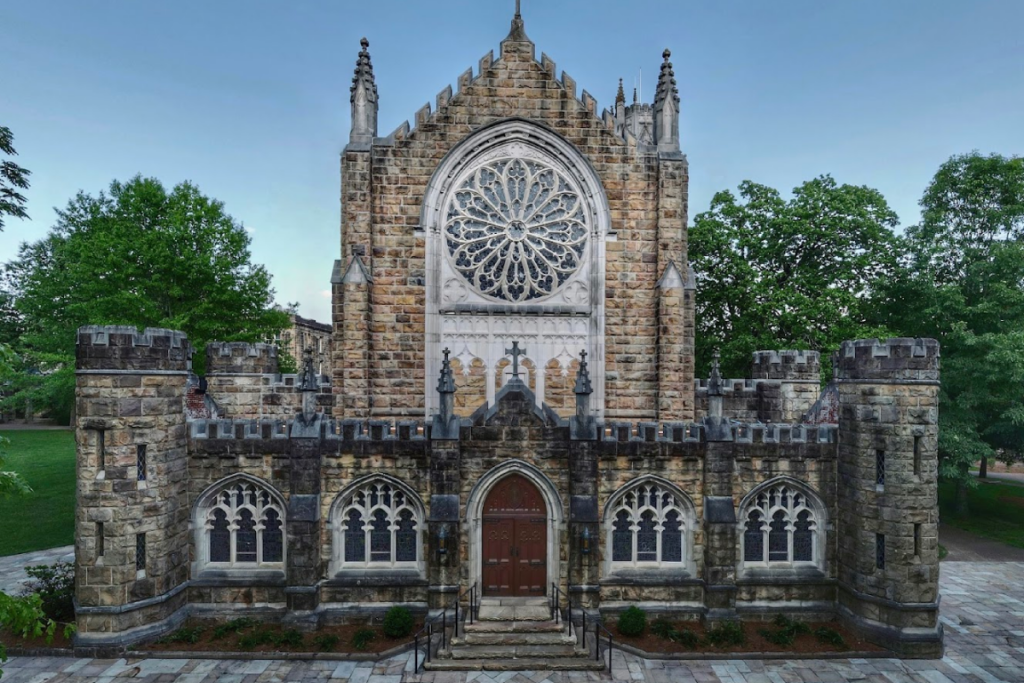
Perched on the University of the South campus, All Saints’ Chapel commands attention with its soaring stone walls and intricate stained glass. The Gothic Revival design feels lifted from medieval Europe, complete with pointed arches and a dramatic bell tower that rises above the tree line.
Students and visitors alike pause when they catch sight of it through the campus oaks.
Construction began in 1904 and took decades to complete, which explains the meticulous craftsmanship in every carved detail. The interior glows when sunlight filters through those massive stained glass windows, casting colored light across wooden pews and stone floors.
You can almost hear centuries of hymns echoing off the vaulted ceiling, even when the space sits silent.
The chapel serves as the spiritual heart of the university, hosting services, concerts, and special ceremonies throughout the year. Its setting on the Cumberland Plateau adds another layer of beauty, with mountain views framing the approach.
The surrounding grounds include a columbarium and peaceful walking paths that invite quiet reflection.
What makes this chapel truly postcard-worthy is how it manages to feel both grand and intimate at once. The scale impresses, but the details draw you closer.
From the hand-carved woodwork to the way light plays across stone, every angle offers something new to notice. Whether you’re religious or simply appreciate beautiful buildings, All Saints’ Chapel delivers a visual experience that stays with you long after you leave Sewanee.
2. Downtown Presbyterian Church – Nashville
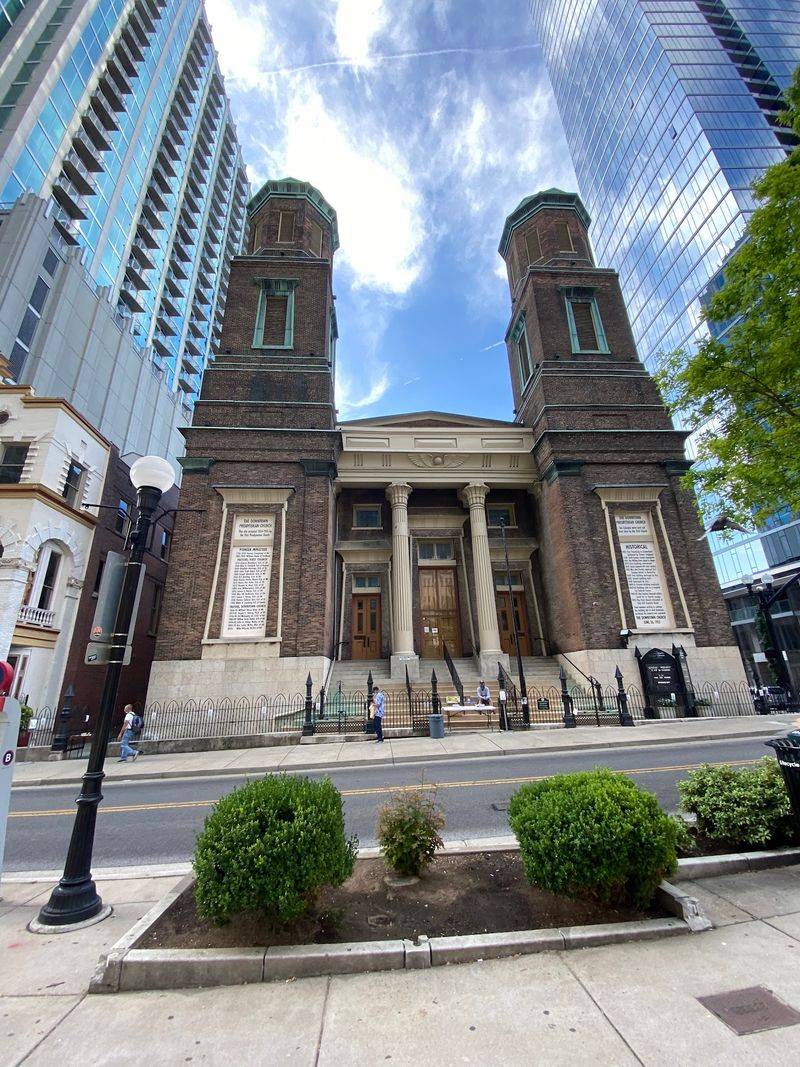
Step into downtown Nashville and you might do a double-take when you spot this architectural oddball. Downtown Presbyterian Church breaks every expectation with its Egyptian Revival style, a design choice so rare in American churches that it practically demands a second look.
Lotus-inspired columns and twin towers give it an exotic profile that stands apart from Nashville’s usual brick and glass skyline.
Built in the 1850s, the church reflects a brief fascination with ancient Egyptian aesthetics that swept through architecture before the Civil War. Architect William Strickland created something truly unique, incorporating hieroglyphic-inspired details and papyrus capitals that nod to temples along the Nile.
The result feels more like a museum piece than a typical house of worship, yet it has served its congregation faithfully for over 160 years.
Inside, the Egyptian theme continues with painted decorations and geometric patterns that echo ancient art. The sanctuary maintains its historic character while functioning as a modern worship space, proving that unusual design can have lasting practical value.
Natural light filters through windows set high in the walls, creating an atmosphere that feels both mysterious and welcoming.
The church sits on Fifth Avenue, surrounded by modern development that makes its distinctive style even more striking. Preservation efforts have kept the building in excellent condition, allowing each architectural detail to shine.
From the street, those twin towers frame the entrance like guardians of something precious.
Tourists often stumble upon it while exploring downtown, camera phones already out before they even know what they’re photographing. The juxtaposition of ancient Egyptian motifs in the heart of Music City creates a visual story that belongs on any Tennessee postcard collection.
3. Trinity Episcopal Church – Clarksville
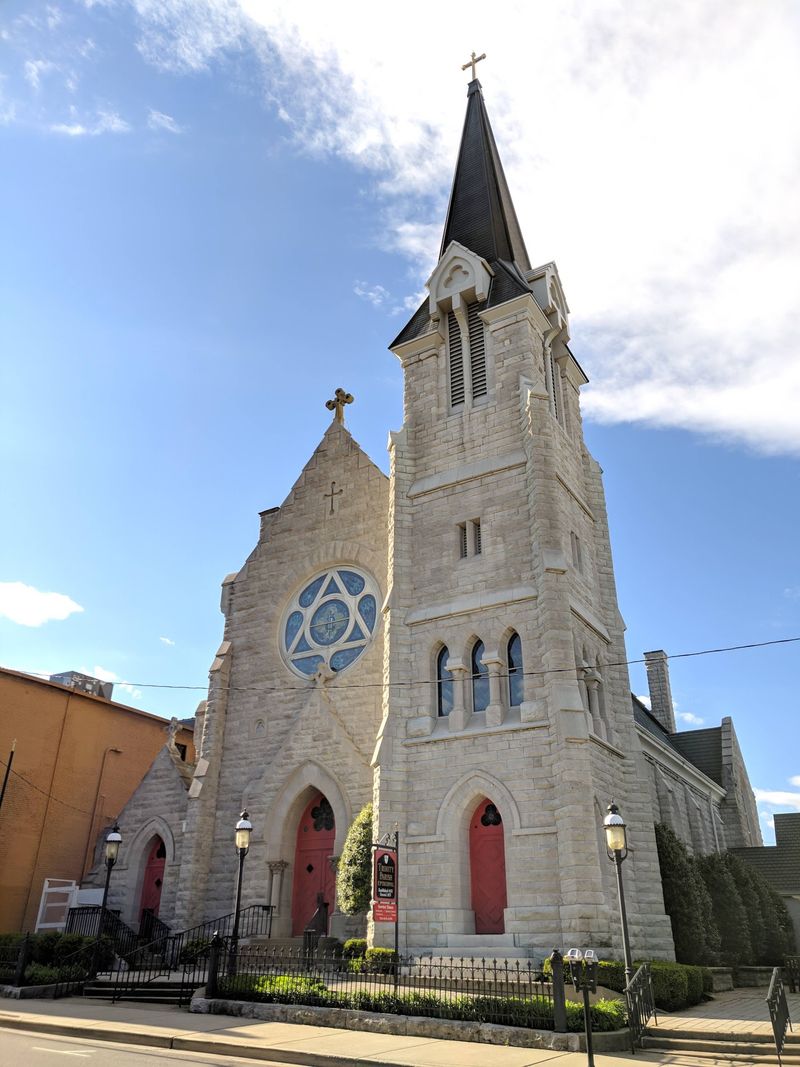
Clarksville’s Trinity Episcopal Church rises from its downtown corner like a stone sentinel, all Victorian Gothic drama and vertical ambition. The dark stone exterior and sharp pointed arches create a silhouette that photographers dream about, especially when afternoon light catches the texture of the masonry.
That prominent spire punctuates the skyline, visible from blocks away and serving as a landmark for locals giving directions.
The church dates back to the mid-1800s, carrying stories of Civil War-era Clarksville in its foundation stones. Builders chose the Gothic Revival style deliberately, embracing the verticality and ornamental details that defined church architecture of that period.
Stained glass windows punctuate the stone walls, adding color to an otherwise somber palette.
Walking past, you notice how the building commands its corner lot without overwhelming the neighborhood. The scale feels right for a city church, substantial but not intimidating.
Small details reward closer inspection: carved stone accents around doorways, the way the roof angles meet, the proportions of the tower against the main structure.
Inside, wooden beams span the ceiling above rows of pews worn smooth by generations of worshipers. The space maintains its historic character while accommodating modern needs, a balance that many old churches struggle to achieve.
Trinity Episcopal sits in a neighborhood that has seen plenty of change over the decades, yet the church remains a constant. Its Victorian Gothic bones photograph beautifully in any season, from spring when dogwoods bloom nearby to winter when bare trees reveal the full structure.
The building represents Clarksville’s commitment to preserving architectural heritage while moving forward.
4. Jonesborough Presbyterian Church – Jonesborough
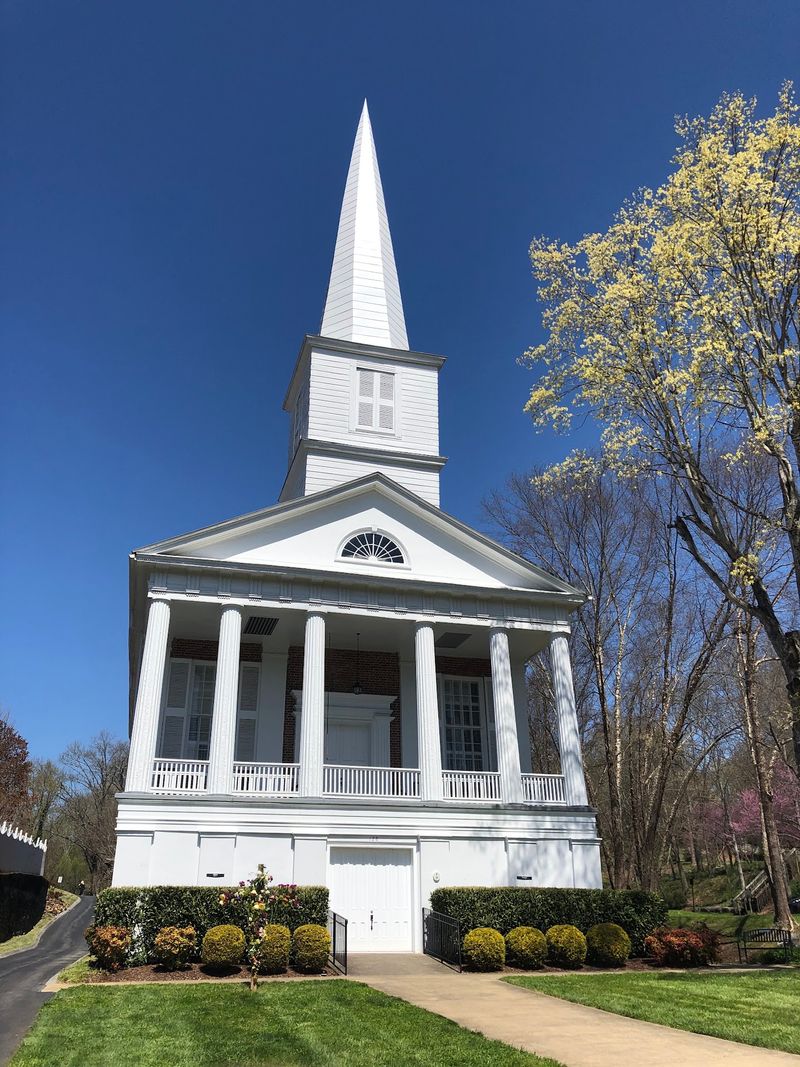
In Tennessee’s oldest town stands one of its most impressive Greek Revival churches, a testament to 1840s ambition and classical taste. Jonesborough Presbyterian Church wears its columns like a badge of honor, those white pillars announcing the building’s importance before you even reach the front steps.
The Tennessee Encyclopedia doesn’t hand out compliments lightly, but this church earned recognition as one of the state’s finest examples of Greek Revival architecture.
Builders in the 1840s looked to ancient Greece for inspiration, translating temple proportions and classical details into a Southern church. The result feels both grand and approachable, formal without being stuffy.
Those columns support a proper pediment, creating the kind of symmetrical facade that makes architects nod with appreciation.
Jonesborough itself adds context to the church’s beauty. As Tennessee’s oldest town, it carries layers of history in every block, and this church serves as a architectural anchor for the historic district.
The building sits comfortably among other 19th-century structures, part of a streetscape that transports visitors backward in time.
The white-painted exterior practically glows against blue Tennessee skies, creating the kind of high-contrast image that begs to be photographed. Seasonal changes bring different backdrops, from spring’s flowering trees to autumn’s golden leaves, but the church itself remains a constant focal point.
Its proportions work from every angle, a sign of thoughtful design and skilled construction.
Inside, the sanctuary maintains period details while serving an active congregation. Original woodwork and historic fixtures connect modern worshipers to generations past.
The building functions as both a living church and a piece of architectural history, proving that beautiful design can have lasting practical value. For a town that takes its history seriously, this Greek Revival gem represents Jonesborough at its finest.
5. St. Paul’s Episcopal Church – Franklin
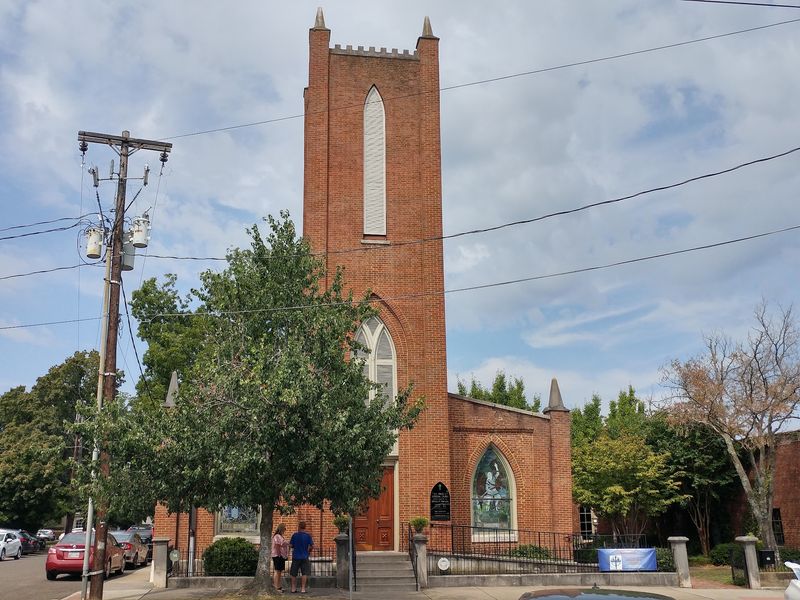
Franklin’s downtown charm gets a significant boost from St. Paul’s Episcopal Church, a National Register property that anchors its historic block with quiet dignity. The church doesn’t shout for attention but earns it anyway through careful proportions and timeless design.
Brick walls and traditional church lines create a profile that feels right at home among Franklin’s carefully preserved 19th-century buildings.
The National Register listing confirms what locals already know: this church matters to Tennessee’s architectural story. Its design reflects the Episcopal tradition of understated elegance, favoring quality materials and honest construction over flashy decoration.
The result ages beautifully, looking just as appropriate today as it did when first built.
Downtown Franklin draws visitors from around the world, many coming to explore Civil War history and antique shops. St. Paul’s sits right in the thick of it, a working church that also functions as a piece of living history.
The building’s setting enhances its appeal, surrounded by other historic structures that create a cohesive streetscape rarely found in modern Tennessee towns.
Brick detailing and traditional window placement give the exterior visual interest without unnecessary ornament. The bell tower rises with purpose, marking the building as a church from blocks away.
Inside, the sanctuary maintains its historic character through preserved woodwork and traditional furnishings. Light filters through clear and stained glass, creating an atmosphere that encourages quiet reflection.
The space serves its congregation while welcoming visitors who appreciate architectural heritage.
Photographers find endless angles here, especially during Franklin’s famous fall color season when leaves add warmth to the brick tones. The church photographs beautifully in morning light, evening glow, or even under overcast skies.
Its classic design transcends trends, making it perpetually postcard-ready.
6. First Presbyterian Church – Knoxville
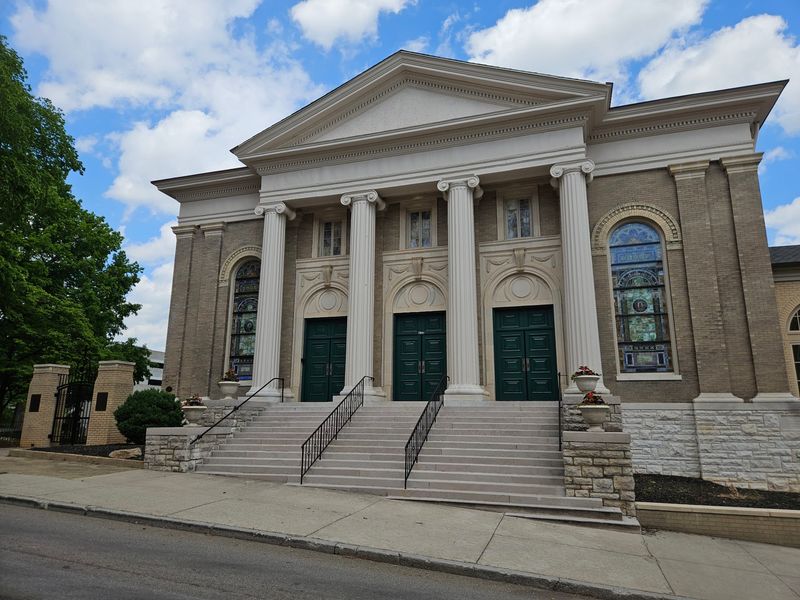
Knoxville’s First Presbyterian Church carries the weight of the city’s earliest history in its stones and surrounding churchyard. This isn’t just another pretty building but a genuine landmark tied to Knoxville’s founding era.
The old cemetery spreads around the church like pages from a history book, headstones marking the resting places of early settlers and prominent citizens who shaped East Tennessee.
The church building itself reflects multiple generations of construction and renovation, layers of architectural history visible in its walls. Original sections date back to the early 1800s, making this one of Knoxville’s oldest surviving structures.
Later additions and updates created the building visitors see today, a blend of periods that somehow works as a cohesive whole.
That churchyard deserves special mention. Moss-covered stones lean at gentle angles, their inscriptions worn by two centuries of Tennessee weather.
Walking through feels like stepping into a different era, when Knoxville was a frontier town rather than a modern city.
The church’s location in downtown Knoxville gives it prominence and accessibility. Modern buildings rise nearby, creating a striking contrast between old and new.
Inside, the sanctuary balances historic preservation with practical needs. Original architectural elements remain visible, connecting modern worshipers to centuries of services held in this space.
The building functions as both an active church and a historic site, welcoming regular attendees and curious visitors alike. It’s the kind of place that makes you slow down and appreciate Tennessee’s deep roots.
7. First Presbyterian Church – Pulaski
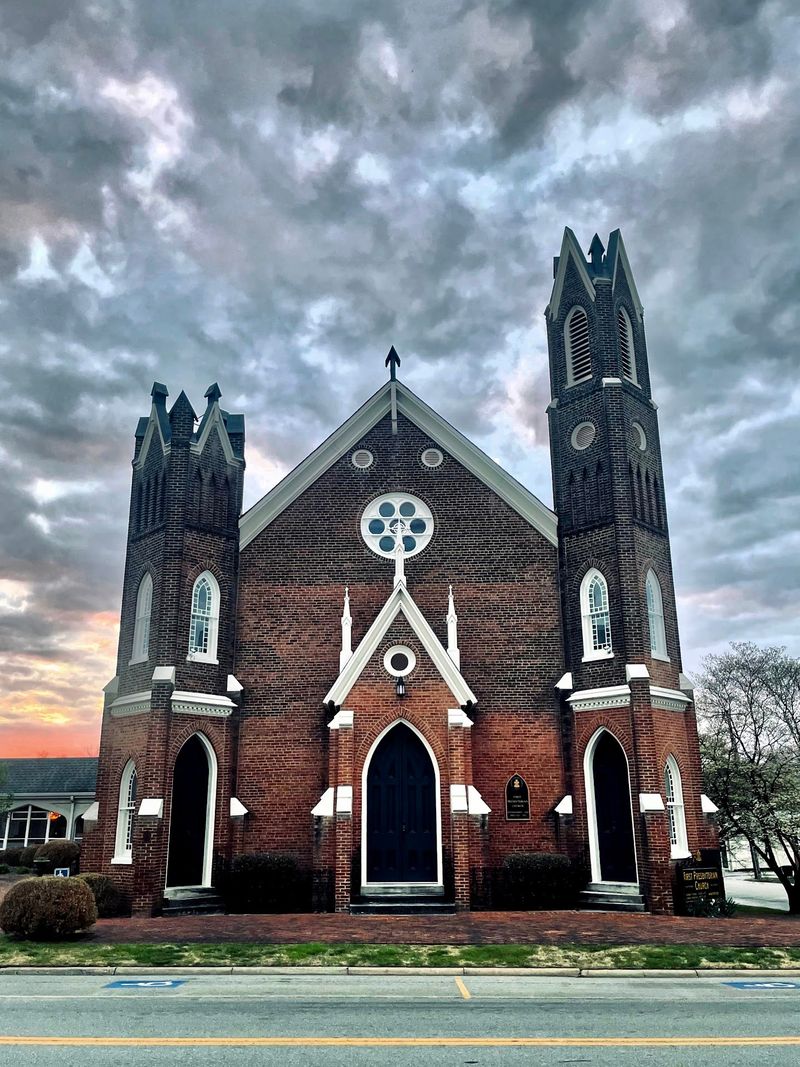
Pulaski might not grab headlines like Nashville, but its First Presbyterian Church proves that architectural beauty thrives in small-town Middle Tennessee. The Gothic design brings drama to Pulaski’s downtown, all pointed arches and vertical emphasis that draws eyes upward.
This church gives the list important geographic balance, representing the smaller communities where Tennessee’s architectural heritage runs just as deep.
Gothic Revival details define the building’s character: lancet windows, steep roof angles, and decorative stonework that rewards close attention. Builders in the 19th century chose this style to convey permanence and spiritual aspiration, using architecture to express religious devotion.
The result still communicates those values today, even as the surrounding town has evolved.
The church’s scale suits its small-town setting perfectly. It stands out without overwhelming nearby buildings, achieving prominence through design rather than sheer size.
Local stone and traditional construction methods connect it to the region’s building traditions, while Gothic details add sophistication and visual interest.
Pulaski’s downtown retains more historic character than many Tennessee towns, and this church contributes significantly to that atmosphere. The building anchors its block, providing a focal point for the surrounding streetscape.
Seasonal changes affect the view: spring flowers soften the Gothic angles, summer greenery frames the structure, fall colors add warmth, and winter reveals the full skeleton of the design.
Inside, the sanctuary maintains Gothic-inspired details in its woodwork and ceiling structure. Natural light enters through those pointed windows, creating patterns that shift throughout the day.
The space feels both historic and welcoming, a combination that keeps congregations coming back generation after generation.
For anyone compiling a visual tour of Tennessee churches, Pulaski’s Gothic gem represents the state’s smaller communities beautifully. It proves that postcard-worthy architecture isn’t limited to big cities or tourist towns but appears wherever Tennesseans built with care and ambition.
8. Collins Chapel CME Church – Memphis
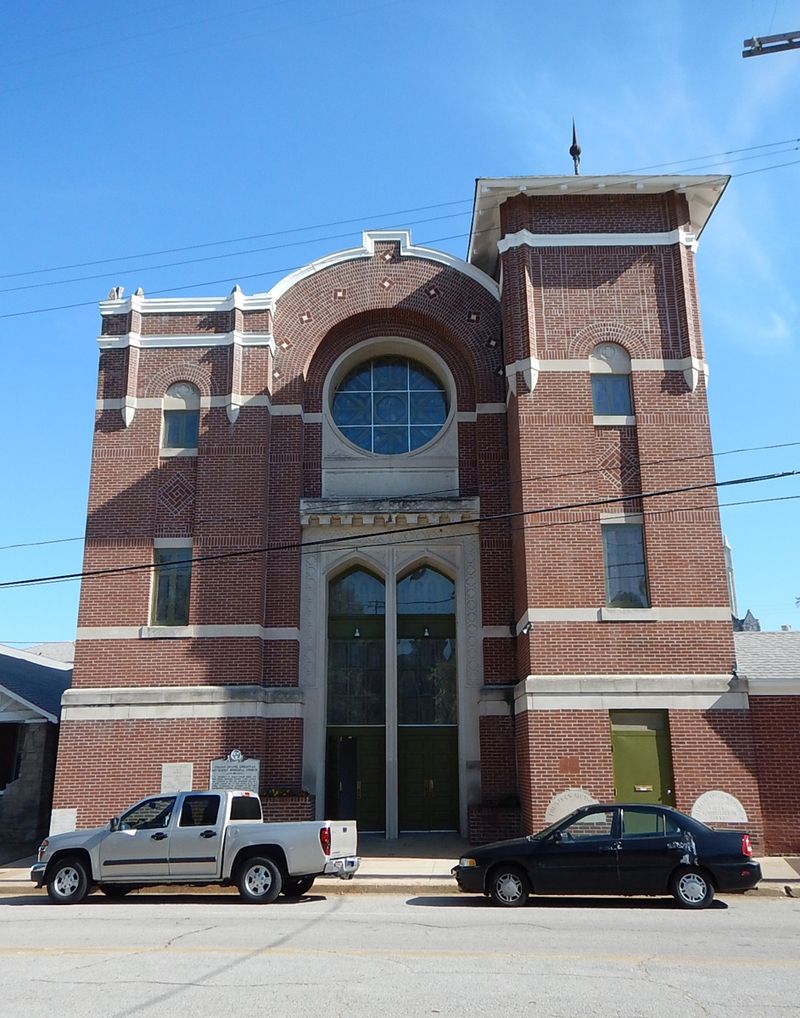
Memphis gets its spot on this list through Collins Chapel CME Church, a handsome early-20th-century structure near the city’s Victorian Village neighborhood. The church represents West Tennessee’s contribution to the state’s architectural heritage, anchoring the list’s western edge with style and substance.
Its location near Victorian Village puts it in good company, surrounded by other historic buildings that share its commitment to preservation.
Built in the early 1900s, the church reflects the design sensibilities of that transitional period between Victorian excess and modern simplicity. Clean lines and solid construction define the exterior, with decorative details that enhance rather than overwhelm.
The building shows how church architecture evolved as the 20th century began, balancing tradition with contemporary tastes.
Collins Chapel represents that important chapter in Tennessee and American history, making it significant for cultural as well as architectural reasons. Memphis’ Victorian Village neighborhood provides an ideal setting for the church. The area preserves some of the city’s finest 19th and early 20th-century homes, creating a historic district where Collins Chapel fits naturally.
Together, the buildings tell the story of Memphis during its growth years, when the city established itself as a major river port and commercial center.
The church’s exterior photographs beautifully, with proportions that work from multiple angles. Brick construction and traditional church elements create a solid, dependable appearance that has aged well over the decades.
Details in the masonry and window treatments add visual interest without requiring flashy decoration.
9. Basilica of Saints Peter and Paul – Chattanooga
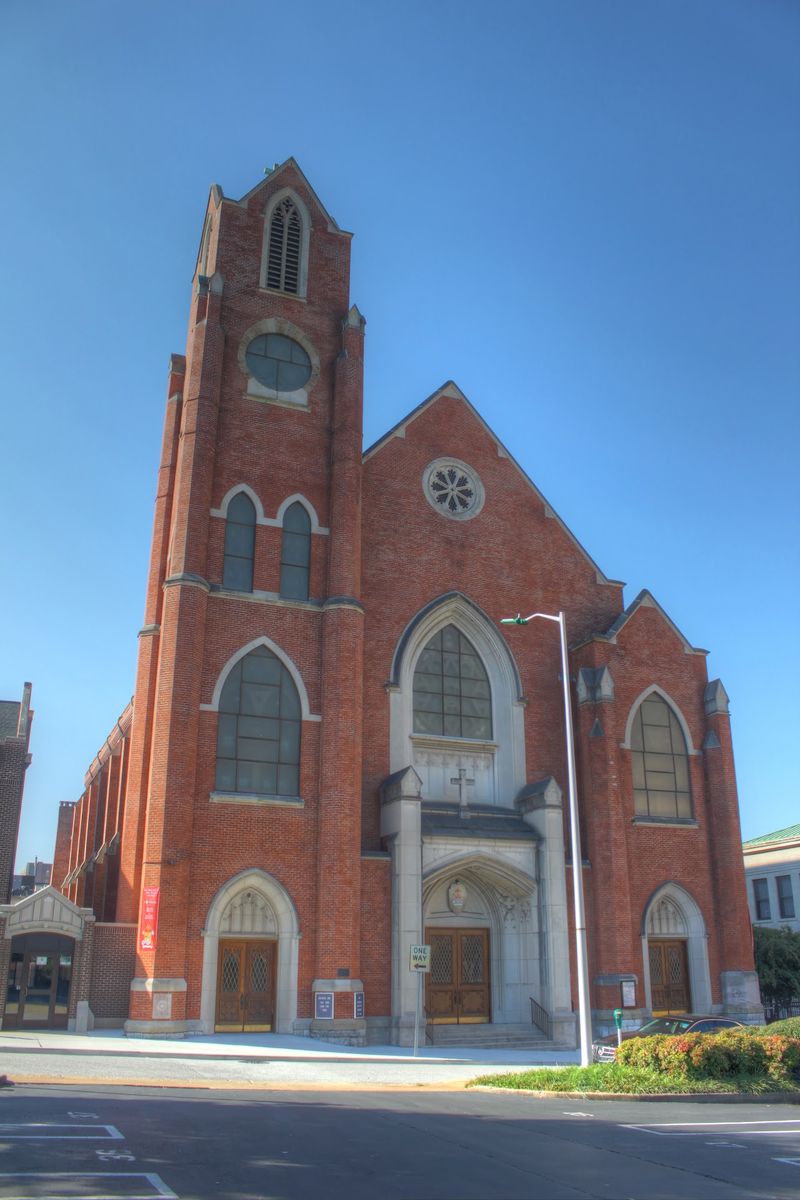
Chattanooga’s skyline wouldn’t be complete without the twin spires of the Basilica of Saints Peter and Paul piercing the air above downtown. This Catholic basilica ranks among the city’s most recognizable landmarks, its Romanesque Revival architecture standing proud since the late 1800s.
The building commands attention through sheer presence and architectural confidence, representing southeastern Tennessee’s contribution to this postcard-worthy collection.
Those twin towers define the building’s profile, creating a symmetrical facade that satisfies both eyes and camera lenses. Romanesque arches and detailed stonework show the craftsmanship that 19th-century builders brought to important religious structures.
The design draws from European traditions while adapting to American materials and building methods, creating something that honors the past while belonging to Tennessee.
The basilica designation itself carries weight. Rome grants this honor to churches of special historical or spiritual significance, elevating them above ordinary parish status.
For Chattanooga, having a basilica downtown signals the city’s importance to Tennessee’s Catholic community and its broader architectural heritage.
The building’s downtown location gives it maximum visibility and accessibility. Modern Chattanooga has grown up around it, but the basilica holds its ground, proving that historic architecture can coexist with contemporary development.
The contrast actually works in the church’s favor, its traditional design standing out against glass and steel neighbors.
Inside, the sanctuary maintains the Romanesque theme with rounded arches, heavy columns, and a sense of solid permanence. Stained glass windows add color and light, transforming the interior throughout the day as the sun moves.
The space accommodates both intimate services and grand ceremonies, flexible enough for modern needs while preserving historic character.
Photographers love capturing those twin spires from different vantage points around Chattanooga. The basilica looks equally impressive from street level or viewed from across the Tennessee River.
10. First Presbyterian Church – Murfreesboro
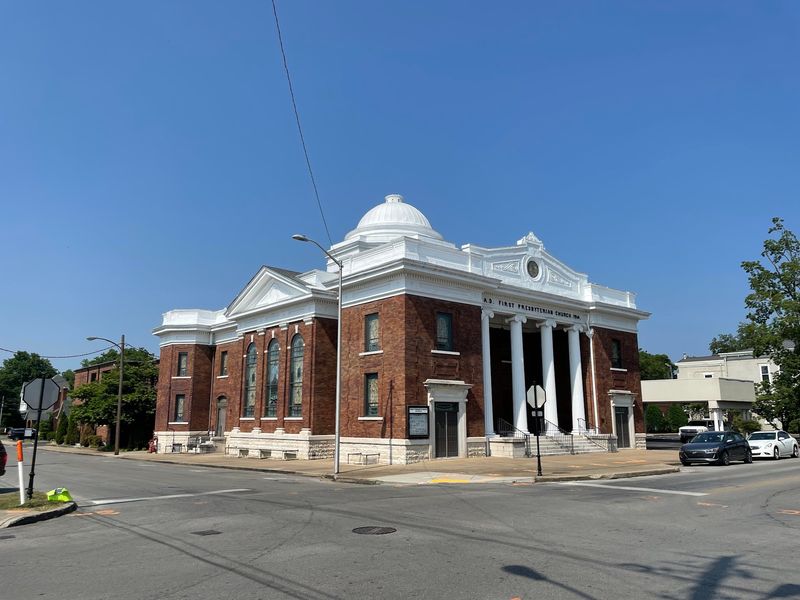
Murfreesboro’s First Presbyterian Church adds another major Tennessee region to this collection without duplicating Nashville or Franklin’s contributions. The substantial historic building represents Middle Tennessee’s geographic heart, serving a city that has grown dramatically while maintaining connections to its past.
Its presence on the National Register of Historic Places confirms its architectural and historical significance.
The church building reflects the solid, confident construction typical of important 19th-century religious structures. Brick walls and traditional church proportions create a profile that announces permanence and community commitment.
Builders invested in quality materials and skilled labor, creating something meant to last generations rather than decades.
Murfreesboro’s position as a college town and growing city gives the church an interesting context. The historic building stands as a reminder of the city’s earlier, smaller-scale past even as modern development transforms the surrounding area.
That tension between old and new makes the church’s preservation even more valuable, maintaining architectural continuity in a rapidly changing landscape.
The church’s design includes details that reward closer examination: window treatments, doorway proportions, roofline angles, and masonry patterns that show thoughtful planning. Nothing about the building feels accidental or careless.
Every element serves both functional and aesthetic purposes, creating a whole that exceeds the sum of its parts.
Inside, the sanctuary balances historic character with contemporary comfort. Original architectural features remain visible and appreciated, connecting modern worshipers to the building’s long history.
The space accommodates current needs while respecting the past, a balance that requires both commitment and creativity.
For postcard purposes, the church photographs well in all seasons and lighting conditions. Its traditional design has a timeless quality that never looks dated or trendy.
The building represents Murfreesboro at its best: respectful of history, confident in the present, and building toward the future. It’s exactly the kind of substantial, well-preserved church that belongs on any Tennessee architectural tour.
11. First Presbyterian Church – Greeneville
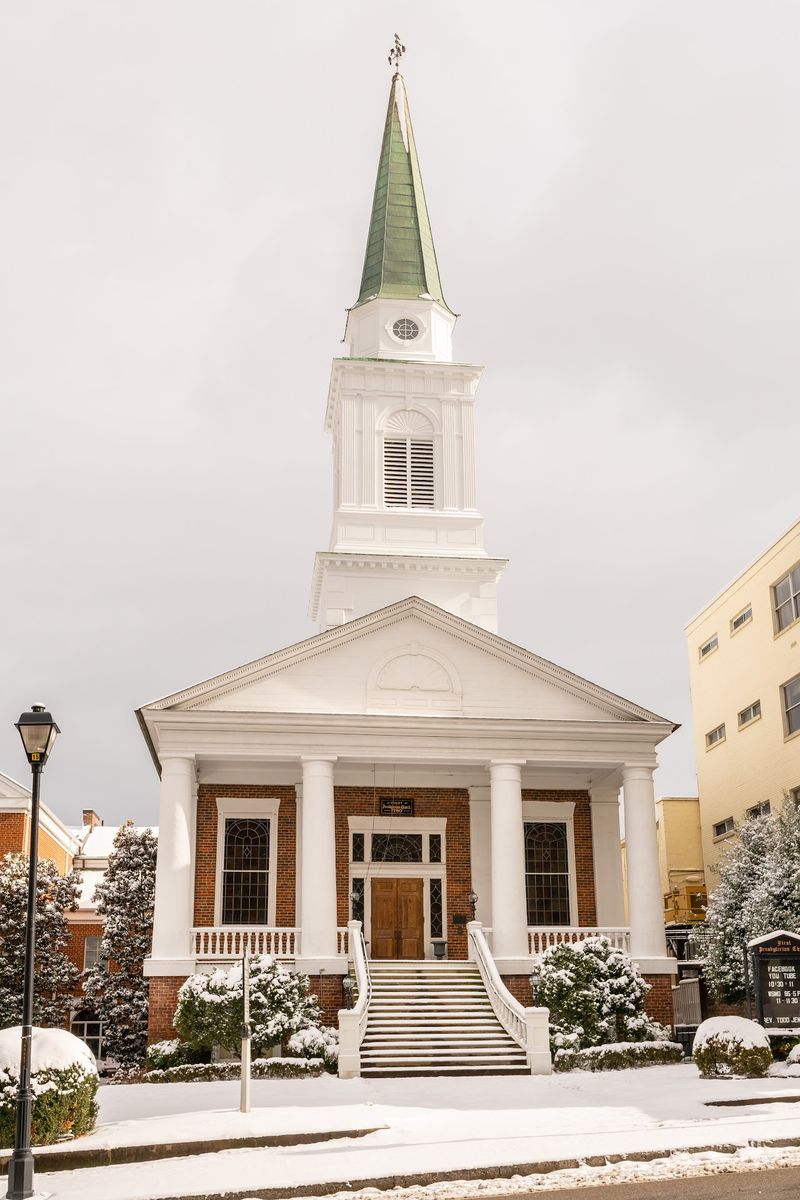
Greeneville rounds out this collection with its own First Presbyterian Church, bringing East Tennessee representation beyond Knoxville. The town itself carries significant history as the home of President Andrew Johnson, and its churches reflect that heritage through careful preservation and continued use.
This Presbyterian church fits naturally into Greeneville’s historic downtown, contributing to a streetscape that takes its architectural past seriously.
The building’s design reflects traditional church architecture adapted to East Tennessee’s building traditions and available materials. Brick construction and classic proportions create a solid, dependable appearance that has served the congregation well through changing times.
Details in the masonry, window placement, and roof structure show the care that builders invested in creating something worthy of its religious purpose.
Greeneville’s smaller scale compared to Tennessee’s major cities gives the church different context than urban examples on this list. Here, the building plays a more intimate role in community life, serving as a familiar landmark that residents pass regularly.
That everyday presence doesn’t diminish its architectural value but instead shows how beautiful design can be part of normal life rather than reserved for special occasions.
The church’s age connects it to generations of Greeneville residents who have marked life’s important moments within its walls. Baptisms, weddings, funerals, and regular Sunday services create layers of memory and meaning that architecture alone cannot provide.
The building becomes more than just a pretty structure but a container for community history and shared experience.
From a visual standpoint, the church photographs beautifully against Greeneville’s historic backdrop. The surrounding town provides context that enhances rather than distracts from the church itself.
Seasonal changes bring different moods: spring flowers soften the brick tones, summer greenery frames the building, autumn colors add warmth, and winter reveals the structure’s bones.
Including Greeneville on this list ensures geographic diversity while maintaining high architectural standards. The church proves that postcard-worthy buildings appear throughout Tennessee, not just in the most obvious tourist destinations.
It’s a fitting conclusion to a collection that celebrates the state’s rich tradition of beautiful church architecture.