Tennessee’s dining scene isn’t just about what’s on the plate. Across the state, certain restaurants have become destinations in their own right, drawing visitors for their history, architecture, and the stories they hold.
From movie sets to Civil War landmarks, these eleven spots prove that sometimes the building, the setting, or the legend matters just as much as the menu.
1. The Arcade Restaurant — Memphis
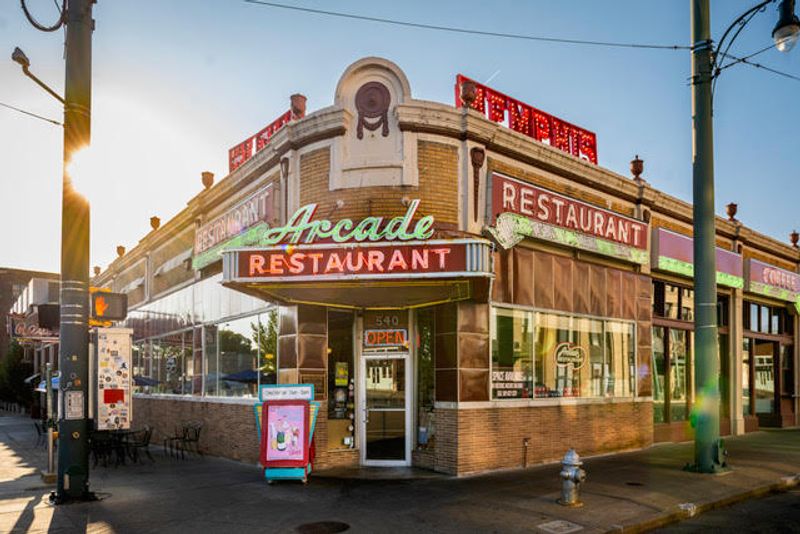
Walking into The Arcade feels like stepping onto a movie set, which makes sense considering how many film crews have done exactly that. Opened in 1919, this South Main Street institution holds the title of Tennessee’s oldest café, and its vintage charm hasn’t faded one bit.
The black-and-white checkered floor, neon signs, and classic booths create an atmosphere that Hollywood can’t resist.
Elvis Presley used to grab meals here, and that celebrity connection helped cement The Arcade’s place in Memphis lore. But it’s not just about famous patrons.
The restaurant has appeared in films like “21 Grams” and “Walk the Line,” plus various television shows that needed an authentic retro backdrop. Directors love the place because it hasn’t been updated into oblivion—it still looks and feels like mid-century America.
The South Main Arts District has transformed around The Arcade over the decades, yet this café remains a constant. Locals bring their kids here for the same pancakes they ate growing up, creating generational memories in those worn wooden booths.
Tourists snap photos of the vintage Coca-Cola signs and the old-school counter seating before ordering their breakfast.
What makes The Arcade truly special isn’t just its age or its film credits. It’s the way the restaurant has maintained its identity while everything around it changed.
The menu still features Southern comfort classics, but people come as much for the experience as the eggs. When you sit down here, you’re not just eating—you’re participating in a piece of Memphis history that’s been serving the community for over a century.
The worn edges and faded paint tell better stories than any historical marker could.
2. Brooks Shaw’s Old Country Store — Jackson
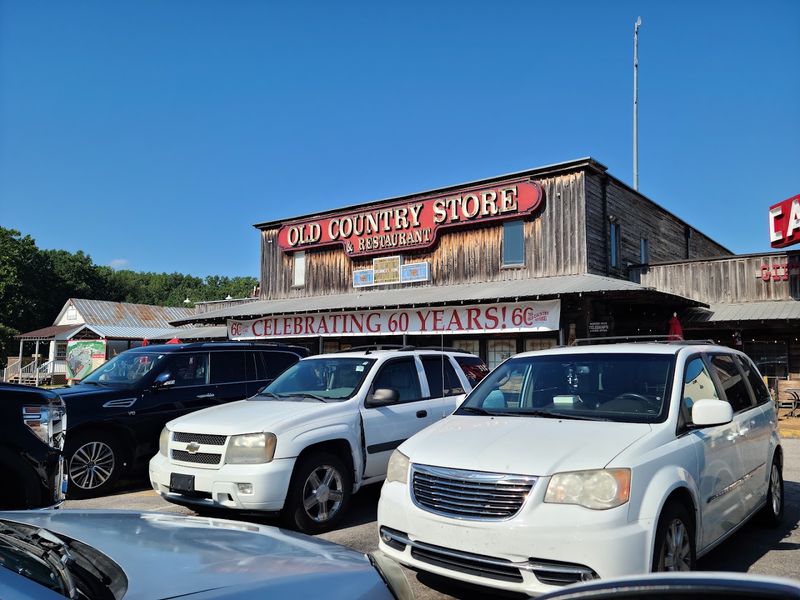
Most buffets give you food and send you on your way, but Brooks Shaw’s turned dining into an all-day adventure. This isn’t just a restaurant—it’s practically a small village dedicated to Southern nostalgia.
The moment you pull into the parking lot, you know you’re in for something different. The sprawling complex includes the buffet dining room, but that’s honestly just the beginning of what’s here.
The old-fashioned general store sells everything from candy barrels to handmade crafts, creating a shopping experience that feels lifted from another era. You could spend an hour just browsing through the Southern memorabilia and vintage-style goods.
Live entertainment adds another layer to the experience, with regular performances that celebrate traditional Southern music and culture. The atmosphere aims to recreate what a country store and community gathering place might have felt like generations ago.
It’s theatrical without being fake, embracing Southern heritage in a way that feels celebratory rather than kitschy.
Brooks Shaw himself built this empire around the idea that dining should be an experience, not just a meal. The buffet certainly draws crowds with its fried chicken and vegetables, but people drive from neighboring states for the whole package.
Families make it a tradition, returning year after year to wander through the store and enjoy the entertainment. The place has become a Jackson landmark precisely because it offers something you can’t find anywhere else—a complete immersion into Southern hospitality and tradition.
It’s part restaurant, part museum, part theater, and entirely unforgettable.
3. The Loveless Cafe — Nashville
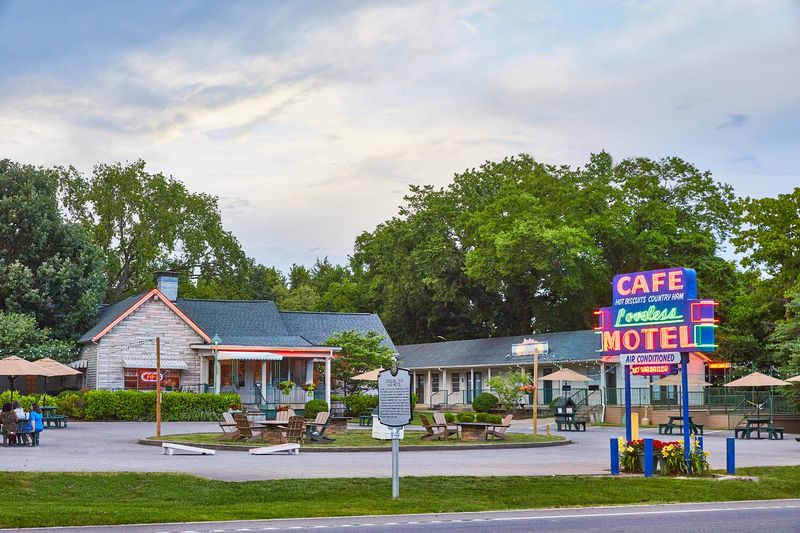
That glowing neon sign along Highway 100 has guided hungry travelers since 1951, becoming one of Tennessee’s most photographed landmarks. The Loveless Cafe started as a roadside motel with a small dining room, but it’s the food and atmosphere that turned it into a Nashville institution.
Even people who’ve never been there recognize that vintage sign—it’s appeared in countless travel guides, postcards, and Instagram feeds.
The original motel rooms still stand behind the restaurant, though they’re no longer rented out. They serve as a reminder of the café’s origins as a genuine highway stop, back when this stretch of road was the main route out of Nashville.
The country store attached to the restaurant sells biscuit mix, preserves, and Southern goods, extending the Loveless experience beyond just the meal.
Decades of highway history live in these buildings. The café has served everyone from local farmers to country music stars, maintaining its character even as Nashville exploded around it.
The biscuits and preserves made the place famous, but it’s the setting that makes people feel like they’ve discovered something special. Sitting on the porch or wandering through the store, you’re experiencing a slice of old Nashville that hasn’t been polished away.
What began as Lon and Annie Loveless’s simple motel restaurant has become a pilgrimage site for biscuit lovers and history buffs alike. The location has changed hands over the years, but the commitment to preserving its roadside character remains strong.
Modern Nashville rushes past on nearby interstates, but people still exit the highway to find this place. The neon still glows, the biscuits still come hot from the oven, and the whole operation feels authentically connected to Tennessee’s roadside dining heritage.
4. Miss Mary Bobo’s Restaurant — Lynchburg
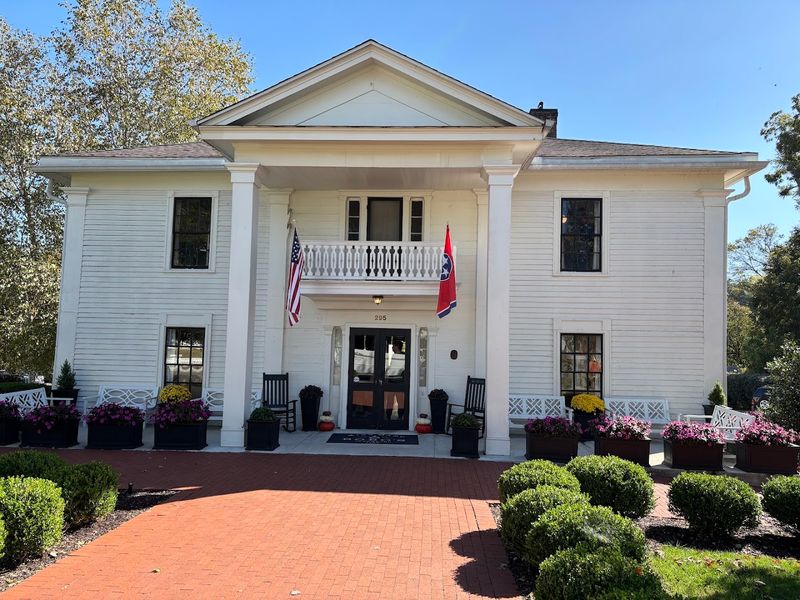
Reservations are required, lunch starts at a specific time, and you’ll be seated with strangers around a communal table. Miss Mary Bobo’s doesn’t operate like a typical restaurant because it isn’t one—it’s a boarding house dining experience that’s been preserved since 1908.
The whole concept feels like time travel, and that’s entirely the point.
Mary Bobo started serving meals to boarders over a century ago in this Victorian home, and the tradition continues today. Guests arrive at the appointed hour and are led to tables where platters of Southern cooking get passed family-style.
Your hostess doesn’t just serve food—she tells stories about Lynchburg, shares local traditions, and explains the connection between this small town and the nearby Jack Daniel Distillery. The meal becomes a history lesson and cultural experience wrapped in fried chicken and vegetables.
Lynchburg itself has fewer than 400 residents, yet it draws visitors from around the world thanks to Jack Daniel’s. Miss Mary Bobo’s gives those tourists something beyond distillery tours—a chance to experience authentic small-town Southern hospitality.
The boarding house setting, with its period furnishings and historic photographs, provides context for understanding this community’s heritage.
You can’t just walk in off the street expecting a table. The reservation system and fixed lunch times might seem inconvenient, but they’re essential to maintaining the intimate, family-style experience.
Strangers become temporary family as they pass bowls and swap stories, exactly as boarders would have done generations ago. The food is excellent, but what people remember most is the feeling of being welcomed into a piece of living history.
5. The Old Mill Restaurant — Pigeon Forge
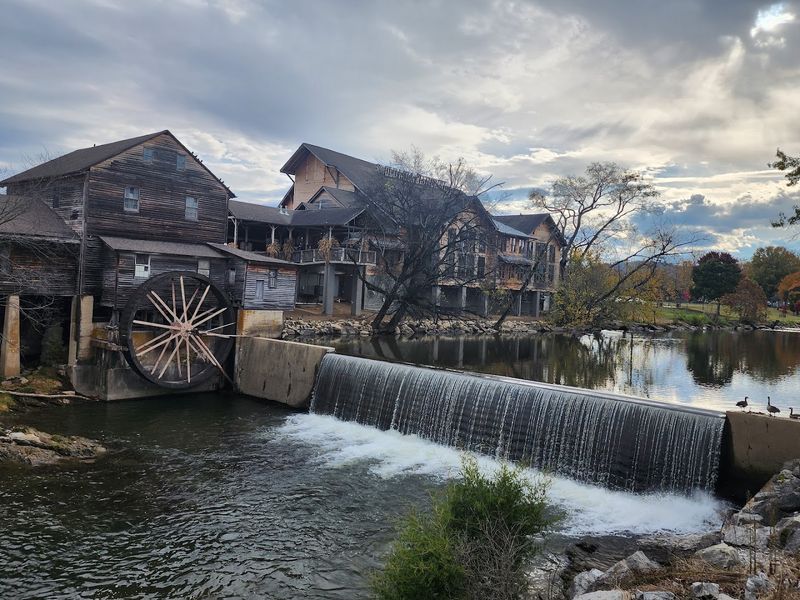
The restaurant shares its name and location with an actual working gristmill built in 1830, creating a dining experience that doubles as a heritage site visit. That massive water wheel still turns, powered by the Little Pigeon River, grinding corn and wheat just as it did when Pigeon Forge was barely a settlement.
You can watch the river rush past while you eat, making lunch feel like a sightseeing excursion.
Old Mill Square has grown around the original mill, adding shops, a pottery works, and other attractions that celebrate Appalachian crafts and traditions. The restaurant serves as the anchor for this whole complex, but the historic mill itself remains the star.
Visitors wander the grounds before or after their meals, taking photos of the waterfall, exploring the shops, and buying stone-ground flour milled right here.
Pigeon Forge has become a tourist mecca filled with attractions and theaters, but The Old Mill predates all of it. The restaurant opened in 1973, but it built its reputation on the authenticity of that 19th-century mill.
The menu focuses on Southern comfort food, yet people come for the setting as much as the corn fritters. Floor-to-ceiling windows overlook the river and mill wheel, turning every table into a scenic viewing spot.
The combination of working history and good food creates something special. You’re not eating in a replica or a theme park—you’re dining beside an actual piece of Tennessee’s agricultural heritage.
The mill still produces products sold in the on-site general store, connecting visitors to the region’s past in a tangible way. Families make it a tradition, couples find it romantic, and history enthusiasts appreciate the preservation effort.
The Old Mill Restaurant succeeds because it respects its historic setting while serving the kind of meals that keep people coming back.
6. The Greenbrier Restaurant — Gatlinburg
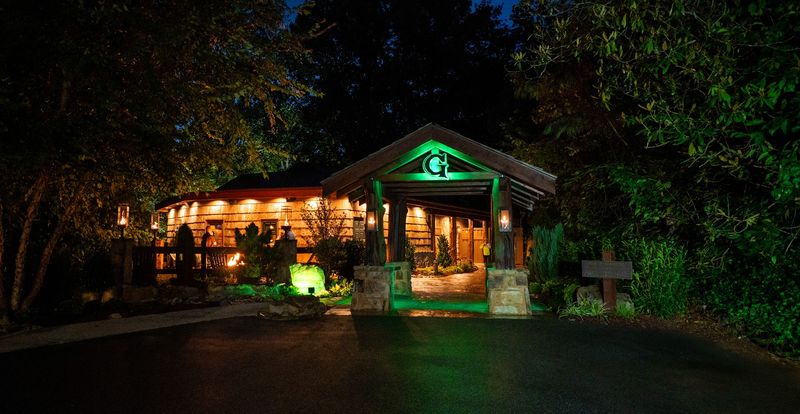
Finding The Greenbrier requires driving away from Gatlinburg’s crowded main strip into the woods, where a historic lodge waits among the trees. The secluded setting alone makes it memorable, but add in the ghost story and you’ve got one of the Smokies’ most intriguing dining destinations.
People come for the steaks and stay for the atmosphere—and maybe a paranormal encounter.
The building dates back to the 1930s and retains that rustic mountain lodge character that’s increasingly rare in tourist-heavy Gatlinburg. Heavy timber beams, stone fireplaces, and dim lighting create an ambiance that feels both cozy and slightly mysterious.
The woods press close around the windows, and when night falls, the isolation becomes part of the experience. It’s romantic if you’re in the right mood, eerie if you’re not.
Then there’s Lydia, the restaurant’s famous ghost. According to local legend, a young woman in a white dress has been spotted on the grounds and inside the building for decades.
Staff and diners have reported unexplained occurrences, and the story has become inseparable from The Greenbrier’s identity. Whether you believe in ghosts or not, the tale adds an extra layer of intrigue to your meal.
The food—particularly the steaks—keeps the restaurant busy, but the setting and story make it a landmark. You could find good beef elsewhere in Gatlinburg, but you can’t replicate this combination of historic architecture, forest seclusion, and local legend.
The Greenbrier has resisted the urge to modernize or capitalize too heavily on its ghost story, maintaining the authentic lodge atmosphere that makes it special. Dining here feels like discovering a secret, even though generations of Smokies visitors have made the same discovery before you.
7. Hagy’s Catfish Hotel — Shiloh
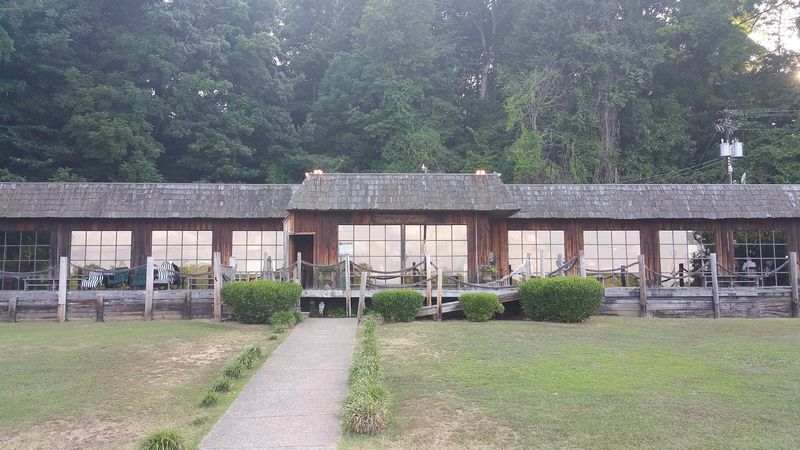
The name “Catfish Hotel” sounds like a joke, but it’s actually a nod to an old Southern tradition of calling fish camps and riverside restaurants “hotels.” Hagy’s sits near the Tennessee River in Shiloh, a location that’s as much about history as it is about catfish. The Shiloh National Military Park draws visitors to this area, making Hagy’s a natural stop for anyone exploring Civil War battlefields.
The restaurant has been feeding hungry travelers and locals for generations, becoming woven into the area’s tourism fabric. After walking the solemn grounds of Shiloh battlefield, people come here for fried catfish and hushpuppies.
The riverfront setting provides a peaceful contrast to the heavy history nearby, offering a place to relax and refuel. It’s not fancy, but it doesn’t try to be—this is honest Southern cooking in a location that makes sense.
The Tennessee River has shaped this region’s history, from Native American settlements through the Civil War and into modern times. Hagy’s connects to that river heritage, serving fish pulled from these waters and continuing a tradition of riverside hospitality.
The building itself might not be historic, but the concept certainly is. River camps and fish restaurants have fed Tennesseans for as long as people have lived along these waterways.
What keeps Hagy’s relevant isn’t just proximity to a national park. The food genuinely delivers on the promise of Southern catfish done right—crispy outside, flaky inside, with all the traditional sides.
Visitors appreciate having a local dining option that feels authentic rather than touristy. The combination of battlefield tourism, river location, and longtime operation has turned Hagy’s into more than just a restaurant.
It’s become part of the Shiloh experience, a place where history and hospitality meet over a plate of fried fish.
8. Ye Olde Steak House — Knoxville
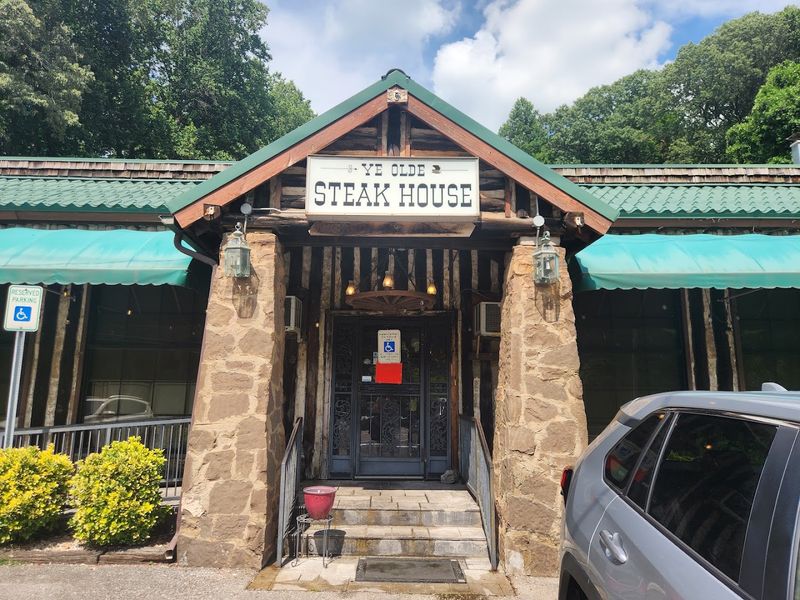
That log cabin exterior stands out among Knoxville’s modern development, looking like a frontier building that somehow survived into the 21st century. Ye Olde Steak House has been family-owned since 1953, serving generations of Knoxvillians who return for the steaks and the familiar atmosphere.
The rustic appearance isn’t just for show—it reflects a commitment to maintaining the restaurant’s original character despite everything that’s changed around it.
Then came the fire. In 2016, a devastating blaze tore through the building, threatening to end the steakhouse’s six-decade run.
The community response showed just how much this place meant to Knoxville. The family rebuilt, carefully preserving the log cabin aesthetic and the traditional menu that regulars expected.
Reopening after the fire wasn’t just about business—it was about maintaining a Knoxville institution.
The resilience demonstrated during that rebuilding process added another chapter to Ye Olde Steak House’s story. Longtime customers returned to find their favorite booth, their preferred cut of beef, and the same family running the operation.
New visitors discovered what locals had known for years—that this place offers more than just food. The atmosphere, the family ownership, and the determination to preserve tradition make it special.
Knoxville has plenty of steakhouses, including national chains with bigger marketing budgets. But Ye Olde Steak House holds its own through authenticity and longevity.
The log cabin setting creates a unique dining environment that you won’t find in a corporate restaurant. The family behind it knows their regulars by name and remembers their preferences.
When fire threatened to erase this landmark, the community rallied because losing it would have meant losing a piece of Knoxville’s identity. The fact that it’s still here, still family-run, and still serving from that rebuilt log cabin makes every meal feel like a small victory.
9. Silver Caboose Restaurant & Soda Fountain — Collierville
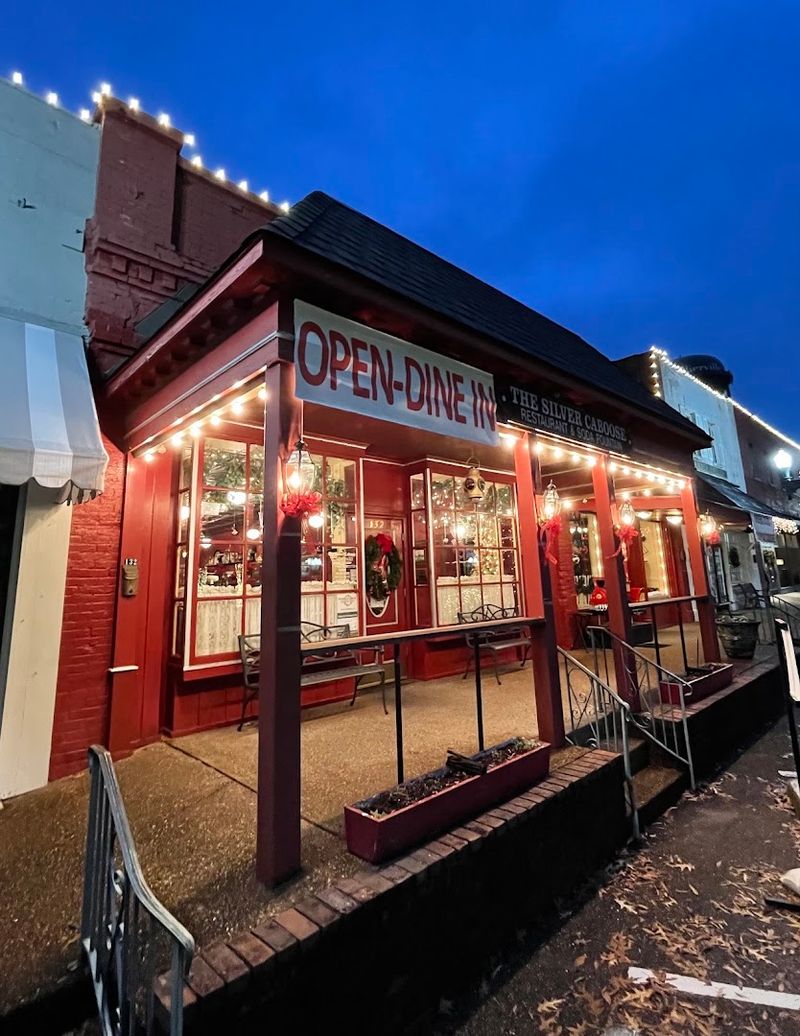
Collierville’s historic town square looks like a movie set version of small-town America, and the Silver Caboose fits right into that picture-perfect scene. Antique furnishings fill the dining room, railroad memorabilia decorates the walls, and the soda fountain serves ice cream sodas that taste like they’re from another era.
This isn’t a chain trying to manufacture nostalgia—it’s a genuine piece of Collierville’s ongoing story.
The town square itself is a preserved historic district, with buildings dating back to the 1800s. The Silver Caboose occupies one of these structures, connecting diners to Collierville’s railroad heritage.
Trains still pass through town, maintaining the connection between past and present. The restaurant’s name and décor celebrate that railroad history while serving comfort food that appeals to modern tastes.
Homemade pies deserve special mention. The Silver Caboose has built a reputation for its desserts, with locals arguing passionately about which pie variety reigns supreme.
The soda fountain adds to the old-fashioned charm, serving hand-dipped ice cream and classic fountain drinks. Kids love the retro experience, while their grandparents appreciate the authentic throwback atmosphere.
Walking into the Silver Caboose feels like visiting a living museum where you can actually eat. The antiques aren’t roped off—they’re part of the functional dining room.
The railroad memorabilia tells Collierville’s story through photographs and artifacts. The whole experience connects you to this community’s history in a way that feels natural rather than forced.
Collierville has managed to preserve its town square character while remaining a vibrant, living town rather than a historic relic. The Silver Caboose embodies that balance perfectly, honoring the past while serving the present.
It’s become a landmark because it represents what makes Collierville special—a commitment to preserving history while creating new memories around shared meals and hometown traditions.
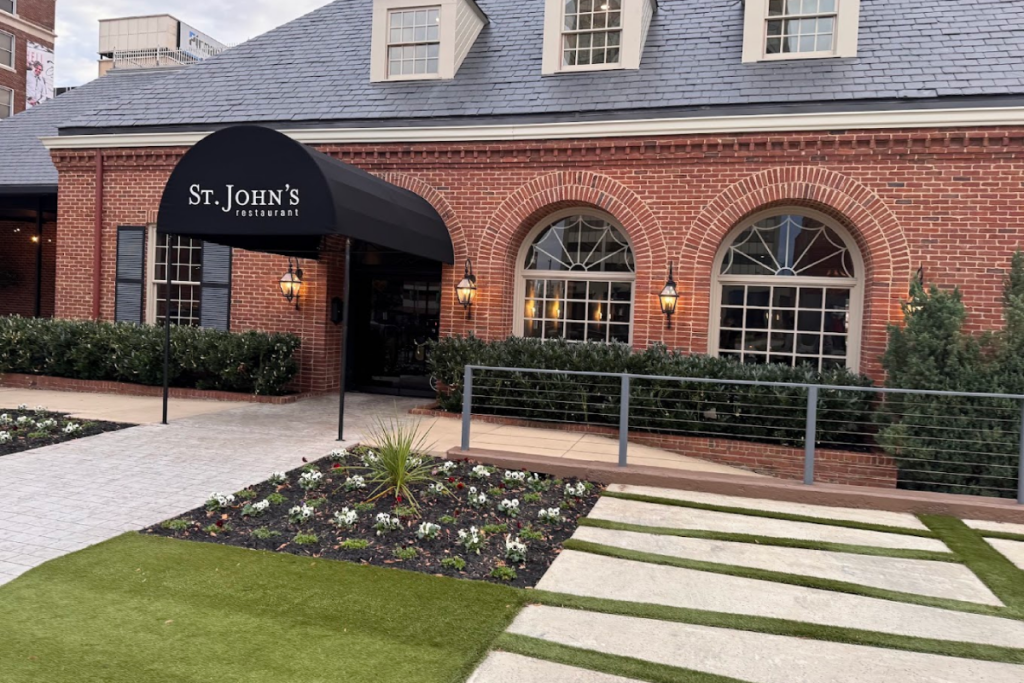
10. St. John’s Restaurant — Chattanooga
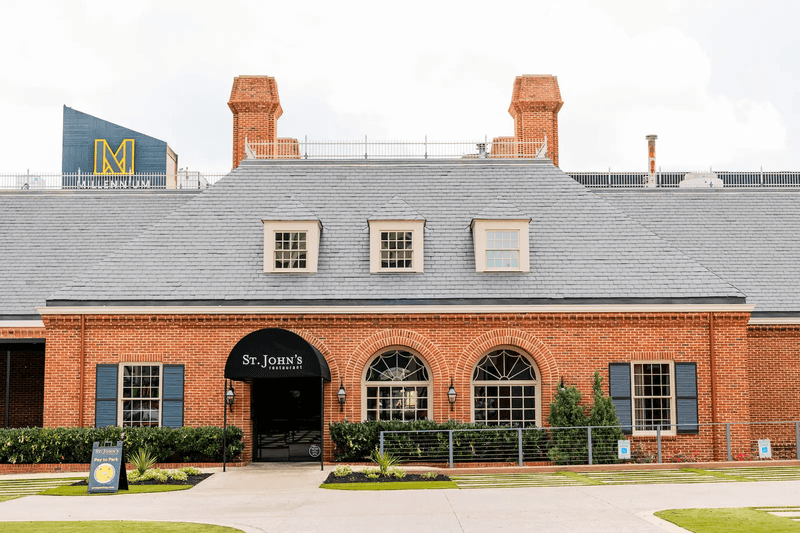
The Flatiron Building’s distinctive triangular shape has been a Chattanooga landmark since 1907, and St. John’s Restaurant has claimed this architectural gem as its home. You notice the building before you even think about the menu—that dramatic wedge shape draws the eye and makes you want to know more.
The architecture alone would make this location special, but St. John’s has matched the setting with a dining experience worthy of such striking surroundings.
Downtown Chattanooga has transformed dramatically over recent decades, evolving from a struggling urban core into a vibrant destination. The Flatiron Building stood through all those changes, and St. John’s helped lead the downtown dining renaissance.
Choosing this historic structure for a fine dining restaurant signaled confidence in Chattanooga’s future while honoring its architectural past. The combination worked, attracting diners who appreciate both excellent food and meaningful settings.
Inside, the restaurant embraces the building’s unique geometry, creating an intimate dining atmosphere enhanced by the historic bones. The narrow, triangular footprint means no two dining areas feel quite the same.
Exposed brick and period details remind you constantly that you’re eating inside a piece of Chattanooga history. The menu focuses on elevated cuisine, but the setting provides half the experience.
St. John’s has earned recognition for its food, but its location in the Flatiron Building makes it more than just another upscale restaurant. Diners come for special occasions, drawn by the combination of architectural significance and culinary excellence.
The building’s prominent downtown location means it’s impossible to miss, serving as both a visual landmark and a dining destination. Chattanooga has plenty of good restaurants, but few can offer a meal inside such a historically and architecturally significant structure.
St. John’s proves that where you eat matters as much as what you eat, especially when the building itself tells such a compelling story about the city’s past and present.
11. Pizza Palace — Knoxville
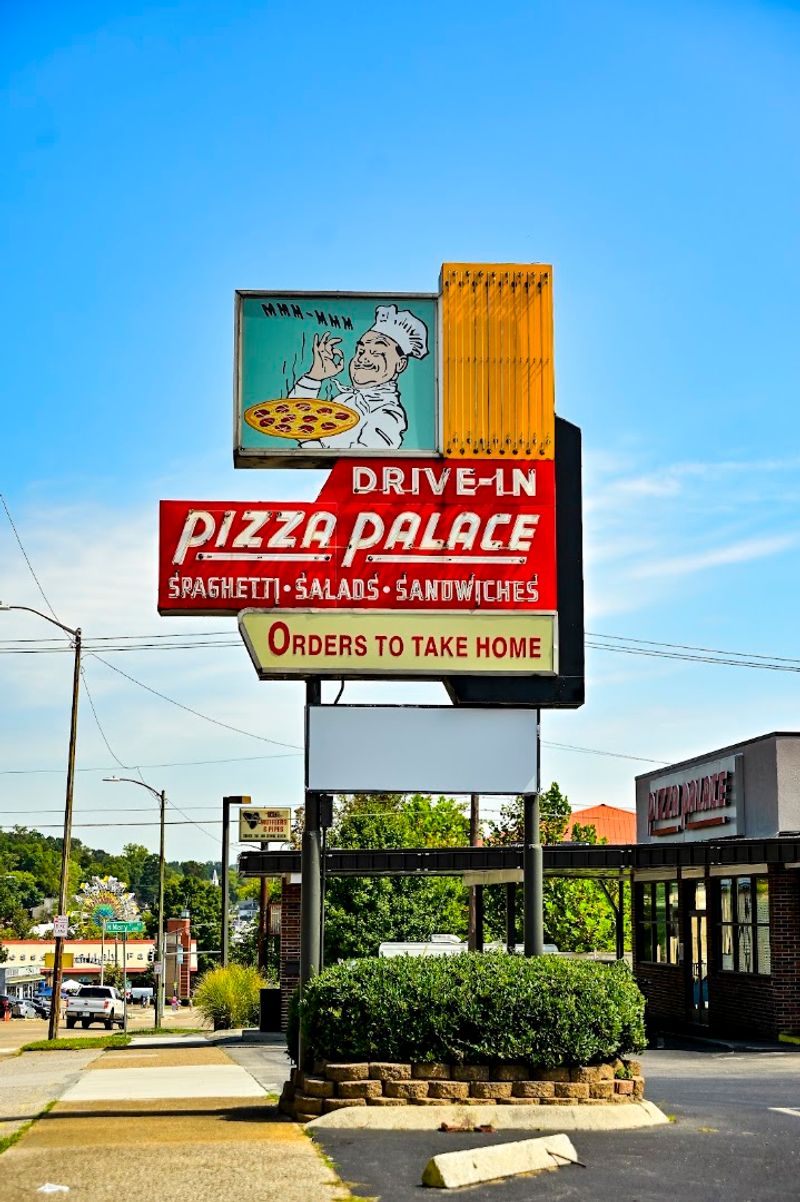
Pizza Palace doesn’t need a gimmick because it’s been doing one thing exceptionally well since 1961. This isn’t a trendy spot or a chain outpost—it’s a family-owned Knoxville institution that’s served multiple generations of pizza lovers.
The neon sign out front has welcomed hungry customers for over six decades, becoming a familiar sight in the neighborhood and a beacon for anyone craving a slice of local history along with their pizza.
The interior hasn’t been overhauled with each passing design trend, which is exactly what regulars love about it. Booths show their age, the décor reflects decades of use, and the whole place feels comfortably worn in.
Walking into Pizza Palace means stepping into a restaurant that knows what it is and doesn’t apologize for staying true to its roots. The consistency extends beyond the atmosphere—the pizza recipes haven’t changed, maintaining the flavors that keep families coming back year after year.
Knoxville has seen countless restaurants come and go during Pizza Palace’s run, but this place endures through quality and reliability. Parents who ate here as kids now bring their own children, creating multigenerational memories over the same style of pizza.
The family ownership means someone who genuinely cares about the restaurant is usually on-site, maintaining standards and preserving traditions. That personal investment shows in every aspect of the operation.
In an era of fast-casual chains and delivery apps, Pizza Palace represents something increasingly rare—a truly local pizza joint with deep community roots. The landmark status comes not from architectural significance or celebrity connections, but from decades of serving good food to the same community.
The neon sign, the familiar booths, and the unchanged recipes create a sense of continuity in a rapidly changing city. People don’t just eat here—they return to a piece of their own history, finding comfort in the fact that some things remain reliably, wonderfully the same.
Share this story