Texas has a fierce pride that runs deeper than most places, and nowhere is that more obvious than when locals talk about their beloved landmarks. These aren’t just pretty spots on a map—they’re pieces of living history, natural wonders, and cultural treasures that Texans hold sacred. Mess with these places, and you’ll quickly learn what it means to cross a Texan who’s protecting what matters most.
1. Big Bend National Park in Southwest Texas
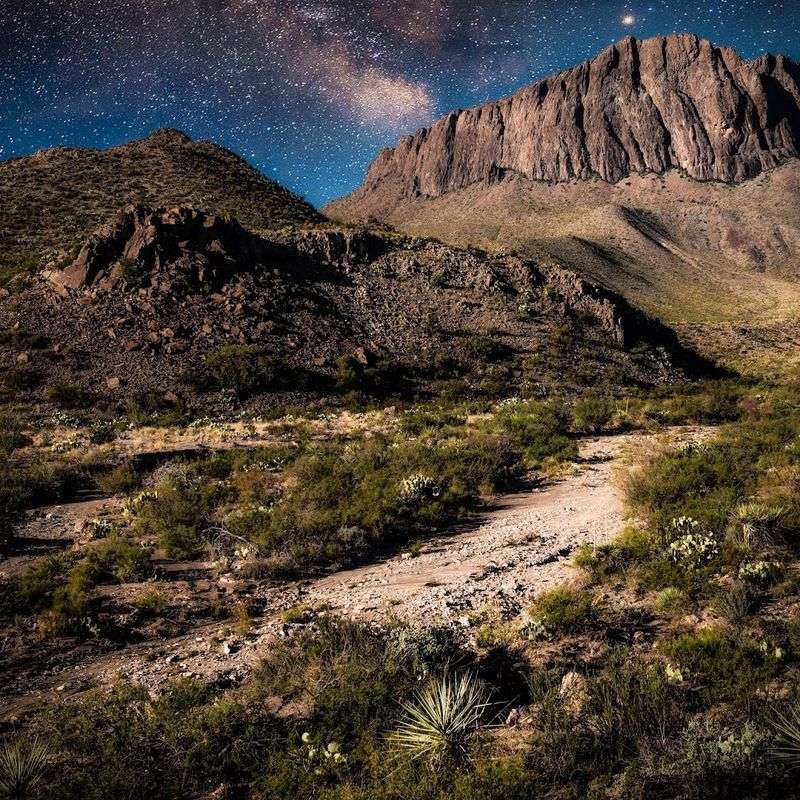
Big Bend sits where Texas meets Mexico, where the Rio Grande carves through some of the most dramatic desert country you’ll ever see. Locals don’t just visit this place—they guard it like family. The park covers over 800,000 acres of Chihuahuan Desert, mountain ranges, and river canyons that feel like stepping onto another planet.
What makes Big Bend so special isn’t just its size or scenery. It’s one of the least-visited national parks in the country, which means it stays wild and uncrowded. Texans love that about it.
You can hike through Santa Elena Canyon where limestone walls shoot up 1,500 feet on both sides, or catch a sunrise from the Chisos Basin that’ll make you forget every other morning you’ve ever seen.
The park protects more species of birds, bats, and cacti than almost anywhere else in the United States. That biodiversity matters deeply to locals who understand that once these ecosystems get damaged, they don’t bounce back easily. Rangers work constantly to keep trails maintained and habitats protected from overuse.
Stargazers treat Big Bend like a temple because it has some of the darkest night skies in North America. Light pollution hasn’t touched this corner of Texas yet, and locals intend to keep it that way. The Milky Way stretches overhead so clearly you can see why ancient peoples built their stories around the stars.
Remote doesn’t begin to describe how far Big Bend sits from major cities—it’s a five-hour drive from El Paso and even farther from San Antonio. That isolation is exactly what Texans love and protect. They know that keeping Big Bend wild means keeping visitor numbers manageable, facilities minimal, and commercial development far away.
This park represents Texas at its most raw and untamed, and locals will fight to preserve that character for generations to come.
2. La Lomita Chapel in Mission
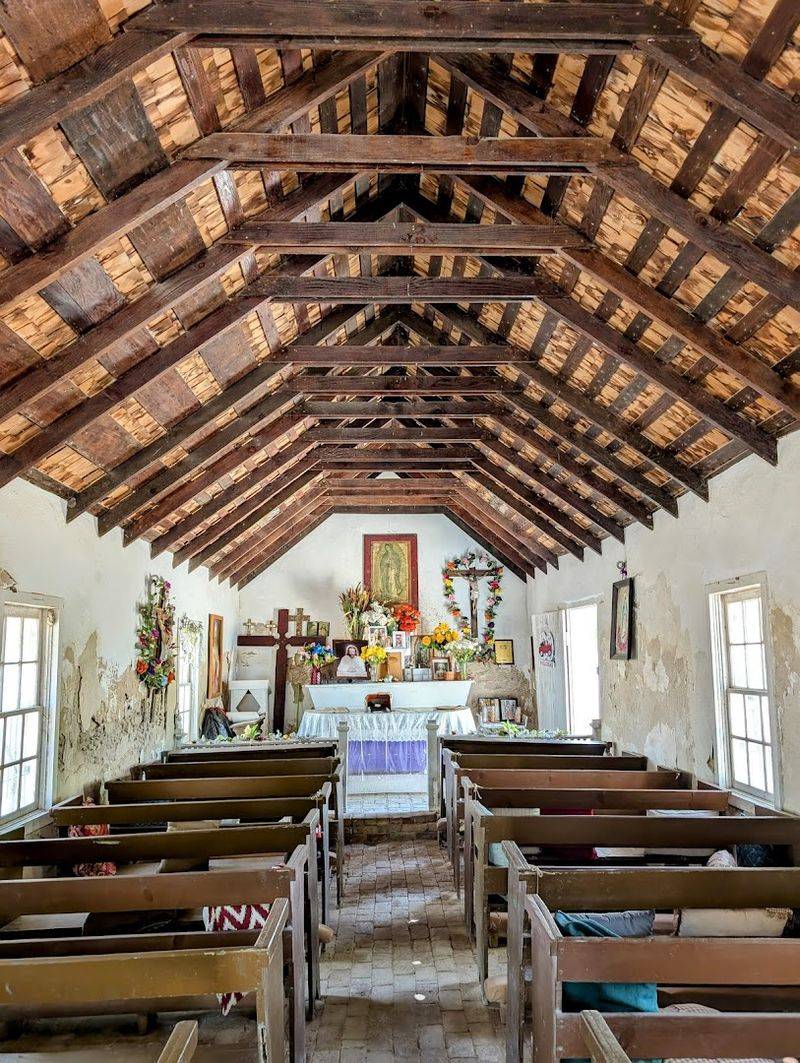
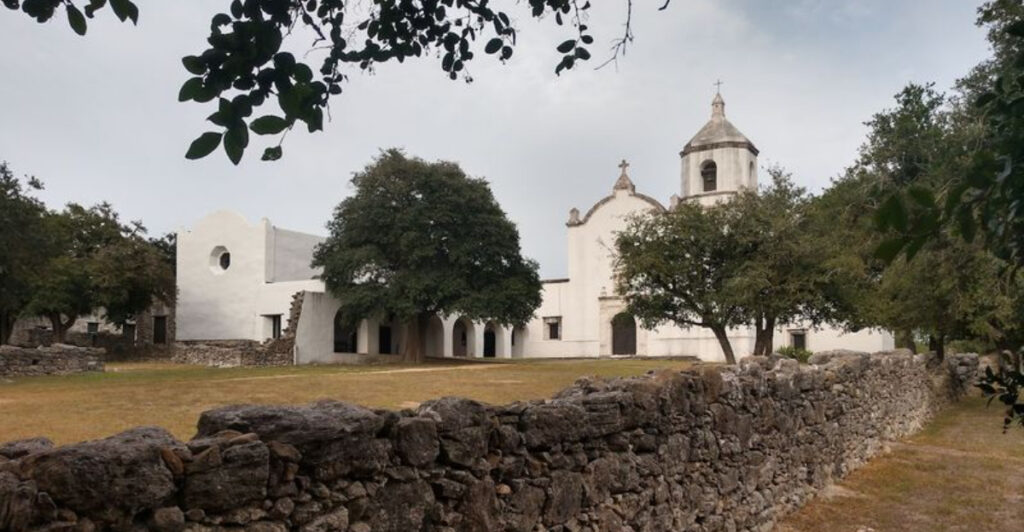
Tucked away in the Rio Grande Valley sits a tiny chapel that’s survived floods, wars, and over a century of Texas history. La Lomita Chapel looks like something from a storybook—a small stone structure with a simple wooden door and a cross reaching toward the sky. Built in 1865, this chapel served as a resting stop for missionaries traveling between Brownsville and Roma along the river.
The chapel’s name means “little hill” in Spanish, referencing the slight elevation where it stands above the surrounding floodplain. That strategic location saved it from complete destruction during numerous Rio Grande floods that washed away other buildings in the area. Valley residents consider this tiny survivor a miracle in its own right.
Walk inside and you’ll find a space barely big enough for a dozen people, with worn wooden pews and walls that have absorbed countless prayers. The simplicity hits different than grand cathedrals—this place was built for function, not flash. Missionaries would stop here to rest, pray, and prepare for the dangerous journey ahead through territory where bandits and harsh conditions claimed many lives.
Local families have baptized babies, held weddings, and said goodbye to loved ones in this chapel for generations. It’s not just a tourist attraction—it remains an active place of worship and community gathering. Residents fiercely protect its authenticity, resisting any urge to modernize or commercialize the site.
The grounds around La Lomita feature native plants and a peaceful atmosphere that invites quiet reflection. A small cemetery nearby holds graves of early settlers and missionaries who shaped the Valley’s Catholic heritage. Locals maintain the property with volunteer labor and donations, refusing to let this piece of Texas history fade into obscurity.
They understand that La Lomita represents the faith and determination of people who built communities in harsh frontier conditions, and that story deserves protection and respect.
3. Palo Duro Canyon State Park near Amarillo
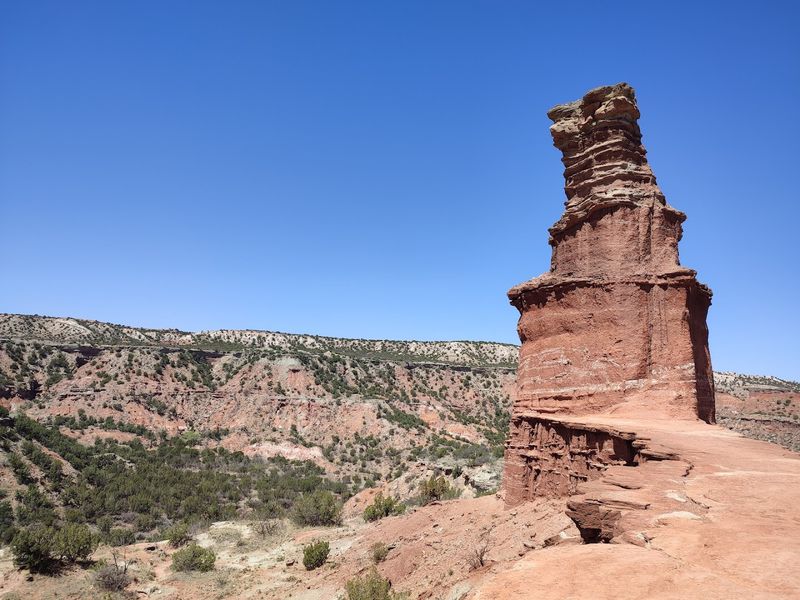
People call it the “Grand Canyon of Texas,” but locals will tell you Palo Duro doesn’t need comparison to anything else. This canyon carved by the Prairie Dog Town Fork of the Red River stretches 120 miles long and plunges 800 feet deep into the Caprock Escarpment. Those layered bands of red, orange, and yellow rock tell 250 million years of geological history in a region most folks assume is just flat grassland.
The canyon’s name means “hard wood” in Spanish, referring to the juniper trees that early Spanish explorers found growing along the canyon floor. Those trees provided crucial timber in an otherwise treeless landscape. Native peoples lived in this canyon for over 10,000 years before Spanish and American settlers arrived, using the natural shelter and water sources for survival.
Texans protect Palo Duro because it represents Panhandle identity in a way few other places can. This isn’t tourist Texas with beaches and big cities—this is the Texas of cattle ranches, endless horizons, and landscapes that humble anyone who takes time to look. The canyon hosts an outdoor musical drama called “TEXAS” every summer that locals support religiously, even if they’ve seen it dozens of times.
Hiking the Lighthouse Trail to see the canyon’s most famous rock formation is practically a rite of passage for Panhandle kids. The trail covers six miles round trip through terrain that shows off the canyon’s best colors and formations. Mountain bikers, horseback riders, and campers use the park year-round, treating it like their backyard playground.
Conservation efforts focus on protecting the canyon’s unique ecosystem where desert plants meet prairie grasslands. The canyon provides habitat for Texas horned lizards, roadrunners, and even a small bison herd that reminds visitors of the massive herds that once roamed these plains. Locals understand that Palo Duro offers something increasingly rare—wide open space where nature still runs the show and humans are just visitors passing through.
4. The Alamo Mission in San Antonio
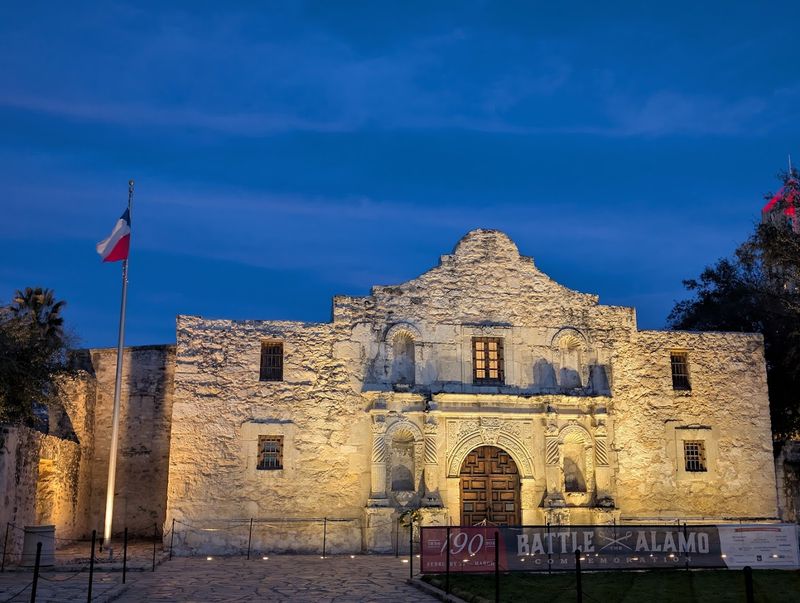
Every Texas schoolkid learns about the Alamo before they learn their multiplication tables. This former Spanish mission turned fortress sits in the heart of downtown San Antonio, surrounded by modern buildings and constant tourist traffic. Yet locals treat it with a reverence that transcends its role as a historical site—the Alamo represents the Texas spirit of fighting against impossible odds.
The 1836 battle lasted thirteen days and ended with every Texan defender dead, but their sacrifice bought time for Sam Houston’s army to regroup and eventually win Texas independence. Names like William Travis, Jim Bowie, and Davy Crockett became legendary not because they won, but because they refused to surrender. That defiance courses through Texas culture to this day.
San Antonio locals get protective when visitors treat the Alamo like just another photo opportunity. The site is hallowed ground where real people died for principles they believed in. Signs remind visitors to remove hats and speak quietly inside the chapel, and locals will absolutely call out anyone being disrespectful.
The mission’s actual history goes back much further than 1836. Spanish missionaries founded it in 1718 as Mission San Antonio de Valero, part of their effort to convert Native peoples to Christianity and establish Spanish control of the region. The compound included the chapel, a convento, and defensive walls designed to protect against attacks.
Recent years have brought controversy over how to preserve and present the Alamo’s complex history. Some want to focus solely on the 1836 battle, while others push to tell the fuller story of Spanish colonization and Native peoples. Locals engage passionately in these debates because they understand the Alamo shapes how Texas sees itself.
The site draws millions of visitors annually, creating constant pressure on the historic structures. Preservation work requires careful balance between protecting fragile limestone walls and allowing public access. Texans fund and support this work because letting the Alamo crumble would feel like losing a piece of their identity.
5. Longhorn Cavern State Park in Burnet County
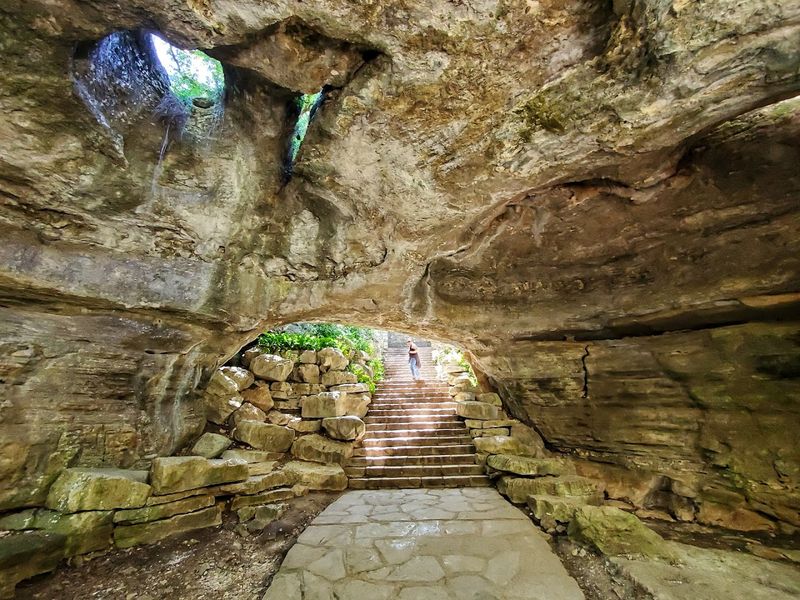
Hidden beneath the Texas Hill Country lies a cave system that’s seen more history than most buildings above ground. Longhorn Cavern formed millions of years ago when an underground river carved through limestone bedrock, creating chambers and passages that humans have used for everything from shelter to secret hideouts. The cave maintains a constant 68 degrees year-round, which made it valuable long before air conditioning existed.
Native peoples used these caverns for thousands of years, leaving behind artifacts and evidence of their presence. Later, Confederate soldiers mined bat guano from the cave to make gunpowder during the Civil War when supply lines got cut off. Some locals swear outlaws like Sam Bass used the cave to hide stolen loot, though nobody’s ever found treasure to prove it.
During Prohibition, the cave’s most colorful chapter involved a dance hall and speakeasy operating deep underground where law enforcement couldn’t easily raid it. Folks would descend into the earth to drink illegal whiskey and dance to live music in the main chamber. That rebellious spirit fits perfectly with Texas character.
The Civilian Conservation Corps transformed the cave into a proper tourist attraction during the 1930s, building the entrance structure and improving access to the underground passages. Their work preserved the cave while making it safer for visitors. Today’s tours follow paths they carved and reinforced nearly a century ago.
What makes locals protective of Longhorn Cavern isn’t just its historical significance—it’s the ecological value of the cave system. Bats use portions of the cave for roosting, and the underground environment supports species found nowhere else. Cave formations grow incredibly slowly, meaning any damage from careless visitors takes centuries to repair.
The park sits in the middle of Highland Lakes country, surrounded by Inks Lake and other Hill Country attractions. Yet it maintains a quieter, less commercialized feel than some neighboring parks. Locals appreciate that the cave hasn’t been turned into a theme park with flashing lights and gift shops at every turn.
It stays true to its nature as a geological wonder and historical site worth protecting for its own sake.
6. San Jacinto Monument near Houston
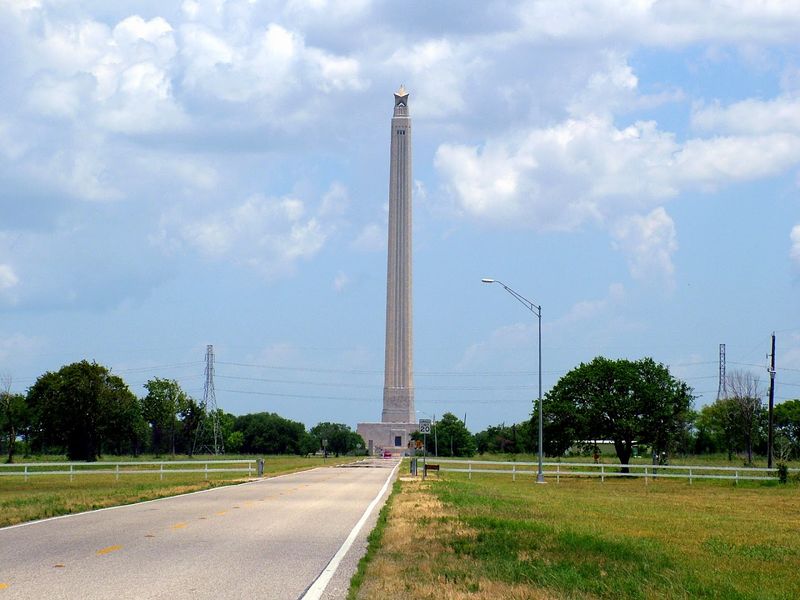
Rising 567 feet above the coastal plains near Houston, the San Jacinto Monument marks the spot where Texas won its independence in eighteen minutes of furious fighting. The limestone tower stands fifteen feet taller than the Washington Monument, which Texans will gladly point out. At the top sits a 220-ton star that can be seen for miles across the flat Gulf Coast landscape.
The battle of San Jacinto happened on April 21, 1836, when Sam Houston’s army surprised Mexican General Santa Anna’s forces during their afternoon siesta. The Texans attacked shouting “Remember the Alamo!” and “Remember Goliad!” in reference to earlier defeats. By the time fighting ended, Mexican forces had suffered devastating casualties while Texans lost fewer than a dozen men.
Houston-area residents treat this monument as sacred ground because it represents the moment Texas became its own nation. The Republic of Texas existed as an independent country for nine years before joining the United States. That brief period of sovereignty remains a source of intense pride and shapes how Texans view their relationship with the federal government.
The monument opened in 1939 on the battle’s 103rd anniversary. Depression-era workers built it using Texas limestone and local labor. An elevator takes visitors to an observation deck 489 feet up, offering panoramic views of the Houston Ship Channel, battleground, and surrounding industrial landscape that’s grown up since the battle.
At the monument’s base, a museum tells the story of Texas history from Spanish exploration through the Texas Revolution. The star-shaped reflecting pool outside mirrors the monument’s design and provides a peaceful spot for contemplation. Re-enactors stage the battle annually, drawing crowds who want to witness history come alive.
The site sits in an industrial area surrounded by refineries and shipping facilities, which creates an odd contrast with its historical significance. Yet locals don’t want it moved or relocated—this is where the battle happened, where Texas independence was won. Protecting the monument means maintaining that authentic connection to the past, even as the surrounding landscape transforms into something the original combatants would never recognize.
7. Enchanted Rock State Natural Area in Fredericksburg
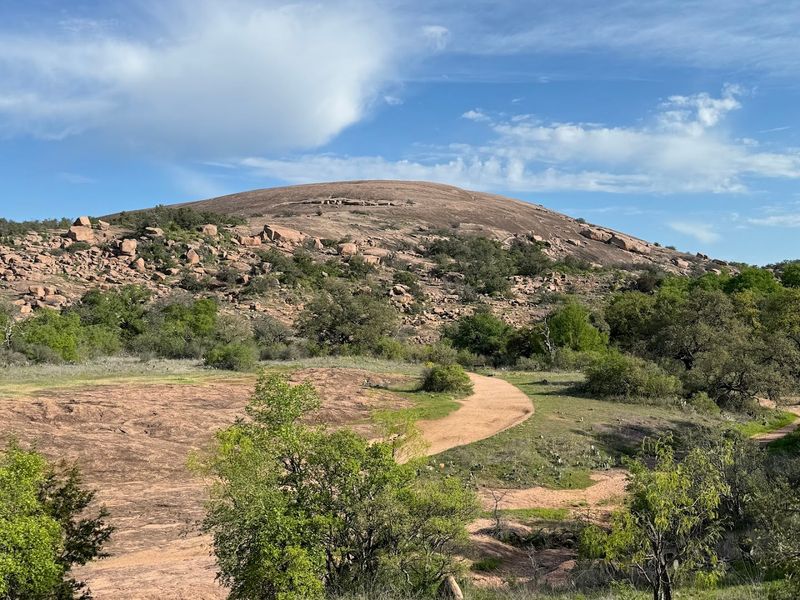
A massive pink granite dome rises 425 feet above the surrounding Hill Country, visible for miles in every direction. Enchanted Rock formed over a billion years ago deep underground, then got exposed as softer rock eroded away over millions of years. The dome covers 640 acres of solid granite—one of the largest batholiths in the United States—and attracts rock climbers, hikers, and stargazers who treat it like a natural cathedral.
The rock gets its name from Tonkawa and Comanche legends about strange creaking and groaning sounds heard at night. Scientists explain those noises as the granite contracting as it cools after hot days, but the mysterious sounds gave the place an otherworldly reputation. Early German settlers in Fredericksburg considered the rock sacred, and that attitude persists among locals today.
Climbing to the summit takes about an hour for most people, following a trail up the granite face that gets steep enough to make your legs burn. The view from the top stretches for miles across the Hill Country, showing off the region’s distinctive landscape of rolling hills, oak trees, and scattered ranches. Sunset from the summit ranks among Texas’s most spectacular natural shows.
The rock supports unique plant and animal life specially adapted to survive on exposed granite with minimal soil. Vernal pools form in depressions on the rock surface after rains, creating temporary habitats for fairy shrimp and other creatures that can handle extreme conditions. Rare plants grow in cracks where a few inches of soil accumulate.
Locals protect Enchanted Rock fiercely because it represents Hill Country identity and provides outdoor recreation close to growing cities like Austin and San Antonio. The park limits daily visitors to prevent overuse that could damage the fragile ecosystem. Weekends often sell out, which frustrates some people but ensures the rock doesn’t get loved to death.
Rock climbing routes of varying difficulty cover the dome’s surface, making it popular with climbers from beginners to experts. The granite offers excellent friction and features that challenge skills without requiring extreme technical ability. Locals have been climbing here for generations, establishing routes and passing down knowledge of the rock’s character and quirks to younger climbers.
8. Goliad State Park and Historic Site
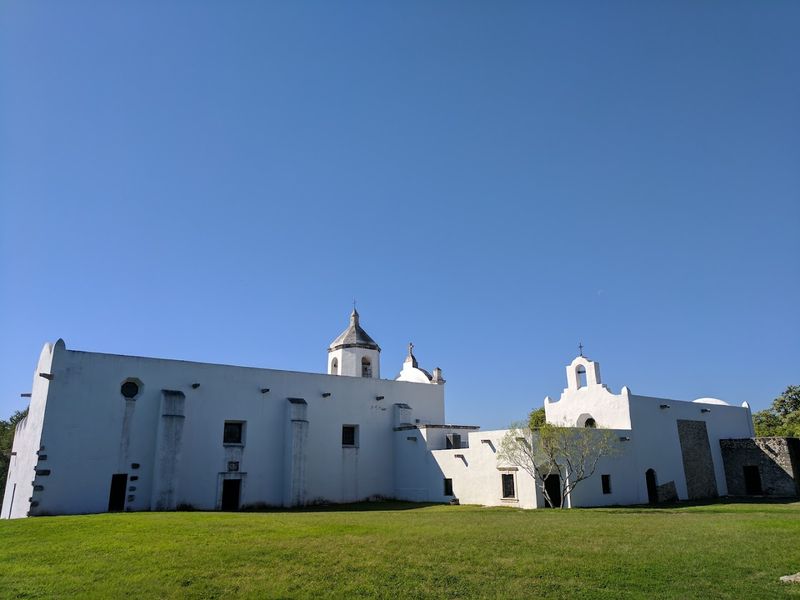
Goliad holds a tragic place in Texas history that locals refuse to let fade into obscurity. This small town in South Texas witnessed one of the darkest moments of the Texas Revolution when Mexican forces executed over 340 Texan prisoners in what became known as the Goliad Massacre. The event happened just weeks after the Alamo fell, and it galvanized Texan resistance more than any victory could have.
The state park preserves Mission Nuestra Señora del Espíritu Santo de Zúñiga, one of the most complete Spanish colonial missions in Texas. Founded in 1749, the mission served as a center for converting and “civilizing” Native peoples while establishing Spanish control of the region. The restored stone buildings show how missionaries, soldiers, and Native converts lived and worked together in this frontier outpost.
Walking through the mission compound, you can see the chapel, granary, and workshops where people practiced trades necessary for survival in isolated territory. The mission raised cattle and horses that became foundation stock for Texas’s legendary ranching industry. That agricultural heritage connects directly to modern South Texas ranch culture.
The nearby Presidio La Bahía stands as one of the oldest forts in the American West, its stone walls still intact after nearly three centuries. This is where Colonel James Fannin and his men surrendered to Mexican forces, expecting to be treated as prisoners of war. Instead, they were marched out and shot on Palm Sunday 1836 by order of General Santa Anna.
A monument marks the massacre site where locals hold annual memorial services to honor the executed men. The tragedy became a rallying cry at San Jacinto three weeks later when Texan soldiers shouted “Remember Goliad!” alongside “Remember the Alamo!” Those two defeats, transformed into symbols of sacrifice, helped win Texas independence.
Locals protect Goliad because its history reveals uncomfortable truths about the Texas Revolution—the violence, the competing claims to the land, the complex mix of motivations that drove people on both sides. This isn’t sanitized history or simple heroic narratives. It’s real, messy, and important for understanding how Texas became Texas.
9. Fort Davis National Historic Site
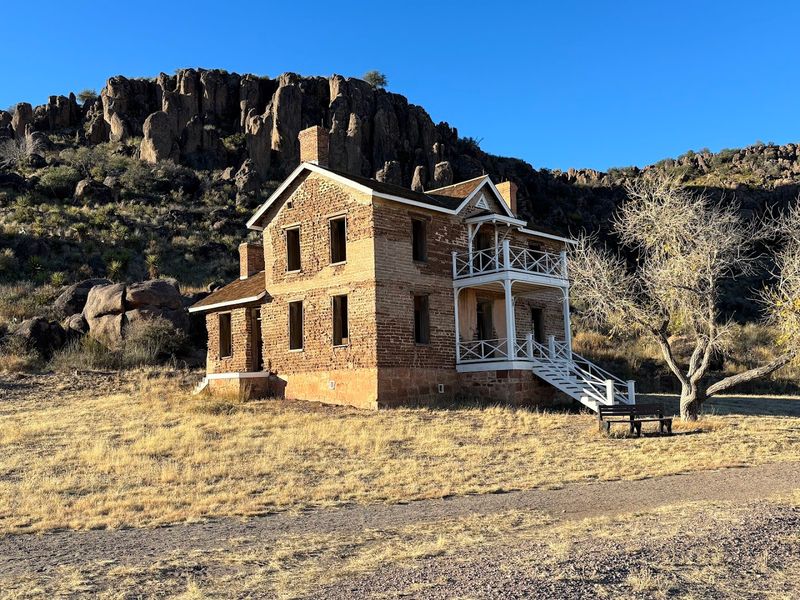
Set against the dramatic backdrop of the Davis Mountains, Fort Davis protected travelers and mail routes through West Texas during some of the frontier’s most dangerous years. The fort operated from 1854 to 1891, garrisoned by soldiers who faced Apache warriors, harsh weather, and the isolation of one of America’s most remote military posts. Over half the soldiers stationed here during certain periods were Buffalo Soldiers—African American troops who earned fierce respect from both allies and enemies.
The fort’s location in a box canyon provided natural defense and access to water, crucial for survival in this arid region. Soldiers built over fifty structures including barracks, officers’ quarters, a hospital, and stables. Many of those buildings still stand, making Fort Davis one of the best-preserved frontier military posts in the Southwest.
Buffalo Soldiers stationed here served with distinction despite facing discrimination from white officers and civilians. They helped map West Texas, built roads, strung telegraph lines, and fought in numerous engagements with Apache bands resisting American expansion. Their contributions to settling the frontier rarely get the recognition they deserve, which makes preserving Fort Davis even more important.
The fort sits at 5,050 feet elevation where mountain air stays cooler than the surrounding desert. That climate made it more bearable than lower elevation posts, though winters could be brutal. Soldiers dealt with monotonous routine punctuated by moments of intense danger when conflicts erupted with Native peoples fighting to maintain their way of life.
Walking through the restored buildings today, you can imagine the daily life of frontier soldiers—the bugle calls, the drilling, the boredom broken by occasional action. Rangers in period uniforms conduct demonstrations and talks that bring that era to life. The parade ground looks much as it did 150 years ago, surrounded by limestone and adobe structures that have weathered more than a century of West Texas weather.
Locals protect Fort Davis because it tells multiple stories—military history, the Buffalo Soldiers’ legacy, the conflicts between expanding American settlement and Native peoples defending their homelands. The fort represents a complex period that shaped West Texas identity and deserves honest examination rather than simplified legends.
10. Caddo Lake State Park on the Texas–Louisiana Border
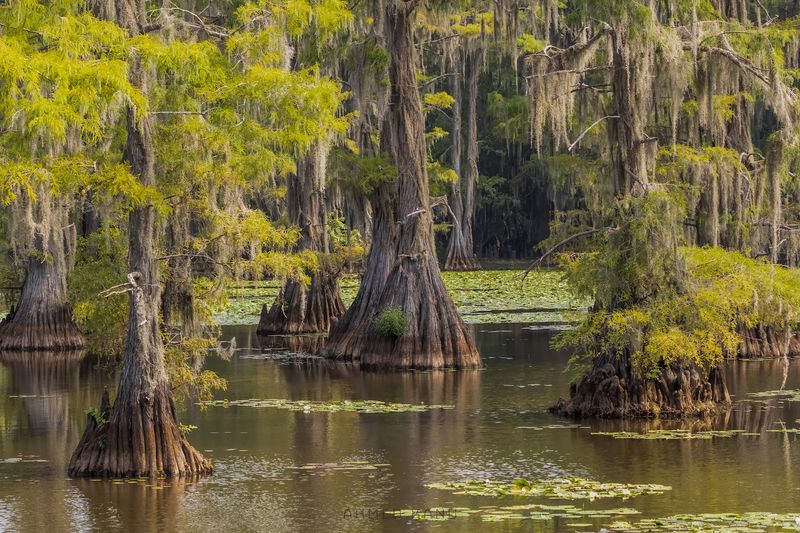
Caddo Lake looks like it belongs in Louisiana more than Texas, with Spanish moss draping from bald cypress trees and mysterious waterways winding through a flooded forest. This is Texas’s only naturally occurring lake, formed by a massive logjam on the Red River that backed up water into what became a 25,400-acre maze of bayous, sloughs, and open water. The lake straddles the Texas-Louisiana border, creating an ecosystem unlike anywhere else in the Lone Star State.
Paddling through Caddo Lake feels like entering another world where time moves slower and nature still dominates. Cypress trees rise from the water on knobby knees, their trunks massive and ancient. Alligators sun themselves on logs while great blue herons stalk fish in the shallows.
The tangled waterways create a natural labyrinth where people easily get lost without a guide or GPS.
The lake supports incredible biodiversity including over 70 fish species and 200 bird species. American lotus covers portions of the lake in summer with huge leaves and delicate flowers. Prothonotary warblers nest in tree cavities while barred owls call at dusk.
This richness makes Caddo Lake a priority for conservation groups and locals who understand its ecological value.
Native peoples lived around Caddo Lake for thousands of years before European contact. The Caddo Confederacy gave the lake its name and left behind burial mounds and artifacts that archaeologists still study. Steamboats navigated these waters in the 1800s when the lake served as a transportation route for cotton and other goods heading to market.
Modern threats to Caddo Lake include invasive species like giant salvinia that can choke waterways, along with proposals for development and water management projects that could alter the lake’s delicate hydrology. Locals fight these threats constantly, knowing that Caddo Lake’s unique character depends on maintaining its natural water levels and flow patterns.
The state park provides access to this magical place through camping, hiking trails, and canoe rentals. Locals recommend hiring a guide for first-time visitors because the waterways all look similar and it’s surprisingly easy to paddle in circles. Experiencing Caddo Lake properly means slowing down, listening to the sounds, and appreciating an ecosystem that exists nowhere else in Texas.
11. Hamilton Pool Preserve in Dripping Springs
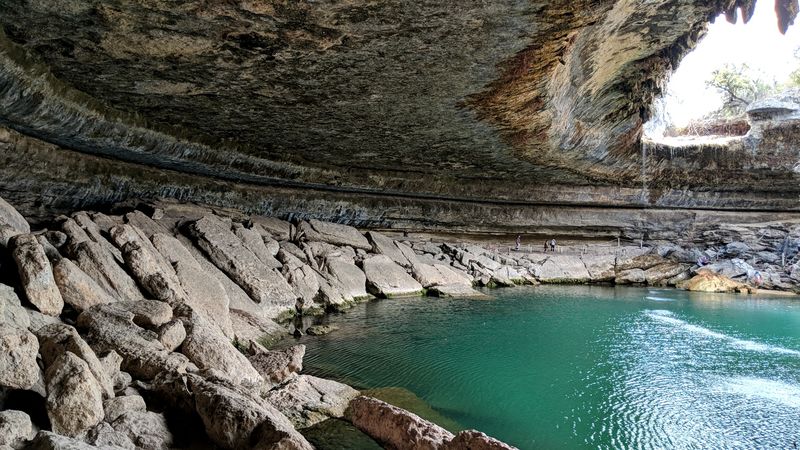
Tucked away in the Hill Country just outside Austin, Hamilton Pool Preserve feels like something Texans instinctively want to guard with quiet intensity. Formed thousands of years ago when the dome of an underground river collapsed, this natural pool is surrounded by towering limestone cliffs and shaded by ancient cypress trees that seem to lean protectively over the water. A delicate waterfall spills over the curved rock ledge, creating a scene that looks almost too perfect to be real.
For years, locals treated Hamilton Pool like a well-kept secret, a place you’d only hear about through word of mouth. That changed as photos spread online, turning the preserve into one of the most sought-after natural spots in Texas. With that attention came real concern.
The ecosystem here is fragile, and even small disruptions can have lasting effects on water quality, plant life, and the surrounding habitat.
Today, strict reservation systems and visitor limits are in place, and locals overwhelmingly support them. It’s not about keeping people out—it’s about making sure the place survives. Swimming is sometimes restricted due to bacteria levels, and while that may frustrate visitors, Texans understand it’s a necessary tradeoff to protect the pool long-term.
The hike down to the water, though short, adds to the sense that you’re entering somewhere special. The air cools, the sound of the waterfall grows louder, and suddenly the landscape opens up into this hidden oasis. Even when it’s busy, there’s a shared understanding among visitors to respect the space.
Hamilton Pool isn’t just a scenic stop. It represents a broader shift in how Texans view their natural treasures—not just as places to enjoy, but as places to actively defend.
Share this story