Texas is famous for Big Bend and Guadalupe Mountains, but some of the best outdoor experiences happen at parks most visitors never hear about. These overlooked spots offer incredible scenery, unique adventures, and way fewer crowds than the famous names. Whether you want to explore underground caves, hike red rock canyons, or paddle through cypress swamps, these hidden gems deliver unforgettable memories without the tourist chaos.
1. Colorado Bend State Park (Bend)
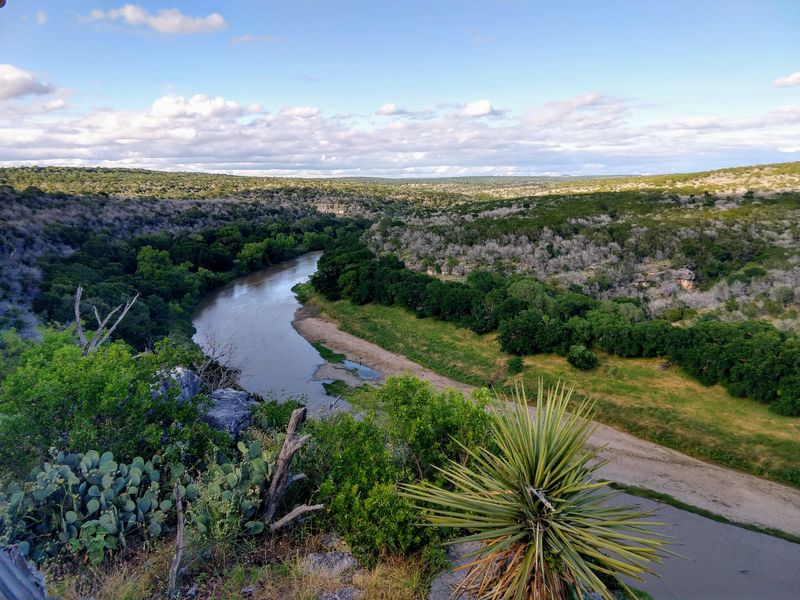
Tucked away in the Hill Country northwest of Lampasas, this park feels like a secret even locals forget to mention. The drive alone winds through ranch land that seems endless, but once you arrive, the payoff is spectacular. With over 35 miles of trails, limestone caves, and one of the prettiest waterfalls in Texas, this place rewards anyone willing to make the trek.
Gorman Falls is the star attraction here, though getting there requires a moderately challenging 3-mile round-trip hike. The 60-foot cascade flows over a travertine formation covered in emerald moss and ferns, creating a scene that looks more like Hawaii than Central Texas. The best time to visit is after spring rains when the water flow is strongest and the surrounding vegetation glows bright green.
Beyond the falls, the park offers excellent opportunities for caving, though you’ll need to book a guided tour to explore Gorman Cave. The underground chambers feature fascinating formations and even host a colony of Mexican free-tailed bats during certain seasons. Above ground, the trails range from easy riverside walks to rugged climbs that test your endurance.
The Colorado River cuts through the property, creating prime spots for swimming, kayaking, and fishing. During summer, the river provides welcome relief from the heat, with deep pools perfect for cooling off after a long hike. Primitive camping sites let you experience true solitude under star-filled skies.
Wildlife enthusiasts appreciate the diversity here, with white-tailed deer, wild turkeys, and numerous bird species making regular appearances. Spring wildflowers blanket the meadows in color, adding another reason to visit during that season. The park’s remote location means cell service is spotty at best, which many visitors consider a feature rather than a bug.
Pack everything you need before arriving, including plenty of water and snacks, since amenities are minimal and the nearest town is a good drive away.
2. Village Creek State Park (Lumberton)
Way out in Southeast Texas near Beaumont, this park showcases a completely different landscape than most people associate with the state. Towering loblolly pines create a canopy overhead, while Village Creek meanders through the property with dark, tannic water that reflects the surrounding forest. The Big Thicket ecosystem here supports an incredible mix of plants and animals found nowhere else in Texas.
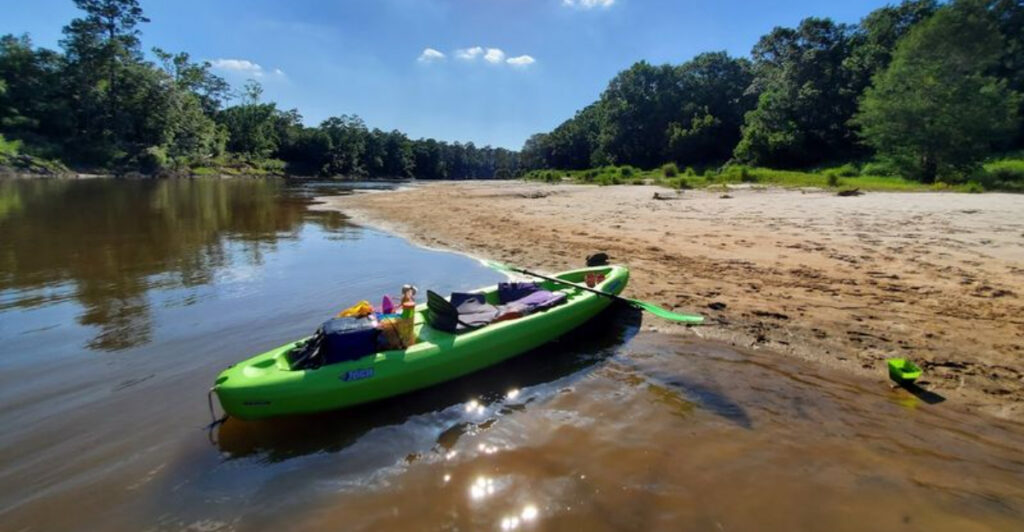
Paddling Village Creek ranks among the best canoe and kayak experiences in the state, with a gentle current that makes it accessible for beginners while still offering enough twists and turns to keep things interesting. The waterway flows through dense forest where cypress knees jut from the water and Spanish moss drapes from branches overhead. You might spot alligators sunning on logs, turtles plopping into the water, or herons stalking the shallows for fish.
The park maintains over 9 miles of hiking and biking trails that wind through different habitats, from upland pine forests to bottomland hardwoods. Sandhill Loop Trail is particularly scenic, following the creek before climbing onto higher ground where the forest changes character. Spring brings wildflowers and migrating birds, while fall offers cooler temperatures perfect for extended exploration.
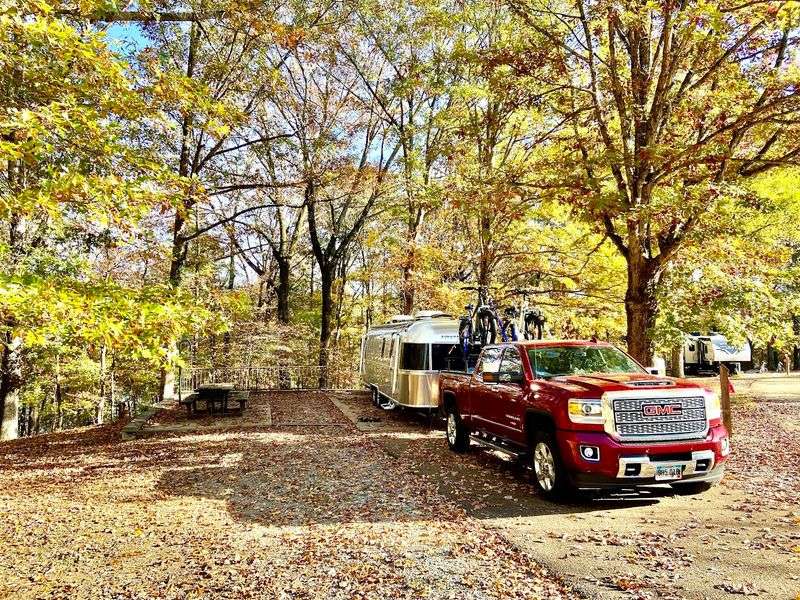
Fishing enthusiasts target bass, catfish, and sunfish in the creek, though the dark water requires different techniques than clear Highland Lakes or Gulf Coast fishing. The sandy-bottomed swimming area provides a safe spot for families, with lifeguards on duty during summer weekends. Campsites include both RV hookups and tent areas, many situated among the pines with easy access to trails.
What makes this park special is how different it feels from the rest of Texas. The humid, forest-covered landscape could easily be mistaken for Louisiana or Arkansas, creating a refreshing change for anyone tired of arid scrubland. Mosquitoes can be intense during warmer months, so pack bug spray and consider visiting during cooler seasons when the insects are less aggressive.
3. Monahans Sandhills State Park (Monahans)
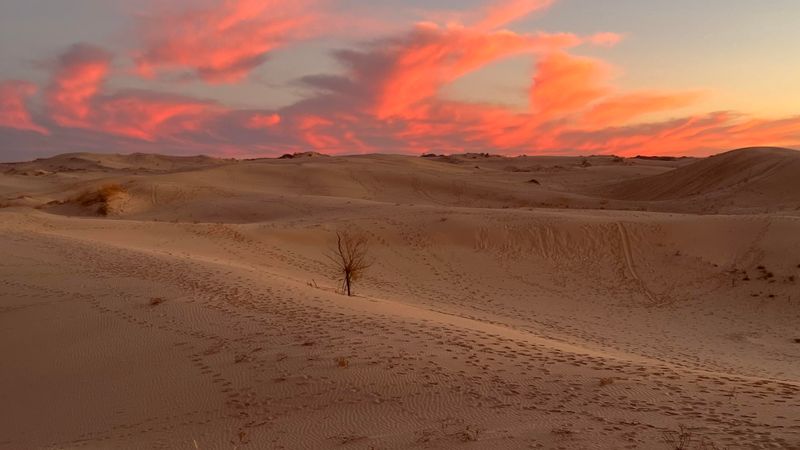
Picture the Sahara Desert, but in West Texas. These massive sand dunes rise up to 70 feet high and stretch for miles, creating a surreal landscape that feels completely out of place yet perfectly at home in this corner of the state. The sand is surprisingly white and fine, almost like powdered sugar, and it shifts constantly with the wind.
Sand surfing is the main draw here, and the park actually rents sand discs so you can slide down the dunes like you’re snowboarding. It’s harder than it looks and way more fun than it has any right to be. Kids absolutely love it, though adults quickly discover muscles they forgot existed.
The best time to hit the dunes is late afternoon when the sand has cooled slightly and the lighting turns golden.
The dunes aren’t static, they’re constantly moving and reshaping with the wind, which means the landscape looks different every time you visit. Hardy plants like Havard oak and shinnery oak somehow survive in this harsh environment, their roots reaching deep to find moisture. During rare wet periods, the dunes can actually support small pools of water, creating temporary oases.
Camping here offers a unique experience, with sites positioned at the edge of the dune field. Sunsets are absolutely spectacular, painting the white sand in shades of pink, orange, and purple. Night skies are phenomenal since there’s minimal light pollution, making it prime territory for stargazing.
Bring a blanket and just lie on the sand watching meteors streak across the darkness.
Summer temperatures can be brutal, regularly exceeding 100 degrees, so spring and fall are ideal visiting seasons. The sand reflects heat intensely, making it even hotter than the air temperature suggests. Closed-toe shoes are essential unless you enjoy burning your feet, and sunscreen is non-negotiable.
Despite the harsh conditions, there’s something magical about this place, especially when you have the dunes mostly to yourself and can pretend you’ve been transported to another continent entirely.
4. Caddo Lake State Park (Karnack)
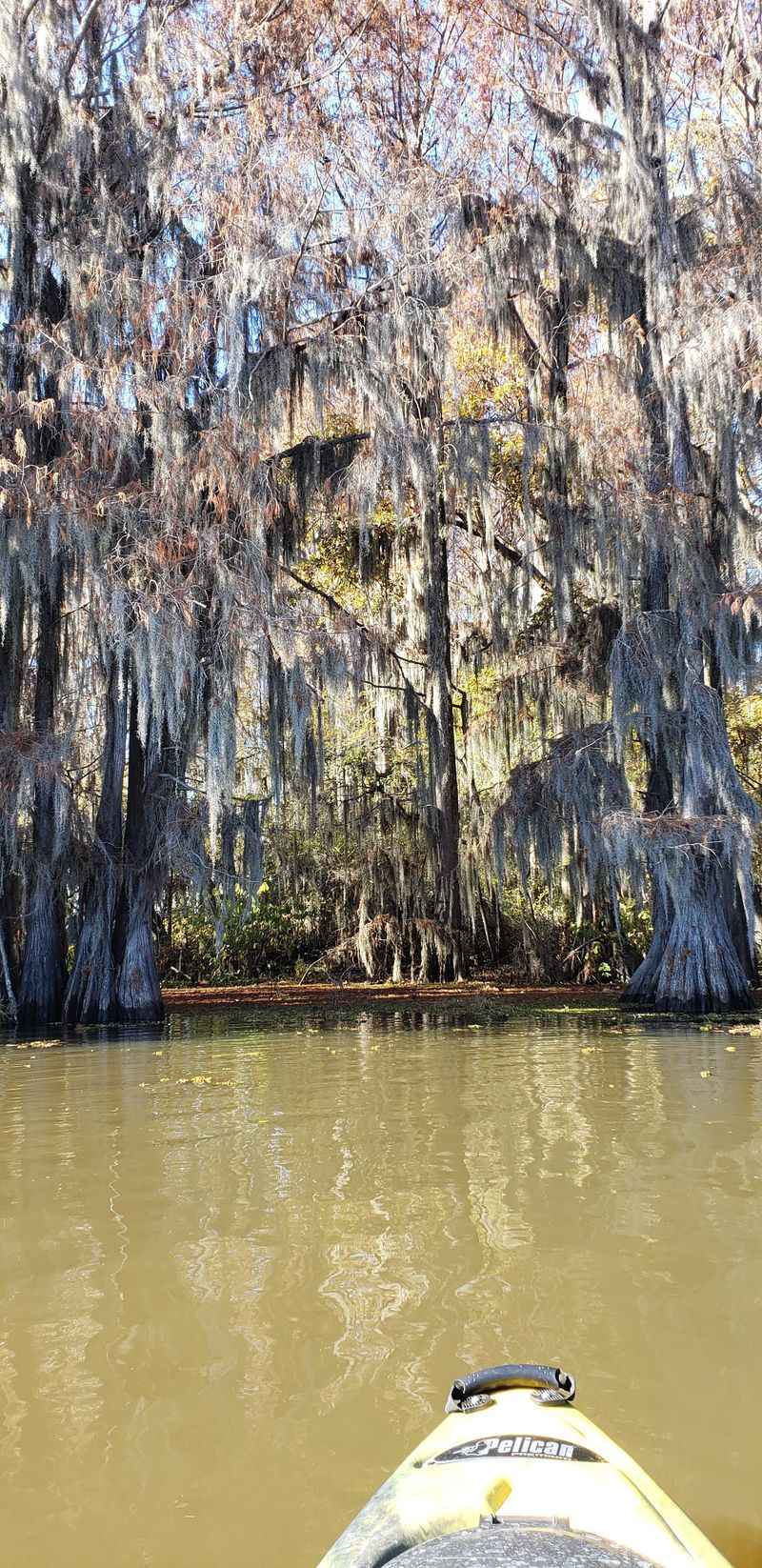
This is the Texas you never knew existed. Caddo Lake spreads across the Texas-Louisiana border, creating a maze of sloughs, channels, and backwaters choked with cypress trees that look ancient and mystical. Spanish moss hangs from every branch, and the water is so dark it looks black, stained by tannins from decaying vegetation.
Paddling here feels like entering another world entirely.
The lake is actually the only naturally occurring large lake in Texas, formed by a massive logjam on the Red River centuries ago. Today it covers roughly 25,400 acres, though much of that is shallow swampland rather than open water. Bald cypress trees dominate the landscape, their knobby knees jutting from the water and their trunks flaring wide at the base for stability in the soft mud.
Kayaking or canoeing is absolutely the best way to experience Caddo Lake, and you can easily spend hours exploring the narrow channels without seeing another person. The maze-like waterways can be disorienting, so bringing a GPS or marked map is smart unless you enjoy getting thoroughly lost. Wildlife is everywhere, from alligators lurking in the shallows to great blue herons stalking fish to armadillos rooting around the shoreline.
The park maintains several hiking trails, including a boardwalk that extends over the swamp, giving you a different perspective on this unique ecosystem. Fishing is excellent, with largemouth bass, catfish, and crappie all thriving in these waters. Local anglers swear by the fishing here, though navigating to good spots requires knowledge of the waterways.
Screened shelters and campsites offer protection from the mosquitoes, which can be relentless during warmer months. Spring and fall are the most comfortable seasons to visit, with cooler temperatures and fewer bugs. Morning fog often blankets the lake, creating an eerie, beautiful atmosphere that photographers love.
This place has serious Southern Gothic vibes, and it’s easy to imagine why legends and ghost stories have always surrounded Caddo Lake.
5. Lake Mineral Wells State Park (Mineral Wells)
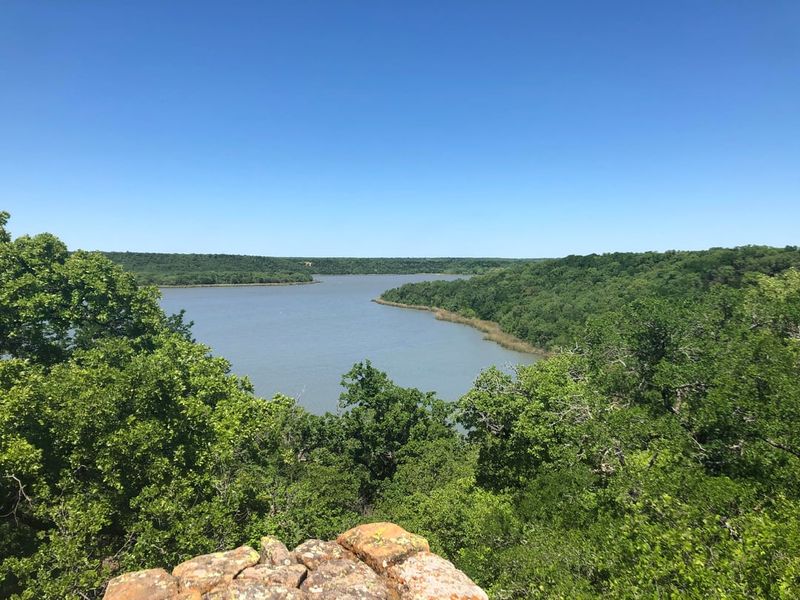
Rock climbers discovered this place years ago, but most Texans still overlook it despite being just an hour west of Fort Worth. The park wraps around a 646-acre lake and features limestone and sandstone cliffs that provide some of the best climbing in North Texas. Even if you’ve never touched a carabiner, watching climbers scale the Penitentiary Hollow cliffs is impressive entertainment.
The park offers over 20 miles of multi-use trails perfect for hiking, mountain biking, and horseback riding. The terrain ranges from easy lakeside paths to challenging climbs that reward you with sweeping views across the water and surrounding hills. Cross Timbers Trail is particularly scenic, winding through juniper and oak forests before opening onto rocky overlooks.
Lake Mineral Wells itself provides excellent opportunities for boating, fishing, and swimming. The water stays relatively clear compared to many Texas lakes, and the rocky shoreline creates interesting structure for fish habitat. Anglers target largemouth bass, catfish, and sunfish, with the best fishing typically happening early morning or late evening.
A swimming beach with designated areas makes it family-friendly during summer months.
What sets this park apart is the variety of activities packed into a relatively compact area. You can climb in the morning, paddle in the afternoon, and hike at sunset without ever leaving the property. The trailhead parking area for rock climbing is well-marked, and you’ll often find friendly climbers willing to share beta about routes if you’re interested in trying the sport.
Camping options include everything from primitive tent sites to RV hookups and even equestrian camping with corrals for horses. The park gets busy on weekends, especially during spring and fall when the weather is perfect, so reserving campsites in advance is wise. Weekdays offer much more solitude if you can swing a mid-week visit.
The town of Mineral Wells has an interesting history as a former resort destination famous for its supposedly healing mineral water, and the old Baker Hotel still stands as a fascinating piece of architectural history worth checking out if you’re in the area.
6. Bentsen-Rio Grande Valley State Park (Mission)
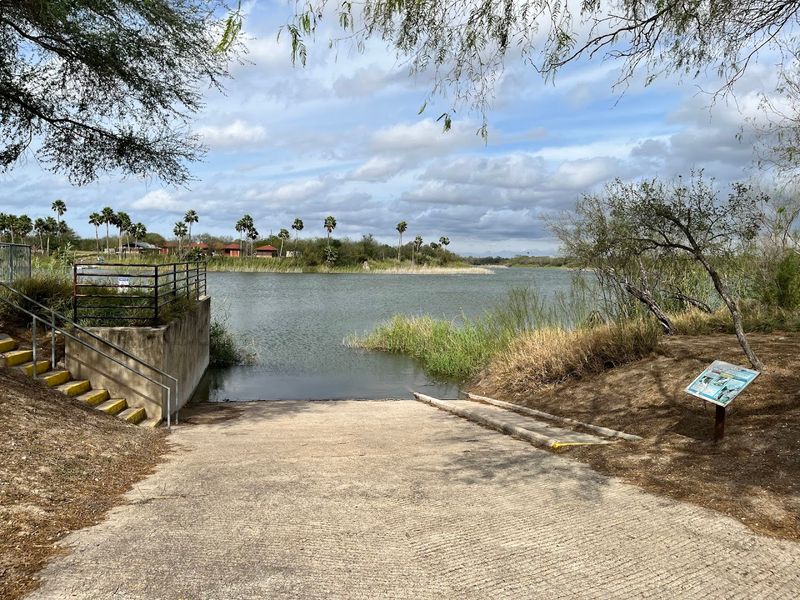
Birders from around the world flock to this park, and for good reason. The Rio Grande Valley hosts species found nowhere else in the United States, with tropical birds that normally range only into Mexico making appearances here. The park sits along a crucial migration corridor and provides habitat for over 300 bird species, including green jays, great kiskadees, and occasionally even rare visitors like rose-throated becards.
The subtropical ecosystem here differs dramatically from the rest of Texas, with palm trees, ebony trees, and dense thornscrub creating a landscape that feels more like northern Mexico than anything typically Texan. Temperatures stay mild even in winter, making this a popular destination when the rest of the state is freezing. Summer heat can be intense, but the shade from the thick vegetation provides some relief.
The park maintains several miles of trails, including both paved paths accessible to wheelchairs and more rugged hiking routes through the thornscrub. An observation tower near the visitor center offers panoramic views across the tree canopy, perfect for spotting birds and butterflies. The valley is also famous for butterfly diversity, with hundreds of species fluttering through the park during peak seasons.
Connecting to the World Birding Center network, the park serves as a hub for nature tourism in the valley. Guided bird walks happen regularly, led by knowledgeable volunteers who can identify species by sight and sound. Even non-birders find themselves captivated by the colorful birds and the thrill of spotting something rare and beautiful.
The Rio Grande flows nearby, though the river itself isn’t accessible from the park. Still, its presence shapes the entire ecosystem, providing water that supports the lush vegetation. Camping is available, and staying overnight gives you the chance to experience dawn chorus when birds are most active and vocal.
Bring binoculars, a field guide, and patience.
The valley faces conservation challenges, with development pressure threatening remaining habitat, making protected areas like this park increasingly important. Visiting here supports conservation efforts while giving you access to one of the most biologically diverse regions in North America.
7. Caprock Canyons State Park (Quitaque)
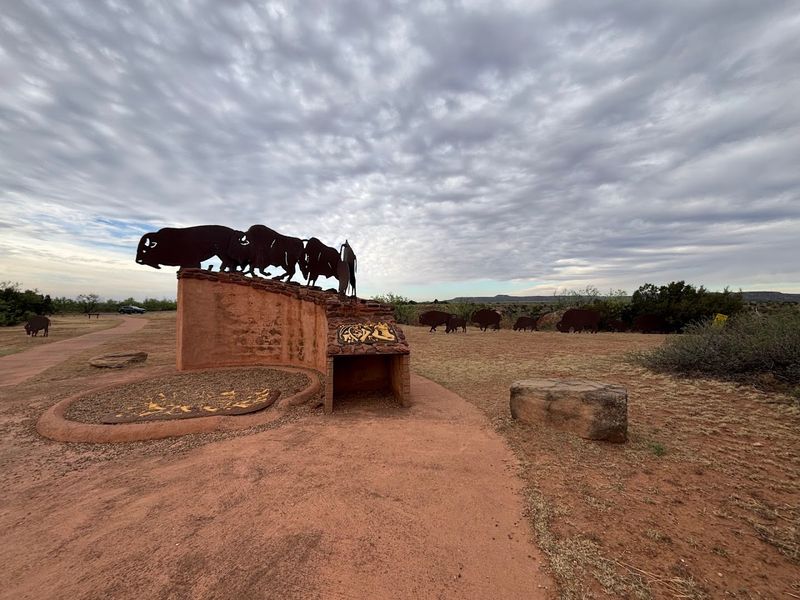
The Texas Panhandle surprises people who think it’s nothing but flat farmland. Caprock Canyons carves dramatic relief into the landscape, with colorful red rock formations, juniper-covered slopes, and grasslands that stretch to the horizon. The park is home to the official Texas State Bison Herd, descendants of the Southern Plains bison that once roamed this region by the millions.
Spotting the bison is a highlight of any visit, though they’re wild animals and their location changes constantly. Sometimes they’re visible from the road, other times you’ll need to hike into the backcountry to find them. Watching these massive animals graze against the backdrop of red canyons creates a powerful connection to the region’s history and the people who depended on these herds for survival.
The park offers over 90 miles of trails for hiking, mountain biking, and horseback riding, including the Trailway that follows an old railroad bed through a tunnel and along the canyon floor. Upper Canyon Trail provides stunning views from the rim, while Eagle Point Trail leads to dramatic overlooks perfect for sunset watching. The terrain varies from easy, flat sections to steep, rocky climbs that challenge your endurance.
Geology enthusiasts appreciate the exposed layers of rock representing millions of years of history, from ancient seabeds to windblown sand deposits. The colorful strata create striking patterns, especially in morning and evening light when shadows emphasize the formations. Fossils occasionally appear in the rock layers, remnants of creatures that lived here long before humans arrived.
Camping options include both developed sites with amenities and primitive backcountry camping for those seeking solitude. The park rarely feels crowded, even during peak seasons, giving you plenty of space to explore without bumping into other visitors. Night skies are phenomenal, with minimal light pollution allowing the Milky Way to shine brilliantly overhead.
Weather can be extreme, with hot summers, cold winters, and winds that seem to blow constantly. Spring and fall offer the most comfortable conditions, though you should always be prepared for rapid weather changes. The isolation and rugged beauty make this place special for anyone willing to venture off the beaten path.
8. Longhorn Cavern State Park (Burnet)
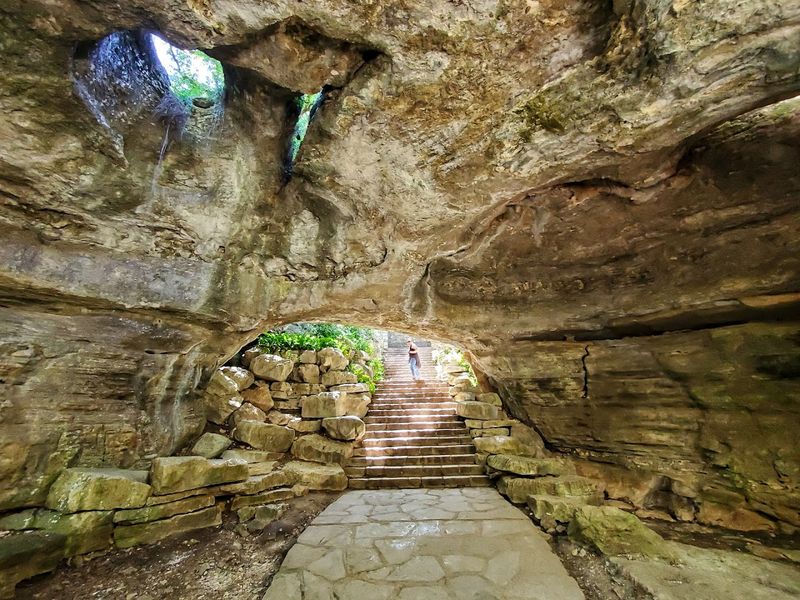
Unlike typical caverns formed by dripping water creating stalactites and stalagmites, Longhorn Cavern was carved by an ancient underground river that dissolved the limestone in unusual ways. The result is a cave system with smooth, flowing walls and chambers that look more like they were sculpted by an artist than formed by natural processes. Tours take you deep underground where the temperature stays a constant 68 degrees year-round, making it a perfect escape from Texas heat.
The cave has a colorful history beyond its geological significance. Comanche people used it for shelter centuries ago, Confederate soldiers allegedly manufactured gunpowder here during the Civil War, and during Prohibition it supposedly served as a speakeasy and dance hall. Whether all the legends are true is debatable, but they add an extra layer of intrigue to the underground experience.
Guided tours are the only way to explore the cavern, and they range from the standard walking tour to more adventurous wild cave expeditions that involve crawling through tight passages. The walking tour covers about 1.25 miles and takes roughly 90 minutes, with guides sharing both geological facts and historical stories. The smooth, worn pathways make it accessible for most fitness levels, though there are stairs and some uneven surfaces.
Above ground, the park sits in the Texas Hill Country with typical limestone terrain, juniper trees, and scenic views. Short hiking trails let you explore the surface landscape, and a picnic area provides a pleasant spot to relax before or after your cave tour. The park is small compared to others on this list, but the cavern itself is the main attraction and well worth the visit.
Tours book up quickly during peak seasons, especially on weekends and holidays, so reserving tickets in advance is highly recommended. The cave stays the same temperature year-round, but bringing a light jacket can make the experience more comfortable. Photography is allowed, though the lighting conditions underground can be challenging without proper equipment.
Located near Burnet and Inks Lake, the park makes a great addition to a Hill Country road trip. The town of Burnet offers dining options and supplies if you need anything before your visit.
9. Guadalupe River State Park (Spring Branch)
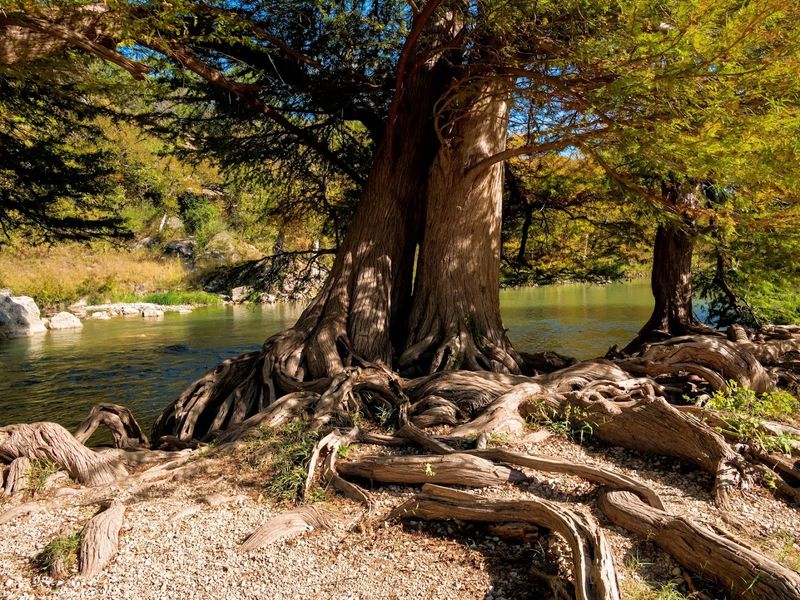
The Guadalupe River flows crystal-clear through this park, creating one of the most beautiful swimming and tubing spots in the Hill Country. Unlike the crowded sections near New Braunfels, this stretch remains relatively peaceful, with towering bald cypress trees lining the banks and limestone bedrock forming natural pools and rapids. The water stays refreshingly cool even during the hottest summer days, fed by springs that maintain consistent flow and temperature.
Swimming and wading are popular activities, with several access points along the river offering different experiences. Some areas feature gentle current perfect for floating, while others have small rapids that add excitement. The limestone bottom stays mostly smooth, though water shoes help protect your feet from occasional rough spots.
Families with young children appreciate the shallow areas where kids can splash safely.
Hiking trails wind through the park, including a challenging route that climbs onto the ridge above the river for panoramic views. The terrain includes typical Hill Country features like rocky outcrops, juniper and oak forests, and seasonal wildflowers. Spring visits reward you with bluebonnets and other colorful blooms, while fall brings cooler temperatures and changing foliage.
The park connects to Honey Creek State Natural Area, which offers guided tours on Saturdays showcasing pristine Hill Country habitat. These tours require reservations but provide access to areas normally closed to the public, including a spring-fed creek with incredibly clear water and diverse plant communities. The natural area protects species and ecosystems that have disappeared from much of the region due to development.
Camping facilities include both RV sites and tent camping, with some sites positioned close to the river for easy access. Weekends during summer fill up quickly, so booking well in advance ensures you get a spot. The park also offers equestrian camping and trails for horseback riding.
Located between San Antonio and Boerne, the park is easily accessible yet feels remote once you’re inside its boundaries. The combination of beautiful river scenery, excellent swimming, and good hiking makes it a well-rounded destination. Just remember that summer weekends can get busy, so visiting during weekdays or off-season provides a more peaceful experience.
10. Franklin Mountains State Park (El Paso)
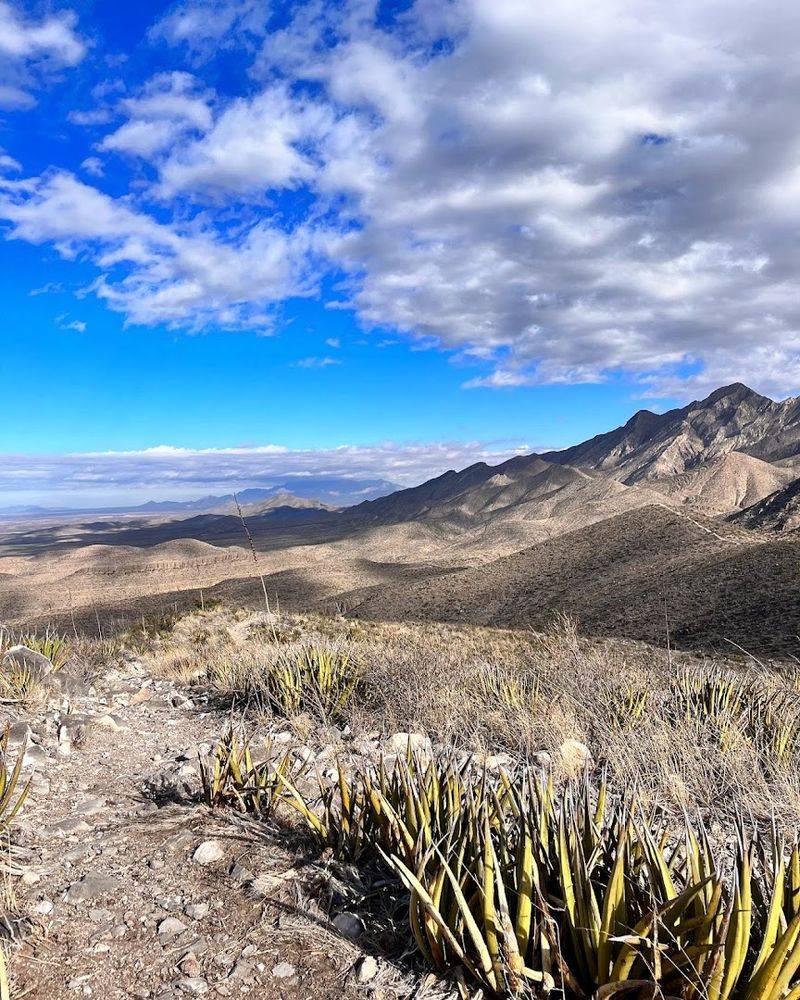
This is the largest urban park in the United States, covering over 24,000 acres of Chihuahuan Desert mountain terrain right within El Paso city limits. The Franklin Mountains rise dramatically from the desert floor, creating a rugged landscape of rocky peaks, steep canyons, and slopes covered in desert vegetation. From the summits, you can see three states and two countries, with views stretching across El Paso, Juarez, and into New Mexico.
Hiking opportunities range from easy nature walks to extremely challenging peak climbs that test even experienced hikers. North Franklin Peak, the highest point at 7,192 feet, requires a strenuous 6-mile round-trip hike with significant elevation gain, but the summit views are absolutely worth the effort. Less intense options like Aztec Cave Trail lead to interesting rock formations and Native American rock art sites.
Mountain biking trails wind through the foothills and canyons, offering technical challenges and fast descents that attract riders from across the region. The rocky terrain demands good bike handling skills, but the scenery and variety of routes keep it interesting. Rock climbing is also popular, with numerous established routes on the park’s cliffs and boulders.
The Chihuahuan Desert ecosystem here supports surprising biodiversity, with plants like ocotillo, sotol, and various cacti adapted to harsh conditions. Wildlife includes mule deer, coyotes, roadrunners, and numerous reptile species that thrive in the arid environment. Golden eagles and other raptors soar on thermals rising from the heated rock faces.
Wyler Aerial Tramway, located within the park, carries visitors to Ranger Peak for spectacular views without the hike. The tramway provides access for people who can’t or don’t want to hike but still want to experience the mountain scenery. At the top, interpretive displays explain the geology, ecology, and history of the Franklin Mountains.
Summer heat is intense, with temperatures regularly exceeding 100 degrees and exposed trails offering little shade. Winter and spring are ideal visiting seasons, with comfortable temperatures and occasional snow dusting the peaks. Always carry plenty of water, as the dry desert air and physical exertion cause rapid dehydration.
The park’s proximity to El Paso makes it convenient for quick visits, yet it feels wild and remote once you’re on the trails.
11. Devils River State Natural Area (Del Rio)
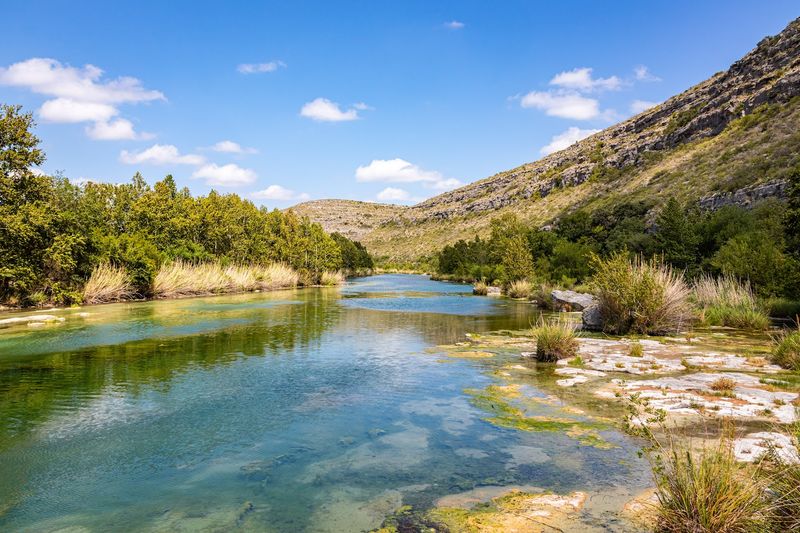
Getting here is half the adventure. Devils River State Natural Area sits at the end of a 42-mile dirt road that requires a high-clearance vehicle and a sense of adventure. The remoteness keeps crowds away and preserves one of the most pristine river ecosystems in Texas.
The Devils River flows clear and cold, fed by springs that maintain consistent water quality and temperature even during droughts that dry up other waterways.
The water is so clear you can see every rock and fish on the bottom, even in pools over 10 feet deep. Paddling or floating the river provides access to a landscape that feels untouched by modern civilization, with towering limestone cliffs, caves, and canyons carved over millennia. The current varies from gentle drifts to Class II rapids that add excitement without being dangerous for competent paddlers.
Fishing in the Devils River is exceptional, with healthy populations of bass, catfish, and sunfish thriving in the clean water. The river supports several species found nowhere else, making it ecologically significant beyond just being beautiful. Catch-and-release practices help maintain the fishery for future generations.
Hiking opportunities are limited compared to other parks, but the riverside trails and exploration of side canyons provide plenty to discover. Rock art sites created by prehistoric peoples appear on cliff faces and in rock shelters, protected remnants of cultures that inhabited this region thousands of years ago. These archaeological sites are fragile and legally protected, so looking without touching is essential.
Camping is primitive, with no hookups or modern amenities. You must be completely self-sufficient, bringing all water, food, and supplies you’ll need. The nearest town with services is Del Rio, over 40 miles away on rough roads.
Cell phone service is nonexistent, adding to the sense of isolation and wilderness.
The natural area requires reservations and limits the number of visitors allowed at one time, helping maintain the pristine conditions. Planning well in advance is necessary, especially for peak seasons when permits book up months ahead. The effort required to reach this place and the limited access mean you’ll likely have the river mostly to yourself, a rare luxury in modern Texas where truly wild places are increasingly scarce.
Share this story