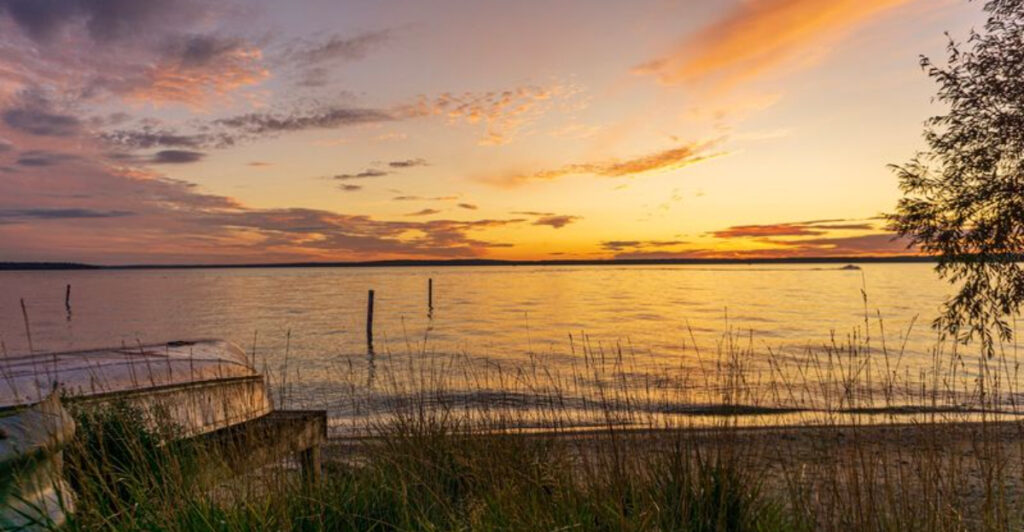
Michigan is surrounded by freshwater on almost every side, and that means camping here hits different. Whether you’re pitching a tent beside a sandy Lake Michigan beach or waking up to a glassy inland lake at sunrise, the options are genuinely hard to beat.
Summer 2026 is the perfect time to stop scrolling and start planning, because these 12 waterfront campgrounds across the state are the real deal.
1. Twin Lakes State Park, Toivola
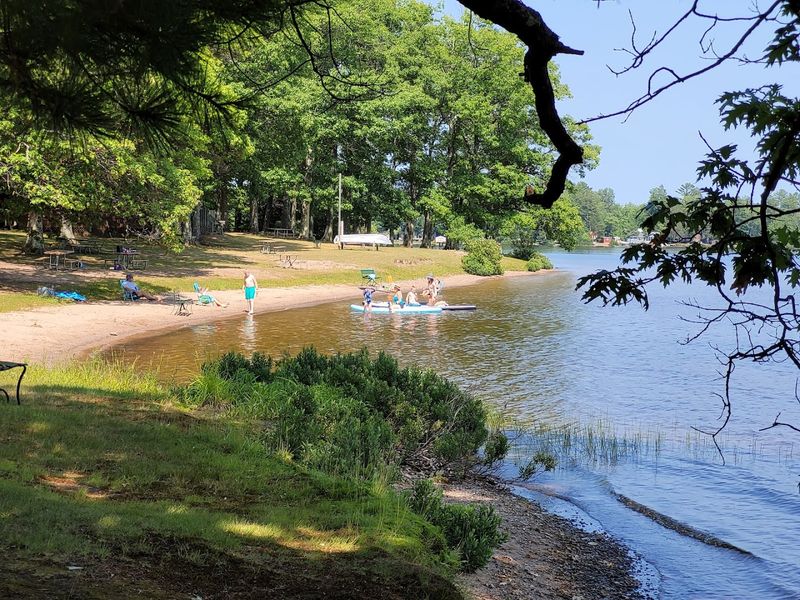
Tucked away in the Upper Peninsula near the small community of Toivola, Twin Lakes State Park is the kind of place that makes you wonder why you ever bothered with crowded resort towns. Sitting between two connected lakes, this park offers a quieter, more intimate camping experience that feels genuinely off the beaten path.
The surrounding landscape is classic U.P. — thick forests, clean air, and wildlife that outnumber the tourists.
The campground itself sits close enough to the water that you can hear it from your tent. Fishing is a major draw here, with both lakes offering solid catches for anglers of all skill levels.
Swimmers and kayakers love the calm, clear water, and the lack of heavy motorboat traffic keeps things relaxed and safe for younger kids.
What really makes Twin Lakes stand out is its low-key atmosphere. This isn’t a campground that sells out months in advance because influencers posted about it — it’s a local favorite that rewards those who do a little digging.
Facilities are basic but well-maintained, with modern restrooms and a boat launch that makes getting on the water effortless.
The nearby town of Toivola has a small-town charm that fits perfectly with the camping vibe. You’re also not far from the Keweenaw Peninsula, so day trips to explore copper country history or hike dramatic rocky shorelines are totally doable.
If you want a 2026 summer trip that feels like a genuine escape rather than a tourist checklist, Twin Lakes is worth every mile of the drive up north. Book early — word is slowly getting out about this gem.
2. Grand Haven State Park, Grand Haven
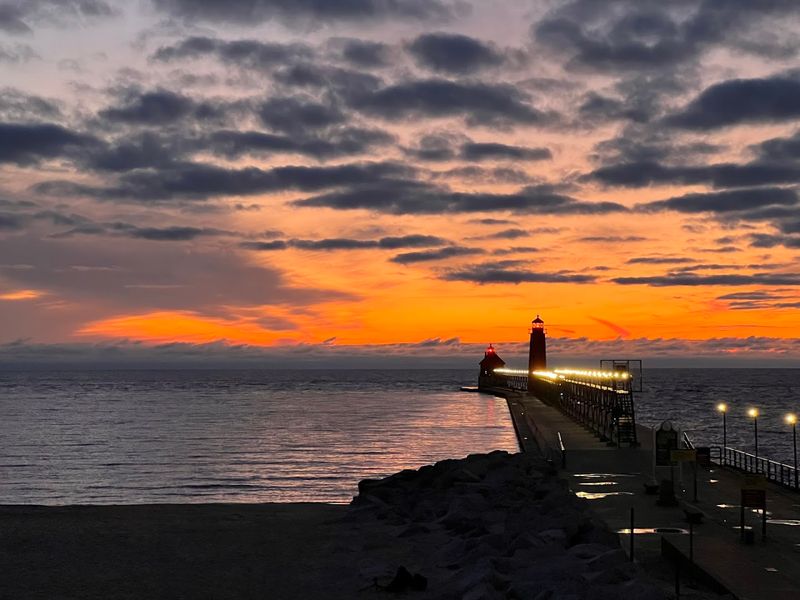
Few campgrounds in Michigan have an address as impressive as Grand Haven State Park. You’re camping on Lake Michigan — not near it, not a short walk from it, but right on it.
The campground sits directly on the sandy shoreline, which means your morning view could involve crashing waves and a sky that turns every shade of orange before 7 a.m. That’s not an exaggeration; it’s just Tuesday at Grand Haven.
The iconic red lighthouse at the mouth of the Grand River is one of the most photographed spots in the entire state, and you’ll be able to walk to it from your campsite. The boardwalk connecting the campground to downtown Grand Haven is a huge bonus, putting restaurants, ice cream shops, and the famous musical fountain within easy reach.
Summer evenings here have a festive energy that’s hard to replicate anywhere else.
Because of its popularity, reservations fill up fast — sometimes within minutes of the booking window opening. Planning ahead for 2026 is not optional if you want a spot here.
Sites are relatively close together, so this isn’t the place for solitude seekers, but it’s absolutely perfect for families and friend groups who want a lively beach-town atmosphere.
Swimming conditions are generally excellent, and lifeguards are on duty during peak season, which is a genuine comfort for parents with young kids. The sand is soft and clean, and the sunsets over Lake Michigan from this spot are the kind that make people go quiet mid-conversation.
Grand Haven State Park isn’t just a campground — it’s a full Michigan summer experience packed into one location. Come ready to stay longer than planned.
3. Lake Hudson Recreation Area, Clayton
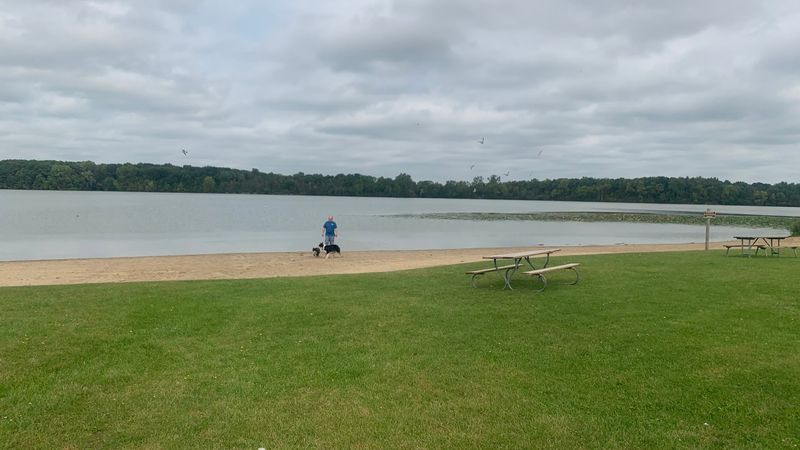
Lake Hudson Recreation Area doesn’t get the same headlines as some of Michigan’s bigger state parks, and honestly, that’s a big part of its charm. Located in Lenawee County near the small town of Clayton, this spot offers a quiet, uncrowded camping experience centered around a beautiful 700-acre lake.
If you’ve been burned by overbooked campgrounds before, this is your antidote.
The lake itself is the star of the show. It’s a no-wake lake for most of its designated areas, which keeps the water calm and makes it fantastic for kayaking, canoeing, and swimming without worrying about powerboat wakes.
Fishing is also popular here, with bass and panfish keeping anglers entertained for hours. The campground loops are shaded and spacious enough to feel comfortable without being cramped.
Wildlife watching is surprisingly good at Lake Hudson. The surrounding wetlands and woodlands attract a wide variety of birds, making it a quiet favorite among birdwatchers who bring binoculars alongside their camping gear.
Deer sightings near the campground are common, especially in the early morning and evening hours when the park is at its most peaceful.
Being in southern Michigan, Lake Hudson is more accessible for campers coming from Detroit, Toledo, or other cities in the southeast corner of the state. That makes it a practical choice for a long weekend without a major road trip commitment.
The facilities are clean and functional, and the overall vibe is relaxed and family-friendly without being chaotic. For 2026, if you want a waterfront campground that feels like a well-kept secret, Lake Hudson Recreation Area deserves a serious spot on your shortlist.
Sometimes the quieter pick is the smarter one.
4. Aloha State Park, Cheboygan Area
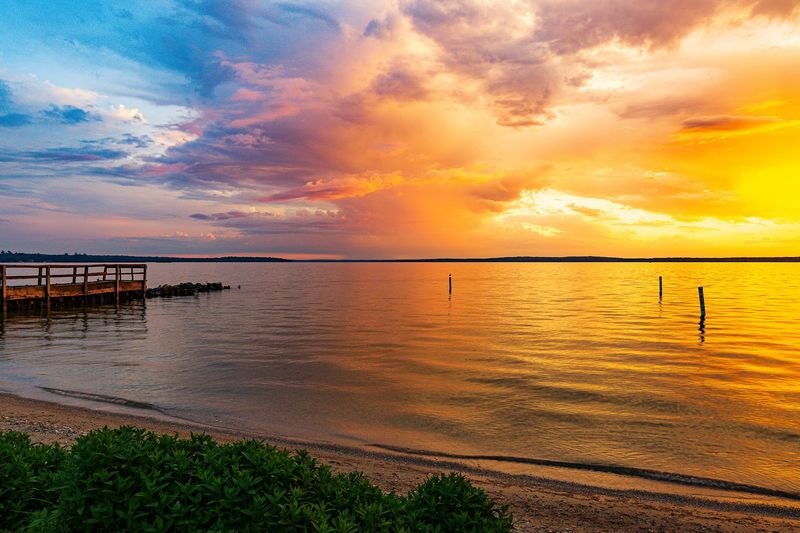
Sitting on the shores of Mullett Lake in northern Michigan, Aloha State Park is one of those campgrounds that regular visitors return to year after year without needing much convincing. The name alone sparks curiosity — and the setting absolutely delivers.
Mullett Lake is one of Michigan’s deepest inland lakes, and its clear, cold water is a swimmer’s dream on a hot July afternoon.
The campground is well-positioned right along the waterfront, with many sites offering direct lake access or at least a short walk to the shore. A boat launch makes it easy to get watercraft on the water, and the lake’s size and depth make it popular with water skiers and boaters during summer weekends.
If you prefer a slower pace, paddling along the shoreline in the early morning before the powerboats wake up is genuinely magical.
Aloha sits close to Cheboygan, which gives campers easy access to a real town with grocery stores, restaurants, and hardware stores — all the things you realize you need after the first night of camping. The Cheboygan area also connects to the Inland Waterway, a chain of lakes and rivers that runs through northern Michigan and offers some of the best boating routes in the state.
Campsites here fill up quickly in peak summer, particularly on holiday weekends, so getting your 2026 reservation locked in early is strongly recommended. The park has modern amenities including flush toilets and showers, which tend to matter more on day four of a camping trip than they do on day one.
Aloha State Park is a northern Michigan classic for good reason — it combines natural beauty with real convenience in a way that’s hard to argue with.
5. Holland State Park, Holland
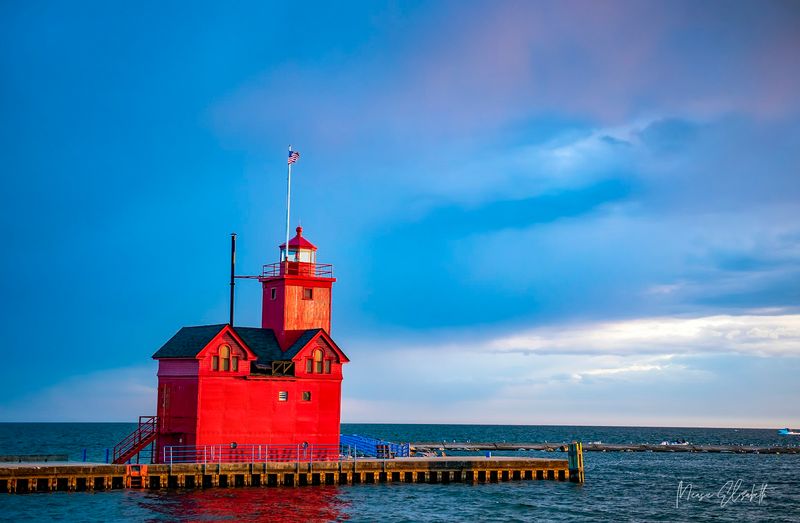
Holland State Park is one of those places that shows up on Michigan’s greatest-hits list for a reason. Positioned where the Black River meets Lake Michigan, the park offers a double dose of waterfront camping — you can set up camp near the inland lake side or closer to the big lake beach, depending on your preference.
Either way, you’re never far from the water.
The beach here is genuinely stunning. Soft white sand, clear blue water, and that famous Big Red lighthouse framing the channel entrance make it one of the most visually striking campgrounds in the Lower Peninsula.
Sunsets over Lake Michigan from this stretch of shoreline have earned a loyal fan base among photographers, families, and anyone who appreciates a view worth staring at for twenty minutes straight.
The city of Holland adds serious value to a camping trip here. Dutch architecture, tulip-season charm, and a downtown packed with great restaurants and shops are all within easy reach.
Even outside of the famous Tulip Time Festival in spring, Holland is a genuinely fun town to spend a few hours in between beach sessions. The mix of outdoor relaxation and easy urban access is a combination not every campground can offer.
Reservations at Holland State Park are competitive, particularly for the lakeside sites. The park is popular with families, couples, and friend groups alike, which creates a lively but manageable atmosphere during the summer months.
Facilities are well-maintained and the park staff are known for being helpful and friendly. If your 2026 summer includes a Lake Michigan beach experience, Holland State Park should be near the top of your planning list.
It earns its reputation every single season.
6. J.W. Wells State Park, Cedar River
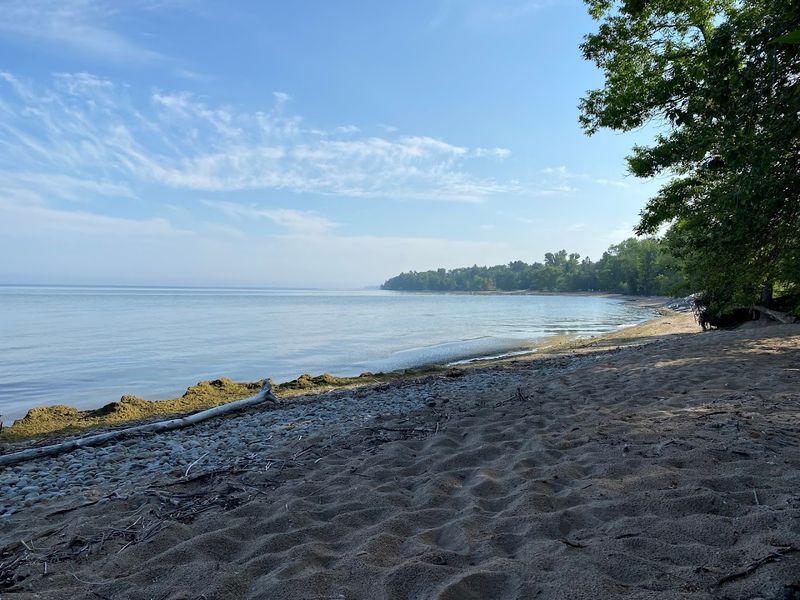
Green Bay gets a lot of attention for football, but the stretch of shoreline at J.W. Wells State Park in the Upper Peninsula is worth celebrating in its own right.
Located near Cedar River in Menominee County, this park sits right on Green Bay and offers a waterfront camping experience that feels distinctly different from the Lake Michigan beach scene further north. The water here tends to be calmer and warmer, which makes it excellent for swimming.
The park spans nearly 700 acres and includes three miles of Green Bay shoreline, so there’s plenty of room to spread out and find your own quiet corner. Hiking trails wind through a mix of hardwood forests and open meadows, giving campers something to do beyond just sitting by the water — though sitting by the water here is genuinely a worthwhile activity.
The sunsets over Green Bay are softer and more golden than the dramatic Lake Michigan versions, and they have their own quiet beauty.
J.W. Wells is also a strong pick for families with younger kids.
The bay shoreline tends to be gentler than open Lake Michigan, with smaller waves and a more gradual entry into the water. The campground has both modern and rustic sites, plus a few cabins available for those who want the camping atmosphere without sleeping on the ground.
This park doesn’t get the same visitor volume as some of the more famous Lower Peninsula campgrounds, which works in your favor when booking. Getting a reservation here is significantly less stressful than competing for a Holland or Grand Haven site.
For 2026, J.W. Wells is a smart pick for anyone who wants genuine Upper Peninsula character with solid waterfront access and room to breathe.
7. North Higgins Lake State Park, Roscommon
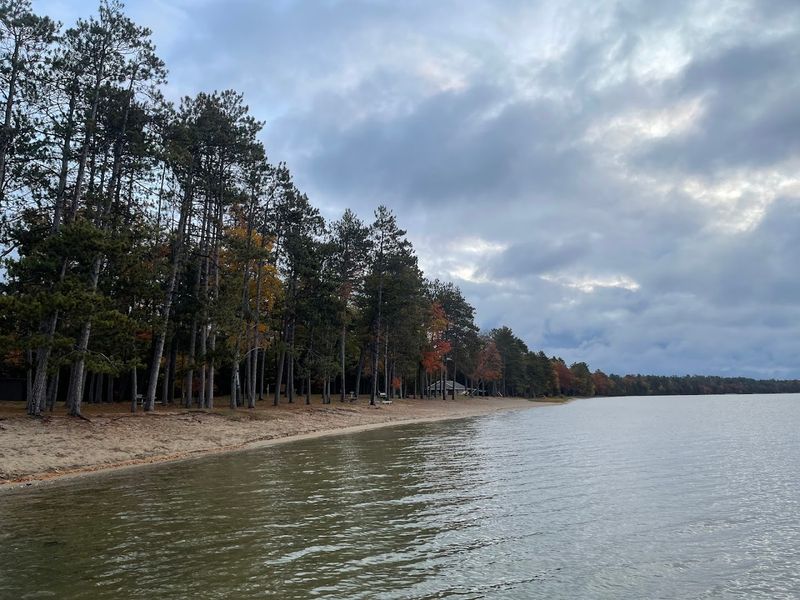
Higgins Lake has a reputation that precedes it — it’s been called one of the most beautiful lakes in the world, and while that might sound like tourist-brochure talk, the water’s clarity and color genuinely back it up. North Higgins Lake State Park sits on the northern shore and gives campers direct access to that legendary water.
On a clear summer day, the lake looks almost Caribbean, with shades of blue and green that seem too vivid to be real.
The campground is large and well-organized, with sites spread across a mix of open and wooded areas. Some sites are closer to the beach, and those tend to go fast for good reason.
The sandy swimming beach is clean and well-maintained, and the calm, clear water makes it ideal for snorkeling, paddleboarding, and just floating around with nowhere to be. Higgins Lake doesn’t allow personal watercraft, which keeps the vibe peaceful and the water clean.
Roscommon is a comfortable base town with enough amenities to cover anything you forgot to pack. The area also has strong connections to Michigan’s conservation history — the Civilian Conservation Corps (CCC) did significant work in this region during the 1930s, and you can still see the legacy of that work in the park’s infrastructure and surrounding forests.
History buffs will find that layer of context genuinely interesting.
North Higgins and its southern counterpart are both worth visiting, but the northern park tends to have a slightly more relaxed feel with a bit more space. For 2026, if you want to swim in water so clear you can count the rocks on the bottom from ten feet up, North Higgins Lake State Park is the place to make it happen.
Reserve as early as the system allows.
8. Charles Mears State Park, Pentwater
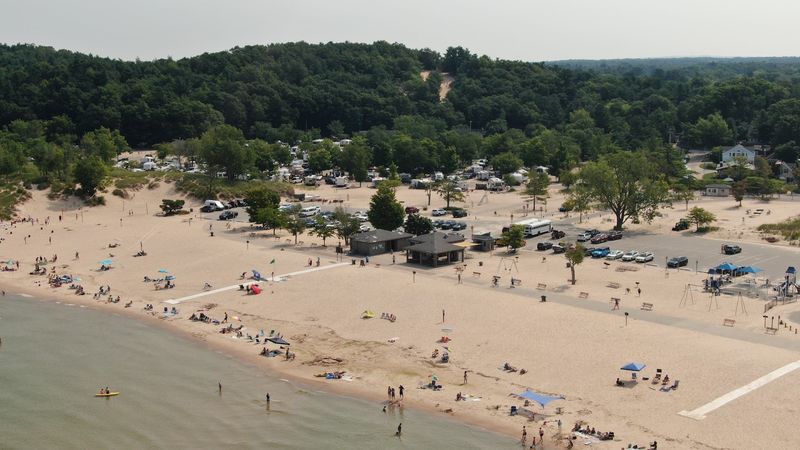
Pentwater is one of those small Michigan beach towns that locals are slightly protective of because they don’t want it to get too popular. Charles Mears State Park, sitting right on Lake Michigan at the edge of town, is a big reason for that protectiveness.
The campground is compact but well-positioned, with direct beach access and a small-town atmosphere that makes the whole experience feel more personal than a big resort park.
The beach at Charles Mears is genuinely beautiful — wide, sandy, and backed by low dunes that give the campground a natural windbreak. Lake Michigan swimming here is excellent in summer, with lifeguards typically on duty during peak hours.
The channel connecting Pentwater Lake to Lake Michigan is fun to watch as boats navigate in and out, and it adds a lively visual element to the shoreline experience.
Downtown Pentwater is a five-minute walk from the campground, which is a rare and valuable convenience. The town has a solid collection of restaurants, bakeries, ice cream spots, and small shops that feel genuinely local rather than tourist-manufactured.
Grabbing breakfast in town before a full beach day is one of those simple camping pleasures that Charles Mears makes easy to pull off.
The park is smaller than some of Michigan’s bigger state parks, so the number of available campsites is limited. That means competition for reservations is fierce during July and August.
If you’re targeting a summer 2026 stay, mark the reservation opening date and be ready to book the moment it goes live. The combination of a walkable beach town and direct Lake Michigan access at Charles Mears is genuinely rare — and the people who’ve been going for years aren’t giving up their spots without a fight.
9. Port Crescent State Park, Port Austin
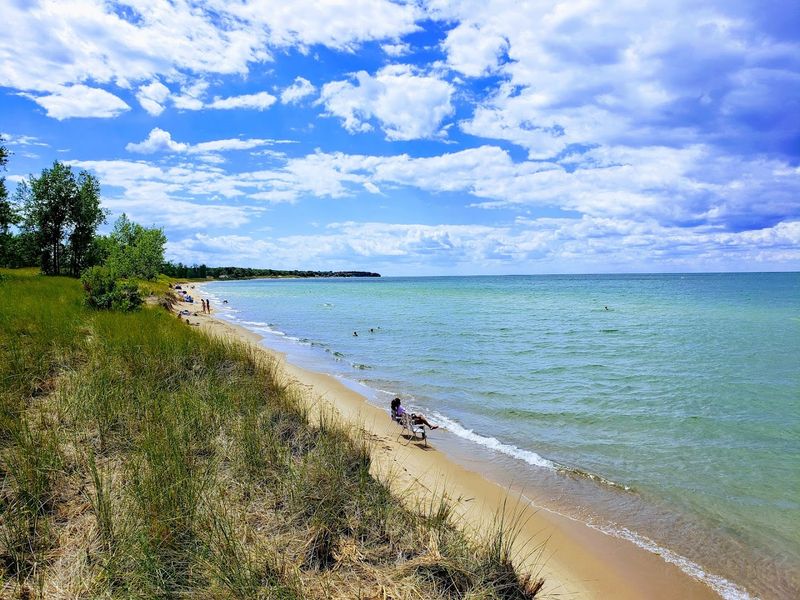
At the tip of Michigan’s Thumb, Port Crescent State Park offers something that most Lake Michigan campgrounds can’t — a front-row seat to some of the darkest, most star-filled skies in the Lower Peninsula. The park sits along Saginaw Bay and is recognized as one of Michigan’s best spots for stargazing, which adds a whole dimension to the camping experience that you won’t find at more urban parks.
Bring a blanket and plan to spend at least one night just looking up.
The crescent-shaped sandy beach that gives the park its name stretches for about three miles, making it one of the longer undeveloped beach stretches on this side of the state. Swimming is popular here, and the bay water tends to warm up nicely by midsummer.
The dunes and beach grass create a naturally beautiful backdrop that photographs well in any direction, at any time of day.
Hiking trails wind through the park’s wooded sections and along the shoreline, offering a nice change of pace from pure beach time. The Pinnebog River runs through the park and adds another water element for explorers who want to poke around in a more sheltered environment.
Wildlife, including shorebirds and the occasional bald eagle, shows up regularly enough that keeping a camera handy makes sense.
Port Austin is a quirky, artsy little town that complements the park experience nicely. Farm stands, local restaurants, and a relaxed community vibe make it worth exploring during your stay.
The Thumb region as a whole is underappreciated by campers who tend to default to the west side of the state, which means Port Crescent often has better availability than comparable parks. For 2026, this is a genuinely exciting pick that rewards curiosity and an open mind.
10. South Higgins Lake State Park, Roscommon
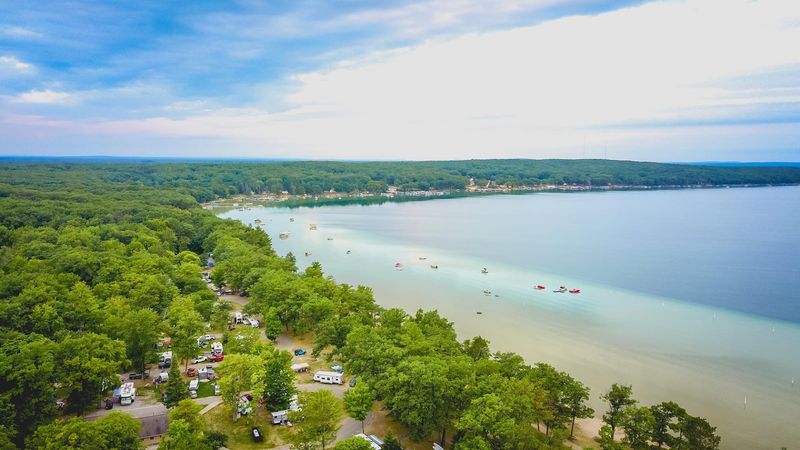
South Higgins Lake State Park sits on the opposite shore from its northern neighbor, and while both parks share the same extraordinary lake, they each have their own personality. The southern park is larger, with more campsites and a bigger beach area, making it a strong choice for groups or families who need more space to spread out.
The water is just as remarkable here — that famous Higgins Lake clarity doesn’t pick favorites between north and south.
The campground has a well-earned reputation as a family favorite. The beach is wide and gently sloping, making it safe and comfortable for young swimmers.
The park also has a boat launch, and because Higgins Lake prohibits personal watercraft, the water stays calm and pleasant for non-motorized activities like kayaking, canoeing, and paddleboarding. It’s the kind of lake that makes you want to stay in the water all day.
Evening campfires near the lake are a highlight here. The combination of pine-scented air, warm summer nights, and the soft sound of water creates an atmosphere that feels almost impossibly relaxing.
Neighboring campers tend to be friendly and low-key, contributing to a community feel that makes the park comfortable even during busy weekends.
South Higgins sits close to the town of Houghton Lake and the broader Roscommon area, giving campers access to restaurants, bait shops, and convenience stores without a long drive. The park’s size means more reservation availability compared to smaller parks, but the most desirable waterfront sites still go quickly.
For 2026, South Higgins Lake State Park is a reliable, high-quality choice that delivers on every front — beautiful water, solid facilities, and the kind of camping memories that stick around long after the summer ends.
11. Hoeft State Park, Rogers City Area
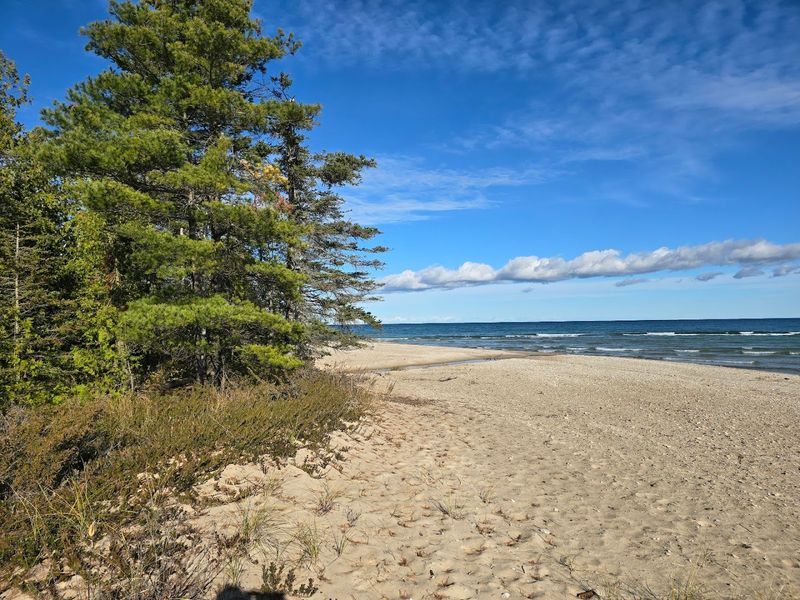
Rogers City isn’t a name that pops up on most camping radar, but that’s exactly the point. Hoeft State Park, just outside of town along Lake Huron’s northwestern shore, is one of northern Michigan’s most peaceful and underrated waterfront campgrounds.
The park stretches along a lovely stretch of Lake Huron shoreline with a sandy beach that never feels crowded, even in the height of summer. That alone is worth the drive.
The campground is tucked into a thick forest of conifers and hardwoods, giving individual sites a sense of privacy that’s harder to find at more popular parks. Waking up to the sound of Lake Huron and birdsong with no noise from neighboring sites is a camping experience that feels increasingly rare and valuable.
The beach is calm, clean, and perfect for long morning walks with coffee in hand.
Hiking trails connect the campground to the shoreline and wind through the surrounding forest, offering easy to moderate routes that are great for families. The park also has a playground and modern restroom facilities, making it comfortable for campers who appreciate amenities without sacrificing the natural setting.
Fishing along the Lake Huron shoreline can be productive, particularly for those targeting perch and smallmouth bass.
Rogers City itself is known as the world’s largest open-pit limestone quarry town — which sounds industrial but is actually fascinating to see up close. The town has a warm, working-class character and enough services to cover camping essentials.
Hoeft State Park fills a specific niche: it’s perfect for campers who want genuine Lake Huron shoreline access without fighting for reservations or sharing their beach with hundreds of strangers. For 2026, it’s a low-pressure, high-reward choice that deserves far more attention than it currently gets.
12. Indian Lake State Park, Manistique Area
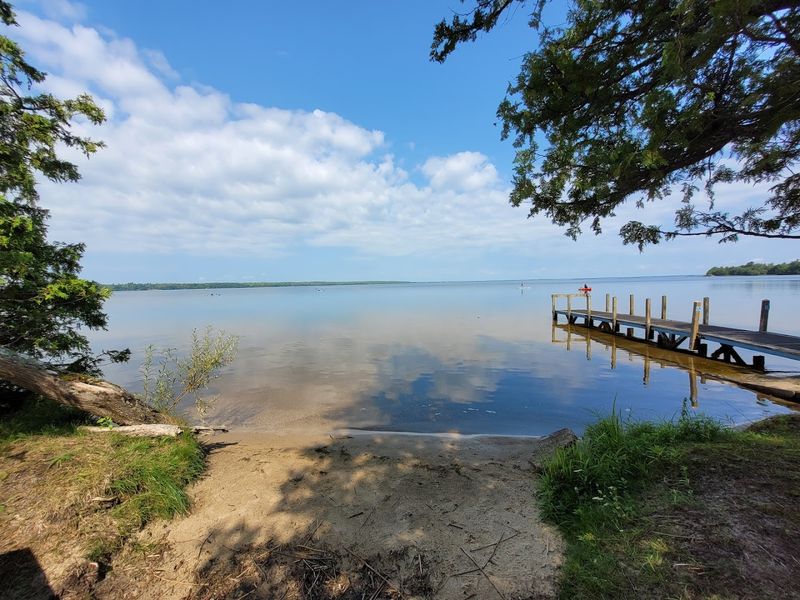
Indian Lake is the fourth-largest inland lake in Michigan, which means Indian Lake State Park has a lot of water to work with. Located near Manistique in the Upper Peninsula, this park offers a spacious, laid-back waterfront camping experience with a distinctly U.P. flavor.
The lake is large enough to keep boaters, anglers, and swimmers all happy at the same time without anyone feeling like they’re on top of each other.
The park actually has two separate campground units — one on the south shore and one on the west shore — giving campers a choice of setting and exposure. The south unit tends to have better beach access, while the west unit offers a more wooded, sheltered feel.
Both are close to the water, and both give you that satisfying sense of waking up somewhere genuinely beautiful. Fishing on Indian Lake is well-regarded, with walleye, perch, and bass drawing anglers from across the region.
Manistique is a small but functional U.P. town with enough amenities to make a week-long stay comfortable. The nearby Kitch-iti-kipi spring — Michigan’s largest freshwater spring — is a must-see attraction just a short drive away.
Watching that crystal-clear, eerily still water bubble up from the earth is one of those natural experiences that sticks with you, and it pairs perfectly with a camping trip to this part of the U.P.
Indian Lake State Park tends to be more accessible than some of the more remote U.P. campgrounds while still delivering that genuine northern wilderness feel. Reservations are easier to secure here than at the most popular Lower Peninsula parks, making it a smart 2026 option for campers who want quality without the booking-day stress.
The U.P. rewards those who show up, and Indian Lake is a welcoming place to start.
Share this story