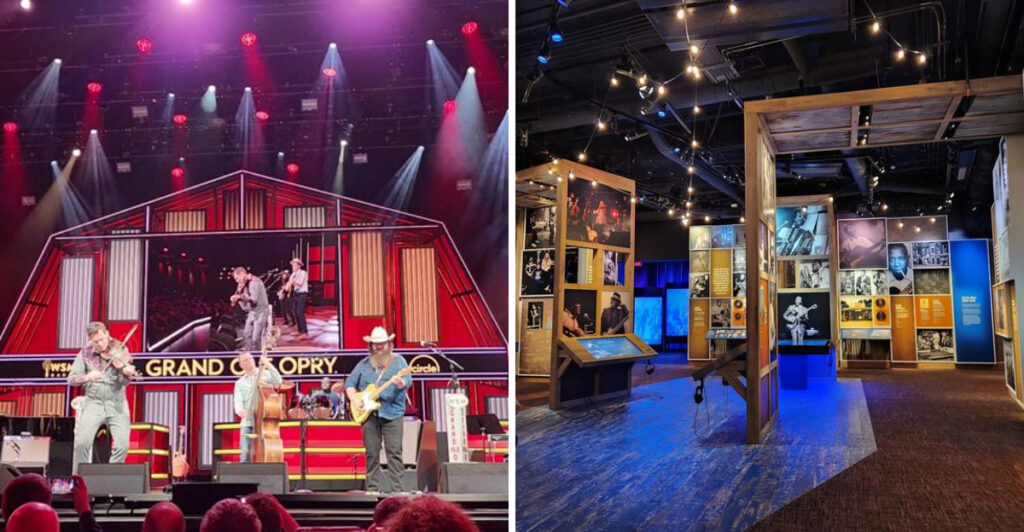
Nashville isn’t just about honky-tonks and hot chicken, though those are pretty amazing too. This city packs in world-class museums, historic landmarks, and family-friendly spots that deliver experiences you’ll remember long after you’ve headed home. Whether you’re a music lover, history buff, or just looking for a great day out, these attractions prove that some things are absolutely worth the splurge.
1. Country Music Hall of Fame and Museum
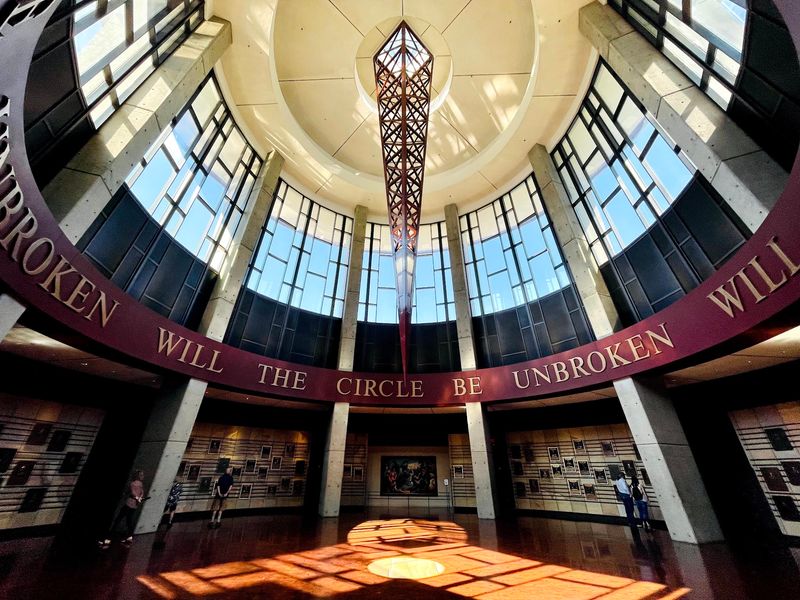
Walking through the Country Music Hall of Fame feels like stepping into the beating heart of American music history. The building itself catches your eye immediately with its unique design that mimics a bass clef, and once you’re inside, you’re surrounded by artifacts that tell stories spanning generations. From handwritten lyrics to glittering stage costumes, every corner reveals something that connects you to the legends who shaped country music.
The museum houses over 2.5 million artifacts, but don’t worry about feeling overwhelmed. The exhibits flow naturally, guiding you through different eras and styles while keeping things engaging and accessible. You’ll see Elvis’s gold Cadillac, Taylor Swift’s sparkly guitar, and countless treasures from artists you’ve loved your whole life.
Interactive displays let you mix your own tracks and explore the evolution of country sounds.
What makes this place special is how it honors both the superstars and the songwriters, producers, and session musicians who worked behind the scenes. You gain appreciation for the craft and collaboration that goes into every hit song. The rotating exhibits ensure there’s always something new to discover, even if you’ve visited before.
Plan to spend at least three hours here because rushing through would mean missing incredible details. The audio guides are excellent and add depth to what you’re seeing. Tickets might seem pricey at first glance, but the quality and breadth of what you experience make every dollar worthwhile.
This isn’t just a museum; it’s a celebration of creativity that continues to influence music worldwide.
2. Grand Ole Opry
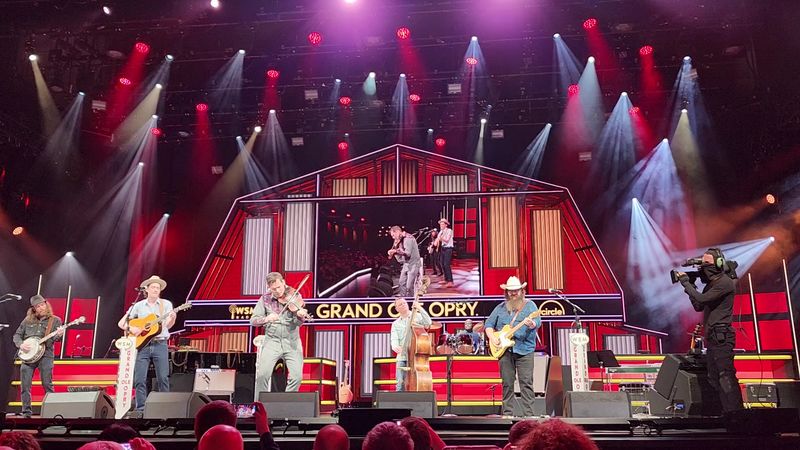
Attending a show at the Grand Ole Opry is like joining a tradition that’s been going strong since 1925. This isn’t your typical concert venue where you see one headliner and call it a night. Instead, you get a variety show featuring multiple artists across different country music styles, all packed into one unforgettable evening.
The energy in the room buzzes with anticipation as performers rotate on and off stage, each bringing their own flavor to the mix.
The famous wooden circle at center stage holds pieces of the original Ryman Auditorium floor, connecting today’s performances to nearly a century of music history. Standing in that circle is considered a career milestone for country artists. When you watch someone perform there, you’re witnessing a dream come true in real time.
What surprises many first-time visitors is how intimate the experience feels despite the venue’s size. The Opry House seats about 4,400 people, yet the layout and acoustics make you feel connected to what’s happening on stage. Between acts, you might catch glimpses of artists chatting backstage or preparing for their next set, adding a behind-the-scenes element to the show.
Ticket prices vary depending on seating, but even the more affordable options give you a fantastic view and sound quality. Shows typically run on Friday and Saturday nights, with occasional Tuesday performances. Booking ahead is smart because popular dates sell out quickly.
The Grand Ole Opry delivers pure entertainment that spans generations, making it worth every cent you spend to be part of this living legend.
3. Ryman Auditorium
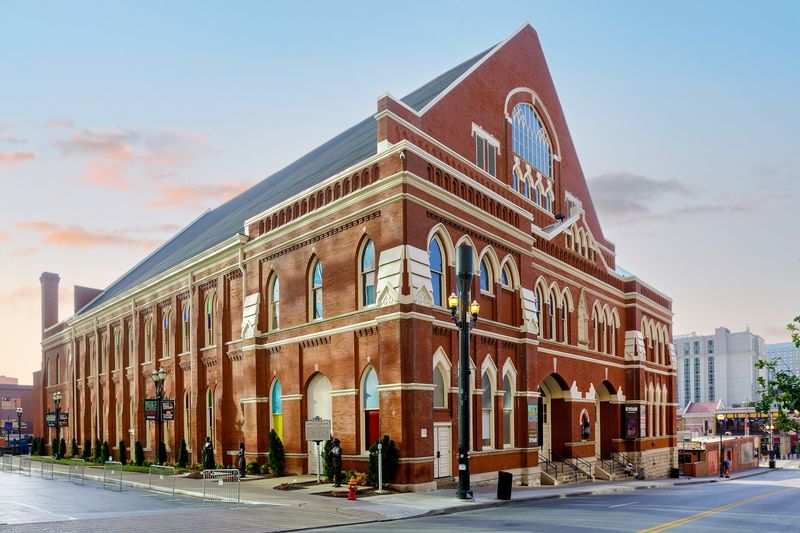
The Ryman Auditorium stands as a testament to Nashville’s evolution from a religious gathering place to the birthplace of bluegrass and the original home of the Grand Ole Opry. Built in 1892 as a tabernacle, this red-brick building has witnessed countless legendary performances that shaped American music. Walking through its doors feels like traveling back in time, with wooden pews instead of modern theater seats creating an atmosphere unlike any other venue.
Acoustics here are phenomenal, often described as some of the best in the world. Artists from every genre have praised how the space naturally amplifies sound without electronic enhancement. That’s why musicians still crave the opportunity to perform on this stage, even though the Opry moved to a larger facility decades ago.
The intimacy of the space means every seat offers a special experience.
During the day, you can take self-guided tours that let you explore at your own pace, reading about the building’s history and the stars who graced its stage. You’ll learn about everyone from Patsy Cline to Johnny Cash, from Aretha Franklin to Foo Fighters. The backstage area reveals dressing rooms where nervous performers prepared for career-defining moments.
Evening concerts bring the Ryman to life in ways tours can’t capture. The energy of a live audience combined with the venue’s historic soul creates magic that recordings can’t replicate. Tickets range from reasonable to splurge-worthy depending on the artist, but experiencing music in this sacred space justifies the investment.
The Ryman isn’t just a building; it’s where music history continues to unfold.
4. National Museum of African American Music
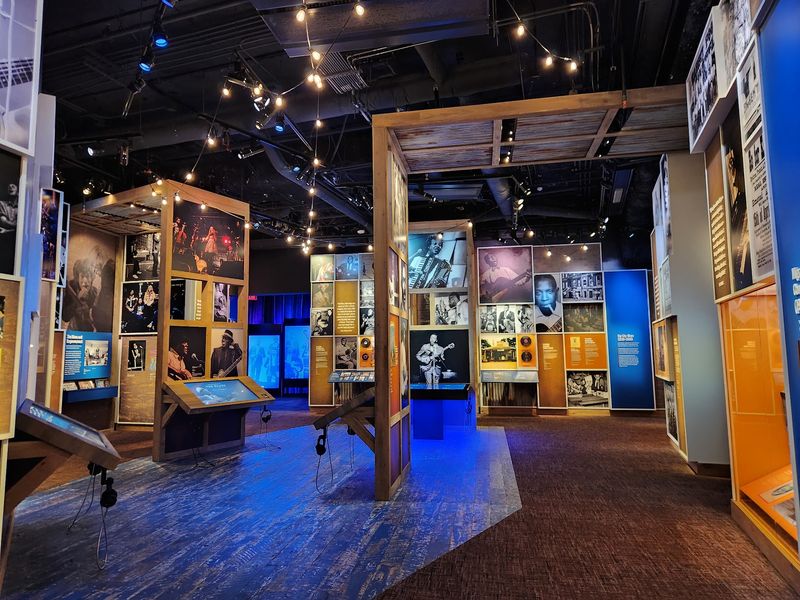
Opening in 2021, the National Museum of African American Music fills a gap that existed far too long in America’s cultural landscape. This museum celebrates the achievements and influence of Black artists across every music genre imaginable, from gospel and blues to hip-hop and R&B. The five-floor space uses cutting-edge technology and immersive exhibits to tell stories that deserve recognition and remembrance.
Interactive elements throughout the museum let you engage directly with the music rather than just reading about it. You can step into recording booths, remix tracks, and explore how different genres evolved and influenced each other. Touch screens provide deep information about specific artists, movements, and historical moments that shaped American music.
The museum doesn’t shy away from difficult topics, addressing how systemic racism affected Black musicians while highlighting their resilience and creativity.
One particularly powerful section focuses on the Great Migration and how it spread musical styles across the country as African Americans moved from the South to northern cities. You see how location influenced sound and how artists adapted their music to new audiences while maintaining cultural roots. Personal stories from musicians add emotional weight to the historical context.
The museum also hosts live performances, workshops, and special events that keep the space dynamic and relevant. These programs connect historical achievements to contemporary artists who continue the tradition. Admission prices are reasonable, especially considering the quality and scope of what you experience.
Student and senior discounts make it even more accessible. Spending a few hours here will fundamentally change how you listen to and appreciate American music.
5. The Parthenon
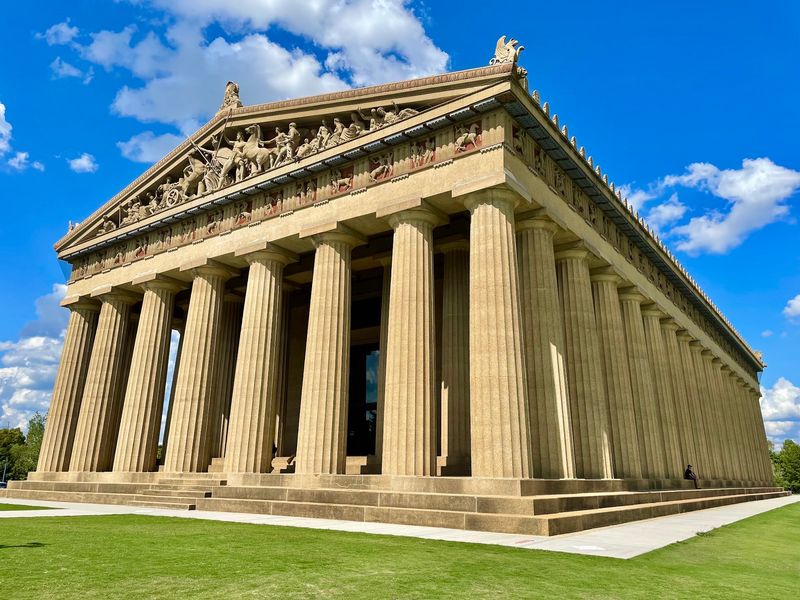
Yes, Nashville has a full-scale replica of the ancient Greek Parthenon, and no, that’s not a typo. Built in 1897 for Tennessee’s Centennial Exposition, this remarkable structure was originally meant to be temporary but proved so popular that the city rebuilt it with permanent materials in the 1920s. Standing in Centennial Park, it serves as an art museum and a quirky reminder of Nashville’s nickname as the “Athens of the South.”
The exterior replicates the original Parthenon’s dimensions and architectural details with impressive accuracy. Walking around it gives you a sense of ancient Greece’s grandeur without booking a transatlantic flight. Inside, you’ll find the tallest indoor statue in the Western world: a 42-foot recreation of Athena Parthenos, complete with gold leaf and vivid colors that show what the original might have looked like before centuries of wear.
The lower level houses an art gallery featuring 19th and 20th-century American paintings from the museum’s permanent collection. Rotating exhibits bring in different artists and styles throughout the year. The combination of classical architecture and American art creates an unexpected but fascinating cultural experience.
Natural light filtering through the columns adds to the gallery’s appeal.
Admission costs are modest, making this one of Nashville’s best bargains for the amount of uniqueness you get. The surrounding park offers beautiful walking paths, a lake, and plenty of space for picnics. Visiting during golden hour provides stunning photo opportunities as sunlight hits the columns.
Whether you’re an architecture enthusiast, art lover, or just someone who appreciates the wonderfully weird, the Parthenon delivers an experience you won’t find anywhere else in America.
6. Nashville Zoo at Grassmere

Sprawling across 188 acres, Nashville Zoo offers way more than your typical animal viewing experience. The zoo focuses on creating naturalistic habitats that let animals behave as they would in the wild, which means you see more interesting behaviors and interactions. From meerkats popping up from burrows to red pandas climbing through trees, the exhibits encourage animals to be active and engaged rather than just sitting around.
The zoo’s layout takes you on a journey through different ecosystems and regions. Expedition Peru immerses you in a South American rainforest environment where you can spot jaguars, spectacled bears, and colorful birds. The African Savanna brings you face-to-face with giraffes you can feed by hand, an experience that delights kids and adults equally.
Watching a giraffe’s purple tongue wrap around lettuce from your palm creates a connection you’ll remember forever.
Alligator Bay showcases native Tennessee wildlife, reminding visitors that incredible creatures live right in their own backyard. The Croft Center for Herpetology houses an impressive reptile collection with species from around the world. Educational programs throughout the day teach visitors about conservation efforts and what they can do to protect endangered species.
The zoo’s playground areas give kids space to burn energy between exhibits, and multiple dining options mean you can easily spend an entire day here without leaving. Seasonal events like Boo at the Zoo add extra value to memberships. While daily admission might seem steep for larger families, annual memberships pay for themselves after just two visits.
The zoo’s commitment to animal welfare, conservation, and education makes supporting them feel good while you enjoy a fantastic day out.
7. Andrew Jackson’s Hermitage
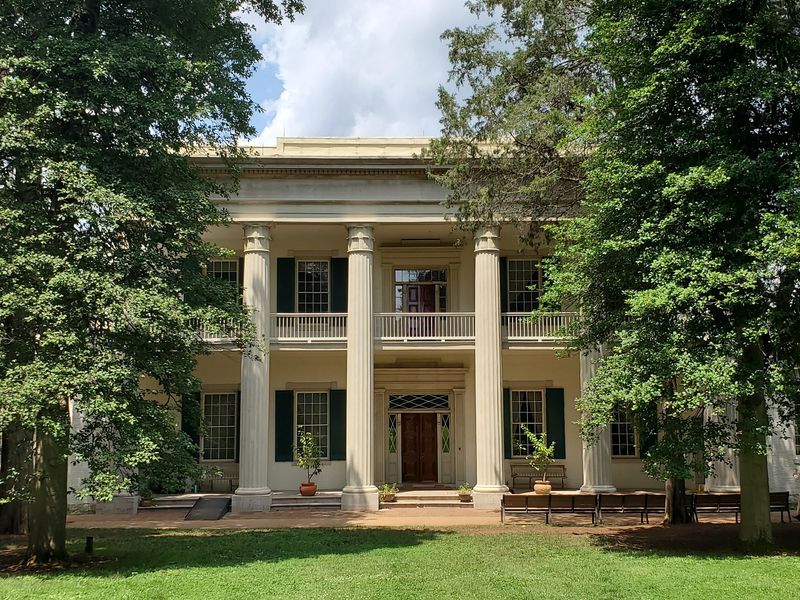
Andrew Jackson’s Hermitage offers a complex and honest look at one of America’s most controversial presidents. The 1,120-acre estate includes Jackson’s mansion, original outbuildings, gardens, and the slave quarters that supported the plantation’s operations. Modern interpretations don’t gloss over the difficult aspects of Jackson’s legacy, including his role in Native American removal and his ownership of enslaved people.
This balanced approach makes the site valuable for understanding American history in all its complicated reality.
The mansion itself has been meticulously preserved, with many original furnishings and personal items that belonged to Jackson and his wife Rachel. Guided tours take you through rooms where political decisions were made and family life unfolded. You learn about Jackson’s military career, his presidency, and his personal relationships.
The guides answer tough questions about slavery and Jackson’s policies with historical accuracy rather than defensiveness.
Walking the grounds provides perspective on how the plantation functioned as a self-contained community. The slave quarters and archaeological sites reveal stories of the people who were forced to work here. Educational programs focus on these often-overlooked narratives, giving voice to those who couldn’t tell their own stories during their lifetimes.
The property includes miles of trails, Jackson’s tomb, and beautiful gardens that Rachel designed. Seasonal events and living history demonstrations bring different eras to life. Admission prices include access to everything on the property, and audio tours are available in multiple languages.
Spending half a day here gives you time to explore thoroughly and reflect on what you’ve learned. The Hermitage challenges visitors to think critically about history rather than just celebrating it.
8. Johnny Cash Museum
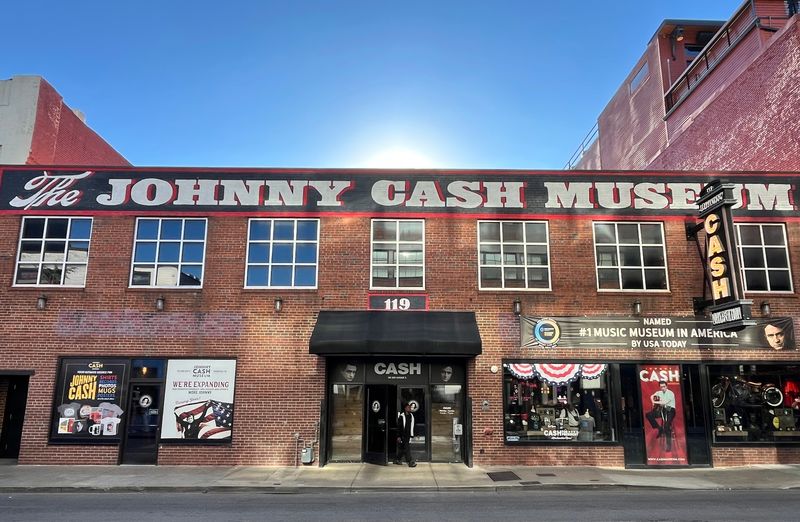
Johnny Cash’s life story reads like an epic novel filled with triumph, struggle, redemption, and unwavering creativity. The museum dedicated to the Man in Black captures all these dimensions through an impressive collection of artifacts spanning his entire career. From his humble beginnings in Arkansas to his status as a cultural icon, every phase gets attention and context.
You don’t need to be a die-hard fan to appreciate the journey; the exhibits make his story accessible and compelling to everyone.
The collection includes handwritten lyrics that show Cash’s creative process, complete with cross-outs and revisions. You see the vulnerability behind the tough exterior as you read personal letters and view family photographs. Stage costumes demonstrate his evolution from a young rockabilly performer to the legend in black who commanded stages worldwide.
His guitars, awards, and gold records fill the space with tangible evidence of his impact on music.
What sets this museum apart is how it addresses Cash’s struggles with addiction and his spiritual journey alongside his professional achievements. The narrative doesn’t sanitize his life or present him as perfect. Instead, it shows a complicated human who made mistakes, fought demons, and ultimately found redemption through love and faith.
This honesty makes his accomplishments even more impressive.
Interactive listening stations let you hear rare recordings and live performances that showcase his vocal range and emotional depth. Video footage captures his charisma and the chemistry he shared with wife June Carter Cash. The museum’s downtown location makes it easy to combine with other attractions.
Admission is reasonably priced, and the compact layout means you can see everything in about two hours. Walking out, you’ll understand why Johnny Cash remains relevant decades after his prime.
9. Lane Motor Museum
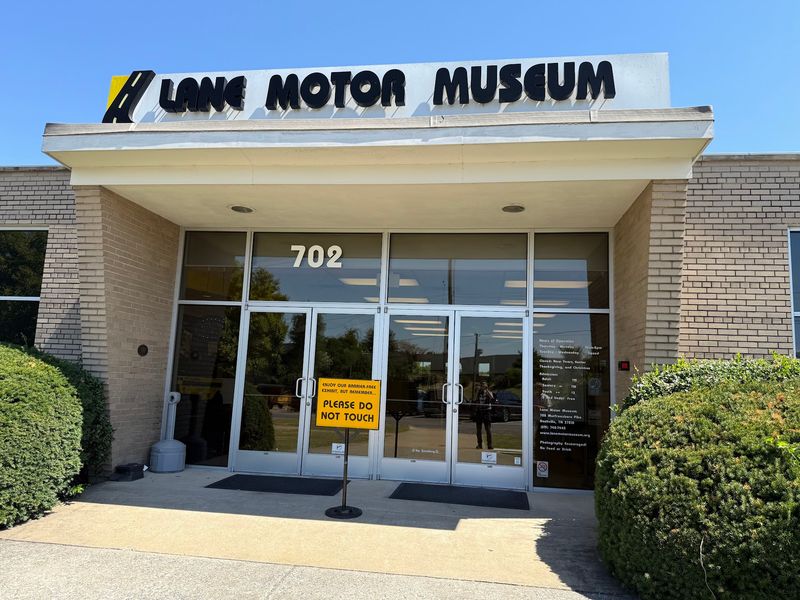
Car enthusiasts and curious visitors alike find unexpected joy at the Lane Motor Museum, where the focus shifts from typical American classics to the weird, wonderful, and often forgotten vehicles from around the world. This collection celebrates automotive oddities and engineering experiments that never quite made it mainstream. You’ll see microcars barely bigger than golf carts, amphibious vehicles designed to drive on land and water, and prototypes that pushed boundaries but flopped commercially.
The museum houses over 500 vehicles, with about 150 on display at any given time. European brands dominate, with particular strength in French, British, and Eastern European manufacturers that most Americans have never heard of. Each vehicle comes with information explaining its history, technical specifications, and why it matters in automotive development.
Some failed because they were too ahead of their time, while others simply couldn’t compete with established brands.
What makes this museum special is the hands-on approach to preservation. Many vehicles are kept in running condition, and staff occasionally demonstrate them during special events. You might see a 1950s microcar putting around the parking lot or an amphibious vehicle taking to a nearby pond.
These demonstrations bring the collection to life in ways static displays can’t match.
The building itself is a converted bread factory, giving the space an industrial character that suits the mechanical nature of the exhibits. Rotating displays mean repeat visits always offer something new to discover. Admission prices are fair, and the museum’s location near downtown makes it convenient to reach.
Even people who don’t consider themselves car people leave impressed by the creativity and engineering on display. It’s automotive history from a completely different angle than you’d expect.
10. Adventure Science Center
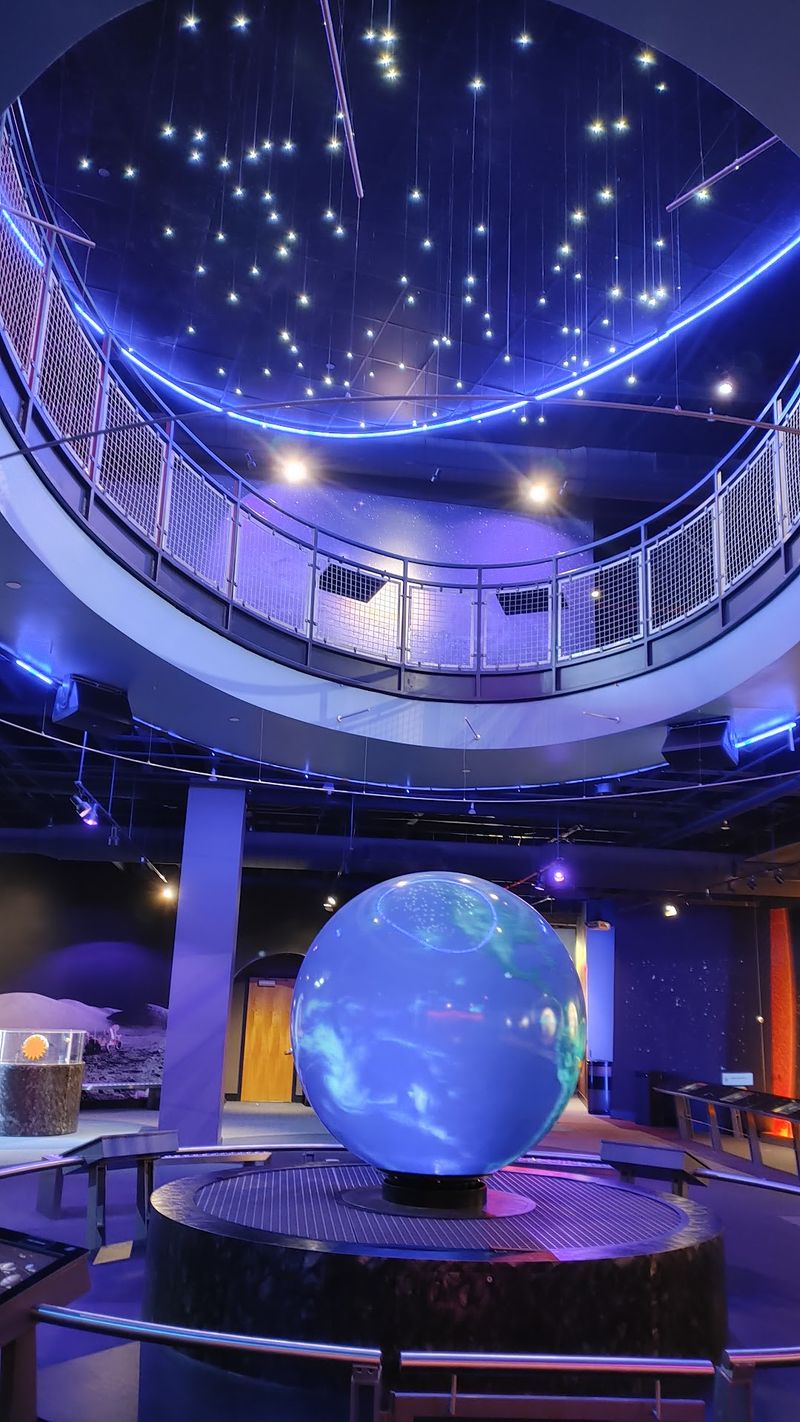
Science comes alive at the Adventure Science Center, where hands-on exhibits encourage visitors to touch, experiment, and discover rather than just look and read. This approach makes complex scientific concepts accessible to kids while remaining interesting enough to engage adults. From the moment you enter, interactive stations invite you to test principles of physics, explore human biology, and understand how technology shapes our world.
The Sudekum Planetarium stands out as a highlight, offering shows that transport you through space and time. The digital projection system creates incredibly realistic views of stars, planets, and galaxies while explaining astronomical concepts in understandable terms. Different shows cater to various age groups and interest levels.
Reclining in the theater seats as the universe unfolds above you provides a perspective-shifting experience that reminds you how vast and amazing our cosmos truly is.
The BodyQuest exhibit lets you journey through the human body, learning how organs work together to keep us alive. Kids love the giant climbing structure shaped like a human body where they can crawl through arteries and chambers. Other permanent exhibits cover topics like electricity, sound waves, and simple machines.
Temporary exhibits rotate regularly, addressing current scientific topics and featuring traveling shows from major museums.
The center’s location on a hill provides great views of downtown Nashville from the observation deck. A cafe and gift shop make it easy to spend several hours without needing to leave. Admission includes access to all exhibits plus one planetarium show, making it a solid value for families.
Educational programs and summer camps extend the center’s mission beyond casual visits. Whether you’re homeschooling, looking for rainy-day activities, or just want to spark curiosity, the Adventure Science Center delivers engaging experiences that prove science isn’t boring.
11. Belle Meade Historic Site & Winery
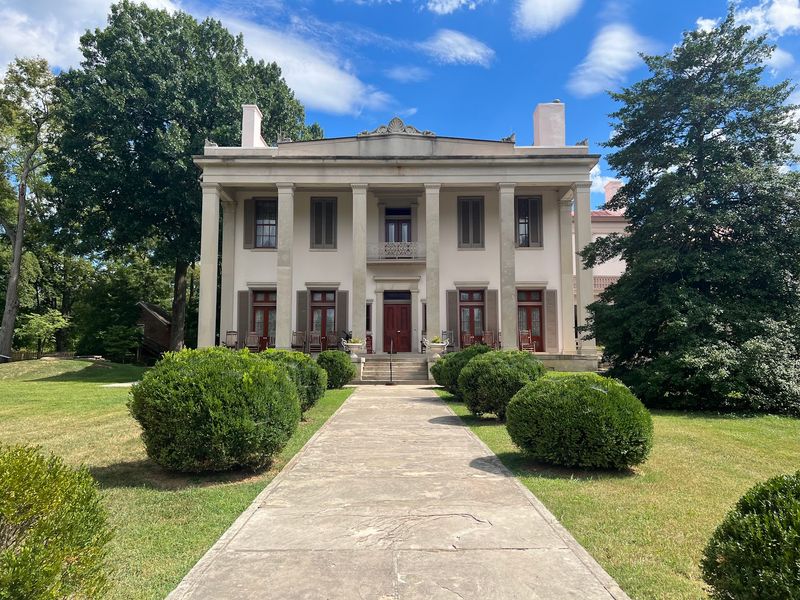
Belle Meade’s story encompasses thoroughbred horse racing, Civil War history, and the evolution of a working plantation into a modern winery. The Greek Revival mansion served as the centerpiece of a 5,400-acre estate that became world-famous for breeding champion horses in the late 1800s. Today’s 30-acre historic site preserves key buildings and tells stories from multiple perspectives, including those of the enslaved people who made the plantation’s success possible.
Guided mansion tours reveal how the Harding and Jackson families lived and conducted their horse-breeding business. Original furnishings and family possessions fill the rooms, creating an authentic atmosphere. Guides share fascinating details about daily life, from food preparation to social customs.
The Greek Revival architecture showcases the wealth and aspirations of antebellum Tennessee’s elite class.
The property includes several original outbuildings, including a carriage house displaying historic vehicles and tack. The slave cabins have been preserved and interpreted to honor the people who lived and worked in bondage here. These structures provide crucial context about the labor system that supported the plantation’s operations.
Tours address this history directly rather than avoiding uncomfortable truths.
Belle Meade’s modern winery produces wines using traditional methods in a facility housed in the old horse stables. Tastings let you sample various wines while learning about the property’s transition from horses to grapes. The combination of history and viticulture creates a unique experience that appeals to different interests.
Special events throughout the year, including outdoor concerts and holiday celebrations, add variety to repeat visits. Admission covers mansion tours and grounds access, with wine tastings available as an add-on. The site’s proximity to Nashville makes it an easy half-day trip that offers a different pace from downtown attractions.
12. Musicians Hall of Fame and Museum
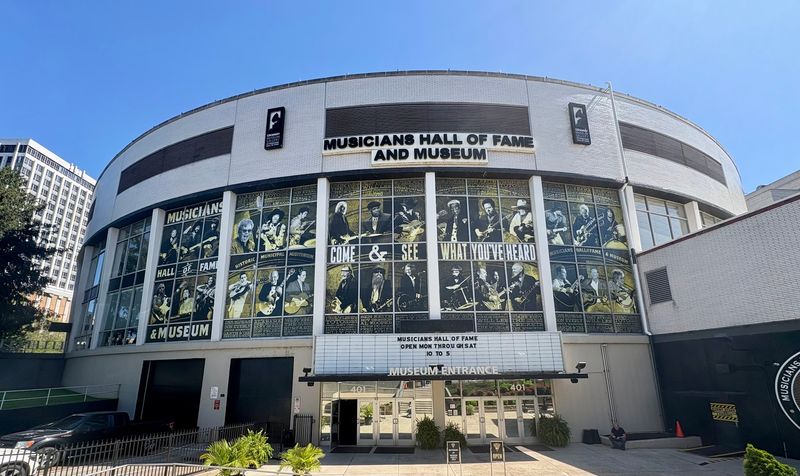
While other Nashville museums celebrate the stars who stood in spotlights, the Musicians Hall of Fame honors the session players, backing musicians, and studio professionals who created the sounds we love. These are the people whose names you might not know but whose work you’ve heard thousands of times. The museum’s mission recognizes that great recordings require teams of talented individuals working together, not just one famous voice or face.
The exhibits showcase instruments actually played on hit records, from guitars and drums to keyboards and horns. Seeing the exact bass that laid down the groove on a classic track creates a tangible connection to music history. Interactive displays let you hear isolated instrument tracks from famous songs, revealing the individual contributions that blend together in the final mix.
You gain appreciation for the skill and creativity these musicians brought to recording sessions.
The Grammy Gallery displays awards and memorabilia from various genres, demonstrating that session musicians work across all styles of music. One player might record a country album in the morning and a rock session in the afternoon. This versatility and professionalism define Nashville’s music industry.
Personal stories from inductees add human dimension to the technical achievements.
The museum’s location in the Municipal Auditorium connects it to Nashville’s performance history, as this venue hosted countless concerts and events over the decades. Rotating exhibits ensure there’s always something new, even for repeat visitors. Admission prices are modest compared to some other music attractions, making this an excellent value.
Spending two hours here will change how you listen to recorded music, as you’ll start noticing the layers of talent that make songs memorable. The Musicians Hall of Fame fills an important niche by celebrating the unsung heroes who make stars sound amazing.
Share this story