Tennessee has always been a vacation favorite, from its mountain trails to its music-filled cities. But some of the state’s best-loved getaways are now so popular that the crowds can take away from the relaxation you came for.
If you’ve noticed longer lines, packed parking lots, and bumper-to-bumper traffic at your favorite spots, you’re not alone—these 12 Tennessee destinations are feeling the squeeze of their own success.
1. Gatlinburg
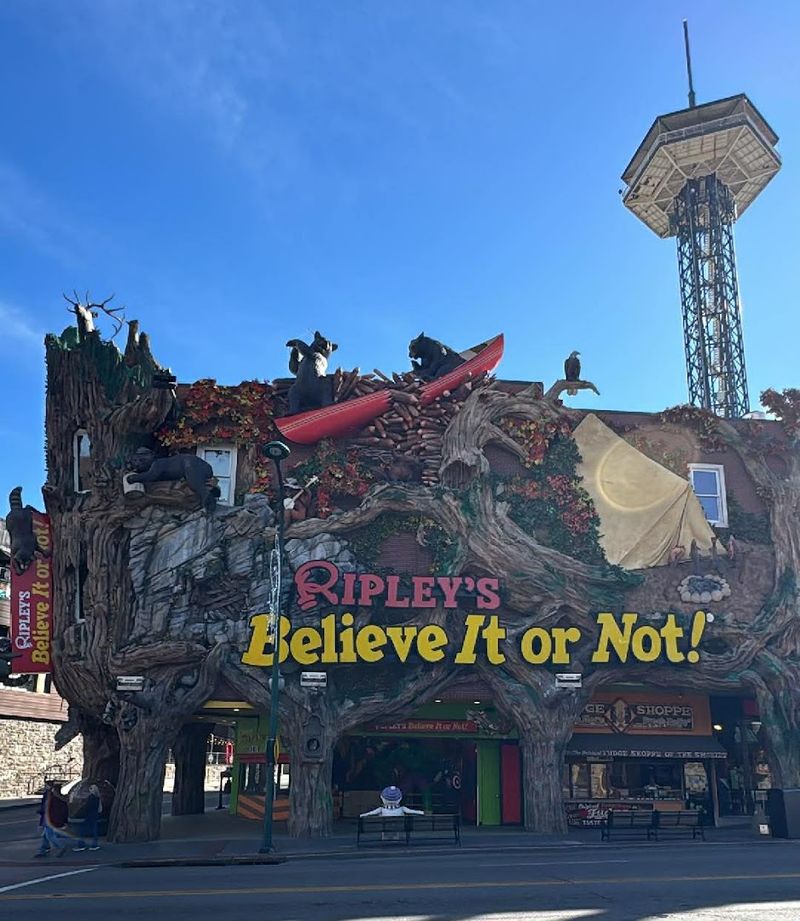
Gatlinburg used to feel like a cozy mountain escape where you could wander gift shops, grab some fudge, and breathe in that cool Smoky Mountain air. That charm is still there, but now it comes with a side of serious congestion. The Parkway through downtown can turn into a parking lot during peak travel times, and finding a spot to pull over feels like winning the lottery.
Sidewalks fill up fast, especially on weekends and holidays. Families with strollers, groups taking photos, and folks just trying to cross the street all compete for space. Popular attractions like the SkyLift and Ripley’s Aquarium often have lines stretching out the door, and restaurants can have waits that stretch into hours.
Summer and fall are the worst. Leaf season brings visitors by the thousands, all hoping to catch those famous autumn colors. The town swells beyond what its roads and parking infrastructure were designed to handle.
Even mid-week visits aren’t always a guarantee of peace anymore.
Local businesses are thriving, which is great for the economy. But for travelers hoping to unwind, the crowds can feel overwhelming. You might spend more time sitting in traffic than actually enjoying the views.
Planning ahead helps—arriving early in the morning or visiting during the off-season can make a big difference.
Gatlinburg is still worth the trip if you know what you’re getting into. Just don’t expect the quiet mountain town vibe that used to define it. Pack your patience along with your camera, and you’ll still find moments of beauty tucked between the tour buses.
2. Pigeon Forge
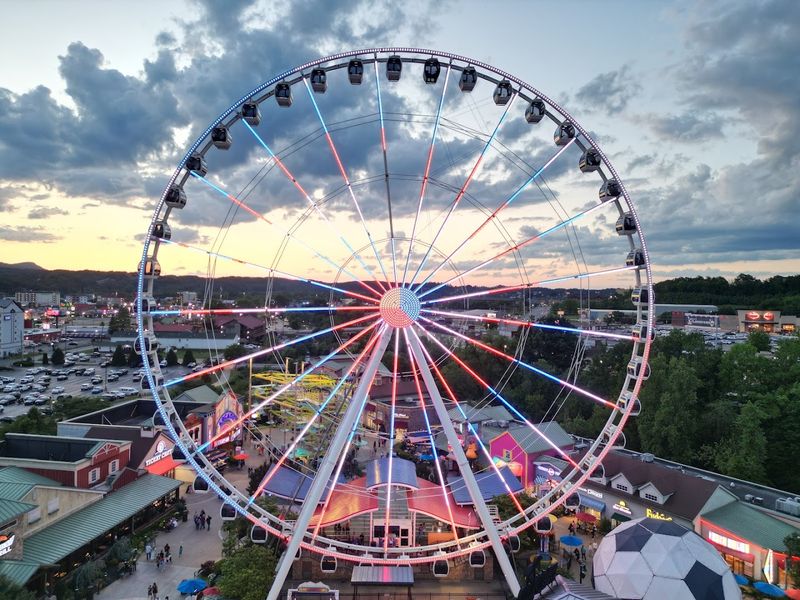
Pigeon Forge has transformed into a full-blown vacation destination, and it shows. The strip is lined with dinner theaters, mini-golf courses, go-kart tracks, outlet stores, and enough neon signs to light up half the county. Dollywood anchors the whole scene, drawing millions of visitors every year.
All that energy makes for a fun trip, but quiet? Not even close.
Traffic moves at a crawl most days, especially between late morning and evening. The Parkway is the main artery, and it’s constantly packed with cars, trucks, and tour buses all trying to get somewhere. Lane changes feel like strategic maneuvers, and U-turns require divine intervention.
If you’re not used to it, the constant stopping and starting can wear you down fast.
Parking is another challenge. Popular spots fill up early, and overflow lots mean long walks in the heat or cold depending on the season. Some attractions offer shuttles, but that adds time to your day.
Weekends and school breaks turn the whole town into one giant theme park without the gates.
The variety of things to do is impressive, no question. You could spend a week here and not run out of activities. But the sheer volume of people means you’re sharing every experience with hundreds of others.
Lines for food, bathrooms, and ticket counters are part of the deal.
If you love high-energy vacation vibes and don’t mind crowds, Pigeon Forge delivers. Just know you’re signing up for sensory overload. Earplugs, sunscreen, and a flexible schedule will be your best friends here.
3. Great Smoky Mountains National Park
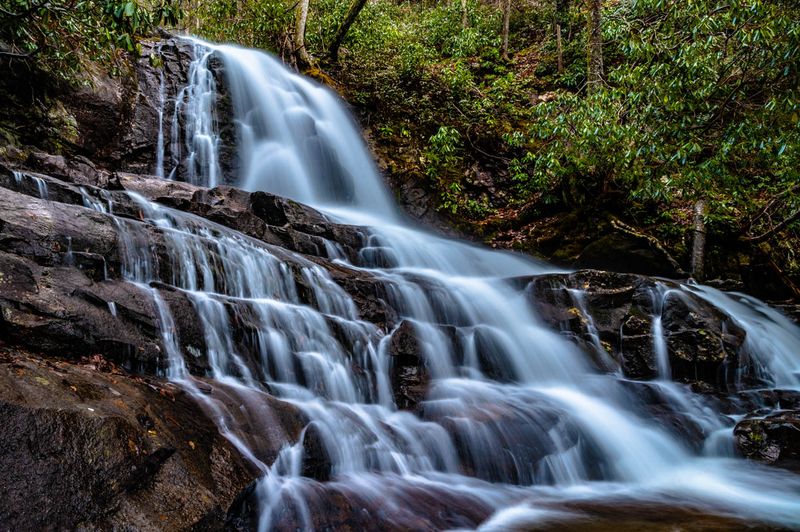
Being the most visited national park in America sounds impressive until you realize what that actually means on the ground. More than 11 million people pass through the Smokies every year, and they all seem to have the same idea about where to go. Laurel Falls, Cades Cove, and Newfound Gap are beautiful, but they’re also absolutely swarming with visitors during peak times.
Parking lots fill up by mid-morning, sometimes earlier. Rangers often close access to popular trailheads once capacity is reached, leaving latecomers with few options. You might drive an hour to get there only to find yourself turned away or forced to park miles down the road and hike just to reach the actual hike.
The trails themselves can feel like rush hour on foot. Laurel Falls, one of the park’s most accessible waterfall hikes, sees so much traffic that passing other hikers becomes a constant dance. Trying to get a photo without strangers in the background? Good luck. Even the overlooks along Newfound Gap Road are packed with cars and people jockeying for the best view.
Wildlife watching has become a spectator sport. When someone spots a bear, word spreads fast and suddenly dozens of cars are stopped, blocking traffic. It’s exciting, but it also creates safety issues and congestion that can last for hours.
The Smokies are still stunning, and the park remains free to enter, which is part of why it’s so popular. But if you’re looking for solitude or a true wilderness experience, you’ll need to venture far off the beaten path—and even then, you might run into a crowd.
4. Cades Cove
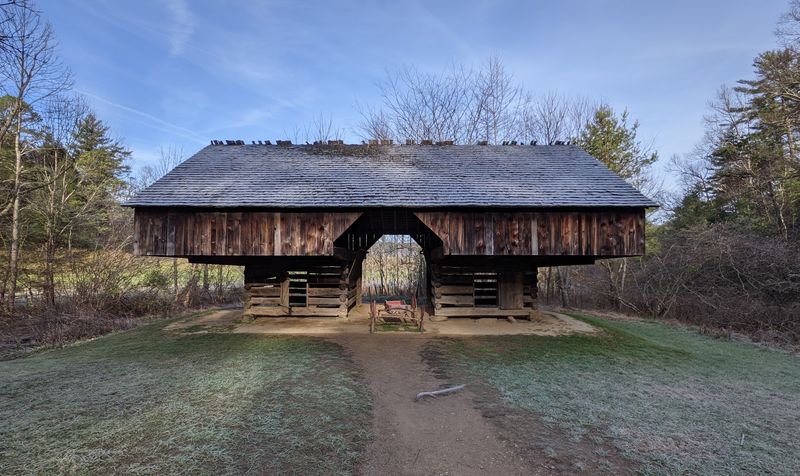
Cades Cove is one of those places that looks like a postcard—rolling green valleys, historic cabins, and mountains rising in every direction. The 11-mile loop road is supposed to be a peaceful drive through history and nature. Instead, it often turns into a frustrating crawl that can take three or four hours to complete.
The one-way loop means you’re committed once you start. There’s no backing out if traffic gets bad. And it gets bad.
Wildlife sightings bring everything to a halt as drivers stop in the middle of the road to snap photos of deer, turkeys, or the occasional bear. It’s understandable, but it also creates bottlenecks that ripple backward for miles.
Fall weekends are especially brutal. Leaf peepers flock to Cades Cove in huge numbers, and the combination of autumn colors and wildlife makes for perfect storm conditions. What should be a relaxing scenic drive becomes an exercise in patience.
Some visitors report spending five hours just to complete the loop.
Biking and hiking are alternatives, and the park does close the loop to cars on certain mornings to allow cyclists and pedestrians. Those times are much more enjoyable, but they’re limited. The rest of the week, you’re stuck in the car parade.
The historic structures and views are genuinely worth seeing. Cades Cove offers a glimpse into Appalachian life that you can’t get many other places. But the experience has been compromised by its own popularity.
Early morning visits or off-season trips are your best bet for avoiding the worst of the congestion.
5. Nashville
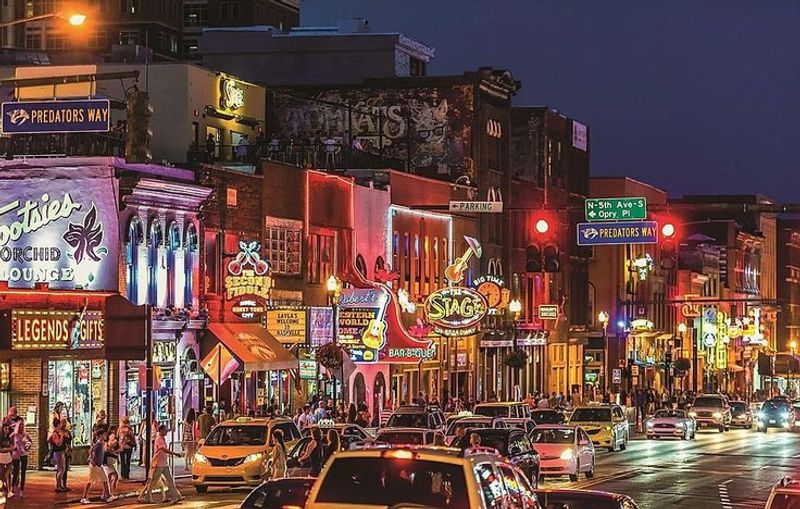
Nashville has exploded over the last decade, going from Southern city with a music scene to full-blown tourist destination and bachelorette party capital. Broadway alone can feel like Mardi Gras on a Saturday night, with packed honky-tonks, live music spilling onto the streets, and crowds that make walking a contact sport. The energy is undeniable, but so is the chaos.
The Gulch and 12 South have become Instagram hotspots, which means they’re also mobbed with visitors hunting for the perfect brunch spot or mural photo. Parking is scarce and expensive. Lines for popular restaurants can stretch an hour or more, and hotel prices have skyrocketed to match the demand.
Downtown Nashville isn’t really a place to relax anymore. It’s an experience, sure, but one that requires stamina and a tolerance for noise and crowds. The pedal taverns, party buses, and rooftop bars all contribute to a scene that feels more like a theme park than a city neighborhood.
If you’re looking for a chill weekend getaway, this probably isn’t it.
Beyond downtown, the city still has quieter pockets. East Nashville, Germantown, and some of the outlying neighborhoods offer a more local vibe. But even those areas are seeing increased traffic as visitors search for alternatives to the madness of Lower Broadway.
Nashville’s growth is impressive, and the city has a lot to offer—live music, incredible food, history, and culture. But the sheer volume of people can be overwhelming, especially during CMA Fest, NFL games, or any major event. If you go, plan for crowds and embrace the madness, or consider visiting during the off-season when things calm down slightly.
6. Dollywood
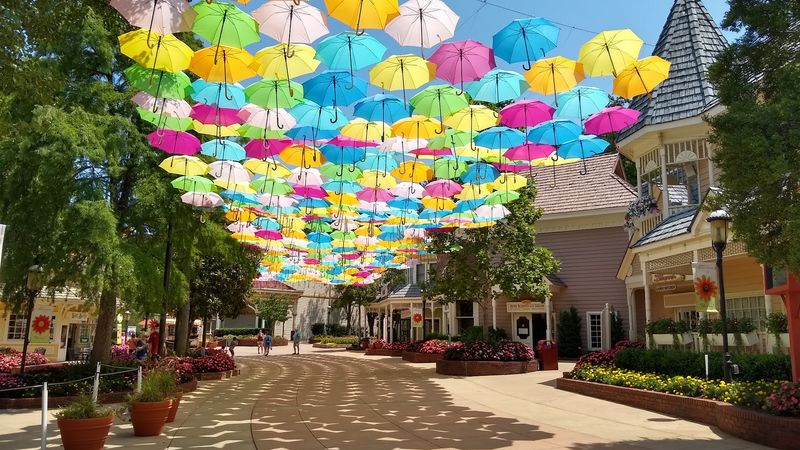
Dollywood has earned its reputation as one of the top theme parks in the country. Tripadvisor users have ranked it among the best amusement parks in the U.S., and for good reason—the rides are great, the food is delicious, and the theming is top-notch. But that popularity comes with a price: crowds, and lots of them.
Summer weekends and holidays turn the park into a sea of people. Parking lots fill early, and the tram ride from your car to the gate can take longer than some of the rides. Once inside, popular attractions like Lightning Rod and Wild Eagle often have wait times that stretch past an hour.
Even the smaller rides and shows draw big crowds.
Fall is particularly intense. Dollywood’s Harvest Festival brings visitors in droves to see the autumn decorations, craftsmen, and seasonal shows. It’s beautiful, but navigating the pathways can feel like moving through a packed shopping mall on Black Friday.
Strollers, wheelchairs, and large groups all compete for space.
Food lines get long, too. The park’s cinnamon bread is famous, and people will wait 30 minutes or more just to get a loaf. Sit-down restaurants require reservations or long waits, and even quick-service spots have lines that snake around corners.
Despite the crowds, Dollywood is still worth visiting if you plan smart. Arriving early, visiting on weekdays, or going during the off-season can help you avoid the worst of it. The park is well-run and the staff does their best to manage the flow, but there’s only so much they can do when thousands of people show up at once.
7. Sevierville
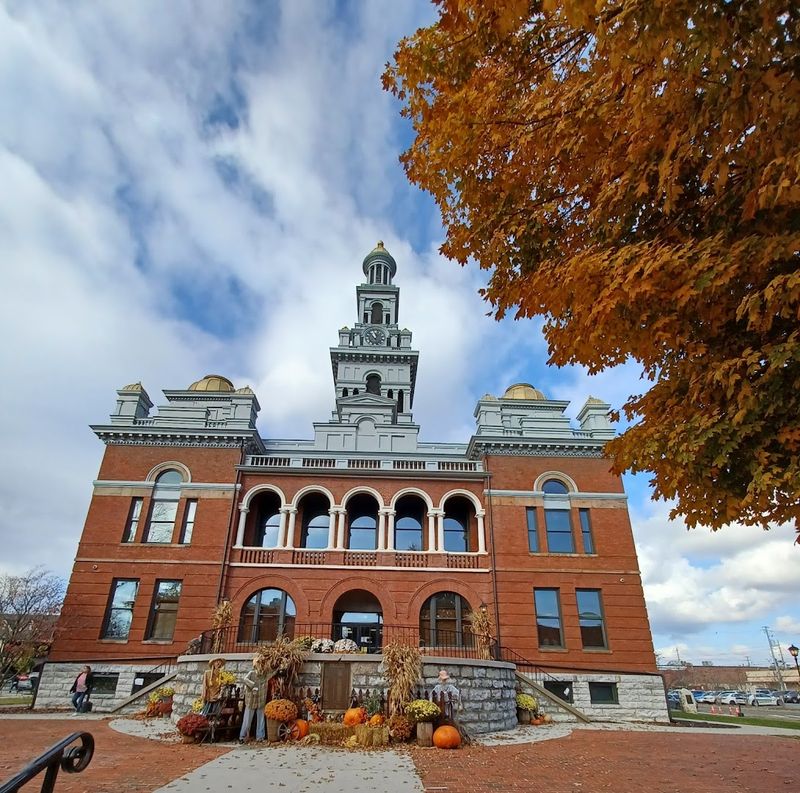
Sevierville used to be the place you passed through on your way to Gatlinburg or Pigeon Forge. Now it’s a destination in its own right, and that shift has brought a lot more people to town. Cabin rentals have boomed, and the area is dotted with vacation properties that sleep anywhere from two to twenty people.
That means more cars, more traffic, and more demand on local roads and services.
The main highway through Sevierville is lined with shopping centers, restaurants, and family attractions. It’s convenient, but it’s also congested. Turning left across traffic can feel like a gamble, and roundabouts that were supposed to ease flow sometimes just concentrate the chaos.
Weekends see heavy traffic as visitors arrive and depart, and local residents are feeling the squeeze.
Part of Sevierville’s appeal is its location. It’s close enough to the national park and other Smoky Mountain attractions to be convenient, but it’s not quite as packed as Gatlinburg or Pigeon Forge—or at least it wasn’t. As word has spread, more travelers are choosing to stay here, and the infrastructure is struggling to keep up.
Cabin developments are everywhere, climbing the hillsides and filling in the valleys. Some offer stunning views and luxury amenities, but the sheer number of them has changed the character of the area. What used to feel more rural and spread out now feels like an extension of the Pigeon Forge strip.
Sevierville still has its charm, and it’s a solid base for exploring the Smokies. But it’s no longer the quiet alternative it once was. If you’re looking for peace and seclusion, you’ll need to venture further out or book a cabin well off the main roads.
8. Chattanooga
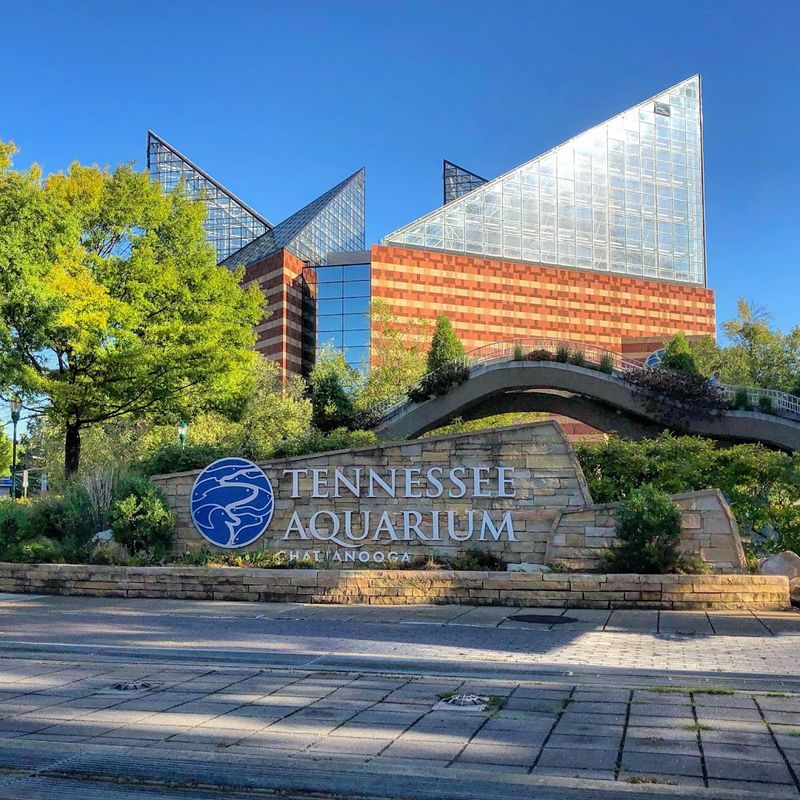
Chattanooga has become one of Tennessee’s coolest cities, and everyone seems to know it. The riverfront is beautiful, the Tennessee Aquarium is world-class, and Lookout Mountain offers views that stretch into multiple states. Throw in a revitalized downtown with great restaurants and breweries, and you’ve got a recipe for a packed weekend destination.
Parking downtown can be a nightmare, especially during festivals, races, or holiday weekends. The riverfront area has several lots and garages, but they fill up fast. Street parking is limited and often metered, and walking from a distant lot in the summer heat or winter cold isn’t anyone’s idea of fun.
The Tennessee Aquarium draws families by the thousands. Lines to get in can be long, and once inside, the crowds make it hard to get close to the exhibits. The IMAX theater and special exhibits add to the congestion.
Nearby attractions like the Walnut Street Bridge and Coolidge Park are packed with people, especially on nice-weather weekends.
Lookout Mountain is equally busy. Ruby Falls, Rock City, and the Incline Railway all see heavy traffic, and parking at these spots can be tight. The hiking trails around Sunset Rock and Point Park are popular, and you’ll rarely have them to yourself anymore.
The views are still incredible, but the experience feels less like a nature escape and more like a shared tourist activity.
Chattanooga’s growth is a success story in many ways. The city has reinvented itself and attracted new residents and businesses. But that success means visitors now share the space with a lot more people.
9. Ruby Falls and Lookout Mountain
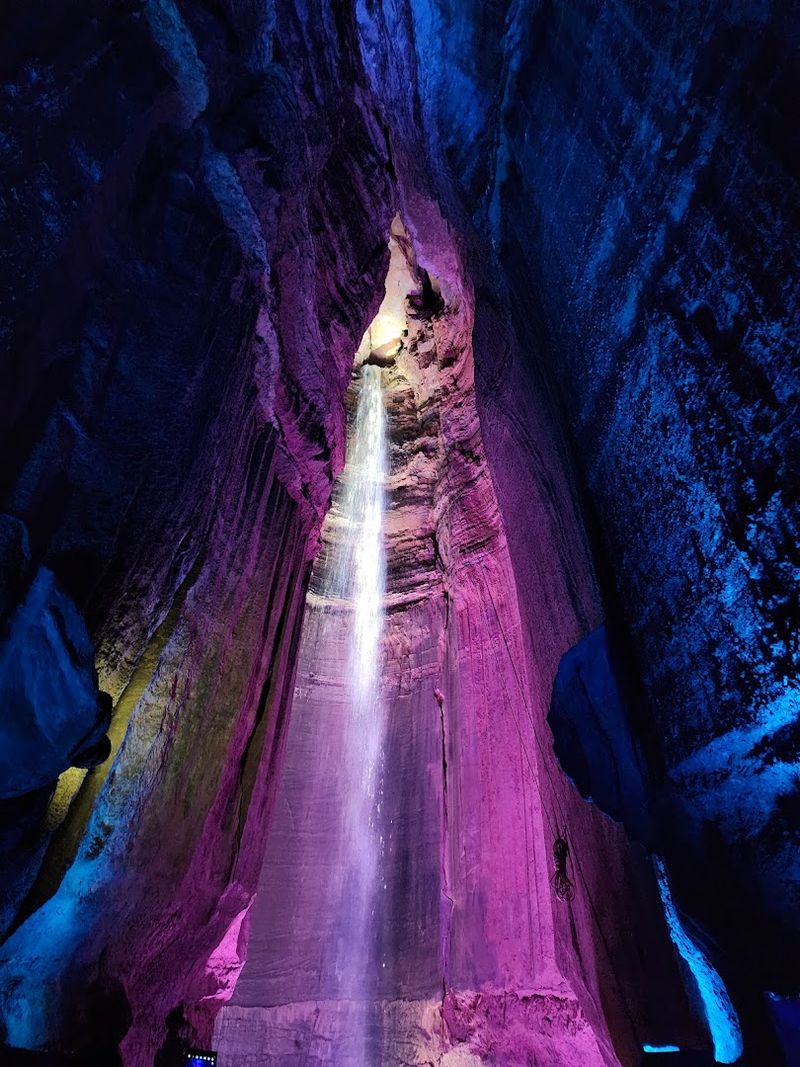
Ruby Falls is one of those classic road-trip stops that’s been drawing visitors for nearly a century. The underground waterfall is genuinely impressive, and the cave tour is a unique experience. But the sheer number of people who want to see it means the experience can feel more like waiting in line at an amusement park than exploring a natural wonder.
Tours run on a schedule, and they’re often fully booked, especially on weekends and holidays. You might arrive and find yourself waiting an hour or more for your assigned time slot. Once the tour starts, you’re part of a group that can include dozens of people, all shuffling through narrow passages and trying to hear the guide over the echoes.
The Incline Railway is another Lookout Mountain highlight, but it too suffers from overcrowding. Lines to board can be long, and the cars fill up quickly. The ride itself is short, and the views are great, but the experience is rushed because there are so many people waiting for their turn.
At the top, the observation deck and nearby attractions are busy, and parking is always a challenge.
Rock City and the other Lookout Mountain attractions face similar issues. They’re all popular, they’re all clustered in the same area, and they all draw the same crowds. The roads leading up the mountain can get congested, and finding a parking spot near your destination requires luck or patience.
These attractions are iconic for a reason, and they’re still worth visiting. But the days of showing up on a whim and having the place mostly to yourself are long gone. Booking tickets in advance, visiting during the week, or going in the off-season are your best strategies for avoiding the worst of the crowds.
10. Franklin
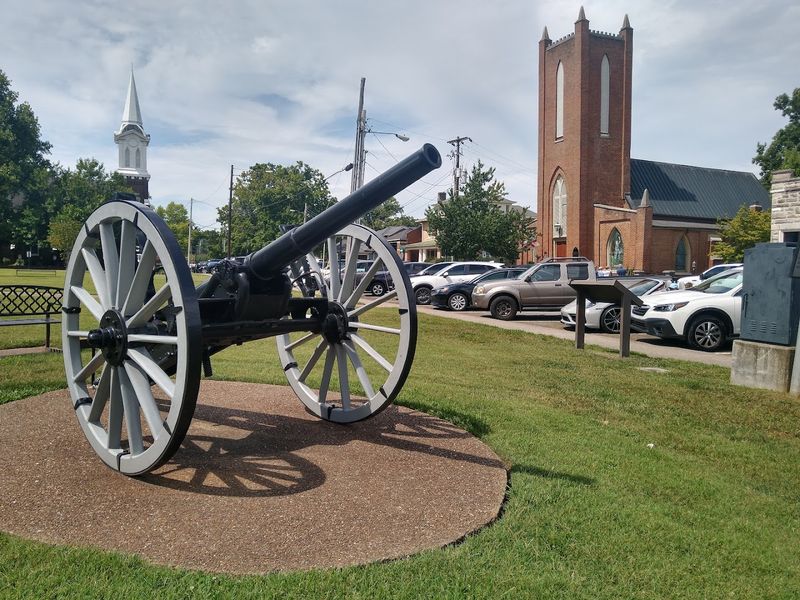
Franklin has become the poster child for charming small-town Tennessee. Main Street is lined with boutiques, antique shops, and locally-owned restaurants. Historic homes and Civil War sites add depth to the experience.
It’s everything people love about small-town America, which is exactly why it’s no longer small-town quiet.
Weekends bring crowds that can make downtown feel like a festival even when there isn’t one. Parking is a constant challenge. The main lots fill up quickly, and street parking is limited and often time-restricted.
You might circle for 20 minutes looking for a spot, or end up parking several blocks away and walking.
Restaurants are popular, and waits are common. Brunch spots can have hour-long waits on Saturday and Sunday mornings. Dinner reservations are highly recommended, and even with one, you might find yourself standing in a crowded waiting area.
The food is good, but the experience can be stressful if you’re not prepared for the crowds.
Shopping is part of Franklin’s appeal, but browsing can be difficult when stores are packed. Narrow aisles, limited checkout counters, and crowds of tourists all add to the congestion. Holiday shopping season is especially intense, with events and festivals bringing even more people to town.
Franklin’s growth reflects its success. The town has preserved its character while attracting new businesses and visitors. But that success has come with trade-offs.
The relaxed, unhurried pace that once defined Franklin is harder to find now. If you visit, go during the week or early in the morning to beat the crowds. The charm is still there, but you’ll need to work a little harder to find it.
11. Lynchburg
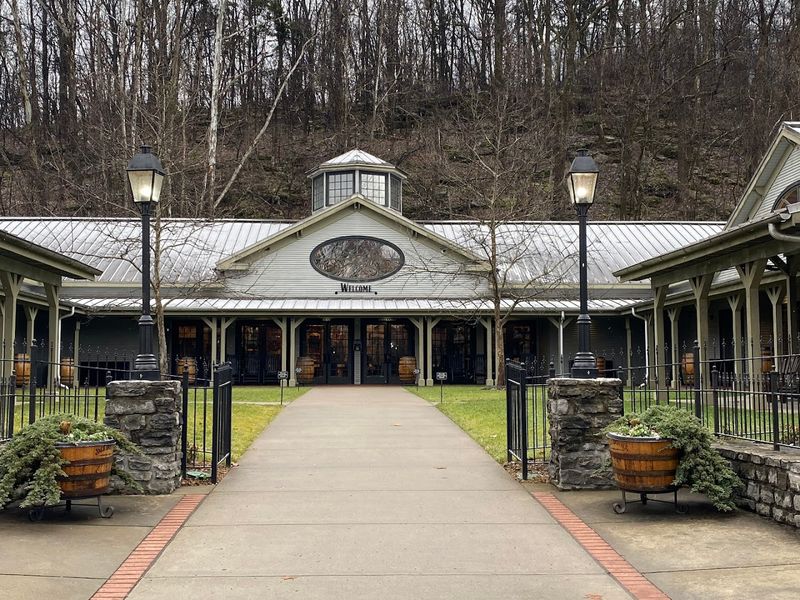
Lynchburg is tiny—fewer than 700 people call it home. But the Jack Daniel’s Distillery puts it on the map for millions of visitors every year. The tours are popular, the whiskey is famous, and the small-town square is picturesque.
The problem is that the town’s infrastructure wasn’t built to handle thousands of tourists showing up every week.
Tour days bring buses and cars by the dozens. The distillery parking lot fills up, and overflow parking can be a hike away. The tours themselves are well-run and informative, but they’re also crowded.
You’re part of a large group moving through the facility, and personal space is limited. The tasting room and gift shop are packed, especially at the end of tours when everyone wants to buy a bottle or a souvenir.
The town square is charming, but it’s small. A handful of shops, a restaurant, and a few historic buildings make up the main attractions. When tour groups descend, the square can feel overwhelmed.
Lines for lunch stretch out the door, and the shops get so crowded it’s hard to browse. The restrooms at the courthouse see heavy use, and parking around the square is nearly impossible during peak times.
Lynchburg’s appeal is its authenticity. It’s a real small town, not a manufactured tourist destination. But that authenticity is being tested by the sheer volume of visitors.
Locals go about their business while tourists swarm the square, creating an odd dynamic that can feel intrusive.
If you want to visit, go on a weekday or during the off-season. Early morning tours tend to be less crowded, and you’ll have a better chance of enjoying the town without the crush of people. The distillery and the town are worth seeing, but timing is everything.
12. Cummins Falls State Park
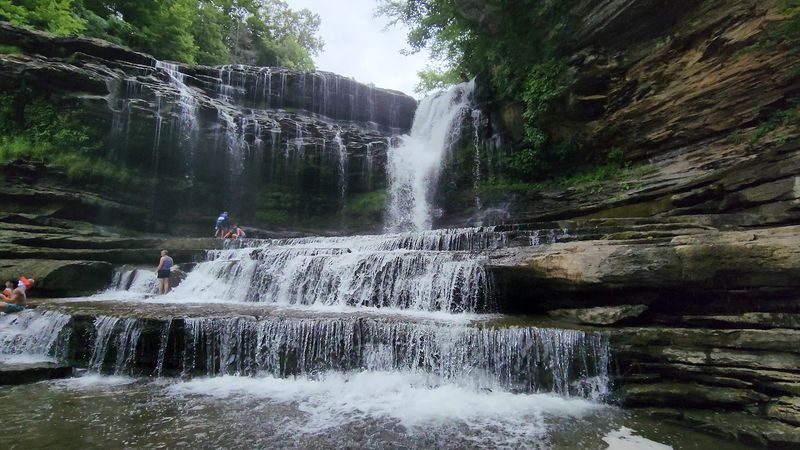
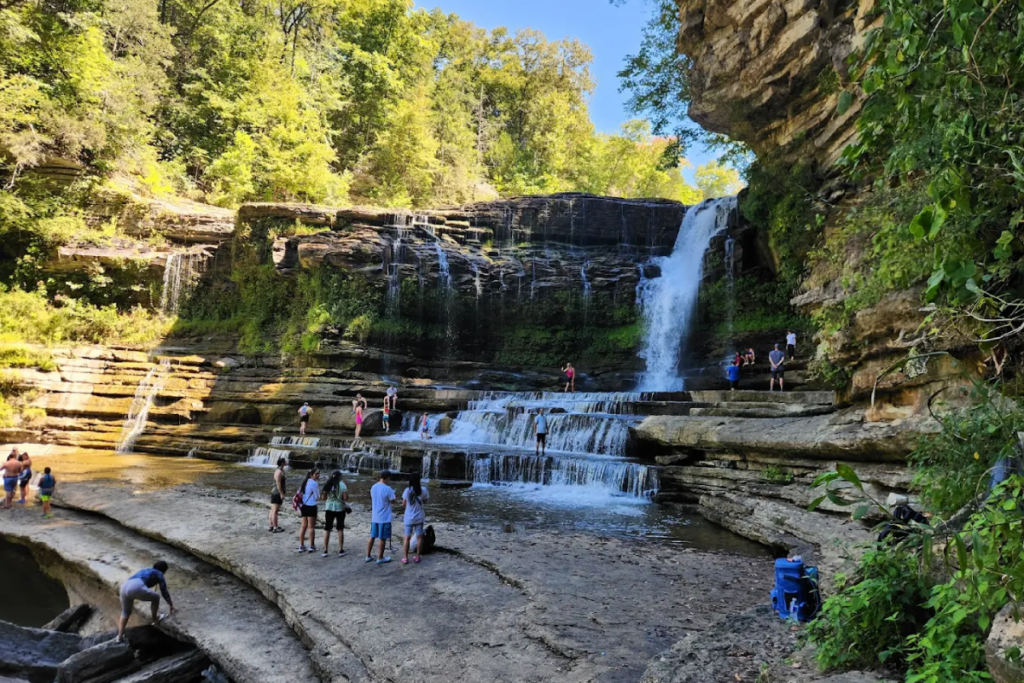
Cummins Falls used to be one of those hidden gems that locals whispered about. A beautiful waterfall, a swimming hole, and a relatively easy hike made it a perfect summer escape. Then social media happened, and suddenly everyone knew about it.
Now it’s so popular that the state had to implement a permit system just to control the crowds.
The permit system means you can’t just show up anymore. You have to reserve a spot in advance, and weekends and holidays book up fast. If you don’t have a permit, you’re turned away at the gate.
It’s a necessary measure to protect the park and ensure safety, but it also takes away the spontaneity that made the place special.
Even with permits, the falls can feel crowded. The swimming area is popular, and on hot summer days, it’s packed with people. Finding a spot on the rocks to set up your stuff can be a challenge.
The water is refreshing, but you’re sharing it with dozens of other swimmers, and the noise and activity can detract from the natural beauty.
The hike to the falls involves rock-hopping and wading through the creek, which can be tricky when there are lots of people. Passing other hikers on narrow sections requires coordination, and the trail can feel congested. Trash and erosion have become issues as the park struggles to manage the increased use.
Cummins Falls is still gorgeous, and the swimming is still fun. But it’s no longer the quiet, off-the-beaten-path spot it once was. If you go, plan ahead, get your permit early, and be prepared to share the experience with a crowd.
The park is working to balance access with preservation, but the popularity has fundamentally changed what a visit feels like.
Share this story