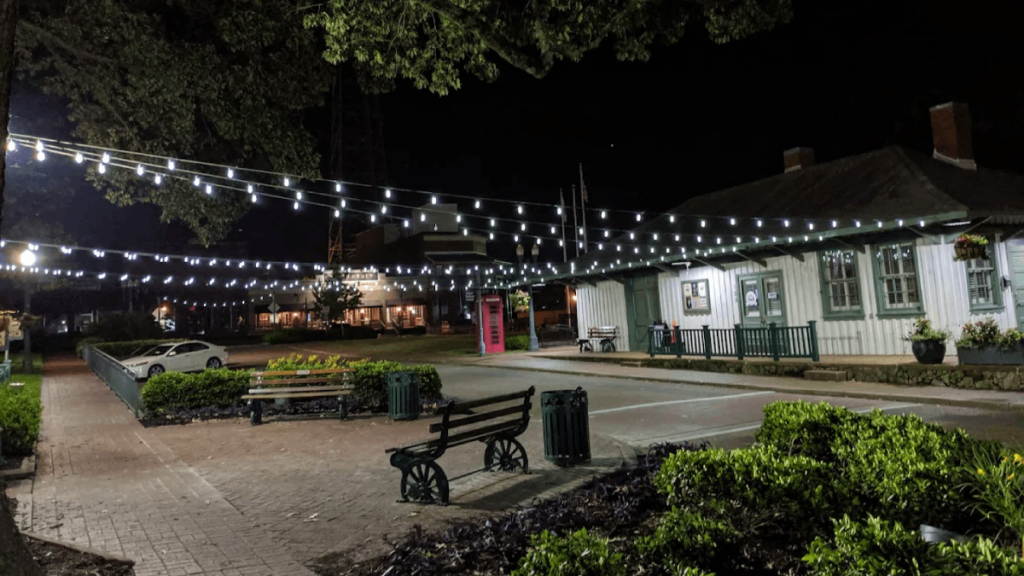
Tennessee is home to some of the most charming small towns in America, where history isn’t just preserved—it’s alive in every brick street, vintage storefront, and tree-lined square. Walking through these communities feels like stepping into a different era, where life moves more slowly and neighbors still wave from front porches.
Whether you’re drawn to Victorian architecture, Civil War landmarks, or simply the kind of place where everyone knows your name, these twelve Tennessee towns offer an authentic glimpse into the past that no theme park could ever recreate.
1. Jonesborough
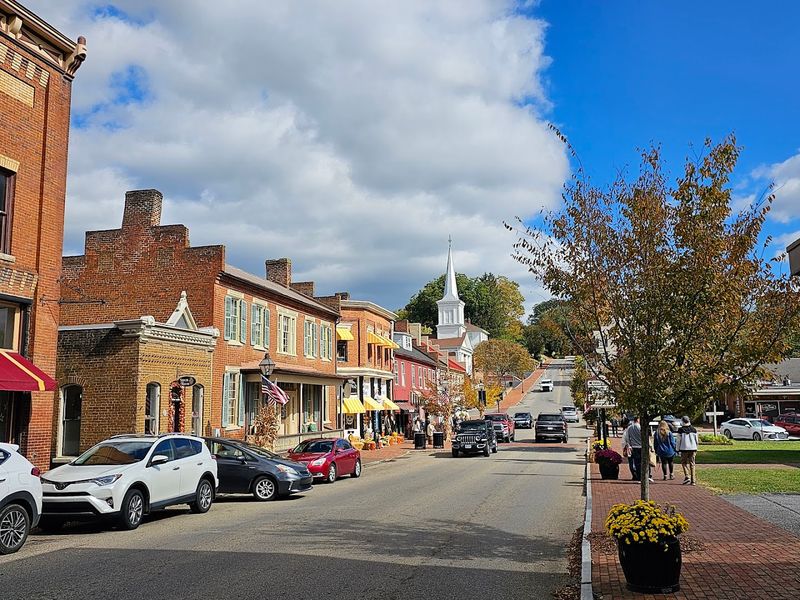
Founded in 1779, Jonesborough holds the title of Tennessee’s oldest town, and it wears that distinction proudly. The moment you arrive on Main Street, you’ll understand why this place has become synonymous with preservation done right. Original brick buildings line both sides of the street, their facades carefully maintained to reflect their 18th and 19th-century origins.
What sets Jonesborough apart isn’t just its age—it’s the town’s commitment to storytelling as an art form. Each October, thousands gather for the National Storytelling Festival, transforming the historic downtown into a celebration of oral tradition. Throughout the year, you’ll find storytelling events, workshops, and performances that keep this ancient craft alive.
The Chester Inn State Historic Site and Museum sits right on Main Street, offering visitors a peek into frontier hospitality. Andrew Jackson himself once stayed here, back when Jonesborough was a crucial stop along early westward routes. The building now serves as a museum dedicated to the town’s rich past.
Small galleries, antique shops, and locally-owned restaurants occupy the historic storefronts, creating a walkable downtown that feels both authentic and welcoming. There’s no corporate gloss here—just genuine preservation and community pride. The town’s commitment to maintaining its character has earned it recognition on the National Register of Historic Places.
Walking these streets, you’re literally following in the footsteps of Tennessee’s earliest settlers. The architecture tells stories of craftsmanship and community building that modern construction rarely matches. Jonesborough proves that honoring the past doesn’t mean living in it—it means learning from it while creating something timelessly beautiful.
2. Rugby
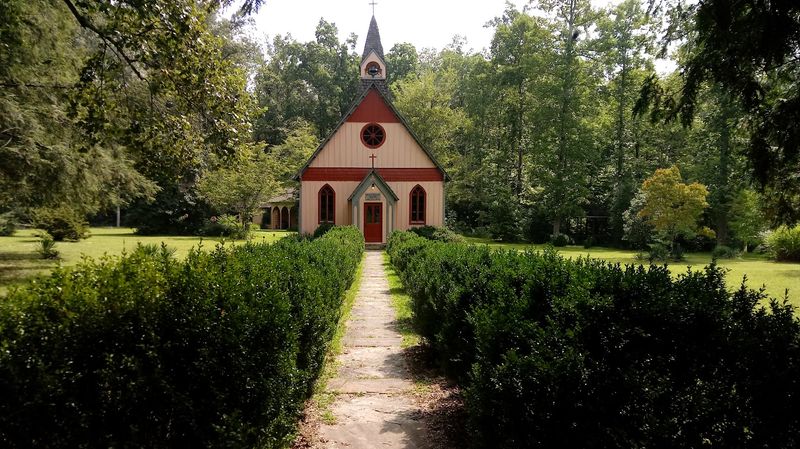
Back in 1880, British author Thomas Hughes had a vision: create a utopian colony in the Tennessee wilderness where younger sons of the English gentry could build new lives. Rugby was born from that dream, and remarkably, much of the original village still stands today. Walking through Rugby feels like wandering onto a Victorian film set, except everything here is genuinely historic.
Seventeen original buildings remain, including the 1882 Thomas Hughes Free Public Library, which houses over 7,000 volumes—many dating back to the town’s founding. The Christ Church Episcopal, built in 1887, still holds services and features original furnishings shipped from England. These aren’t reconstructions or replicas; they’re the actual structures built by those idealistic colonists over 140 years ago.
The settlement’s story is both inspiring and sobering. While Hughes’s utopian experiment ultimately failed economically, the community he created left behind an architectural treasure. Today, Historic Rugby operates as a living history museum, with costumed interpreters and guided tours bringing the Victorian era to life.
You can stay overnight at several restored buildings, including the Pioneer Cottage and Newbury House, experiencing firsthand what life was like for Rugby’s early residents. The surrounding Cumberland Plateau adds natural beauty to the historical setting, with hiking trails and scenic overlooks nearby.
What makes Rugby special isn’t just its preservation—it’s the story behind it. This was a grand social experiment, a place where class distinctions were supposed to disappear and hard work would determine success. Though the colony never achieved Hughes’s lofty goals, the buildings that remain stand as monuments to ambition, hope, and the enduring appeal of starting fresh in a new land.
3. Bell Buckle
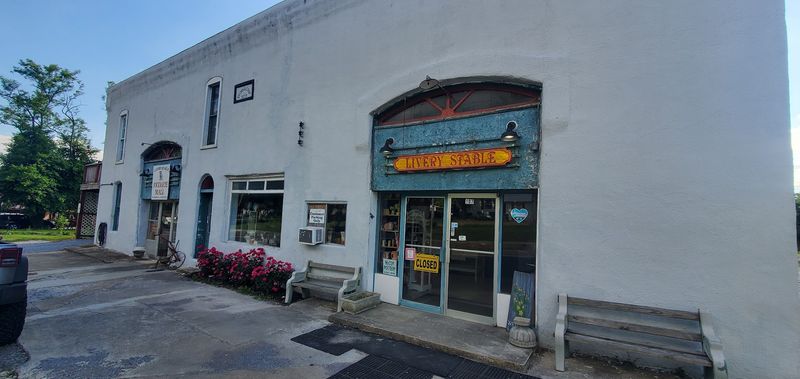
Population barely breaks 500, but Bell Buckle packs more character per square foot than towns ten times its size. This tiny railroad community has reinvented itself as an arts and antiques destination while maintaining its authentic small-town soul. The main drag stretches just a few blocks, but those blocks are packed with treasures.
Antique shops here aren’t the dusty, cluttered kind—they’re thoughtfully curated spaces where serious collectors and casual browsers alike find unexpected gems. The Moon Pie General Store has become something of a pilgrimage site for fans of the iconic Southern snack, offering every Moon Pie variation imaginable plus nostalgic candy and vintage sodas.
Bell Buckle’s festival calendar rivals that of much larger towns. The RC Cola & Moon Pie Festival each June draws thousands for a celebration of Southern food culture that’s equal parts quirky and genuine. The Webb School Arts & Crafts Festival, held each October, transforms the town into an outdoor gallery featuring over 180 artisans.
The railroad heritage remains visible throughout town, from the restored depot to the tracks that still run through the center of things. Trains passing through add authentic atmosphere, their whistles echoing off historic storefronts. It’s a reminder that this wasn’t always a tourist destination—it was a working town built around commerce and transportation.
Local restaurants serve up Southern cooking without pretension, the kind of places where regulars have their usual tables and newcomers are greeted like potential friends. There’s a warmth here that can’t be manufactured, a genuine small-town hospitality that makes visitors want to linger.
4. Leiper’s Fork
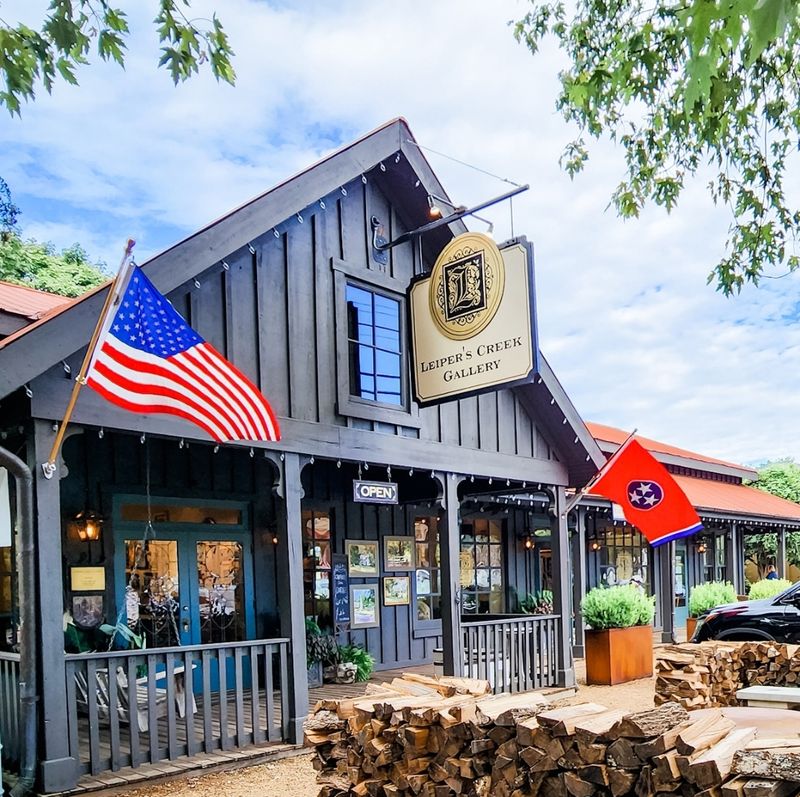
Leiper’s Fork didn’t accidentally become charming—it fought to stay that way. While surrounding Williamson County exploded with suburban development, this unincorporated village maintained its rural character through deliberate community effort. The result is a place that feels untouched by time, where country roads wind past galleries, shops, and historic homes.
Art defines much of Leiper’s Fork’s current identity. Galleries showcasing everything from traditional Southern landscapes to contemporary sculpture line the main road. First Friday art walks have become a local tradition, drawing crowds from Nashville just thirty minutes away.
Yet somehow the village never feels overrun or commercialized—it maintains an easygoing rhythm that respects both visitors and residents.
Horseback riding remains popular in the surrounding countryside, with several stables offering trail rides through the same rolling hills that attracted settlers centuries ago. The landscape here is classic Middle Tennessee—gentle slopes, stone fences, and pastoral views that look like they belong on a postcard.
What’s remarkable about Leiper’s Fork is how it balances preservation with vitality. This isn’t a museum town frozen in amber—it’s a living community that happens to value its heritage. Residents have successfully resisted pressure to incorporate or expand, choosing instead to maintain the village character that makes this place special.
Walking these quiet roads, you understand why they’ve fought so hard to keep it this way.
5. Lynchburg
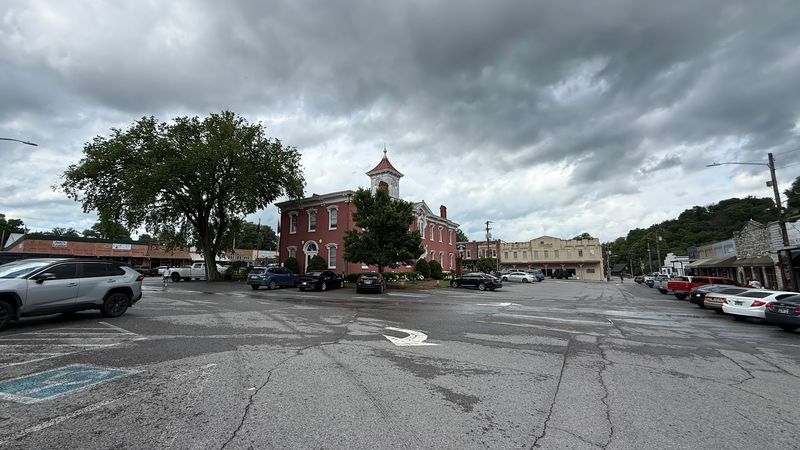
Everyone knows Lynchburg for one reason: Jack Daniel’s. The famous whiskey distillery has made this tiny Moore County seat internationally recognized, yet the town itself remains remarkably unchanged by its famous resident. The courthouse square looks much as it did a century ago, surrounded by red brick buildings and mom-and-pop businesses that predate the distillery’s global fame.
Ironically, Moore County is dry, meaning you can’t buy the whiskey made here except at the distillery itself. This quirk adds to Lynchburg’s charm rather than detracting from it—this is a place that does things its own way. The courthouse, built in 1885, anchors the town square with Victorian-era architecture that’s been carefully preserved.
Beyond the distillery tours, Lynchburg offers a genuine small-town experience that’s increasingly rare. The town square features antique shops, craft stores, and restaurants serving traditional Southern fare. Miss Mary Bobo’s Boarding House, operating since 1908, serves family-style lunches that have become legendary among visitors.
Reservations are essential, as word has spread about the authentic Southern hospitality and home cooking served here.
The hardware store on the square still operates as an actual hardware store, not a converted boutique. The barber shop cuts hair, the drugstore fills prescriptions, and life goes on much as it has for generations. Tourism certainly impacts the local economy, but it hasn’t fundamentally altered the town’s character.
Walking around Lynchburg, you notice the pace is different. People take time to chat, storekeepers know their customers, and there’s no rush to be anywhere. The Jack Daniel’s connection brought the world’s attention to this place, but what keeps people coming back is the authentic small-town atmosphere that money can’t buy and marketing can’t fake.
6. Granville
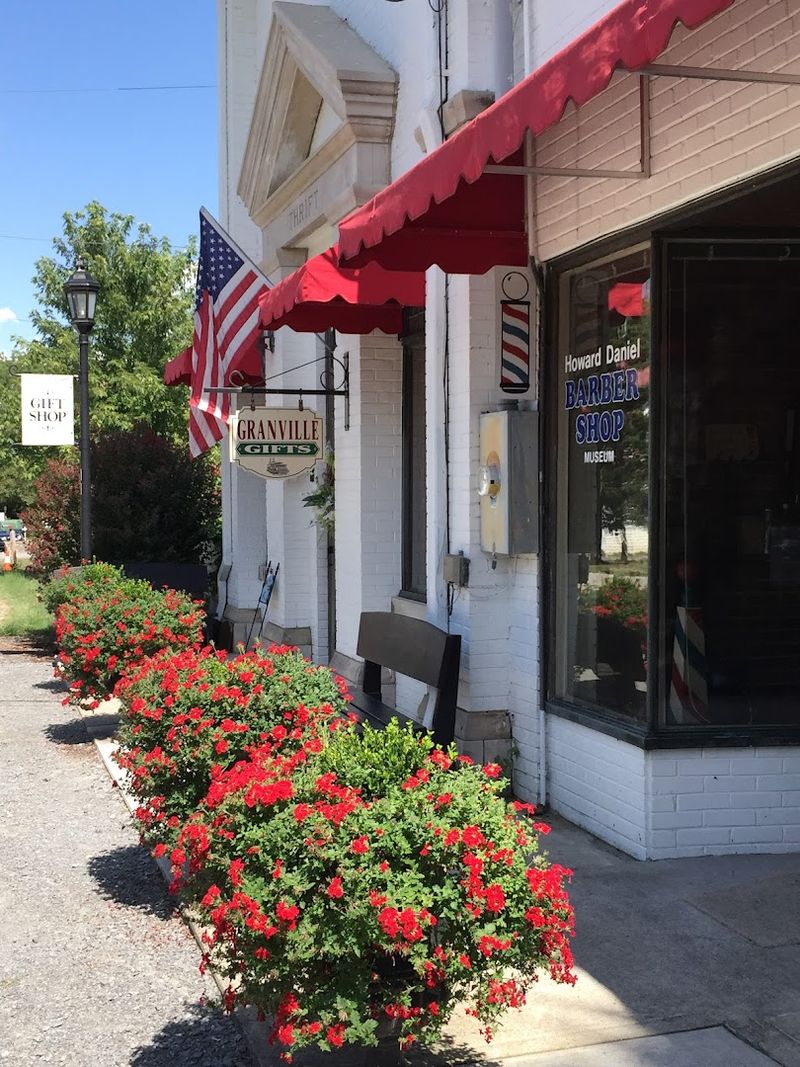
Perched along the Cumberland River, Granville once thrived as a riverboat stop and trading center. Those glory days have passed, but the village has found new purpose as a living museum of small-town Tennessee life. The population hovers around 300, and the main street features a collection of restored buildings that now house museums and shops celebrating local heritage.
The Granville Museum occupies several historic structures, showcasing everything from Native American artifacts to Civil War memorabilia to everyday items from the town’s commercial heyday. Unlike sterile modern museums, these spaces feel personal and authentic, curated by people who genuinely care about preserving local history. You’ll find old store ledgers, vintage clothing, and photographs that bring the past to life.
Sutton’s General Store operates much as it did when it first opened, selling everything from fishing tackle to locally-made jams. The building itself is worth the visit, with original wooden floors and shelving that creak underfoot. It’s the kind of place where you might come for a cold drink and leave with homemade preserves and a conversation with the owner.
The river remains central to Granville’s identity. Fishing is popular here, and the waterfront offers peaceful views that haven’t changed much in a hundred years. There’s a timelessness to watching the Cumberland flow past, knowing generations of Granville residents have stood in this same spot doing the same thing.
Granville doesn’t try to be anything it isn’t. There’s no pretension here, no attempt to become the next big tourist destination. Instead, it quietly preserves its history and welcomes visitors who appreciate authenticity over attractions.
The village proves that sometimes the best preservation happens when communities simply refuse to let go of what made them special in the first place.
7. Rogersville
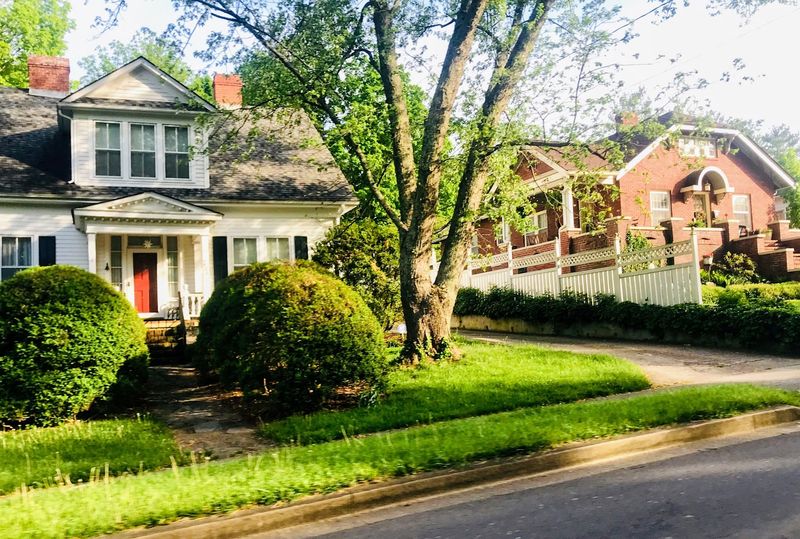
Chartered in 1789, Rogersville claims the distinction of being Tennessee’s second-oldest town. That history is visible everywhere you look, from the Hale Springs Inn—Tennessee’s oldest continuously operating inn—to the dozens of historic homes that line quiet residential streets. This is a town that takes preservation seriously, with over 60 structures listed on the National Register of Historic Places.
The downtown area centers around a classic courthouse square, with Main Street extending outward in both directions. Original commercial buildings from the 1800s still stand, many housing businesses that have served the community for generations. Walking these sidewalks, you’re surrounded by architecture that tells the story of Tennessee’s development from frontier territory to an established state.
Hale Springs Inn, built in 1824, has hosted three presidents and countless travelers over nearly two centuries. Today it operates as both a hotel and restaurant, offering visitors the chance to sleep in rooms where Andrew Jackson, James K. Polk, and Andrew Johnson once stayed.
The building’s Federal-style architecture has been carefully maintained, preserving details that modern construction rarely matches.
Beyond downtown, residential neighborhoods feature homes representing various architectural periods—Federal, Greek Revival, Victorian, and early 20th-century styles all coexist. These aren’t reconstructions or facades; they’re actual homes where people live, maintained with obvious care and pride. The Amis House, built around 1810, stands as one of Tennessee’s finest examples of Federal architecture.
Rogersville hasn’t become a tourist town, despite its historic significance. It remains a working community where history is simply part of daily life. Local festivals celebrate heritage without commercializing it, and preservation efforts focus on maintaining authentic character rather than creating attractions.
8. Greeneville
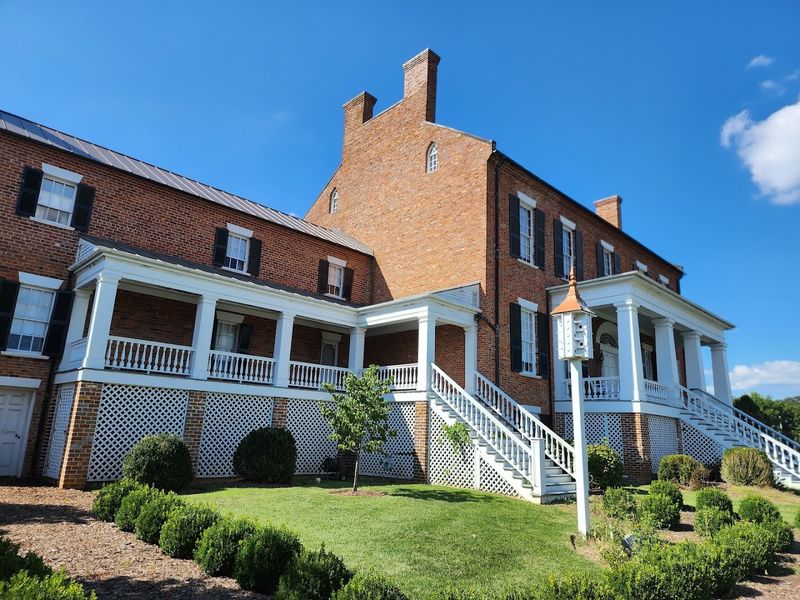
Andrew Johnson called Greeneville home, and the town has never forgotten its connection to America’s 17th president. The Andrew Johnson National Historic Site preserves his tailor shop, two homes, and burial site, offering insight into one of history’s most controversial presidents. But Greeneville’s significance extends far beyond one famous resident—this is a town where history layers upon history.
The downtown district features block after block of preserved 19th and early 20th-century buildings, creating one of East Tennessee’s most intact historic commercial areas. Main Street still functions as the town’s commercial heart, with local businesses occupying structures that have served the community for over a century. There’s authenticity here that comes from continuous use rather than recent restoration.
Tusculum University, founded in 1794, operates just outside town as Tennessee’s oldest college. The campus itself is worth visiting, with historic buildings set among tree-shaded grounds. The connection between town and college has shaped Greeneville’s character for over two centuries, creating a community that values education and preservation equally.
Civil War history runs deep here, as Greeneville experienced occupation, conflict, and reconstruction firsthand. The town changed hands multiple times during the war, and that turbulent period left its mark on local architecture and memory. Historic markers throughout town tell these stories, connecting present-day streets to past events.
What makes Greeneville special is how it balances multiple identities—presidential hometown, college town, county seat, historic district—without losing coherence. The downtown remains walkable and welcoming, with locally-owned restaurants and shops that reflect genuine community character.
9. Wartrace
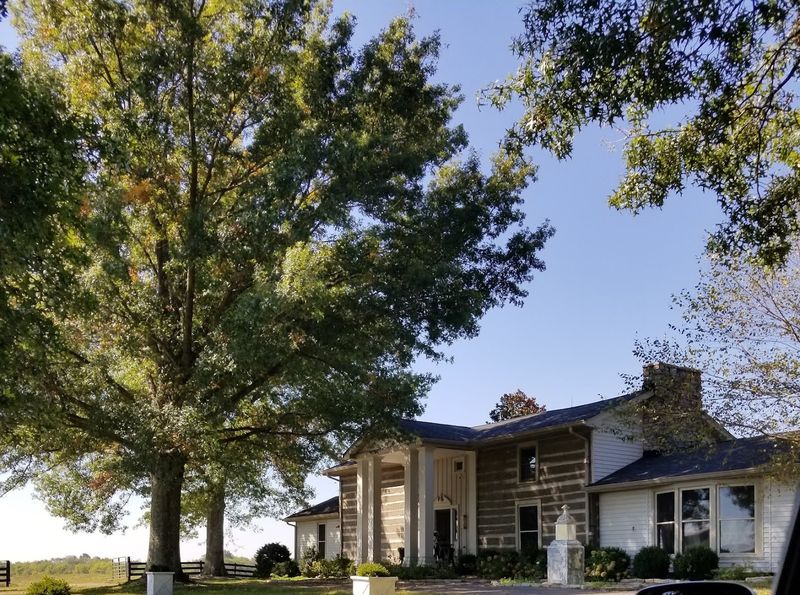
Trains still rumble through Wartrace several times daily, just as they have since the railroad arrived in the 1850s. This tiny Bedford County community was built by and for the railroad, and that heritage defines its character even now. The main street parallels the tracks, lined with buildings that once served railroad workers and travelers passing through.
Walking Horse Country surrounds Wartrace, and the town played a significant role in developing the Tennessee Walking Horse breed. The annual National Walking Horse Celebration happens nearby in Shelbyville, but Wartrace maintains a quieter connection to this heritage. Farms surrounding the town still raise these distinctive horses, continuing a tradition that dates back generations.
The pace here is genuinely slow. There’s no rush, no hustle, just small-town life proceeding at its own rhythm. A handful of businesses operate along the main drag—an antique shop, a restaurant, a few specialty stores—enough to serve locals and welcome occasional visitors without overwhelming the town’s essential character.
The Walking Horse Hotel, built in 1917, stands as Wartrace’s most prominent historic structure. Recently restored, it now operates as a bed and breakfast, offering visitors a chance to experience authentic small-town Tennessee hospitality. The building’s architecture reflects the railroad era’s commercial optimism, when towns like Wartrace seemed poised for growth and prosperity.
That growth never came, but Wartrace’s small size has become its preservation. Without pressure to develop or modernize, the town has simply continued being itself. Vintage storefronts remain largely unchanged, and the railroad tracks still define the town’s geography and identity.
For visitors seeking the quietest, most unassuming entry on this list, Wartrace fits perfectly—a place where time hasn’t so much stopped as simply slowed to a gentle, sustainable pace.
10. Franklin
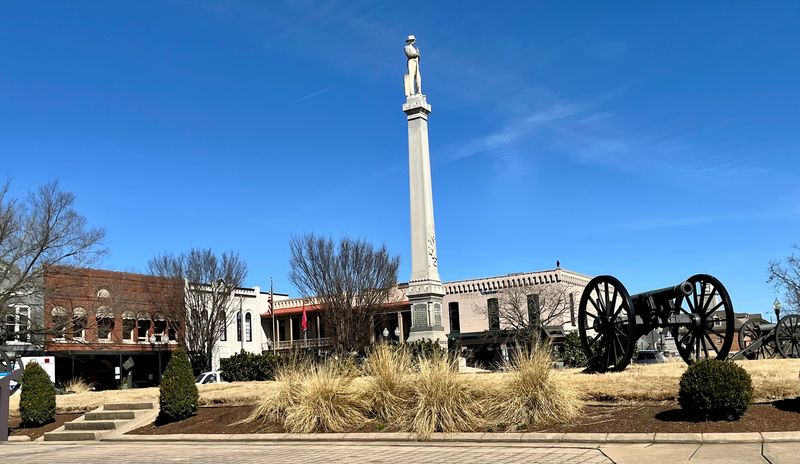
Franklin’s downtown is so perfectly preserved it almost doesn’t seem real. Brick-lined streets, original gas lamps, and block after block of immaculately maintained 19th-century buildings create an atmosphere that’s both authentic and almost impossibly charming. Yet this isn’t a recreated historic village—it’s a thriving town that has successfully balanced preservation with growth.
The Battle of Franklin, fought on November 30, 1864, was one of the Civil War’s bloodiest engagements. Several downtown buildings still bear scars from that terrible day, and historic sites throughout town interpret the battle and its aftermath. Carter House and Carnton Plantation offer particularly moving experiences, preserving not just buildings but the human stories of that devastating conflict.
Main Street bustles with activity—restaurants, boutiques, galleries, and specialty shops occupy historic storefronts, creating a walkable downtown that draws visitors from Nashville and beyond. Yet somehow Franklin has avoided feeling touristy or manufactured. Local businesses predominate, and there’s genuine community life here beyond the commercial activity.
The town’s commitment to preservation extends to residential neighborhoods, where historic homes have been carefully maintained and restored. Walking through these areas, you see architecture spanning from Federal to Victorian to early 20th century, each period represented by well-preserved examples. The level of care evident in these homes reflects a community-wide dedication to honoring the past.
Franklin has grown significantly in recent decades, but strict preservation ordinances have protected the historic core from inappropriate development. New construction must complement existing architecture, maintaining the visual harmony that makes downtown so appealing. It’s a model for how historic towns can accommodate growth without sacrificing character.
Standing on Main Street, surrounded by buildings that witnessed the Civil War and countless quieter moments of Tennessee history, you understand why Franklin has become one of the state’s most beloved small cities.
11. Collierville
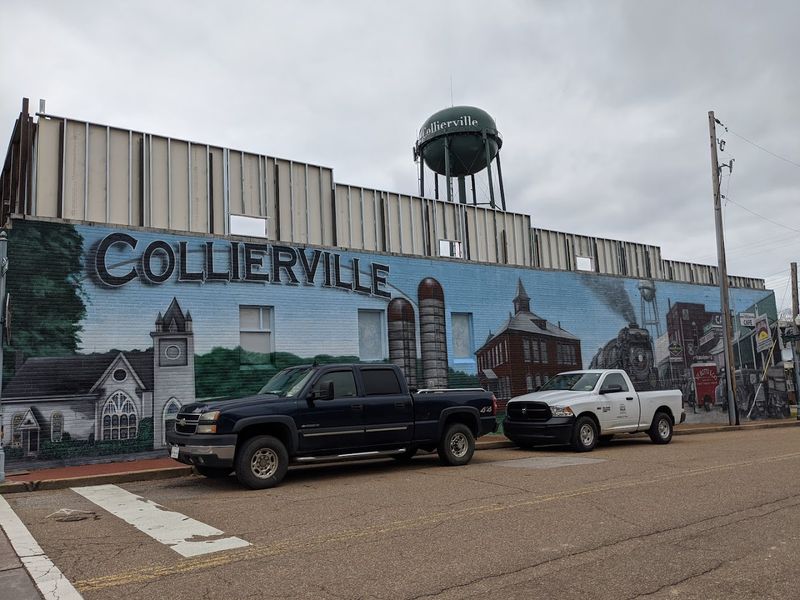
Collierville’s town square looks like it was designed by someone who studied every charming small-town movie ever made and decided to create the perfect version in real life. The historic district centers on a picture-perfect square surrounded by beautifully preserved buildings, brick sidewalks, and old-fashioned streetlights. It’s almost too charming, except it’s completely authentic.
The town dates to 1836, though much of the current historic district reflects late 19th and early 20th-century development. What makes Collierville remarkable is how the community has maintained this historic core even as the town has grown into a significant Memphis suburb. While residential areas have expanded dramatically, the downtown has been protected and enhanced rather than demolished or neglected.
Shops and restaurants around the square occupy original buildings, creating a retail experience that feels completely different from generic suburban shopping centers. You’ll find everything from antiques to contemporary clothing, from casual cafes to upscale dining, all housed in structures that have served the community for over a century.
The Morton Museum of Collierville History preserves and interprets local heritage, offering context for the buildings and streets visitors see around town. Civil War history features prominently—the Battle of Collierville took place here in 1863—but the museum also covers everyday life, commerce, and community development over nearly two centuries.
Festivals and events centered on the town square happen throughout the year, from farmers markets to concerts to seasonal celebrations. These gatherings bring the community together in public space, continuing a tradition of town squares as social centers that modern suburban development often abandons.
12. Sewanee
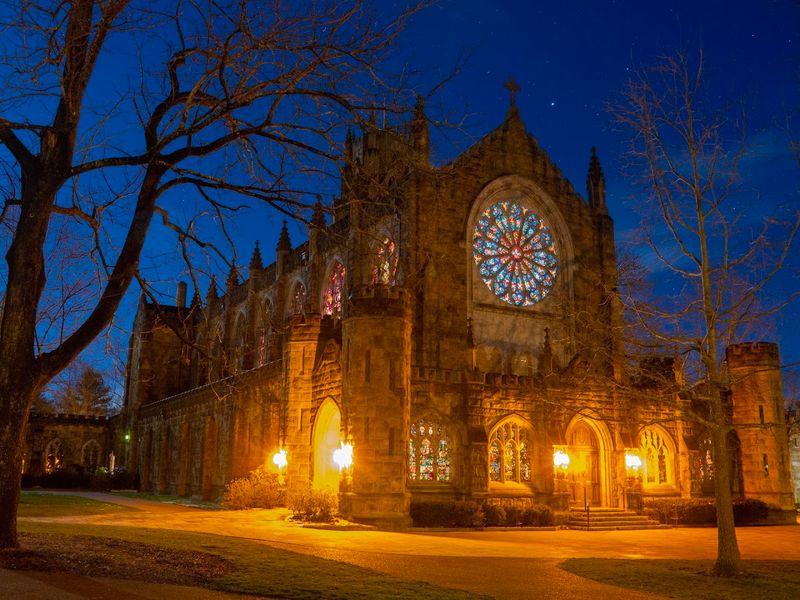
Sewanee exists because of the University of the South, founded in 1857 on the Cumberland Plateau. The campus and town are essentially one, with Gothic-style stone buildings rising from wooded hillsides in a setting that feels more like England than Tennessee.
The university’s architecture dominates the landscape, with All Saints’ Chapel serving as the spiritual and visual centerpiece. Built from local sandstone, the chapel’s Gothic Revival design creates a sense of timelessness and permanence. Walking the campus, you’re surrounded by buildings that look centuries older than they actually are, designed to evoke medieval universities while serving modern educational needs.
The Domain, as the university’s 13,000-acre property is known, offers miles of wooded trails with spectacular overlooks. The Perimeter Trail alone covers 20 miles, circling the plateau’s edge and providing views that stretch for miles. This isn’t manicured parkland—it’s genuine forest, the kind of wilderness that once covered all of Tennessee before settlement and development.
Downtown Sewanee consists of a few blocks along University Avenue, with businesses catering to students, faculty, and visitors. The scale is small, but what’s here feels authentic—a bookstore that’s actually a bookstore, a cafe where regulars linger over coffee, shops selling necessities rather than souvenirs. There’s an old-campus atmosphere that extends beyond the university grounds into the village itself.
What makes Sewanee special is how completely it embraces its identity as a mountain college town. There’s no attempt to be anything else, no diversification into tourism or commerce beyond serving the university community. The result is a place that feels remarkably cohesive and authentic, where Gothic architecture and Appalachian forest combine to create something uniquely beautiful.
Share this story