Texas has no shortage of big cities and famous tourist spots, but some of its best-kept secrets are hiding in plain sight. Scattered across the state are charming small towns that offer unique experiences, rich history, and genuine Texan hospitality without the crowds. These twelve hidden gems have been patiently waiting for travelers to discover what locals have known all along: sometimes the best adventures happen off the beaten path.
1. Marfa
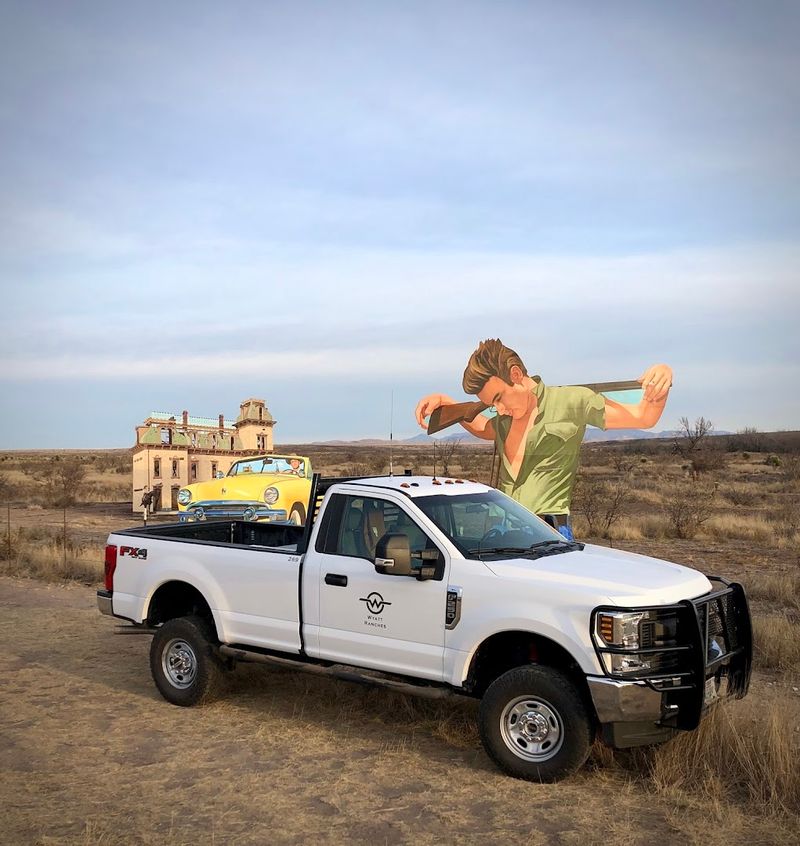
Out in the middle of the Chihuahuan Desert, where the landscape stretches endlessly and the stars shine brighter than anywhere else, sits a tiny town that’s become an unlikely art mecca. What started as a remote ranching community transformed when minimalist artist Donald Judd arrived in the 1970s and decided this windswept corner of Texas was perfect for his massive installations. Today, galleries and studios occupy old storefronts, and contemporary art shares space with cowboy culture in the most unexpected ways.
The famous Marfa Lights have been puzzling visitors since the 1880s, glowing mysteriously on the horizon with no clear explanation. Whether you believe they’re atmospheric phenomena, car headlights, or something more supernatural, the viewing platform east of town draws curious observers every night. The lights dance and flicker against the dark desert backdrop, creating a show that never gets old no matter how many times you watch.
Downtown feels like stepping onto a movie set, with its preserved historic buildings and impossibly blue skies. The old Hotel Paisano, where James Dean stayed during the filming of Giant, still welcomes guests who want to soak up that classic West Texas atmosphere. You can grab breakfast at a local cafe where ranchers sit next to artists, or browse boutiques selling everything from handmade leather goods to cutting-edge design pieces.
Food Shark serves Mediterranean dishes from a food truck that’s become a local institution, proving you don’t need fancy digs to create memorable meals. The combination of high desert air, creative energy, and genuine small-town friendliness makes every visit feel special. And when the sun sets, painting the mountains in shades of pink and orange, you’ll understand why people fall hard for this quirky desert outpost.
The town’s population hovers around 1,700, but its cultural impact reaches far beyond its size. Art openings, film screenings, and music events pop up regularly, drawing visitors from across the country. It’s a place where you can contemplate modern sculpture in the morning and watch actual tumbleweeds roll past in the afternoon.
2. Salado
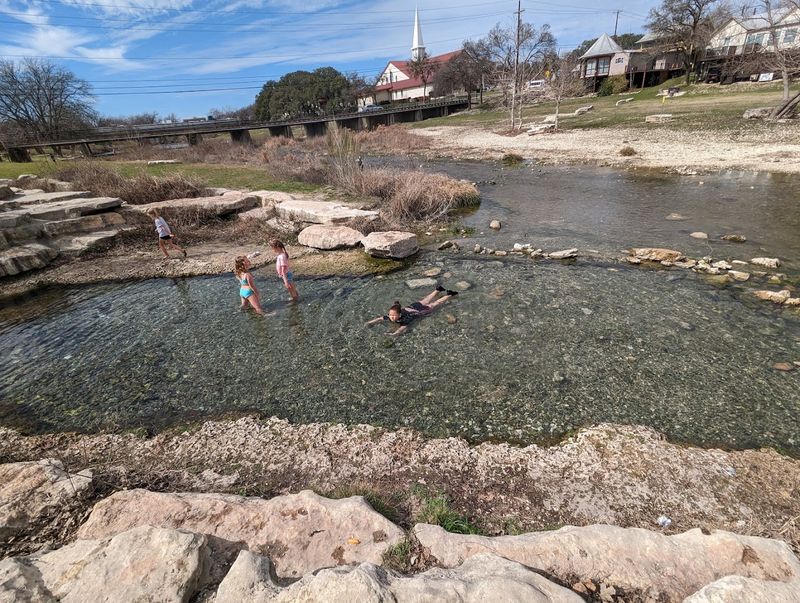
Nestled halfway between Austin and Waco along Interstate 35, this village has mastered the art of feeling worlds away from the highway rush. Salado Creek runs right through the heart of town, creating a shaded oasis where massive oak trees and limestone buildings create the perfect setting for wandering. Artists and craftspeople have claimed this spot as their own, filling galleries and studios with everything from pottery to paintings to handcrafted furniture.
The Stagecoach Inn dates back to 1861 and once served as a rest stop for travelers heading north. Today it operates as a restaurant where you can enjoy Southern cooking in rooms filled with antiques and Texas history. The wooden floors creak with character, and the atmosphere transports you straight back to the days when stagecoaches actually stopped here for fresh horses and hot meals.
Main Street stretches for just a few blocks, but those blocks pack in an impressive concentration of shops worth exploring. You’ll find specialty boutiques selling Texas-made goods, bookstores with carefully curated selections, and enough antique stores to keep treasure hunters busy for hours. The pace here moves slower than in the cities, and shop owners actually have time to chat about their merchandise and share local recommendations.
Salado Sculpture Garden showcases works from regional artists in an outdoor setting that makes art accessible and fun. Kids can run around while adults appreciate the creativity on display, making it a stop that works for the whole family. The combination of art, nature, and small-town charm creates an atmosphere that feels both sophisticated and completely down-to-earth.
Several bed and breakfasts offer overnight stays in historic buildings, letting you extend your visit beyond a quick stop. Summer brings outdoor concerts and art fairs that fill the streets with music and energy. The local community takes pride in preserving their town’s character while welcoming visitors who appreciate authentic Texas hospitality.
When you need a break from big-city intensity, this creek-side village delivers exactly the reset you’re looking for.
3. Jefferson
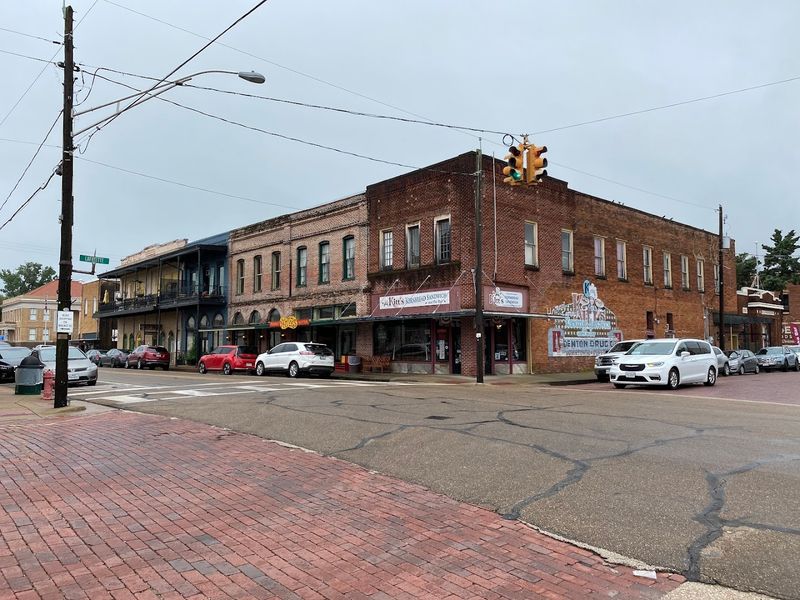
Deep in the Piney Woods of East Texas, a town frozen in Victorian splendor waits to transport you back to the 1800s. Brick streets wind past elaborate mansions with wraparound porches, where ornate woodwork and period details have been lovingly preserved. Once a thriving riverport that rivaled Galveston in importance, the town’s fortunes changed when the railroad passed it by, leaving behind a perfectly preserved snapshot of 19th-century Texas life.
Ghost stories swirl through Jefferson like morning mist off Big Cypress Bayou. The Jefferson Hotel claims several resident spirits, and locals will happily share tales of mysterious footsteps and unexplained phenomena. Whether you believe in the supernatural or not, the town’s atmospheric old buildings and shadowy streets definitely set the stage for eerie encounters, especially during evening ghost tours that wind through historic neighborhoods.
Horse-drawn carriage rides clip-clop past homes that belonged to riverboat captains and cotton merchants. The Grove, a Greek Revival mansion built in 1861, offers tours that showcase how wealthy families lived during Jefferson’s golden age. Crystal chandeliers, imported wallpaper, and furniture that crossed the ocean tell stories of a time when this remote Texas town connected to the wider world through its busy port.
The bayou itself provides a different perspective on the town’s beauty. Paddlewheel boat tours glide past cypress trees draped in Spanish moss, while guides share history and point out wildlife. Alligators, herons, and turtles make their homes in these waters, creating a swampy ecosystem that feels more Louisiana than Texas.
The boat captains know every bend and story, making the rides both educational and entertaining.
Antique shops overflow with treasures from multiple eras, and you never know what you might discover tucked in a corner. Restaurants serve Southern classics in buildings that have housed businesses for over a century. Bed and breakfasts occupy former mansions, letting guests sleep in rooms where history happened.
The whole town feels like an open-air museum, but one where people actually live and welcome visitors into their preserved slice of the past.
4. Alpine
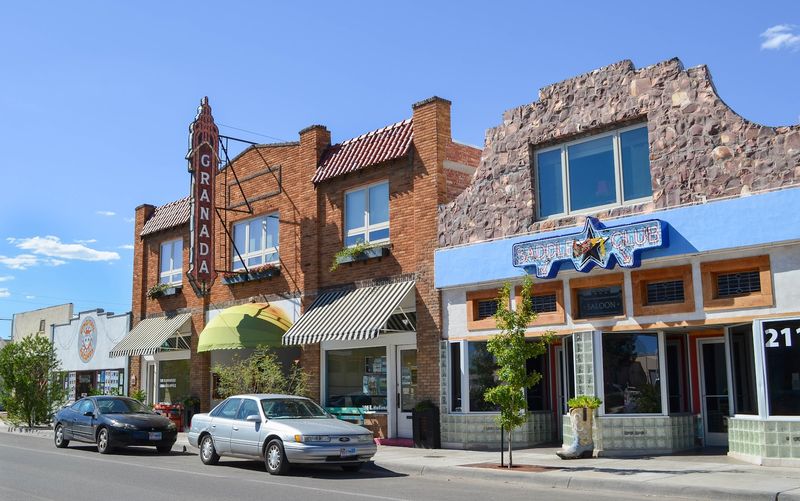
Gateway to Big Bend National Park, this mountain town sits at 4,500 feet elevation where the air stays cooler and the views stretch for miles. Sul Ross State University brings a college-town vibe to an otherwise remote location, creating an interesting mix of academics, ranchers, and outdoor enthusiasts. The downtown historic district maintains its frontier character while coffee shops and art galleries add contemporary flavor to the old limestone buildings.
Murphy Street forms the town’s main drag, where you can browse Western wear stores that outfit actual working cowboys alongside shops selling handmade jewelry and local art. The Museum of the Big Bend, located on the university campus, houses exhibits covering everything from prehistoric times through pioneer days to modern ranching culture. It’s the kind of place where you plan to spend thirty minutes and end up staying two hours because the stories are so compelling.
Railroad history runs deep here, and the restored depot reminds visitors that trains once provided the only reliable connection to the outside world. Today the tracks still carry freight through town, and when a train passes, everything stops for a moment as the whistle echoes off the mountains. That connection to transportation history adds character to a place already rich with Old West atmosphere.
Hikers and mountain bikers find endless trails in the surrounding Davis Mountains, where jagged peaks and high desert terrain create challenging routes with spectacular payoffs. The night skies here rival Marfa’s for darkness and star visibility, making astronomy a popular local pastime. McDonald Observatory sits just up the road, taking advantage of the clear air and minimal light pollution to study the cosmos.
Local restaurants serve everything from traditional Tex-Mex to creative farm-to-table dishes, often featuring beef from nearby ranches. The community supports its artists and musicians, with regular concerts and openings that bring people together. Summer temperatures stay reasonable compared to the rest of Texas, making Alpine a perfect escape when the lowlands turn into ovens.
Winter can bring actual snow to these mountains, creating a rare Texas experience. The combination of mountain scenery, cultural amenities, and genuine Western character makes this high-country town worth the drive to reach it.
5. Port Aransas
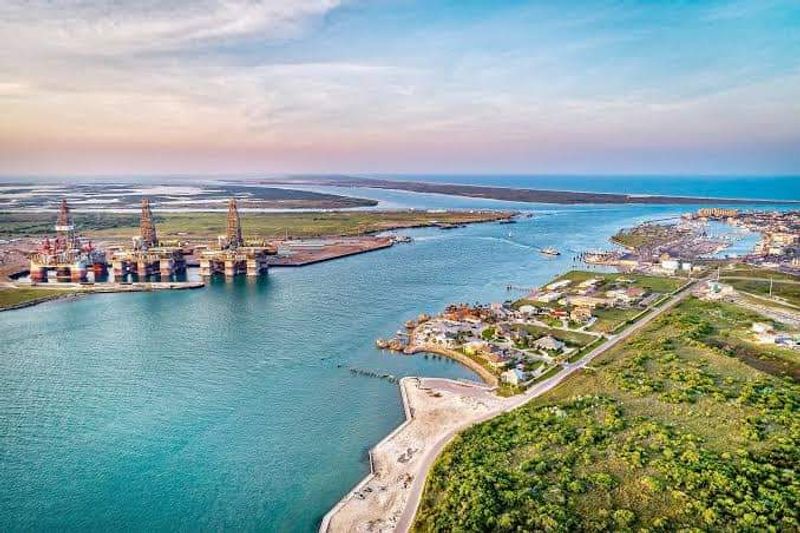
This barrier island fishing village has managed to keep its laid-back beach town soul despite growing popularity. Golf carts outnumber cars on many streets, and flip-flops count as formal wear at most establishments. The smell of salt air and fried seafood drifts through town, while seagulls wheel overhead calling out their endless commentary.
Locals still make their living from the Gulf, and you can watch shrimp boats heading out at dawn or returning with their catches in the afternoon.
The jetty stretches into the Gulf, creating a prime fishing spot where anglers line up to cast for redfish, speckled trout, and whatever else is biting. You don’t need fancy equipment or a guide to try your luck here, just some bait and patience. Pelicans perch on the rocks between fishermen, waiting for dropped bait or discarded catches, completely unafraid of the humans sharing their space.
Beaches extend for miles in both directions, offering everything from crowded stretches near town to isolated dunes where you might not see another soul. Four-wheel-drive vehicles can access certain beach sections, letting adventurous types drive right onto the sand and set up camp for the day. Sunrise over the Gulf paints the sky in impossible colors, and early morning beach walks reward you with shells, sand dollars, and maybe even sea glass.
The University of Texas Marine Science Institute operates a visitor center with touch tanks and exhibits explaining Gulf ecosystems. Kids love getting hands-on with sea creatures, while adults appreciate learning about the delicate balance of coastal environments. The center’s location right on the water means you can watch actual marine research happening alongside tourist education.
Downtown shops sell everything beach-related, from surfboards to sunscreen to silly T-shirts. Restaurants range from casual seafood shacks to slightly fancier establishments, but none of them require anything dressier than shorts and a clean shirt. The ferry ride from the mainland to the island is free and offers great views of the ship channel, where massive cargo vessels pass surprisingly close.
Hurricane Harvey hit this community hard in 2017, but the town rebuilt with determination, proving that island resilience runs deep in Port A’s DNA.
6. Fredericksburg
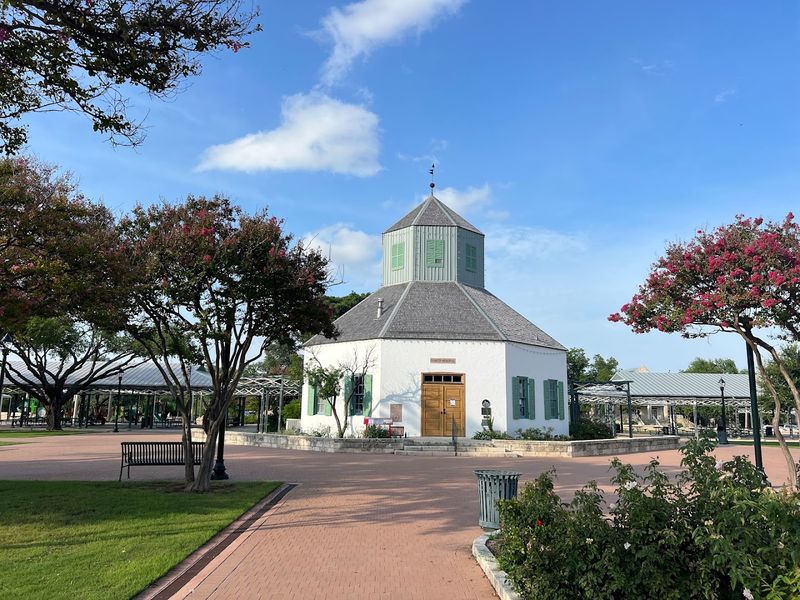
German heritage flavors everything in this Hill Country town, from the architecture to the food to the annual festivals. Founded by German immigrants in 1846, the community has preserved its cultural roots while embracing modern tourism. Main Street stretches for blocks, lined with shops, galleries, and restaurants housed in 19th-century limestone buildings.
On weekends, visitors pack the sidewalks, browsing everything from antiques to contemporary fashion to gourmet food products.
Wineries and tasting rooms dot the surrounding countryside, taking advantage of the Hill Country’s ideal grape-growing conditions. You can spend entire days hopping from vineyard to vineyard, sampling wines that range from bold reds to crisp whites to sweet dessert varieties. Many wineries offer food pairings, live music, and stunning views across rolling hills covered in oak trees and wildflowers.
The wine scene here has grown from novelty to legitimate, with some Texas wines now competing successfully against California and European labels.
The National Museum of the Pacific War honors Admiral Chester Nimitz, who grew up in Fredericksburg before commanding Pacific forces during World War II. The museum complex covers multiple buildings and outdoor spaces, with exhibits ranging from submarines to personal stories from veterans. It’s unexpectedly comprehensive for a small-town museum, drawing history buffs from around the country who want to understand the Pacific theater campaign.
Enchanted Rock State Natural Area rises from the plains just north of town, offering hiking, rock climbing, and panoramic views from the summit. The massive pink granite dome has drawn people for thousands of years, and Native American legends still surround the site. The hike to the top challenges you without requiring mountaineering skills, and the view from the summit stretches across the Hill Country in every direction.
Bed and breakfasts occupy historic homes and newly built cottages, giving visitors plenty of overnight options beyond standard hotels. German bakeries serve authentic pastries and breads using recipes passed down through generations. Oktoberfest celebrations bring oompah bands, beer, and bratwurst to town each fall, while spring wildflower season paints the roadsides in bluebonnets and Indian paintbrush.
The combination of cultural heritage, wine country sophistication, and natural beauty creates a destination that works for romantic getaways, family trips, and friend weekends alike.
7. Glen Rose
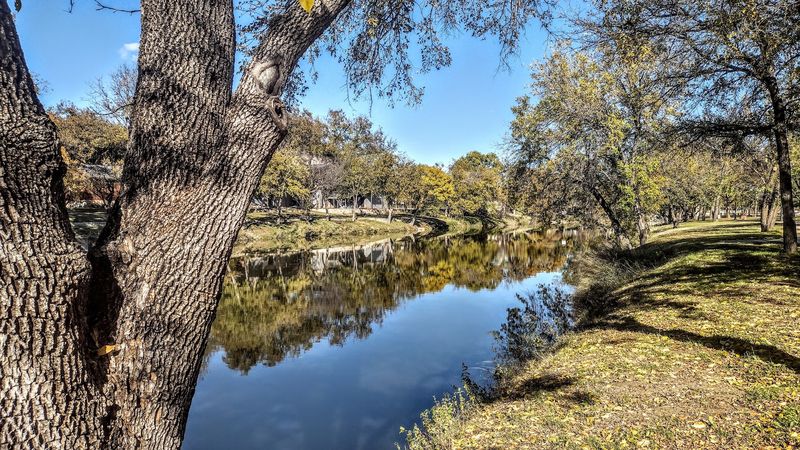
Dinosaur tracks preserved in the limestone riverbed put this town on the map long before anyone thought about marketing tourism. The Paluxy River runs through town, and when water levels drop, you can walk right into the riverbed and stand in footprints left by creatures that roamed here 113 million years ago. Kids absolutely lose their minds seeing real dinosaur evidence they can touch, and honestly, adults find it pretty mind-blowing too.
Dinosaur Valley State Park protects the best track sites while offering camping, hiking, and swimming opportunities. The park’s landscape of rocky hills, river valleys, and dense woods feels prehistoric even without the dinosaur connection. Fiberglass dinosaur models tower over the landscape, giving visitors a sense of scale for the creatures that once walked here.
The park stays busy on summer weekends when people flock to the river to cool off, but weekday visits offer more solitude.
Fossil Rim Wildlife Center lets you drive through 1,800 acres where endangered species roam freely. Giraffes stick their heads right into your car window looking for food, while zebras, ostriches, and antelope wander past. The conservation center focuses on breeding programs for threatened animals, combining education with up-close wildlife encounters.
You can spend hours driving the scenic loop, stopping to feed animals and take photos of creatures you’d normally only see in zoos behind fences.
Downtown Glen Rose maintains its small-town square complete with courthouse and local businesses. The Somervell County Museum occupies an old jail building, sharing local history and dinosaur information with visitors. Shops sell fossils, minerals, and dinosaur-themed souvenirs alongside more typical small-town merchandise.
The Big Rocks Park right in town offers river access where you can wade, swim, or just sit on the smooth limestone and watch the water flow past.
Several bed and breakfasts provide lodging in historic homes, while cabin rentals along the river let you fall asleep to the sound of flowing water. Local restaurants serve home-style cooking and Texas barbecue without any pretense. The town’s small size means everything stays walkable and manageable, even on busy weekends.
Whether you come for the dinosaurs, the wildlife center, or just the pretty river setting, Glen Rose delivers a unique combination you won’t find replicated anywhere else in the state.
8. Bastrop
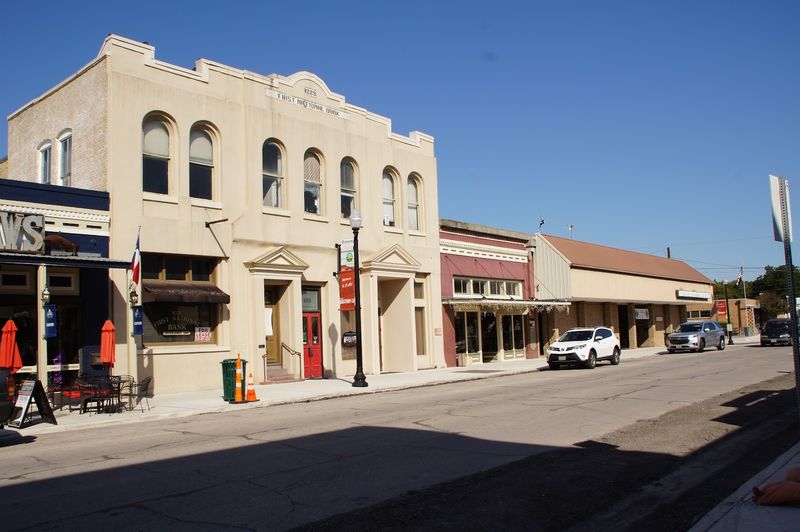
Pine trees tower over this Colorado River town, creating an ecosystem unique in Central Texas. The Lost Pines forest surrounds Bastrop, an isolated stand of loblolly pines separated from East Texas forests by over 100 miles. Scientists still debate how these trees ended up here, but visitors just enjoy the shade and piney scent that makes this area feel different from typical Hill Country terrain.
The 2011 wildfire devastated thousands of acres, but the forest has been recovering steadily, with new growth filling in the burned areas.
Main Street’s historic buildings house antique shops, boutiques, and restaurants that draw weekend visitors from Austin, just 30 miles away. The Bastrop Opera House, built in 1889, still hosts performances and events in its beautifully restored interior. Walking downtown feels like stepping back in time, with wide sidewalks, old-fashioned storefronts, and buildings that have been serving the community for over a century.
Local businesses pride themselves on personal service and unique inventory you won’t find in chain stores.
Bastrop State Park offers camping, hiking, and mountain biking through the pine forest, with trails ranging from easy nature walks to challenging climbs. The Civilian Conservation Corps built much of the park’s infrastructure during the 1930s, and their stone and timber work still stands as testament to Depression-era craftsmanship. Cabins built by the CCC can be rented for overnight stays, giving you a chance to experience the park after day visitors leave.
The Colorado River flows past town, creating opportunities for kayaking, fishing, and riverside relaxation. Several outfitters rent equipment and offer guided trips for those who want to explore from the water. The river’s current moves gently through this section, making it accessible for beginners while still providing enough interest to keep experienced paddlers engaged.
Bald cypress trees line the banks, and turtles sun themselves on logs while herons stalk the shallows.
Neighboring Smithville adds another historic downtown worth exploring, and the two towns together create a full day of discovery. Local festivals celebrate everything from art to music to the Lost Pines themselves, bringing the community together and welcoming visitors to join the fun. The combination of unique ecology, preserved history, and proximity to Austin makes Bastrop an easy escape that feels much farther from the city than the actual mileage suggests.
9. Luckenbach
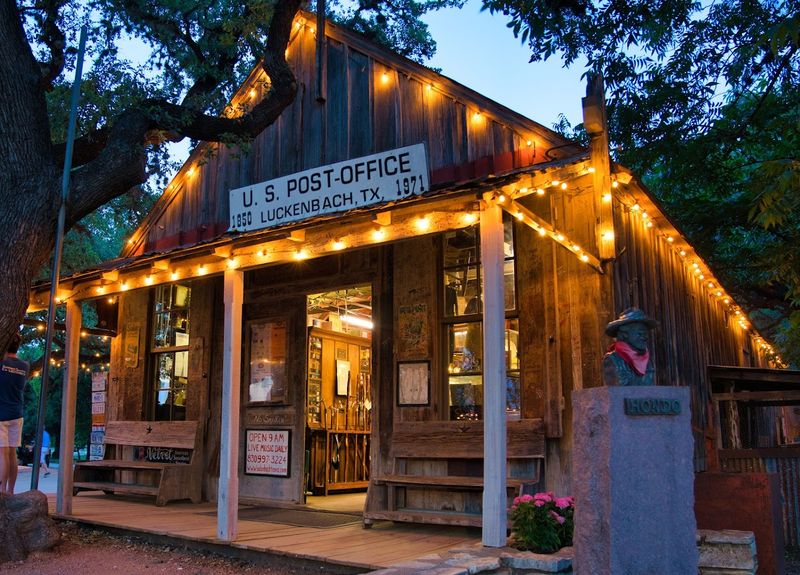
Population: 3. That’s not a typo. This tiny Hill Country community consists of a dance hall, a general store/bar, and a whole lot of Texas attitude.
Willie Nelson and Waylon Jennings made Luckenbach famous with their song about getting back to basics, and the place has been living up to that outlaw country reputation ever since. There’s no pretense here, just cold beer, live music, and the kind of authentic Texas experience that can’t be manufactured.
The dance hall hosts musicians every weekend and many weekdays, with the schedule ranging from local picker circles to nationally known performers. You never know who might show up to play, and that’s part of the magic. The stage sits under massive oak trees, with the audience sprawling across picnic tables, lawn chairs, and patches of grass.
Bring your own seating, grab a drink from the bar, and settle in for whatever musical journey unfolds.
The general store sells beer, wine, snacks, and souvenirs, operating from a building that’s been standing since the 1850s. The walls and ceiling are covered with business cards, stickers, and signatures from visitors who wanted to leave their mark. It’s crowded, chaotic, and completely charming, with locals and tourists mingling at the bar like they’re all old friends.
The postal area in the corner still functions, making Luckenbach an official U.S. Post Office despite its tiny population.
People come here to slow down and remember what matters. There’s no cell service to speak of, which forces you to actually be present and engage with the people around you. Conversations start easily when everyone’s here for the same reason: to enjoy simple pleasures like good music, cold drinks, and warm sunshine.
The dress code runs from cowboy boots to flip-flops, and nobody judges either direction.
Special events pack the place beyond capacity, with motorcycles, trucks, and cars lining the country roads leading to town. The annual chili cook-off, ladies state chili championship, and various music festivals draw crowds that temporarily boost the population into the thousands. But even on quiet weekdays, there’s usually someone picking guitar under the trees, keeping the music alive.
You can’t live here unless you’re one of the three official residents, but everyone’s welcome to visit and soak up the laid-back vibe that makes Luckenbach legendary.
10. Rockport
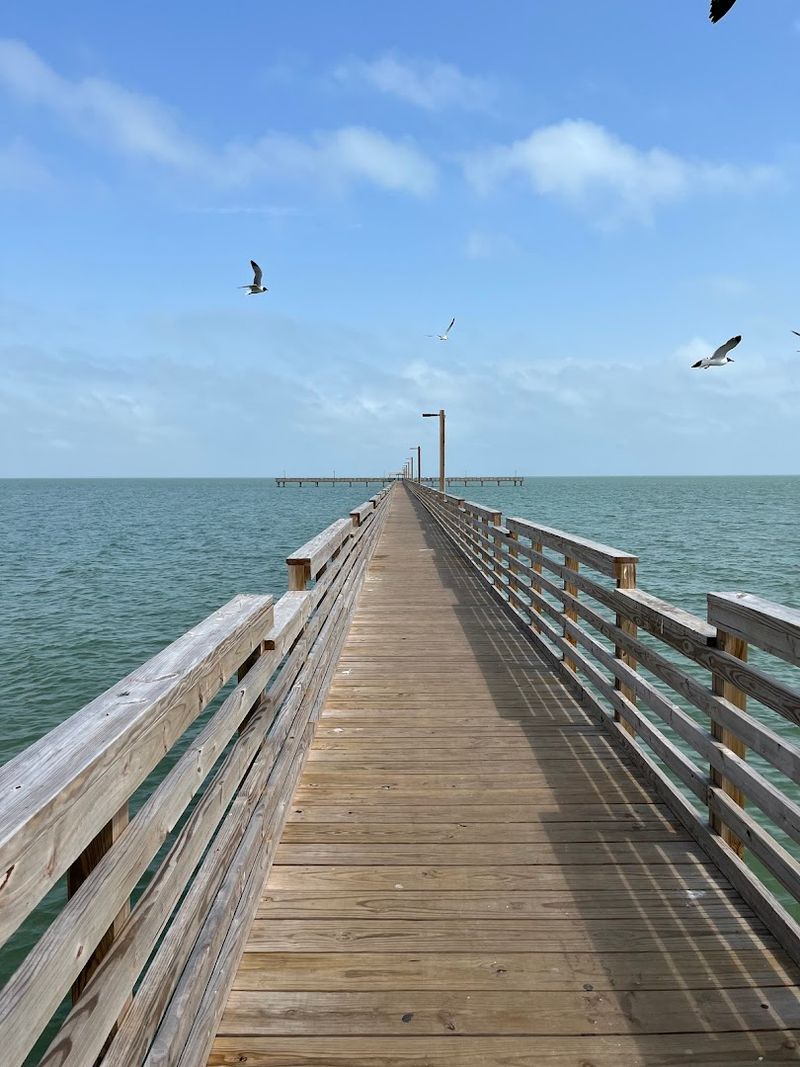
Artists discovered this coastal town decades ago, drawn by the quality of light reflecting off Aransas Bay and the relaxed pace of life. Galleries line the downtown streets, showcasing everything from realistic coastal scenes to abstract interpretations of wind and water. The local art scene takes itself seriously without being snooty, and most gallery owners are happy to discuss their work and the creative community that thrives here.
First Saturday Art Walks bring crowds downtown to meet artists, see new work, and enjoy the festive atmosphere.
The Big Tree stands just outside town, a massive live oak estimated to be over 1,000 years old. Its branches spread 90 feet across, creating a canopy large enough to shade several houses. People have been visiting this tree for generations, and standing beneath its ancient limbs puts your own timeline into humbling perspective.
The tree survived hurricanes, droughts, and centuries of change, still growing strong beside Lamar Peninsula.
Fishing defines much of local life, with both recreational and commercial operations working these productive waters. Redfish, speckled trout, and flounder attract anglers year-round, while offshore trips target bigger game in the Gulf. Charter boats leave from the harbor daily, taking visitors to proven fishing spots.
Even if you don’t fish, watching the boats come and go provides entertainment, especially when successful crews return with impressive catches to clean at the dock.
Whooping cranes winter in the nearby Aransas National Wildlife Refuge, offering rare opportunities to see these endangered birds. Boat tours take visitors into crane territory during winter months, when the tall white birds feed in the marshes and shallow bays. The refuge protects crucial habitat not just for cranes but for hundreds of other species, making it a paradise for birdwatchers and nature photographers.
Alligators sun themselves on muddy banks while roseate spoonbills wade through the shallows, creating scenes that belong on nature documentaries.
Hurricane Harvey devastated Rockport in 2017, but the community rebuilt with characteristic determination. New construction mixes with restored historic buildings, and while some scars remain, the town’s spirit came through intact. Seafood restaurants serve fresh catches prepared every way imaginable, from fried to grilled to blackened.
The combination of art, nature, and coastal culture creates a destination that rewards multiple visits, with each trip revealing new layers of this resilient community.
11. Nacogdoches
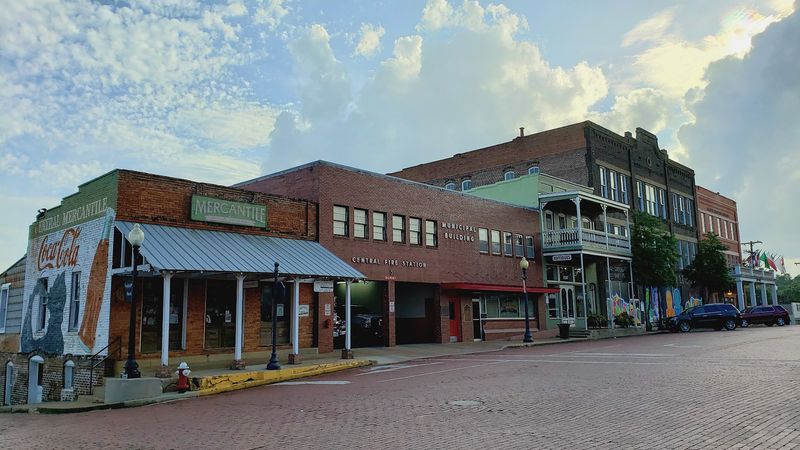
The oldest town in Texas wears its history proudly, with markers and plaques explaining centuries of events that shaped the state. Nine different flags have flown over Nacogdoches, and the town played roles in Texas independence, Civil War conflicts, and countless smaller dramas that don’t make textbooks. Stephen F.
Austin University brings college energy to this East Texas community, creating an interesting blend of historic preservation and youthful activity. The campus trees turn brilliant colors in fall, rare for Texas but common in these eastern forests.
Brick streets wind through the downtown historic district, where buildings date back to the early 1800s. The Old University Building, constructed in 1859, stands as one of the oldest academic structures in Texas. Walking these streets feels like moving through different eras, with Victorian homes, Spanish colonial influences, and modern renovations all coexisting.
Local preservation efforts have kept development from destroying the character that makes Nacogdoches special.
The Azalea Trail blooms spectacularly each spring, when thousands of azalea bushes explode in pink, red, white, and purple flowers. The self-guided driving tour winds through residential neighborhoods where homeowners have cultivated these shrubs for generations. Pine trees provide the backdrop for this floral show, creating a distinctly East Texas scene.
Even outside azalea season, the trail showcases beautiful homes and gardens worth exploring.
Caddo Mounds State Historic Site preserves ceremonial mounds built by Native Americans over 1,200 years ago. The site includes a museum explaining Caddo culture and the significance of these earthworks. Walking among the mounds connects you to the people who shaped this landscape long before European arrival.
The Caddo were sophisticated farmers, traders, and builders, and their legacy deserves recognition beyond footnotes in Texas history.
Local restaurants serve East Texas specialties like chicken-fried steak, sweet tea, and pies that could win state fair ribbons. The college population ensures coffee shops and casual eateries stay busy, while more traditional establishments cater to locals who’ve been eating there for decades. Nacogdoches sits far enough from major cities to maintain its own identity, but close enough to Lufkin and other regional centers to avoid total isolation.
The piney woods surrounding town offer hiking, fishing, and escape into nature that’s distinctly different from West Texas desert or Hill Country limestone. History buffs will find endless material to explore, while casual visitors can simply enjoy a pretty town that hasn’t forgotten where it came from.
12. Granbury
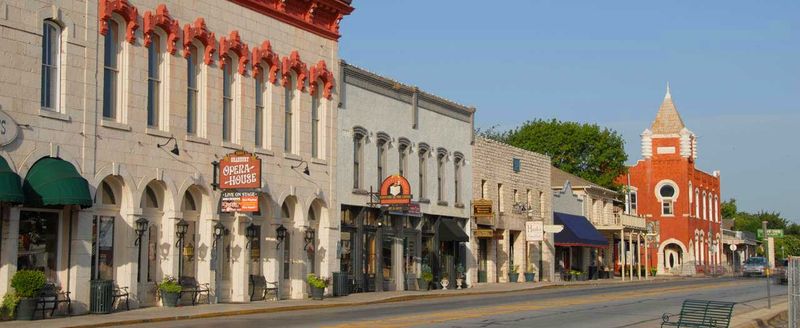
The town square surrounding Hood County Courthouse might be the most picturesque in all of Texas, with its Victorian-era architecture and careful preservation creating a setting that belongs on postcards. The limestone courthouse, built in 1890, anchors the square with its Second Empire style and mansard roof. Shops and restaurants occupy historic buildings around the square, their facades maintained to period accuracy while interiors offer modern amenities and contemporary merchandise.
Weekend visitors pack the square, browsing antiques, eating ice cream, and soaking up the old-town atmosphere.
Lake Granbury wraps around the town, created by a dam on the Brazos River. The lake brought recreation and waterfront property to a town that was already charming, adding boating, fishing, and lakeside dining to the list of attractions. Paddleboards, kayaks, and pontoon boats share the water, while waterfront restaurants let you enjoy sunset views with your meal.
The lake’s presence transformed Granbury from a sleepy county seat into a destination that draws visitors from the Dallas-Fort Worth metroplex just an hour away.
Granbury Opera House presents live theater in a building that’s been entertaining audiences since 1886. The restored interior maintains its historic character while meeting modern safety and comfort standards. Productions range from musicals to dramas to comedies, with local actors and occasional touring companies taking the stage.
The opera house adds cultural depth to a town that could easily rest on its aesthetic laurels alone.
Ghost tours wind through historic neighborhoods after dark, sharing tales of spirits said to haunt old homes and buildings. Whether you believe in ghosts or just enjoy spooky stories, the tours provide entertaining history lessons about Granbury’s colorful past. The town’s age and preserved buildings create the perfect atmosphere for supernatural speculation, and guides tell their stories with just the right mix of humor and creepiness.
Several bed and breakfasts operate in restored Victorian homes, offering overnight stays that match the town’s historic character. The surrounding countryside remains surprisingly rural, with ranches and farms creating a buffer between Granbury and the sprawling development creeping out from Fort Worth. Local festivals celebrate everything from wine to art to Christmas lights, with the square serving as the natural gathering place.
Granbury figured out how to preserve its past while adapting to present needs, creating a small town that works for both residents and visitors without sacrificing authenticity for tourist dollars.
Share this story