Most folks picture Texas as all cowboys, cattle, and oil derricks. But hidden across the state are towns that have always marched to their own beat, blending unexpected cultures, quirky histories, and landscapes that feel nothing like the dusty plains you’d expect. These places prove Texas has been delightfully unpredictable from the start, offering travelers a side of the Lone Star State that surprises even lifelong residents.
1. Fredericksburg
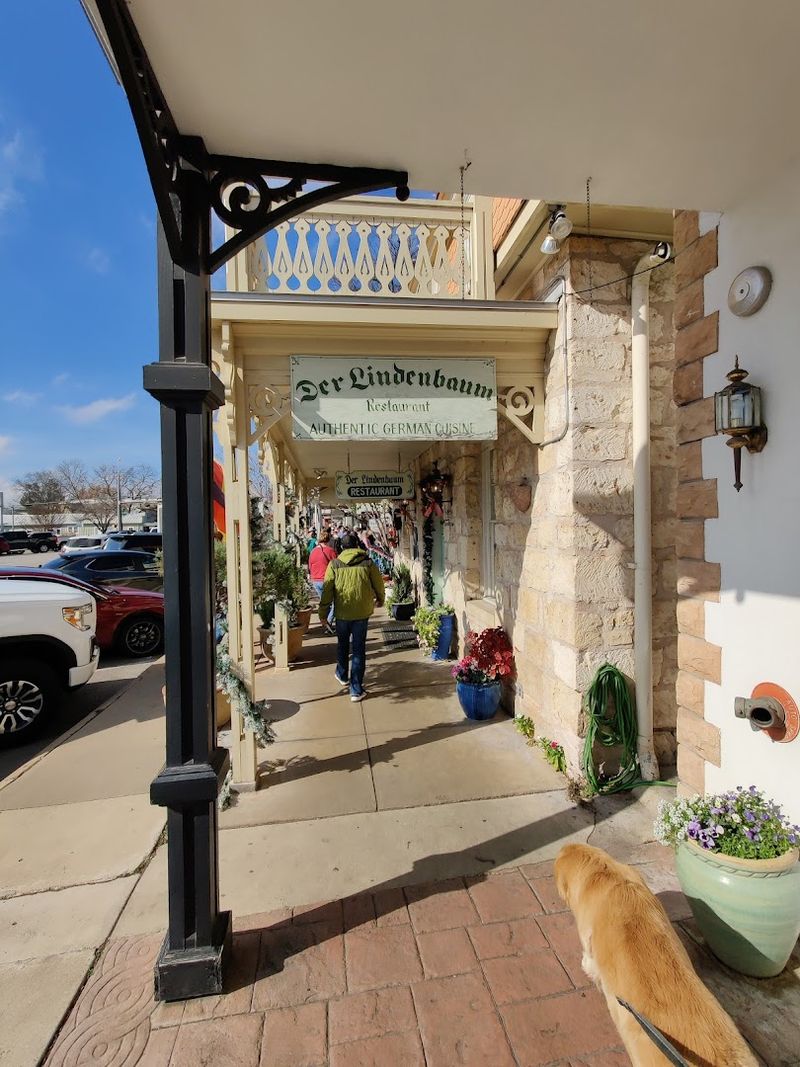
German heritage runs deep through this Hill Country gem, where bakeries sell pretzels alongside breakfast tacos and half the town speaks with a faint accent passed down through generations. Founded in 1846 by German immigrants, Fredericksburg never tried to blend into typical Texas culture. Instead, it doubled down on its roots, creating a place where you can tour a Sunday Haus museum in the morning and catch live country music by evening.
The town’s main drag stretches over a mile, packed with biergartens, wine-tasting rooms, and boutiques selling everything from handmade leather goods to European imports. You won’t find many chain stores here. Local owners dominate the scene, many descended from those original settlers who arrived with dreams of recreating their homeland in the Texas wilderness.
Peach orchards dot the surrounding countryside, turning into a pink-and-white wonderland each spring. Farmers markets overflow with locally grown produce, artisan cheeses, and homemade sausages that would make any Munich butcher proud. The food scene blends schnitzel with smoked brisket, creating fusion dishes that shouldn’t work but absolutely do.
History buffs appreciate the National Museum of the Pacific War, an unexpected find in the middle of Hill Country that honors Admiral Nimitz, a Fredericksburg native. The museum sprawls across multiple buildings, offering one of the most comprehensive World War II collections outside Washington. It’s a reminder that this small town has always punched above its weight, producing leaders and innovators who shaped history far beyond Texas borders.
Weekends bring crowds from Austin and San Antonio, but the town maintains its authentic charm. Even with tourism booming, Fredericksburg feels more like visiting your eccentric German aunt than hitting a generic destination. The locals actually live here, work here, and genuinely love sharing their unique slice of Texas with visitors who appreciate something different.
2. Terlingua
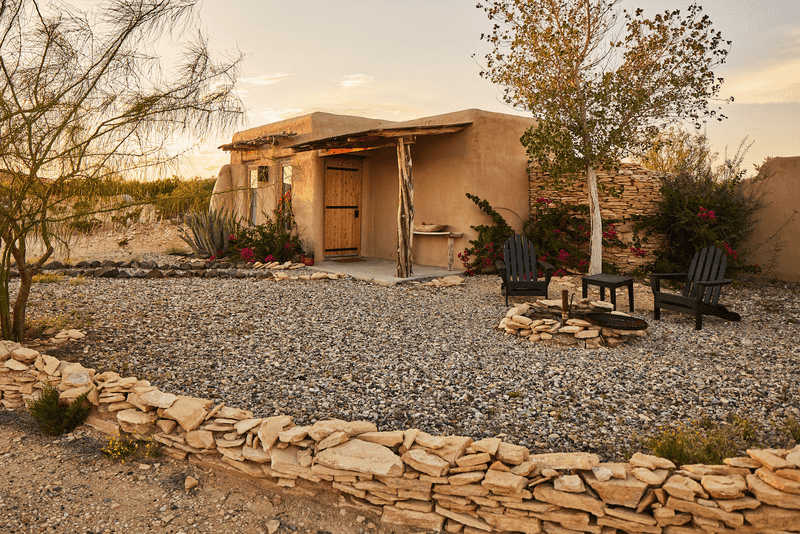
Out where the Chihuahuan Desert meets the Rio Grande, this former mining town clings to existence with a population that hovers around 60 permanent residents. Terlingua started as a quicksilver mining hub in the late 1800s, boomed hard, then collapsed when the mines closed in the 1940s. Most towns would have disappeared entirely, but Terlingua transformed into something wonderfully weird instead.
Artists, writers, and folks escaping conventional life discovered the ruins and decided to stay. They turned crumbling adobe structures into galleries, quirky cafes, and off-grid homes that run on solar power and sheer determination. The Starlight Theatre, built from reclaimed mining camp materials, serves as the town’s beating heart, offering cold beer, live music, and some of the best burgers you’ll eat under a corrugated tin roof.
Every November, the World Championship Chili Cook-Off draws thousands to this tiny outpost, turning the desert into a massive party that’s been running since 1967. Competitors take their recipes seriously, but the event maintains a carnival atmosphere where anything goes. RVs park wherever there’s space, bands play on makeshift stages, and the whole thing feels like Burning Man’s Texas cousin.
Big Bend National Park sits just down the road, making Terlingua a popular base camp for hikers and river runners. But the town itself deserves exploration. Wander through the cemetery where miners rest under handmade crosses, or visit the Terlingua Trading Company for supplies and local gossip.
Cell service barely exists, which visitors either love or hate depending on their ability to disconnect.
The night sky alone justifies the drive. With zero light pollution for miles, stars blanket the darkness so thickly you can read by starlight. It’s the kind of place that reminds you Texas isn’t all suburbs and highways, that wild spaces still exist where people live by their own rules and wouldn’t have it any other way.
3. Rockport
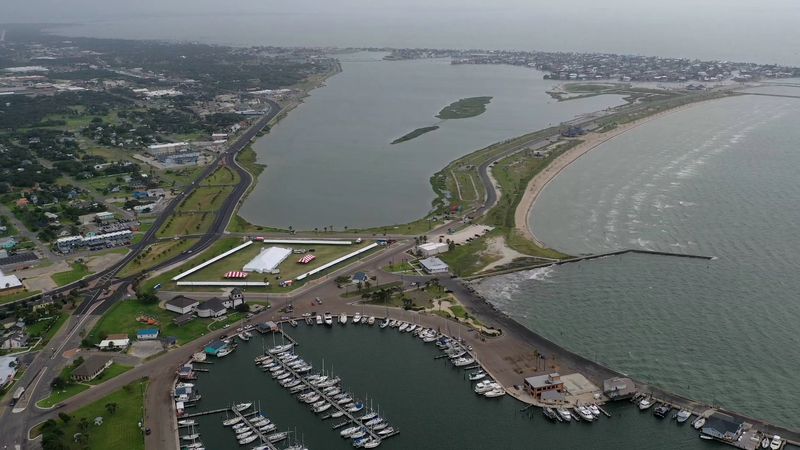
While most Texas coast towns lean heavily into tourist traps and beachside condos, Rockport maintains a working waterfront where shrimpers still unload catches and artists outnumber real estate agents. The town wraps around Aransas Bay, offering calmer waters than the open Gulf and a laid-back vibe that feels more like Old Florida than modern Texas. Pelicans outnumber people most days, diving for fish alongside the piers while locals barely glance up from their coffee.
Art galleries cluster downtown, showcasing coastal landscapes, wildlife sculptures, and abstract pieces inspired by the ever-changing bay. First Saturday Art Walks bring the community together, with wine flowing freely and artists chatting with visitors like old friends. Many creatives relocated here specifically for the light, which has a soft quality that photographers and painters chase obsessively.
The Texas Maritime Museum sits harborside, telling stories of pirates, shipwrecks, and the offshore oil industry through hands-on exhibits. Kids love the boat-building workshops, while history nerds appreciate the detailed accounts of Jean Lafitte’s rumored treasure still hidden somewhere along the coast. The museum doesn’t sugarcoat the tough realities of maritime life, making it far more interesting than typical feel-good tourist attractions.
Whooping cranes winter nearby at Aransas National Wildlife Refuge, drawing birders from around the world. These endangered birds, standing nearly five feet tall, make the long migration from Canada each year. Boat tours leave Rockport daily during season, offering chances to spot not just cranes but dolphins, alligators, and hundreds of other species thriving in the protected marshlands.
Hurricane Harvey devastated Rockport in 2017, flattening buildings and stripping trees bare. But the town rebuilt with determination, refusing to let disaster erase its character. Today, you’ll see stronger structures and smarter planning, but the essential spirit survived intact.
Locals still gather at waterfront restaurants for sunset happy hours, still argue about the best fishing spots, and still welcome visitors who appreciate authenticity over resort-style polish.
4. Marfa
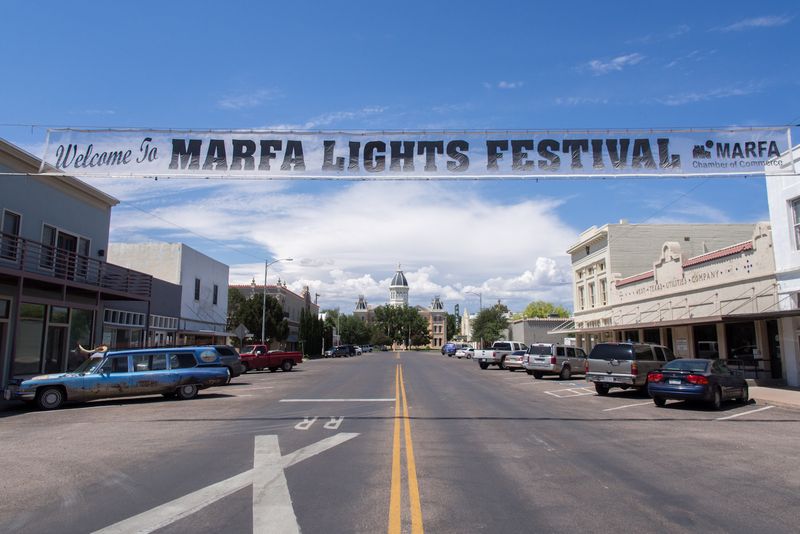
Population 1,700. International art destination. Those two facts shouldn’t coexist, yet Marfa pulls it off with an effortless cool that drives bigger cities crazy with envy.
Donald Judd, the minimalist sculptor, moved here in the 1970s and bought up buildings to display massive installations that need desert space to breathe properly. His Chinati Foundation now sprawls across 340 acres, featuring works by artists who understood that sometimes art needs emptiness around it to make sense.
The town itself looks like a movie set, which makes sense since Giant filmed here in 1955 with James Dean and Elizabeth Taylor. That Hollywood connection planted seeds for the creative community that followed. Today, galleries outnumber gas stations, and the local bookstore stocks art theory alongside cowboy poetry.
Food Shark, a Mediterranean food truck, somehow became a must-visit destination, proving Marfa operates by its own logic.
Hotel Saint George and El Cosmico represent the town’s aesthetic perfectly. The hotel blends mid-century modern with ranching culture, while El Cosmico offers vintage trailers, teepees, and yurts for guests who want their accommodations as quirky as their surroundings. Both places attract creative types from New York, Los Angeles, and Tokyo who make pilgrimages to experience this unlikely oasis.
Then there are the Marfa Lights, mysterious glowing orbs that appear in the distance with no scientific explanation that satisfies everyone. A viewing platform sits just outside town where people gather at dusk, hoping to spot the phenomenon that’s been documented since the 1880s. Skeptics blame car headlights or atmospheric conditions, but locals enjoy the mystery too much to want definitive answers.
Ranching still happens around Marfa, with cattle operations that predate the art scene by a century. This creates interesting tension between old-timers and newcomers, though most folks have learned to coexist. Cowboys grab coffee next to gallery owners, and somehow it works.
Marfa proves that Texas has always had room for reinvention, that small towns don’t have to stay frozen in time or sell out completely to survive.
5. Luckenbach
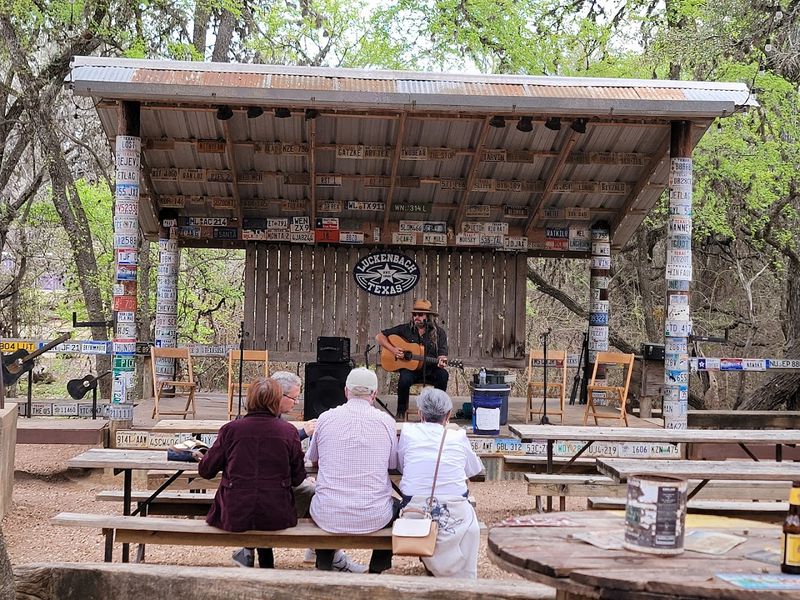
Waylon Jennings sang about it, Willie Nelson played here, and the population sign still reads three. Luckenbach exists as more concept than actual town, a place where the post office doubles as a bar and live music happens under ancient oak trees whenever someone brings a guitar. The whole “town” consists of a general store, a dance hall, and a few outbuildings scattered across a couple acres of Hill Country dirt.
Founded in 1849 by German immigrants, Luckenbach operated as a proper community with a cotton gin, blacksmith shop, and busy social scene. But rural depopulation hit hard, and by the 1970s the place was nearly abandoned. Then Hondo Crouch, a rancher and folk hero, bought the whole town for $30,000 and transformed it into a gathering spot for musicians, poets, and anyone tired of uptight city life.
Crouch declared himself mayor, clown, and philosopher, hosting events he called “non-buy-centennials” that mocked consumerism and celebrated simple pleasures. His spirit still permeates the place. There’s no admission fee, no set schedule, and no pretense.
Musicians show up hoping for a slot on the outdoor stage, and if they’re decent, the crowd rewards them with beer money and genuine appreciation.
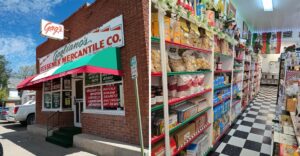
The general store sells cold drinks, basic groceries, and an absurd amount of Luckenbach merchandise. Visitors sign their names on every available surface, creating layers of graffiti that document decades of pilgrims seeking something authentic. The walls inside are covered floor to ceiling with business cards, photos, and messages from people who found whatever they were looking for in this unlikely spot.
Weekends bring crowds, but weekdays offer a quieter experience where you might have the place almost to yourself. Locals from Fredericksburg stop by for lunch, sitting at picnic tables under the oaks and swapping stories with whoever’s around. There’s no WiFi, no cell service worth mentioning, and absolutely nothing to do except relax and remember that Texas wasn’t always about hustle and growth.
Sometimes it was just about finding a shady spot and enjoying the moment.
6. Brownsville
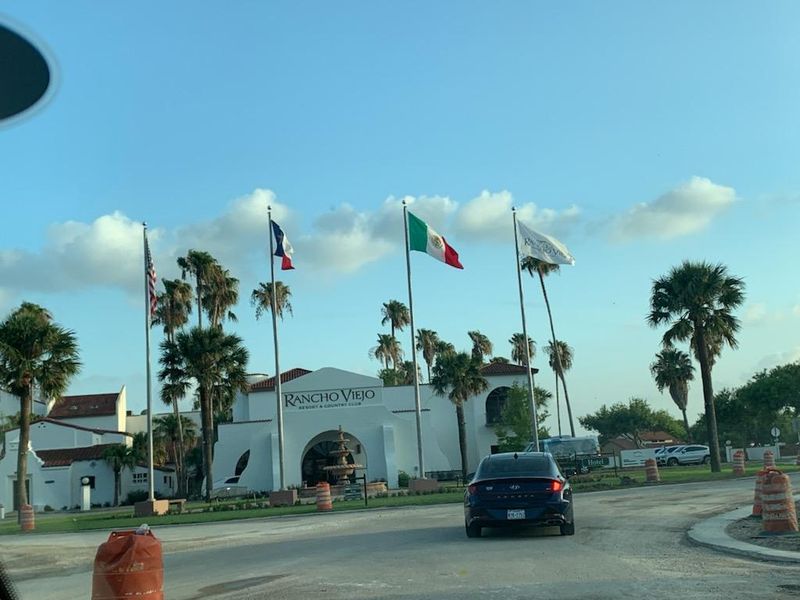
Sitting at the very southern tip of Texas, Brownsville feels more connected to Mexico than Dallas or Houston. The Rio Grande flows past downtown, with Matamoros visible just across the water, creating a binational region where cultures blend so thoroughly that separating them becomes pointless. Spanish dominates many conversations, and restaurants serve authentic Mexican food that would make interior Texas establishments weep with inadequacy.
History runs deep here, with the city playing crucial roles in the Mexican-American War, the Civil War, and countless border conflicts. Fort Brown, established in 1846, sparked the war with Mexico when American troops occupied disputed territory. The fort’s ruins and associated museum tell complicated stories about nationalism, expansion, and the people caught between competing powers.
Palo Alto Battlefield National Historical Park preserves the site of the war’s first major battle. Walking the grounds, you can almost hear cannon fire echoing across the coastal prairie. Rangers offer detailed accounts of the fighting, explaining tactics and consequences without glossing over the moral complexities.
It’s history presented honestly, acknowledging that wars create winners and losers but rarely heroes without flaws.
The Gladys Porter Zoo surprises visitors with its quality and scope. Spread across 31 acres, it houses over 1,600 animals in naturalistic habitats that emphasize conservation and education. Jaguars, spider monkeys, and tropical birds thrive in environments carefully designed to mimic their native homes.
The zoo participates in breeding programs for endangered species, contributing to global conservation efforts from this border town that many Americans forget exists.
Downtown’s historic district showcases Spanish colonial revival architecture mixed with art deco buildings from the 1920s and 30s. Boutiques, galleries, and cafes occupy renovated structures that were nearly demolished during less enlightened decades. The Market Square hosts events celebrating everything from Dia de los Muertos to Charro Days, a four-day festival that’s been bringing communities together since 1938.
Brownsville doesn’t fit Texas stereotypes because it never tried to. It’s always been its own place, shaped by geography and culture into something uniquely border-town beautiful.
7. Gruene
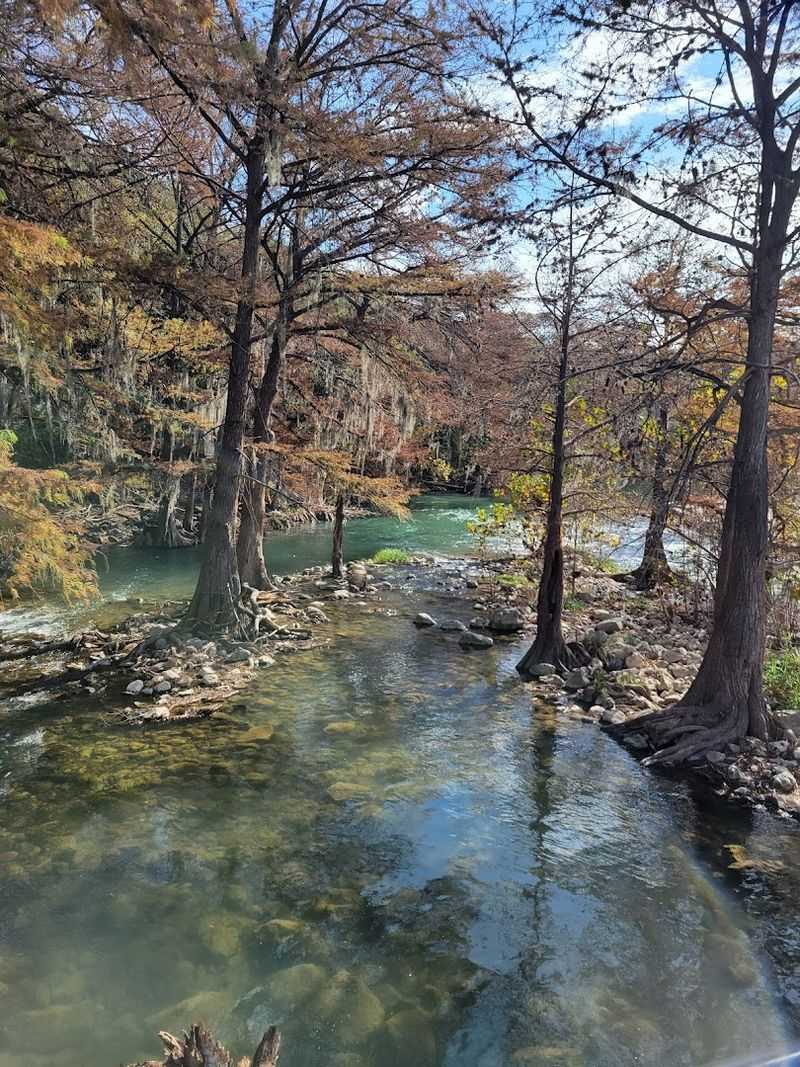
Technically part of New Braunfels but spiritually independent, Gruene exists as a perfectly preserved slice of 1800s Texas that somehow avoided the wrecking ball. The entire district earned National Register status, protecting buildings that date back to when German immigrants turned this riverside spot into a thriving cotton town. Today, those same structures house restaurants, shops, and Texas’s oldest continually operating dance hall.
Gruene Hall opened in 1878 and hasn’t changed much since. The wooden floor slopes slightly from decades of boot-scuffing, and the walls display layers of concert posters advertising everyone from local honky-tonk bands to George Strait and Willie Nelson. There’s no air conditioning, just open windows and ceiling fans that barely move the summer heat.
But when the music starts and the crowd two-steps across that ancient floor, nothing else matters.
The Guadalupe River flows past town, drawing tubers by the thousands during summer months. Outfitters rent tubes and shuttles, but the Gruene experience focuses more on the town itself than the river party scene that dominates downstream areas. You can tube in the morning, then spend the afternoon browsing antique shops and eating barbecue at the Gristmill, a restaurant built into the ruins of an 1878 cotton gin.
Shops occupy former homes and commercial buildings, each maintaining period details while offering modern goods. You’ll find handmade jewelry, Texas-themed gifts, and vintage clothing alongside more typical tourist merchandise. The owners actually care about maintaining authenticity, refusing to let Gruene become another generic shopping district with fake old-timey facades.
Water tower aside, Gruene barely acknowledges the 21st century. There’s something refreshing about a place that succeeds by preserving rather than modernizing, that draws visitors specifically because it didn’t tear everything down and start over. Couples get married here regularly, choosing Gruene for its romantic, timeless atmosphere.
The town proves that Texas history doesn’t have to be sanitized or themed to death to attract people. Sometimes authentic is enough, especially when authentic comes with cold beer and live music under a tin roof that’s weathered over a century of Texas summers.
8. Alpine
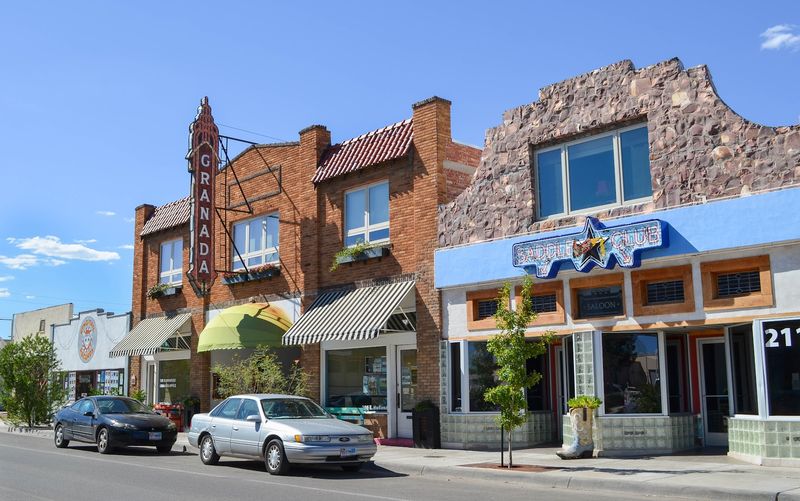
Mountains rise behind this high-desert town, immediately signaling that you’ve left the Texas most people imagine. Alpine sits at 4,500 feet elevation, where temperatures stay cooler and the landscape shifts toward something more New Mexico than stereotypical Lone Star. Sul Ross State University anchors the community, bringing students, professors, and cultural events to a place that could have easily remained just another dusty ranching outpost.
The university’s presence creates an unexpected intellectual atmosphere. The Museum of the Big Bend houses extensive collections covering regional history, from prehistoric peoples through ranching eras to modern border culture. Rotating exhibits showcase contemporary artists alongside historical artifacts, and the staff includes actual scholars who love discussing their specialties with interested visitors.
It’s the kind of small museum that bigger cities would envy.
Downtown Alpine stretches along Highway 90, with locally owned businesses occupying historic storefronts. Kiowa Gallery represents regional artists working in everything from traditional western scenes to abstract pieces inspired by desert light. Railroad Blues offers live music and craft beer in a renovated depot, while the Reata restaurant serves upscale cowboy cuisine that’s actually good rather than just themed.
The town supports its local economy fiercely, with residents choosing independent shops over chains whenever possible.
Outdoor recreation dominates life here. The Davis Mountains lie just north, offering hiking, camping, and some of the darkest night skies in the continental United States. McDonald Observatory operates nearby, with public star parties that reveal galaxies and nebulae invisible to city dwellers.
Big Bend National Park sits an hour south, making Alpine the logical base camp for extended exploration of West Texas wildlands.
The town’s population hovers around 6,000, creating that sweet spot where you recognize faces but aren’t related to everyone. Artists, scientists, ranchers, and students mix freely, creating conversations that range from cattle prices to contemporary poetry. Summer heat drives some residents to higher elevations, but those who stay enjoy empty trails and uncrowded restaurants.
Alpine doesn’t try to be anything other than what it is: a mountain town that happens to be in Texas, offering a lifestyle that has nothing to do with cowboys and oil wells and everything to do with big skies and bigger possibilities.
9. Jefferson
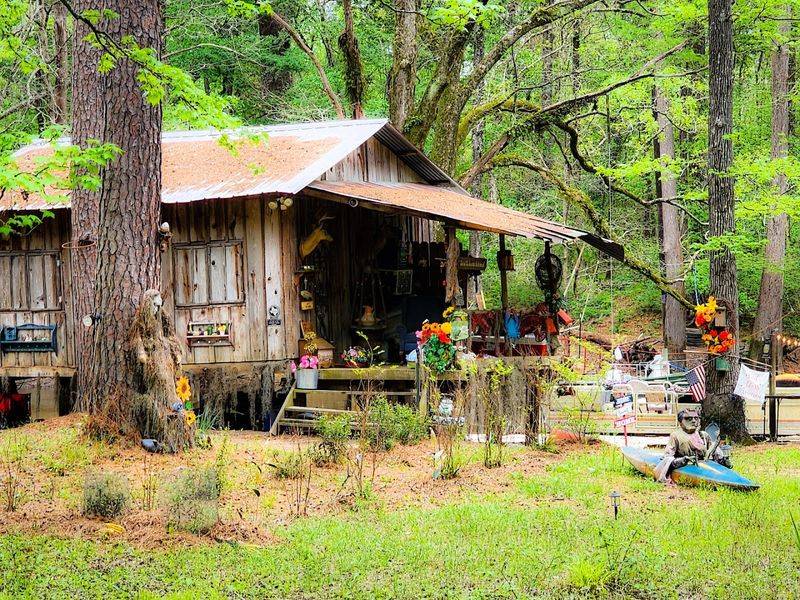
Steamboats once docked here by the dozens, making Jefferson one of Texas’s busiest inland ports during the 1800s. The town thrived on cotton shipping, growing wealthy enough to build mansions that wouldn’t look out of place in Savannah or Charleston. Then the Red River logjam cleared, water levels dropped, and the railroad bypassed Jefferson entirely.
The boom ended almost overnight, leaving behind a perfectly preserved Victorian town that time forgot.
That economic disaster created today’s treasure. Because Jefferson never had money to modernize, the historic district survived intact. Over 70 structures earned historical markers, with many offering tours that showcase period furnishings and architecture.
The Excelsior House Hotel, operating since 1858, hosted Ulysses Grant, Rutherford Hayes, and Oscar Wilde during its heyday. You can still book a room and sleep surrounded by antiques that witnessed actual history.
Big Cypress Bayou winds through town, creating an East Texas landscape of Spanish moss and cypress knees that feels nothing like the rest of the state. Boat tours navigate the waterway, passing under iron bridges and alongside homes that once relied on river commerce. The guides tell stories about steamboat captains, cotton barons, and the occasional ghost, because Jefferson embraces its haunted reputation enthusiastically.
Speaking of ghosts, Jefferson markets itself as one of Texas’s most haunted towns. The Grove, a Greek Revival mansion, offers both historical and paranormal tours, with tales of Lady in White sightings and unexplained phenomena. Whether you believe in spirits or not, the old homes definitely carry atmosphere, especially during foggy evenings when gas-style streetlamps cast shadows across empty streets.
Antique shops dominate the commercial district, with serious collectors making regular pilgrimages to hunt for treasures. You’ll find everything from Victorian furniture to vintage toys, often at prices that reflect small-town economics rather than big-city market rates. Several shops occupy buildings with their own interesting histories, adding layers to the shopping experience.
Jefferson survives by embracing its past completely, turning economic failure into tourist success by simply preserving what already existed and inviting people to step back in time.
10. Castroville
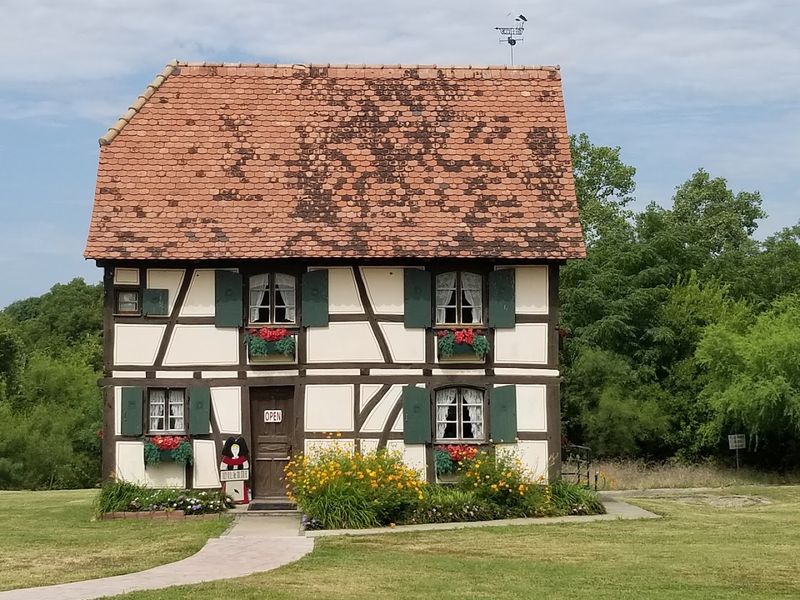
Henri Castro brought Alsatian colonists to this spot in 1844, creating a settlement that looked and felt nothing like Texas. The immigrants built homes in their traditional style, with steep roofs and European proportions that confused Anglo neighbors accustomed to sprawling ranches. Today, Castroville preserves that Alsatian heritage so thoroughly that walking downtown feels like stumbling into a small French village that somehow landed in South Texas.
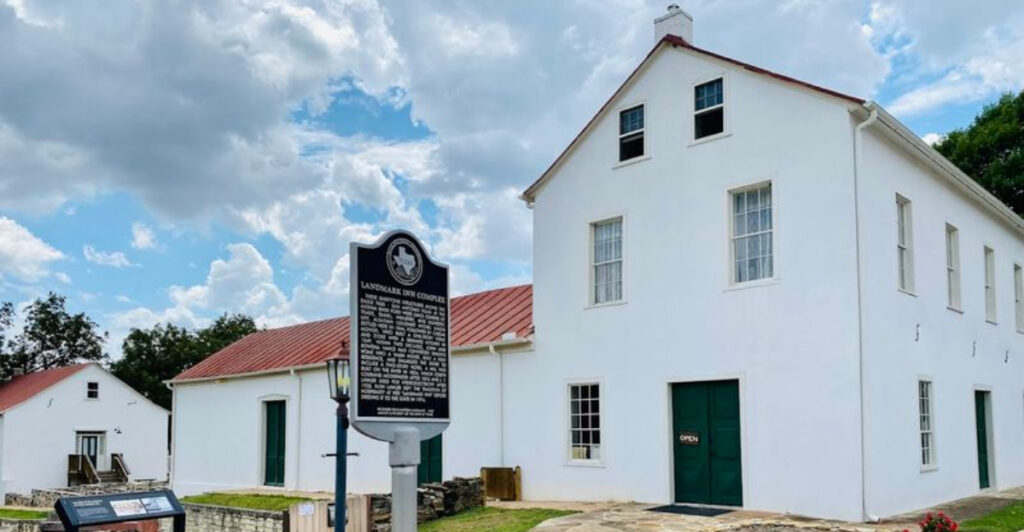
The Landmark Inn, originally the Vance Hotel, dates to 1849 and now operates as a state historic site. The building’s thick limestone walls and simple furnishings reflect frontier life, but with distinctly European touches that set it apart from typical Texas lodgings. The attached bathhouse and mill ruins tell stories about how these immigrants adapted Old World knowledge to New World challenges, creating hybrid solutions that worked in their adopted homeland.
St. Louis Catholic Church dominates the town square with its Gothic Revival architecture. Built in 1870, the church could have been transplanted from Alsace, with its pointed arches and bell tower calling the faithful as it has for over 150 years. The interior features stained glass and religious art that early colonists brought from Europe, making it both a place of worship and a museum of immigrant experience.
Local restaurants serve Alsatian specialties alongside Tex-Mex, creating fusion menus that reflect the town’s cultural evolution. You can order choucroute garnie or chicken-fried steak, sometimes from the same kitchen. Haby’s Alsatian Bakery has been making traditional pastries since 1974, with recipes passed down through generations.
The fruit-filled kolaches and buttery croissants taste like they should, made by people who learned the craft from grandparents who learned it in Europe.
The Medina River flows past town, offering fishing and kayaking opportunities that draw San Antonio residents looking for quick escapes. But most visitors come for the history and architecture, wandering streets lined with buildings that prove Texas welcomed diversity from the start. Castroville never pretended to be anything other than Alsatian, and that stubbornness created a town unlike any other in the state.
It’s a reminder that Texas stereotypes only work if you ignore all the Germans, Czechs, French, and dozens of other groups who shaped the state just as much as cowboys ever did.
11. Port Aransas
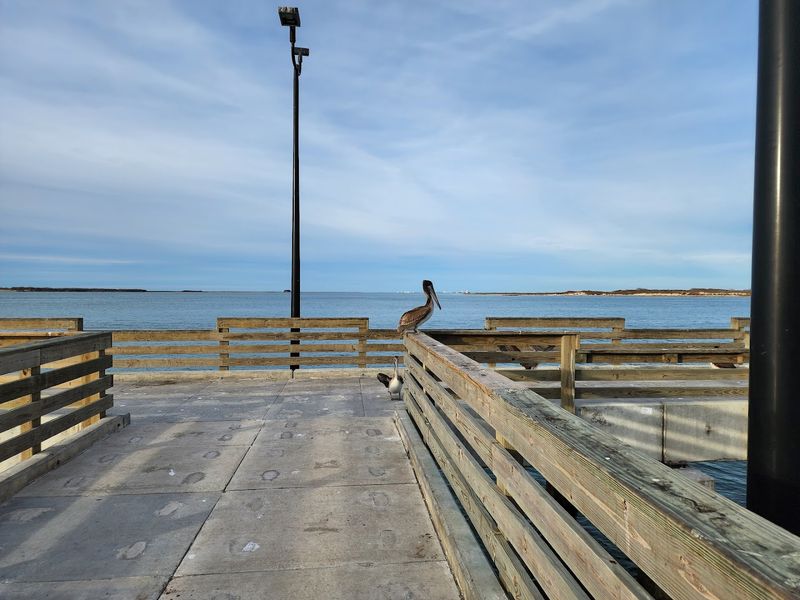
Most Texas beach towns lean toward high-rise condos and corporate chain restaurants, but Port Aransas maintains a funky, laid-back vibe that prioritizes fishing over fancy resorts. The town occupies the northern end of Mustang Island, accessible by free ferry or causeway, and that slight inconvenience filters out some of the crowds that overwhelm South Padre. Golf carts outnumber cars in many neighborhoods, and bare feet are acceptable pretty much everywhere except maybe the bank.
Commercial fishing built this community, and working boats still dock alongside recreational vessels at the marina. You can book deep-sea charters that chase marlin and tuna offshore, or wade fish the flats for speckled trout and redfish. Local guides know every sandbar and current, often sharing their knowledge freely because that’s how fishing culture works.
Tournaments happen regularly, turning the docks into competitive scenes where anglers weigh catches and swap stories about the ones that got away.
The University of Texas Marine Science Institute operates a research station here, contributing real science to the local economy. They offer public tours and educational programs that teach coastal ecology without dumbing down the content. Kids love the touch tanks and aquarium displays, while adults appreciate learning about the complex systems that keep barrier islands functioning.
It’s education disguised as entertainment, making science accessible to families who might not seek it out otherwise.
Restaurants range from shacks serving fried shrimp baskets to upscale spots offering grilled catches with wine pairings. Virginia’s on the Bay has been feeding locals and visitors since 1965, with a menu that changes based on what boats bring in daily. The owners know their suppliers personally, ensuring quality and supporting the fishing industry that defines Port Aransas identity.
Hurricane Harvey hit hard in 2017, destroying buildings and reshaping the coastline. The town rebuilt with determination, though some things changed permanently. A few old landmarks disappeared, replaced by structures built to newer, stricter codes.
But the essential character survived because it’s rooted in people rather than buildings. Port Aransas remains a fishing village that happens to welcome tourists, not a tourist trap that tolerates fishing. That distinction matters, creating an atmosphere where authenticity trumps polish every time.
12. Wimberley
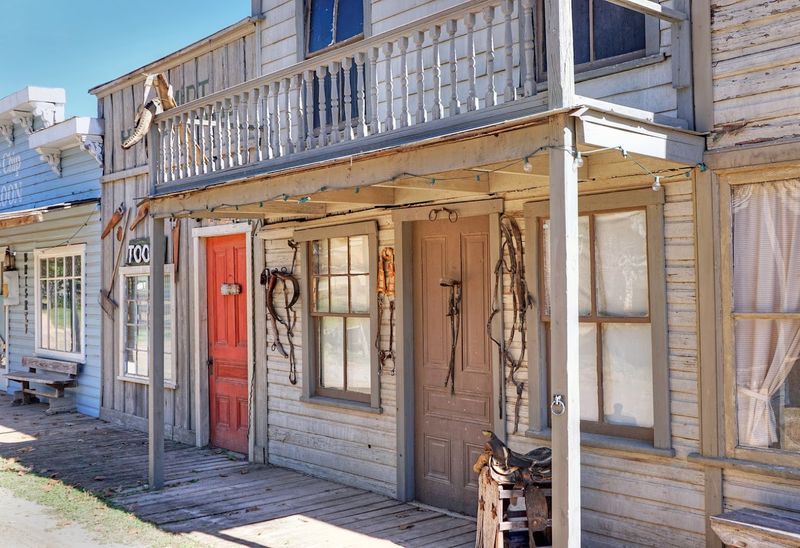
Wimberley doesn’t try to fit into any version of what people expect Texas to be, and that’s exactly what makes it stand out. Tucked into the Hill Country between Austin and San Antonio, this small town feels more like an artist’s retreat than a place known for ranches, oil, or big-city energy. Life moves slower here, shaped by nature, creativity, and a strong sense of community.
The Blanco River runs right through town, setting the tone for everything else. On warm days, locals head to Blue Hole Regional Park, where clear water flows beneath towering cypress trees, creating one of the most peaceful swimming spots in the state. Nearby, Jacob’s Well draws visitors with its deep, spring-fed waters and almost otherworldly appearance.
These natural landmarks define Wimberley more than anything else, giving it a calm, grounded feel that’s hard to replicate.
The town square reflects that same personality. Instead of chain stores, you’ll find art galleries, handmade goods, and small shops run by people who actually live there. Local markets and seasonal events bring everyone together, whether it’s for live music, crafts, or just a reason to spend time outside.
Creativity isn’t just something you visit here—it’s part of everyday life.
Wimberley has also become known as a quiet escape for those looking to disconnect. Cabins and cottages are scattered through the hills, offering privacy, views, and a break from the noise of nearby cities. At night, the sky opens up, with minimal light pollution allowing the stars to take over.
What makes Wimberley different isn’t just its scenery—it’s the atmosphere. There’s no rush to modernize or turn into something bigger. Locals seem content keeping things as they are, protecting the town’s identity as a place that values simplicity, nature, and creativity over everything else.
Share this story