Texas is full of small towns that most people drive right past without a second thought. But stop for a moment and you’ll discover some of the wildest, strangest, and most fascinating stories in the entire state. From alien graves to ghost towns that refuse to die, these twelve places prove that you can’t judge a Texas town by its quiet exterior.
1. Terlingua (Ghost Town With a Pulse)
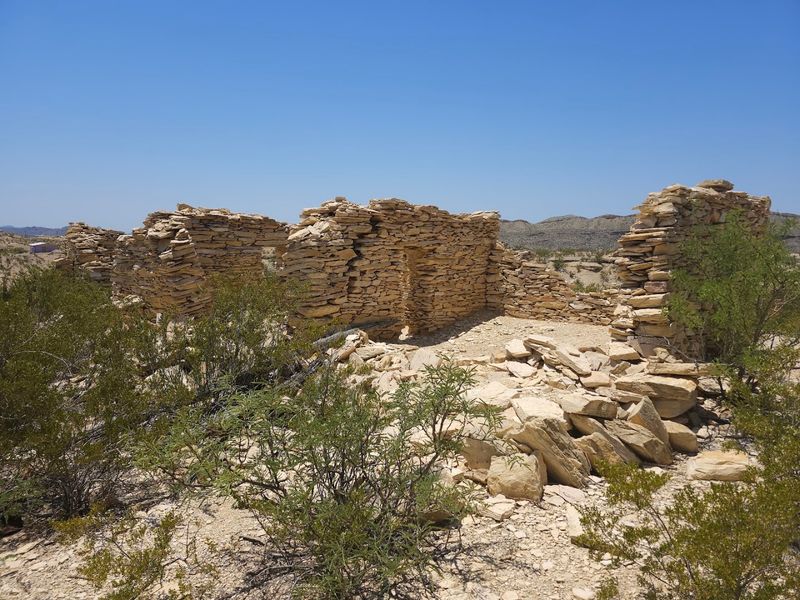
Way out in the Big Bend region, past miles of nothing but cactus and sky, sits a town that officially died decades ago but somehow keeps breathing. Old mercury mines shut down in the 1940s, leaving behind crumbling adobe walls and rusted equipment scattered across the desert floor. Most ghost towns stay that way, but Terlingua had other plans.
Artists, musicians, and people tired of city life started trickling in during the 1960s and 70s. They fixed up old buildings, opened quirky shops, and turned the cemetery into one of the most photographed spots in West Texas. Now the population hovers around 100 permanent residents, but thousands show up every November for the world-famous chili cook-off that’s been running since 1967.
The Starlight Theatre serves up live music and cold beer in a building that was once a movie theater and community center. You can still see the old projector booth and original stage. Walking through the ruins at sunset feels like stepping into an old Western film, except the ghost town has Wi-Fi now.
Mercury mining was brutal, dangerous work that poisoned many workers and left toxic waste behind. The environmental cleanup took years, but the mines themselves remain as eerie reminders of boom-and-bust economics. Visitors explore the old Chisos Mining Company headquarters, where you can still read faded signs and peek into offices frozen in time.
What makes Terlingua special isn’t just its past but how it refuses to become a museum piece. People actually live here, run businesses, raise kids, and throw legendary parties under some of the darkest skies in America. It’s a ghost town that never got the memo about staying dead.
2. Seymour (Where Prehistoric Giants Roamed)
Most folks know Seymour as just another small farming town along Highway 277, population around 2,600. But paleontologists get genuinely excited when you mention this place because the red dirt around here is packed with fossils from 280 million years ago. We’re talking about creatures that lived long before dinosaurs even existed.
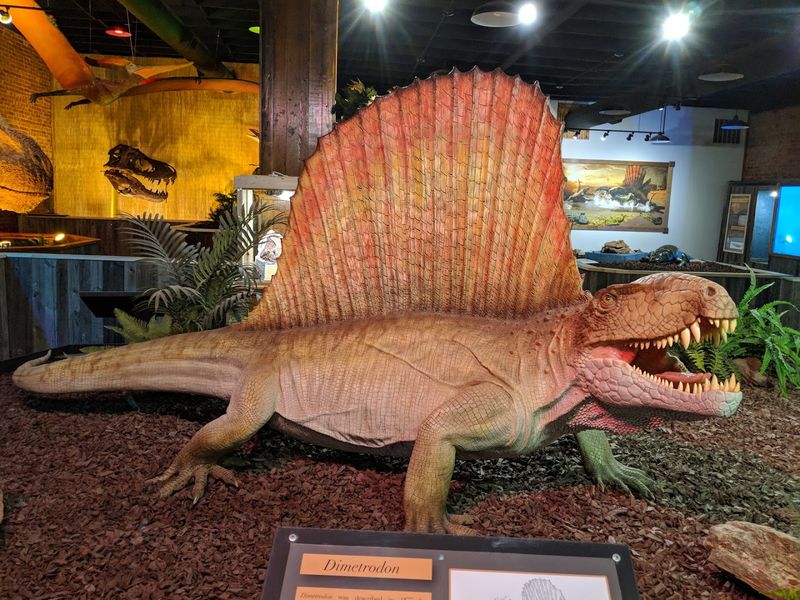
The Permian Period left incredible deposits throughout North Texas, and Seymour sits right on top of some of the richest fossil beds ever discovered. Scientists have pulled out massive amphibians, early reptiles, and bizarre creatures that look like nothing alive today. The Dimetrodon, that sail-backed predator you might recognize from toy sets, was found in abundance around these parts.
Local ranchers have been stumbling across strange bones for over a century. Some ended up as doorstops or curiosities on mantels before anyone realized what they were. Once word got out, universities started sending research teams, and Seymour became a pilgrimage site for fossil hunters and geology students.
The town embraces its prehistoric past with a small museum that displays local finds and explains what North Texas looked like when it was a swampy coastal plain. Kids love the life-size Dimetrodon model, and adults get fascinated by the ancient shark teeth and amphibian skulls pulled from nearby creek beds.
You can’t just go digging anywhere since most fossil sites are on private land, but guided tours happen occasionally. The landscape itself tells the story if you know how to read it. Those red rocks and clay deposits represent ancient river deltas where massive creatures hunted, bred, and died, leaving behind clues that scientists are still piecing together today.
Seymour looks quiet on the surface, but beneath your feet lies an entire lost world.
3. Aurora (The Town With an Alien Grave)
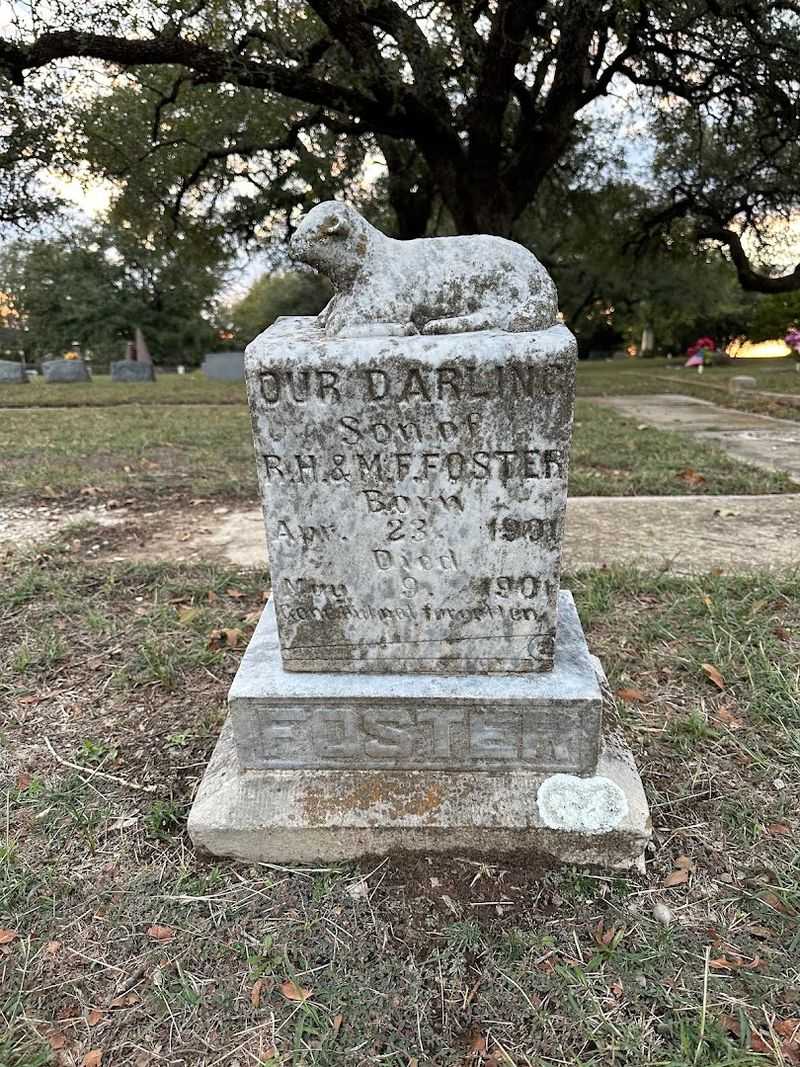
Back in April 1897, something crashed into a windmill on Judge Proctor’s property just outside Aurora. According to newspaper reports from the time, the wreckage included a badly disfigured body that townspeople decided was the pilot of an airship from another world. They gave the poor creature a Christian burial in the local cemetery, and that’s where things get really interesting.
The Dallas Morning News ran the story, complete with details about strange hieroglyphics found in the wreckage and testimony from a supposed Army Signal Service officer who examined the remains. Most historians figure it was either a hoax to put Aurora on the map or a tall tale that got out of hand. But try telling that to the UFO enthusiasts who still make pilgrimages here.
The cemetery became such a hot spot for alien hunters that the historical association eventually removed the grave marker to stop people from digging. Metal detector surveys in the 1970s supposedly found unusual readings near the alleged burial site, which only fueled more speculation. The town went from dying railroad stop to quirky destination practically overnight.
Aurora today has fewer than 1,500 residents, but the alien story refuses to fade. Local businesses play up the connection with alien-themed merchandise and tongue-in-cheek references. The annual UFO festival never quite got off the ground, but visitors still show up asking directions to the cemetery.
Was it real? Probably not. The Signal Service officer mentioned in the article never existed, and airship sightings were common hoax material in the 1890s.
But Aurora’s willingness to embrace the legend turned a struggling town into a footnote in American UFO lore. Sometimes the story matters more than the truth, especially when your town needs something to be famous for besides cotton and cattle.
4. Luling (Watermelons and Oil Wells)
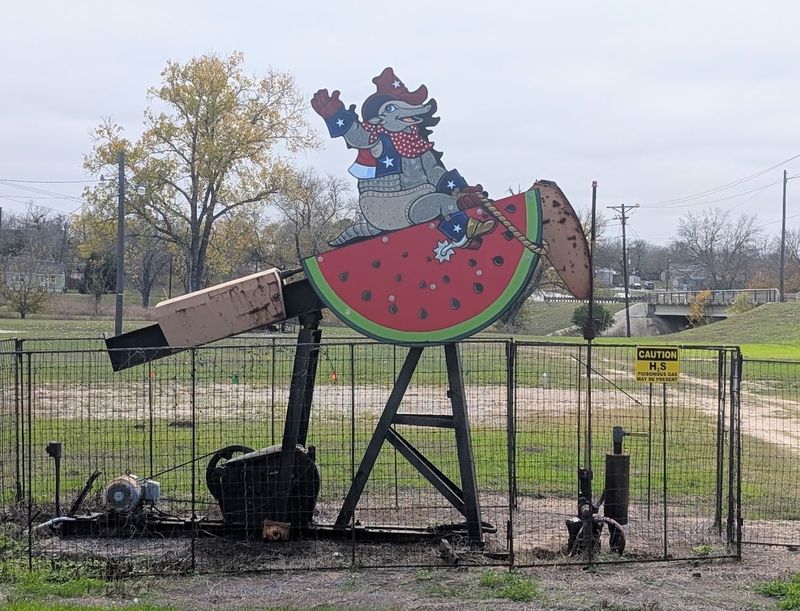
Drive through Luling and you’ll see something absolutely bizarre: oil pump jacks painted to look like watermelons, chickens, cartoon characters, and all sorts of random designs. There are over 200 of these decorated nodding donkeys scattered throughout town, turning an industrial landscape into an outdoor art gallery. It’s weird, wonderful, and totally Luling.
The oil boom hit in 1922 when Rafael Rios #1 well came in, transforming Luling from a quiet agricultural town into a petroleum powerhouse practically overnight. Suddenly there were derricks everywhere, roughnecks flooding the streets, and money flowing like crude. But Luling never forgot its farming roots, especially its reputation for growing some of the sweetest watermelons in Texas.
Every June since 1954, the Watermelon Thump festival takes over downtown with seed-spitting contests, melon eating competitions, and the coronation of the Watermelon Thump Queen. Tens of thousands of people show up to celebrate a fruit, which sounds ridiculous until you taste a Luling watermelon on a hot summer day. The combination of soil, climate, and farming tradition produces melons that regularly win state competitions.
The painted pump jacks started as a beautification project in the 1990s when someone realized that functional oil equipment didn’t have to be boring. Local artists and school groups adopted pump jacks, turning them into community art projects. Now you can follow a driving tour map to see everything from patriotic eagles to Santas to abstract designs.
Oil and agriculture rarely mix this well. Most places choose one identity or the other, but Luling figured out how to celebrate both without compromise. The economy runs on petroleum while the culture celebrates farming heritage.
It’s a strange balance that works because nobody here sees any contradiction in pumping crude oil while growing prize-winning watermelons.
5. Jefferson (Ghosts on Every Corner)
Jefferson was once the sixth-largest city in Texas, a thriving riverboat port that moved cotton, timber, and goods up and down Big Cypress Bayou. Steamboats lined the docks, fancy hotels served wealthy travelers, and fortunes were made and lost in grand Victorian mansions. Then the Civil War ended, the railroads bypassed Jefferson, and the whole thing collapsed like a house of cards.
What saved Jefferson from complete abandonment was that nobody had money to tear down the old buildings or replace them with modern structures. The entire downtown essentially froze in time, preserving one of the best collections of antebellum and Victorian architecture in the state. Walking these streets feels like stepping into the 1870s, which is exactly what ghost hunters love about the place.
Practically every historic building claims to be haunted. The Jefferson Hotel has guests who check in but allegedly never check out. The Grove mansion features a photograph of a mystery woman that supposedly moves around the house.
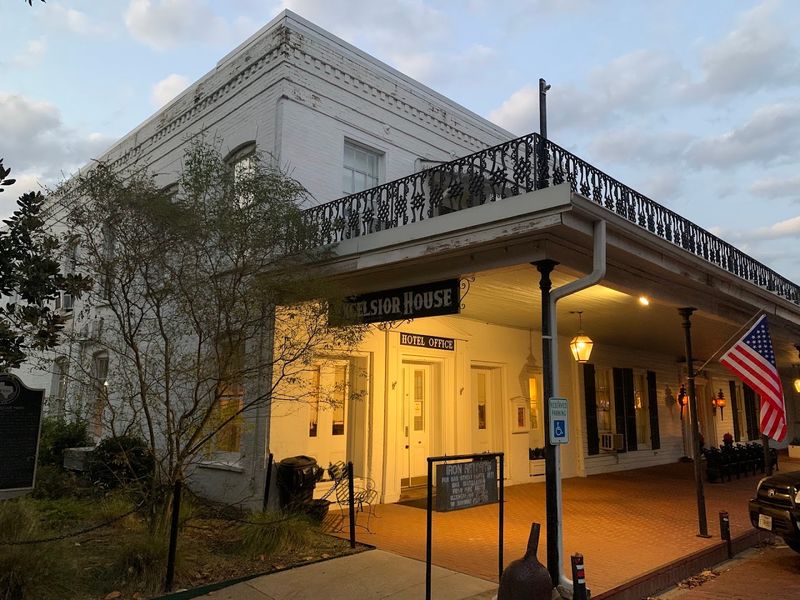
The Excelsior House Hotel, where Presidents Grant and Hayes stayed, reports phantom footsteps and doors that open themselves.
Paranormal investigation teams flock here year-round, armed with EMF detectors and digital recorders. Local tour guides have perfected the art of the ghost story, leading nighttime walks through foggy streets while recounting tales of murdered riverboat captains, jilted brides, and Civil War soldiers who never realized the war ended.
Whether you believe in ghosts or not, Jefferson’s atmosphere sells the experience. The old buildings creak and groan, shadows play tricks in gaslight, and the whole town cultivates an eerie Victorian vibe. Tourism now drives the economy, with bed-and-breakfasts, antique shops, and ghost tours keeping Jefferson alive.
The irony isn’t lost on locals: the town died economically but found new life by marketing its death and the spirits supposedly left behind.
6. Cut and Shoot (A Name Born From Chaos)
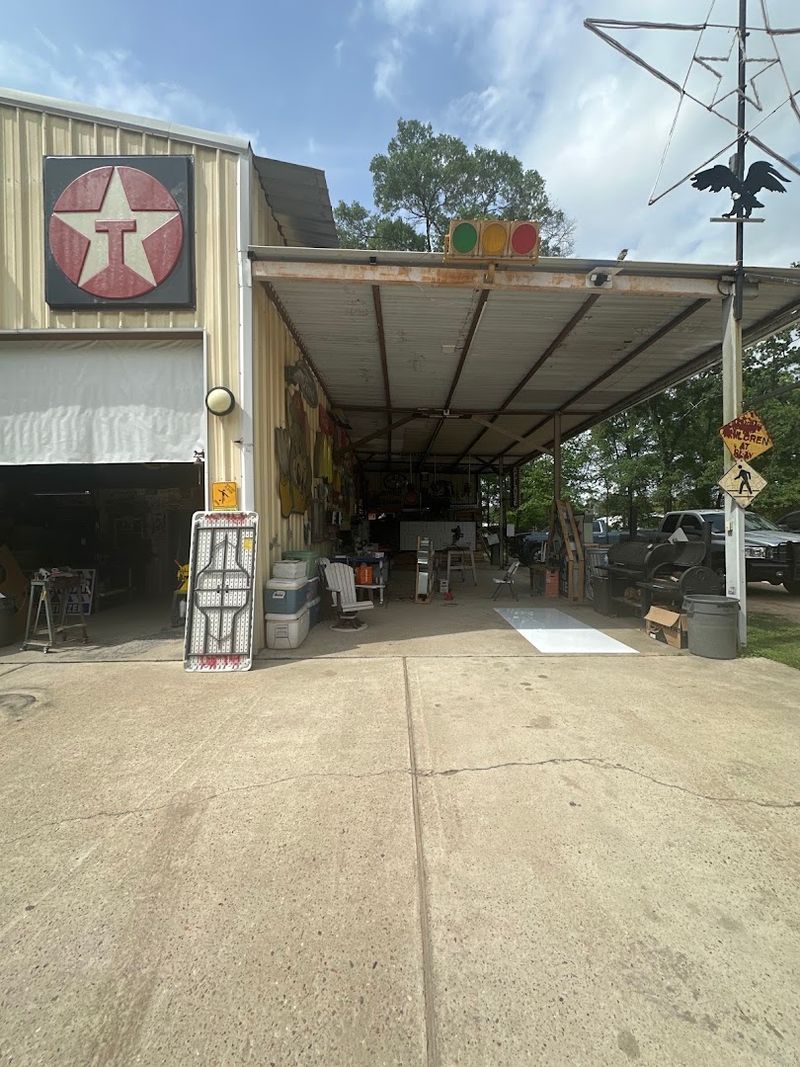
You can’t talk about Cut and Shoot without addressing the elephant in the room: that name. It sounds like something from a Wild West movie or a joke someone made up. But this Montgomery County community of about 1,100 people has been called Cut and Shoot since 1912, and the origin story is absolutely wild.
The trouble started during a community meeting about whether to build a new church and where to put it. Tempers flared, as they do in small towns when people have strong opinions and limited options. The argument got so heated that a young boy supposedly stood up and announced he was ready to cut around the corner and shoot through the bushes if anyone tried to hurt his father.
Another version claims the name came from a land dispute that nearly turned violent, with threats to cut and shoot flying around. Yet another story involves a dispute over a preacher and which denomination would control the new church building. Whatever the exact details, the name stuck because it perfectly captured the intensity of small-town Texas disagreements.
The community incorporated in 2006, making it one of the newest cities in Texas despite having existed for over a century. That official incorporation meant finally getting a proper town sign, which became an instant photo opportunity. Visitors detour off Highway 105 just to snap pictures next to the Cut and Shoot welcome sign.
Today it’s a quiet bedroom community near Houston with no cutting or shooting happening whatsoever. The biggest excitement comes from high school football and the occasional mention in articles about unusual town names. But that name ensures Cut and Shoot will never be forgotten or confused with anywhere else.
In a state full of colorful place names, this one stands out for capturing a moment of pure Texas stubbornness and turning it into permanent identity.
7. Llano (Gold Legends and Hill Country Ghosts)
Llano sits in the heart of Texas Hill Country, surrounded by granite domes, clear rivers, and oak-covered hills. It looks like a peaceful county seat where not much happens besides ranching and tourism. But scratch the surface and you’ll find stories of lost gold mines, mysterious lights, and enough supernatural activity to keep paranormal investigators busy for years.
The gold rush angle surprises most people because Texas isn’t known for precious metal mining. But in the 1880s, prospectors found gold deposits in the Llano area, triggering a small rush that attracted miners, con artists, and dreamers. Some mines produced modest amounts of gold before playing out, while others never delivered on their promises.
The legends grew faster than the actual gold production. Stories circulated about Spanish treasure buried in the hills, lost mines that produced incredible nuggets before their locations were forgotten, and secret deposits known only to old-timers who took the knowledge to their graves. Modern treasure hunters still comb the area with metal detectors, hoping to strike it rich.
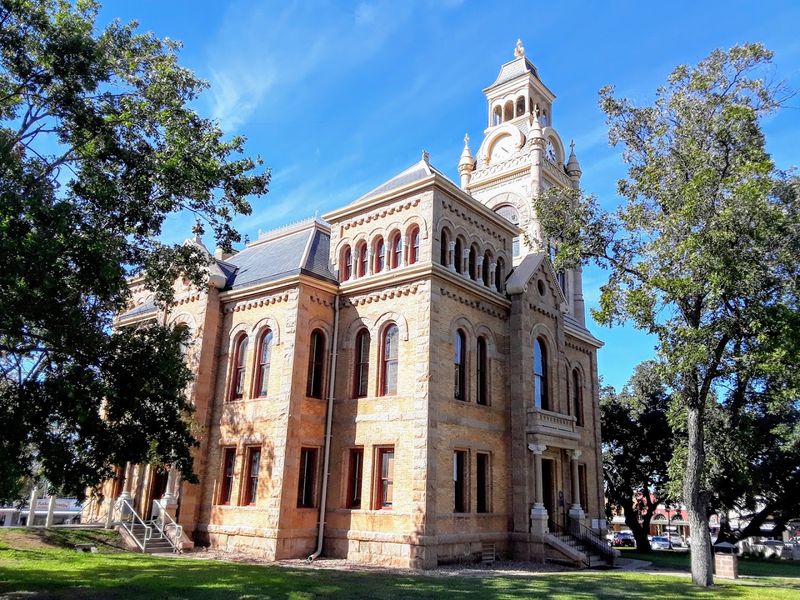
Then there’s the haunted courthouse, a magnificent red granite building from 1893 that supposedly hosts several ghosts. Employees report hearing footsteps in empty hallways, seeing shadow figures in the old jail cells, and experiencing cold spots that defy explanation. The most famous spirit is allegedly a prisoner who died in custody and still rattles chains in the basement.
The Llano River itself has its own mysteries. Strange lights appear over the water on certain nights, moving in ways that don’t match fireflies, car headlights, or any conventional explanation. Old-timers call them ghost lights and have been seeing them for generations.
Scientists offer theories about swamp gas or geological phenomena, but nobody’s definitively solved the mystery.
Llano markets itself as the Deer Capital of Texas, which is true and profitable but far less interesting than the gold legends and ghost stories that make this Hill Country town genuinely unique.
8. Marfa (Desert Lights That Baffle Scientists)
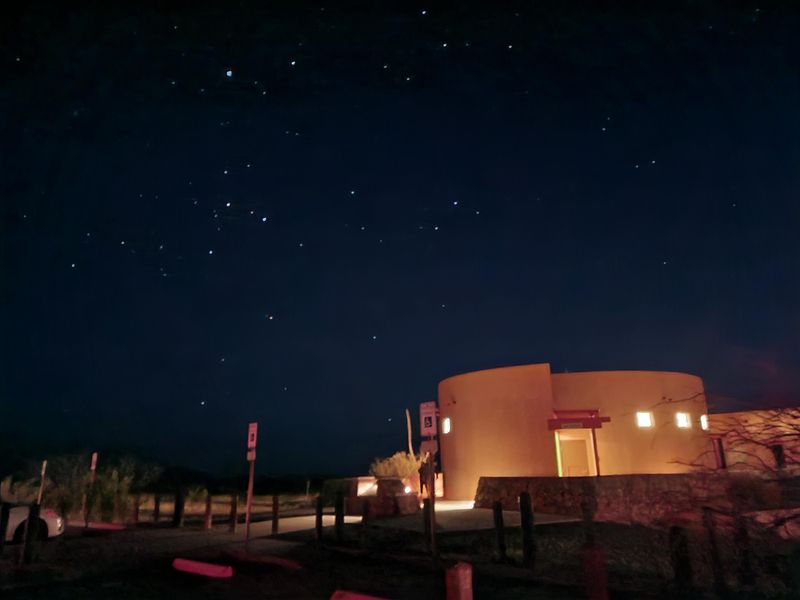
Marfa has become trendy in recent years, attracting artists, hipsters, and tourists who come for the minimalist art installations and quirky desert culture. But long before Marfa was cool, it was mysterious. The Marfa Lights have been documented since the 1880s, appearing as glowing orbs that dance across the desert horizon with no clear explanation.
Witnesses describe lights that split apart, merge together, change colors, and move in patterns that don’t match any known natural or man-made phenomenon. They appear most often at night, visible from the official viewing area about nine miles east of town on Highway 90. The state of Texas built a parking area specifically for light watching, complete with informational plaques that basically say nobody knows what causes them.
Theories range from the scientific to the supernatural. Some researchers blame atmospheric reflections of car headlights, though the lights were reported long before automobiles existed. Others point to piezoelectric effects from the geology, swamp gas, or temperature inversions that create optical illusions.
UFO enthusiasts naturally claim alien spacecraft, while ghost story fans prefer tales of lost conquistadors or Apache spirits.
The truth is that multiple phenomena probably get lumped together under the Marfa Lights label. Some sightings are definitely car headlights from distant Highway 67. Others might be atmospheric effects or even rare electrical phenomena related to the region’s unique geology.
But a core group of sightings remains genuinely unexplained, which keeps scientists interested and tourists coming back.
The annual Marfa Lights Festival celebrates the mystery every Labor Day weekend with food, music, and organized light-watching expeditions. The town has fully embraced its weird reputation, understanding that mystery is good for business. Meanwhile, the lights keep appearing on their own schedule, indifferent to scientific studies, tourist expectations, or social media trends.
Marfa may have become an art destination, but the desert lights were here first and remain the town’s most enduring attraction.
9. Yoakum (Leather Capital of the World)
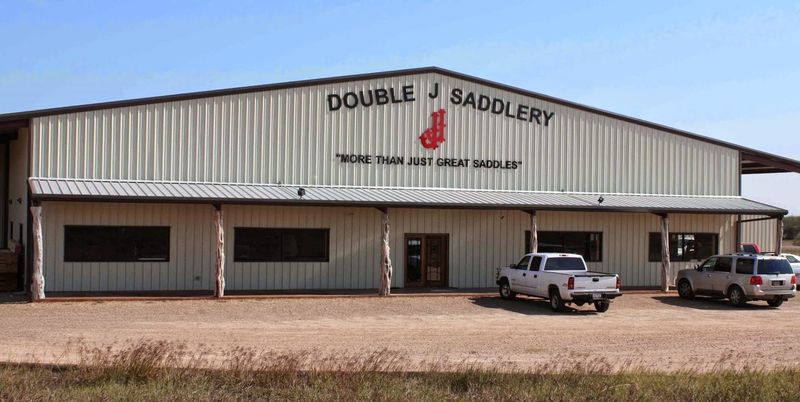
Yoakum doesn’t look like much from Highway 77, just another small Texas town with a main street, some churches, and a population around 6,000. But this place produces more leather goods than almost anywhere else in America. Saddles, boots, belts, holsters, and all manner of leather products flow out of Yoakum factories and workshops, earning it the title Leather Capital of the World.
The leather industry started here in the late 1800s when Czech and German immigrants brought their Old World tanning and leatherworking skills. The town’s location between San Antonio and Houston made it a natural hub for processing hides from the massive cattle ranches that dominated South Texas. Small workshops grew into factories, and by the mid-1900s, Yoakum was producing leather goods for customers worldwide.
At its peak, nearly a dozen major leather companies operated here, employing hundreds of skilled craftsmen who could hand-stitch a saddle or cut a boot pattern with incredible precision. The smell of tanned leather hung over the whole town, a distinct aroma that locals barely noticed but visitors found overwhelming. Economic changes and cheaper overseas manufacturing hit hard, closing several factories and putting craftsmen out of work.
But Yoakum’s leather industry never completely died. Several companies still operate, producing high-quality custom goods that machine manufacturing can’t match. Western wear enthusiasts and working cowboys know that Yoakum-made tack and boots are worth the premium price.
The Tom Tom Festival, held every October since 1989, celebrates the town’s heritage with leather crafts demonstrations, historical displays, and plenty of Czech and German food.
Walking through downtown, you’ll still find leather shops where craftsmen work at benches surrounded by tools, patterns, and the raw materials of their trade. It’s a living connection to an older way of doing business, when quality mattered more than speed and towns built entire identities around a single skilled industry. Yoakum may not be the booming leather capital it once was, but the craft survives here when it’s disappeared almost everywhere else.
10. Tee Pee City (Lawless and Lost)
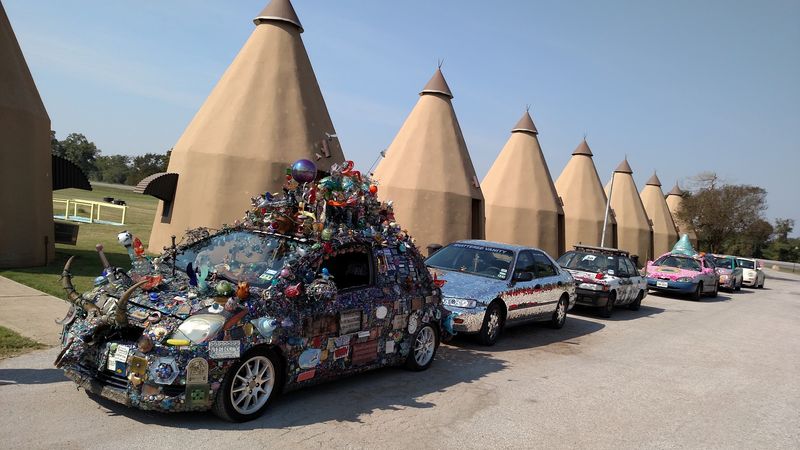
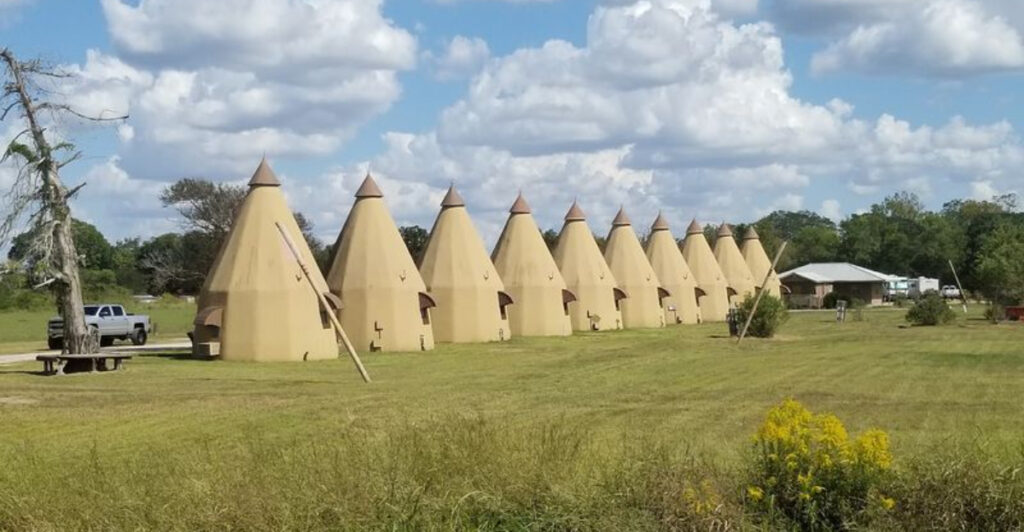
Tee Pee City existed in that weird space between legitimate town and elaborate roadside attraction, serving travelers on Highway 80 back when that was the main route across Texas. Built in the 1940s, it featured teepee-shaped buildings that housed a gas station, restaurant, motel, and gift shop selling Native American-themed souvenirs of questionable authenticity and taste.
The place thrived during the post-war travel boom when families drove cross-country and needed places to stop, eat, sleep, and buy ridiculous souvenirs. Tee Pee City delivered on all fronts, offering a kitschy Wild West experience that had little to do with actual Native American culture but everything to do with mid-century American road trip fantasy. Kids loved it, parents tolerated it, and the owners made decent money.
But Tee Pee City also developed a reputation for being rough around the edges. The bar attracted rowdy crowds, fights broke out regularly, and rumors circulated about gambling, prostitution, and other activities that law enforcement either couldn’t control or chose to ignore. It became the kind of place where anything could happen and frequently did, earning a reputation that was part roadside attraction, part Wild West outpost.
Interstate 10 killed Tee Pee City just like it killed hundreds of other Highway 80 businesses. Once traffic shifted to the new interstate, the customers disappeared practically overnight. The teepee buildings stood empty for years, slowly deteriorating under the Texas sun.
Vandals broke windows, weather peeled paint, and nature started reclaiming the property.
Today almost nothing remains. The teepee structures have been demolished, the land reclaimed for other purposes, and Tee Pee City exists mainly in old photographs and the memories of people who stopped there during its heyday. It’s a reminder of how quickly American roadside culture can appear, flourish, and vanish, leaving behind only stories and the occasional faded postcard in an antique shop.
Tee Pee City was never really a town, but it was definitely an experience.
11. Mineral Wells (Crazy Water and Haunted Hotels)
Mineral Wells became a destination in the late 1800s when people discovered that the local well water tasted absolutely terrible but supposedly cured everything from arthritis to insanity. They called it Crazy Water because of a local woman who drank from the well and allegedly recovered from mental illness. Whether that story was true or marketing genius, it worked spectacularly.
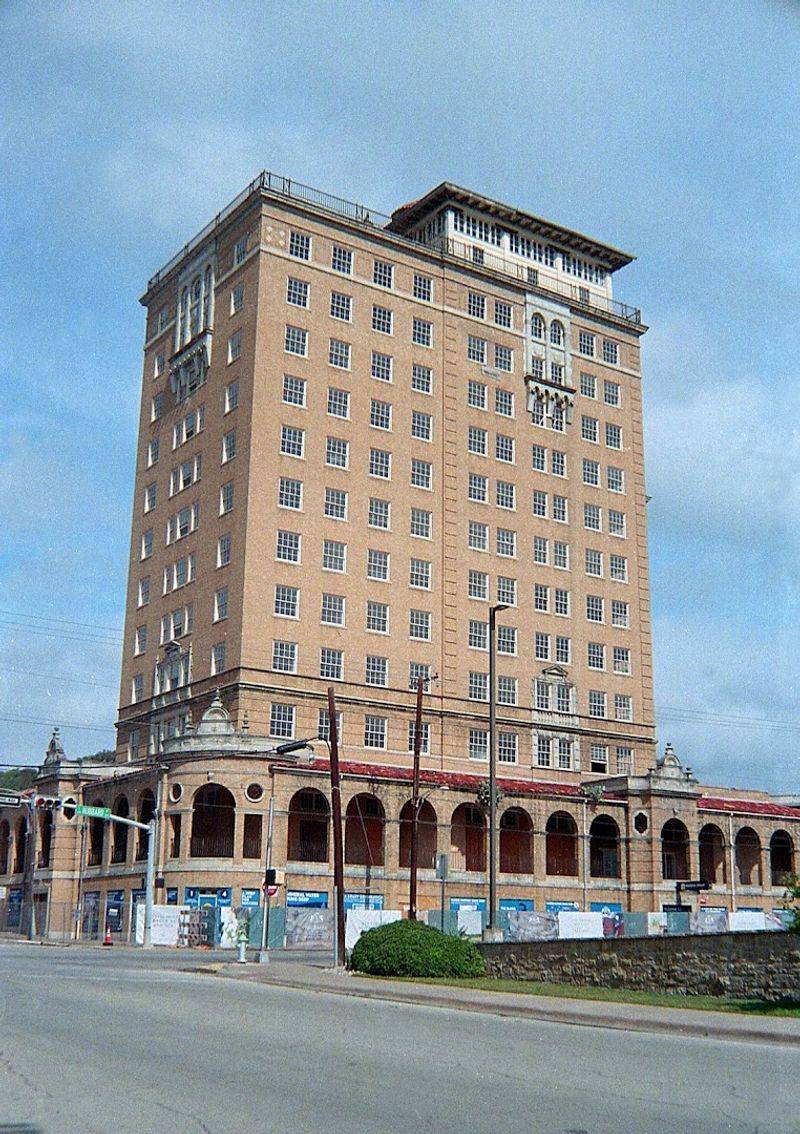
Thousands of people flocked to Mineral Wells seeking miracle cures, turning a small farming community into a booming resort town practically overnight. Grand hotels sprang up, bathhouses offered therapeutic soaks, and businesses bottled the mineral water for nationwide distribution. The Baker Hotel, completed in 1929, was a 14-story masterpiece featuring 450 rooms, a rooftop pool, and every luxury imaginable.
The boom lasted through the 1940s, with celebrities, politicians, and wealthy health-seekers filling the hotels and spending freely. Then modern medicine advanced, people stopped believing in miracle water, and the whole thing collapsed. The Baker Hotel closed in 1972, standing empty for decades as a slowly deteriorating monument to better days.
Other hotels shut down, bathhouses closed, and Mineral Wells struggled to find a new identity.
Ghost stories naturally filled the vacuum left by departed tourists. The Baker Hotel became legendary among paranormal enthusiasts, with reports of phantom guests, mysterious sounds, and apparitions in empty hallways. The seventh floor supposedly hosted the most activity, with stories of a woman who jumped to her death and a manager who never left his post.
Urban explorers and ghost hunters risked trespassing charges to investigate the abandoned building.
Recent restoration efforts aim to reopen the Baker Hotel, bringing jobs and tourism back to Mineral Wells. The town still has mineral water wells, though nobody makes health claims anymore. The Famous Mineral Water Company continues bottling and selling Crazy Water, now marketed as a mineral supplement rather than a cure-all.
Mineral Wells reinvented itself once before; maybe it can do it again.
12. Alton (The Town That Vanished)
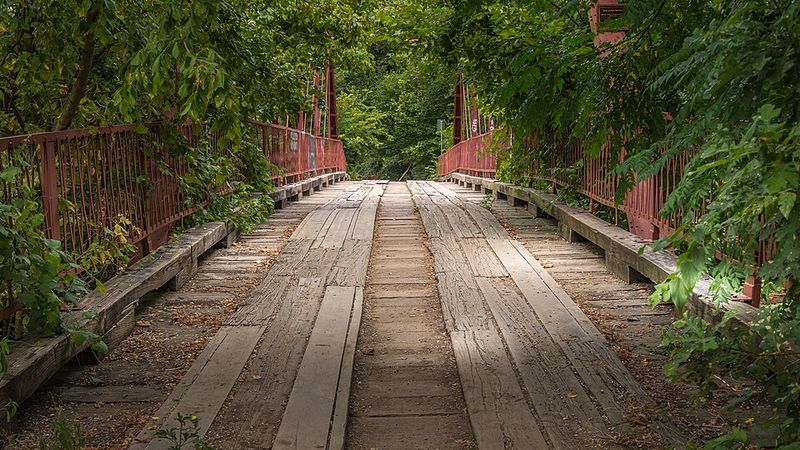
Alton was a real town with real people, businesses, churches, and all the normal stuff that makes a community work. Founded in the 1850s along the Sabine River, it served as a trading post and river crossing for decades. Then in the 1960s, the Army Corps of Engineers decided to build Toledo Bend Reservoir, and Alton found itself directly in the flood zone.
The government gave residents notice to relocate, offering compensation for property that would soon be underwater. Some families had lived in Alton for generations, their roots going back to the town’s founding. They had to dig up cemeteries, dismantle buildings, and abandon everything that couldn’t be moved.
The process was traumatic, erasing a town and scattering its people to new locations where they had no history or connections.
When the reservoir filled in 1969, Alton disappeared beneath the water. Streets, foundations, the old town square, all of it sank into the depths of what became one of the largest man-made lakes in the South. For most of the year, Alton stays hidden under 60 to 100 feet of water, a drowned ghost town that nobody can visit.
But during severe droughts when water levels drop dramatically, Alton emerges like Atlantis rising. Old foundations become visible, streets reappear, and people can walk through the ruins of a town that’s been underwater for decades. These rare appearances attract crowds of curious visitors, former residents, and urban explorers who photograph the eerie remains before the water returns.
The drowned town has become a popular spot for scuba divers who explore the underwater ruins when visibility allows. They swim through old building foundations, past rusted equipment, and over streets where cars once drove. It’s surreal and melancholy, a reminder that progress sometimes requires sacrifice and that entire communities can vanish when larger forces decide they’re in the way.
Alton didn’t die naturally; it was deliberately erased, which somehow makes its loss feel more tragic.
Share this story