The Tennessee River flows through some of the most charming communities in the Volunteer State, and many of these waterfront towns have completely reinvented themselves over the past few decades. From abandoned industrial centers to thriving tourist destinations, these river towns show what happens when communities come together to preserve history while embracing the future.
Whether you love outdoor adventures, historic architecture, or vibrant downtown scenes, these transformations prove that Tennessee’s river towns are worth exploring. Get ready to discover how 13 amazing communities turned their waterfronts into something special.
1. Chattanooga
Once nicknamed the dirtiest city in America, Chattanooga pulled off one of the most remarkable comebacks in Tennessee history. Back in the 1960s and 70s, thick smog covered the city so badly that people needed their car headlights on during the daytime.
Factories pumped pollution into the air and water, driving residents away and killing the downtown area.
Everything changed when city leaders decided enough was enough. They cleaned up the river, shut down polluting factories, and created an ambitious plan to rebuild their waterfront.
The transformation started with the Tennessee Aquarium opening in 1996, which brought millions of visitors to the once-abandoned riverfront.
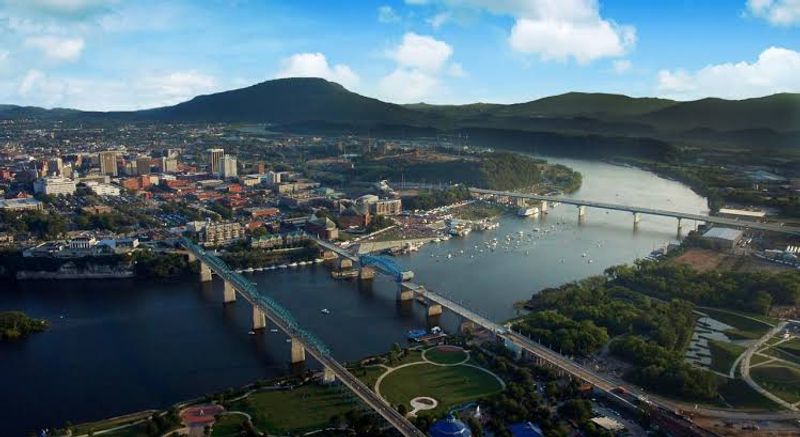
Today, Chattanooga sparkles as a model green city with thriving riverside parks, restaurants, and attractions. The famous Walnut Street Bridge, once slated for demolition, became the world’s longest pedestrian bridge and connects both sides of the revitalized downtown.
Rock climbing gyms, microbreweries, and outdoor outfitters have replaced old warehouses.
The Riverwalk stretches for miles along the Tennessee River, offering biking trails, fishing spots, and beautiful views. Coolidge Park features an antique carousel and interactive fountain that kids love during summer months.
Electric buses zip around downtown for free, making the city easy to explore without a car.
What really makes Chattanooga’s transformation special is how residents embraced outdoor recreation while preserving their railroad heritage. The nearby Tennessee River Gorge provides hiking and kayaking adventures just minutes from downtown coffee shops and art galleries.
This once-struggling industrial town proved that with vision and determination, any community can write a new chapter in its story.
2. Knoxville
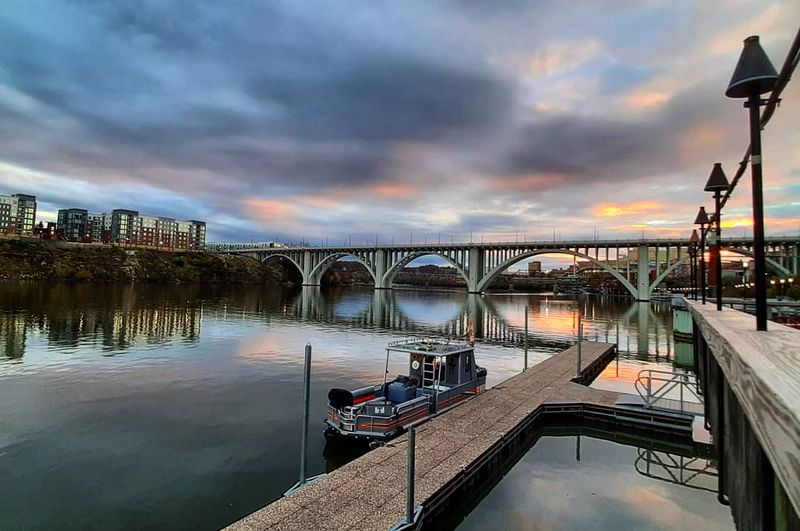
Knoxville’s river district was practically invisible to most residents until the city decided to reconnect with the Tennessee River. For decades, highways and industrial buildings blocked access to the waterfront, making people forget the river even existed.
The city’s relationship with its most valuable natural resource had been completely broken.
The 1982 World’s Fair planted seeds for change, but the real transformation took years of patient work. Volunteers Park opened first, giving families a place to actually touch the river for the first time in generations.
Then came the ambitious Riverwalk project, carving out walking and biking paths along both banks.
Suttree Landing Park became a game-changer with its concert venue, splash pad, and boat launches. Suddenly families were packing picnics to spend entire afternoons by the water.
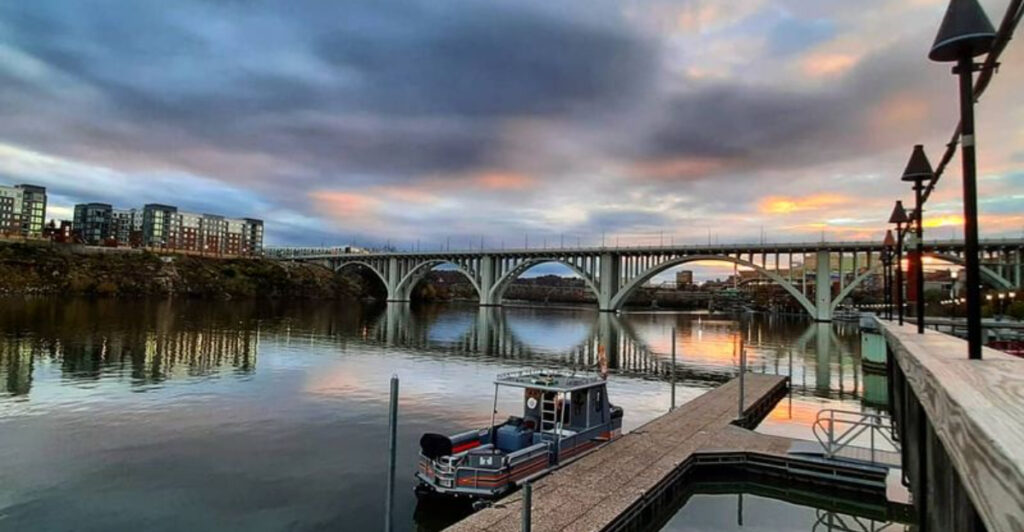
The historic Knoxville waterfront district filled with brewpubs, kayak rentals, and restaurants with outdoor patios overlooking the river.
Old warehouses transformed into trendy loft apartments, bringing young professionals downtown to live near the action. The former industrial wasteland around Calhoun’s restaurant became a destination for live music and water sports.
Paddle boarders and kayakers now share the river with pleasure boats and rowing teams.
The University of Tennessee rowing team practices here regularly, their sleek boats cutting through morning mist. Food trucks gather for events, and the Boomsday fireworks celebration draws hundreds of thousands to the riverbanks every September.
Knoxville proved that sometimes the best way forward means rediscovering what was always there, just waiting for someone to notice again.
3. Savannah
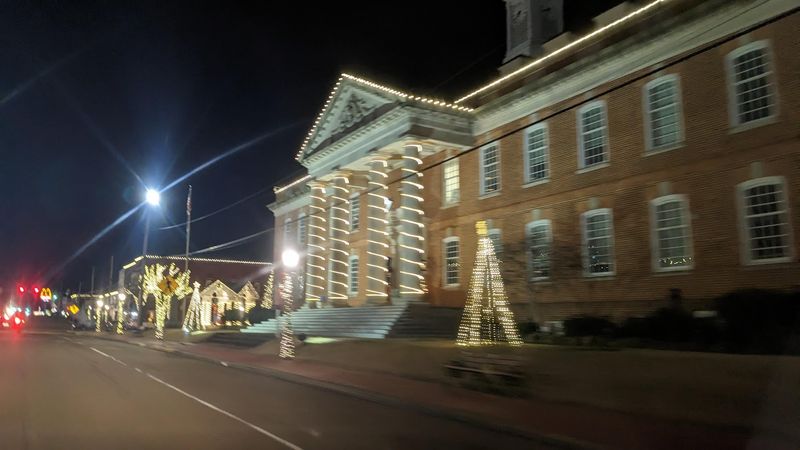
Civil War history runs deep in Savannah, where the Battle of Shiloh left scars that took over a century to heal properly. This small river town sat quietly along the Tennessee River for generations, its historic buildings slowly crumbling while tourists rushed past toward the famous battlefield.
Nobody gave downtown Savannah much thought until preservationists recognized what treasures were hiding in plain sight.
The Cherry Mansion, headquarters for General Grant before the Battle of Shiloh, anchored the town’s transformation into a heritage tourism destination. Volunteers worked tirelessly to save historic structures from demolition, breathing new life into buildings that witnessed some of America’s darkest days.
Museums opened their doors, telling stories that textbooks couldn’t capture.
The riverfront area got a complete makeover with walking trails, picnic areas, and boat ramps that finally let visitors enjoy the Tennessee River views. Fishing enthusiasts discovered world-class catfish and bass fishing right from the public docks.
Annual festivals celebrating everything from Civil War history to local arts brought thousands of visitors to downtown streets that once sat empty.
Antique shops and locally-owned restaurants filled vacant storefronts, giving the town a charming Main Street feel. The Tennessee River Museum became a must-see attraction, displaying artifacts from steamboat days and Native American settlements.
River cruises now depart regularly, letting tourists experience the same waterway that Civil War soldiers once crossed.
What makes Savannah’s transformation remarkable is how the community balanced honoring difficult history with creating a welcoming atmosphere for modern families. Kids can learn about the past while enjoying ice cream from the old-fashioned parlor, making history feel alive rather than dusty and distant.
4. Clifton
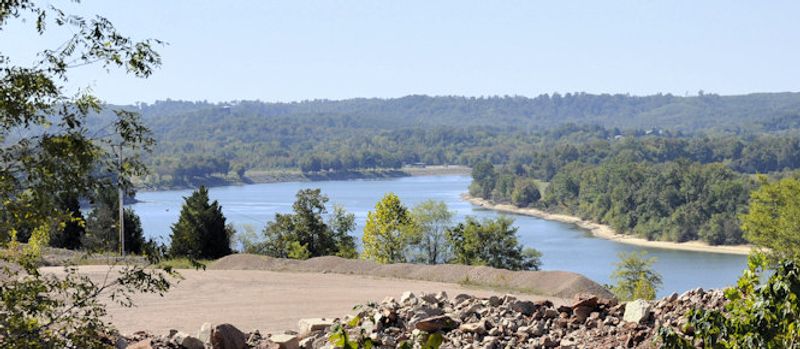
Population barely over 2,700, yet Clifton punches way above its weight when it comes to riverside charm. This tiny town sits where the Buffalo River meets the Tennessee River, creating a natural paradise that locals kept secret for far too long.
Clifton was quietly fading away until someone realized that its greatest asset was the stunning waterways surrounding it.
The transformation started small with upgrades to the public boat ramp and marina facilities. Word spread among serious fishermen about the incredible muskie and smallmouth bass fishing available here.
Soon, bass boats from across the Southeast were launching at Clifton’s ramps, bringing tourist dollars to local businesses.
Downtown buildings that housed forgotten shops got fresh paint and new owners willing to take chances. The historic Clifton Hotel, built in 1897, underwent renovations that preserved its Victorian elegance while adding modern comforts.
Suddenly people were booking weekend getaways to this river town they’d never heard of before.
Metal sculptures appeared along the riverbank, creating an unexpected outdoor art gallery that gives visitors something to discover around every corner. The town celebrates its Scottish heritage with annual festivals featuring bagpipes and Highland games, bringing unique cultural flavor to the Tennessee River valley.
Kayakers discovered that paddling from Buffalo River into the Tennessee River offers some of the state’s most beautiful water trails.
Local restaurants started sourcing ingredients from nearby farms, creating menus that showcase regional flavors. The combination of outdoor recreation, cultural events, and small-town hospitality transformed Clifton from a forgotten dot on the map into a destination worth the drive.
Sometimes the smallest towns teach the biggest lessons about community pride and creative reinvention.
5. Camden
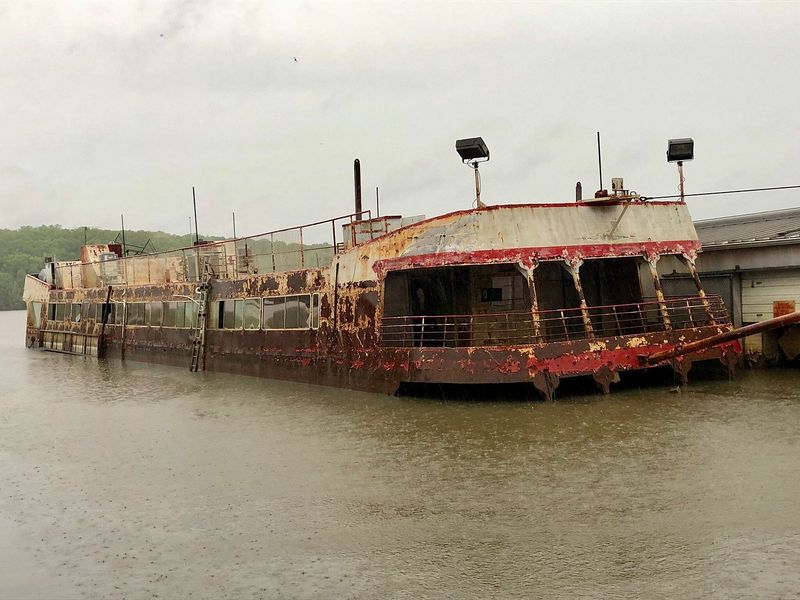
Where the Tennessee River widens into Kentucky Lake, Camden discovered gold in its backyard, just not the kind people mine. For years, this county seat ignored its spectacular waterfront position, focusing instead on landlocked downtown businesses that struggled to survive.
Everything shifted when outdoor recreation became Tennessee’s billion-dollar industry.
The Nathan Bedford Forrest State Park brought the first wave of change, attracting hikers and history buffs to explore the bluffs overlooking the Tennessee River. Smart business owners recognized opportunity and started opening fishing guide services, boat rentals, and lakeside cabins.
Camden evolved from a sleepy town where nothing happened into a basecamp for Kentucky Lake adventures.
The downtown square underwent beautification projects that made walking around actually enjoyable instead of depressing. New restaurants opened with menus featuring fresh-caught crappie and catfish, turning local catches into culinary experiences.
The annual Fiddlers Jamboree, running since 1971, gained national recognition and brings thousands of bluegrass lovers to town every September.
Marinas expanded their services, offering everything from houseboat rentals to fishing tournaments with serious prize money. The Paris Landing State Park nearby provides additional amenities that Camden visitors love, including a championship golf course with lake views.
Retirees started buying property here, recognizing that Camden offered big-lake recreation without big-city prices or traffic.
The courthouse square, once dominated by empty storefronts, now bustles with antique shops, coffee houses, and boutiques selling everything from fishing tackle to handmade crafts. Camden proved that you don’t need to be a big city to create big changes, you just need to recognize what makes your town special and build on those strengths with authentic community spirit.
6. New Johnsonville
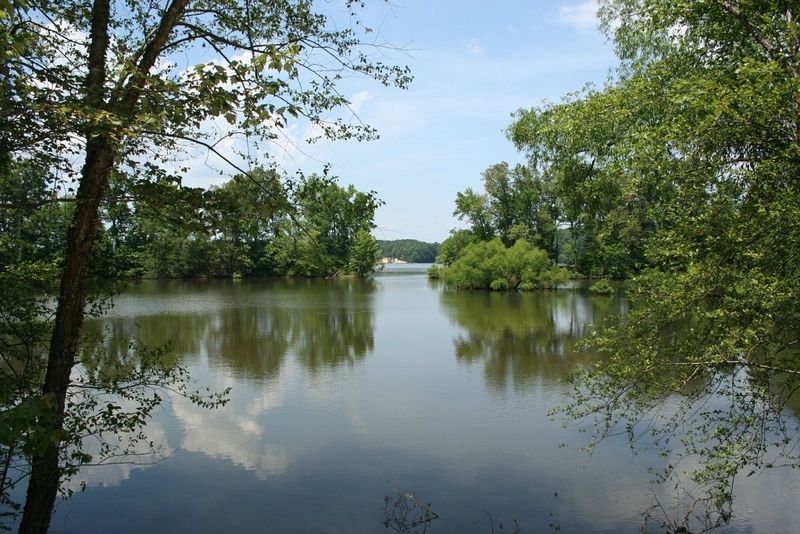
Built by the Tennessee Valley Authority during World War II, New Johnsonville started life as a company town serving the massive steam plant. Workers lived in identical houses arranged in tidy rows, their entire existence revolving around generating electricity for wartime industries.
When technology changed and the plant needed fewer workers, the town faced an identity crisis that could have ended badly.
Instead of dying slowly like so many company towns, New Johnsonville reinvented itself around the very river that brought it into existence. The TVA-created Kentucky Lake became the town’s salvation, attracting fishing enthusiasts from across the country.
Crappie fishing here is legendary, with springtime tournaments filling hotels and restaurants.
The town converted old industrial buildings into marine service centers, boat storage facilities, and tackle shops. Johnsonville State Historic Park tells the story of Civil War naval battles fought on this stretch of river, adding historical tourism to the economic mix.
Walking trails wind through areas where Union and Confederate forces once clashed, giving history buffs reason to visit.
Waterfront property that once held smokestacks and coal piles now features RV parks and campgrounds packed with fishing families every weekend. The annual Crappie Tournament brings professional anglers competing for thousands in prizes, putting New Johnsonville on the national fishing map.
Local guides make good livings taking clients to secret honey holes where slabs hide in submerged timber.
What started as a desperate attempt to survive became a thriving recreational economy. The transformation wasn’t easy or quick, requiring residents to completely reimagine their town’s purpose.
New Johnsonville shows that communities willing to adapt can find success even when their original reason for existing disappears, you just need creativity and willingness to try something completely different.
7. Loudon
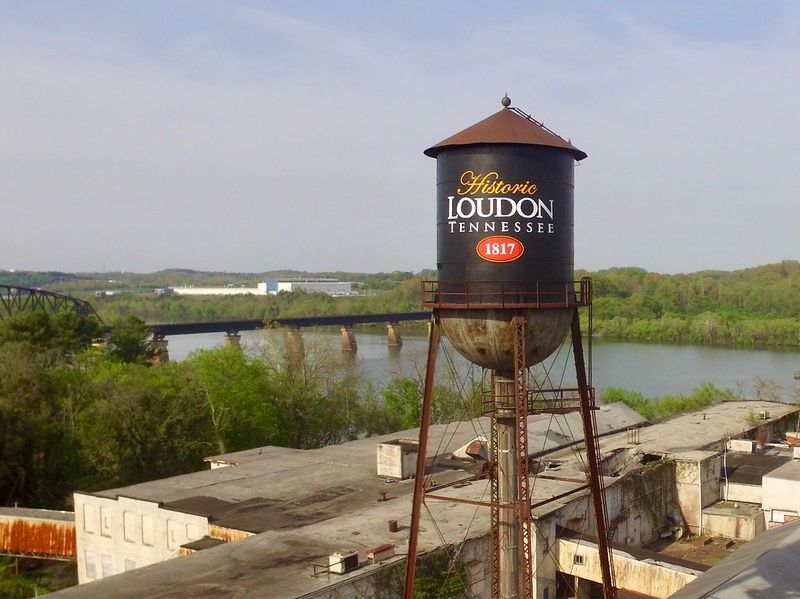
Sandwiched between Knoxville and Chattanooga, Loudon could have remained just another town people drive through without stopping. The Tennessee River flows right past, creating Fort Loudoun Lake, yet for decades locals barely acknowledged the stunning waterfront sitting minutes from downtown.
Growth happened elsewhere while Loudon stayed stuck in neutral, watching opportunities float by.
The wake-up call came when young families started leaving for cities with better amenities and recreation options. Town leaders realized they were sitting on a goldmine of natural beauty that needed proper development and marketing.
The transformation focused on creating a lifestyle destination rather than just another small town.
Tellico Village, a massive planned community, brought thousands of retirees who wanted golf courses, marinas, and lake access all in one place. Their arrival sparked upgrades throughout Loudon as restaurants, shops, and services expanded to meet new demand.
The downtown historic district received attention too, with preserved buildings housing modern businesses that respect the town’s heritage.
The lake became Loudon’s calling card, with public access improved through new boat ramps, fishing piers, and waterfront parks. Summer weekends see pontoon boats packed with families cruising the calm waters while water skiers carve wakes behind speedy vessels.
The Smoky Mountain views from the lake create postcard-perfect scenery that attracts photographers year-round.
Agricultural heritage meets modern recreation as farmers’ markets set up near marinas, creating a blend of old and new Tennessee. Wine trails and craft breweries took advantage of the growing tourism traffic, giving visitors reasons to stay overnight rather than just passing through.
Loudon transformed from forgettable to unforgettable by finally embracing the river that had always defined its geography, proving that sometimes the best assets are the ones you’ve overlooked forever.
8. Lenoir City
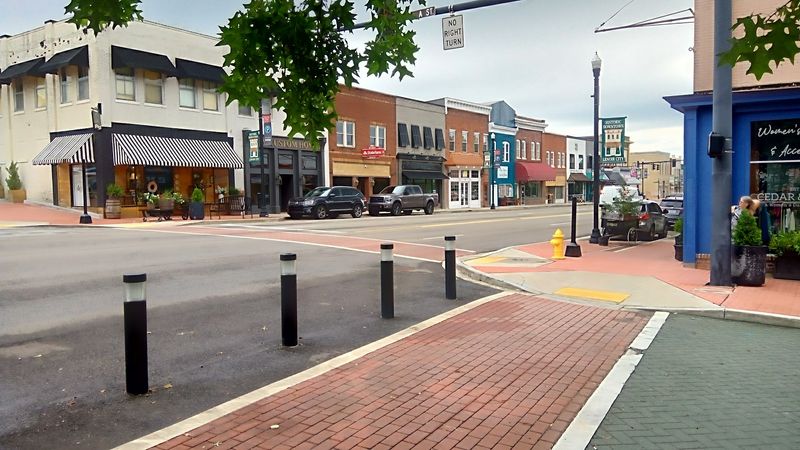
Railroad heritage defined Lenoir City for over a century, with trains rather than boats dominating the local economy and culture. The Tennessee River flowed past largely ignored while residents focused on inland industries and commerce.
That single-minded focus worked fine until manufacturing jobs started disappearing and the town needed a new game plan fast.
Forward-thinking leaders looked at the gorgeous river running through town and wondered why they’d never capitalized on it properly. The answer sparked a transformation that turned neglected riverbanks into the town’s greatest attraction.
Greenways and trails appeared where weeds and abandoned equipment once sat.
Fort Loudoun Dam created recreational opportunities that Lenoir City finally decided to embrace fully. Public parks with boat launches, picnic shelters, and playgrounds gave families reasons to spend entire days outdoors.
The Riverwalk connected neighborhoods to the waterfront, making healthy recreation accessible to everyone regardless of income.
Downtown revitalization happened simultaneously, with historic buildings converted into brewpubs, art galleries, and farm-to-table restaurants. The combination of outdoor recreation and cultural amenities attracted young professionals who could work remotely but wanted small-town charm with big-city amenities.
Real estate prices climbed as people discovered Lenoir City’s transformation.
Annual events like the Rockin’ on the River concert series pack the waterfront with music lovers dancing under summer stars. Fishing tournaments target the bass and catfish populations in the river, while paddleboard yoga classes offer unique workout options with killer views.
The abandoned railroad yards became mixed-use developments with shops and apartments, honoring the past while building the future.
Lenoir City proved that diversifying a town’s identity doesn’t mean abandoning history, it means adding new chapters that keep the story interesting and economically viable for generations to come.
9. Kingston
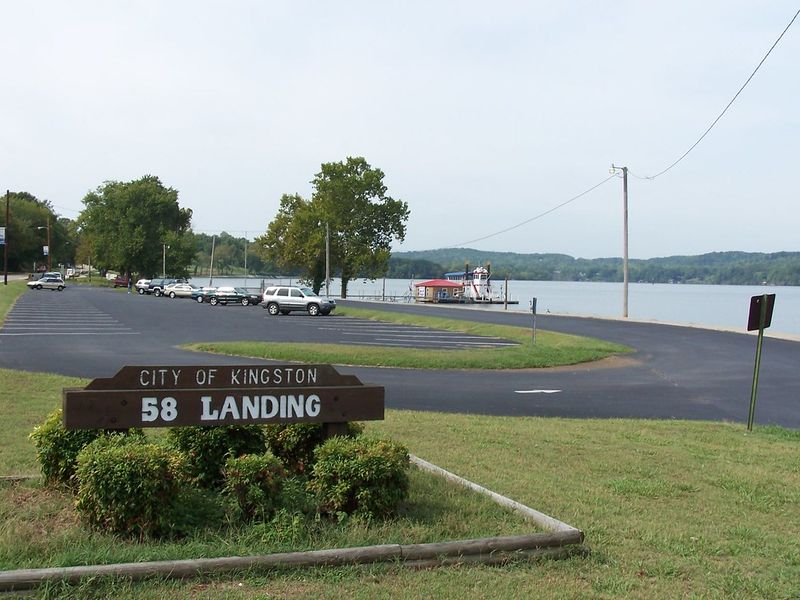
Three rivers converge at Kingston where the Clinch and Tennessee Rivers meet, creating Watts Bar Lake and one of Tennessee’s most unique geographic locations. You’d think such natural advantages would guarantee success, but Kingston spent decades watching its potential waste away through neglect and poor planning.
The waterfront sat undeveloped while residents drove to other towns for recreation and entertainment.
A devastating fire destroyed much of historic downtown in the 1990s, forcing Kingston to rebuild from scratch. Rather than recreating what burned down, visionary planners saw opportunity to reimagine everything with the waterfront as the centerpiece.
New construction included setbacks and sight lines that emphasized water views instead of hiding them.
The marina district exploded with development as boat slips, restaurants, and retail shops created a destination rather than just a pass-through spot. Roane State Community College brought younger energy to town while also preserving Kingston’s role as county seat.
The blend of education, recreation, and government services created economic stability that had been missing for generations.
Watts Bar Lake offers some of Tennessee’s best sailing, and Kingston became the hub for regional regattas and water sports competitions. The annual Kingston Spring Fun Fest grew from a small community gathering into a major regional event drawing thousands.
Anglers discovered that the river convergence creates unique habitat where trophy fish lurk.
Historic Fort Southwest Point received restoration funding, turning the reconstructed frontier fort into a living history attraction that schools visit regularly. The combination of natural beauty, recreational opportunities, and historical significance gave Kingston a triple threat that few towns can match.
What rose from those ashes wasn’t just new buildings but a completely reinvented community that finally lived up to its geographical gifts.
10. Dayton
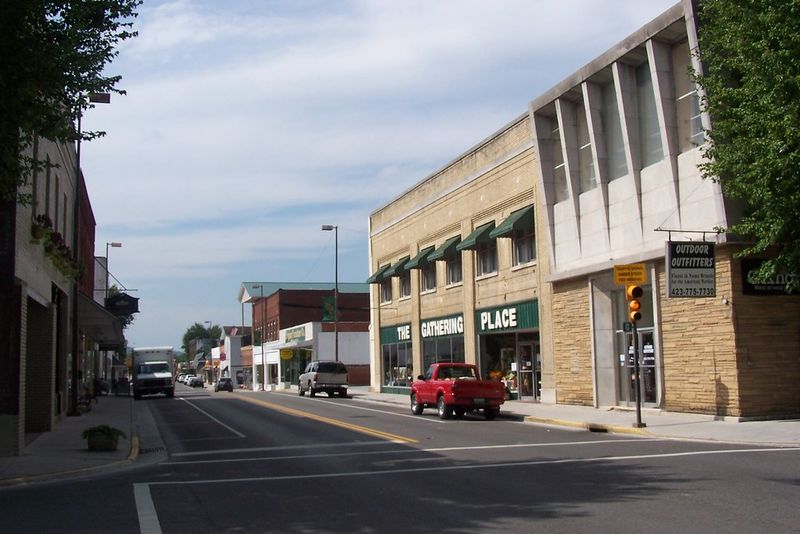
Famous for the Scopes Monkey Trial of 1925, Dayton rode that historical fame for decades without adding much else to the resume. The courthouse where Clarence Darrow and William Jennings Bryan battled over evolution became a museum, but the town surrounding it slowly deteriorated.
Young people left for opportunities elsewhere while beautiful Victorian buildings crumbled from neglect.
The Tennessee River doesn’t actually run through Dayton, but nearby Chickamauga Lake provides the water access that sparked transformation. Community leaders realized that heritage tourism alone wouldn’t sustain the town’s economy long-term.
They needed to add outdoor recreation and modern amenities while preserving the historical character that made Dayton special.
Downtown revitalization started with passionate preservationists saving condemned buildings one brick at a time. The courthouse square regained its charm through careful restoration that maintained architectural integrity while updating infrastructure.
Antique shops, coffee houses, and locally-owned restaurants filled spaces that had sat empty for years.
The nearby lake became Dayton’s outdoor playground, with residents developing trails, parks, and water access points. Fishing guides started operating from the area, taking clients after bass and crappie in the lake’s productive waters.
The Cumberland Plateau provides hiking and scenic drives that complement water-based recreation perfectly.
The Scopes Trial Museum underwent expansion, adding interactive exhibits that make the famous trial relevant to modern visitors. Annual reenactments bring the courtroom drama to life, attracting history buffs and school groups year-round.
Dayton learned to balance celebrating its infamous past with creating a livable present that gives residents reasons to stay.
The transformation shows that even towns famous for one specific event can write new chapters, you just need to honor what came before while building something fresh that speaks to contemporary needs and interests.
11. Harriman
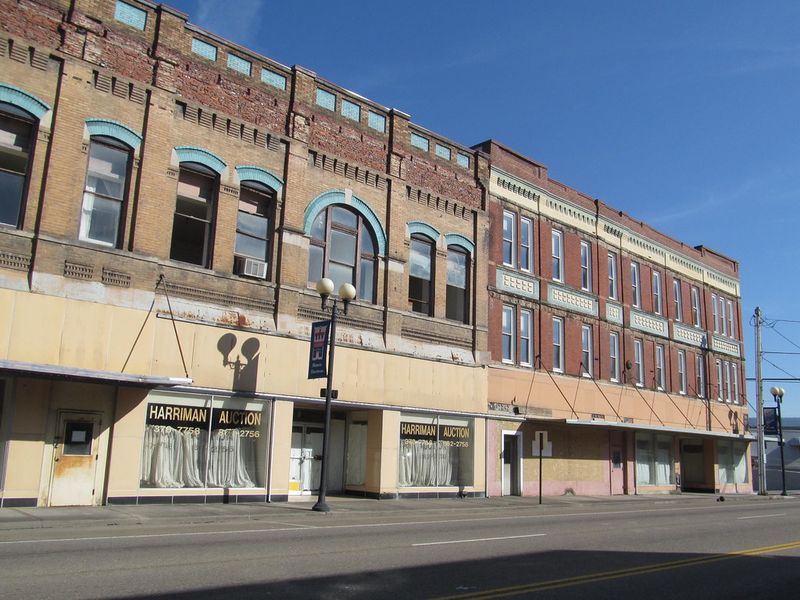
Temperance founded this town in 1889, with prohibition written into property deeds that banned alcohol sales for over a century. The strict rules attracted families wanting a wholesome environment but also limited economic development options.
Harriman sat near Watts Bar Lake yet struggled to attract the tourist dollars flowing to less restrictive communities nearby.
Change came gradually as younger generations questioned whether the founding principles still served the town’s best interests. The alcohol ban was finally lifted, opening doors for restaurants, breweries, and entertainment venues that modern economies require.
Suddenly Harriman could compete for visitors who wanted dining and nightlife along with outdoor recreation.
The waterfront transformation focused on making Watts Bar Lake accessible to everyone through improved public facilities and programming. Cornwall Park expanded with playgrounds, sports fields, and picnic areas that families actually use instead of driving elsewhere.
The Gateway Greenway connected neighborhoods to parks and schools, promoting healthy lifestyles through walkable infrastructure.
Downtown buildings received facelifts that respected Victorian-era architecture while meeting current building codes and accessibility standards. The historic theatre reopened after extensive renovations, hosting live performances and classic movies.
Local entrepreneurs opened shops selling everything from outdoor gear to handmade crafts, giving Main Street vitality it hadn’t seen in decades.
Annual events like the Scarecrow Festival bring thousands of visitors to admire creative displays throughout downtown. The lake attracts fishermen year-round, with spring crappie runs being particularly famous.
Harriman discovered that adapting founding principles to modern realities isn’t betrayal, it’s survival.
The town’s transformation proves that communities can honor their heritage while evolving to meet contemporary needs. Sometimes holding too tightly to the past prevents building a viable future, and knowing when to adapt separates thriving towns from dying ones.
12. Vonore
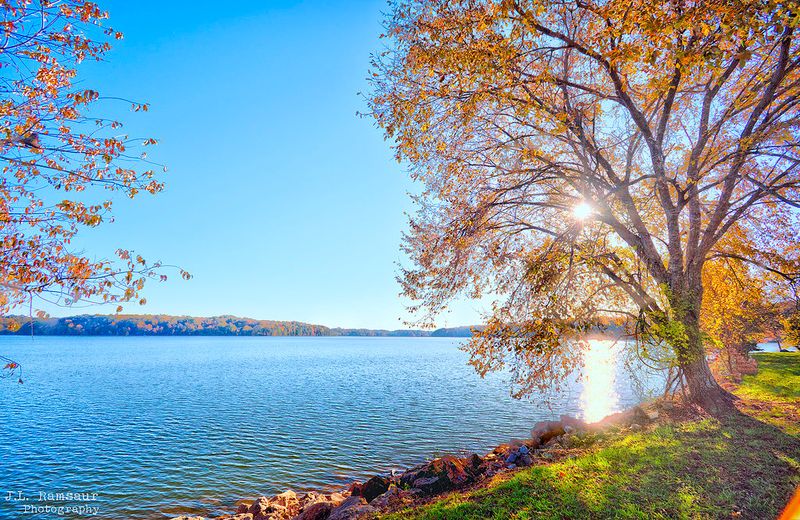
Cherokee history saturates the land around Vonore, where Tellico Lake now covers sites sacred to the people forcibly removed along the Trail of Tears. For decades after TVA flooded the valley in 1979, Vonore struggled with its identity as a new town created from several communities displaced by rising waters.
Bitterness and loss defined the early years rather than opportunity and growth.
Healing began when residents decided to honor the past while building toward the future. The Sequoyah Birthplace Museum opened on the lakeshore, telling the story of the Cherokee genius who created the syllabary writing system.
Visitors from around the world come to learn about Cherokee culture and the complicated history of this region.
Fort Loudoun State Historic Area preserves the reconstructed British fort that played a crucial role in frontier conflicts between European powers and Cherokee nations. Living history demonstrations bring the 1700s to life, with interpreters in period costume explaining daily life in this remote wilderness outpost.
School groups tour regularly, making it an important educational resource.
Tellico Lake itself became Vonore’s economic engine, attracting retirees and vacation home buyers seeking waterfront property with mountain views. Marinas, restaurants, and recreational businesses created jobs that replaced what was lost when the valley flooded.
The Tellico Village development brought thousands of residents who spend money locally and volunteer extensively.
Wine trails through the surrounding hills offer tastings with lake views, creating agritourism opportunities for local farmers. Artists discovered the area’s beauty and affordable studio space, establishing galleries that showcase regional talent.
Vonore’s transformation from displaced communities to thriving lakeside destination took time and intention.
The town shows that acknowledging painful history doesn’t prevent progress, it provides foundation for building something meaningful that honors all who came before while creating opportunities for those who come after.
13. South Pittsburg
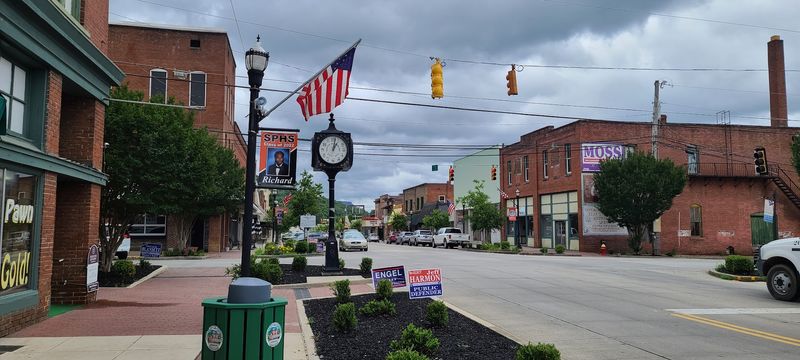
Cast iron built this town, specifically the Lodge Manufacturing Company that’s been pouring skillets since 1896. For generations, South Pittsburg’s economy revolved entirely around the foundry, with most families having someone who worked there.
When manufacturing declined across America, South Pittsburg faced scary questions about survival without diversification.
The Tennessee River Gorge sits right in South Pittsburg’s backyard, offering some of the Southeast’s most spectacular scenery and outdoor recreation. For years, nobody marketed this natural treasure properly, letting other towns claim credit for gorge tourism.
That changed when community leaders realized their foundry heritage and natural beauty could work together instead of competing.
Downtown revitalization centered on the annual National Cornbread Festival, which started small but grew into Tennessee’s official cornbread championship. Thousands descend on South Pittsburg each spring to sample cornbread variations and buy Lodge cast iron cookware.
The festival put this small town on national food media radar, creating year-round tourism interest.
The Lodge factory store became a destination where visitors tour the foundry and buy directly from the source. Seeing molten iron poured into molds fascinates people who’ve only seen the finished skillets in stores.
The combination of industrial tourism and outdoor recreation created an economic foundation broader than just manufacturing jobs.
River access improvements made launching kayaks easier for paddlers wanting to explore the gorge from water level. Hiking trails connect to the Cumberland Trail, bringing through-hikers who need supplies and overnight accommodations.
Historic buildings downtown converted into restaurants serving Southern comfort food cooked, naturally, in Lodge cast iron.
South Pittsburg discovered that celebrating what makes you unique, whether that’s skillets or scenery, attracts people who appreciate authenticity. The transformation wasn’t about becoming something different but rather fully embracing everything that made this town special from the beginning.
Share this story