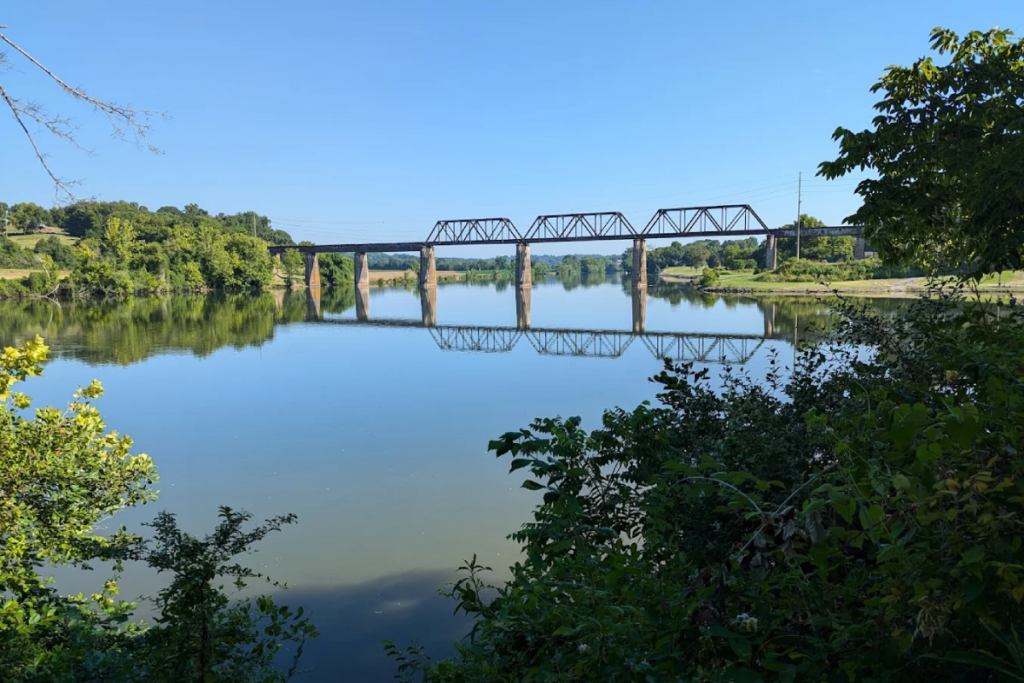
Tennessee sits quietly in the Southeast, doing its own thing while flashier destinations grab most of the headlines. But travelers who skip this state are missing out on some of the country’s most rewarding experiences, from underground waterfalls to mountain roads that feel like they belong on a postcard.
Whether you’re drawn to music history, wild landscapes, or small-town charm, Tennessee delivers without the crowds or the hype that follow more famous places.
1. The Great Smoky Mountains Look Beautiful in Every Season
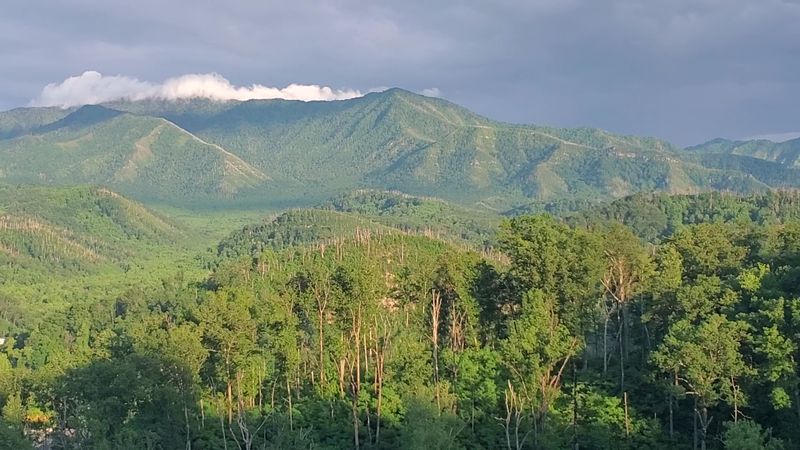
When morning fog settles into the valleys and wraps around those ancient peaks, the Smokies earn their name all over again. This mountain range doesn’t need a single filter or enhancement to look stunning. Every turn in the road reveals another ridge, another waterfall, another reason to pull over and stare.
Spring brings wildflowers that carpet the forest floor in waves of color. Summer turns the canopy into a thick green tunnel that keeps trails shaded and cool. Fall transforms the hillsides into a patchwork of reds, oranges, and golds that stretches as far as you can see.
Winter strips everything down to bare branches and frozen waterfalls, giving the landscape a quiet, almost haunting beauty.
Wildlife sightings happen more often than you’d expect. Black bears wander through campgrounds, white-tailed deer freeze mid-step on the trails, and salamanders outnumber just about every other creature in these woods. The park protects over 19,000 species, making it one of the most biodiverse places in North America.
Historic cabins and churches dot the landscape, reminders of the families who farmed and lived in these mountains before the park was established. Walking through Cades Cove or visiting one of the preserved homesteads gives you a glimpse into Appalachian life from more than a century ago. The structures still stand, weathered but sturdy, telling stories without saying a word.
More than 800 miles of trails wind through the park, ranging from easy strolls to challenging climbs that reward hikers with panoramic views. You could spend weeks exploring and still find new waterfalls, hidden streams, and quiet spots that feel entirely your own. The Smokies don’t demand your attention with gimmicks or attractions.
They just exist, beautiful and unchanging, waiting for you to notice.
2. Nashville’s Music Scene Goes Far Beyond Broadway

Broadway gets all the attention, with its neon lights and bachelorette parties spilling out onto the sidewalks. But the real music happens in smaller rooms scattered across Nashville, where songwriters test new material and musicians play because they love it, not because they’re trying to sell something. These venues don’t advertise much, and that’s part of their charm.
Neighborhood spots like The Bluebird Cafe have become legendary for a reason. Writers who’ve penned hits for major artists sit on small stages and share the stories behind their songs. The audiences listen quietly, respectfully, because they know they’re witnessing something genuine.
It’s the kind of experience that reminds you why Nashville became Music City in the first place.
East Nashville has turned into a hub for indie artists, alt-country bands, and experimental sounds that don’t fit the mainstream mold. Clubs like The Basement East and The 5 Spot book acts that push boundaries and take risks. The crowds here are younger, edgier, and fiercely loyal to the artists they discover before the rest of the world catches on.
Record shops like Grimey’s and The Groove stock vinyl from local musicians alongside classic albums you won’t find anywhere else. Browsing through the bins feels like a treasure hunt, and the staff actually knows what they’re talking about. You leave with albums you’ve never heard of but immediately love.
Historic studios like RCA Studio B and Blackbird Studio have recorded some of the most important albums in American music. Tours let you stand in the same rooms where legends worked, and the acoustics alone are worth the visit. Nashville’s music scene isn’t just about honky-tonks and tourists.
It’s about songwriters, session players, and small stages where the next big thing is already happening, whether anyone’s paying attention yet or not.
3. Memphis Helped Change the Sound of American Music
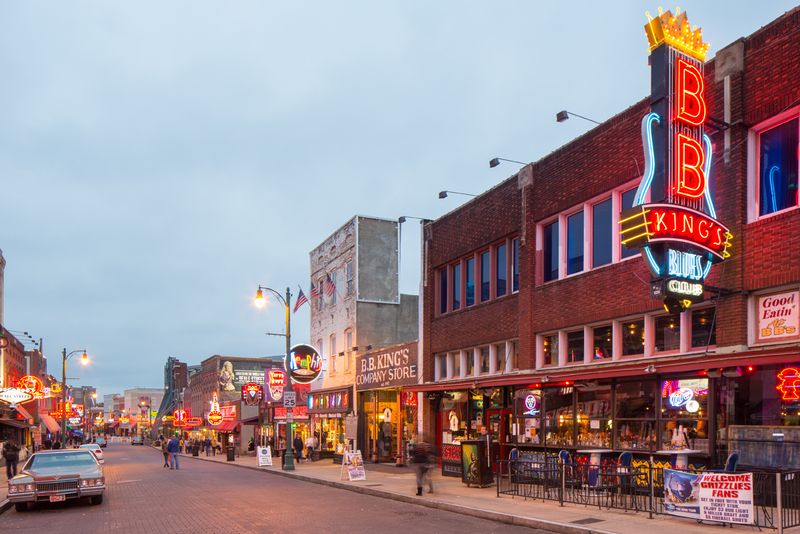
Memphis sits on the Mississippi River with a musical legacy so deep it practically vibrates through the sidewalks. Blues, soul, rock ‘n’ roll, and gospel all collided here, creating sounds that shaped American culture in ways most cities never could. Walking through Memphis means walking through music history, whether you realize it or not.
Beale Street has been the heart of the blues scene for over a century. Clubs like B.B. King’s and Rum Boogie Cafe still pack in crowds every night, with live music pouring out onto the street.
The performers are serious, skilled, and completely committed to keeping the tradition alive. You don’t just listen here; you feel it in your chest.
Sun Studio is where rock ‘n’ roll essentially began. Elvis, Johnny Cash, Jerry Lee Lewis, and B.B. King all recorded in this tiny building, and the energy still lingers.
The tours are intimate and informative, letting you stand in the exact spot where history was made. The acoustics in that small room are legendary, and you can hear why when they play recordings from the original sessions.
Stax Museum sits on the site of the old Stax Records studio, where Otis Redding, Isaac Hayes, and Booker T. & the M.G.’s created soul music that still sounds fresh today. The exhibits include instruments, costumes, and memorabilia that tell the story of a label that changed everything. You leave understanding why Memphis soul had a sound no one else could replicate.
Gospel music thrives in Memphis churches, where choirs and soloists deliver performances that leave audiences breathless. Al Green still preaches and sings at Full Gospel Tabernacle, and visitors are welcome. The experience is powerful, moving, and unforgettable.
Memphis doesn’t just preserve its musical past. It lives it, breathes it, and keeps it alive in ways that feel urgent and necessary.
4. Tennessee Has More Waterfalls Than Many Travelers Realize
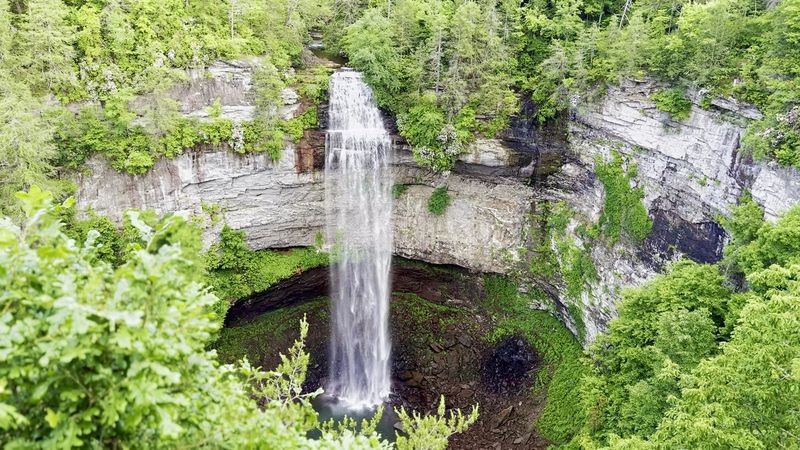
Most people think of Tennessee and picture mountains or music, not waterfalls. But the state holds more than 80 documented waterfalls, with new ones still being discovered by hikers who venture off the beaten path. Some are towering giants that require long hikes to reach, while others sit just a short walk from the parking lot.
Fall Creek Falls drops 256 feet into a gorge, making it one of the tallest waterfalls east of the Mississippi River. The view from the overlook is stunning, but the trail down to the base gives you the full experience. Standing at the bottom, feeling the mist on your face, you realize just how powerful and beautiful these natural features can be.
Burgess Falls rewards visitors with a series of cascades that culminate in a dramatic 136-foot plunge. The hike follows the river, passing smaller falls along the way before reaching the main event. It’s not a difficult trail, but the payoff is spectacular, especially after heavy rain when the falls are roaring.
Cummins Falls is one of the few waterfalls in Tennessee where you can swim at the base. The hike involves wading through the river, scrambling over rocks, and getting wet, but the natural swimming hole at the end makes it all worthwhile. On hot summer days, the falls become a popular gathering spot for locals who know where to find the best swimming holes.
Foster Falls drops 60 feet into a boulder-strewn pool surrounded by cliffs and forest. Rock climbers love this spot for the challenging routes on the surrounding walls. Hikers come for the waterfall and stay for the scenic trails that loop through the gorge.
Tennessee State Parks reports more than 80 waterfalls statewide, scattered across every region. Some are famous, others are hidden gems known only to locals. Either way, waterfall chasers could spend weeks exploring Tennessee and still not see them all.
5. The State’s Small Towns Are Destinations of Their Own
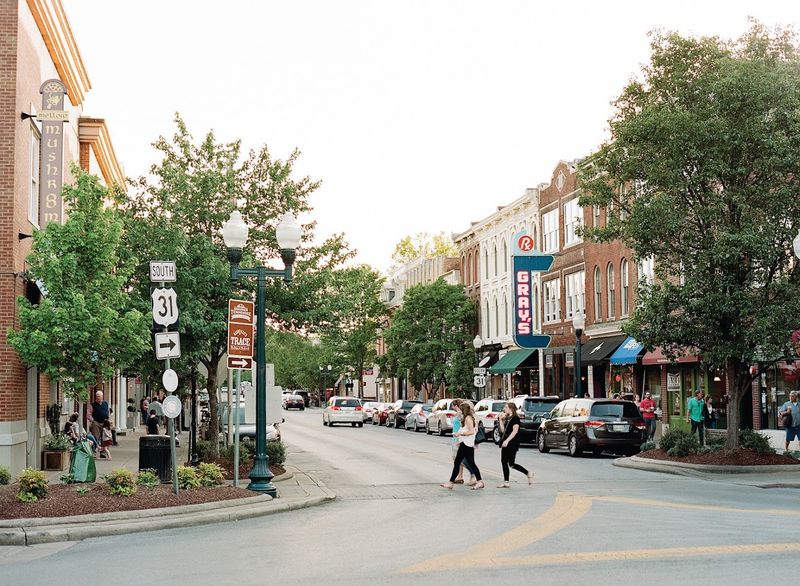
Tennessee’s small towns don’t try to compete with Nashville or Memphis. They exist on their own terms, offering historic streets, local shops, and a pace of life that feels refreshingly unhurried. These communities have stories to tell, and they’re worth more than just a quick stop on the way to somewhere else.
Jonesborough is Tennessee’s oldest town, founded in 1779, and it wears its history proudly. The downtown is filled with preserved buildings, independent bookstores, and cafes that serve homemade pies. The National Storytelling Festival draws crowds every fall, turning the town into a gathering place for storytellers and listeners from around the world.
Bell Buckle is tiny, quirky, and unapologetically charming. The main street is lined with antique shops, craft stores, and a bookstore housed in an old train depot. The town hosts festivals throughout the year, including a popular bluegrass festival that brings musicians and fans to this quiet corner of Middle Tennessee.
Lynchburg is home to the Jack Daniel’s Distillery, but the town itself is dry, creating an ironic twist that locals find amusing. The distillery tours are excellent, but the town square is worth exploring too, with small shops and a general store that feels frozen in time.
Rogersville dates back to the late 1700s and still has buildings from that era standing along its main street. The Hale Springs Inn is one of the oldest continuously operating inns in Tennessee, and staying there feels like stepping into another century. The town is quiet, historic, and often overlooked by travelers rushing through East Tennessee.
Savannah sits on the Tennessee River and offers access to Shiloh National Military Park, one of the most significant Civil War battlefields. The downtown has historic homes, local restaurants, and a peaceful riverfront. These towns aren’t trying to be tourist traps.
6. Tennessee Barbecue Is Far More Diverse Than One Famous Style

Memphis-style ribs get most of the attention, but Tennessee barbecue goes far beyond one city’s signature dish. The state has regional variations, family traditions, and roadside pits that have been smoking meat the same way for decades. If you think Tennessee barbecue is just one thing, you haven’t been paying attention.
Memphis ribs are famous for a reason. The dry rub creates a flavorful crust, and the meat falls off the bone without needing sauce to cover it up. Places like Rendezvous and Central BBQ have perfected this style, and locals argue passionately about which spot does it best.
The competition is fierce, and everyone has an opinion.
West Tennessee whole-hog traditions involve smoking an entire pig over low heat for hours, resulting in tender meat that’s mixed together and served on sandwiches. This method is labor-intensive and requires skill, which is why only a few pitmasters still do it the old way. When you find it, you’re tasting something that’s becoming increasingly rare.
Smoky shoulder sandwiches are the backbone of Middle Tennessee barbecue. The pork shoulder is smoked until it’s tender enough to pull apart, then piled high on a bun with slaw and a tangy vinegar-based sauce. It’s simple, satisfying, and available at roadside stands and small-town joints across the region.
Roadside pits are scattered throughout Tennessee, often marked by nothing more than a hand-painted sign and a plume of smoke. These spots don’t have fancy menus or Instagram-worthy interiors. They have pitmasters who know what they’re doing and meat that speaks for itself.
Inventive modern barbecue is happening in cities like Nashville and Chattanooga, where chefs are experimenting with new techniques, sauces, and flavor combinations. They respect tradition but aren’t afraid to push boundaries. Tennessee barbecue isn’t just one style or one city.
7. Chattanooga Packs an Impressive Amount Into One River City
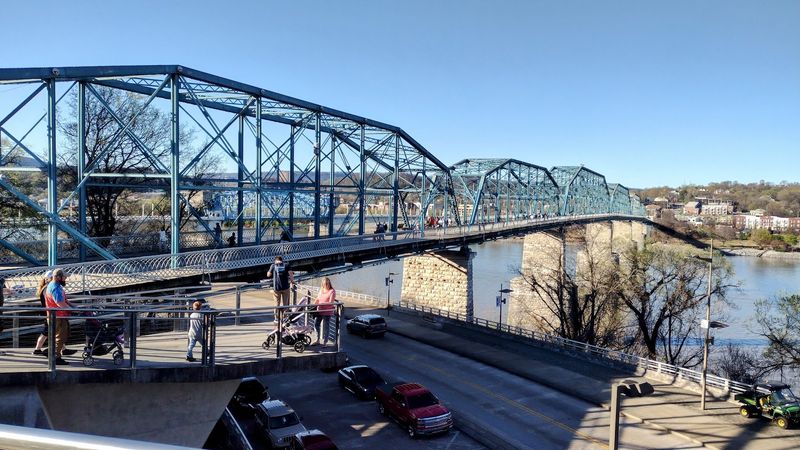
Chattanooga sits in a valley surrounded by mountains, with the Tennessee River cutting through the middle of the city. It’s compact, walkable, and filled with enough attractions to keep visitors busy for days. The city has reinvented itself over the past few decades, transforming from an industrial center into an outdoor adventure hub with a thriving downtown.
Lookout Mountain looms over the city, offering panoramic views from Rock City and Point Park. The Incline Railway climbs the steep slope at a dramatic angle, giving passengers a thrilling ride and stunning views. Once you reach the top, trails and attractions spread out in every direction, making it easy to spend an entire day exploring.
The riverfront has been transformed into a pedestrian-friendly area with parks, trails, and public art. The Walnut Street Bridge is one of the longest pedestrian bridges in the world, connecting downtown to the North Shore. Walking across it at sunset, with the river below and the mountains in the distance, is one of those simple moments that makes a trip memorable.
Ruby Falls is an underground waterfall located deep inside Lookout Mountain. The guided tour takes you through narrow passages and vast chambers before revealing the 145-foot waterfall illuminated by colorful lights. It’s touristy, sure, but also genuinely impressive and unlike anything most people have seen before.
The Tennessee Aquarium is one of the best freshwater aquariums in the country, with exhibits showcasing river ecosystems from the Appalachian highlands to the Gulf of Mexico. The displays are engaging, the animals are well cared for, and the experience is educational without feeling like a classroom.
Outdoor adventures are everywhere in Chattanooga. Rock climbing, hang gliding, kayaking, mountain biking, and hiking are all within a short drive of downtown. The city has embraced its natural surroundings, making it easy for visitors to experience the outdoors without leaving the urban area behind.
8. Some of America’s Best Scenic Drives Cross Tennessee
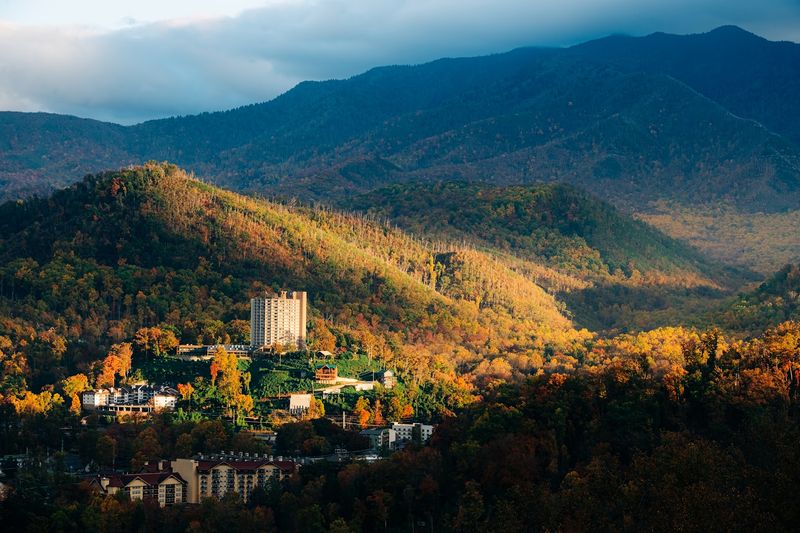
Tennessee’s geography creates natural corridors for some of the most beautiful drives in the country. Mountains, rivers, forests, and farmland all play a role, and the roads that cut through them offer constantly changing views. These aren’t highways designed to get you somewhere fast.
They’re routes meant to be savored, with frequent pullouts and scenic overlooks that beg you to stop.
The Cherohala Skyway runs for 43 miles along the Tennessee-North Carolina border, climbing through the Cherokee and Nantahala National Forests. The elevation changes create dramatic shifts in scenery, from dense forests to open ridges with views that stretch for miles.
The Foothills Parkway hugs the edge of the Great Smoky Mountains, offering unobstructed views of the peaks without the traffic congestion of the main park roads. The drive is peaceful, scenic, and often overlooked by tourists who stick to the more famous routes. That’s good news for anyone who prefers quiet roads and empty overlooks.
Newfound Gap Road cuts through the heart of the Smokies, connecting Tennessee to North Carolina while climbing over 5,000 feet in elevation. The road is steep, winding, and absolutely stunning, with overlooks that reveal layer after layer of misty ridges. Wildlife sightings are common, especially in the early morning or late afternoon.
The Natchez Trace Parkway follows an ancient trail used by Native Americans, early settlers, and traders. The Tennessee section runs through rolling hills, hardwood forests, and historic sites that tell the story of the region’s past. There are no billboards, no commercial development, and no stoplights—just a peaceful drive through beautiful countryside.
Rural back roads throughout Tennessee offer their own rewards. County highways wind past old barns, covered bridges, small-town squares, and farms that have been in the same family for generations. Getting lost on these roads is half the fun, and the journey often matters more than the destination.
9. The State Parks Could Fill an Entire Vacation
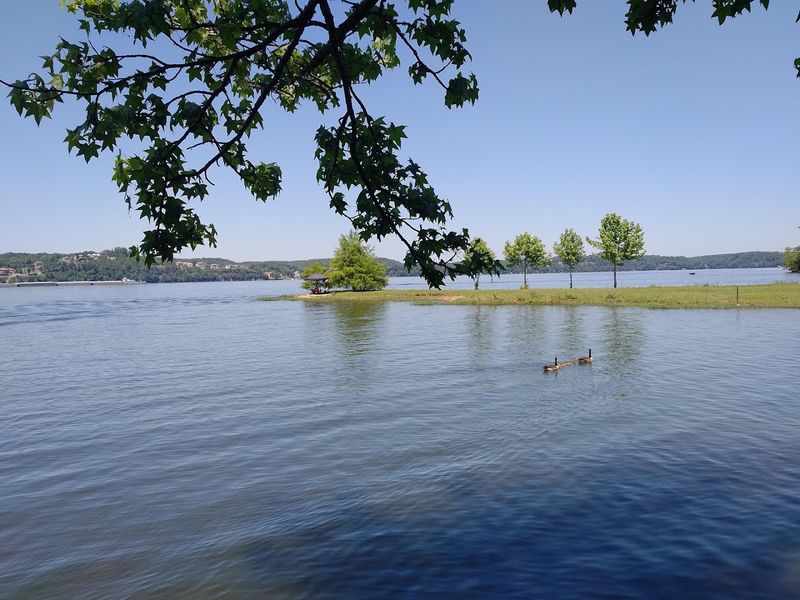
Tennessee operates 56 state parks, covering more than 185,000 acres and offering everything from lakeside resorts to backcountry campsites. The system is well-maintained, affordable, and diverse enough to satisfy just about any outdoor interest. You could spend an entire vacation hopping between parks and never run out of things to do.
More than 1,100 miles of trails wind through Tennessee’s state parks, ranging from easy nature walks to challenging backcountry routes. Some trails lead to waterfalls, others climb to scenic overlooks, and a few follow old rail lines or historic paths. The variety means there’s something for every fitness level and interest.
Hundreds of cabins are scattered throughout the park system, offering a comfortable alternative to camping. The cabins range from rustic one-room structures to modern multi-bedroom lodges with full kitchens and fireplaces. Booking a cabin near a lake or in the mountains makes for a perfect weekend getaway without requiring a tent or sleeping bag.
Campgrounds in Tennessee state parks are clean, well-equipped, and often surprisingly uncrowded. Whether you prefer RV sites with full hookups or primitive tent camping in the backcountry, the options are plentiful. Waking up to the sound of birds and the smell of pine trees never gets old.
Lakes within the park system offer fishing, kayaking, paddleboarding, and swimming. Some parks have designated swimming areas with sandy beaches, while others provide boat ramps and fishing piers. The lakes are clean, scenic, and less crowded than private resorts.
Waterfalls are a major draw in several parks, with trails leading to cascades that range from gentle trickles to powerful plunges. Parks like Fall Creek Falls, Burgess Falls, and Rock Island all feature waterfalls as their main attraction, but smaller parks often hide lesser-known falls that are just as beautiful.
Resort-style parks like Paris Landing and Pickwick Landing offer golf courses, marinas, restaurants, and inns for visitors who want a more upscale experience. These parks combine outdoor recreation with modern amenities, making them ideal for families or anyone looking for a little extra comfort during their stay.
10. Tennessee’s Underground Attractions Feel Like Another World
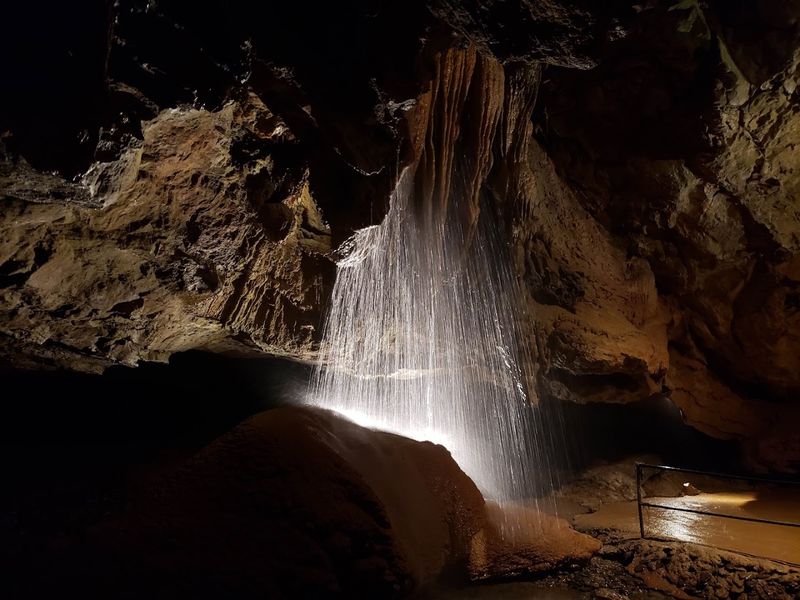
Tennessee sits on top of a vast network of caves, caverns, and underground formations that have been carved out over millions of years. These subterranean spaces are cool, quiet, and otherworldly, offering a completely different kind of adventure. Walking through them feels like stepping into a hidden realm that exists just below the surface.
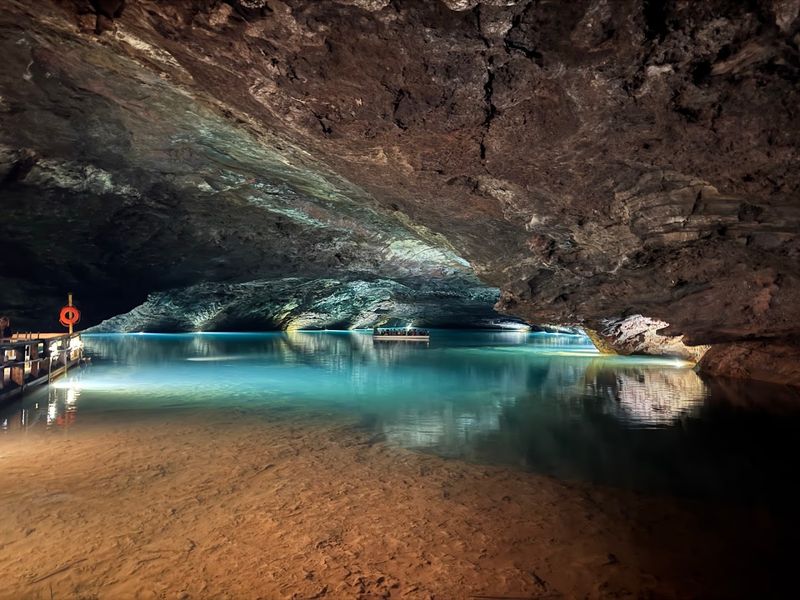
The Lost Sea is the largest underground lake in the United States, located deep inside Craighead Caverns. The tour takes you down into the cave system, through narrow passages and large chambers, before reaching the lake itself. A glass-bottom boat ride lets you glide across the dark water, with trout swimming below and formations rising from the depths.
Cumberland Caverns features massive chambers, towering columns, and formations that look like something out of a fantasy novel. The Bluegrass Underground concert series is held in the Volcano Room, a natural amphitheater with incredible acoustics. Listening to live music 333 feet underground is an experience you won’t find anywhere else.
Ruby Falls is an underground waterfall that drops 145 feet inside Lookout Mountain. The guided tour leads you through tight corridors and expansive rooms before revealing the falls, dramatically lit with colored lights. It’s a bit touristy, but the waterfall itself is genuinely impressive and worth the descent.
Other caves throughout Tennessee offer everything from wild spelunking adventures to family-friendly walking tours. Some caves are home to rare species of bats and salamanders, while others contain archaeological evidence of ancient human use. The formations inside these caves—stalactites, stalagmites, flowstones, and helictites—take thousands of years to form, making them fragile and irreplaceable.
Unusual formations like natural bridges, rock shelters, and underground streams add to the diversity of Tennessee’s underground attractions. Some caves are easily accessible, while others require crawling, climbing, and a sense of adventure. Whether you prefer guided tours or wild cave exploration, Tennessee’s underground world offers a side of the state that few visitors expect to find but never forget once they do.
11. The Appalachian History Runs Much Deeper Than Tourist Attractions
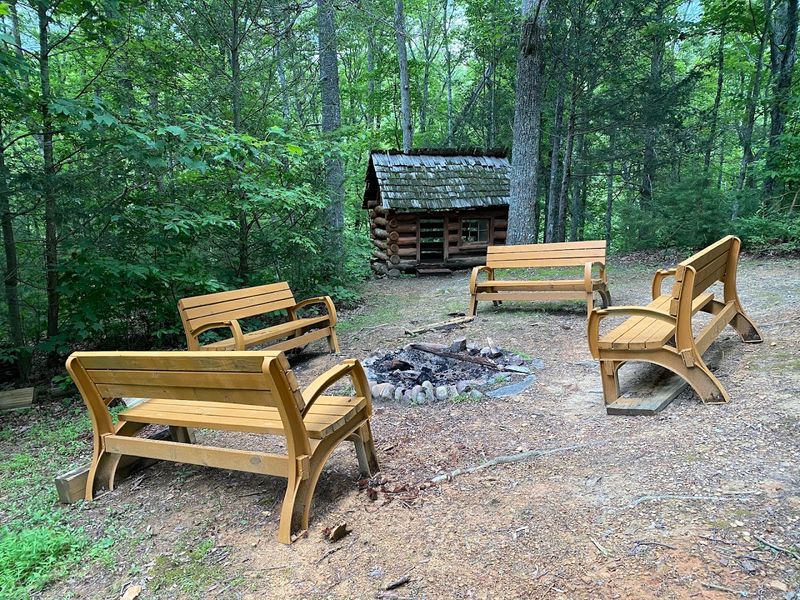
Appalachian culture in Tennessee goes far beyond the preserved cabins and museums you’ll find in the Smokies. The mountains hold generations of stories, traditions, and ways of life that shaped the region long before tourism became an industry. Understanding this history adds depth to any visit and reveals a side of Tennessee that’s often overlooked.
Historic homesteads scattered throughout East Tennessee show how families lived off the land, growing crops, raising livestock, and building everything they needed from the resources around them. These weren’t vacation cabins or hunting lodges. They were working farms where survival depended on skill, hard work, and knowledge passed down through families.
Mountain communities still exist in the hollows and ridges, maintaining traditions that have been handed down for centuries. Quilting, blacksmithing, basket weaving, and woodworking are still practiced by artisans who learned from their parents and grandparents. These crafts aren’t just for show.
They’re functional, beautiful, and deeply connected to the region’s identity.
Traditional crafts are kept alive through organizations, festivals, and workshops that teach old techniques to new generations. Watching a blacksmith shape iron or a weaver create a basket from scratch is mesmerizing and humbling. These skills took years to master, and the people who practice them are living links to the past.
Storytelling is a cornerstone of Appalachian culture, with tales passed down orally for generations. The stories range from ghost legends to family histories, preserving memories and lessons in a way that written records can’t always capture. Festivals like the one in Jonesborough celebrate this tradition, bringing storytellers and listeners together in a shared experience.
Old settlements and ghost towns dot the landscape, some accessible by hiking trails, others hidden deep in the forest. These abandoned communities tell stories of hardship, resilience, and change. Walking through them, you can still see the foundations of homes, the remnants of mills, and the outlines of roads that once connected families and neighbors.
12. West Tennessee Has Plenty to Explore Beyond Memphis
West Tennessee often gets reduced to Memphis and nothing else, but the region stretches all the way to the Mississippi River and holds surprises that reward travelers willing to venture beyond the city limits. This is a part of the state with its own character, shaped by the river, the land, and a slower pace of life.
Reelfoot Lake is one of the most unique natural features in Tennessee, formed by a series of earthquakes in the early 1800s. The shallow lake is filled with bald cypress trees that rise from the water, creating a hauntingly beautiful landscape. Bald eagles gather here in the winter, making it one of the best places in the state for birdwatching.
Pickwick Lake sits on the Tennessee River near the Alabama and Mississippi borders, offering boating, fishing, and waterfront recreation. The lake is less crowded than others in the state, and the surrounding area has marinas, campgrounds, and quiet spots where you can spend the day on the water without fighting for space.
Discovery Park of America is a massive museum and heritage park in Union City, featuring exhibits on everything from natural history to military history, space exploration to regional culture. The building itself is striking, and the exhibits are well-designed and engaging. It’s not what you’d expect to find in a small West Tennessee town, which makes it all the more impressive.
Historic towns like Savannah, Brownsville, and Paris have preserved downtown squares, antebellum homes, and local museums that tell the story of the region. These towns aren’t trying to be tourist destinations. They’re just communities with deep roots and interesting histories, and they’re worth a stop if you’re passing through.
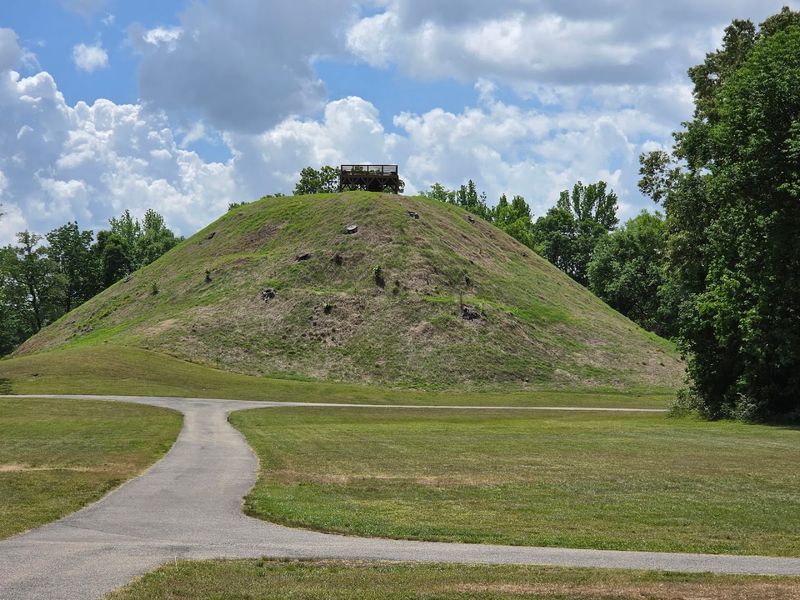
Unusual museums and local food stops dot the highways, offering everything from small-town barbecue to quirky roadside attractions. The Pinson Mounds State Archaeological Park preserves ancient Native American ceremonial sites, and the Alex Haley Museum in Henning honors the author of Roots. West Tennessee doesn’t shout for attention, but it rewards travelers who take the time to explore beyond the obvious.
13. The Cumberland Plateau Is One of the State’s Most Underrated Regions
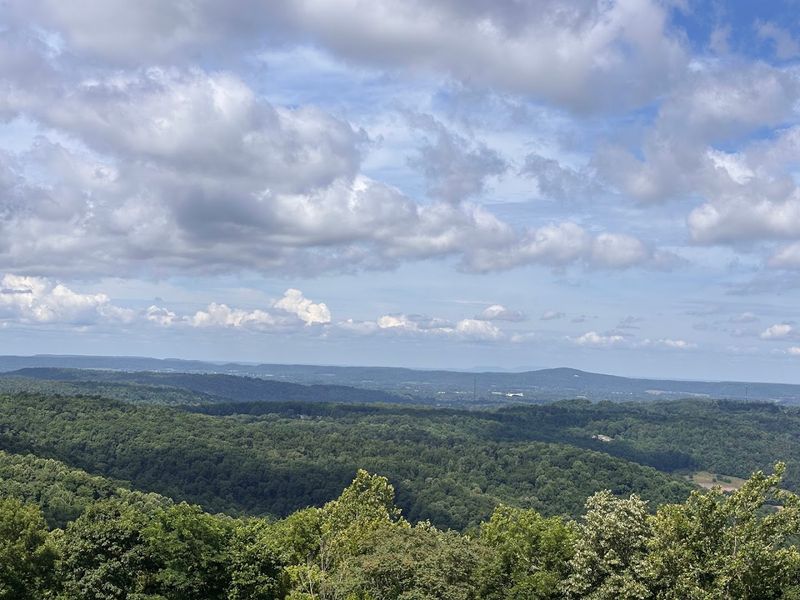
The Cumberland Plateau stretches across Middle Tennessee, a rugged region of deep gorges, sandstone cliffs, and dense forests that most travelers rush past on their way to the Smokies or Nashville. It’s one of the state’s most underrated areas, offering dramatic landscapes and outdoor adventures without the crowds that pack the more famous destinations.
Deep gorges cut through the plateau, carved by rivers over millions of years. These gorges are steep, narrow, and filled with waterfalls, rock formations, and old-growth forests. Hiking down into one of these gorges feels like descending into another world, where the temperature drops, the light dims, and the sounds of civilization fade away.
Sandstone cliffs rise hundreds of feet above the forest floor, creating natural walls that attract rock climbers and photographers. The cliffs are layered with color—reds, oranges, grays—and weathered into interesting shapes and formations. In some places, the cliffs form natural amphitheaters or overhangs that provide shelter and shade.
Natural bridges are scattered throughout the plateau, formed when sections of rock eroded away, leaving arches and spans behind. Some are small and hidden, others are large enough to walk across. Finding them often requires hiking off the main trails, but the effort is always rewarded with something beautiful and unexpected.
Quiet forests cover most of the plateau, filled with oak, hickory, and pine trees that create a thick canopy. The understory is lush with ferns, wildflowers, and mosses, especially in the spring and summer. These forests are peaceful, uncrowded, and perfect for anyone looking to escape into nature without traveling to a national park.
Dramatic overlooks provide sweeping views of the valleys below and the mountains in the distance. Some overlooks are easy to reach, while others require longer hikes along ridgelines and cliff edges. The views are worth the effort, especially at sunrise or sunset when the light turns everything golden.
The Cumberland Plateau doesn’t get the recognition it deserves, but that’s part of its appeal. It’s wild, beautiful, and still relatively undiscovered, making it a perfect destination for travelers who want to experience Tennessee’s natural beauty without the crowds.
14. Tennessee Road Trips Come With Delightfully Strange Surprises
Tennessee highways are lined with oddities, quirks, and attractions that make you hit the brakes and wonder what you just saw. These aren’t the big-name tourist traps. They’re the weird, wonderful, and sometimes inexplicable roadside stops that give road trips personality and make the journey as memorable as the destination.
Underground lakes like The Lost Sea aren’t your typical tourist attraction. The idea of taking a boat ride on a subterranean body of water feels surreal, and the experience doesn’t disappoint. It’s strange, fascinating, and unlike anything most people have encountered before.
Roadside castles pop up in unexpected places, built by eccentric individuals with big dreams and even bigger imaginations. These structures aren’t medieval ruins or historical landmarks. They’re modern creations, often built by hand, that reflect someone’s vision of grandeur or fantasy.
They’re quirky, photogenic, and always good for a story.
Giant structures dot the landscape, from oversized animals to massive replicas of everyday objects. These roadside giants are designed to catch your eye and make you pull over, and they work. Whether it’s a giant milk bottle, a towering statue, or an oversized piece of fruit, these attractions are pure Americana and impossible to ignore.
Quirky museums celebrate everything from local history to unusual hobbies. Some are small, one-room affairs run by passionate collectors, while others are larger institutions with surprisingly extensive exhibits. You never know what you’ll find inside, but that’s part of the fun.
Historic general stores still operate in small towns across Tennessee, selling everything from hardware to candy, with creaky wooden floors and shelves stocked with a little bit of everything. These stores are throwbacks to another era, and stopping in one feels like stepping back in time.
Unexpected attractions appear when you least expect them—a hidden waterfall, a vintage diner, a small-town festival, or a scenic overlook that’s not on any map. Tennessee road trips reward curiosity and spontaneity, and the best discoveries often happen when you’re not looking for them. The strange surprises are what make the drive memorable.
15. Every Region Feels Like a Different Kind of Tennessee
Tennessee doesn’t present one unified identity. It shifts and changes depending on where you are, offering distinct experiences in every corner of the state. You can start your trip in the mountains and end it in cypress swamps without ever crossing a state line.
That diversity is rare, and it’s one of Tennessee’s greatest strengths.
Appalachian peaks dominate the eastern part of the state, with high ridges, deep valleys, and forests that seem to go on forever. This is where the hiking is challenging, the scenery is dramatic, and the culture is rooted in mountain traditions. East Tennessee feels wild, rugged, and timeless.
Music cities like Nashville and Memphis are worlds unto themselves, each with its own sound, vibe, and energy. Nashville pulses with country, Americana, and indie music, while Memphis grooves to blues, soul, and rock ‘n’ roll. Both cities are essential to understanding American music, and they couldn’t be more different from each other.
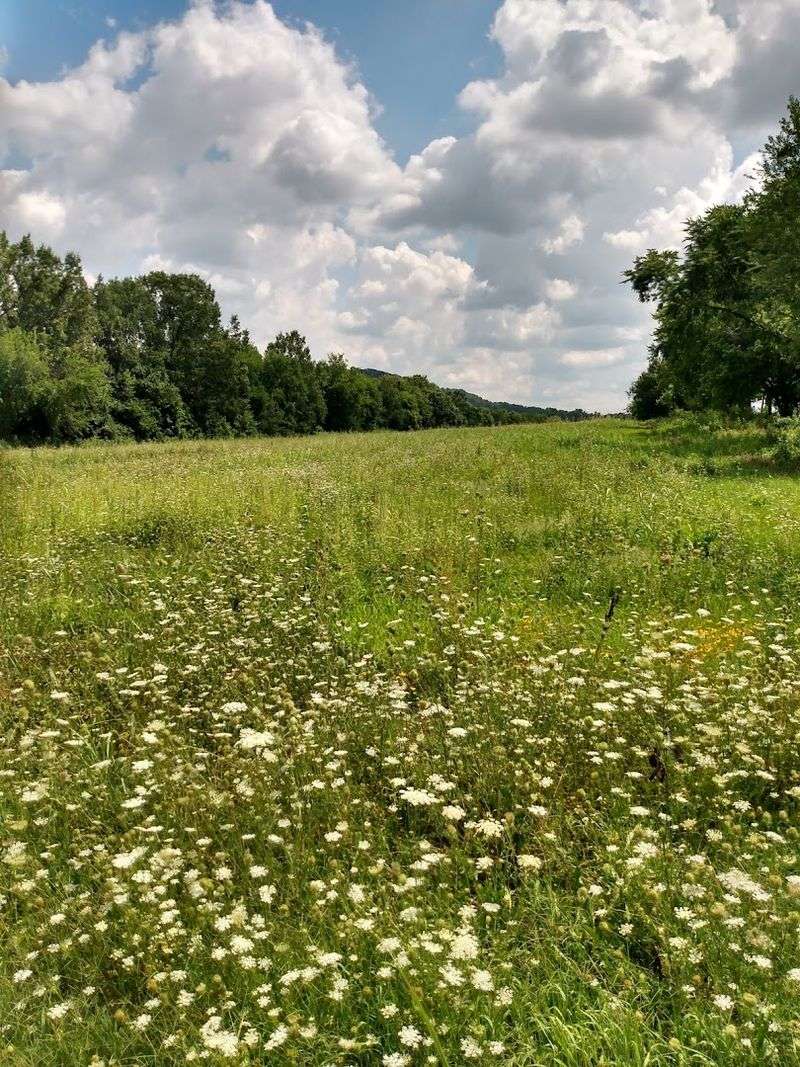
Rolling farmland spreads across Middle Tennessee, with pastures, barns, and small towns that embody rural Southern life. This is where you’ll find horse farms, Civil War battlefields, and quiet roads that wind through countryside that looks like it belongs on a postcard. The pace is slower here, and the landscape is gentle and green.
River towns line the Tennessee River and its tributaries, offering access to water-based recreation and a laid-back lifestyle. These towns are less touristy, more local, and perfect for anyone who loves fishing, boating, or just spending time near the water.
Cypress-filled wetlands in the far western part of the state create a landscape that feels more like Louisiana than Tennessee. Reelfoot Lake and the surrounding wetlands are home to bald eagles, herons, and other wildlife that thrive in this unique ecosystem. It’s a side of Tennessee most visitors never see.
Lakeside communities have sprung up around reservoirs like Norris, Dale Hollow, and Center Hill, offering vacation homes, marinas, and outdoor recreation. These areas attract boaters, anglers, and families looking for a summer getaway.
Visiting one region doesn’t mean you’ve seen Tennessee. It means you’ve seen one version of it.
Share this story