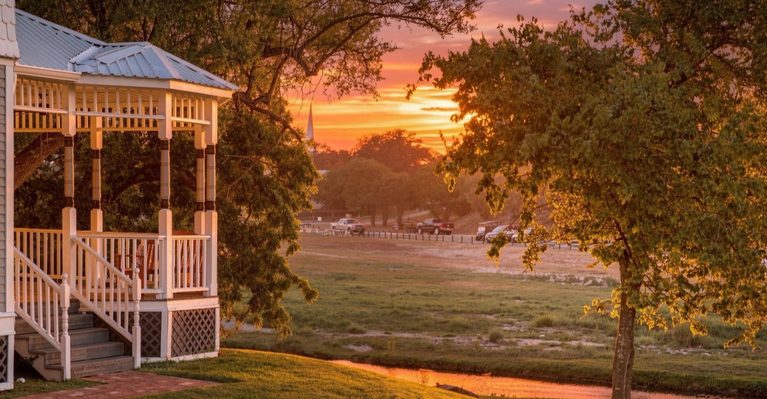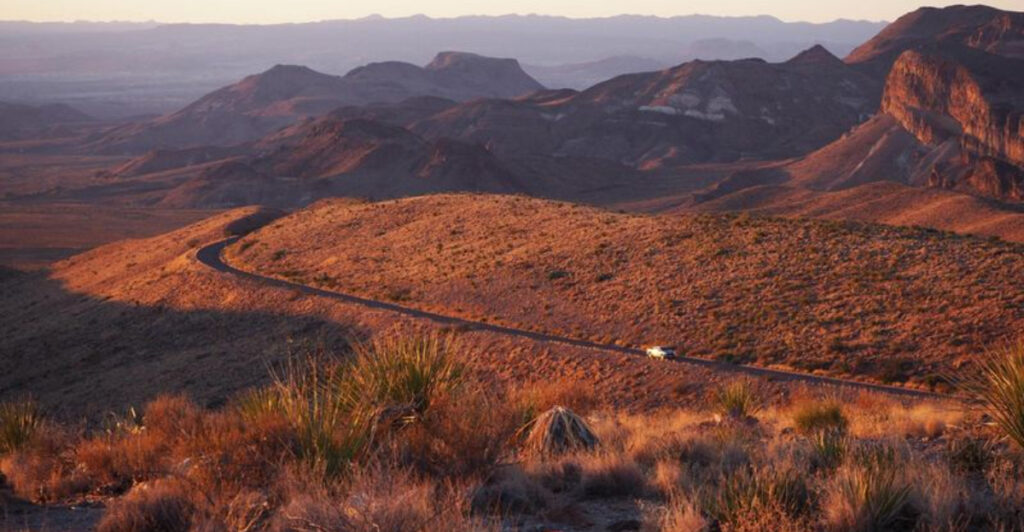
Texas stretches across 268,000 square miles of wildly different terrain, which means a single weekend drive can take you from desert canyons to coastal beaches or from ancient limestone hills to sprawling ranchlands. Road trips here aren’t just about getting from point A to point B. They’re about discovering hidden ghost towns, tasting authentic Tex-Mex in family-run restaurants, and watching sunsets that paint the whole sky orange and pink.
Whether you’re chasing waterfalls in the Hill Country or stargazing in the darkest skies on the continent, these seven routes will show you the real Texas that locals know and love.
1. Davis Mountains Scenic Loop
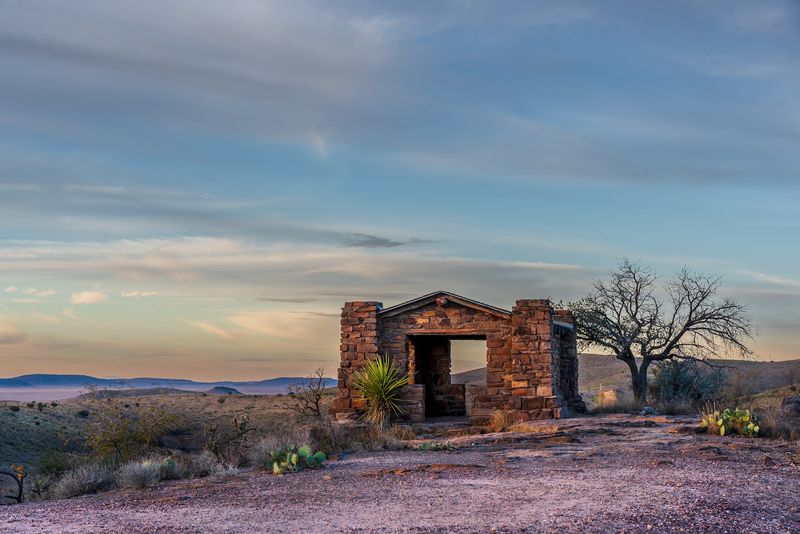
Out in Far West Texas, where the land turns rugged and the skies stretch forever, this 75-mile loop delivers some of the most dramatic mountain scenery in the state. You’ll climb through high desert grasslands, pass through old ranching country, and wind around peaks that rise over 8,000 feet. The route connects Fort Davis, the McDonald Observatory, and Davis Mountains State Park in one gorgeous circle.
Start early in Fort Davis, a tiny town that feels frozen in the 1880s. Grab breakfast at the Hotel Limpia, then head north on Highway 118 toward the observatory. The road climbs steadily, offering sweeping views of volcanic peaks and valleys dotted with yucca and juniper.
Pull over at scenic overlooks to snap photos or just soak in the silence.
The McDonald Observatory sits at 6,791 feet and offers daytime solar viewing and nighttime star parties. Even if you don’t tour the telescopes, the drive up is worth it for the panoramic views alone. From there, loop back south on Highway 118, then take Highway 166 through the state park.
Davis Mountains State Park is perfect for a picnic lunch or a quick hike. The Indian Lodge, built by the Civilian Conservation Corps in the 1930s, is a stunning adobe-style hotel worth checking out even if you’re not staying overnight. The trails here wind through juniper forests and offer close-up views of the mountains.
Finish the loop back in Fort Davis and visit the old cavalry fort, now a National Historic Site. Rangers in period uniforms tell stories of frontier life, and the restored buildings give you a real sense of what West Texas was like in the 1800s. This drive is all about wide-open spaces, clean air, and landscapes that look like they belong in a Western movie.
2. Galveston Island
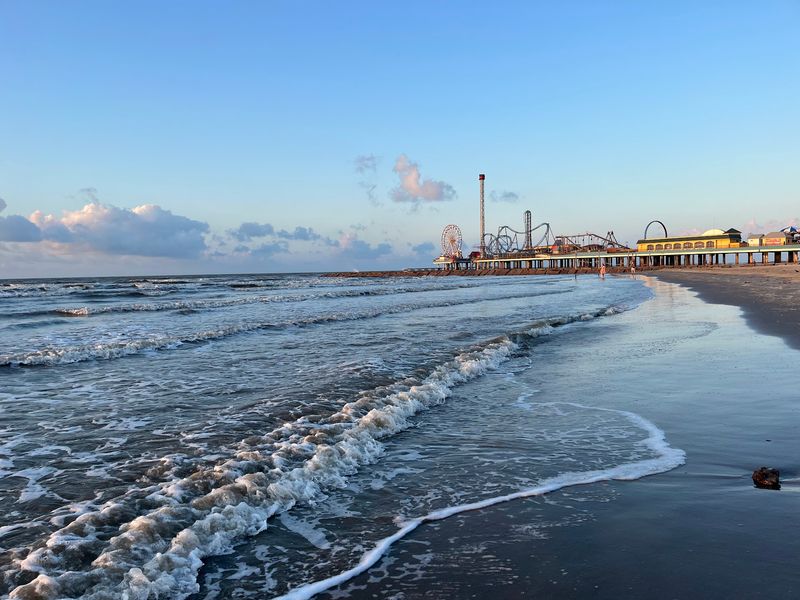
Just an hour south of Houston, this barrier island offers 32 miles of Gulf Coast beaches, a historic downtown packed with Victorian architecture, and enough seafood joints to keep you eating shrimp tacos for days. Galveston isn’t just a beach town. It’s a quirky mix of history, culture, and coastal charm that feels worlds away from the big city.
Start your trip on the Seawall, a 10-mile concrete barrier built after the devastating 1900 hurricane. Rent bikes or rollerblades and cruise along the waterfront, stopping at beach access points to dip your toes in the Gulf. The water isn’t crystal clear, but the waves are fun, and the vibe is laid-back.
Head to the Strand Historic District next, where 19th-century buildings house antique shops, candy stores, and art galleries. Grab lunch at Gaido’s, a family-run seafood restaurant that’s been serving fried shrimp and gumbo since 1911. The atmosphere is old-school Texas Gulf Coast, with checkered tablecloths and waiters who’ve worked there for decades.
Don’t miss Moody Mansion, a 28,000-square-foot home filled with original furnishings and stained glass. Tours reveal how one of Texas’s wealthiest families lived in the early 1900s. Nearby, the Bishop’s Palace showcases stunning Victorian architecture with hand-carved woodwork and intricate tilework.
For a quieter beach experience, drive to the west end of the island. The beaches here are less crowded, and you’ll spot pelicans diving for fish and sandpipers running along the shore. Stop at Sunset Cove for fresh oysters and a cold beer while you watch the sun sink into the Gulf.
Galveston’s mix of history, beaches, and seafood makes it an easy weekend escape. You can tour museums in the morning, swim in the afternoon, and feast on Gulf shrimp by evening.
3. Big Bend National Park
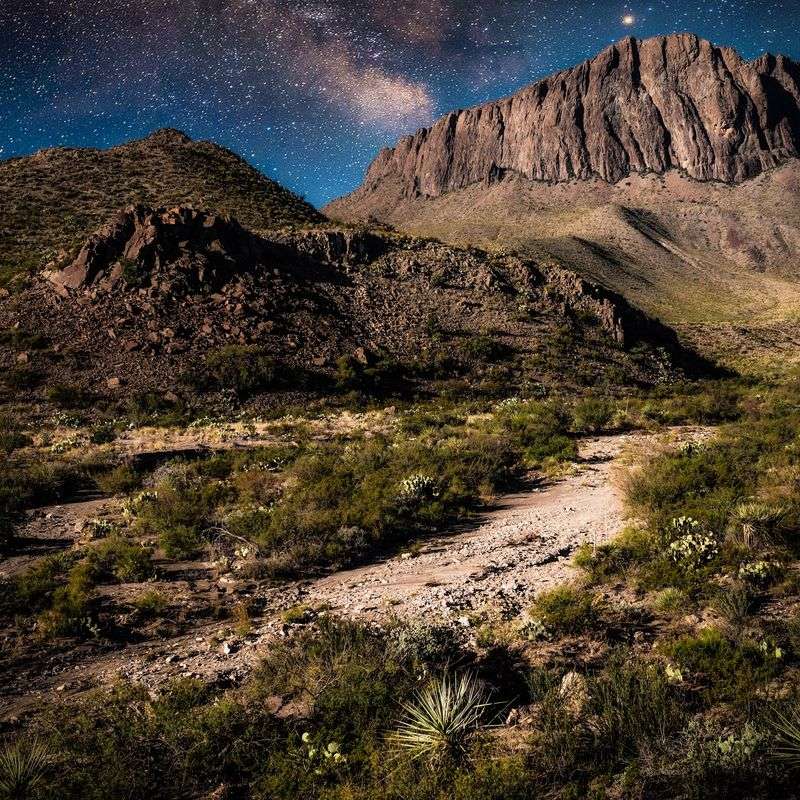
Way down where Texas meets Mexico, Big Bend sprawls across 800,000 acres of Chihuahuan Desert, river canyons, and mountain ranges that seem to go on forever. This is the kind of place where you can hike all day without seeing another person, soak in natural hot springs along the Rio Grande, and watch stars so bright they look like someone spilled glitter across the sky.
The drive to Big Bend is part of the adventure. From Marathon or Terlingua, you’ll roll through wide-open desert dotted with ocotillo and prickly pear. Once inside the park, head straight to the Chisos Basin, a mountain valley surrounded by towering peaks.
The Window Trail is a moderate 5.2-mile hike that ends at a natural rock frame overlooking the desert below. Go late in the day for sunset views that’ll make your jaw drop.
Down along the Rio Grande, Boquillas Canyon offers an easy riverside walk with towering limestone walls rising on both sides. You can wade in the shallow water or just sit on the rocks and listen to the quiet. Santa Elena Canyon is even more dramatic, with 1,500-foot cliffs squeezing the river into a narrow gorge.
Kayaking through here feels like floating through a cathedral.
Don’t skip the hot springs. Park at the trailhead near Rio Grande Village and hike about a mile to a natural rock pool fed by 105-degree water. It’s perched right on the riverbank, so you can soak while staring at the mountains across the border in Mexico.
Terlingua, just outside the park, is a ghost town turned artist colony with funky cafes and the famous Starlight Theatre, where you can grab a burger and listen to live music. Big Bend is raw, remote, and utterly unforgettable.
4. Fredericksburg & Texas Hill Country
Rolling hills covered in wildflowers, historic German towns, and vineyards producing surprisingly good wine make this region one of Texas’s most charming road trip destinations. Fredericksburg anchors the area with its Main Street lined with bakeries, antique shops, and bed-and-breakfasts housed in old limestone buildings. The whole vibe feels like a small European village dropped into the heart of Texas.
Start your day at a local bakery like Clear River Pecan Company, where you can grab kolaches stuffed with sausage and cheese. Then wander Main Street, popping into shops selling handmade leather goods, local honey, and Texas-made pottery. The Pioneer Museum tells the story of German settlers who arrived in the 1840s and built a community that still celebrates its heritage today.
From Fredericksburg, take the Willow City Loop during spring when bluebonnets and Indian paintbrush blanket the hills. This 13-mile backroad winds through working ranches and oak groves, offering photo ops at every turn. Drive slow, pull over often, and soak in the scenery.
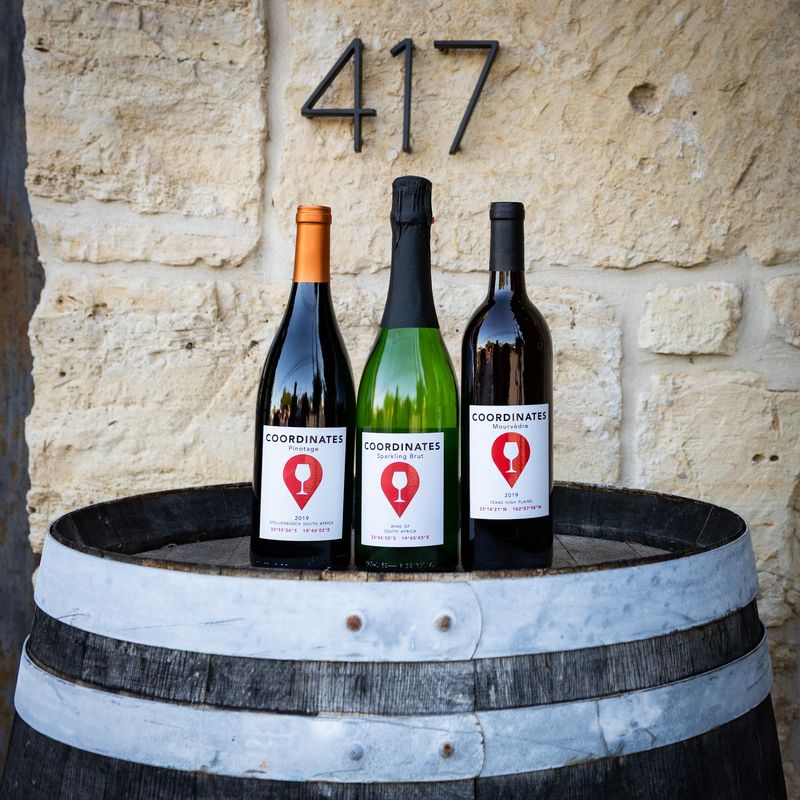
Hill Country wineries are scattered along Highway 290 and the 290 Wine Trail. Becker Vineyards, housed in a restored stone barn, pours excellent Viognier and Tempranillo. Grape Creek Vineyard offers tastings on a hilltop patio with panoramic views.
Most wineries welcome visitors without reservations, though weekends get busy.
Head south to Luckenbach, a tiny unincorporated town famous for its dance hall and laid-back atmosphere. There’s not much here except a general store, a bar, and live music under the oak trees. Grab a cold Shiner Bock, sit at a picnic table, and listen to local musicians play country and blues.
End your trip in nearby Enchanted Rock State Natural Area, where a massive pink granite dome rises 425 feet above the surrounding landscape. The hike to the top takes about an hour and rewards you with 360-degree views of the Hill Country.
5. Palo Duro Canyon State Park
Carved by the Prairie Dog Town Fork of the Red River over millions of years, Palo Duro Canyon stretches 120 miles long and plunges 800 feet deep into the flat Texas Panhandle. It’s the second-largest canyon in the United States, and the striped layers of red, orange, and yellow rock tell a geological story that goes back 250 million years. Most people have never heard of it, which means you’ll have plenty of space to explore.
The drive from Canyon takes you through flat farmland until suddenly the earth opens up and you’re staring down into a massive gorge. Take the scenic drive that winds down into the canyon floor, stopping at overlooks to snap photos and take in the scale of the place. The colors shift throughout the day, glowing orange at sunrise and deep red at sunset.
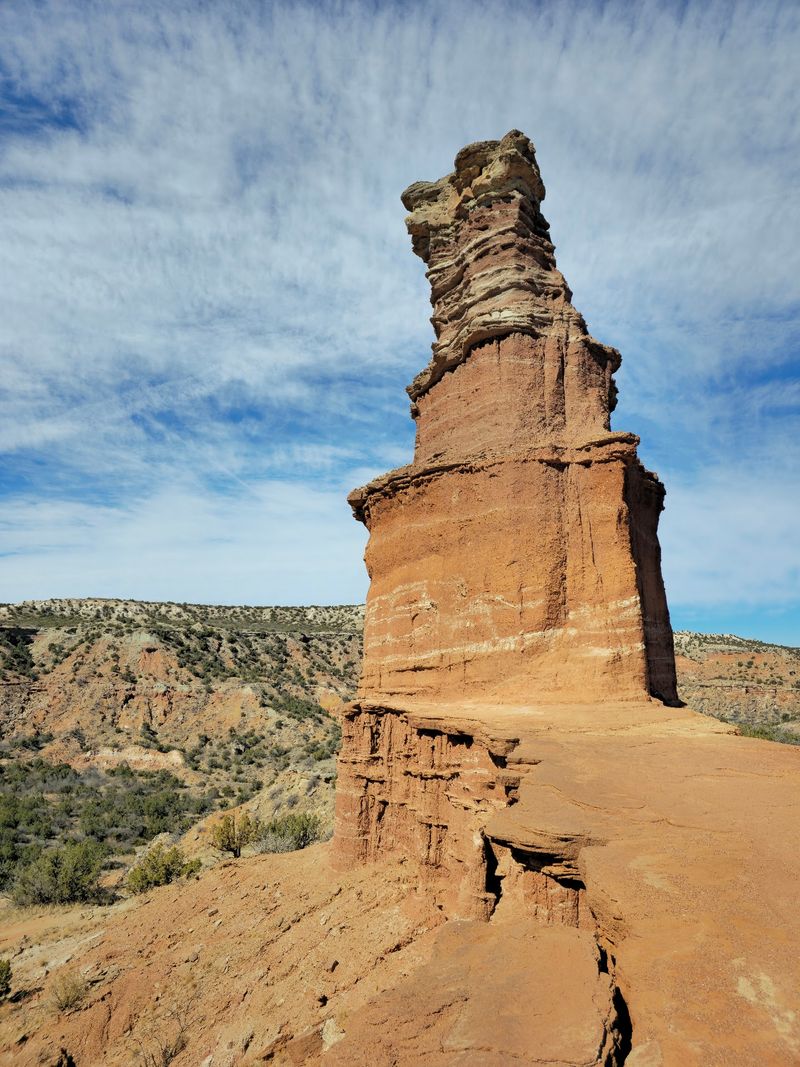
Lighthouse Trail is the park’s most popular hike, a 5.7-mile round trip to a rock formation that looks like a lighthouse rising from the canyon floor. The trail is moderately challenging, with some steep sections and loose rock, but the views are worth every step. Go early in the morning to avoid the heat, especially in summer when temperatures can top 100 degrees.
For a shorter adventure, try the Capitol Peak Trail, which climbs to a high point offering panoramic views of the canyon. Or rent a mountain bike and cruise the Paseo del Rio Trail, a relatively flat path that follows the canyon floor through juniper groves and past red rock formations.
Camping in Palo Duro is a treat. The Mesquite Campground offers sites with water and electric hookups, and waking up surrounded by canyon walls is an experience you won’t forget. At night, the stars are incredible because there’s almost no light pollution out here.
Don’t leave without catching the outdoor musical drama “Texas” if you’re visiting in summer. Performed in the canyon amphitheater since 1966, it tells the story of Panhandle pioneers with dancing, singing, and pyrotechnics.
6. Marfa & Far West Texas
Marfa defies easy description. It’s a tiny desert town with a population of about 1,700, yet it’s become an international destination for contemporary art, minimalist architecture, and people seeking something different. The landscape is stark and beautiful, with mountains in the distance and endless sky overhead.
The whole place has a creative, slightly surreal energy that feels unlike anywhere else in Texas.
Start at the Chinati Foundation, a museum founded by artist Donald Judd in the 1980s. Housed in former military buildings, the permanent collection includes massive aluminum boxes, concrete sculptures, and installations that interact with the desert light. Tours take a few hours and require reservations, but they’re essential for understanding why Marfa became an art mecca.
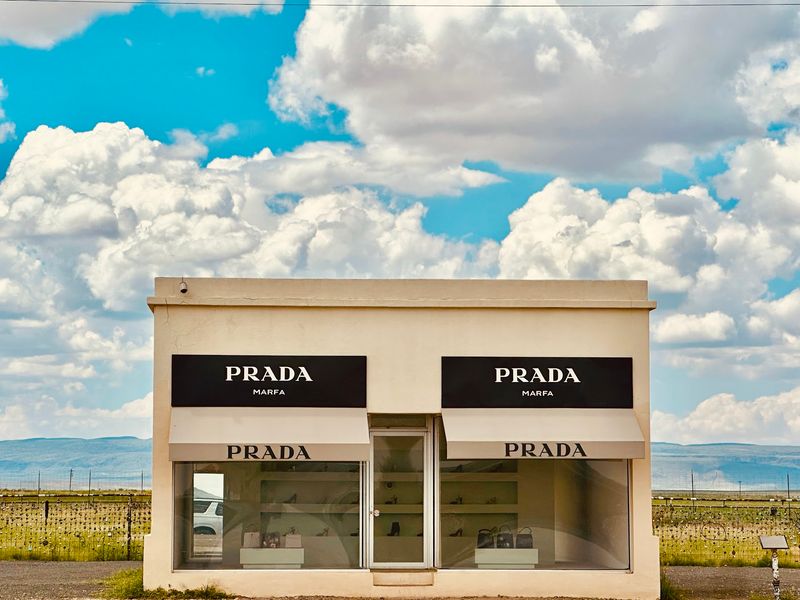
Drive 26 miles northwest to see Prada Marfa, a sculpture that looks like a luxury boutique dropped in the middle of nowhere. Created by artists Elmgreen and Dragset, it’s permanently installed and never open, a commentary on consumerism and desert isolation. People stop to take photos at all hours, day and night.
Back in town, grab coffee at Do Your Thing Coffee and wander the galleries along Highland Avenue. Ballroom Marfa hosts rotating exhibitions of contemporary art, music performances, and film screenings. The vibe is intellectual and international, with visitors from New York, Los Angeles, and Europe mixing with local ranchers.
For food, try Cochineal, a farm-to-table restaurant serving dishes like duck confit and house-made pasta. The ingredients come from local ranches and gardens, and the wine list is surprisingly deep. Breakfast at Mando’s is a local favorite, with excellent huevos rancheros and strong coffee.
At night, drive east on Highway 90 to the Marfa Mystery Lights Viewing Area. Since the 1880s, people have reported seeing unexplained lights dancing on the horizon. Scientists debate the cause, but locals just enjoy the show.
Bring a lawn chair, settle in, and watch the desert work its magic.
7. San Antonio Missions & Hill Country
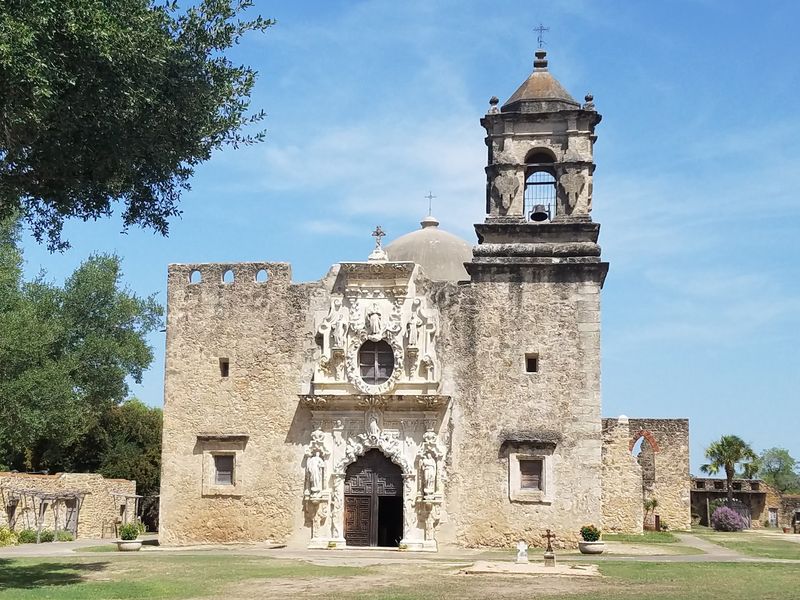
San Antonio’s five Spanish colonial missions, built in the 1700s, form the only UNESCO World Heritage Site in Texas. These aren’t just tourist attractions. They’re active Catholic parishes where people still worship, and they tell the story of how Spanish missionaries and indigenous people shaped the culture of South Texas.
Combine them with a drive through the nearby Hill Country, and you’ve got a road trip that mixes history, architecture, and natural beauty.
Start at the Alamo, the most famous mission, right in downtown San Antonio. While crowds flock here, the real gems are the four missions along the Mission Trail to the south. Drive or bike the trail, which follows the San Antonio River through quiet neighborhoods and green spaces.
Mission Concepcion is the oldest unrestored stone church in the country, with original frescoes still visible on the walls. Mission San Jose, known as the “Queen of the Missions,” features intricate stone carvings, a functioning gristmill, and a beautiful rose window. Rangers offer free tours and share stories about daily life in the mission era.
Mission San Juan and Mission Espada are smaller and less crowded, perfect for quiet reflection. Walk the grounds, peek inside the chapels, and imagine what life was like 300 years ago when these buildings were the center of frontier communities.
From San Antonio, head northwest into the Hill Country. Stop in Boerne, a charming town with German roots, antique shops, and riverside parks. The Cibolo Nature Center offers easy trails through cypress groves and along spring-fed creeks.
Further west, Bandera calls itself the “Cowboy Capital of the World” and delivers with dude ranches, honky-tonks, and rodeos every weekend.
End your trip at Lost Maples State Natural Area, where bigtooth maples turn brilliant red and gold in late October and November. Even outside fall color season, the park offers great hiking, clear streams, and limestone cliffs that glow white in the sun.
Share this story