Texas has a story written in dusty cattle trails, mission bells, and wooden saloon doors that still creak with history. Long before highways and high-rises transformed the landscape, this state was shaped by cowboys, missionaries, and frontier settlers whose legacies remain woven into its most authentic corners. From weathered forts perched on windswept plains to lively stockyards where cattle once thundered through dirt streets, these remarkable places preserve the spirit of an era when Texas was still wild and full of possibility.
Pack your curiosity and prepare to step back into the Old West.
1. The Buckhorn Saloon & Museum (San Antonio)
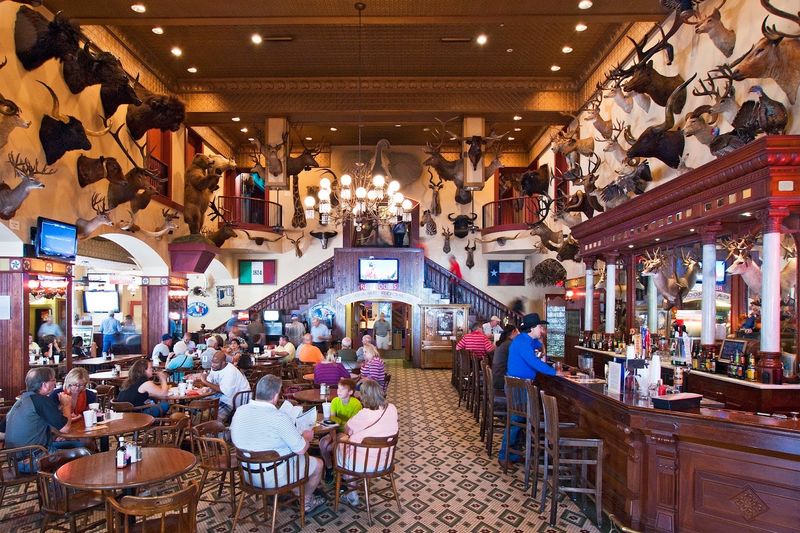
Walking through the swinging doors here feels like crashing a party that’s been going strong since 1881. The walls practically groan under the weight of mounted animal heads, antlers, and curiosities collected over more than a century of Texas storytelling. This isn’t your polished, hands-off museum experience—it’s rowdy, quirky, and unapologetically strange in the best possible way.
The original saloon served thirsty cowboys and travelers who’d trade rattlesnake rattles, horns, or hides for a cold drink. That unusual barter system created one of the most eccentric taxidermy collections you’ll ever encounter. Deer with bizarre antler formations, an eight-legged goat, and a 78-point buck rack compete for your attention alongside vintage firearms and frontier artifacts.
Downstairs, the Texas Ranger Museum adds serious historical weight to the experience. Authentic badges, weapons, and photographs document the legendary lawmen who brought order to wild frontier towns. You’ll see actual artifacts from famous shootouts and criminal pursuits that shaped Texas justice.
The Buckhorn Hall of Horns showcases trophy animals from six continents, creating a surreal safari vibe right in downtown San Antonio. Massive elk, exotic African game, and record-breaking fish fill every available space. It’s overwhelming in scale and strangeness—exactly what makes it memorable.
Kids get a kick out of the oddities while history buffs appreciate the genuine frontier atmosphere. The combination of saloon culture, natural history, and law enforcement lore creates something you won’t find replicated anywhere else. It’s cluttered, crowded, and completely captivating.
Located near the Alamo, this attraction pairs perfectly with other San Antonio historic sites. The admission price covers both museums, and you’ll need at least an hour to properly gawk at everything. Photography is encouraged, so bring your camera for some truly unique shots.
Whether you’re drawn by the Wild West saloon vibe or the sheer weirdness of the collections, this place delivers an authentic slice of old Texas character. It’s not refined or modern—it’s genuine, peculiar, and thoroughly entertaining in ways that polished attractions can’t match.
2. Fort Griffin State Historic Site (Albany)
Perched on a lonely bluff above the Clear Fork of the Brazos River, these weathered limestone ruins whisper stories of soldiers, buffalo hunters, and the violent clash of cultures that defined frontier Texas. The fort operated from 1867 to 1881, protecting settlers and controlling Comanche territory during the final chapter of the Indian Wars. What remains today is hauntingly beautiful—crumbling walls, empty doorways, and stunning prairie views that stretch forever.
The isolation hits you immediately. This isn’t a reconstructed theme park or sanitized historical site—it’s raw, remote, and remarkably preserved by its very remoteness. Stone foundations mark where barracks, officers’ quarters, and stables once stood.
Interpretive signs help you imagine the harsh reality of military life on the Texas frontier, where boredom and danger took turns keeping soldiers on edge.
Below the fort ruins sits the ghost town of Fort Griffin, once a rip-roaring settlement that served the fort and nearby buffalo hide trade. Saloons, dance halls, and gambling dens made it one of the wildest towns in Texas. Legendary figures like Wyatt Earp, Doc Holliday, and outlaw John Selman walked these dusty streets.
Today, only a few restored buildings hint at that violent, colorful past.
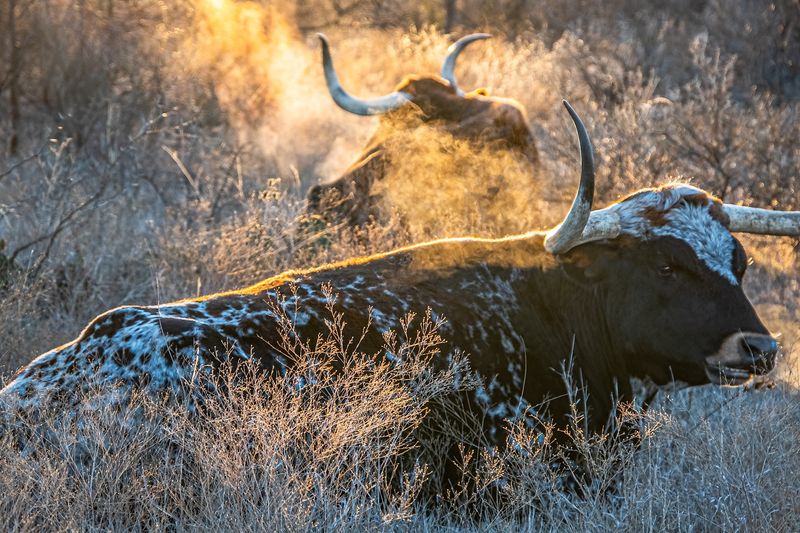
The state historic site maintains a small herd of Texas Longhorns, descendants of the cattle that drove the frontier economy. Seeing these massive, iconic animals grazing near century-old ruins creates a powerful connection to the cattle drives that once passed through this region. Their presence adds living history to the landscape.
Hiking trails wind through the site, offering spectacular views and chances to spot wildlife. The visitor center provides historical context through exhibits and artifacts. Come prepared for wind—it’s relentless up here, just as it was when soldiers huddled against winter storms.
Fort Griffin rewards visitors who appreciate authentic, unvarnished history over polished attractions. The drive to Albany takes effort, but that remoteness is precisely what preserves the site’s haunting atmosphere. You’ll feel the weight of frontier hardship and the sweep of Texas history in ways crowded tourist spots can’t deliver.
3. Bandera
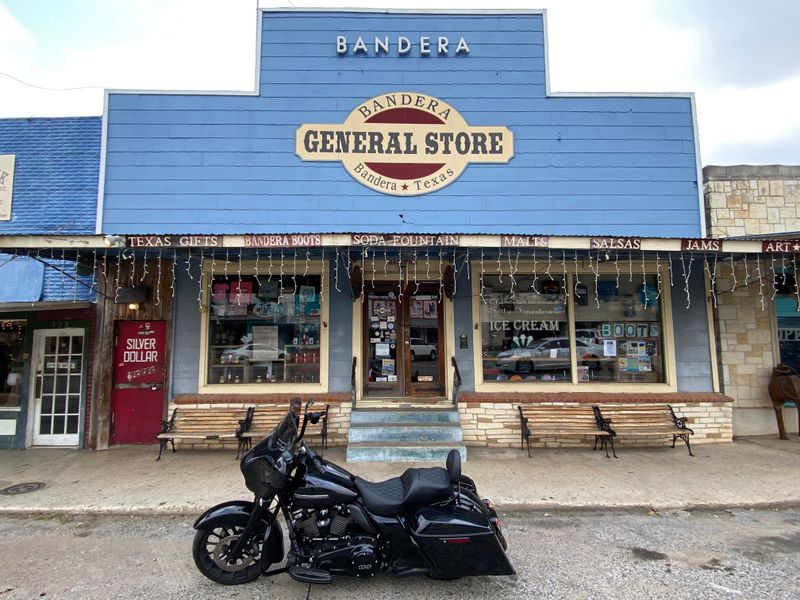
Saddle up, because this Hill Country town has been calling itself the Cowboy Capital of the World since before most Texas cities had paved roads. Bandera earned that title through generations of working ranches, rodeo champions, and an authentic Western culture that never faded when the rest of Texas modernized. Main Street still looks like a movie set, except the cowboys are real and the horses aren’t just for show.
Dude ranches surrounding the town offer genuine cattle ranch experiences where visitors ride alongside working cowboys, help with ranch chores, and sleep under star-filled skies. These aren’t fancy resorts pretending to be ranches—many are family-owned operations that have been running cattle for over a century. You’ll get dusty, saddle-sore, and completely hooked on the experience.
The town itself maintains a wonderfully weathered charm. Historic storefronts house Western wear shops, saddle makers, and honky-tonks where two-stepping is the preferred Friday night activity. Arkey Blue’s Silver Dollar Saloon has been pouring drinks and hosting live country music since 1933, creating a genuine roadhouse atmosphere that modern bars try desperately to replicate.
Bandera’s rodeo arena hosts regular competitions where local cowboys and cowgirls compete in bull riding, barrel racing, and roping events. These aren’t staged tourist shows—they’re legitimate rodeos where competitors earn points toward professional standings. The crowd knows the difference between a good ride and a great one, and they’re not shy about letting you know.
The Frontier Times Museum downtown preserves frontier artifacts, Native American items, and Old West memorabilia in a gloriously cluttered collection. It’s the kind of small-town museum where every object has a story and the volunteer docents know them all. You’ll find everything from arrowheads to antique firearms to a shrunken head that may or may not be authentic.
Natural beauty surrounds the town, with the clear Medina River offering swimming holes and cypress-shaded banks perfect for cooling off after a day in the saddle. Hill Country scenery provides a stunning backdrop to all the cowboy culture.
Bandera doesn’t try to be trendy or modern—it remains proudly stuck in the best parts of Texas’s past, where horsemanship matters and Western traditions are lived daily, not just performed for tourists.
4. Mission Concepción (San Antonio)
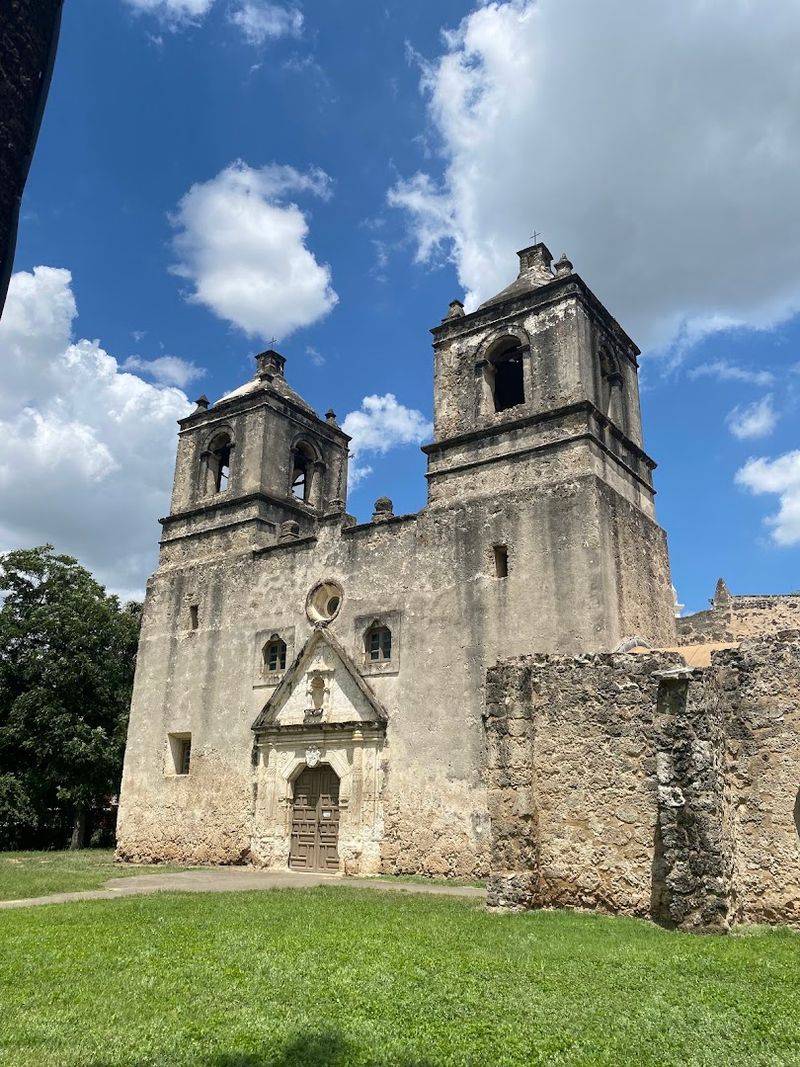
Built in 1755, this Spanish colonial mission stands as the oldest unrestored stone church in America, its walls holding nearly three centuries of prayers, struggles, and survival. Unlike its more famous neighbor the Alamo, Mission Concepción hasn’t been rebuilt or renovated into something shinier—what you see is original limestone and mortar, aged and beautiful in its authenticity. The twin bell towers and carved stone entrance remain exactly as Spanish missionaries and Coahuiltecan Indians built them.
Step inside and the temperature drops noticeably. Thick stone walls keep the interior cool even during brutal Texas summers, just as they did for generations of worshippers. Traces of original frescoes still cling to the walls, faded geometric patterns and religious symbols painted in natural pigments that have survived earthquakes, wars, and centuries of weather.
These are among the oldest examples of European art in Texas.
The mission operated as a working religious community where Spanish friars taught Christianity, farming, and trades to Native Americans. The goal was converting and assimilating indigenous peoples into Spanish colonial society—a complicated and often tragic history that shaped Texas profoundly. Walking the grounds, you can still see remains of the granary, workshops, and convento where this cultural collision unfolded daily.
Active Catholic services still take place here, making it a living church rather than just a historical monument. That continuity of purpose connects today’s worshippers directly to the mission’s founding. You might hear hymns echoing off those ancient stones, creating a powerful sense of timelessness.
The National Park Service maintains the site as part of San Antonio Missions National Historical Park, but they’ve wisely avoided over-restoring or modernizing the structures. Informative exhibits explain mission life without overwhelming the experience of simply being in such an old, significant space. Rangers lead tours that bring the history alive with stories of the people who lived, worked, and prayed here.
Visiting during golden hour rewards you with stunning light on the honey-colored limestone. The grounds remain peaceful despite being in the middle of San Antonio, offering a contemplative atmosphere that invites you to slow down and really absorb the weight of history surrounding you.
5. National Cowgirl Museum & Hall of Fame (Fort Worth)
Forget everything Hollywood taught you about the Old West being a boys-only club. This Fort Worth museum celebrates the gutsy women who roped, rode, shot, and ranched their way into Western history, often outperforming their male counterparts while battling serious gender discrimination. From frontier settlers to modern rodeo champions, these women shaped the West just as powerfully as any cowboy—they just didn’t get equal billing until now.
The Hall of Fame honors over 200 remarkable women, including rodeo legends like Lucille Mulhall, who could rope eight horses at once and outshot most men in competition. You’ll discover stories of ranch women who ran cattle operations, sharpshooters like Annie Oakley who became international celebrities, and modern cowgirls who’ve dominated professional rodeo circuits. Their achievements are staggering, and many names deserve far more recognition than they’ve received.
Interactive exhibits let you test your roping skills, experience a simulated bronc ride, and explore what daily life looked like for women on working ranches. These hands-on elements make history tangible, especially for younger visitors who might not initially connect with Western heritage. Suddenly the past becomes something you can touch, try, and understand through direct experience.
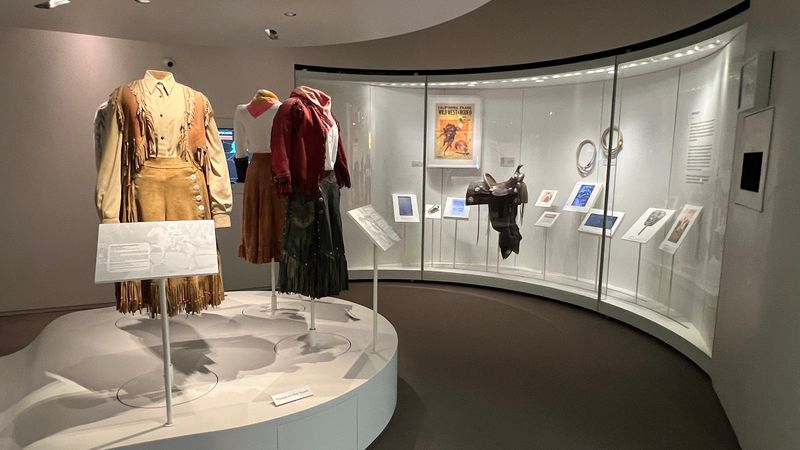
Artifacts throughout the museum include championship saddles, elaborate rodeo costumes, vintage photographs, and personal items from inductees. Each object carries a story of determination, skill, and breaking barriers in male-dominated fields. The collection spans from frontier days through contemporary cowgirl culture, showing how women’s roles evolved while their toughness remained constant.
Rotating exhibits keep the museum fresh for repeat visitors, covering topics like cowgirl fashion, women in Western films, and Native American horsewomen. The research library holds extensive archives for serious history enthusiasts. Educational programs bring school groups through regularly, ensuring new generations learn about these pioneering women.
Located in Fort Worth’s Cultural District near other major museums, it’s easy to combine with a full day of exploration. The building itself is modern and beautifully designed, with plenty of natural light and thoughtful exhibit flow. Unlike some niche museums, this one appeals to anyone interested in American history, not just Western enthusiasts.
The Cowgirl Museum corrects historical oversights by properly honoring women who earned their place in Western legend through skill, courage, and sheer determination.
6. La Villita Historic Arts Village (San Antonio)
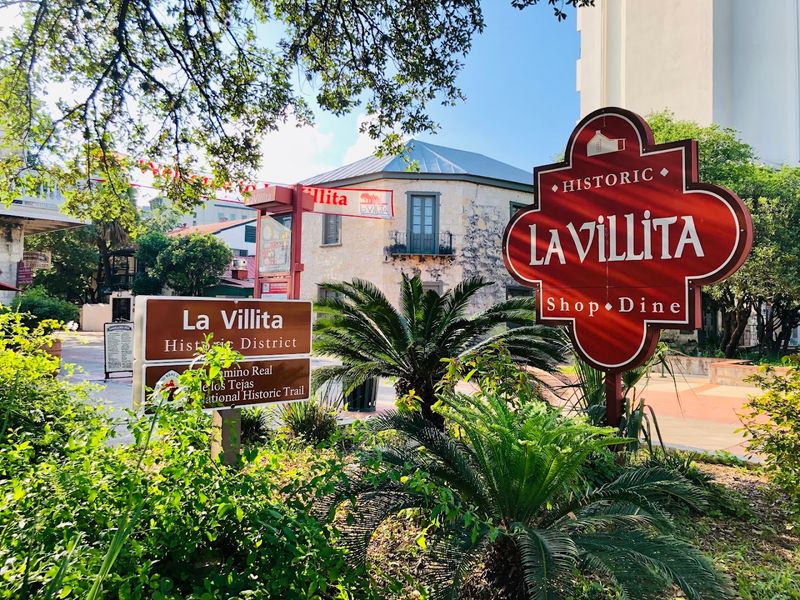
Tucked along the San Antonio River, this charming collection of historic buildings represents one of the city’s oldest neighborhoods, dating back to the early 1700s when Spanish soldiers and their families built simple adobe homes here. The name means “little village,” and it still feels like a self-contained world where time moves slower and creativity thrives in spaces that once housed blacksmiths, merchants, and working-class families. Today, artists and craftspeople occupy these restored structures, keeping the village alive with a different kind of productivity.
Wandering the stone pathways between buildings, you’ll discover working studios where glassblowers, potters, painters, and jewelers create their art. Unlike typical tourist shops selling mass-produced souvenirs, La Villita showcases genuine Texas artists and craftspeople. You can watch them work, ask questions about their process, and purchase one-of-a-kind pieces directly from the creators.
That direct connection between artist and visitor creates meaningful exchanges you won’t find in shopping malls.
The architecture itself tells stories. Some buildings retain their original limestone and adobe construction, while others showcase the German and Anglo influences that arrived in later waves of settlement. Thick walls, small windows, and covered porches reflect practical responses to Texas heat long before air conditioning existed.
The village layout follows no grid pattern—it grew organically as families added rooms and structures, creating the intimate, irregular pathways that give it such charm today.
General Cos House stands as the village’s most historically significant structure, where Mexican General Martín Perfecto de Cos signed surrender terms after the Siege of Béxar in 1835. That document helped spark the Texas Revolution, making this unassuming building a crucial site in Texas independence. Historical markers throughout the village identify other significant structures and explain their roles in San Antonio’s development.
Live music often fills the village square, where local musicians perform everything from traditional Tejano to contemporary folk. The Arneson River Theatre, built into the river’s edge, hosts outdoor performances with the audience on one bank and performers on the opposite side—a uniquely San Antonio experience.
La Villita proves that historic preservation doesn’t require freezing places in time like museum exhibits. By filling old structures with working artists and active cultural life, the village remains vital and relevant while honoring its deep roots.
7. Enchanted Springs Ranch (Boerne)
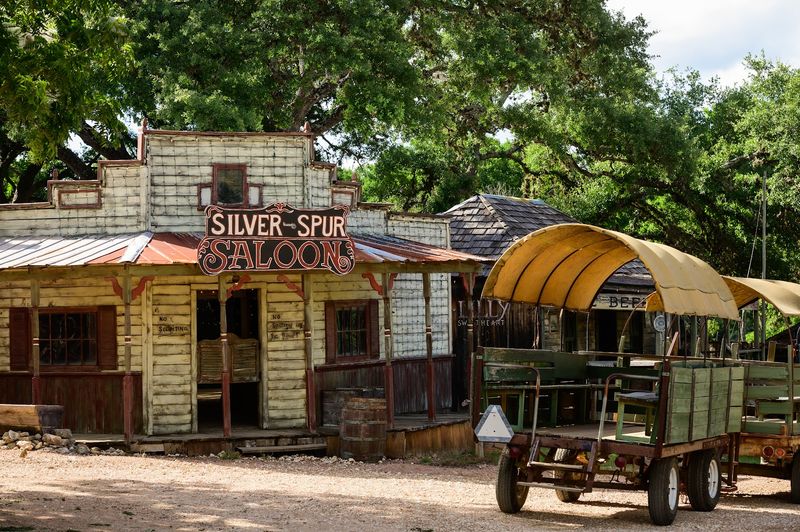
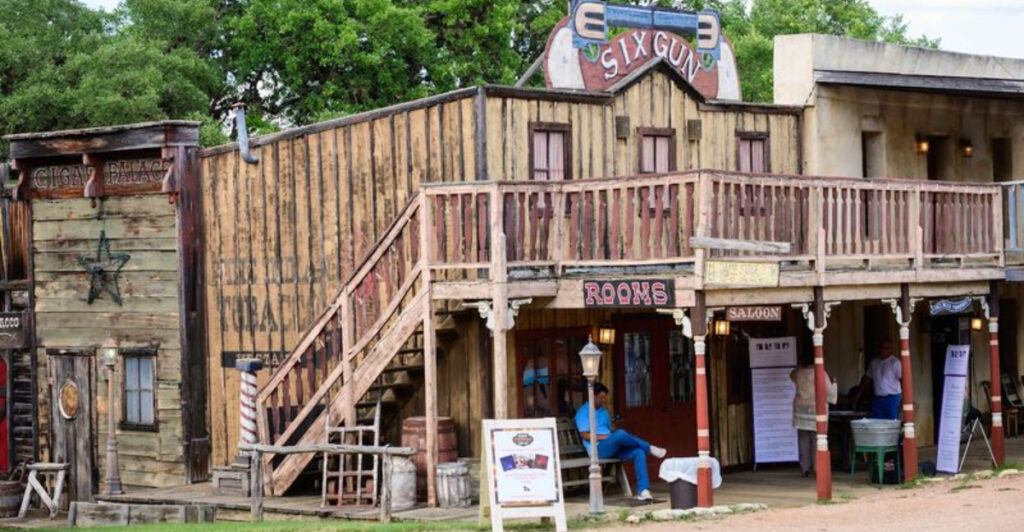
This working ranch outside Boerne recreates an 1880s Texas frontier town with remarkable attention to detail, but calling it just a replica misses what makes it special. The buildings were constructed using authentic period methods, salvaged materials, and historical accuracy that would satisfy serious Old West scholars. Walking down the dusty main street past the saloon, jail, and general store feels genuinely transportive rather than theme-park fake, partly because real ranch operations continue around the historical recreation.
Owner Steve Dube spent decades collecting authentic frontier artifacts and structures, some relocated board-by-board from their original locations. The result is a living history site where visitors can explore buildings filled with period-appropriate furnishings, tools, and details. The saloon features an actual antique bar, vintage bottles, and gambling tables.
The jail holds authentic cells and restraints that saw real use in Texas’s law enforcement history.
Regular events bring the town to life with period-dressed performers staging shootouts, demonstrating blacksmithing, and explaining frontier trades. These aren’t just costumed actors reading scripts—many are history enthusiasts who’ve deeply researched their roles and can answer detailed questions about 19th-century life. Kids especially love the interactive nature, where they can pan for gems, take stagecoach rides, and experience hands-on history rather than just reading plaques.
The ranch also maintains exotic animals and offers safari-style tours where you can feed giraffes, zebras, and other species while learning about wildlife conservation. This unexpected combination of Old West history and animal encounters creates a unique experience that appeals to varied interests. It’s wonderfully eclectic without feeling scattered or unfocused.
Private events and weddings frequently take place here, with the frontier town providing a distinctive backdrop. Corporate groups use it for team-building activities with a Western twist. The flexibility of the space allows for everything from educational field trips to elaborate themed parties.
Enchanted Springs operates seasonally with varying hours, so checking ahead is essential. The location in the beautiful Hill Country adds natural scenery to the historical experience. It’s not as polished or well-known as major tourist attractions, which actually enhances its charm—you’ll encounter fewer crowds and more opportunities for genuine exploration.
For families seeking something beyond standard museums, this ranch delivers active, engaging history that makes the Old West tangible and fun.
8. Fort Worth Stockyards (Fort Worth)
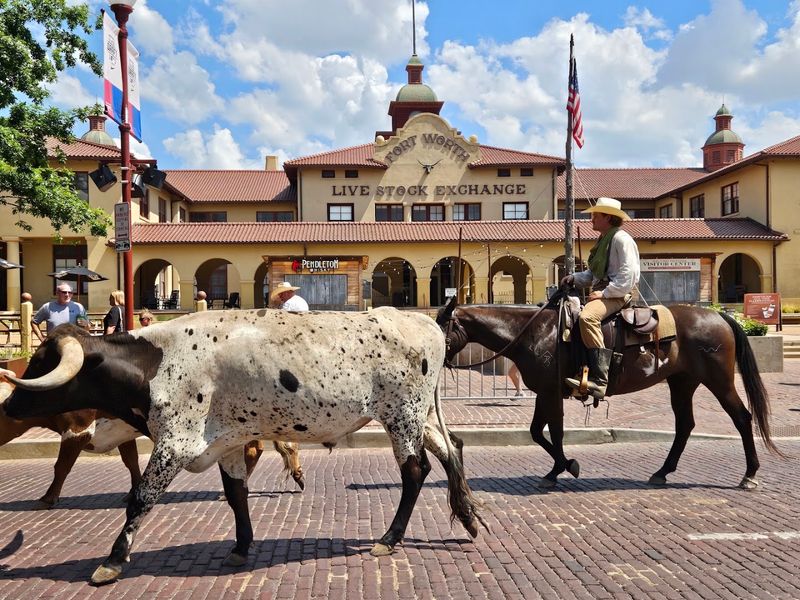
Twice daily, a herd of Texas Longhorns thunders down Exchange Avenue, their massive horns swaying as cowhands guide them through the heart of this historic district. It’s not a show or reenactment—it’s a living reminder of when millions of cattle passed through these same pens on their way to market, making Fort Worth the livestock capital of the Southwest. The twice-daily drives happen at 11:30 a.m. and 4 p.m., drawing crowds who line the brick streets to witness this authentic piece of Western heritage.
The Stockyards National Historic District preserves the buildings, pens, and atmosphere of the original livestock market that operated from 1866 through the mid-20th century. Brick walkways, wooden corrals, and vintage architecture create an immersive environment where history isn’t just displayed—it’s still happening. Cowboys in working gear, not costumes, move through the area because many still work with livestock or perform in the rodeo arena.
Cowtown Coliseum hosts professional rodeos every Friday and Saturday night, featuring bull riding, barrel racing, and other classic events. Unlike tourist-focused shows in some Western towns, these are legitimate competitions sanctioned by professional rodeo organizations. The coliseum itself dates to 1908 and holds the distinction of being the world’s first indoor rodeo arena, adding historical significance to every event held within its walls.
Shopping and dining options fill the historic buildings lining Exchange Avenue. Western wear stores sell everything from working ranch gear to high-end cowboy boots. Honky-tonks and steakhouses serve up live music and Texas-sized meals in settings that honor the district’s cattle-trade roots.
The White Elephant Saloon has been pouring drinks since 1887, its walls covered with historical photographs and memorabilia.
The Stockyards Station, a former hog and sheep pens complex, now houses shops, restaurants, and the Texas Cowboy Hall of Fame. Original livestock pens remain visible, reminding visitors of the district’s working past. You can still see the maze of wooden chutes and holding areas where animals were sorted before sale.
Walking tours led by knowledgeable guides reveal stories of cattle barons, famous outlaws, and the rough-and-tumble characters who built Fort Worth’s reputation. The Stockyards Museum offers deeper historical context through photographs, artifacts, and exhibits explaining the cattle industry’s impact on Texas development. Entry is free, making it an accessible way to understand what you’re experiencing throughout the district.
Share this story