Rent, groceries, gas, and power bills add up fast, and many people wonder if there is any place left where a modest budget can stretch. Texas has a handful of cities where living costs tend to run lower than in the big metro areas. These eight Texas cities offer relatively affordable housing and everyday expenses, although actual monthly costs depend on rent, household size, transportation, and lifestyle.
Prices change, so treat these as starting points and check current numbers before you pack a single box.
Harlingen

Palm trees swaying over quiet streets give the Rio Grande Valley a laid-back feel, and Harlingen wears it well. Folks here tend to move at an easy pace, and the price tags often match that relaxed attitude. For someone trying to stretch a small monthly budget, that matters a lot.
Housing is usually the biggest bill, and Harlingen has a mix of small apartments, duplexes, and older single-family homes that often come in below big-city rates. Many neighborhoods are flat and bikeable, so a short trip to the store does not always need a car. If you do drive, distances are short, which keeps gas spending down.
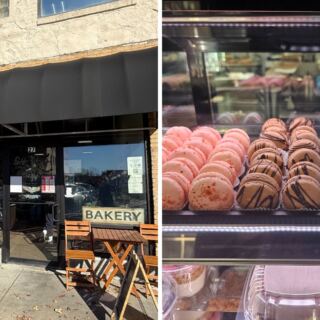
Food is another place to save. The area is full of family-run taquerias, panaderias, and fruit stands where a filling meal costs far less than a chain restaurant lunch. Cooking at home gets cheaper too, since local markets sell produce that travels only a short way from nearby farms.
Winter is gentle here, so heating bills are small. Summer is another story, because air conditioning will be your main power cost. Smart tricks like ceiling fans, window shades, and running the dishwasher at night can trim that bill.
Free fun is easy to find. Birders flock to the area because many species pass through the Valley, and local parks give you plenty of space to walk, picnic, or just watch the sky. A library card and community events can fill many weekends without touching your wallet.
Here is a quick budgeting tip: build your plan around rent first, then set aside a fixed amount for food and transportation. If those three stay steady, the rest of your money has room to breathe. Harlingen makes that kind of plan feel doable, which is exactly why it earns a spot on this list.
Lubbock
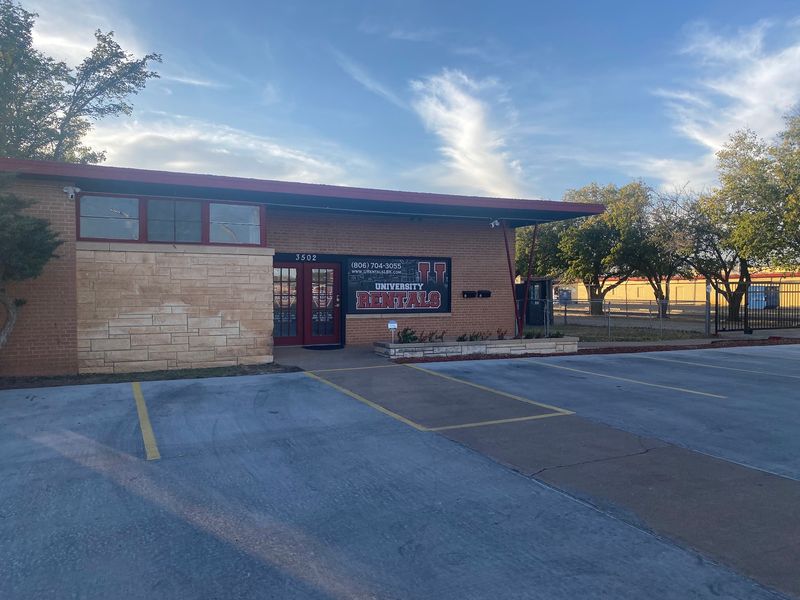
Big sky, flat land, and a college crowd that keeps things lively: that is Lubbock in a nutshell. Because so many students live here, landlords compete for renters, and that can keep rents friendlier than you might expect. Smaller apartments and shared housing are common, which gives budget-minded people more options.
Getting around is simple. The city is laid out in an easy grid, so you rarely get lost, and traffic is mild compared to Dallas or Houston. Less time stuck on the road means less gas burned and less stress.
Food costs can stay low if you shop smart. Grocery stores here are plentiful, and college-area eateries often run deals like cheap lunch specials and half-price nights. Local barbecue and Tex-Mex spots serve big portions, so one plate can sometimes turn into two meals.
Fun fact: Lubbock is the hometown of rock and roll pioneer Buddy Holly, and you can learn about his story at a museum in town. Plenty of other low-cost entertainment pops up too, like campus events, free concerts, and farmers markets.
Weather swings can be dramatic. Wind is a regular guest, and winter nights can get cold, so check how well a rental is sealed before you sign. A drafty apartment can quietly eat your savings through higher power bills.
If you plan to live on a tight monthly amount, try the envelope method. Put cash or digital funds into categories like rent, food, fuel, and phone, and stop spending in a category when it runs dry. Lubbock gives you a practical base for that kind of discipline, with enough city life to keep things interesting.
Killeen
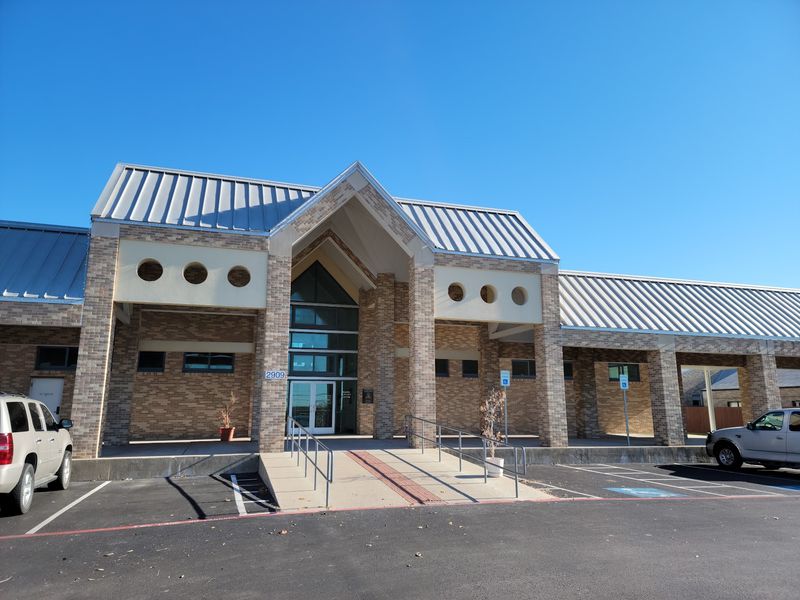
Few Texas cities are shaped by one neighbor as strongly as Killeen, which sits right beside a huge military post. That steady flow of service members and families means housing is built in large numbers, from apartments to starter homes. With so many choices, renters can often shop around for a deal.
Because people move in and out regularly, the city is used to newcomers. Landlords, shops, and community groups tend to be welcoming, and it is easy to find folks who can share tips on where to save. Asking neighbors about the cheapest grocery runs can be as helpful as any website.
Everyday spending is manageable. Big-box stores, discount grocers, and chain restaurants are all around, so you can compare prices without driving far. Many places offer military and family discounts, and even if you are not connected to the base, sales and coupons are easy to find.
Central Texas heat is real, so plan for summer cooling costs. Set your thermostat a few degrees higher and use blinds during the afternoon. Small habits like those can make a visible dent in your monthly bill.
When money is tight, free outings matter. Lake Belton and nearby parks give you space for fishing, walking, and cookouts without an expensive ticket. Austin and Waco are within driving range if you want a day trip, though gas costs should be part of the plan.
One smart move is to look at the total cost of a place, not only the rent. Check utilities, commute length, and parking. In Killeen, a bit of homework can turn a modest paycheck into a workable monthly plan.
Wichita Falls

There is a little waterfall in the middle of the city, and yes, locals are proud of it. Wichita Falls sits close to the Oklahoma line, and it has the unhurried feel of a place where you can park right in front of the store. That calm pace often comes with calmer prices.
Rent here tends to be on the gentle side compared with the major Texas metros. You can find older homes with yards, small apartments, and duplexes without joining a long waiting list. If you are handy with simple repairs, an older place can be a bargain.
Commutes are short, and that is a quiet money saver. Less time driving means fewer fill-ups and less wear on your car. Some people even manage with one vehicle for a whole household, which trims insurance and maintenance bills.
For meals, local diners and barbecue joints keep portions generous. Grocery shopping is straightforward, with plenty of stores competing for your business. Buying staples like rice, beans, eggs, and seasonal produce keeps the monthly food bill steady.
Fun does not have to cost much. Parks, walking trails, and community events fill the calendar, and nearby lakes give you a spot to fish or just sit in the shade. The area also has a long history with oil and railroads, which makes local museums fun for curious people.
Weather can be wild, with hot summers and the occasional strong storm. Keep an emergency fund for surprises, even a small one. A few dollars set aside each week can protect a tight budget from a sudden repair bill.
Brownsville
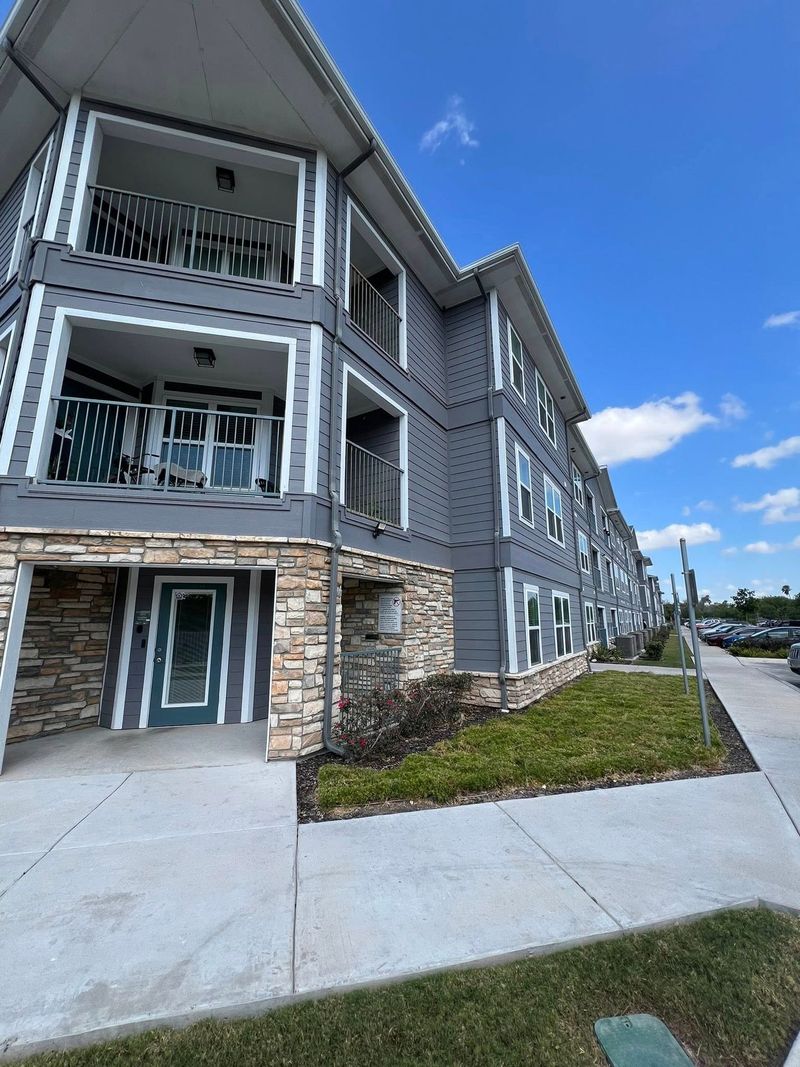
Standing on the southern tip of Texas, you are about as far from the usual big-city rush as you can get. Brownsville blends Texan and Mexican culture in everything from food to music to the way neighbors greet each other. That blend also brings a lot of small, affordable businesses.
Housing options range from modest apartments to older family homes, and many areas are still budget friendly. Look at neighborhoods a bit away from the busiest streets, since rent often dips as you move out. Visit at different times of day to check noise and parking before you commit.
Food is a highlight and a money saver. Neighborhood taquerias, bakeries, and markets serve hearty meals at prices that make eating out less scary. Buying fresh fruit, tortillas, and spices locally helps home cooking stay cheap.
The University of Texas Rio Grande Valley has a campus here, and that adds affordable events, sports, and cultural programs. Nearby beaches at South Padre Island are a short drive away, and a day at the shore costs little more than gas and snacks. Wildlife refuges in the region also give nature lovers low-cost adventures.
Heat and humidity are part of life, so air conditioning matters. Consider a rental with good insulation, and use fans to help the cooling system do less work. Over a year, that can add up to real savings.
If you live on a tight budget, local buses and carpooling can lower transportation costs. Pair that with careful grocery trips, and a small monthly amount can go a surprisingly long way in this border city.
Abilene

Storybook statues sit downtown, and the city is known for its colorful sculpture garden of book characters. Abilene is a West Texas town with a friendly rhythm, three universities, and a cost of living that often stays modest. It offers a small-city feel without feeling empty.
Housing is the starting point of any budget, and Abilene tends to have reasonable choices. Apartments near campuses, older neighborhoods with bungalows, and newer subdivisions on the edges all give you room to compare. Many people find that a simple one-bedroom fits a tight plan well.
Short drives are the norm. Most errands can be done within a few minutes, so fuel costs stay light. Parking is generally easy and often free, which is a perk you may not notice until you leave a bigger city.
Dining out can be affordable if you pick well. Local cafes, burger spots, and barbecue places serve filling plates, and lunch specials are common. Cooking at home with ingredients from nearby grocers keeps the bill lower still.
Free and cheap fun is part of the charm. Abilene State Park, local lakes, and community festivals give you plenty to do. The historic downtown also hosts art walks and events that cost little or nothing.
Summers get hot and winters can bring cold snaps, so watch your energy use. Use a programmable thermostat and seal gaps around doors. With a few smart habits, Abilene can make a small monthly budget feel comfortable rather than cramped.
Amarillo
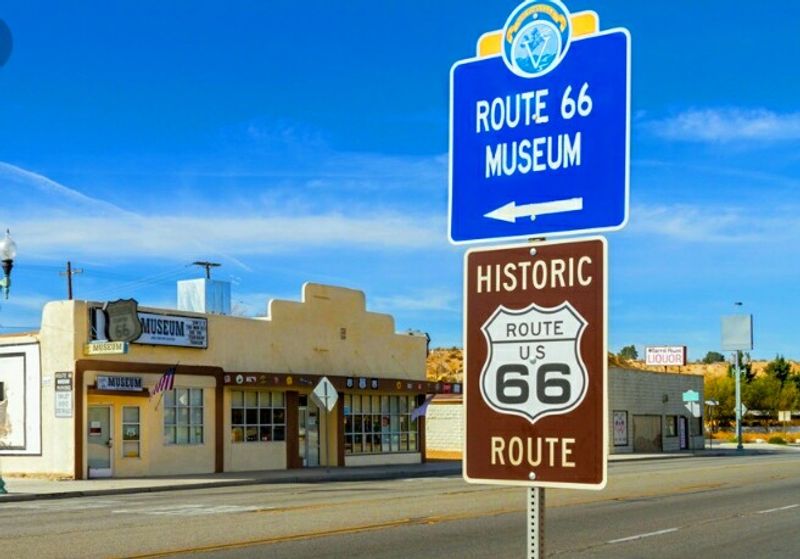
Out on the Panhandle, the horizon seems to stretch forever, and Amarillo sits right in the middle of it. Route 66 runs through town, and the old signs and diners give the place real personality. Even better for your wallet, daily costs often run lower than in larger Texas cities.
Rent is one reason people look here. You can find apartments, small houses, and older homes at prices that feel friendly, especially if you skip the newest buildings. Ask about move-in specials, because some complexes offer a reduced first month.
Driving is easy, with wide streets and little traffic. That means fewer wasted gallons and less stress. If you can arrange your errands in one loop, you will save even more.
Food leans hearty, and the town is famous for its big steak challenge, though you do not need to try it to eat well. Local cafes and Tex-Mex spots serve solid meals at fair prices. Grocery stores are plentiful, and store brands help keep the cart total low.
For outdoor time, Palo Duro Canyon is not far away, and it is one of the largest canyons in the country. A day of hiking costs just a park fee and some snacks. Back in town, parks and trails provide free ways to unwind.
Winters can be chilly and windy, so look for a place with good heating and insulation. Keep a small cushion for utility swings. Planning ahead lets Amarillo stretch a modest monthly amount in a very practical way.
El Paso
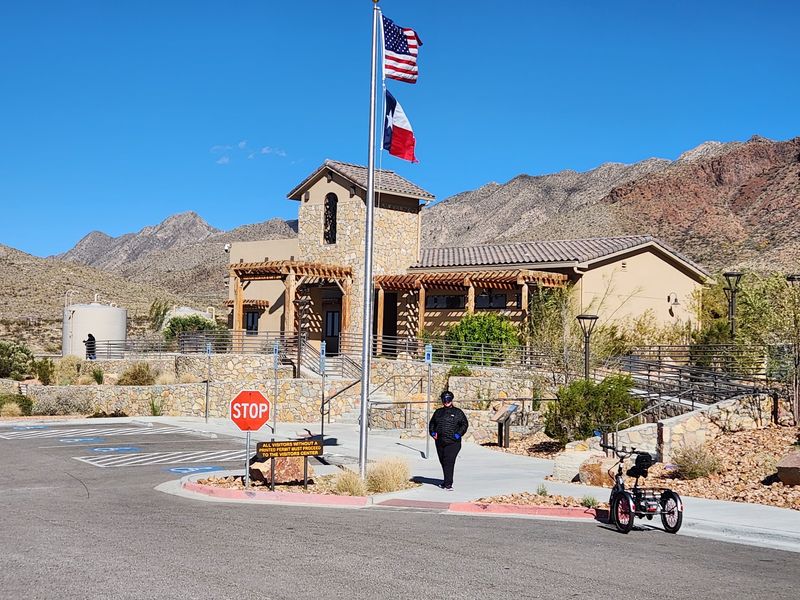
Mountains rise right inside the city limits, and that view alone makes daily errands feel a little more special. El Paso is a large city, yet its costs often feel smaller than other places its size. It sits on the far western edge of Texas, with a mix of cultures that shows up in food, music, and festivals.
Housing is the main reason budget seekers look here. Many neighborhoods offer older homes and modest apartments at prices below the big Texas hubs. Do a little comparison shopping across different parts of town, since rents can vary a lot from one side to another.
Food is a bright spot for savings. Family-run restaurants serve enchiladas, burritos, and caldo at wallet-friendly prices, and local markets make home cooking cheap. Splitting big plates is an easy way to stretch a dollar.
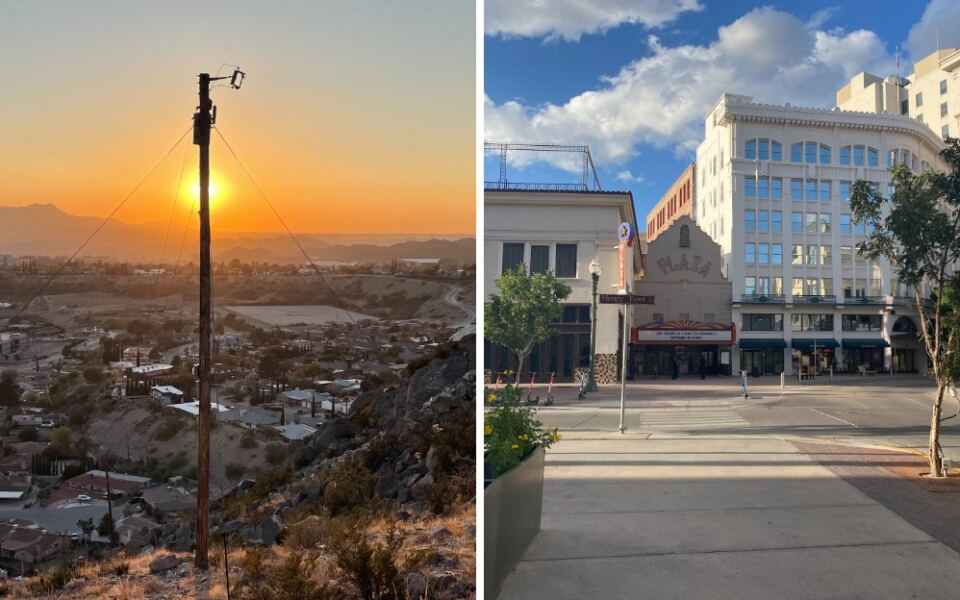
The Franklin Mountains State Park gives you hiking, biking, and sunsets for a small entry fee. Downtown plazas, museums, and community events add free or low-cost options. Many people say the dry, sunny weather helps them spend more time outdoors and less money on indoor entertainment.
Getting around is possible with the city bus and the streetcar downtown, which can lower car costs. If you do drive, plan routes carefully, because the city spreads out. Combining trips saves gas and time.
Summers are hot but dry, so energy bills can rise. Window coverings and efficient cooling make a difference. With careful choices on rent and transportation, El Paso can be a solid fit for a lean monthly plan.
Share this story