Texas has always been a place where water matters. From the Gulf Coast to the Panhandle, communities depend on rivers, aquifers, and reservoirs to keep life flowing. But lately, something alarming is happening—water sources in several towns are vanishing at rates nobody predicted, leaving residents scrambling for solutions and local leaders sounding the alarm about what comes next.
1. Corpus Christi
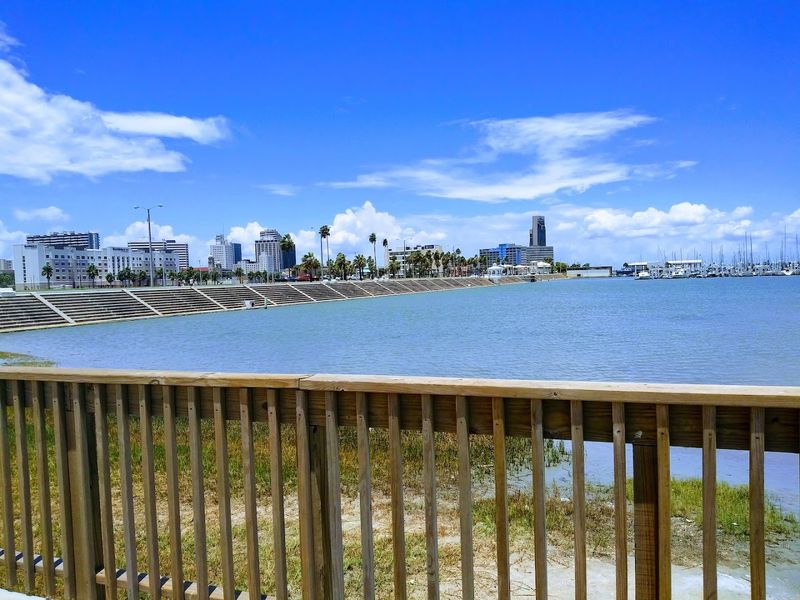
Corpus Christi sits right on the Gulf, so you’d think water wouldn’t be an issue. But freshwater? That’s a whole different story.
The city relies heavily on a handful of reservoirs and lakes that have been dropping at worrying speeds, thanks to a brutal combination of drought, heat waves, and increasing demand from a growing population.
Lake Corpus Christi, one of the main sources, has seen water levels plummet in recent years. During some stretches, the lake has dipped below 20% capacity, exposing cracked lakebed and stranded boat docks. City officials have had to implement strict conservation measures, asking residents to cut back on outdoor watering and keep showers short.
The situation gets trickier because Corpus Christi doesn’t just serve itself. Surrounding smaller towns also depend on the same supply, creating competition for every drop. Water managers have been exploring alternatives like desalination plants to turn Gulf water into drinking water, but those projects take years and millions of dollars to complete.
Climate patterns aren’t helping either. The region has experienced some of the driest years on record, with rainfall totals far below average. When storms do roll through, they often miss the watershed areas that feed the reservoirs, meaning the rain doesn’t replenish what’s been lost.
Local farmers and ranchers are feeling the squeeze too. Reduced water allocations mean tough choices about which crops to plant or how many cattle to keep. Some have been forced to sell off livestock because there simply isn’t enough water to sustain their operations through the summer months.
What makes this especially concerning is how fast things have changed. Just a decade ago, water planners thought the existing infrastructure would be adequate for another generation. Now they’re racing against time, knowing that without major intervention, Corpus Christi could face serious shortages within the next few years.
The Gulf might be right there, but turning saltwater into something you can drink or farm with remains an expensive, complicated challenge.
2. Mathis
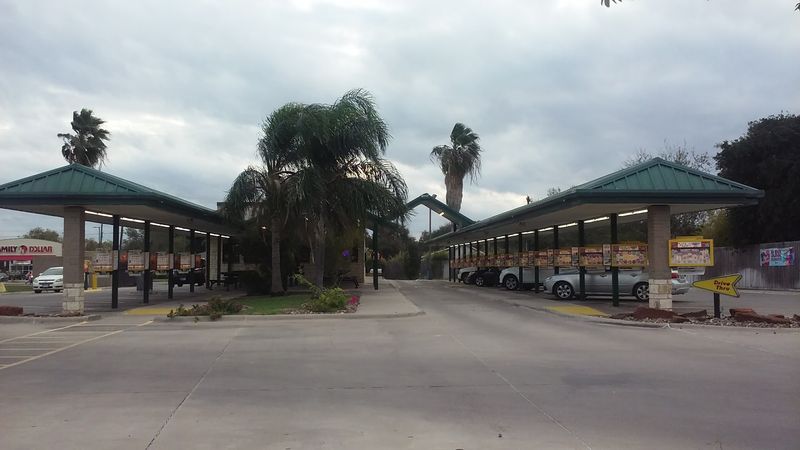
Sitting right next to Lake Corpus Christi, you’d expect residents to have plenty of access to water. Instead, they’ve watched their main source shrink year after year, leaving everyone from homeowners to business owners wondering what’s next.
The town’s economy has always been tied to the lake. Fishing, boating, and lakeside recreation brought visitors and dollars into local shops and restaurants. But when the water drops so low that boat ramps become useless and fish populations struggle, those tourists stop coming.
That ripple effect hits hard in a community where every business counts.
Mathis residents have had to adapt quickly. Many have installed rainwater collection systems, trying to capture every bit of moisture that falls from the sky. Others have ripped out grass lawns and replaced them with native plants that need less water.
It’s not just about following rules—it’s about survival.
The local water utility has been in crisis mode more than once. During the worst stretches, the town has come within weeks of running completely dry. Emergency water deliveries and strict rationing kept things going, but those are short-term fixes that don’t address the bigger problem: the lake isn’t refilling fast enough.
Farmers around Mathis face impossible decisions. Irrigation systems sit idle because there’s no water to pump. Crops that once thrived in the region have been abandoned in favor of more drought-resistant varieties, or replaced with nothing at all.
The agricultural landscape is changing, and not by choice.
What’s particularly frustrating for Mathis residents is the lack of control. They don’t manage the lake levels or decide how water gets allocated. Those decisions happen at the regional level, often prioritizing larger cities downstream.
Mathis gets what’s left over, and lately, that hasn’t been much. The town is exploring partnerships and alternative sources, but options are limited when you’re small and the entire region is drying up together.
3. Three Rivers
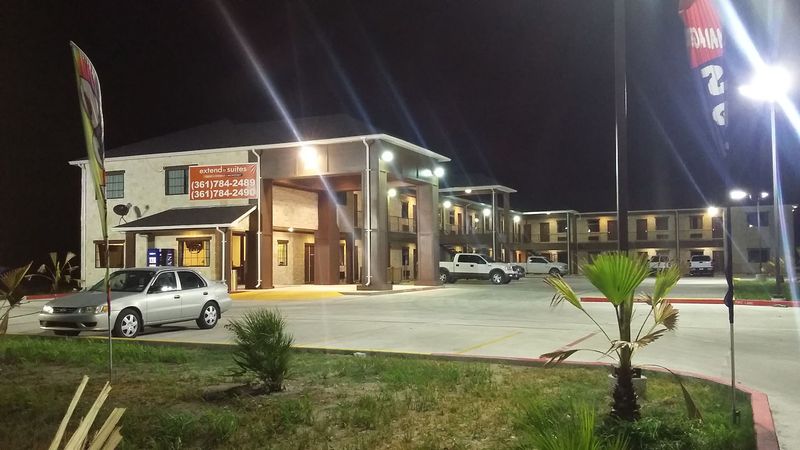
Three Rivers got its name from the confluence of the Atascosa, Frio, and Nueces rivers. For generations, those waterways defined life here, providing irrigation for farms, water for livestock, and a natural beauty that made the area special. Now, all three rivers are struggling, and the town is facing a water crisis nobody saw coming this fast.
Ranching has always been the backbone of Three Rivers’ economy. Cattle operations depend on reliable water sources, and when rivers run low or dry up completely, ranchers have to truck in water at enormous expense or sell off their herds. Some families who’ve worked the same land for generations are now questioning whether they can continue.
The town’s municipal water supply comes from wells tapping into underground aquifers. Those aquifers are recharged by rainfall and river seepage, but with the rivers barely flowing and rainfall scarce, the underground reserves are dropping. Wells that once produced plenty of water now yield less, and some have had to be drilled deeper at significant cost.
Three Rivers sits in a part of Texas where water has always been tight, but residents knew how to manage. Traditional conservation practices and careful planning kept things balanced. What’s different now is the speed and severity of the decline.
Droughts that used to last a season are stretching into years, and recovery periods are getting shorter.
Local wildlife is suffering too. The rivers supported fish, birds, and other animals that drew hunters and nature enthusiasts. With water levels so low, habitats are disappearing.
Fishing tournaments that once brought visitors have been canceled, and hunting leases are less valuable when game populations decline.
Community leaders are working on solutions, but options are limited. Three Rivers doesn’t have the budget of larger cities to build massive infrastructure projects. Instead, they’re focusing on efficiency—fixing leaky pipes, upgrading old systems, and educating residents about conservation.
Every gallon saved matters when you’re watching your namesake rivers vanish. The town is also looking at whether treated wastewater could be reused for certain purposes, though that requires equipment and expertise the town is still working to secure.
4. Conroe
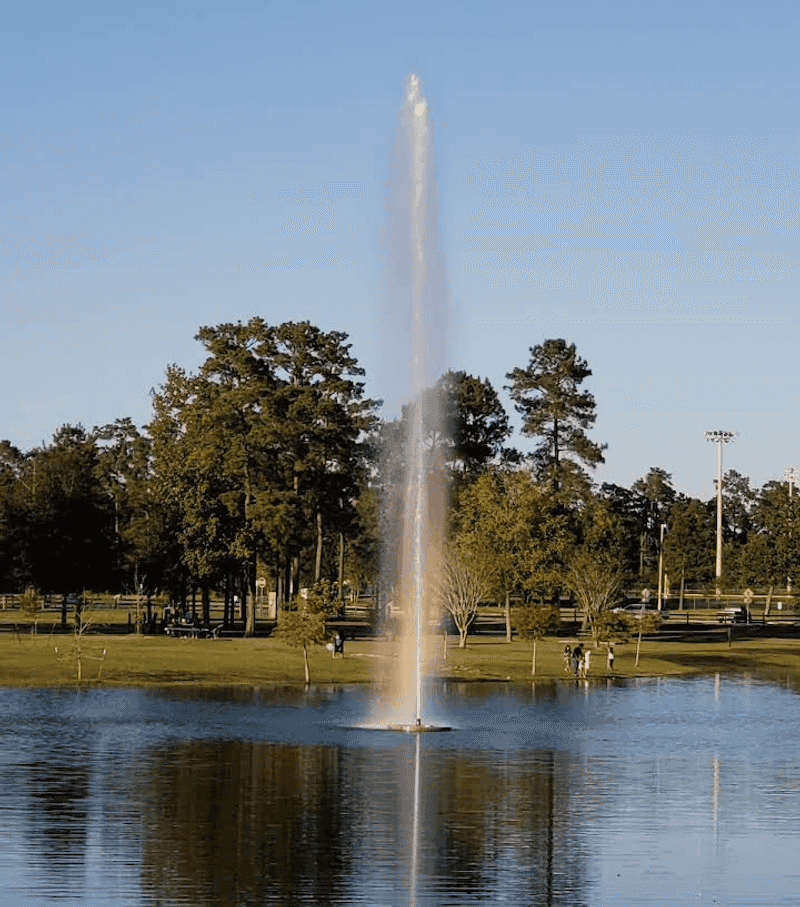
What used to be a quiet town north of Houston has exploded into a bustling suburb with new neighborhoods, shopping centers, and thousands of new residents. All those people need water, and Lake Conroe—the main source—is struggling to keep up with demand while also dealing with drought conditions.
Lake Conroe was built as a reservoir back in the 1970s, designed to supply water to the region and provide flood control. For years, it worked beautifully. But nobody planning that lake anticipated the kind of population boom Conroe would experience.
The math just doesn’t add up anymore: too many people drawing from a lake that isn’t getting enough rainfall to stay full.
Developers kept building because that’s what the market wanted. New subdivisions sprouted up, each one adding hundreds more households to the water system. At the same time, climate patterns shifted, bringing hotter summers and less predictable rainfall.
Lake levels started dropping, and suddenly everyone realized the growth had outpaced the water supply.
The San Jacinto River Authority, which manages the lake, has had to make tough calls. Water allocations have been reduced, and there’s constant tension between municipalities, industries, and individual users all competing for the same limited resource. Some neighborhoods have faced watering restrictions so strict that lawns turned brown and landscaping died.
Conroe’s situation is complicated by its proximity to Houston. When Houston faces water issues, pressure increases on surrounding areas like Conroe to help fill the gap. That means Conroe isn’t just managing its own needs—it’s also part of a larger regional water network where demands can shift quickly.
Long-term solutions are in the works. Plans for additional reservoirs, improved conservation technology, and better water recycling systems are all on the table. But those projects take time and money, and in the meantime, Lake Conroe keeps dropping.
Residents who moved to the area for the lake lifestyle are watching boat docks sit high and dry, while city officials are warning that without significant changes, water shortages could become the new normal.
5. Alice
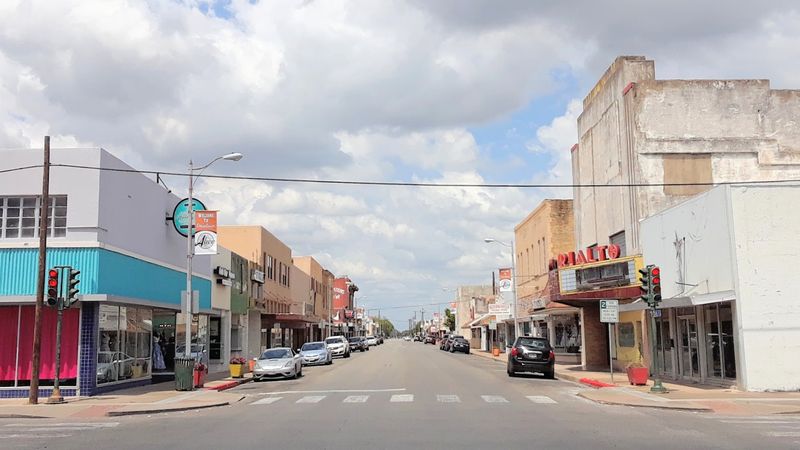
The town relies on a combination of groundwater from the Carrizo-Wilcox Aquifer and surface water from nearby reservoirs. Both sources are under serious stress, and Alice is feeling the pinch in ways that affect daily life and the local economy.
The Carrizo-Wilcox Aquifer has been the go-to water source for much of South Texas for over a century. But it’s not unlimited, and decades of pumping combined with reduced rainfall mean water levels in the aquifer are dropping. Wells have to be drilled deeper, and the water quality can change as you go further down, sometimes bringing up minerals or salts that require expensive treatment.
Alice’s agricultural sector is taking a beating. Farmers who once irrigated cotton, corn, and sorghum are now facing tough choices. Some have switched to dryland farming, which relies entirely on rainfall and produces lower yields.
Others have simply stopped planting altogether, leaving fields empty and income streams dried up along with the land.
The town’s population isn’t huge, but even a small community can face big problems when water runs short. Alice has had to implement conservation measures, asking residents to limit outdoor watering and fix leaks promptly. The local utility monitors usage closely, and during the worst stretches, they’ve had to issue mandatory restrictions that affect everything from car washing to filling swimming pools.
One of the most concerning aspects of Alice’s water situation is the lack of easy alternatives. The town isn’t near a major river or large lake that could serve as a backup. Surface water options are limited and already oversubscribed by other users.
That leaves Alice heavily dependent on the aquifer, which is a slow-refilling resource that can take decades or even centuries to recover from over-pumping.
Local leaders are exploring partnerships with neighboring towns to share resources and infrastructure costs. They’re also looking at whether treated wastewater could be reused for irrigation or industrial purposes, freeing up freshwater for household use. These aren’t glamorous solutions, but they’re practical steps that could help Alice stretch its water supply further.
The reality is that without more rain or major new infrastructure, Alice will have to get creative about managing a resource that’s disappearing faster than anyone expected.
6. Beeville
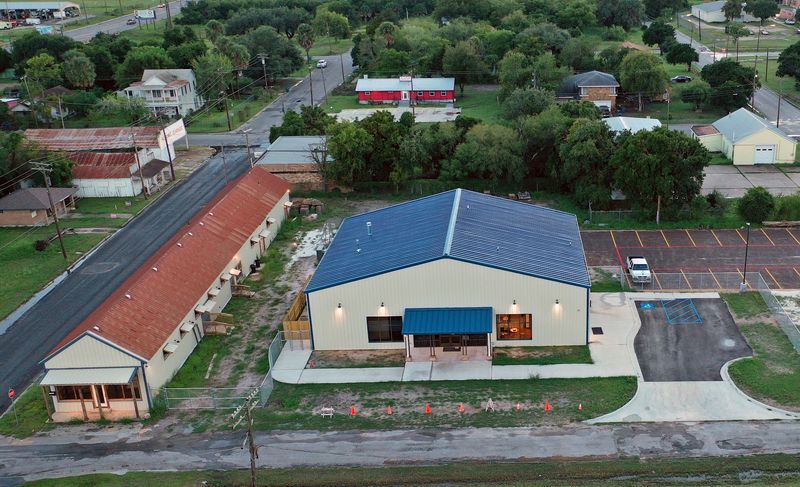
Beeville has a long history tied to ranching, farming, and military aviation thanks to the nearby naval air station. Water has always been a critical resource here, drawn from both underground aquifers and surface supplies. Recently, though, Beeville has been watching its water sources decline at a pace that’s caught everyone off guard.
The town sits in an area where rainfall is unpredictable at best. Some years bring decent moisture; others leave the landscape parched for months on end. That variability makes planning difficult, and when droughts hit hard, the community feels it immediately.
Wells start producing less, and surface water sources like stock tanks and small reservoirs shrink or disappear entirely.
Beeville’s economy depends heavily on agriculture and ranching. Cattle operations need consistent water for livestock, and when natural sources dry up, ranchers have to haul water in at significant expense. That cuts into already thin profit margins and forces some operations to downsize or shut down.
The ripple effect touches feed stores, veterinary services, and other businesses that support the agricultural community.
The municipal water system has faced its own challenges. Aging infrastructure means leaks and inefficiencies that waste precious water. The city has been working to upgrade pipes and equipment, but funding is tight, and the work takes time.
Meanwhile, demand keeps growing as the population slowly increases, creating a gap between supply and need that’s widening.
Beeville residents have responded with a mix of frustration and determination. Many have embraced water conservation practices, installing low-flow fixtures and rethinking their landscaping choices. Community gardens have shifted to drought-tolerant plants, and homeowners have replaced grass with gravel or native groundcover that requires less water.
What makes Beeville’s situation particularly tough is the lack of quick fixes. There’s no major river to tap into, and building new reservoirs would require massive investment and years of construction. The aquifers that supply the town are under pressure from multiple users across the region, and there’s no guarantee they’ll recover even if rainfall improves.
Beeville is essentially in a race to reduce demand and improve efficiency before the water runs out, and everyone knows the stakes are high.
7. Houston
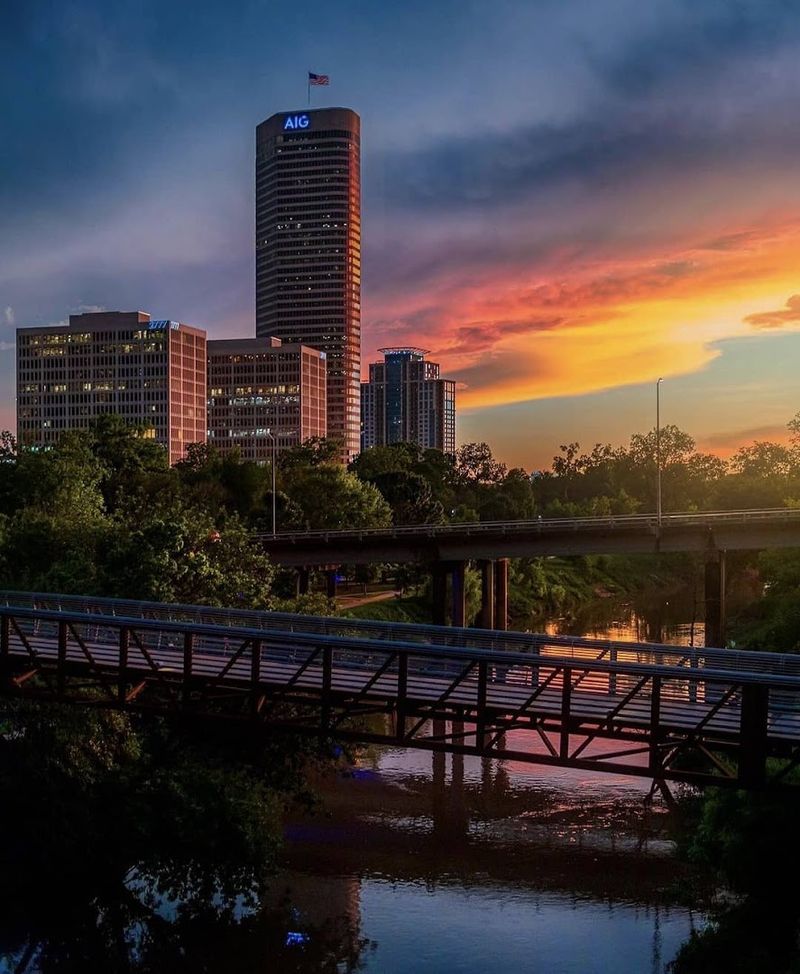
Houston is the fourth-largest city in the United States, home to millions of people and a sprawling industrial complex that includes petrochemical plants, refineries, and the Port of Houston. All of that requires enormous amounts of water, and while the city has historically had access to plenty, recent trends are raising serious concerns about long-term sustainability.
The city draws water from several sources, including Lake Houston, Lake Conroe, and groundwater from the Gulf Coast Aquifer. For decades, this combination worked well, providing enough water for residential, commercial, and industrial needs. But population growth has been explosive, and climate patterns have shifted toward hotter, drier conditions with less predictable rainfall.
Lake Houston, one of the primary reservoirs, has experienced significant drops in water levels during extended dry periods. When the lake is low, water quality can become an issue because there’s less volume to dilute pollutants and runoff. Treatment costs go up, and in extreme cases, the city has to implement conservation measures that affect millions of residents.
Groundwater subsidence is another major problem in Houston. Decades of pumping water from underground aquifers caused the land to sink in many areas, contributing to flooding problems and infrastructure damage. The city has reduced its reliance on groundwater in recent years, shifting more demand to surface water, but that puts additional pressure on already-stressed lakes and reservoirs.
Houston’s industrial sector is a massive water user. Refineries and chemical plants need water for cooling, processing, and other operations. When water supplies tighten, there’s tension between residential users who need water for daily life and industries that drive the regional economy.
Balancing those competing demands is a constant challenge for water managers.
Climate change is making Houston’s water future even more uncertain. Intense storms can dump huge amounts of rain in short periods, causing devastating floods but not necessarily replenishing reservoirs effectively. Meanwhile, longer dry spells between storms mean the region goes through extended periods without adequate rainfall to maintain water levels.
Houston is investing heavily in water infrastructure, including new treatment plants, pipeline expansions, and conservation programs. The city is also exploring innovative solutions like aquifer storage and recovery, where treated water is stored underground during wet periods and pumped back out during droughts. These projects are expensive and complex, but they’re necessary if Houston wants to keep growing without running out of water.
8. San Angelo
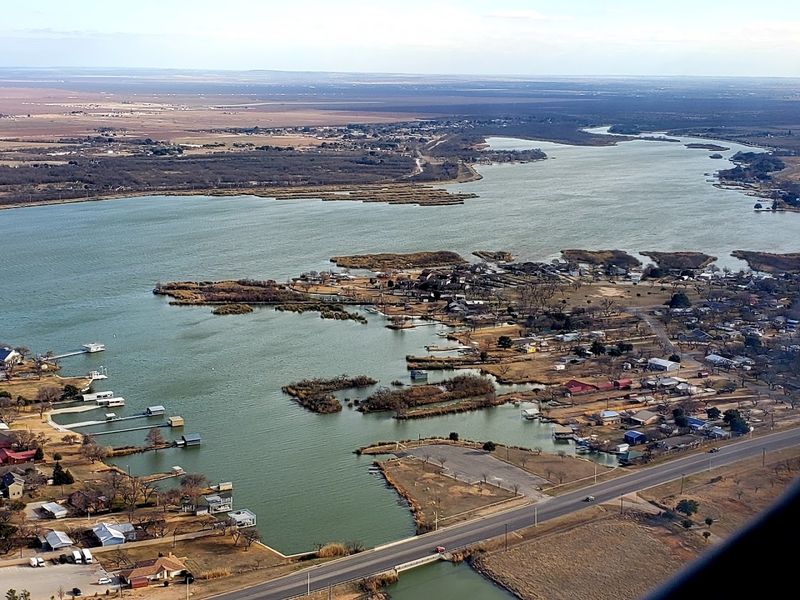
The city relies on three main reservoirs: Twin Buttes, O.C. Fisher, and Lake Nasworthy. In recent years, all three have seen water levels drop to alarming lows, with O.C.
Fisher Reservoir actually going completely dry during an extended drought—a shocking sight that made national news.
The lakes that supply San Angelo depend on rainfall in a region that’s naturally arid. When drought conditions set in, those reservoirs can drop fast. O.C.
Fisher, once a popular spot for fishing and recreation, turned into a dusty, cracked expanse of lakebed. Boat ramps led to nothing, and the dam stood as a monument to just how severe water shortages can get.
San Angelo’s economy includes ranching, agriculture, and military installations. All of those sectors need water, and when supplies run short, tough decisions have to be made. Ranchers have sold off cattle because there wasn’t enough water to keep them alive through the summer.
Farmers have left fields unplanted, knowing that irrigation water wouldn’t be available.
The city has had to adapt quickly, shifting its focus toward long-term water security rather than relying on unpredictable rainfall. Officials have invested in groundwater wells and pipeline systems to bring in water from more reliable sources, but those solutions come with high costs and ongoing maintenance challenges. Conservation measures have also become a regular part of life, with restrictions on outdoor watering and public campaigns encouraging residents to rethink how they use water day to day.
For many locals, the change has been gradual but undeniable. What used to feel like a distant concern has become part of everyday conversation, from household routines to business planning. Families are more mindful of usage, and community leaders are constantly evaluating how to stretch limited resources without sacrificing growth or quality of life.
San Angelo stands as a reminder that water, often taken for granted, can quickly become one of the most critical challenges a community faces.
Share this story