
Ohio does not just claim a place in aviation history – it lives and breathes it in museums, memorials, workshops, and flying fields that still spark the same curiosity that first pushed humans skyward. If you have ever wanted to stand where experiments turned into breakthroughs, see aircraft that changed military and civilian flight, or feel the personal stories behind famous names, this state delivers one memorable stop after another.
From Dayton’s deep connection to the Wright brothers to lakeside collections filled with rare warbirds and space age treasures, each destination reveals a different layer of how Ohio helped shape the way the world moves through the air. You could come here expecting a few static displays, but what you actually find is a statewide journey through invention, courage, craftsmanship, and imagination that still feels thrilling today.
1. National Museum of the U.S. Air Force, Dayton
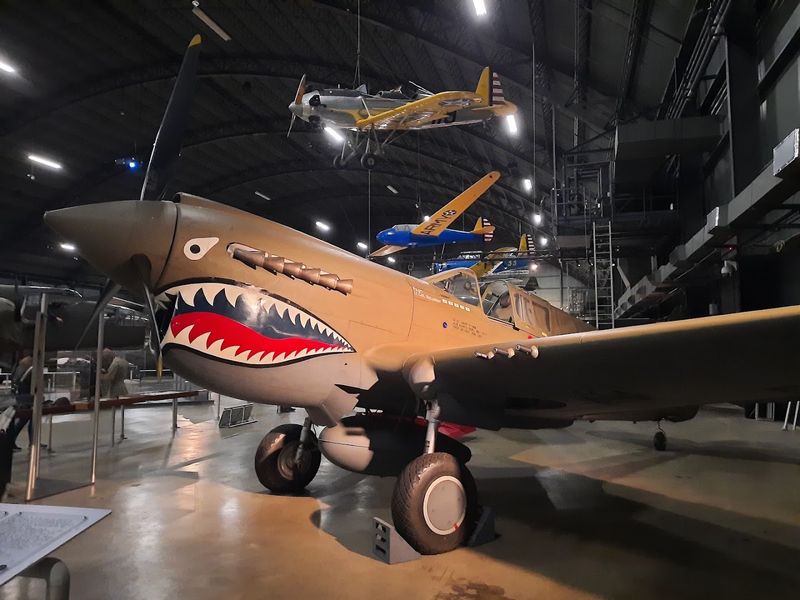
Stepping inside this enormous museum feels less like entering a building and more like crossing into a timeline of American flight. You are surrounded by aircraft that tell stories of innovation, conflict, endurance, and ambition, all presented on a scale that makes Ohio’s aviation legacy feel undeniable.
In Dayton, the National Museum of the U.S. Air Force delivers that rare mix of emotional weight and wide eyed wonder from the first gallery onward.
What makes the experience so memorable is its range. Early military aircraft, presidential planes, Cold War giants, experimental designs, and space related exhibits all sit under one roof, allowing you to trace how aviation evolved across generations.
I love how the displays balance technical detail with human stories, so you never feel lost in machinery alone.
You can spend hours here and still leave with more to see next time, which is part of the appeal. One gallery may pull you toward sleek jet fighters, while another stops you cold with a plane tied to a historic mission you only knew from books.
Because the museum is so thoughtfully organized, even first time visitors can move through it without feeling overwhelmed.
If you want one Ohio attraction that captures the state’s flying heritage at its boldest and broadest, this is the place to begin. It gives you scale, context, and an unforgettable sense of how aviation changed the country.
By the time you walk back outside, Dayton no longer feels like just another city – it feels like one of the great capitals of flight history.
2. Wright Brothers National Museum, Dayton
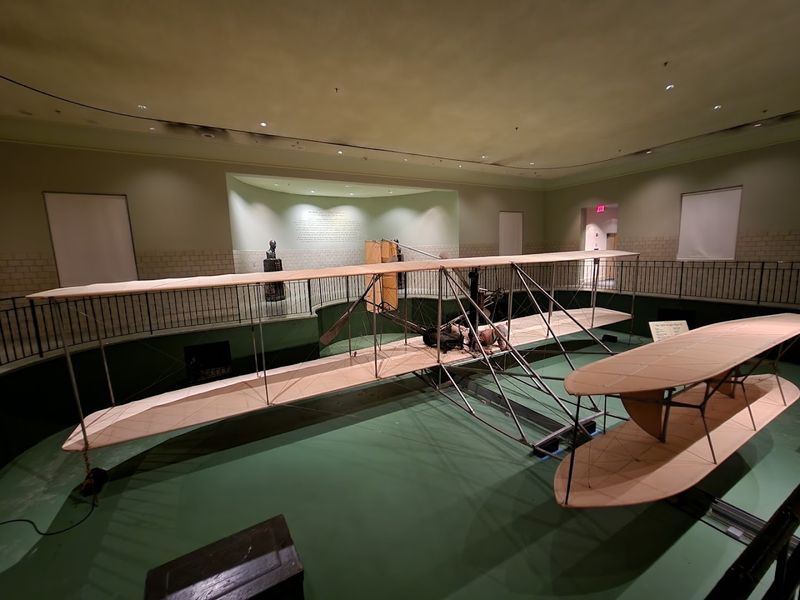
Few places make the story of invention feel as personal as this museum does. Rather than treating the Wright brothers as distant legends, it brings you closer to the careful thinking, persistence, and trial and error that shaped their path from curious Ohio tinkerers to aviation pioneers.
In Dayton, the Wright Brothers National Museum turns a familiar story into something vivid and surprisingly intimate.
The strongest part of the visit is the sense of process. You are not just hearing that powered flight happened – you are seeing how observation, mechanical skill, and disciplined experimentation made it possible.
That focus helps you appreciate how deeply Ohio is woven into the earliest chapter of aviation, long before the world fully understood what flight would become.
I also like that the museum gives the brothers room to be human. Their achievements were extraordinary, but the exhibits often highlight habits that feel recognizable today, like revising ideas, learning from setbacks, and trusting patient craftsmanship over flashy shortcuts.
That approach makes the history more relatable, especially if you enjoy stories about creativity as much as technology.
For travelers exploring Dayton’s aviation corridor, this stop adds heart and clarity to the larger picture. It connects the famous first flight to the workshops, questions, and practical knowledge that began in Ohio.
You leave with more than names and dates – you leave with a stronger feeling for why the Wright brothers still matter and why this state continues to guard their legacy with so much pride.
3. Dayton Aviation Heritage National Historical Park, Dayton
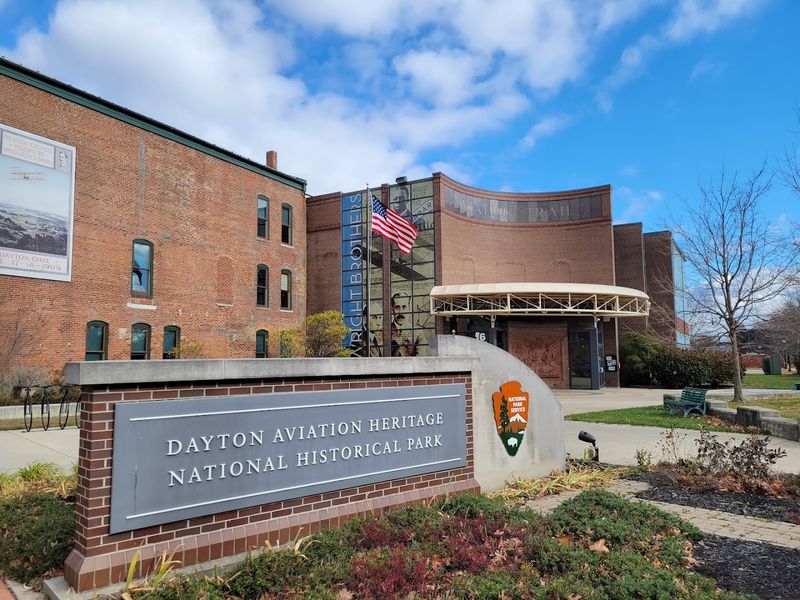
History feels especially alive when it is anchored to real places, and that is exactly what this park does so well. Instead of presenting aviation as a single dramatic moment, it shows you the neighborhoods, workspaces, and relationships that helped make breakthrough ideas possible.
In Dayton, the Dayton Aviation Heritage National Historical Park turns the city itself into part of the story.
One of the most rewarding things here is the broader context. You begin to understand that flight history in Ohio was shaped not only by famous inventors, but also by communities, collaborators, and the everyday settings where observation and experimentation took root.
That makes the experience richer than a standard museum visit because the landscape becomes part of the interpretation.
As you move through the park’s sites, there is a strong sense of connection between local history and world changing achievement. The preserved spaces encourage you to slow down and imagine ideas being tested long before they became headlines.
I appreciate how the park invites reflection without losing momentum, balancing inspiration with accessible storytelling.
This is a smart stop for anyone who wants more than aircraft displays alone. It gives Ohio’s aviation legacy texture, showing how innovation grows out of place, people, and persistence over time.
By the end, Dayton feels less like a backdrop and more like an active partner in the birth of modern flight, which is exactly why this historical park deserves a place on your itinerary.
4. Huffman Prairie Flying Field Interpretive Center, Wright-Patterson AFB

Standing near an open field may not sound thrilling at first, but this site proves how powerful landscape can be when you know what happened there. The quiet setting invites you to imagine repeated tests, rough landings, adjustments, and determination, all unfolding on ground that helped shape practical aviation.
At Huffman Prairie Flying Field Interpretive Center, Ohio’s flight history feels stripped down to its most essential ingredients.
What stays with you here is the simplicity. There is no need for overwhelming spectacle when the significance of the field speaks so clearly through interpretation and setting.
This is where the Wright brothers refined ideas, improved control, and moved closer to reliable flight, making the prairie a crucial chapter in the state’s aviation story.
I find that this stop works best when you let yourself slow down. Looking across the field, you can almost sense how much patience and repetition early aviation required, and that perspective makes later triumphs seem even more impressive.
The interpretive center helps connect those experiments to the bigger narrative without overcomplicating the visit.
If you want to understand Ohio’s role in flight at ground level, this is one of the most meaningful places to go. It trades grandeur for authenticity and gives you a chance to experience the setting where progress was earned one trial at a time.
That quiet honesty is exactly what makes Huffman Prairie so memorable and so important within the state’s remarkable aviation landscape.
5. National Aviation Hall of Fame, Dayton
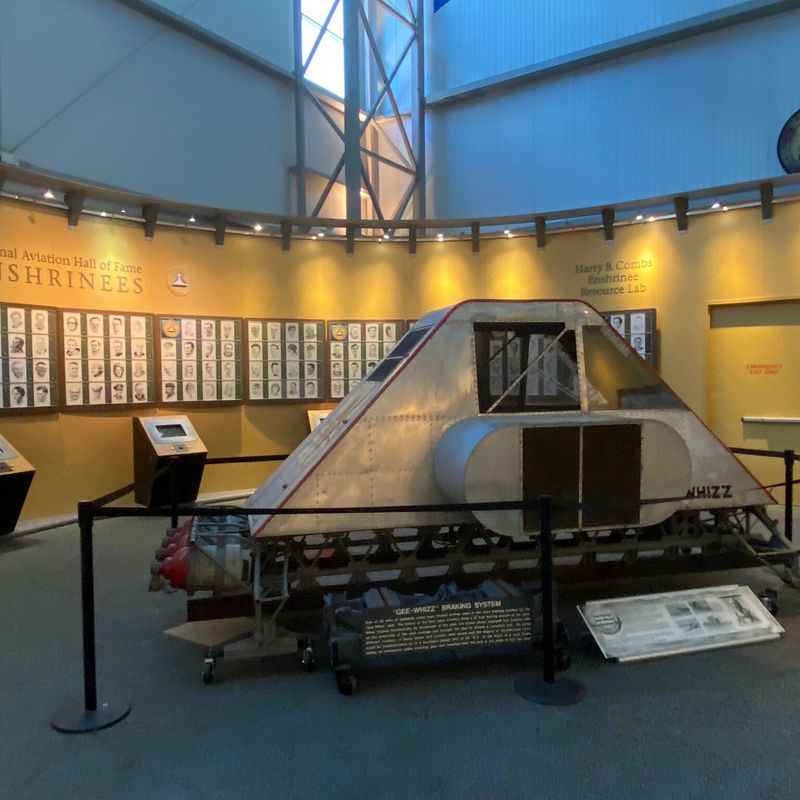
Recognition means more when it tells a bigger story, and this hall of fame does exactly that. Instead of simply celebrating famous names, it helps you see aviation as a chain of visionaries, engineers, pilots, and explorers whose achievements built on one another across time.
In Dayton, the National Aviation Hall of Fame adds a strong human dimension to Ohio’s already remarkable flight heritage.
As you explore, the experience becomes less about isolated hero worship and more about legacy. The exhibits connect individual accomplishments to broader advances in technology, safety, exploration, and military service, reminding you that progress in the air has always depended on many kinds of talent.
That perspective makes the visit feel inspiring rather than static.
I especially like how the hall encourages you to think about influence. Some inductees are instantly familiar, while others may send you looking up stories later because their contributions were so important yet less widely known.
That sense of discovery is part of the fun, and it broadens your understanding of how deeply aviation history reaches beyond a few iconic moments.
For anyone touring Ohio’s major aviation attractions, this stop works beautifully as a place to pause and connect the names to the machines and milestones you have already seen. It honors achievement without losing the emotional spark behind it.
You leave reminded that flight history is not just about invention – it is also about courage, discipline, imagination, and the people who pushed possibility higher.
6. Wright “B” Flyer Hangar/Museum, Miamisburg
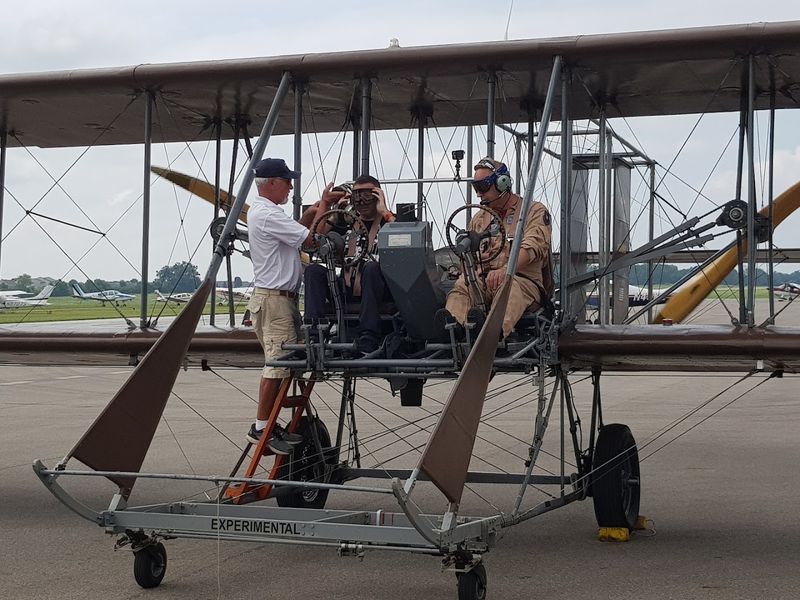
Some aviation attractions impress you with size, but this one wins you over with personality and purpose. The atmosphere feels hands on and heartfelt, giving you a closer connection to the spirit of early flight than many larger institutions can manage.
In Miamisburg, the Wright “B” Flyer Hangar/Museum offers a wonderfully grounded way to experience Ohio’s pioneering aviation story.
The focus here naturally returns to the era when flying was still experimental, fragile, and thrillingly uncertain. Seeing a Wright inspired aircraft in this setting helps bridge the gap between textbook history and lived reality, especially when you picture the courage it took to climb into one of those early machines.
That immediacy makes the story feel much more tangible.
I think this stop is especially rewarding because it carries a strong sense of community stewardship. You can feel the dedication behind preserving and interpreting this chapter of Ohio history, and that care creates an experience that feels sincere rather than overly polished.
It is the kind of place where enthusiasm becomes contagious, even if you arrived with only casual interest.
When you add it to a broader Dayton area aviation trip, this museum provides a welcome change of pace. It narrows the lens, inviting you to focus on one formative period and the technology that helped move flight forward.
By the time you leave, you have a sharper appreciation for how early aviation looked, sounded, and felt – and why Ohio remains so proud of its place at the beginning.
7. WACO Air Museum, Troy

Not every great aviation story begins with the most famous name, and that is part of what makes this museum so enjoyable. It opens a window into the golden age of flight through the history of WACO aircraft, showing how Ohio contributed to aviation culture beyond the Wright brothers alone.
In Troy, the WACO Air Museum offers a refreshing, focused experience with real character.
The museum’s strength lies in its ability to capture an era when aviation blended utility, adventure, and style. Vintage aircraft and historical interpretation help you imagine a time when biplanes represented both technical achievement and public fascination, giving the visit a nostalgic energy that feels distinct from military focused collections.
That difference broadens your understanding of the state’s aviation identity.
I enjoy how approachable this stop feels. You do not need to be an expert to appreciate the craftsmanship, design, and local pride on display, and the smaller scale can make it easier to absorb details that might get lost in a giant museum.
The result is an experience that feels personal, engaging, and pleasantly unhurried.
If your Ohio itinerary includes room for a lesser known gem, this museum deserves serious consideration. It highlights a chapter of aviation history that is charming, significant, and rooted in the state’s manufacturing and flying traditions.
You leave Troy with a fuller picture of Ohio’s place in the air age, plus the satisfying feeling of having discovered a site that many travelers still overlook.
8. Armstrong Air & Space Museum, Wapakoneta

Ohio’s aviation story naturally stretches into space, and this museum makes that transition feel exciting and completely earned. Instead of ending with airplanes, it follows the state’s spirit of exploration into the wider universe through the life and legacy of Neil Armstrong.
In Wapakoneta, the Armstrong Air & Space Museum proves that Ohio’s reach extends far beyond the runway.
The exhibits connect personal biography with the larger sweep of aerospace history, which keeps the museum emotionally engaging as well as informative. You get a sense of Armstrong not only as a national icon, but also as an Ohioan whose achievements grew from discipline, skill, and quiet determination.
That balance helps the museum avoid feeling distant or overly ceremonial.
I find this stop especially compelling because it expands what an aviation road trip can be. The progression from early flight to lunar exploration feels surprisingly natural when you see how problem solving, courage, and engineering connect both worlds.
It is also a great reminder that Ohio has influenced multiple eras of transportation and discovery, not just the opening chapter.
For visitors looking to add variety to a lineup of aircraft museums and historic flying sites, this destination delivers something distinctive. It offers inspiration, national significance, and a strong sense of local pride without losing focus on the bigger story of exploration.
By the end, Wapakoneta feels like an essential part of understanding how Ohio helped humans go higher, farther, and beyond the atmosphere itself.
9. Champaign Aviation Museum, Urbana
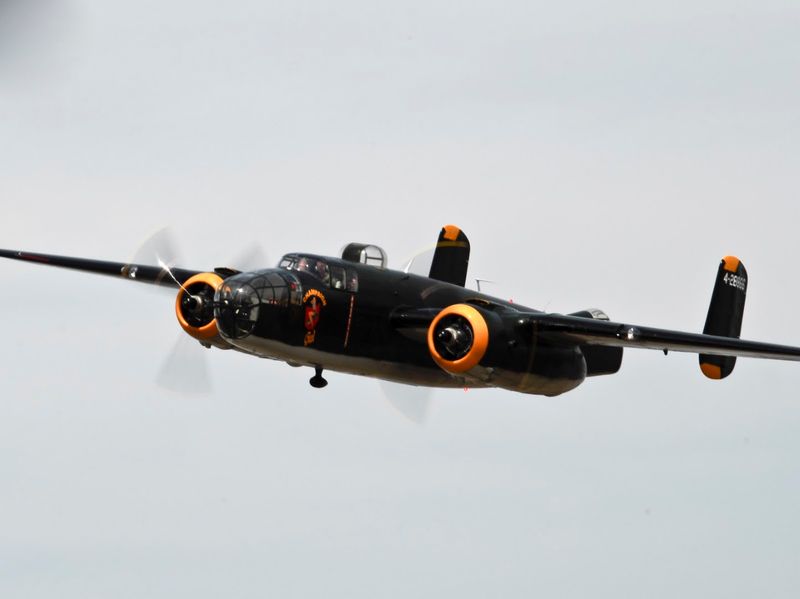
There is something especially powerful about a museum where history is not only displayed but actively rebuilt. The energy here comes from restoration work, craftsmanship, and the sense that preserving aviation heritage is a living process rather than a finished product.
In Urbana, the Champaign Aviation Museum gives you a close look at Ohio’s flight legacy through dedication, tools, and hands on effort.
That working spirit sets this attraction apart. Instead of focusing only on polished exhibits, it invites you to appreciate the labor, patience, and technical knowledge required to return historic aircraft to meaningful condition.
For visitors, that creates a richer understanding of aviation preservation and a stronger connection to the machines themselves.
I love how this kind of museum makes the past feel active. Seeing projects in progress changes your perspective because you start noticing every rivet, panel, and structural decision as part of a larger story about engineering and memory.
It also highlights how communities in Ohio continue investing time and passion into keeping aviation history visible for future generations.
If you are the kind of traveler who enjoys authenticity and process, this is a rewarding stop. It may not rely on spectacle, but it offers something arguably better: a genuine sense of stewardship and purpose.
By the time you leave Urbana, you are likely to feel that preserving aircraft is not just about nostalgia – it is about honoring skill, sacrifice, and the ongoing Ohio commitment to protecting its remarkable place in aviation history.
10. MAPS Air Museum, North Canton
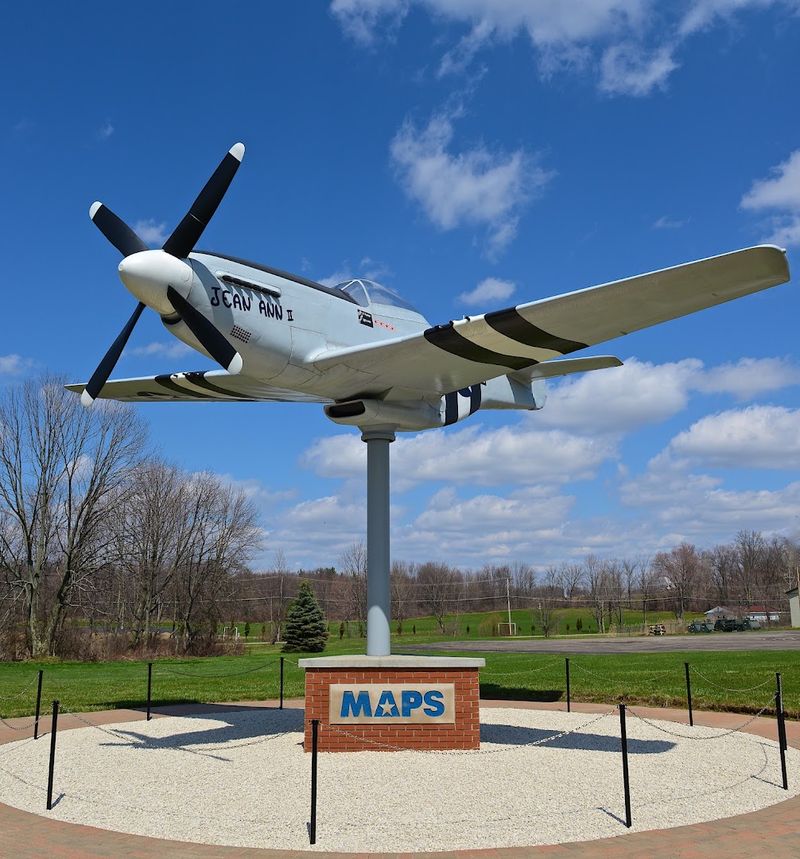
Aviation history becomes even more affecting when it is tied closely to the people who served, flew, and maintained the aircraft. This museum blends machines with military memory in a way that feels respectful, accessible, and deeply rooted in Ohio’s broader connection to service.
In North Canton, the MAPS Air Museum delivers a visit that is both educational and emotionally resonant.
The collection offers variety, but what stands out most is the sense of context. Aircraft, artifacts, and supporting exhibits work together to show how aviation shaped wartime experiences and technological progress, while also honoring the individuals behind those stories.
That human element keeps the museum from feeling like a simple equipment display.
I appreciate attractions that help you move between big history and personal reflection, and this one does that very well. You can admire design and engineering, then suddenly find yourself focused on sacrifice, training, or daily life in uniform.
Those shifts make the experience memorable because they remind you that every aircraft carried real people, real missions, and real consequences.
For travelers exploring Ohio beyond Dayton, this is an excellent addition to an aviation themed route. It broadens the geographic map of the state’s flying heritage while delivering strong exhibits and a meaningful atmosphere.
You leave North Canton with a better understanding of how aviation, military service, and remembrance intersect – and why Ohio continues to preserve those connections with such care.
11. Tri-State Warbird Museum, Batavia
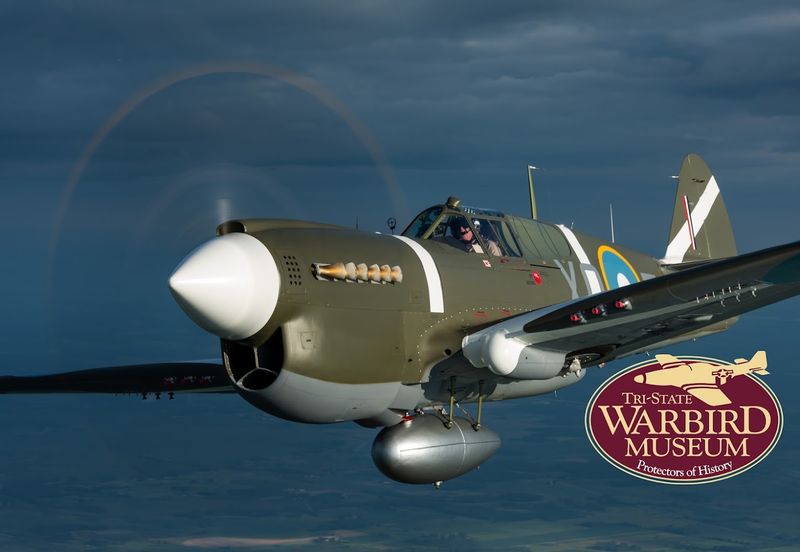
Some museums grab your attention instantly because the aircraft seem ready to roar back into the sky. That feeling is part of the appeal here, where beautifully restored warbirds create an experience that is visually striking and historically rich at the same time.
In Batavia, the Tri-State Warbird Museum gives Ohio visitors a vivid encounter with military aviation heritage.
The restoration quality is a major draw, but the museum offers more than polished metal and strong silhouettes. It helps you appreciate the engineering, urgency, and bravery associated with wartime flight, placing these aircraft within the larger story of conflict and innovation.
That balance keeps the visit exciting without reducing it to spectacle alone.
I think this museum works especially well for travelers who want to feel close to the machines themselves. The aircraft have a presence that is hard to ignore, and seeing them preserved so carefully creates a real sense of gratitude for the people who keep this history alive.
Even if you arrive knowing only a little about warbirds, the presentation makes curiosity come naturally.
As part of a statewide aviation tour, this stop adds intensity and visual drama to the journey. It shows another side of Ohio’s relationship to flight, one connected to preservation, military history, and the enduring fascination of iconic aircraft.
By the time you leave Batavia, you are likely to understand why warbird museums inspire such loyalty – and why this one stands out as a serious destination in Ohio.
12. Liberty Aviation Museum, Port Clinton
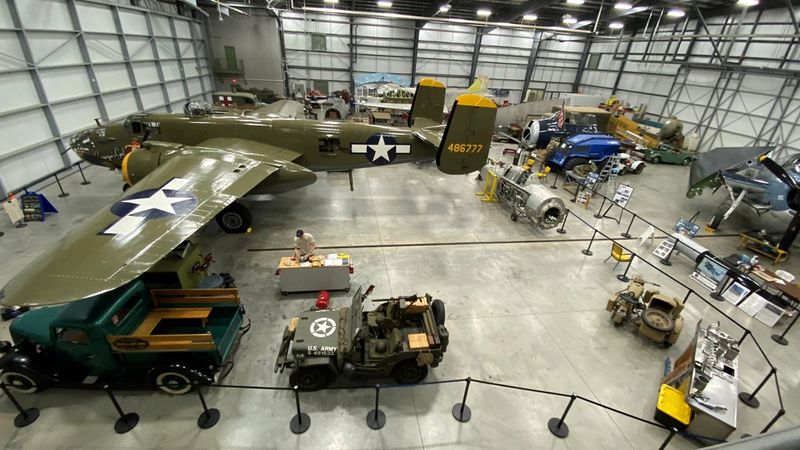
Near the Lake Erie shoreline, aviation history takes on a slightly different mood that feels both nostalgic and expansive. The setting alone gives this museum a memorable sense of place, while the collection adds layers of military, cultural, and transportation history that make the visit more varied than you might expect.
In Port Clinton, the Liberty Aviation Museum rounds out Ohio’s flying story with style.
What makes this attraction rewarding is its blend of subjects and atmosphere. Historic aircraft remain the heart of the experience, but the broader presentation often helps you connect aviation to everyday life, wartime memory, and classic American mobility.
That wider lens creates a visit that feels lively rather than narrowly technical.
I like museums that welcome different kinds of curiosity, and this one does exactly that. Whether you are drawn to restored planes, period artifacts, or the romance of midcentury travel, there is enough range to keep the experience engaging without losing its focus on Ohio’s aviation appeal.
The lakeside region also makes it easy to pair this stop with a fuller day of exploration.
If you are building an aviation itinerary across Ohio, this museum is a fitting finale or a strong standalone destination in the northern part of the state. It offers history, character, and a setting that keeps the visit feeling fresh.
You leave Port Clinton with one more reminder that Ohio’s flight heritage is not confined to one city – it stretches across the state in ways that still invite discovery.
Share this story