Deep in the piney woods of East Texas, three grass-covered mounds rise from the earth like whispers from a civilization that thrived here over a thousand years ago. Caddo Mounds State Historic Site near Alto isn’t your typical tourist trap with flashy signs and gift shop gimmicks. Instead, this sacred ground offers something far more powerful: a genuine connection to the Caddo people who built a complex society here between 800 and 1300 AD, complete with ceremonial centers, burial traditions, and trade networks that stretched across the continent.
1. Walking Among Giants: The Three Ceremonial Mounds
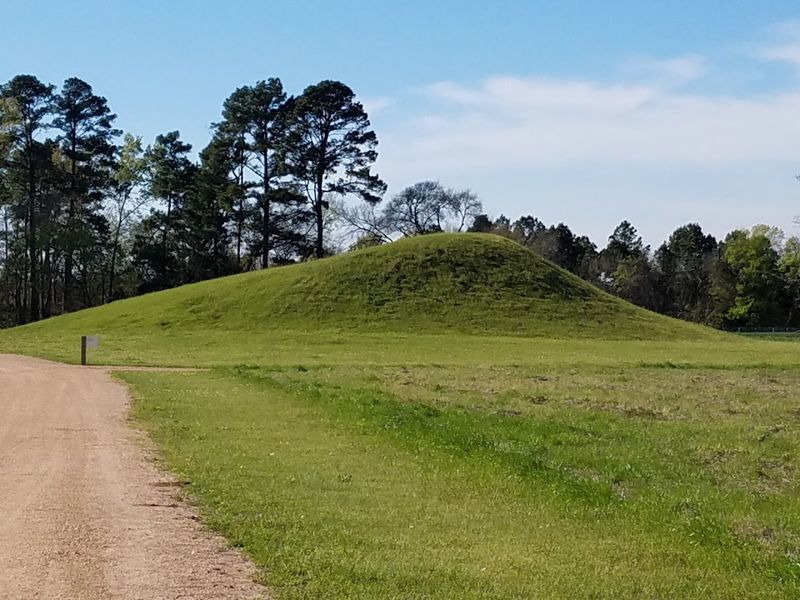
Standing before these earthen structures, you realize pretty quickly that ancient Texans didn’t need steel and concrete to make a lasting impression. The Caddo people moved basket after basket of soil to create these massive platforms, and they did it without modern machinery or even wheelbarrows. The largest mound served as a foundation for the home of their spiritual leader, elevating him both literally and symbolically above the community.
Walking the level trail that circles these monuments feels oddly meditative. Each mound served a distinct purpose in Caddo society. One was a burial mound where important community members were laid to rest with pottery and tools for their journey beyond.
Another supported a temple where ceremonies connected the living with their ancestors and the spirits they believed inhabited the natural world around them.
The third mound remains somewhat mysterious, though archaeologists believe it also had ceremonial significance. What strikes most visitors is how well-preserved these structures are after centuries of weather, farming, and even a devastating tornado in 2019. The grass covering them now isn’t what the Caddo would have seen, but the shapes and heights remain remarkably intact, offering an authentic glimpse into sophisticated engineering that predates European contact by hundreds of years.
2. The Grass House That Tells a Thousand Stories
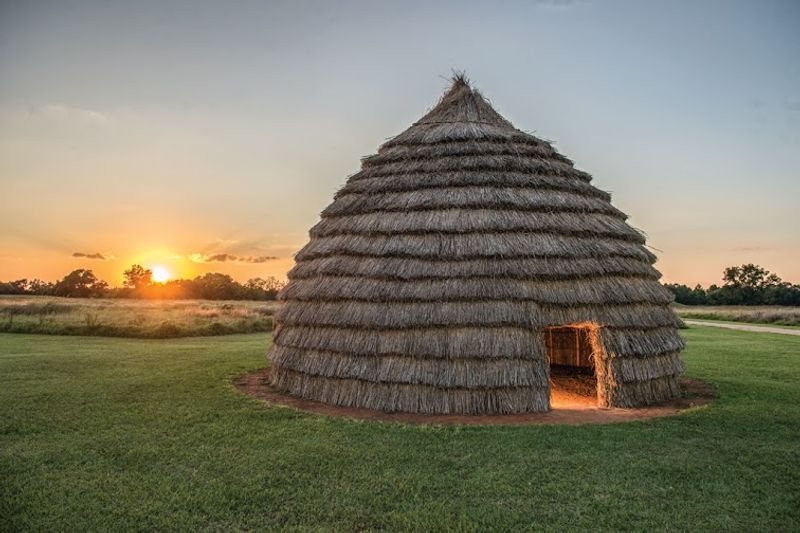
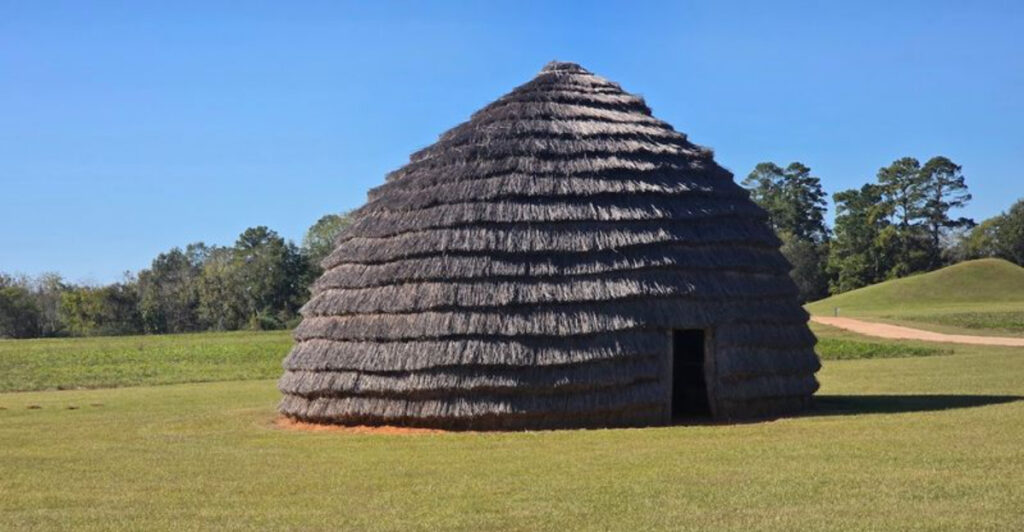
Forget everything you think you know about primitive housing. The replica Caddo grass house standing near the visitor center showcases engineering brilliance that kept families comfortable through sweltering Texas summers and surprisingly cold winters. Built using traditional methods documented by Caddo descendants, this beehive-shaped structure uses thousands of bundled grass stems woven around a wooden frame.
The thick walls provide natural insulation that would make modern builders jealous.
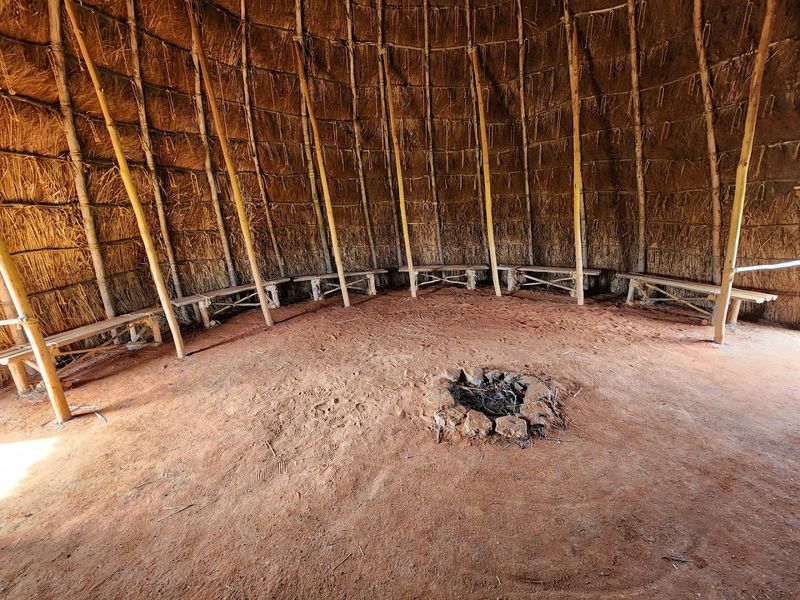
You can actually walk inside, which changes everything. The interior stays noticeably cooler than the outside air on hot days, and the design allows smoke from cooking fires to escape through the top while keeping rain out. Families would have gathered here for meals, storytelling, and daily life, with sleeping platforms arranged around the central fire pit.
What really gets people is the craftsmanship involved. Every grass bundle is carefully tied and layered to shed water like shingles on a roof. The structure can last for years with proper maintenance, and the Caddo would have refreshed the grass covering periodically.
It’s a far cry from the teepees most people associate with Native Americans, reflecting the settled agricultural lifestyle the Caddo maintained in this region for generations before European diseases and displacement devastated their population.
3. Museum Exhibits That Bring Ancient Voices Forward
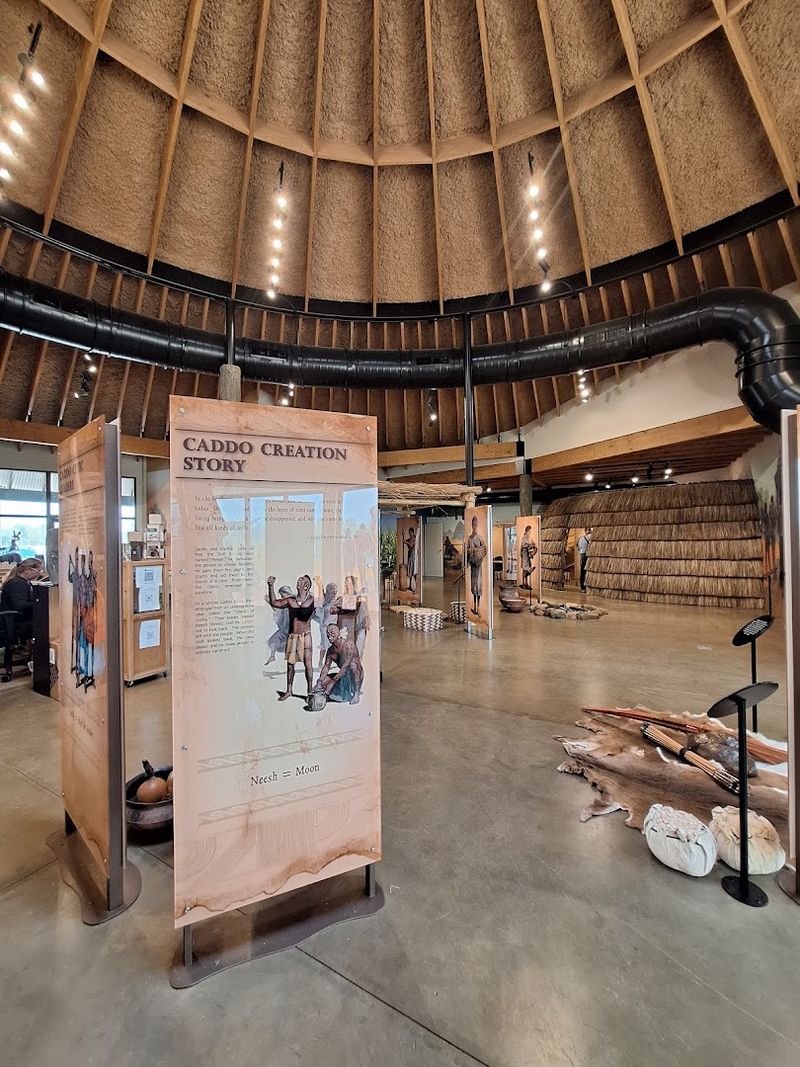
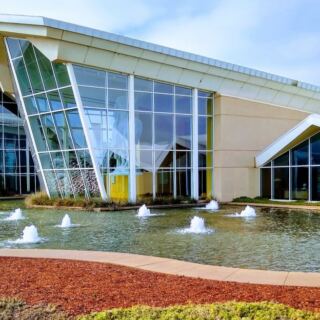
The rebuilt visitor center proves that you don’t need a massive budget to create something meaningful. After that 2019 tornado obliterated the original building, the new facility rose from the rubble with exhibits that honor Caddo culture without treating it like a dusty footnote in Texas history. The pottery alone could keep you mesmerized for an hour, with intricate designs that served both practical and spiritual purposes.
Each display case tells part of a bigger story about daily life, trade, and belief systems. You’ll see arrowheads crafted with remarkable precision, bone tools that served specific purposes in food preparation and hide working, and shell ornaments that traveled hundreds of miles from the Gulf Coast through extensive trade networks. The Caddo weren’t isolated; they were connected to communities across the Southeast and beyond.
The staff working here genuinely care about accuracy and respect. Many visitors mention John, a guide whose enthusiasm for Caddo history is downright infectious, though staffing varies. What sets this museum apart is the inclusion of Caddo pronunciation guides for their words, acknowledging that this culture didn’t disappear but continues through the modern Caddo Nation.
The exhibits avoid romanticizing or oversimplifying, instead presenting the Caddo as the sophisticated society they were, complete with social hierarchies, specialized craftspeople, and spiritual practices that shaped their world.
4. The Eight-Minute Video That Changes Everything
Don’t skip the video. Seriously, don’t do it. This eight-minute film might be the most important part of your visit because it provides context that transforms those grass-covered bumps outside into a vibrant civilization.
The production quality is surprisingly good, with narration that respects both the complexity of Caddo culture and the intelligence of the audience.
The film explains how this site functioned as a ceremonial center rather than a residential village. People traveled here from surrounding communities for important rituals, burials, and gatherings that reinforced social bonds and spiritual beliefs. You learn about the Caddo Confederacy, a network of related groups who shared language and culture across what’s now East Texas, Louisiana, Arkansas, and Oklahoma.
What makes this video special is how it connects past to present. The Caddo Nation still exists, with headquarters in Oklahoma, and their descendants maintain cultural traditions that stretch back to the mound builders. The film doesn’t present Caddo history as something that ended when Europeans arrived, but as an ongoing story of resilience and cultural preservation.
By the time those eight minutes are up, you’re not just looking at archaeological features anymore. You’re seeing a sacred landscape that meant something profound to real people, and that shift in perspective makes the entire site come alive in ways that plaques and exhibits alone never could.
5. Snake Woman’s Garden: Where Food Becomes Culture
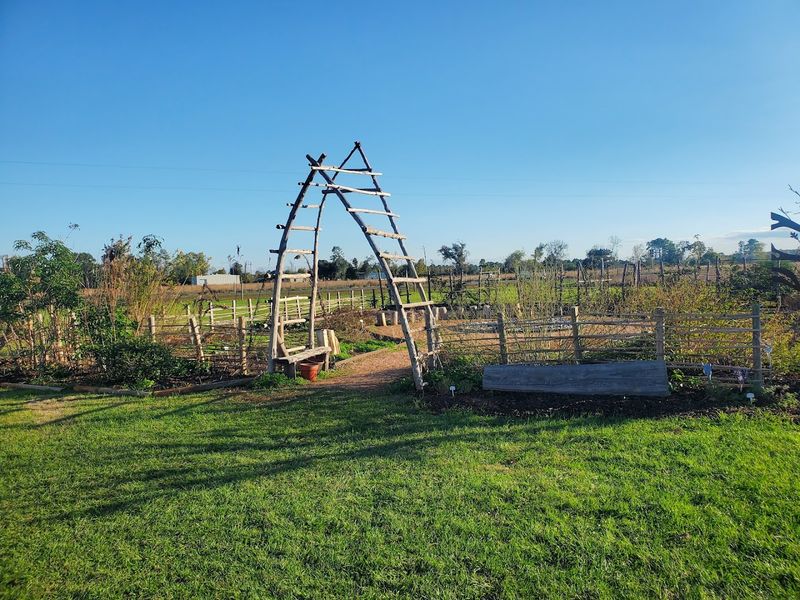
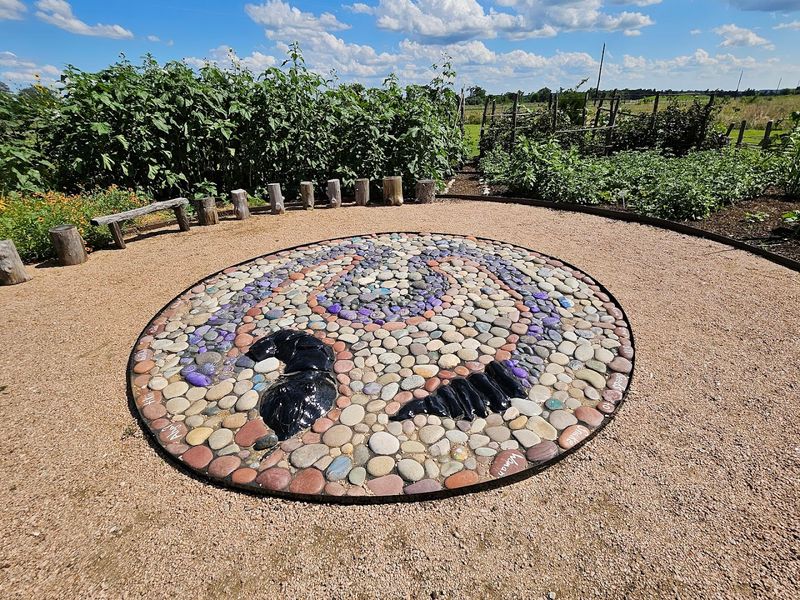
Agriculture wasn’t just about calories for the Caddo; it was woven into their identity and spiritual worldview. Snake Woman’s Garden demonstrates the three sisters planting method that sustained communities across Native America: corn, beans, and squash grown together in a symbiotic relationship that benefits all three crops. The corn stalks provide support for climbing bean vines, while squash leaves shade the ground to retain moisture and discourage weeds.
Walking through this garden during growing season reveals the genius of this system. The beans fix nitrogen in the soil, essentially fertilizing the corn. The large squash leaves create a living mulch that keeps the soil cooler and moister during brutal Texas summers.
Together, these three crops provide complete nutrition with proteins, carbohydrates, and vitamins that kept the Caddo healthy and strong.
The garden’s name honors the important role women played in Caddo agriculture and society. While European societies of the same era often treated women as property, Caddo women held significant power and respect, controlling agricultural production and playing key roles in decision-making. Some visitors get the chance to volunteer here, learning traditional planting and cultivation methods that have been passed down through generations.
It’s a hands-on connection to the past that reminds us how much knowledge and sophistication went into feeding a thriving community without any modern technology whatsoever.
6. The Interpretive Trail Where History Meets Your Feet
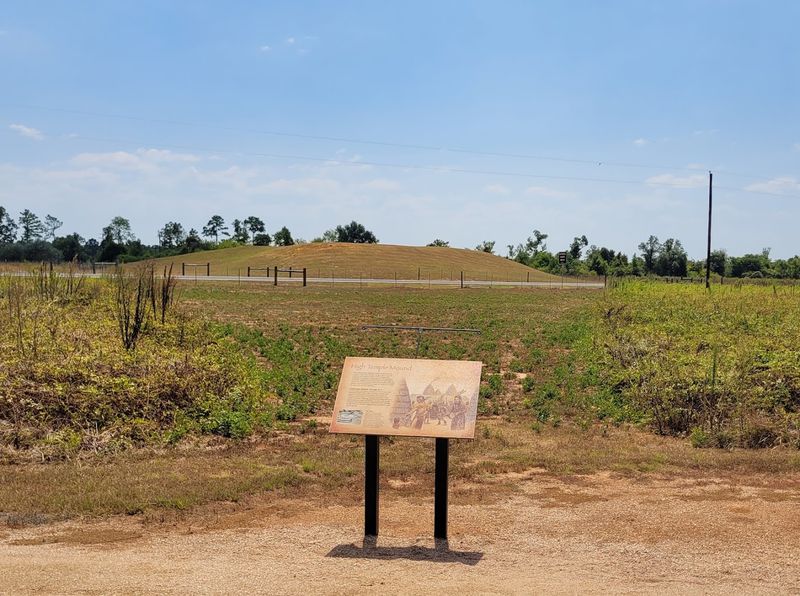
Some trails make you work for the views, but this circular path welcomes everyone. The level, well-maintained route loops around the mounds with interpretive signs that explain what you’re seeing without overwhelming you with academic jargon. Accessibility was clearly a priority here, with smooth surfaces that accommodate wheelchairs, strollers, and anyone who struggles with uneven terrain.
The walk takes maybe thirty minutes if you’re moving at a decent pace, but most people linger longer, reading signs and just absorbing the atmosphere. During spring, wildflowers transform the prairie into a riot of color that the Caddo would have recognized and used for food, medicine, and dyes. You’re literally walking the same ground where ceremonies took place a millennium ago, where processions carried the dead to burial, where spiritual leaders communed with forces beyond the visible world.
Behind the main mounds, additional trails wind through wooded areas for visitors wanting a longer hike. These paths follow portions of El Camino Real, the old Spanish road that connected missions across Texas and became an important historical route in its own right. Golf carts are available for those who need them, ensuring that mobility limitations don’t prevent anyone from experiencing these sacred grounds.
The whole setup reflects a commitment to sharing this history with as many people as possible, rather than making it an exclusive club for the physically fit.
7. Artifacts That Traveled Across a Continent
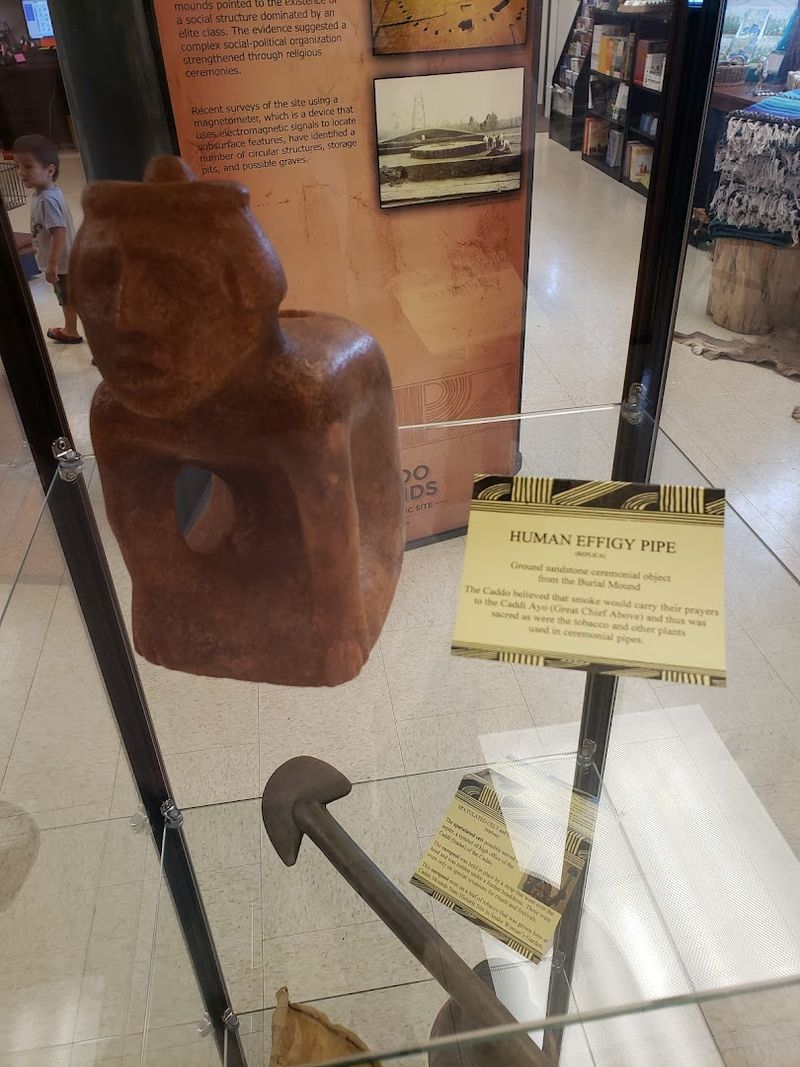
Long before Amazon Prime, the Caddo had their own extensive trade network that would impress any logistics manager. Archaeological evidence at this site reveals connections stretching to the Great Lakes for copper, to the Gulf Coast for shells, and to the Rocky Mountains for obsidian. These weren’t random objects that somehow wandered to East Texas; they were deliberately traded goods that moved along established routes connecting communities across thousands of miles.
The shell ornaments are particularly fascinating because they required significant effort to acquire and craft. Someone had to travel to the coast or trade with coastal peoples, then shape these shells into beads, pendants, and decorative items using stone tools and endless patience. Wearing these ornaments signaled status and connections, showing that you or your family had access to exotic materials and the wealth to trade for them.
Copper items tell a similar story of far-reaching relationships and specialized knowledge. Working copper requires understanding of heating, hammering, and shaping techniques that not everyone possessed. The presence of these materials at Caddo Mounds demonstrates that this wasn’t some isolated backwater but a significant node in a vast economic and cultural network.
The Caddo exported their own goods too, including the famous Caddo pottery that’s been found at sites hundreds of miles away, proving that trade flowed in multiple directions across this ancient American economy.
8. The Burial Mound That Guards Ancient Secrets
Death wasn’t an ending for the Caddo but a transformation, and the burial mound reflects beliefs about the afterlife that shaped their entire worldview. Important community members were interred here with grave goods that included pottery vessels filled with food, tools they might need, and ornaments that reflected their status in life. The mound itself elevated these individuals both physically and spiritually, closer to the sky and the realm of ancestors.
Archaeologists have studied this mound respectfully, working with Caddo Nation representatives to ensure that research serves education rather than exploitation. What they’ve discovered reveals a society with clear social stratification, where leaders, spiritual figures, and accomplished craftspeople received more elaborate burials than common people. This wasn’t unusual for agricultural societies, which typically develop hierarchies as populations grow and roles specialize.
The mound also tells stories about Caddo beliefs regarding the soul’s journey. Objects placed with the dead suggest they expected their loved ones to need sustenance and tools in the next world, implying a continuation of existence rather than simple oblivion. Today, the site treats this mound with the reverence it deserves, acknowledging that it’s not just an archaeological feature but a cemetery where real people who loved and were loved now rest.
That perspective shift matters, transforming tourism into something more like pilgrimage, where respect and contemplation replace casual consumption of exotic experiences.
9. Rising from the Tornado: A Story of Resilience
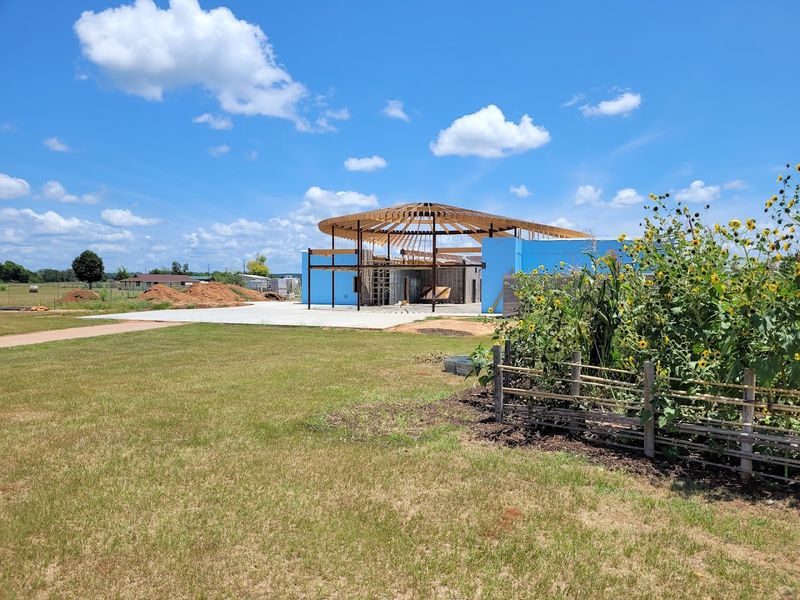
April 13, 2019, could have been the end of Caddo Mounds State Historic Site. An EF-3 tornado ripped through Alto, demolishing the visitor center, destroying artifacts, and devastating the landscape that had been carefully maintained for decades. The storm seemed almost cruelly symbolic, as if nature itself was erasing this connection to the past.
But Texas doesn’t quit that easily, and neither do the people who care about preserving Caddo heritage.
The recovery effort became its own powerful story. Staff, volunteers, and Caddo Nation members worked together to salvage what could be saved and rebuild what was lost. Some artifacts were recovered from the rubble, while others were gone forever.
The new visitor center that rose from this destruction is arguably better than what came before, with improved exhibits and a design that honors both modern accessibility standards and the cultural significance of the site.
Visitors today often don’t realize they’re seeing a phoenix that rose from literal rubble. The grass on the mounds grew back, the trails were cleared and improved, and the interpretive materials were redesigned with input from multiple stakeholders. This resilience mirrors the Caddo people’s own story of survival through disease, displacement, and cultural suppression.
The site’s recovery reminds us that history isn’t fragile when people commit to protecting it, and that destruction doesn’t have to mean defeat when communities choose rebuilding over surrender.
Share this story