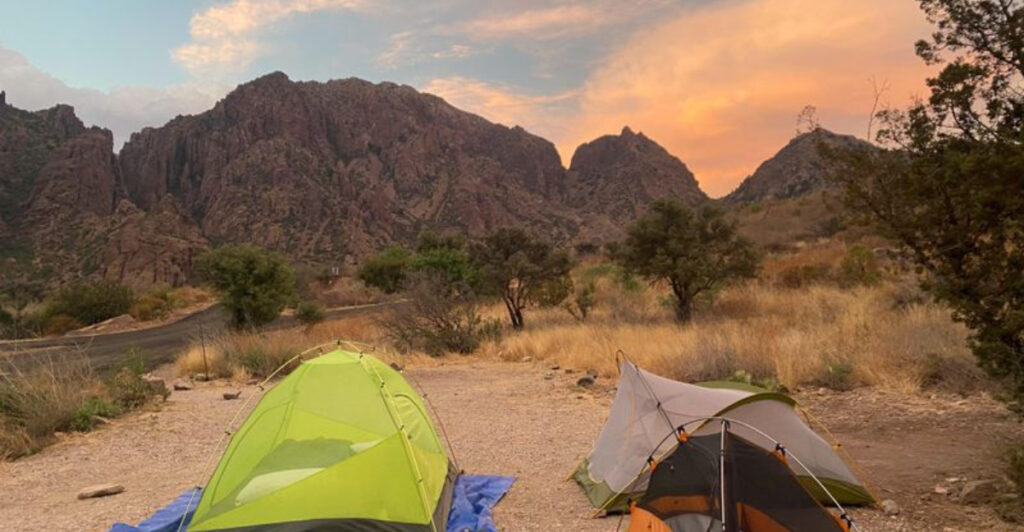
Texas covers more ground than most people realize, and exploring it by RV gives you freedom that hotels and tight schedules just can’t match. You can wake up beside a mountain range one morning and park near the Gulf Coast the next, all without rushing through airport lines or worrying about checkout times. RV travel lets you set your own pace, linger where you want, and discover hidden gems that most visitors speed right past.
Whether you crave desert sunsets, coastal breezes, or rolling wildflower fields, Texas has a route that’ll make you glad you brought your home on wheels.
1. The Texas Coast (Galveston to South Padre Island)
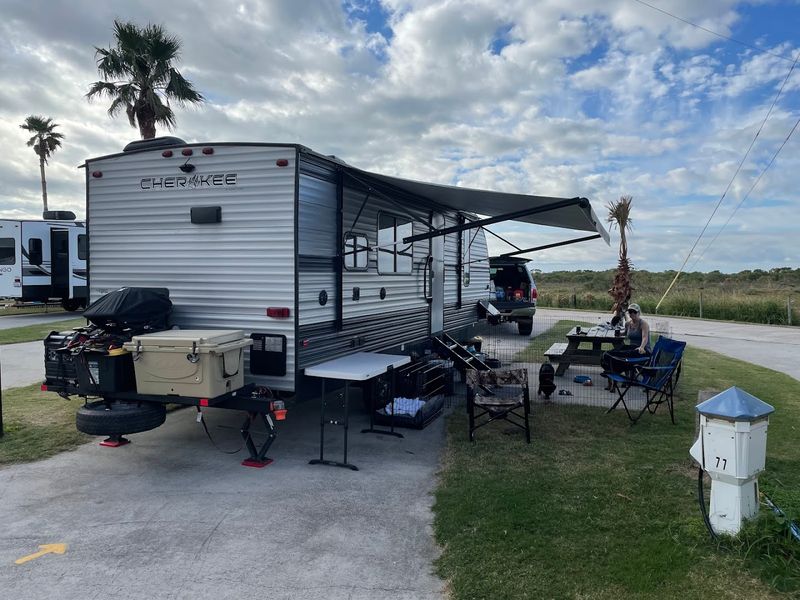
Cruising down Highway 87 and the coastal routes connecting Galveston to South Padre Island puts you right alongside the Gulf of Mexico for miles. The salty breeze follows you the whole way, and you can pull over whenever a beach looks inviting or a seafood shack catches your eye. RV parks dot the coastline, many offering hookups just steps from the sand.
Galveston kicks things off with historic architecture, beachfront entertainment, and plenty of spots to grab fresh shrimp. The Strand District gives you a taste of old Texas charm, while the seawall stretches for miles if you want to walk off a big meal. From there, you can head south through smaller beach towns that feel quieter and less crowded.
Corpus Christi sits roughly halfway down and makes a great place to pause for a day or two. The Texas State Aquarium and USS Lexington Museum offer indoor breaks from the sun, and Padre Island National Seashore gives you untouched stretches of beach where you might spot sea turtles nesting in season. RV campgrounds here often fill up during spring break, so booking ahead helps.
Continuing south, Port Aransas and Mustang Island deliver laid-back vibes and excellent fishing opportunities. You can cast a line from a pier, rent a kayak, or just relax under a beach umbrella. The drive stays scenic the entire way, with water views that remind you why coastal Texas deserves more attention.
South Padre Island wraps up the journey with a resort-town feel that still welcomes RVers. You’ll find full-service parks with pools and activities, plus easy beach access for sunrise walks. Dolphin-watching tours and kiteboarding lessons add adventure if you want it.
The whole route covers around 350 miles, but you could easily spend a week or more hopping between beaches and soaking up the Gulf Coast atmosphere without ever feeling rushed.
2. The Davis Mountains Loop (Fort Stockton to Fort Davis to Marfa)
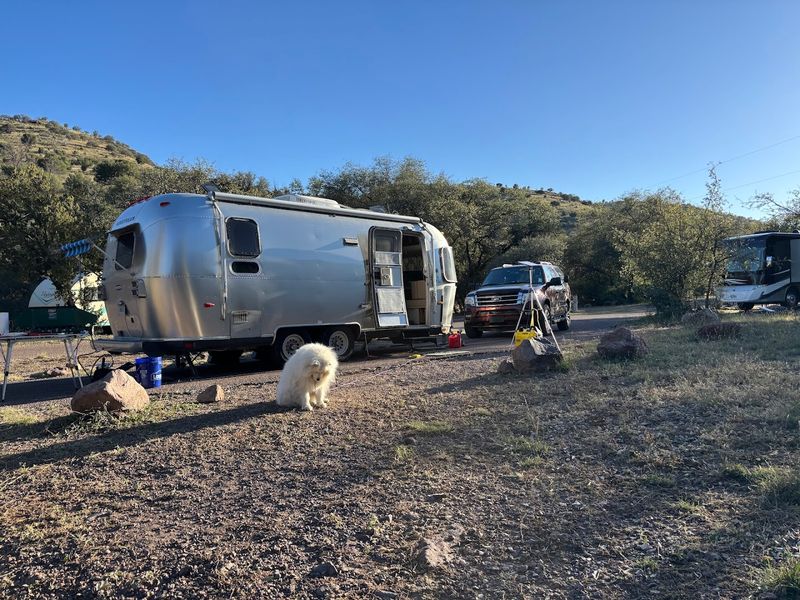
West Texas doesn’t look like the rest of the state, and the Davis Mountains Loop proves it. You’ll trade humidity and greenery for wide-open skies, rugged peaks, and sunsets that paint the desert in shades of orange and purple. This route takes you through some of the highest elevations in Texas, where the air feels cooler and the landscape stretches endlessly.
Fort Stockton serves as a convenient starting point with RV-friendly amenities and fuel stops. It’s a small town with a quirky roadside attraction or two, including a giant roadrunner statue that makes for a fun photo. From there, you head southwest toward Fort Davis, climbing into the mountains as you go.
Fort Davis sits at over 5,000 feet and offers a completely different vibe from the flatlands. McDonald Observatory perches nearby, and stargazing programs here rank among the best in the country thanks to minimal light pollution. Davis Mountains State Park provides RV campsites with electric hookups, hiking trails, and scenery that feels almost otherworldly.
The historic fort itself tells stories of frontier military life and makes for an interesting afternoon visit.
Marfa lies about 20 miles west and has become famous for its art scene and mysterious lights that appear on the horizon at night. Galleries, quirky shops, and upscale dining spots fill this tiny town, creating an unexpected cultural hub in the middle of nowhere. RV parking can be tighter here, but nearby campgrounds offer spaces with stunning mountain backdrops.
The entire loop covers roughly 150 miles, making it manageable in a day if you’re in a hurry, but stretching it over three or four days lets you truly appreciate the high desert environment. You’ll encounter very little traffic, which means you can drive at your own pace and stop whenever a viewpoint catches your attention. This route feels remote and peaceful, perfect for RVers who want solitude and natural beauty without the crowds.
3. The Hill Country Loop (Austin to Fredericksburg to Bandera)
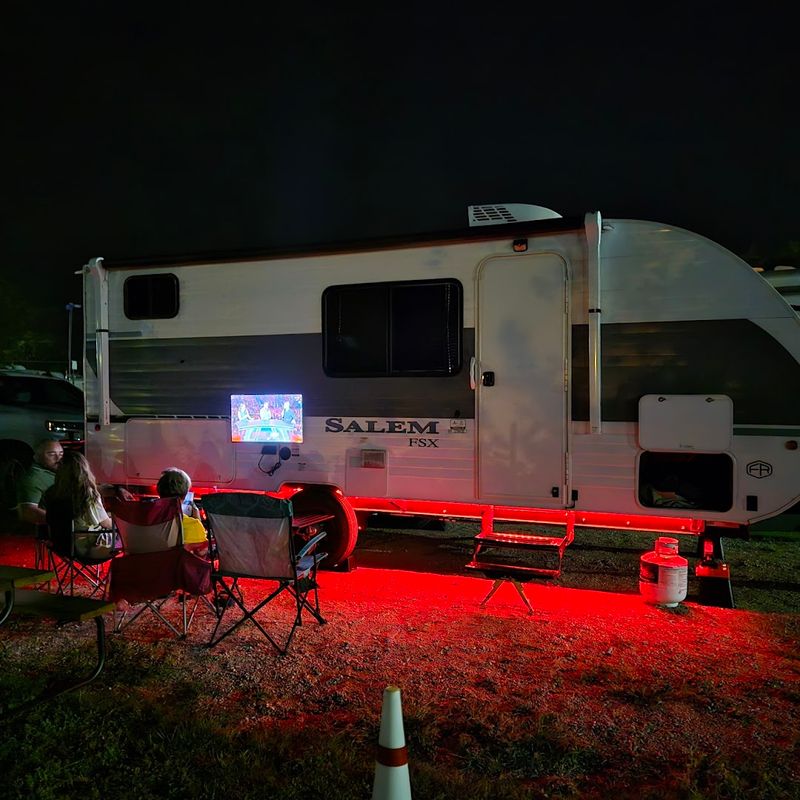
Rolling hills, spring-fed rivers, and small towns packed with personality define the Hill Country Loop. Starting in Austin gives you access to live music, food trucks, and city energy before you head west into quieter countryside. The landscape shifts quickly once you leave the capital, trading skyscrapers for oak-covered hills and vineyards.
Fredericksburg sits about 80 miles west and draws visitors year-round with its German heritage, wine-tasting rooms, and charming Main Street. RV parks here fill up fast during peak seasons, especially in spring when wildflowers bloom. You can spend a day browsing boutiques, sampling local wines, and visiting the National Museum of the Pacific War.
The town also serves as a gateway to Enchanted Rock State Natural Area, where a massive pink granite dome offers hiking and panoramic views.
Heading south from Fredericksburg, the road winds through more hills and ranches on the way to Bandera, often called the Cowboy Capital of the World. This town leans hard into its Western roots with dude ranches, honky-tonks, and rodeos that happen regularly. RV-friendly campgrounds around Bandera often sit along the Medina River, giving you a chance to cool off with a swim or float on a hot afternoon.
The entire loop can be done in a long weekend, but adding extra days lets you explore side roads, visit additional wineries, or just relax by a riverbank. Hill Country Cellars, Becker Vineyards, and dozens of other tasting rooms welcome visitors, and many have space for RVs to park while you sample. The scenery stays beautiful throughout, with wildflowers painting the roadsides in spring and fall foliage adding color later in the year.
Traffic rarely becomes an issue outside of Austin, so you can cruise at a comfortable speed and enjoy the views without stress.
4. The Piney Woods Loop (Tyler to Jefferson to Nacogdoches)
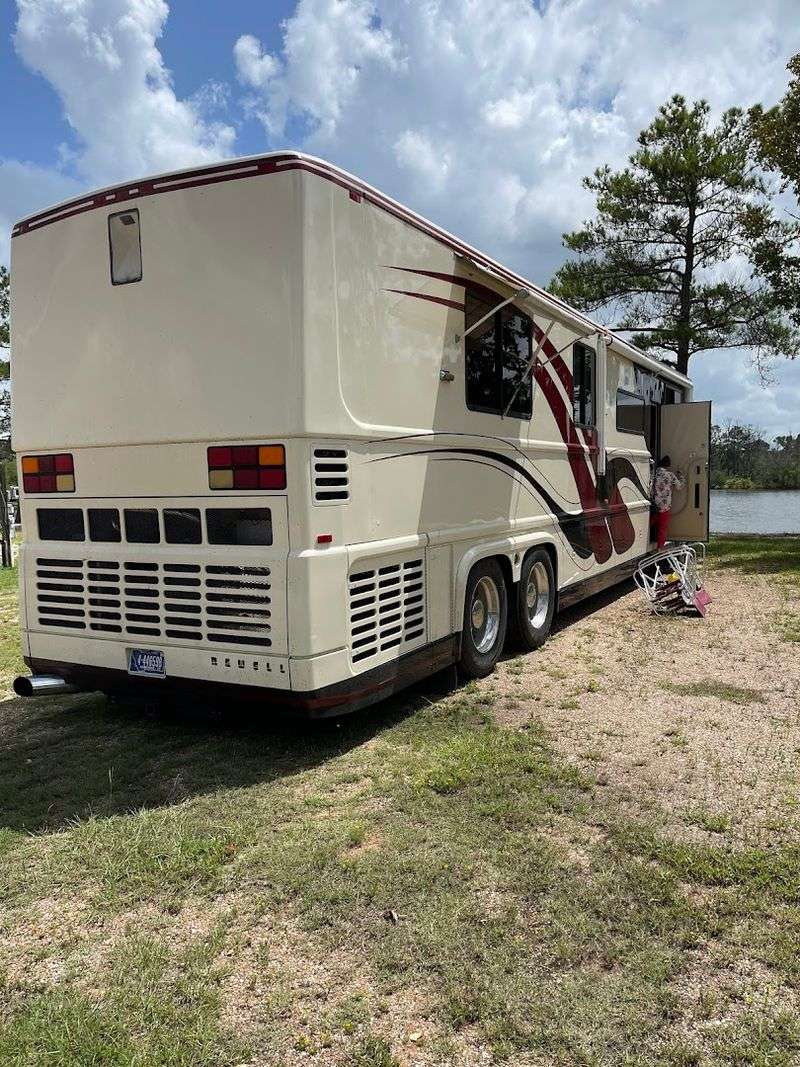
East Texas feels more like Louisiana than the rest of the Lone Star State, with towering pine forests, moss-draped trees, and a slower pace that invites you to linger. The Piney Woods Loop takes you through historic towns, scenic lakes, and wooded campgrounds where shade is plentiful and the air smells earthy and fresh. This route works especially well in fall when the leaves change color, or in spring when azaleas bloom.
Tyler serves as a natural starting point, known for its rose gardens and annual rose festival. The city offers multiple RV parks with full hookups, plus grocery stores and repair shops if you need supplies or maintenance. From Tyler, you head northeast toward Jefferson, a small town frozen in time with antebellum homes, riverboat tours, and antique shops lining brick streets.
Jefferson sits on the edge of Caddo Lake, a sprawling wetland filled with cypress trees and Spanish moss. Guided boat tours through the lake’s maze of channels reveal wildlife like alligators, turtles, and herons. RV campgrounds near the lake provide peaceful settings with easy water access, and some offer kayak rentals if you want to explore on your own.
The town itself hosts ghost tours and historic home tours that add a touch of mystery to your visit.
Nacogdoches lies south of Jefferson and claims the title of Texas’s oldest town. The downtown area features red-brick buildings, local eateries, and museums that tell the story of early Texas settlement. Stephen F.
Austin State University adds a youthful energy, and nearby Caddo Mounds State Historic Site preserves ancient Native American earthworks worth exploring.
The entire loop covers about 200 miles, but the winding roads and frequent stops can stretch that into several days. You won’t find dramatic mountain vistas or desert landscapes here, but the dense forests and tranquil lakes offer a completely different side of Texas that many visitors overlook. RV travel through the Piney Woods feels relaxed and unhurried, perfect for those who enjoy history, nature, and quiet backroads.
5. Big Bend Country (Alpine to Marathon to Terlingua)
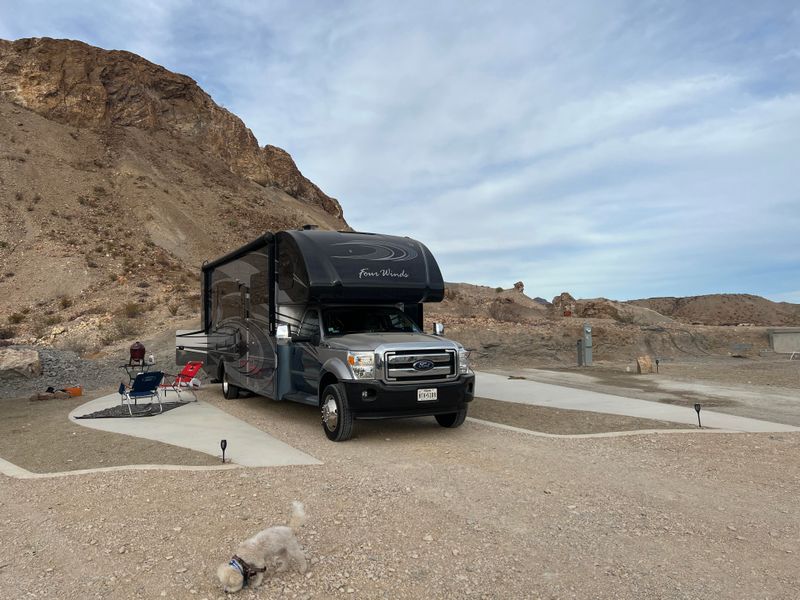
Big Bend Country delivers some of the most dramatic and remote scenery in Texas, where mountains rise sharply from the desert floor and the Rio Grande carves through deep canyons. This route takes you through tiny towns with big character, past landscapes that feel almost Martian, and into one of the least-visited national parks in the country. RVers who crave solitude and wide-open spaces will find exactly that here.
Alpine sits at the northern edge of this region and serves as a supply hub before you venture deeper into the wilderness. The town has a small-town charm with art galleries, cafes, and a couple of RV parks that offer full hookups. It’s also home to Sul Ross State University, which adds a bit of youthful energy to an otherwise quiet place.
Marathon lies about 30 miles south and barely qualifies as a town, but it offers the famous Gage Hotel, a historic property that attracts travelers looking for a taste of old West Texas. RV parking is available nearby, and the town sits at the crossroads of routes leading into Big Bend National Park. From here, the landscape becomes increasingly rugged and beautiful as you head toward Terlingua.
Terlingua once thrived as a mercury mining town but now exists as a quirky desert outpost with a legendary chili cook-off, a historic ghost town, and a community of artists and free spirits. RV parks here are basic but scenic, often offering stunning views of the Chisos Mountains. The town sits just minutes from Big Bend National Park’s western entrance, making it an ideal base for exploring the park’s trails, hot springs, and river access points.
Big Bend National Park itself deserves at least a few days of your time. RV camping is available at several campgrounds within the park, though reservations fill up months in advance during cooler months. The park offers everything from easy nature walks to challenging mountain hikes, plus opportunities to kayak or raft the Rio Grande.
The entire region feels remote and untouched, perfect for RVers seeking adventure far from crowds and city lights.
6. The Bluebonnet Trail (Brenham to La Grange to Llano)
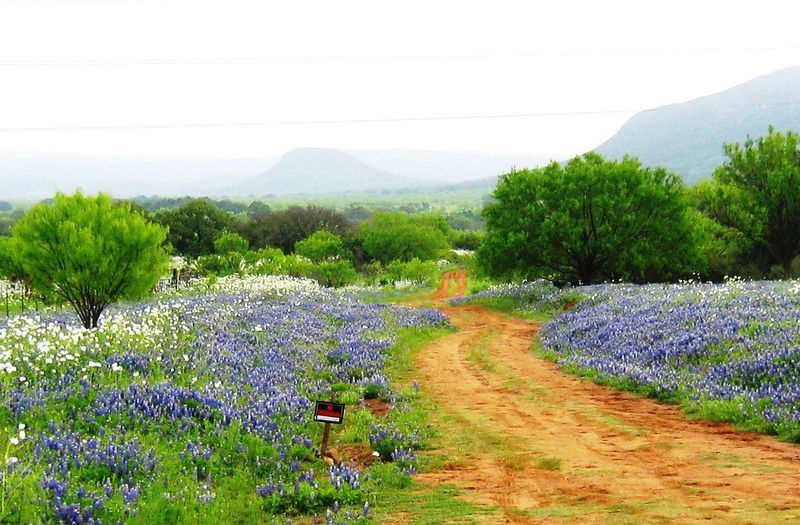
Springtime in Texas means bluebonnets, and the Bluebonnet Trail takes you through some of the best wildflower displays in the state. This route winds through rolling countryside, past historic small towns, and along farm roads that explode with color from late March through April. RV travel here feels leisurely and photo-worthy, with countless opportunities to pull over and walk through fields of purple, orange, and yellow blooms.
Brenham kicks off the journey with its charming downtown square and the famous Blue Bell Creamery, where tours and ice cream tastings make for a sweet start. RV parks around Brenham provide convenient access to town amenities and nearby Washington-on-the-Brazos State Historic Site, where Texas declared independence. From Brenham, you head west through farmland and small communities that seem to slow down time.
La Grange sits along the Colorado River and offers a mix of history and small-town hospitality. The town’s Main Street features antique shops, local diners, and historic buildings that tell stories of early Texas settlement. Monument Hill and Kreische Brewery State Historic Sites sit just outside town, providing picnic spots and river views.
RV campgrounds near La Grange often sit along the river, giving you a peaceful place to relax after a day of exploring.
Llano lies northwest and serves as the unofficial wildflower capital of Texas. The entire area around Llano bursts with bluebonnets in spring, and locals take pride in directing visitors to the best viewing spots. The town itself offers RV parks with river access, making it easy to combine wildflower hunting with fishing or swimming in the Llano River.
Nearby Enchanted Rock also provides a dramatic backdrop if you want to add a hiking adventure to your trip.
The Bluebonnet Trail works best in spring, but the route remains scenic year-round with its mix of farmland, rivers, and small-town charm. The entire loop covers about 150 miles, though side roads and detours to chase wildflowers can easily add more distance. RV travel here feels relaxed and seasonal, perfect for those who want to experience Texas at its most colorful and photogenic.
Share this story