Grocery store sticker shock has become the norm, but Tennessee farmers markets are keeping fresh food affordable for families across the state. From the mountains of East Tennessee to the flatlands along the Mississippi, these community markets connect shoppers directly with the people who grow their food.
Walking away with bags full of seasonal produce, farm-fresh eggs, and homemade bread for less than the cost of dinner out? That’s not a fantasy—it’s just a regular Saturday morning at the right market.
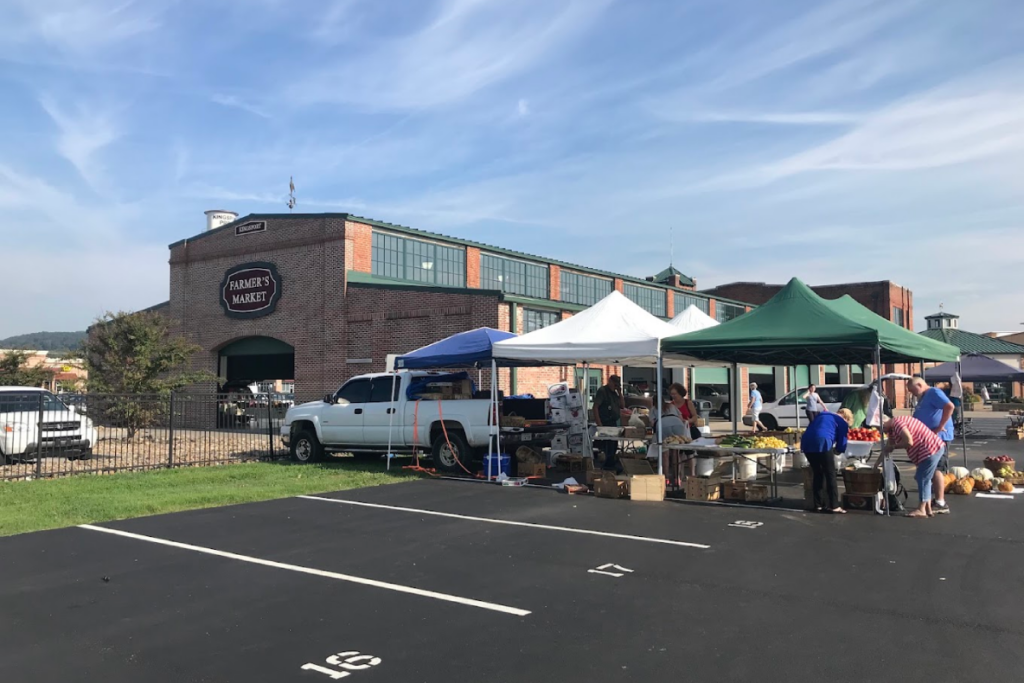
1. Kingsport Farmers Market — Kingsport
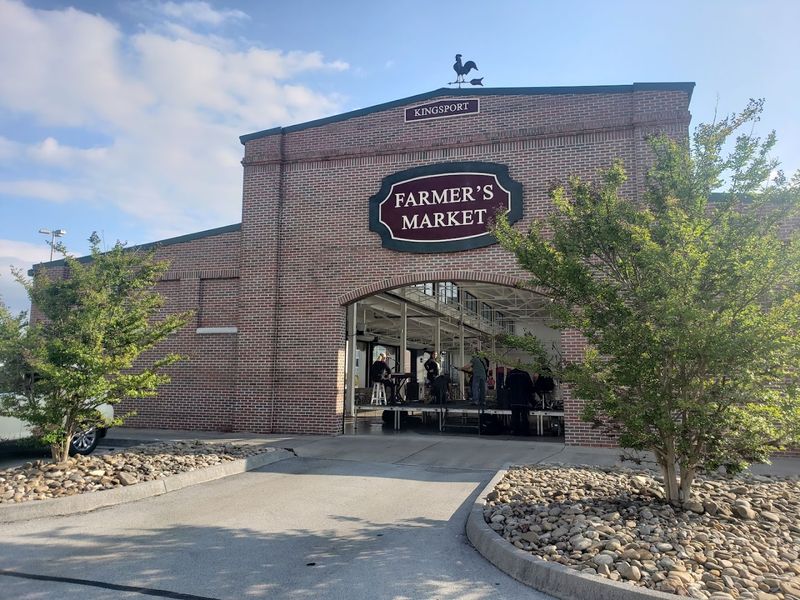
Twice a week, this East Tennessee market transforms into the kind of place where your grocery budget actually feels reasonable. Wednesdays and Saturdays bring out growers with produce that was probably in the ground the day before.
The selection shifts with what’s actually ready to harvest, which means you’re getting peak flavor without the premium price tag.
Regulars know the drill: arrive with a plan but stay flexible. A vendor might have more cucumbers than expected, another could be unloading the season’s first tomatoes, and suddenly your meal plan for the week writes itself.
Sticking to vegetables and fruits in their natural growing season keeps costs low while quality stays high.
Beyond produce, the baked goods section offers another budget-friendly win. Homemade bread, muffins, and pastries cost less than boutique bakery prices but taste infinitely better than anything wrapped in plastic at the supermarket.
One loaf of sourdough and a dozen farm eggs might run you six or seven bucks total.
The handmade products and plants add character, but they’re easy to skip if you’re on a tight budget. Focus on what you came for—real food from real farms—and your thirty dollars can cover breakfast staples, salad fixings, snacking fruit, and enough vegetables to build several dinners.
The market has been around long enough that vendors know their customers by name, and that personal connection makes the whole experience feel less like shopping and more like supporting your neighbors.
Parking is straightforward, the layout is easy to navigate, and the vibe is relaxed. No pretension, no inflated prices—just good food at fair rates.
2. Johnson City Farmers Market — Johnson City
Operating since the 1970s gives a market serious credibility, and this downtown Saturday tradition has earned every bit of its reputation. Regional growers show up with whatever’s thriving that week, and during peak summer months, the variety can be overwhelming in the best possible way.
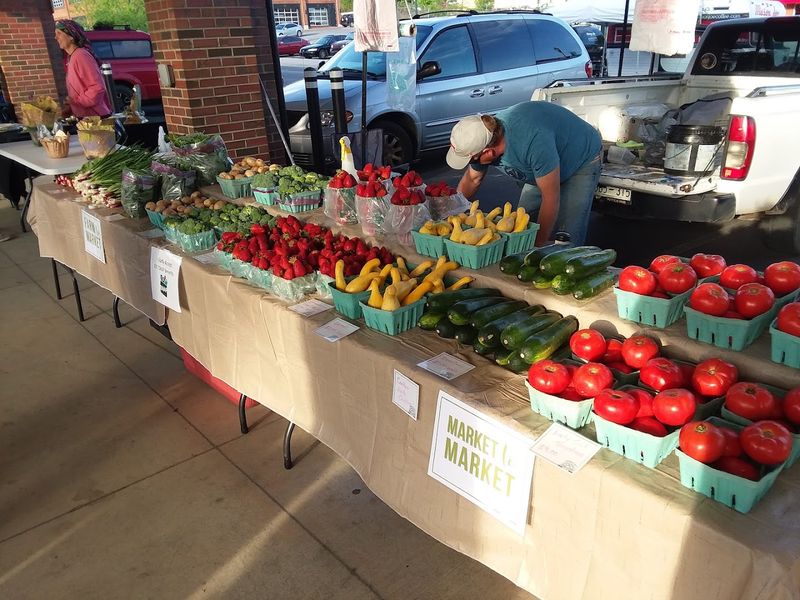
Tomatoes, peppers, squash, corn, beans, berries—it all piles up fast when you’re buying directly from the source.
Shopping here requires a slight strategy shift from typical grocery store habits. Instead of arriving with a rigid list, scan what looks abundant and priced to move.
When a farmer has more green beans than they can sell, prices drop, and that’s your cue to grab a few pounds and plan meals around them.
The direct-from-grower model cuts out middlemen and their markups, which is exactly why your money stretches further. A twenty-dollar bill can cover enough produce to fill your crisper drawer twice over if you’re choosing seasonally.
Add in some fresh herbs, a jar of local honey, or a bag of greens, and you’re still under budget with variety most supermarkets can’t match.
Summer is prime time here, but spring and fall bring their own advantages. Early season greens and late-season root vegetables often come cheaper because fewer shoppers are thinking about them.
The downtown location makes it easy to combine your market run with other errands, and plenty of regulars treat it as a weekly ritual rather than a chore.
Bring your own bags, carry some small bills for easier transactions, and don’t be shy about asking vendors for tips on storage or preparation. These folks grow the food—they know how to make it last and taste its best.
3. Jonesborough Farmers Market — Jonesborough
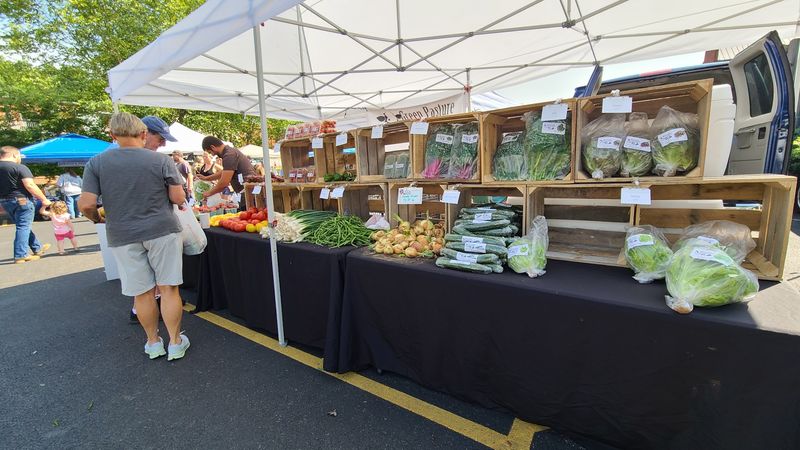
Tennessee’s oldest town hosts a market that feels perfectly suited to its historic surroundings. Behind the courthouse, vendors set up with seasonal produce and locally made foods that reflect the agricultural traditions of the region.
The grower-focused approach means you’re not sifting through resellers or imported goods—just straightforward farm products from people who work the land nearby.
Small-town markets like this one operate on a different rhythm than their big-city counterparts. Crowds are manageable, vendors have time to chat, and the whole experience feels more neighborly than transactional.
That atmosphere doesn’t just make shopping pleasant; it also keeps prices grounded in reality rather than inflated by trendy market hype.
Budget shoppers benefit from the practical selection. You won’t find exotic imports or out-of-season luxuries, which is actually a blessing when you’re trying to maximize value.
What you will find is exactly what grows well in East Tennessee, sold at prices that reflect local supply rather than national grocery chains’ profit margins.
Filling bags with potatoes, onions, seasonal greens, and whatever fruit is currently ripe can easily stay within a modest budget. Locally made jams, pickles, or baked goods offer affordable ways to round out your haul without breaking into gourmet pricing territory.
The key is recognizing that simple, seasonal food cooked well beats expensive, out-of-season imports every time.
Jonesborough’s historic charm adds appeal, but the real draw is the market’s commitment to connecting local growers with local eaters. When transportation costs disappear and middlemen get cut out, everyone wins—especially shoppers trying to make thirty bucks cover a week’s worth of fresh food.
It’s proof that good value doesn’t require compromising on quality or supporting industrial agriculture.
4. Market Square Farmers Market — Knoxville
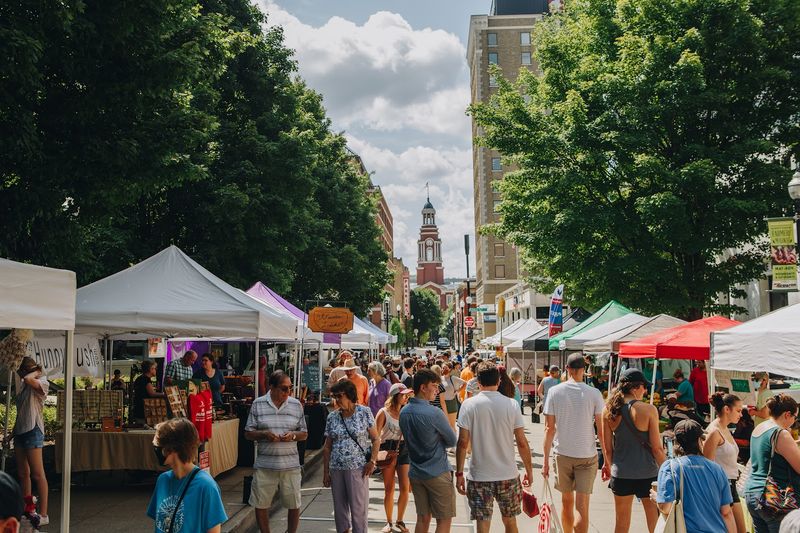
Right in the heart of downtown Knoxville, this market has become a Saturday institution for good reason. Local farmers and food producers converge with enough variety to satisfy adventurous eaters and budget-conscious families alike.
The trick to stretching your dollars here is the same as anywhere: stick to what’s currently in season and resist the urge to chase specialty items with specialty prices.
In-season vegetables are where your money works hardest. Summer brings tomatoes, peppers, squash, and cucumbers at prices that make stocking up a no-brainer. Spring offers greens, radishes, and early herbs. Fall delivers root vegetables, winter squash, and late-season greens that store well and cost less as the season winds down.
Fruit follows the same logic. Berries during their peak weeks, stone fruits when local orchards are harvesting, apples in autumn—timing your purchases with natural growing cycles means better flavor and better prices.
A few pounds of peaches in July might cost what a single pint of out-of-season berries would at a grocery store in February.
Pantry staples from local producers offer another smart spending category. Honey, eggs, and baked goods often undercut supermarket equivalents while delivering superior quality. A dozen farm-fresh eggs and a loaf of artisan bread together might run eight dollars, leaving plenty of budget for produce.
The downtown location attracts crowds, but that competition among vendors can work in your favor. When multiple farmers are selling similar items, prices stay competitive.
Arriving earlier gives you first pick of inventory, while showing up closer to closing time occasionally scores deals from vendors looking to clear out rather than pack up.
5. Dunlap Farmers Market — Dunlap
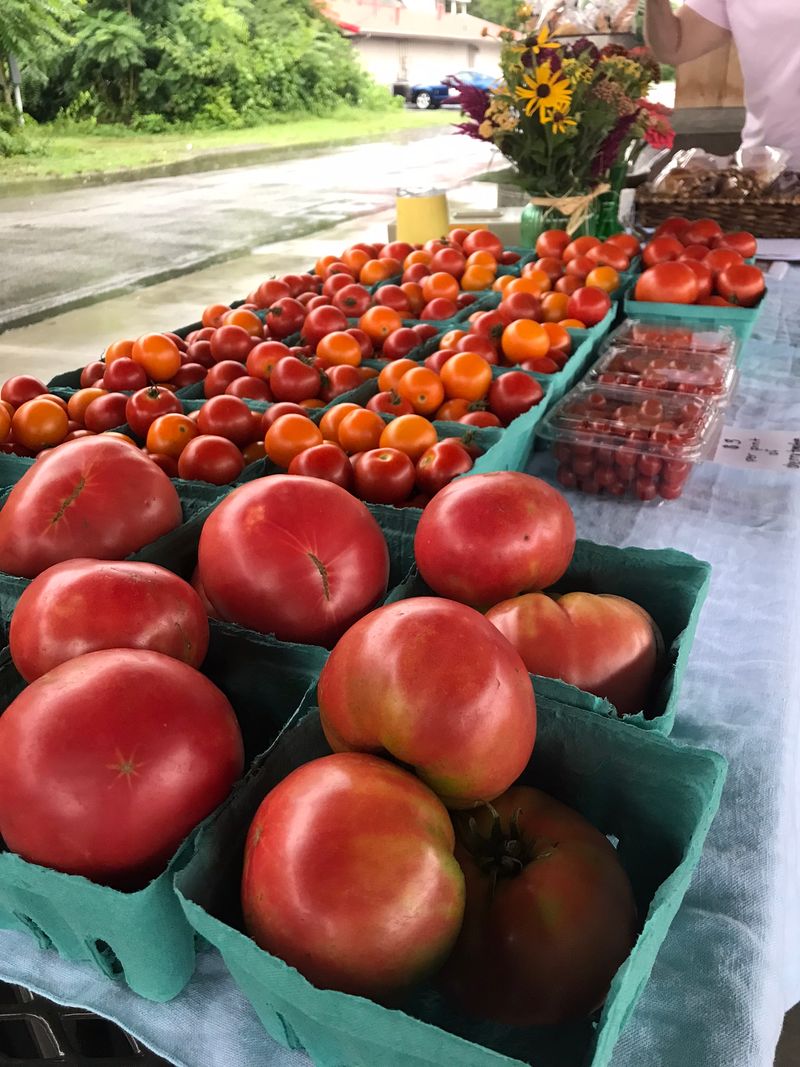
Sequatchie Valley’s agricultural character shines through at this community market where produce often travels just a few miles from field to table. The small-town shopping experience here strips away the polished marketing and inflated pricing that comes with larger, more commercialized markets.
What remains is straightforward access to food grown by neighbors who understand the value of a dollar because they’re working for theirs too.
Markets rooted in rural communities tend to price their goods with local economic realities in mind. Vendors aren’t trying to capture tourist dollars or compete with upscale urban markets—they’re selling to friends, family, and fellow community members.
That practical approach to pricing benefits anyone who shows up with a modest budget and a willingness to buy what’s abundant.
The selection reflects what grows well in the valley: sturdy vegetables, seasonal fruits, and garden staples that form the backbone of home cooking. You won’t find imported delicacies or trendy superfoods, but you will find potatoes, beans, tomatoes, squash, greens, and other reliable ingredients that stretch across multiple meals.
A ten-dollar investment in vegetables here can fuel several dinners when you’re cooking from scratch.
Direct farm-to-customer sales mean the person selling you corn probably planted it, and the woman offering tomatoes likely picked them that morning. This connection keeps quality high and prices honest.
There’s no room for markups when your customers know exactly how much work goes into growing food and what it should reasonably cost.
Shopping here rewards flexibility. Come with a general idea of what you need but stay open to what’s available in quantity.
6. Main Street Saturday Market — Murfreesboro

Gathering around Murfreesboro’s historic courthouse from May through October, this Saturday tradition brings together vendors with locally grown produce, eggs, baked goods, and various proteins. The 2026 season promises the same reliable access to farm-fresh ingredients that have made this market a staple for budget-conscious shoppers who refuse to sacrifice quality for savings.
Eggs from local flocks cost less than supermarket cartons and taste noticeably better—the difference between chickens eating varied diets outdoors versus industrial feed in confinement. A dozen might run three to five dollars depending on the vendor, which is reasonable considering the quality gap.
Pair those eggs with fresh vegetables and some baked bread, and you’ve got breakfast sorted for a week under fifteen bucks.
The produce selection shifts weekly based on what’s ready to harvest, which keeps things interesting and prices competitive. Early summer brings strawberries, snap peas, and new potatoes. Midsummer explodes with tomatoes, peppers, squash, and cucumbers. Late season offers pumpkins, winter squash, and hardy greens.
Shopping with the seasons isn’t just environmentally sensible—it’s financially smart.
Beef, poultry, and pork from local farms represent a different budget calculation than produce. Meat costs more per pound, obviously, but buying directly from farmers who raise animals on pasture often delivers better value than grocery store equivalents when you factor in quality.
A few pork chops or a pound of ground beef might eat up a chunk of your budget, but they’ll anchor several meals when combined with market vegetables.
The courthouse setting adds historic charm, but the real appeal is practical: consistent access to fresh, local food at prices that don’t require a second mortgage. Thirty dollars won’t buy you everything at the market, but it will buy you plenty if you’re strategic about mixing proteins, produce, and pantry items into a balanced haul.
7. Gallatin Farmers Market — Gallatin
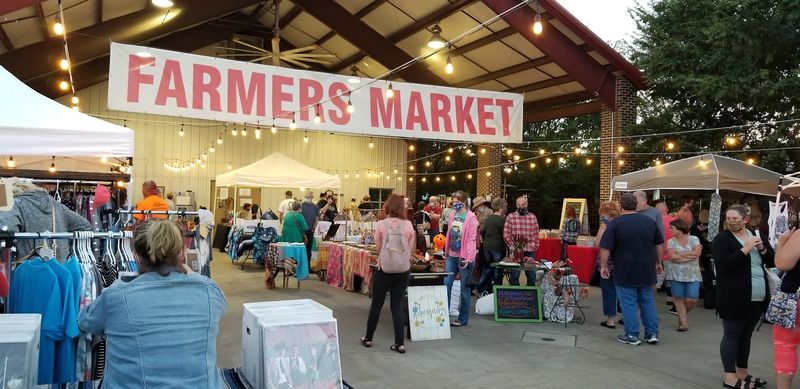
Community markets thrive when they remember their core mission: connecting people with good food at accessible prices. Gallatin’s market nails this balance by offering vegetables, fruit, baked goods, honey, and locally produced foods without sliding into the gourmet pricing trap that makes some farmers markets feel exclusive rather than inclusive.
Vegetables and fruit form the foundation of any smart market shopping trip. When you’re working with a thirty-dollar budget, prioritizing produce over prepared foods and specialty items keeps your cart full and your spending under control.
A couple pounds of tomatoes, a bag of peppers, some squash, a few cucumbers, and a basket of whatever fruit is in season can easily stay under twenty dollars, leaving room for extras.
Baked goods here offer solid value for shoppers who want fresh bread without paying artisan bakery premiums. A loaf of whole wheat or sourdough might cost four or five dollars—more than grocery store sandwich bread but exponentially better in taste and texture.
When you consider that one loaf can cover sandwiches, toast, and side bread for multiple meals, the cost per serving drops significantly.
Local honey deserves a mention because it’s one of those items where buying directly from beekeepers makes both economic and practical sense. A jar might cost eight to twelve dollars, but it lasts for months, supports local pollinators, and often comes with the bonus of helping with seasonal allergies.
Compare that to supermarket honey that’s frequently cut with corn syrup, and the value becomes obvious.
The market’s community focus means vendors aren’t chasing maximum profit on every transaction. They’re building relationships with repeat customers, which naturally keeps pricing reasonable.
Shopping here feels less like navigating a retail environment and more like participating in a local food network where everyone benefits from fair exchanges.
8. Clarksville Downtown Farmers Market — Clarksville
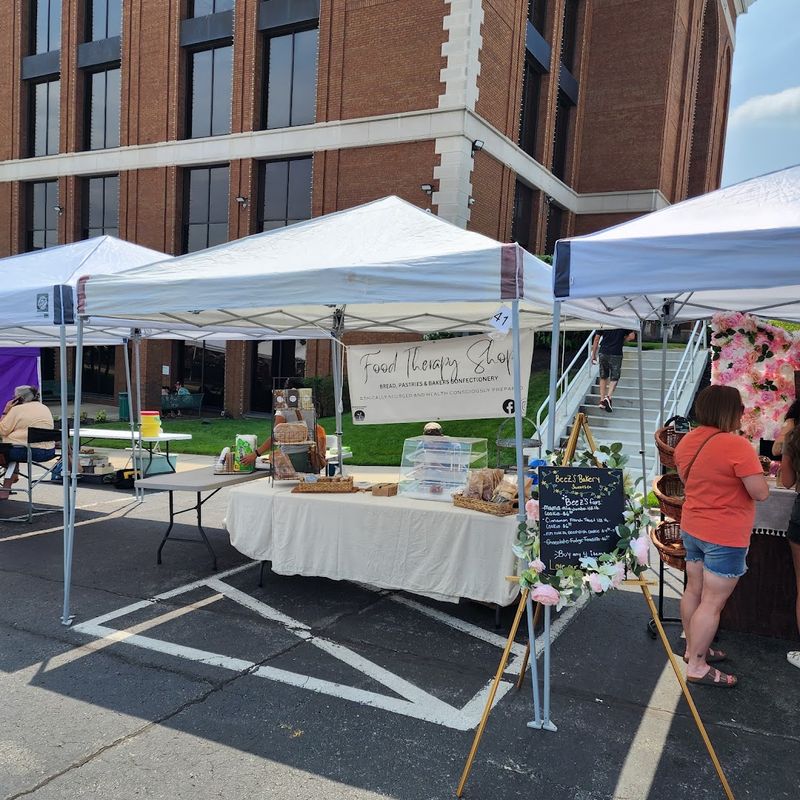
Downtown Clarksville comes alive when farmers, bakers, food producers, and artisans gather for this weekly market. The energy here is contagious, but so is the potential for overspending if you’re not careful.
Arriving early and concentrating on peak-season produce is the strategy that helps budget-conscious shoppers walk away with several bags of food instead of one or two expensive specialty items.
Early arrival matters for two reasons: selection and focus. When vendors are just setting up, their tables are fully stocked with the best of what they brought.
More importantly, the market is less crowded, which makes it easier to compare prices across vendors and identify the best deals without feeling rushed. That extra time to assess your options can mean the difference between stretching your budget and blowing through it.
Peak-season produce is where your thirty dollars performs best. Tomatoes in July, sweet corn in August, peppers from midsummer through early fall, winter squash in October—these items cost less when they’re abundant because vendors need to move volume.
Buying five pounds of tomatoes during peak harvest might cost what two pounds would earlier or later in the season, and that math adds up quickly when you’re building a full shopping basket.
The mix of vendors means you’ll encounter plenty of temptations beyond basic produce: artisan cheeses, specialty baked goods, prepared foods, handcrafted items. These have their place, but they’re also budget killers if you’re trying to maximize food volume.
A small wedge of fancy cheese might cost eight dollars, while eight dollars worth of seasonal vegetables could fill multiple dinner plates.
The downtown location makes logistics easy, and the lively atmosphere makes shopping feel more like a Saturday morning event than a chore. Just remember: the goal is filling your trunk, not your Instagram feed.
9. West Tennessee Farmers’ Market — Jackson

Multiple days of operation each week give shoppers a significant advantage: flexibility to compare vendors across different market days and catch deals as inventory and pricing shift. This established Jackson market understands that access matters just as much as selection, which is why opening several days instead of just weekends serves the community better.
Fresh produce forms the market’s core offering, and with multiple vendors competing for customers, prices stay competitive. When you can compare three different farmers selling tomatoes or peppers, you quickly identify who’s offering the best combination of quality and value.
That competition benefits shoppers directly—vendors know they need to keep pricing fair or risk losing sales to the stand next door.
EBT acceptance removes a significant barrier for families working with tight food budgets. Federal nutrition assistance programs recognize that farmers markets provide access to fresh, healthy food that might otherwise be financially out of reach.
When your SNAP benefits can buy farm-fresh vegetables, eggs, and fruit, eating well becomes more achievable regardless of income level.
The opportunity to shop multiple days also means you can split your market trips strategically. Maybe you grab quick staples like eggs and greens on a Wednesday, then return Saturday for a bigger produce haul when you have more time to browse and compare.
This flexibility helps prevent impulse purchases and keeps spending intentional rather than reactive.
West Tennessee’s agricultural landscape produces abundant vegetables and fruits throughout the growing season, and this market channels that abundance directly to consumers. When local farms have successful harvests, those savings get passed to shoppers through lower prices and larger quantities.
Shopping here isn’t complicated: show up, compare what’s available across vendors, prioritize seasonal abundance, and watch your cart fill up without your budget disappearing. It’s straightforward, effective, and exactly what a community market should be.
10. Milan Farmers’ Market — Milan
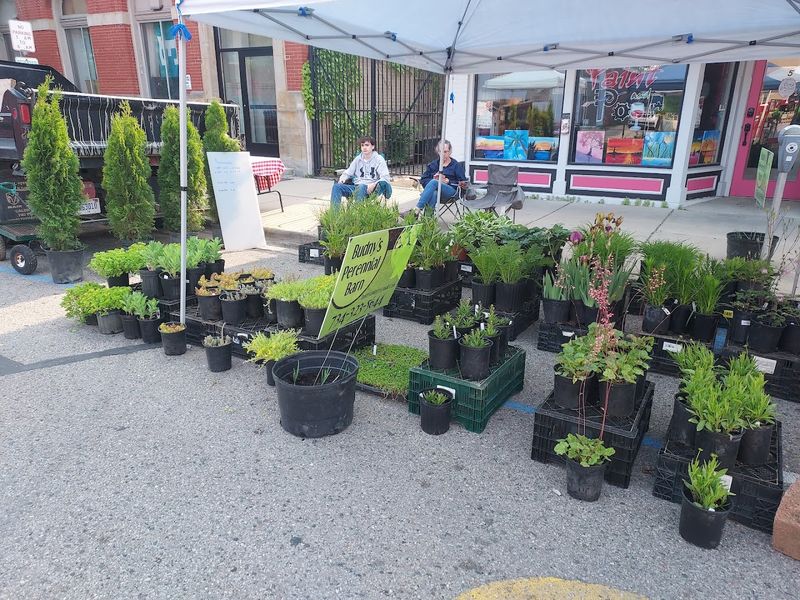
Some markets evolve organically over decades; others get created with specific purpose. Milan’s market falls into the latter category—deliberately established to connect the community with fresh, locally produced agricultural goods while giving area growers a direct place to sell their harvests.
That intentional foundation shows in how the market operates: it’s focused, practical, and built around genuine community need rather than trendy market culture.
Markets designed to support local growers tend to price goods with both farmers and consumers in mind. Vendors need to make their farming operations viable, but they also recognize that inflated prices defeat the purpose of direct sales.
The sweet spot is fair compensation for farmers and accessible pricing for shoppers, and that balance is what makes these markets valuable community resources.
Locally produced agricultural goods cover a wide range: vegetables, fruits, herbs, eggs, honey, preserves, baked goods made with local ingredients, and sometimes meat or dairy from nearby farms. When you’re shopping on a budget, the vegetables and fruits deliver maximum value.
A ten-dollar investment in seasonal produce can anchor multiple meals when you’re cooking from scratch, while specialty items like jams or honey are nice additions when budget allows.
The direct connection between growers and consumers benefits everyone involved. Farmers get better prices than selling wholesale, shoppers pay less than grocery store markups, and food travels minimal distance from field to table.
That efficiency is both economically and environmentally sensible, and it’s exactly why farmers markets remain relevant even as big-box stores dominate the food landscape.
Shopping here means supporting the local food economy while feeding your family affordably. Your thirty dollars buys more than just food—it reinforces the agricultural network that keeps small farms viable and communities connected to where their food originates.
11. Agricenter Farmers Market — Memphis

Memphis shoppers looking for straightforward access to farm-grown vegetables, fruits, plants, and seasonal specialties find exactly that at this West Tennessee market. The Agricenter location brings a practical, no-nonsense approach to farmers market shopping—less emphasis on prepared foods and crafts, more focus on the agricultural products that actually fill your refrigerator and reduce your grocery bill.
Prioritizing produce over prepared foods is the budget strategy that works best here and everywhere else. A beautiful handmade cutting board might cost forty dollars; forty dollars worth of vegetables and fruit can feed your family for a week or more.
The math is simple, even if the temptation to browse artisan goods is real. Stay focused on what you came for, and your budget stretches significantly further.
Seasonal specialties deserve attention because they represent peak value. When strawberries flood the market in late spring, prices drop and quality peaks—that’s when you buy extra and freeze some for later.
Same with tomatoes in midsummer, peppers in late summer, and greens in spring and fall. Following the seasonal rhythm means better food at better prices, and it connects you to the agricultural calendar in a way that supermarket shopping never does.
Plants offer a different kind of value for shoppers with even small growing space. A few tomato plants or pepper plants cost less than ten dollars and can produce pounds of vegetables over a season.
It’s an investment that pays dividends beyond the initial purchase, and it’s the kind of long-term budget thinking that reduces overall food costs.
The dependable nature of this market matters. Knowing you can consistently access farm-grown produce makes meal planning easier and reduces reliance on expensive grocery store vegetables that traveled hundreds or thousands of miles.
When local food is reliably available and affordably priced, eating well becomes a sustainable habit rather than an occasional splurge.
Share this story