Tennessee holds onto its past in some pretty unusual ways, and a handful of old jails and prisons across the state now welcome curious visitors instead of locking them out. These historic lockups have traded their role as working detention centers for a new life as museums, offering a rare chance to walk through cell blocks, peer into cramped quarters, and imagine what life was like behind bars decades or even a century ago.
Whether you’re drawn to true crime stories, paranormal legends, or simply want to experience a slice of local history that most people only see in movies, these five spots deliver an unforgettable peek into Tennessee’s gritty judicial past.
1. Historic Scott County Jail – Huntsville
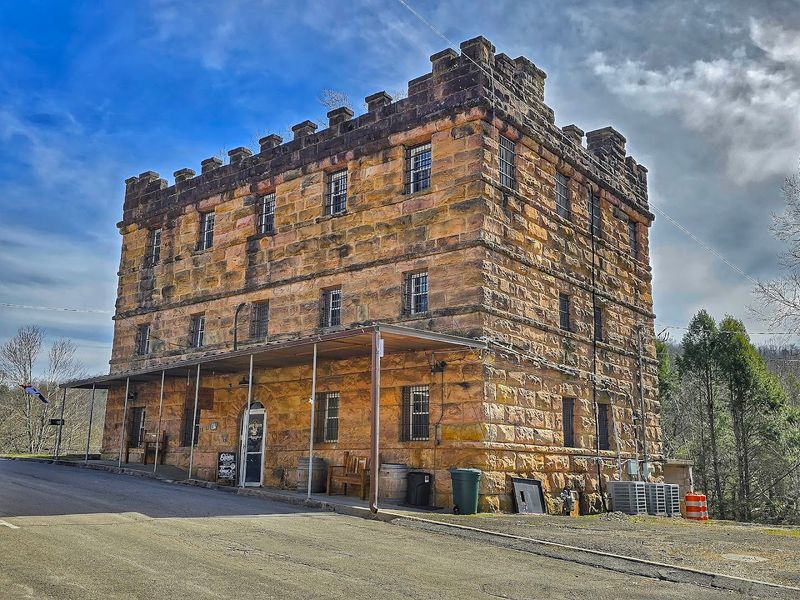
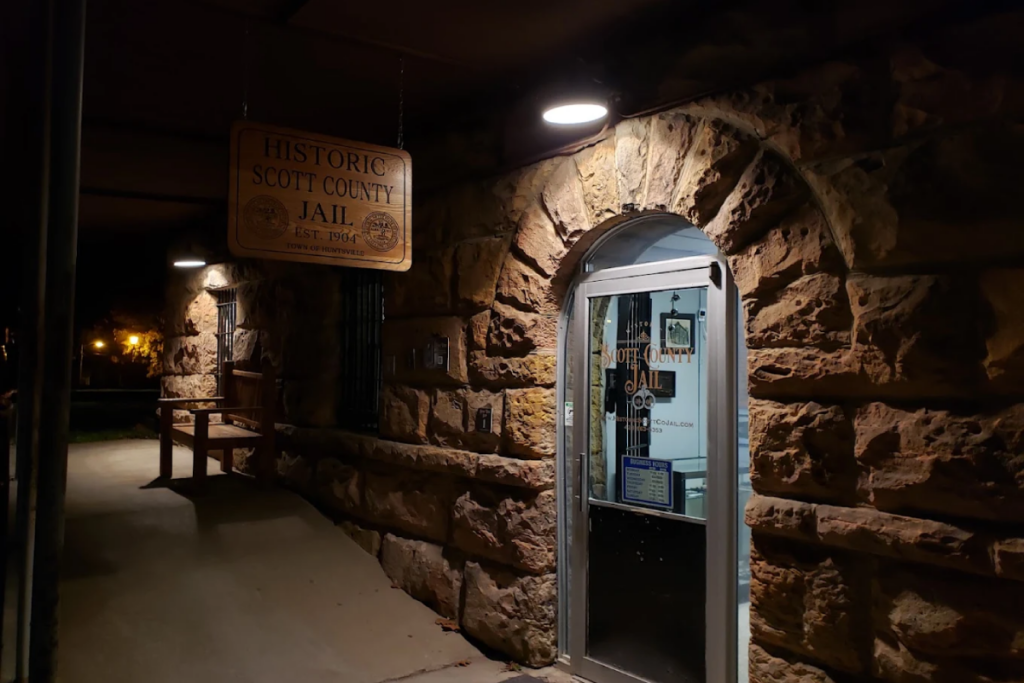
Standing tall since 1904, this brick fortress in Huntsville served as Scott County’s main lockup for decades before closing its doors as an active jail. Now it’s been reborn as a true-crime and law-enforcement museum that pulls back the curtain on what really happened inside these walls. Visitors can roam all three floors during regular daytime hours, taking in exhibits that showcase old booking ledgers, vintage handcuffs, and photographs of inmates who once called these cells home.
The building itself tells a story with every creak of the floorboards and every echo down the narrow hallways. Original cell doors still swing on their heavy hinges, and the bars that once kept prisoners confined now frame your view as you step into their cramped quarters. It’s one thing to read about early 20th-century incarceration, but standing inside an 8-by-10 cell gives you a whole different perspective on what “doing time” actually meant back then.
What sets this place apart from other jail museums is the after-dark programming. The staff offers flashlight tours that let you explore the building by dim light, adding an extra layer of atmosphere to an already eerie setting. Ghost hunts and paranormal investigations are also on the calendar for those brave enough to spend a few hours in the dark with whatever might still linger from the jail’s working days.
Local historians have done a solid job preserving the authenticity of the space while making it accessible to modern visitors. You’ll find informative plaques and displays throughout, but they don’t overwhelm the experience or make it feel too polished. The goal here is education mixed with a healthy dose of spine-tingling curiosity, and the museum hits that balance just right.
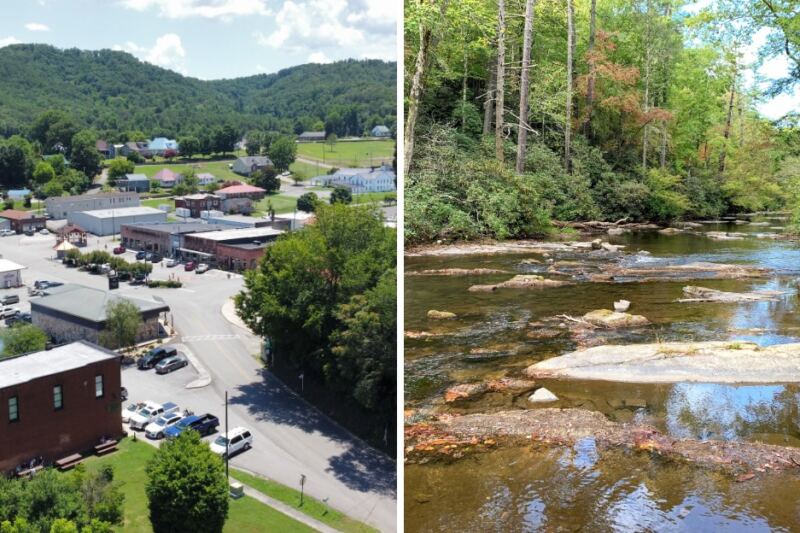
Huntsville isn’t a big tourist hub, which actually works in your favor because you’re likely to have plenty of room to explore without bumping into crowds. The town itself has that classic small-town Tennessee vibe, so you can easily make a day of it by grabbing lunch at a local diner before or after your jail visit.
If you’ve ever wondered what it was really like to be locked up in rural Tennessee a century ago, this is your chance to find out without the whole “getting arrested” part.
2. Brushy Mountain State Penitentiary – Petros
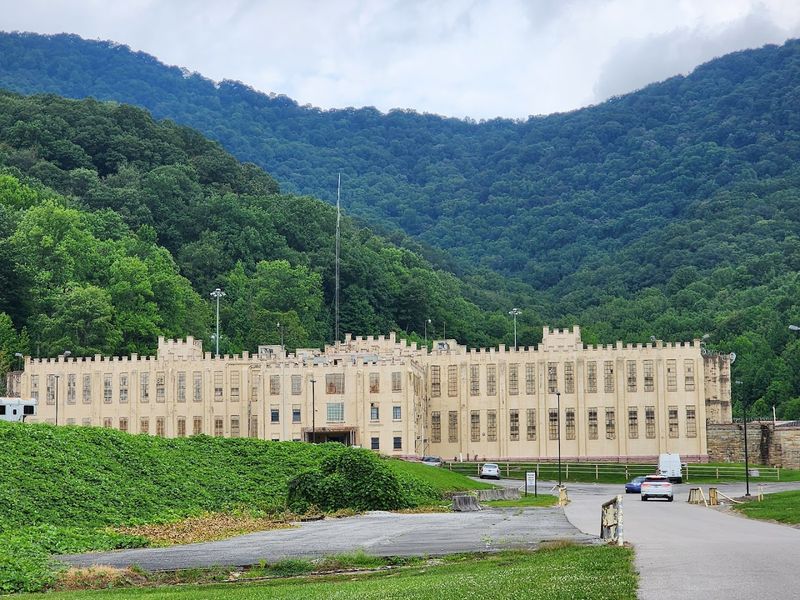
Tucked into the hills near Petros, Brushy Mountain once held some of Tennessee’s most dangerous criminals, including James Earl Ray, the man convicted of assassinating Dr. Martin Luther King Jr. The prison opened in 1896 and didn’t close until 2009, meaning it saw more than a century of hard time, riots, escape attempts, and daily life behind some of the toughest walls in the state.
Walking through its gates today feels like stepping onto a movie set, except everything you’re seeing is completely real.
The audio-visual tour guides you through cell blocks, the cafeteria, the hospital wing, and even death row, with recordings and video clips that bring the prison’s history to life. You’ll hear stories about famous inmates, brutal conditions, and the guards who worked here for decades. The tour doesn’t sugarcoat the reality of what happened inside these walls, and that raw honesty makes the experience all the more powerful.
One of the best parts? No reservation is needed for regular tours, according to the site, so you can show up on a whim and still get the full experience. That’s a huge plus if you’re road-tripping through the area and want the flexibility to stop without planning weeks in advance.
The prison grounds are sprawling, so plan to spend a couple of hours if you really want to soak it all in.
Beyond the standard tour, Brushy Mountain has leaned into its new role as a destination by adding a distillery, restaurant, and event space on the property. You can grab a meal or a drink after your tour, which gives the whole visit a strange but oddly fitting mix of somber history and modern hospitality. It’s not every day you can tour a maximum-security prison and then sit down for a bourbon tasting in the same spot.
The setting itself is stunning, with the Cumberland Mountains rising up around the prison in every direction. The isolation that once made this place so effective as a penitentiary now makes it a dramatic and atmospheric stop for visitors. Whether you’re a history buff, a true-crime fan, or just someone who appreciates a good story told in an unforgettable location, Brushy Mountain delivers on every level.
This isn’t just a museum—it’s a full-on experience that sticks with you long after you leave.
3. Moore County Old Jail Museum – Lynchburg
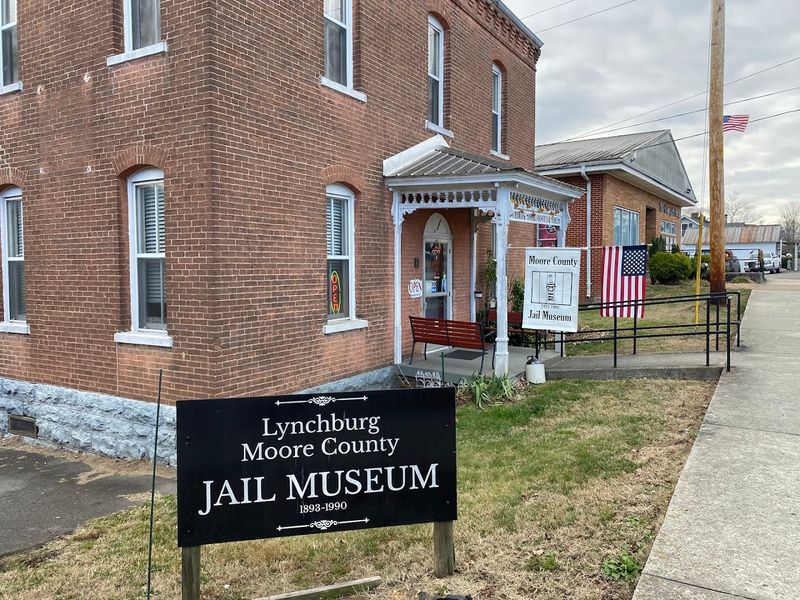
Right off the square in Lynchburg, this little brick building has been standing since 1893, quietly holding onto stories of bootleggers, brawlers, and small-town lawbreakers who spent time in its cramped cells. It operated as the county jail all the way until 1990, which means it’s not some ancient relic—plenty of people in town today remember when it was still locking folks up.
Now it’s a museum that offers a straightforward, no-frills look at what rural Tennessee justice looked like for nearly a century.
The cells themselves are the main attraction, and they’re exactly as small as you’d imagine. Each one measures just 8 by 8 feet, barely enough room to lie down and stretch out. Original bunks, sinks, and toilets are still in place, and the heavy iron doors still clang shut with a sound that makes you grateful you’re just a visitor.
Standing inside one of these cells, even for a few seconds, gives you a real sense of what inmates faced day after day.
Lynchburg is best known as the home of Jack Daniel’s Distillery, and the jail museum makes for a perfect pairing with a distillery tour. You can easily knock out both in a single afternoon, giving you a full picture of the town’s history from its most famous export to its least glamorous chapter. The museum is small enough that you won’t spend hours inside, but it’s packed with enough character and local flavor to make the stop worthwhile.
Exhibits inside cover more than just the jail’s history—there are also displays about Moore County’s past, including old photographs, newspaper clippings, and artifacts from the area’s early days. The volunteers who run the place are usually happy to share stories and answer questions, adding a personal touch that you won’t find in bigger, more commercial museums. It’s that small-town hospitality that makes the visit feel less like a tourist attraction and more like a conversation with a neighbor.
Because Lynchburg is such a popular destination thanks to the distillery, the jail museum benefits from steady foot traffic without feeling overrun. You’ll likely share the space with a handful of other visitors, but it never feels crowded.
The building’s location right on the square also means you’re steps away from local shops, restaurants, and other historic sites, so you can easily turn your jail visit into a full day of exploring this charming Tennessee town.
4. Old Jail Museum – Winchester
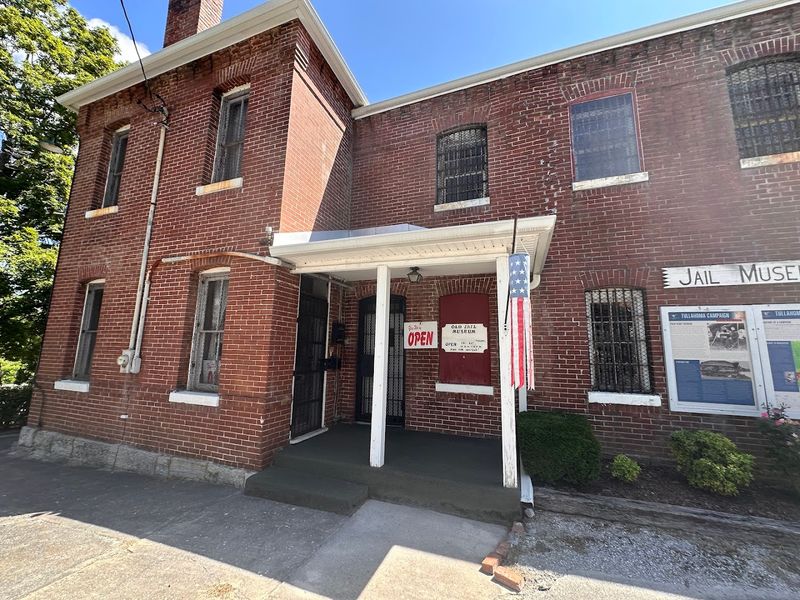
Winchester’s Old Jail Museum packs a surprising amount of history into a relatively small space, covering everything from Civil War battles to pioneer life to the career of Dinah Shore, the famous singer and actress who called this area home. The building itself served as the county jail for decades, and while the cells are still there to explore, the museum has expanded its scope to become a broader look at Franklin County’s past.
It’s a quirky mix that keeps things interesting as you move from room to room.
Civil War artifacts take up a good chunk of the museum, which makes sense given Winchester’s location in a region that saw plenty of action during the conflict. You’ll find uniforms, weapons, letters, and personal items from soldiers on both sides, along with detailed accounts of local battles and skirmishes. The pioneer-era exhibits add another layer, showcasing tools, clothing, and household items that early settlers used to carve out a life in this part of Tennessee.
Then there’s the Dinah Shore memorabilia, which feels like a fun detour from the heavier historical content. Shore was born in Winchester and went on to become a major star in music and television, and the museum honors her legacy with photographs, awards, and personal items. It’s a nice reminder that even small Tennessee towns have produced big-name talents, and the locals are clearly proud of her connection to the area.
The City of Winchester notes that the museum is closed from November through February, so plan your visit accordingly if you’re hoping to stop by. During the open season, admission is low, making it an affordable addition to any road trip or weekend outing.
The seasonal schedule might be a minor inconvenience, but it also means the museum relies heavily on volunteers and local support, which gives it a grassroots feel that bigger institutions often lack.
Walking through the old jail cells is still the highlight for many visitors, especially those who enjoy the slightly unsettling experience of imagining what life was like for inmates. The cells are small, dark, and unforgiving, and the museum does a good job of preserving that authenticity without turning it into a haunted house attraction.
You’re left to form your own impressions, which is part of what makes the visit feel genuine rather than overly staged or commercialized.
5. Old Jail Museum – Lawrenceburg
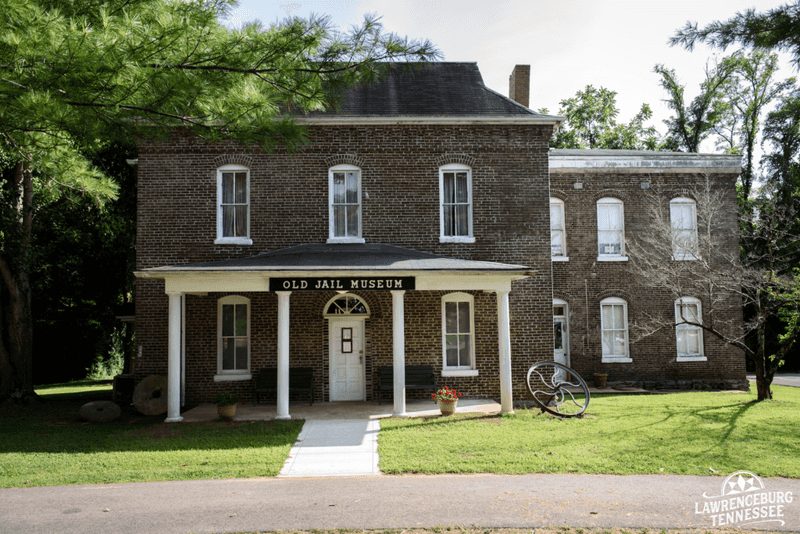
Run by the Lawrence County Historical Society, the Old Jail Museum in Lawrenceburg offers a glimpse into the area’s past through the lens of its former lockup. The building served as the county jail for years before being converted into a museum dedicated to preserving local relics and telling the stories of the people who lived, worked, and yes, occasionally got arrested in this corner of Tennessee.
It’s a volunteer-driven operation, which means the hours can be a bit unpredictable, but that also gives it a personal, community-focused vibe that you won’t find at larger attractions.
Inside, you’ll find a mix of jail-related exhibits and broader historical displays covering Lawrence County’s development over the decades. Old photographs line the walls, showing how the town and surrounding area have changed over time. Artifacts range from farming tools to household items to legal documents, each one offering a small piece of the larger puzzle that is this region’s history.
The jail cells themselves are preserved as they were, complete with the original bars and fixtures that once confined inmates.
Current posted hours are seasonal, with appointment-only access during the colder months, so it’s a good idea to call ahead or check online before making the trip. This kind of flexibility is common with smaller, volunteer-run museums, and while it requires a bit more planning on your part, it also means you might get a more personalized tour if you arrange a visit in advance.
The staff and volunteers are often locals with deep ties to the area, so they bring a level of knowledge and passion that enhances the experience.
Lawrenceburg itself is a pleasant small town with a historic square and a handful of local shops and eateries worth exploring. The jail museum fits right into that low-key, authentic Tennessee town atmosphere, where history isn’t just something you read about—it’s woven into the fabric of daily life. You won’t find flashy exhibits or high-tech displays here, but that’s not really the point.
The goal is to preserve and share the stories of the people who came before, and the museum does that with sincerity and heart.
For anyone interested in Tennessee’s smaller towns and the everyday history that shaped them, the Old Jail Museum in Lawrenceburg is a solid stop. It’s not going to compete with the drama of Brushy Mountain or the name recognition of Lynchburg, but it offers something equally valuable: a quiet, thoughtful look at how justice and community intersected in a place where everyone knew everyone else.
That kind of intimacy is rare in museums, and it makes this little jail a hidden gem worth seeking out.
Share this story