Not every great hike has to be a grueling all-day adventure. Tucked away in the wild Upper Peninsula of Michigan, the trail to Pinnacle Falls on the Yellow Dog River delivers big rewards in a compact 1.7-mile round trip.
This hidden gem sits near Big Bay on the Yellow Dog Plains, where the landscape shifts from open plains to dense forest and finally drops into a breathtaking waterfall finale. If you love nature but also love being back in time for dinner, this hike was practically made for you.
The Trail Distance and Difficulty Level
Short hikes often get underestimated, but the 1.7-mile round trip to Pinnacle Falls proves that distance has nothing to do with drama. This trail packs in forest scenery, river views, and a waterfall payoff that feels way bigger than the mileage suggests.
For anyone who has avoided hiking because of long distances, this is your entry point into the world of Upper Peninsula trails.
The path is rated as moderate, with one notably steep section near the falls that earns its reputation. One reviewer summed it up perfectly: steep trail, but worth it.
That little climb near the end is where your legs will feel the burn, but the view waiting at the bottom makes every labored step feel like a fair trade.
Families with older kids, casual hikers, and even experienced trekkers looking for a quick afternoon outing all find this trail satisfying. The compact distance means you can move at a relaxed pace, stop to take photos, and still finish without feeling rushed.
Trail conditions can vary by season, so sturdy footwear is always a smart call on this terrain.
Because the hike is short, it also works well as a warm-up adventure before exploring more of the Yellow Dog Plains area. Many visitors pair it with a picnic or a drive through the surrounding wilderness.
The trailhead near Big Bay is accessible, though the roads leading in are unpaved in sections, so a vehicle with decent clearance helps. Plan your visit during late spring through early fall for the best trail conditions and the most impressive water flow at the falls.
Pinnacle Falls Itself
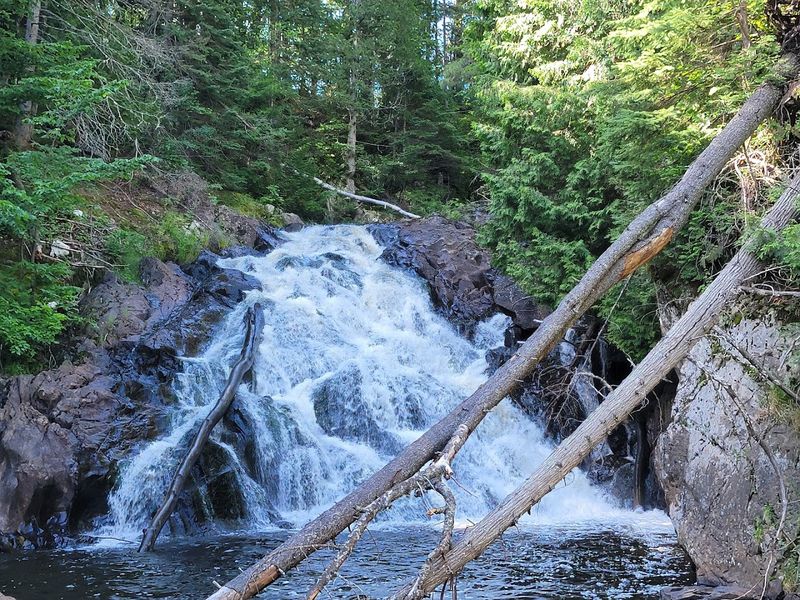
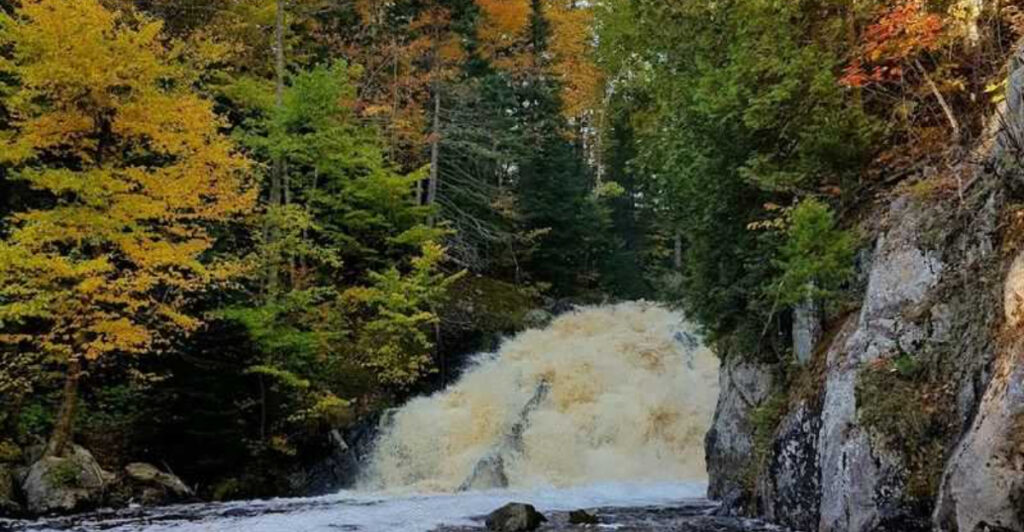
Standing at the base of Pinnacle Falls for the first time is one of those moments that genuinely stops you mid-thought. The Yellow Dog River tumbles over rugged rock faces with surprising force, sending a cool mist into the air that you can feel before you even see the full drop.
It is the kind of waterfall that makes you reach for your camera and then immediately forget to use it because you are too busy staring.
The falls sit within a rocky gorge carved by centuries of water movement, giving the whole scene a raw, ancient energy. Unlike some waterfalls that look better in photos than in person, Pinnacle Falls holds up in real life.
The surrounding rock walls frame the cascade beautifully, and the sound of rushing water echoes through the gorge in a way that feels almost theatrical.
Water volume at the falls changes with the seasons. Spring snowmelt pushes the Yellow Dog River to impressive levels, making the falls roar with extra intensity during April and May.
Summer visits offer calmer flow but warmer temperatures that make the mist feel refreshing rather than chilly. Fall brings a stunning backdrop of orange and red foliage that turns the entire scene into something out of a painting.
Getting to the base requires navigating that steep descent mentioned by hikers, so take your time and watch your footing on the rocky path. The reward at the bottom is full-on immersion in one of the Upper Peninsula’s most underrated natural features.
Pinnacle Falls does not show up on every tourist list, and honestly, that makes discovering it feel even more special. Consider arriving early in the morning when the light hits the mist just right.
The Yellow Dog Plains Setting
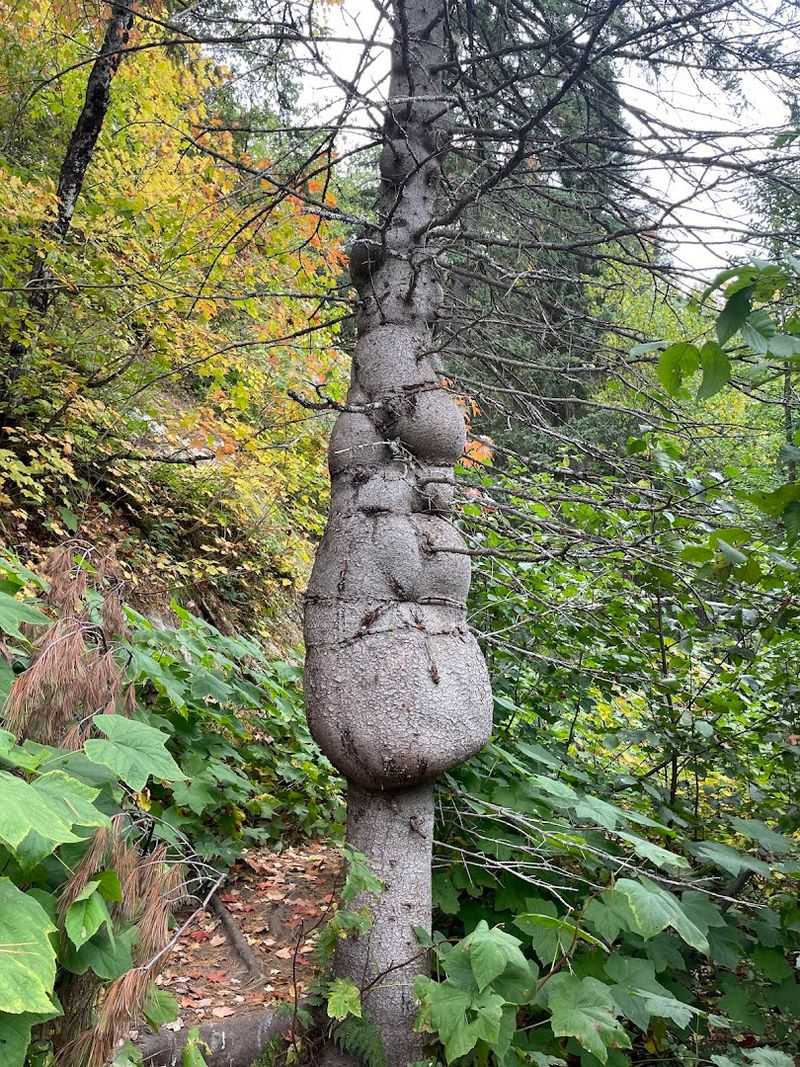
Before you even reach the trailhead, the drive through the Yellow Dog Plains gives you a taste of just how wild and open this corner of Michigan really is. Stretching across a broad, flat expanse in Marquette County, the plains feel almost otherworldly compared to the dense forests most people picture when they think of the UP.
It is the kind of landscape that makes you slow down the car just to take it all in.
The Yellow Dog Plains are a unique ecological zone shaped by fire history, sandy soils, and the kind of harsh winters that only the Upper Peninsula can deliver. Jack pines dominate the area, growing in scrubby, wind-sculpted clusters across the open ground.
Wildlife thrives here, and if you keep your eyes open during the drive in, you might spot deer, birds of prey, or even signs of larger UP residents moving through the brush.
The plains also serve as a gateway to multiple outdoor recreation opportunities beyond the Pinnacle Falls hike. Snowmobilers love the area in winter, and off-road enthusiasts use the network of forest roads year-round.
But for hikers headed to the falls, the plains represent that anticipatory stretch of road that builds excitement before the trail begins.
There is something grounding about passing through such an expansive, undeveloped landscape before stepping into the woods. The contrast between the open plains and the enclosed forest trail creates a satisfying sense of transition.
You go from big sky and flat horizon to towering trees and rushing water in a matter of minutes. That shift alone makes the Yellow Dog Plains feel like a meaningful part of the whole Pinnacle Falls experience, not just a backdrop you drive through.
Wildlife and Nature Along the Route
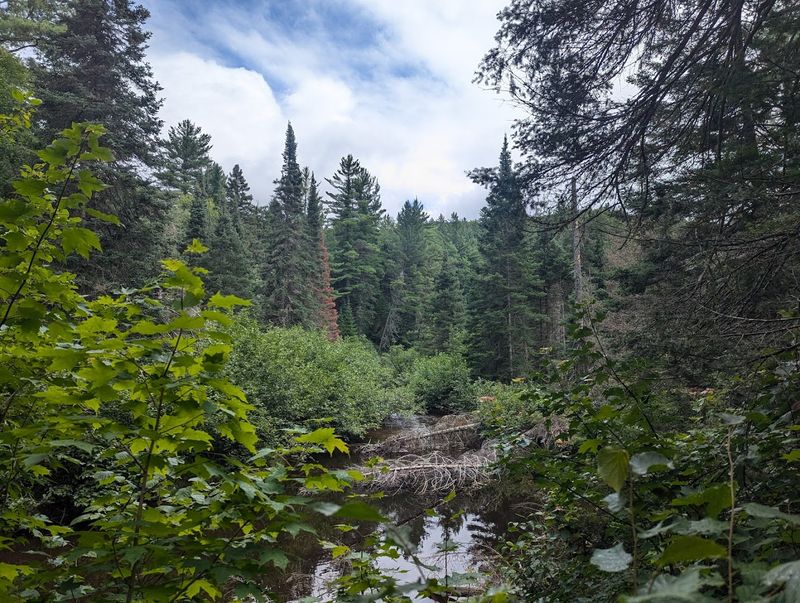
One of the quieter pleasures of hiking to Pinnacle Falls is what you might encounter along the way. The forest corridor between the trailhead and the falls is teeming with life, and slow, attentive hikers tend to notice far more than those who rush straight to the destination.
Birdsong is constant, and the variety of species you can hear in the UP woodland is genuinely impressive even to seasoned outdoor enthusiasts.
White-tailed deer are common in this area, often spotted near the tree line at dawn and dusk. Smaller mammals like red squirrels and chipmunks are practically trail companions, darting across the path and disappearing into the undergrowth before you can get a photo.
Along the Yellow Dog River corridor, look for signs of beaver activity, including gnawed tree stumps and the occasional dam structure tucked along quieter stretches of the water.
Birdwatchers will want to bring binoculars. The mixed forest habitat supports a strong variety of woodpeckers, warblers, and raptors depending on the season.
Spring migration turns the whole trail into a symphony of calls, while fall brings hawks riding thermals above the open plains nearby. Even casual observers tend to leave with a mental list of things they spotted and want to identify later.
The river itself supports healthy populations of brook trout, and the clear water makes it easy to spot fish holding in the current near rocky sections. Fishing is popular in the Yellow Dog watershed, though you will want to check current Michigan DNR regulations before casting a line.
Whether you are a dedicated naturalist or just someone who appreciates a good deer sighting, the wildlife along this route adds a whole extra dimension to an already rewarding hike.
Best Time of Year to Visit
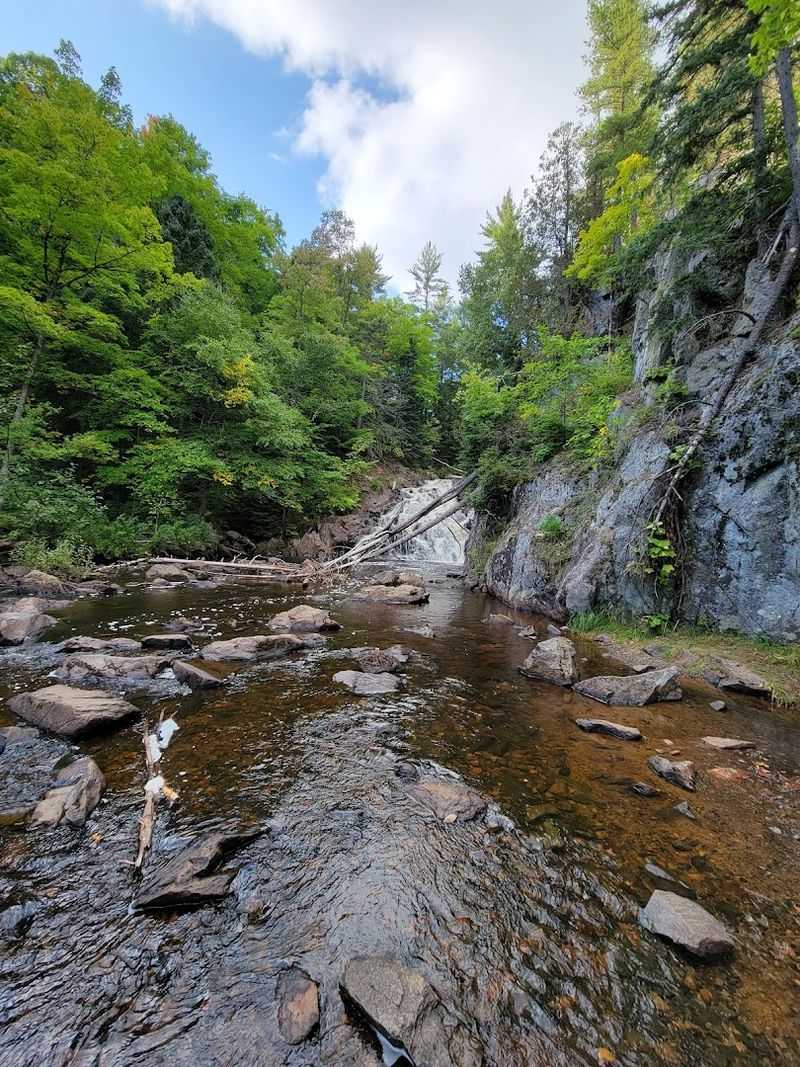
Timing your visit to Pinnacle Falls can make a big difference in what the experience looks and feels like. Each season brings something distinct to the trail, and honestly, there is no single wrong answer for when to go.
It really comes down to what kind of experience you are chasing and how you feel about mud, bugs, or cold temperatures.
Late spring, from mid-May through early June, delivers the most dramatic waterfall display. Snowmelt from a long UP winter floods the Yellow Dog River with extra volume, pushing Pinnacle Falls to its most powerful state.
The forest is also coming back to life during this window, with fresh green growth creating a lush, vibrant tunnel along the trail. Just be prepared for soft ground and the possibility of lingering snow in shaded spots.
Summer is the most popular season, and for good reason. Warm temperatures, long daylight hours, and dry trail conditions make the hike comfortable and accessible for nearly everyone.
Bug repellent is a non-negotiable addition to your pack from late June through July, when mosquitoes and black flies peak in the UP. Early morning starts help you avoid both the bugs and any weekend crowds at the trailhead.
Fall earns a special mention for sheer visual beauty. The combination of autumn foliage and waterfall scenery along this trail is genuinely hard to beat anywhere in Michigan.
Peak color in the Marquette County area typically runs from late September into mid-October. Winter visits are possible for experienced snowshoers, but the steep descent to the falls becomes significantly more hazardous with ice.
Whatever season you choose, the trail rewards those who show up prepared and ready to pay attention to their surroundings.
What to Pack for the Hike
Even though this is a short hike, packing smart still matters. The Upper Peninsula has a way of reminding you that it operates on its own terms, and being underprepared on even a quick trail can turn a great afternoon into a frustrating one.
A little planning goes a long way out here, especially if you are venturing in during shoulder seasons when conditions can shift quickly.
Water is the non-negotiable starting point. Bring more than you think you need, especially on warm summer days when the trail can feel surprisingly warm under a full canopy.
A basic snack like trail mix or an energy bar is worth tossing in your bag, not because the hike demands it, but because stopping to eat near the falls is one of life’s simple pleasures. A small daypack keeps everything organized without weighing you down.
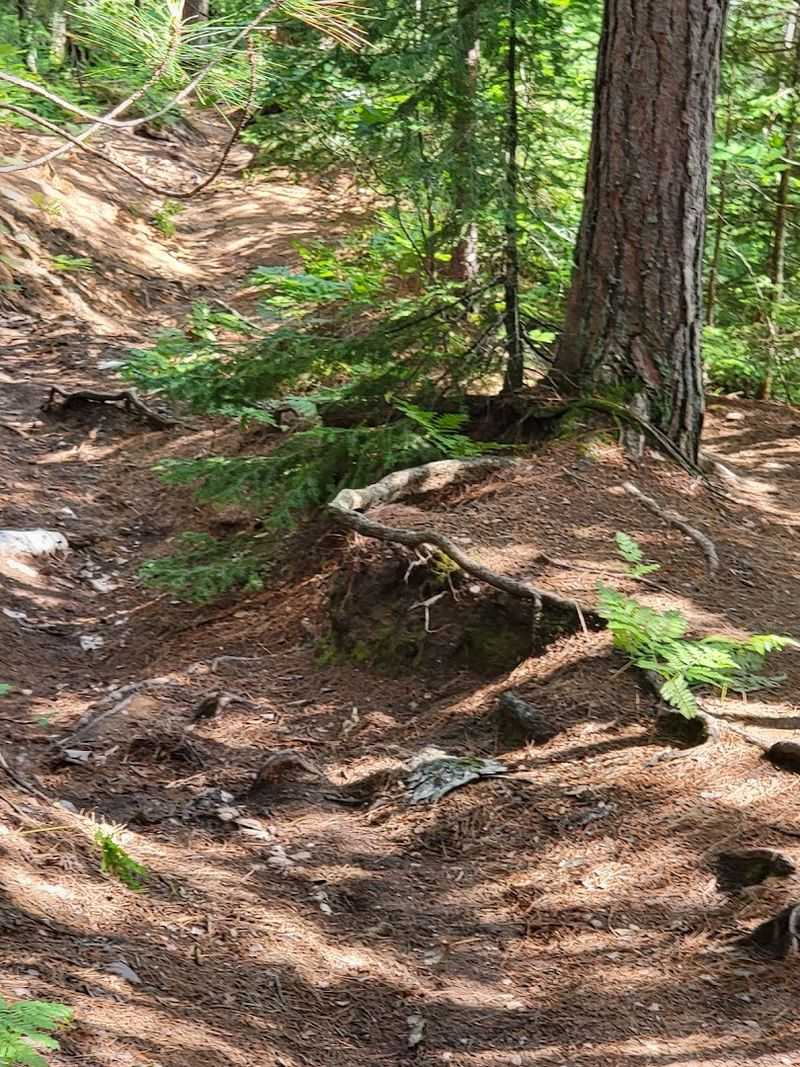
Footwear deserves real attention on this trail. The steep descent to Pinnacle Falls involves rocky, uneven terrain that can be slippery when wet.
Hiking boots or trail shoes with solid grip will serve you far better than casual sneakers. Trekking poles are optional but genuinely useful on the steep section, particularly for anyone with knee sensitivities or balance concerns.
Bug repellent belongs in your pack from late May through August without question. A light rain jacket is smart year-round in the UP, where afternoon showers can appear without much warning.
Bring a fully charged phone or a dedicated camera, because the falls are absolutely worth documenting. A printed or downloaded offline map of the area is also a good backup since cell service in this remote part of Marquette County can be unreliable.
Pack light, pack smart, and the trail will take care of the rest.
Getting to the Trailhead Near Big Bay
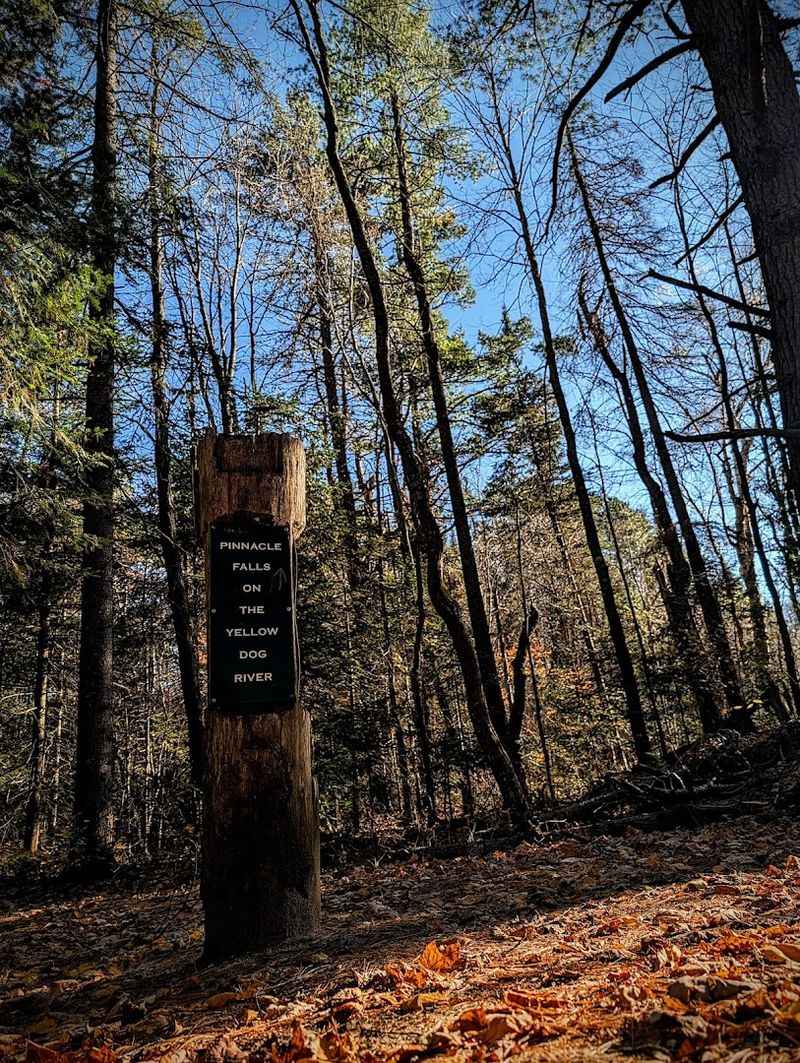
Finding the trailhead for Pinnacle Falls is part of the adventure, and knowing what to expect before you leave home saves a lot of guesswork on the road. The falls are located near Big Bay, a small community in Marquette County that sits about 25 miles north of Marquette itself.
The drive from Marquette is scenic and worth savoring, passing through forest and open terrain that sets the mood well before you reach the trailhead.
Once you leave the paved roads behind, expect a stretch of unpaved forest road to get you to the access point. These roads are generally passable by standard vehicles during dry summer conditions, but a vehicle with higher clearance handles the terrain more comfortably.
After a significant rain, the roads can develop soft spots and puddles, so checking conditions before heading out is a reasonable precaution, especially earlier in the season.
GPS coordinates for Pinnacle Falls sit around 46.7063, -87.8068, which puts you in the right general vicinity. However, cell service in this area is limited, so downloading an offline map before leaving town is genuinely useful rather than just cautious advice.
The Marquette County area has several forest roads that look similar, and having a reliable navigation reference keeps you from backtracking unnecessarily.
Parking near the trailhead is informal and limited, so arriving early on busy summer weekends helps you secure a spot without stress. There are no fees, no formal visitor center, and no amenities at the trailhead, which is part of what keeps this place feeling raw and uncrowded.
Fill up your gas tank in Marquette or Big Bay before heading out, because fuel options become scarce once you turn off the main road. The remoteness is a feature, not a flaw.
Share this story