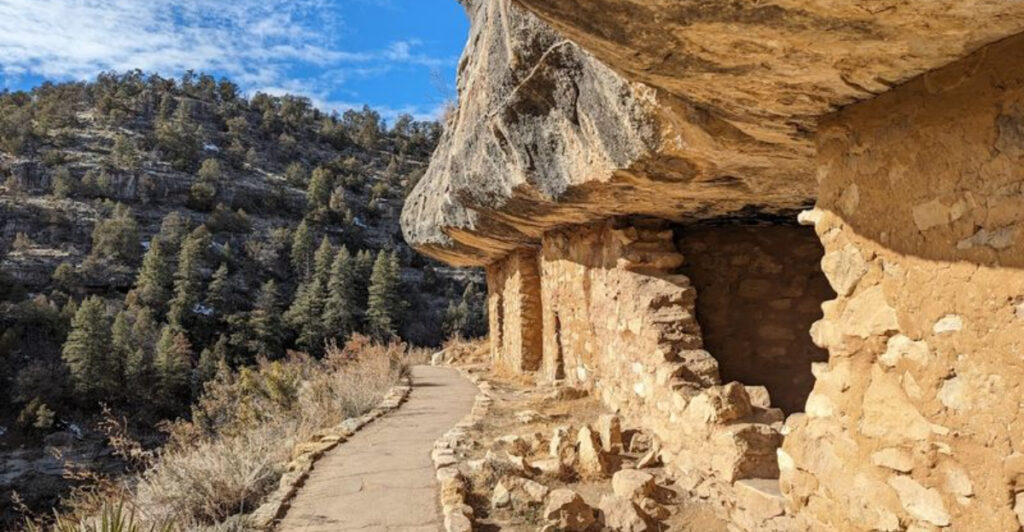
Just ten minutes from Flagstaff, a short loop trail drops you into a canyon layered with history and natural beauty. Along the Island Trail, ancient cliff dwellings come into view at eye level, tucked into limestone alcoves like hidden doorways from another time.
The roughly one-mile hike offers a mix of light challenge and deep curiosity, making every step feel rewarding. It’s a rare chance to connect with the past while surrounded by striking desert scenery. Lace up sturdy shoes, bring water, and get ready for a walk that feels like stepping back through centuries.
Start at the Visitor Center (Start Smart)
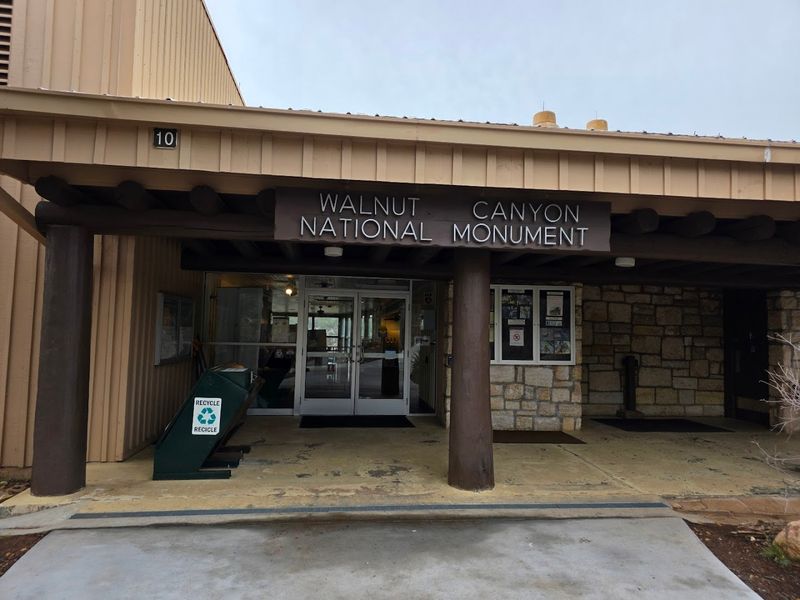
Right before you commit to the stair-stepping descent, take a few minutes inside the visitor center—it quietly sets up everything that follows. The exhibits offer a grounded introduction to the Sinagua people, with displays on how these cliff dwellings were constructed and how daily life once unfolded along the canyon walls.
You’ll also get a sense of the geology shaping Walnut Canyon, which makes the views outside feel more intentional once you’re on the trail. Just as important, this is where you’ll find the latest updates on trail conditions, weather shifts, or temporary closures—details that can change how the hike feels in real time.
Grab a map, top off your water, and don’t hesitate to ask a ranger something specific, like how slippery the shaded sections are or whether wind tends to pick up later in the day. Those small insights can make a noticeable difference.
The large windows facing the canyon double as a preview, letting you study the terrain and spot the path you’re about to take. A quick look here helps with orientation later. There’s also a modest shop for snacks or a last-minute bottle of water, plus restrooms before you head out. It’s an easy, practical stop that makes the rest of the experience smoother.
Island Trail: A One-Mile Journey Through Time
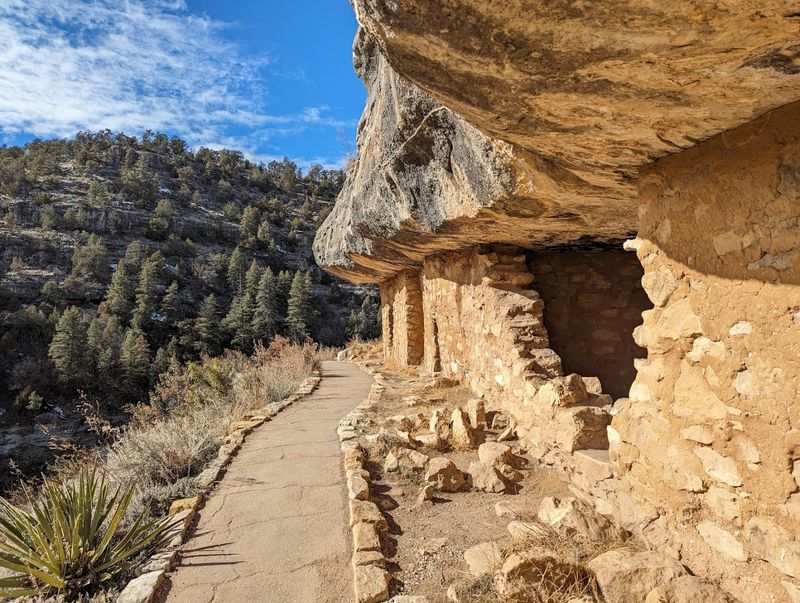
Everything here revolves around the Island Trail, a compact one-mile loop that delivers far more than its distance suggests. The path drops quickly from the visitor center into Walnut Canyon, wrapping around a natural limestone “island” where ancient cliff dwellings line the walls at eye level.
You notice the elevation right away as stairs lead you down, but the reward comes fast—doorways, stone walls, and carved-out rooms appearing almost within reach, like pages of a history book left open in the rock.
The trail itself is unpaved and stair-heavy, creating a close, immersive feel that encourages slowing down rather than rushing through. As you move along, interpretive signs provide just enough context to understand what you’re seeing without pulling you out of the moment.
You’ll pass dozens of rooms along the loop, with even more visible across the canyon, adding depth to every viewpoint. It’s important to respect the structures by not entering or touching them, as preservation depends on visitors keeping a respectful distance.
Mornings tend to feel cooler and quieter, while afternoons bring stronger sunlight that sharpens the canyon’s textures and shadows. At around 6,600 feet elevation, pacing yourself—especially on the climb back up—makes a noticeable difference. Short in distance, the experience lingers long after the hike ends.
Planning the Descent—and the Climb Back Up
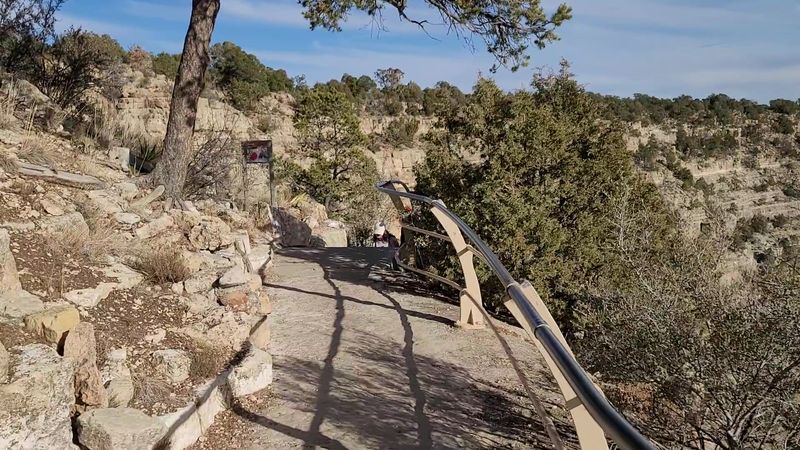
Before you head down, it’s worth pausing to understand what the staircase really asks of you. The descent into Walnut Canyon starts off deceptively easy, with steps that feel manageable and even inviting, but every one of them becomes part of the return climb.
Setting a steady pace from the beginning makes a noticeable difference, especially at elevation, where even short bursts of effort can catch up with you. The trail is uneven in places, and while some sections have handrails, many do not, so keeping your hands free for balance is a smart move.
Footwear with solid grip helps on dusty or slightly slick surfaces, and if you tend to feel it in your knees, trekking poles can take some of the strain on the way back up. Hydration matters more than you think here—starting early beats realizing halfway through that you’re already low on energy.
Direction doesn’t change the effort, but it does shape the experience; walking with the canyon opening beside you can reveal dwellings gradually, almost like a series of quiet surprises. Weather also plays a role, with heat building quickly in warmer months and shaded sections sometimes holding onto moisture or ice in cooler seasons. Taking it slow and finishing comfortably always feels better than rushing through and burning out near the top.
Walking Among the Cliff Dwellings
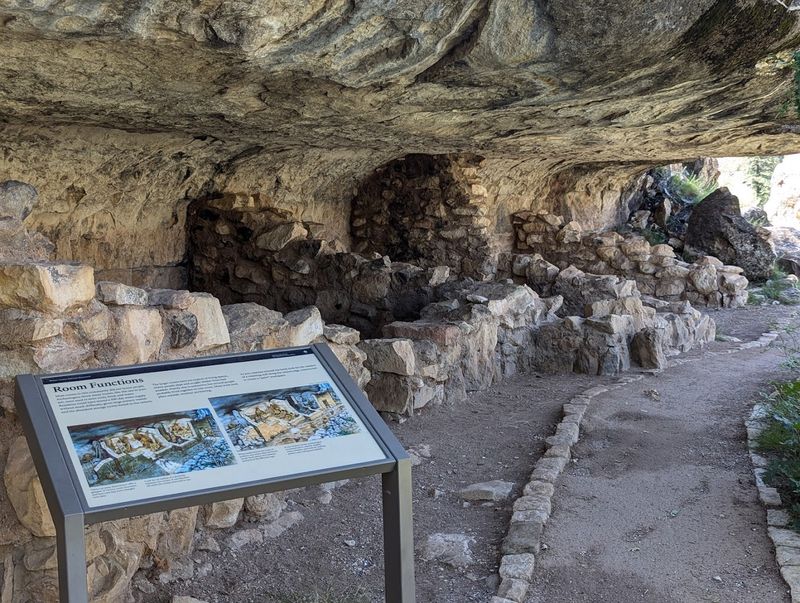
Up close, the cliff dwellings feel almost within reach, and that sense of proximity is exactly what makes restraint so important. Built by the Sinagua people centuries ago, these rooms were carefully fitted into natural limestone alcoves, using stone and mortar in a way that blends seamlessly with the canyon itself.
Each doorway offers a glimpse into daily life without fully revealing it, inviting curiosity rather than contact. Look closely and you’ll notice subtle details—darkened areas where fires once burned, gently curved walls that follow the contours of the rock, and ledges that likely served as small working or resting spaces.
The positioning of these alcoves wasn’t accidental either; they provided shade during hot months while still allowing winter sunlight to reach deeper inside. Today, preservation depends on visitors keeping a respectful distance.
That means staying behind barriers, avoiding any temptation to touch or lean on the structures, and leaving everything exactly as it is. Even minimal contact can speed up erosion in ways that can’t be undone.
Interpretive signs along the trail help fill in the story without overwhelming the experience—reading one and then looking again often reveals details you might have missed at first glance. It’s less about rushing past and more about noticing what’s still quietly standing.
Plants, Wildlife, and the Canyon’s Quiet Side
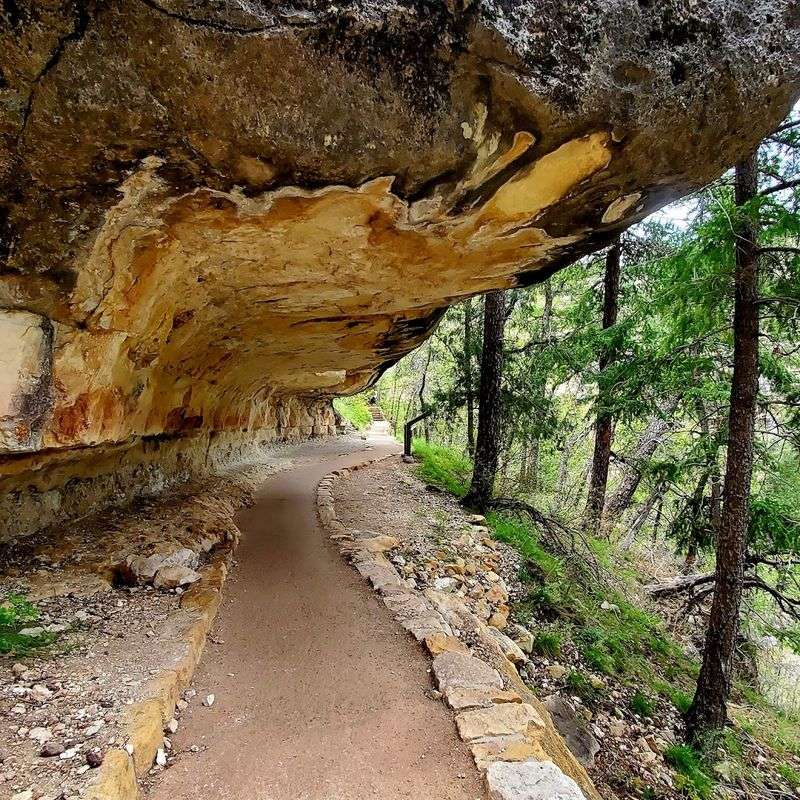
While the cliff dwellings naturally pull your focus, it doesn’t take long to notice that the canyon itself is just as alive as its history. Plants seem to grow out of sheer rock—prickly pear pads catching sunlight, yucca standing tall, and cliffrose clinging to narrow ledges where soil looks almost nonexistent.
Piñon pines and juniper trees weave patches of green through the pale limestone, and on warmer days, the air carries a subtle, resinous scent as the sun hits their needles. Movement often comes in quick flashes: Abert’s squirrels darting across the trail with their distinctive tufted ears, or ravens gliding effortlessly on rising thermals overhead.
If you pause and listen, canyon wrens add a melodic layer, their calls echoing softly between the stone walls. This environment depends on delicate balance, especially along the trail edges where thin soils support a surprising variety of plant life.
Staying on the path helps protect that fragile system and keeps your footing more secure on the fine, dusty limestone that can shift underfoot. Slowing down also changes how much you notice—step aside, let others pass, and give yourself a quiet moment against the rock.
With fewer footsteps around, the canyon feels less like a destination and more like a living place unfolding in real time, where wind, wings, and subtle sounds take over the experience.
Photography: Light, Angles, and What Not to Disturb
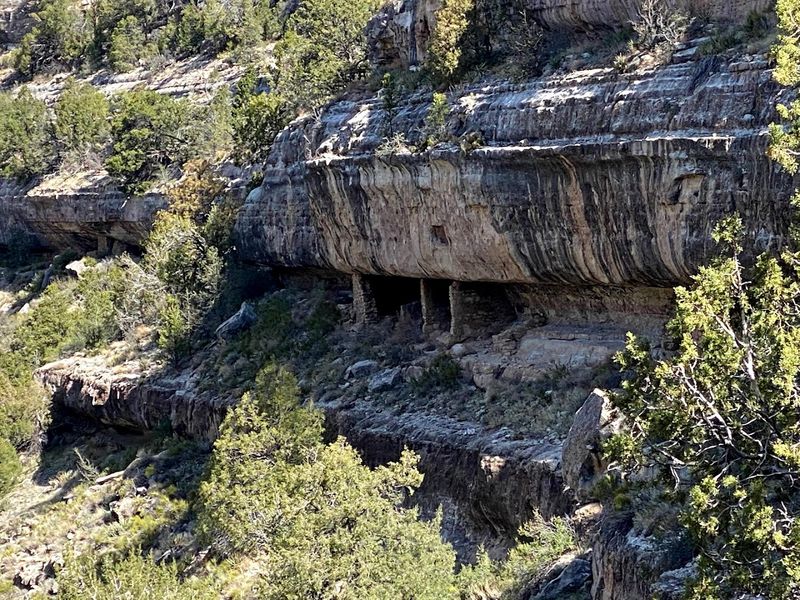
If you’re planning to shoot here, think less about single subjects and more about depth—this trail rewards layered compositions. Doorways make natural frames, pulling your eye inward before revealing the canyon terraces stepping away in the background.
Early light tends to be the most forgiving, grazing the limestone at an angle that brings out texture without washing out detail, while later in the day creates stronger contrasts that can feel more dramatic but trickier to balance.
Space is limited along the trail, so keeping your setup simple helps; handheld shots or a compact tripod that stays clear of foot traffic will make the experience smoother for everyone. It’s also important to resist the urge to lean on walls or step beyond barriers for a better angle—there’s plenty to capture without crossing those lines.
Moving slowly in both directions along the loop can shift your perspective more than you’d expect, with alcoves opening and closing as you take just a few steps.
Keep an eye on the sky as well, since ravens often glide at rim level, adding a sense of movement and scale to otherwise still scenes. Above all, patience pays off here—waiting a moment for a clear frame often leads to more thoughtful, grounded images that reflect the quiet rhythm of the canyon.
Timing Your Visit for the Best Experience
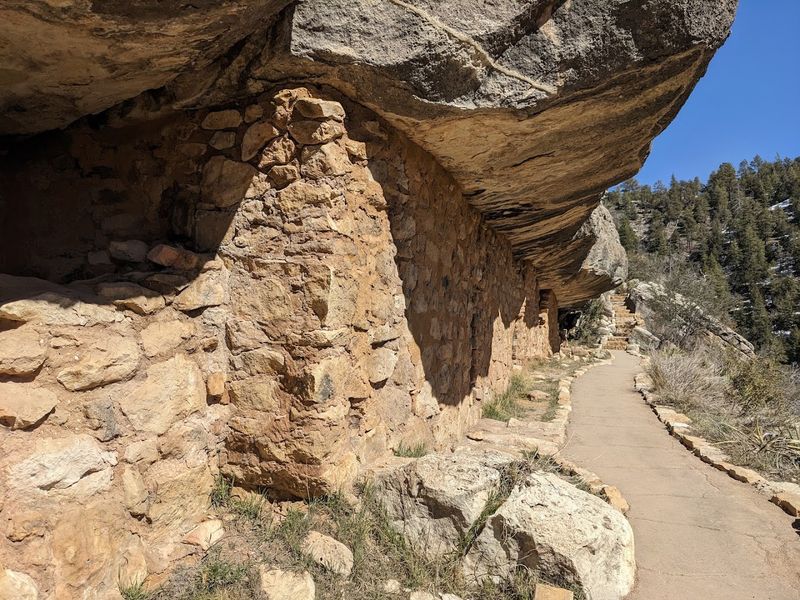
When you go matters almost as much as how you go on the Island Trail. Early mornings tend to offer the best balance—cooler temperatures, fewer people, and softer light that brings out the texture in the canyon walls without harsh contrast.
By midday, the heat can build quickly, especially in warmer months, and the reduced shade makes the climb back up feel more demanding, so carrying extra water becomes essential. During monsoon season, afternoons can shift fast, with clouds gathering over the plateau and winds picking up along exposed sections.
If weather looks uncertain, it’s smarter to head out early and wrap up before conditions turn, rather than navigating slick steps or sudden gusts. Winter adds a completely different layer to the experience, sometimes coating shaded areas with ice while leaving the rest of the trail clear and quiet.
On those days, traction can make a difference, and the stillness of the canyon feels more pronounced, with sounds carrying farther in the crisp air. Weekdays generally feel more relaxed compared to weekends, and spring or fall often strike a comfortable middle ground between temperature and crowd levels.
No matter the season, checking current hours and conditions before arriving helps avoid surprises. Giving yourself extra time, especially for the climb back up, makes the entire experience feel far more enjoyable.
Safety, Gear, and Easy Wins for the Trail
Getting the basics right makes this short hike feel a lot more comfortable from start to finish. Even on cooler days, carrying at least a liter of water is a smart move, especially with the steady climb waiting on the way back up.
Sun exposure is constant in the canyon, so a hat, sunscreen, and lightweight layers go a long way in keeping you from overheating. Footwear matters more than anything else—this isn’t the place for smooth soles or casual slip-ons.
A good pair of shoes with solid grip will help you feel steady on dusty, uneven steps, and if your knees tend to complain, lightweight trekking poles can make the ascent noticeably easier. Keeping your hands free for balance is helpful too, since railings aren’t consistent along the route.
It’s worth skipping earbuds here, not just for awareness around other hikers but to actually hear the canyon—birds, wind, and the subtle sounds that give the place its atmosphere. Snacks should be simple and easy to grab, something that gives you a quick boost before tackling the final stretch upward.
Bringing a light layer isn’t a bad idea either, as shaded sections and occasional wind can catch you off guard. Most importantly, move at your own pace. Taking short breaks and staying ahead on hydration turns what could feel strenuous into a steady, rewarding walk.
Rim Trail: A Quick, Scenic Add-On
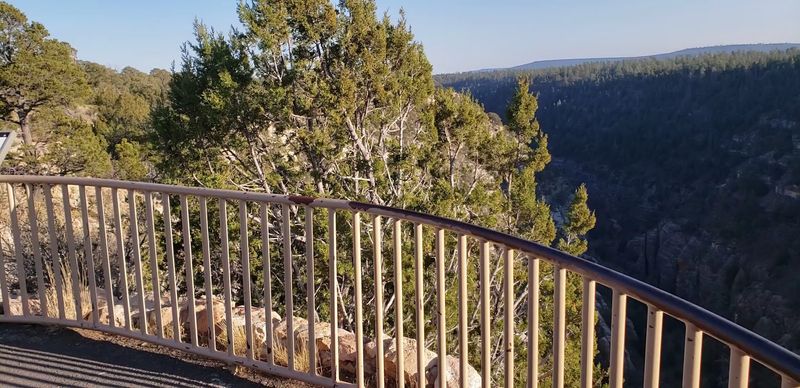
Not every great view here requires a staircase, and the Rim Trail proves it from the first few steps. This short, mostly flat path runs along the canyon’s edge, offering wide, open perspectives without the effort of the Island Trail descent. It’s an easy way to ease into the landscape or a solid alternative if steep stairs aren’t appealing.
Along the way, designated viewpoints invite you to pause rather than rush, each one revealing a slightly different angle of the canyon’s layered walls and the cliff dwellings tucked into them. Interpretive signs add context about the geology, plant life, and how the canyon gradually carved its amphitheater shape, giving more meaning to what you’re seeing.
Up here, the atmosphere feels surprisingly calm, with fewer crowds and a quieter rhythm, despite being close to the main entrance. Ponderosa pines and juniper trees line parts of the trail, adding subtle scent and shade, while birdsong carries easily across the open space.
It’s also a practical choice for families, casual walkers, or anyone looking for a more accessible route without missing out on the scenery. While you won’t be at eye level with the dwellings, the elevated vantage point helps you understand their placement across the canyon walls. Taken slowly, the Rim Trail turns into a relaxed, scenic complement to the main hike.
Share this story