Some blankets get tossed after a few winters, and some get handed down to grandkids. In a river town south of the Twin Cities, a mill has been making the second kind since 1865.
Raw wool goes in one end of the building and leaves as a finished blanket, a process that can take up to 12 days. Some of the machines doing that work date back more than a century, and a few have been humming since the early 1900s.
Crafters, fiber fans, and anyone who loves a good made-in-Minnesota story will find plenty to admire here. There is a guided tour, a store packed with wool goods, and a bargain corner that rewards patient shoppers.
Here is everything worth knowing before planning a trip, from tour days to the comeback story that saved the whole operation.
A Mill on the Northwest Side of Faribault
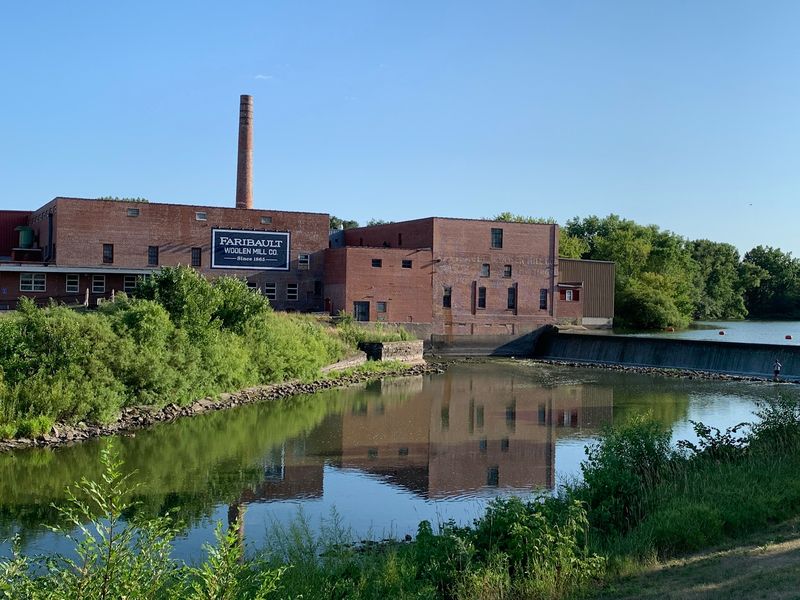
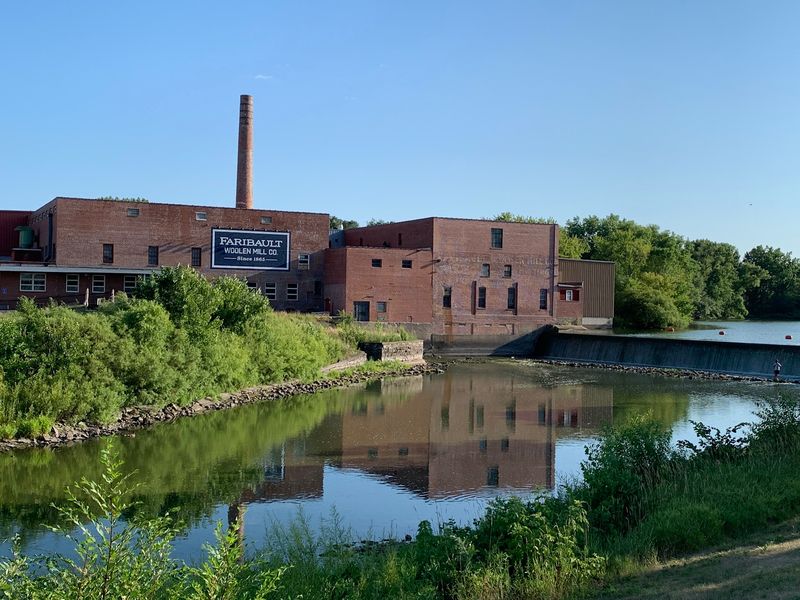
Faribault Woolen Mill Co. sits at 1500 2nd Ave NW, Faribault, MN 55021, in southern Minnesota. The town name trips up plenty of newcomers, so here is the fix: it is pronounced FAR-ee-bo.
The mill is a working weaving operation, not a museum with velvet ropes. Blankets, throws, and other wool goods are still produced on site, and a retail store shares the building.
That combination is what makes the place unusual. Shoppers can browse finished products in one area while the machines that made them sit just a short walk away.
Getting there is simple for anyone already in the region. Many people treat it as a stop on the way to or from the Twin Cities, and the town works well as a half-day destination.
Parking is easy, with a large lot right outside. A long ramp leads into the building, which gives easy access for strollers, wheelchairs, and anyone who prefers to skip stairs.
The building itself is clean and well organized inside. First-timers tend to find their bearings quickly, which leaves more time for the fun part: deciding which blanket is coming home.
Born in 1865, Still Weaving
Andrew Johnson was president when this company first opened for business in 1865. That is a long run for any business, let alone one built around spinning and weaving wool.
Over those decades, the mill earned a reputation that reached far beyond Minnesota. It has long been a supplier of wool blankets to the US Armed Forces, a role that still ties into its identity today.
The company is often described as a heritage brand, and the label fits. Few American textile makers have stayed in the same craft for this long.
Even more striking is that the mill still handles the whole process. It is known as one of only a couple of companies in the country that take raw wool all the way to a finished blanket.
Most textile production in the United States moved elsewhere or disappeared over the past century. Faribault stayed put, kept its machines running, and kept its skills in-house.
The history of the mill comes up often among people who visit. It is hard to stand in a building with that much story and not want to know more, and the next chapter is the most dramatic one.
The Comeback That Saved the Looms
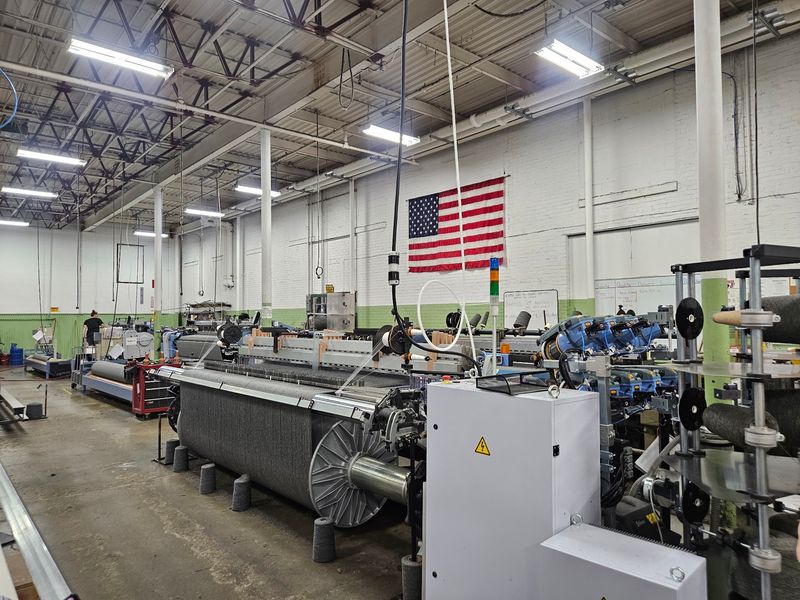
Plot twist: this story almost ended around 2008. A leveraged buyout went badly during the financial crisis, and the mill was left in serious trouble.
For roughly 18 months, the future looked uncertain. Then the Moody family stepped in and revived the company.
Their plan centered on quality craft production. Rather than chasing cheap volume, they bet that people would value well-made wool goods with a real backstory.
That bet appears to have paid off. The mill is often called a revival success story and a living, working monument to a part of American industry that is fading away.
The owners get warm praise as well. People who have dealt with them describe them as outstanding, which says something about the culture that came with the rebuild.
The workforce adds its own layer of loyalty. At one point, the longest-tenured worker was 83 years old and had been on the job since 1954, a career that spanned the mill before and after its rescue.
All of that history matters once the tour begins. The machines on the floor are not props; they are the reason the comeback worked.
From Raw Wool to Finished Blanket
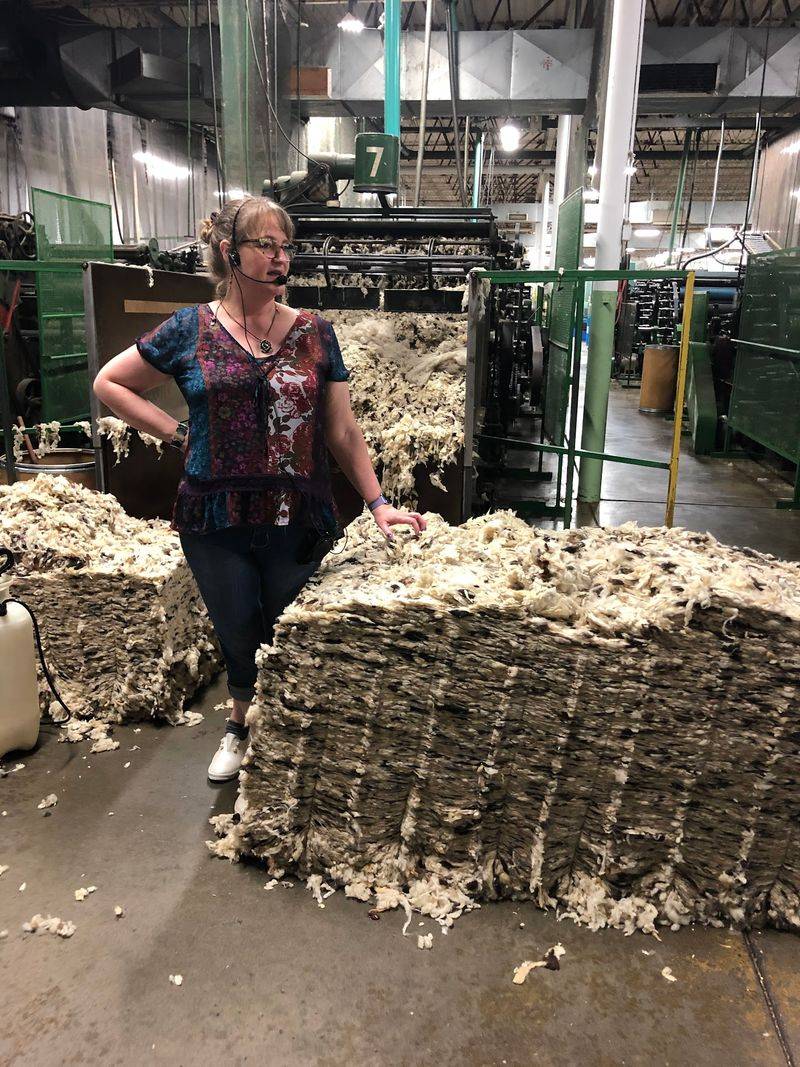
Twelve days. That is how long a single blanket can take to make here, start to finish.
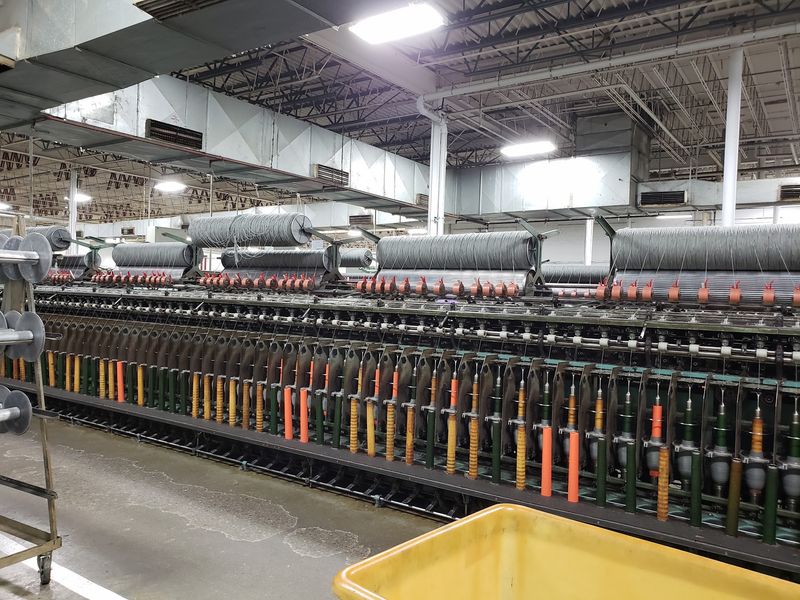
The journey begins with raw wool. From there, the fiber moves through stages of preparation, spinning, and weaving before it becomes the finished product sold in the store.
Seeing that whole chain in one building is rare. Most shoppers never think about what happens between a sheep and a throw draped over a couch.
The tour fills that gap. Guides explain how each step works and why it matters, so the price tag on a blanket starts to make more sense by the end.
Blanket production is a favorite subject among people who take the tour. Many leave with a new respect for the patience the craft requires.
For crafters who knit, spin, or weave at home, this is the industrial version of a familiar hobby. It shows how the same basic ideas scale up to blankets made in quantity without losing quality.
The process is fascinating on its own. The real scene-stealers, though, are the machines doing the work.
Machines Older Than Your Great-Grandparents
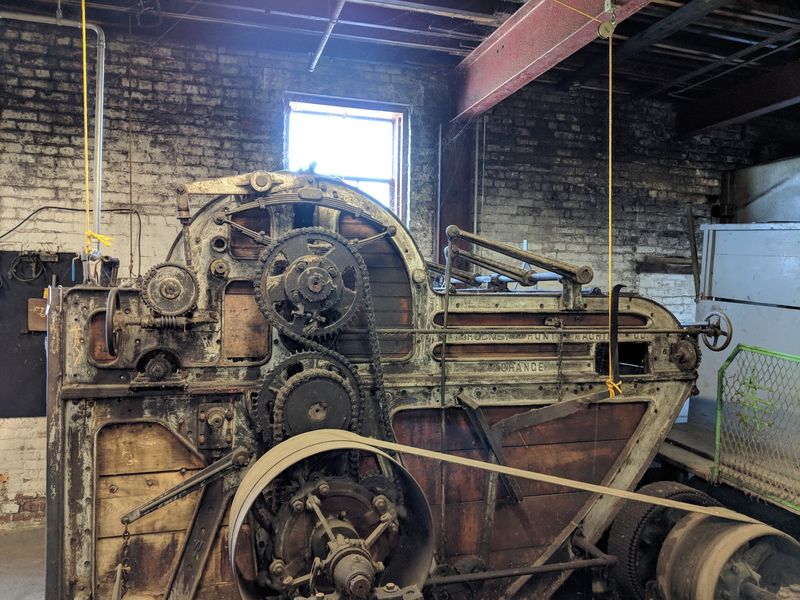
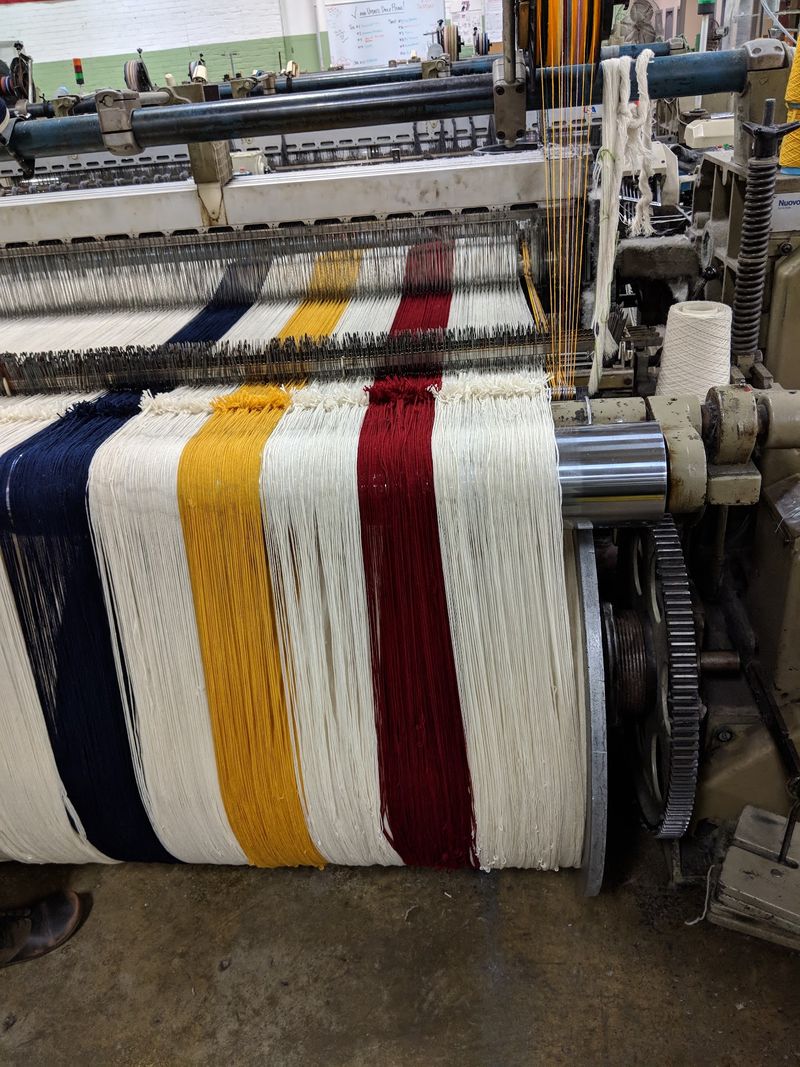
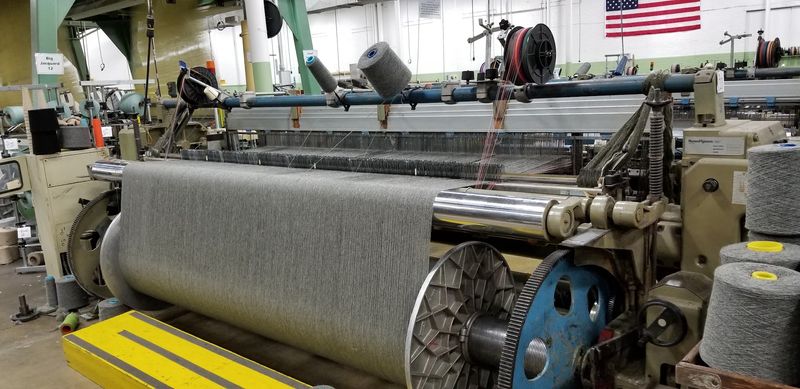
Some of the equipment on the mill floor dates to 1904. Other pieces trace back to the 1800s, which makes them antiques that still clock in for work.
Vintage machines are a highlight for many people on the tour. There is something memorable about seeing century-old gears and rollers still producing goods people buy today.
The mill does not rely only on old equipment, though. Modern weaving machines are used for some products, so the floor mixes old and new side by side.
That blend is part of the appeal. It shows how a heritage company can respect tradition while still keeping up with current demand.
When production is running, many of these machines are off limits because of moving parts. On quieter days, tour groups may get closer to equipment that would normally be too risky to approach.
Vintage collectors will find plenty to appreciate here. These are working artifacts rather than display pieces, and their survival is a big part of the mill story.
Of course, admiring old machines is easier with a knowledgeable guide. That brings up the tour itself.
Tour Days and Reservations
Timing is everything with this tour. Tours are offered on Fridays and Saturdays, while mill production is paused.
A reservation is required, so walking in and joining a group is not the plan. Booking ahead through the mill website is the safest way to secure a spot.
The cost has been listed at $10, and plenty of people call it well worth the money. The tour is consistently described as informative and genuinely interesting.
Guides walk groups through the production process and the history of the building. With machines idle, it is easier to hear commentary and ask questions along the way.
Groups typically gather in the lobby before heading out. It makes a handy spot to grab a photo before things get started.
People who stop by with time to spare in town often end up recommending the tour to anyone curious about wool or manufacturing. It is described as a must-see for those in the area and a solid day trip option.
Tour plans can change, so confirming details before driving down is smart. After the tour, most groups drift straight toward the store.
Inside the Wool Shop
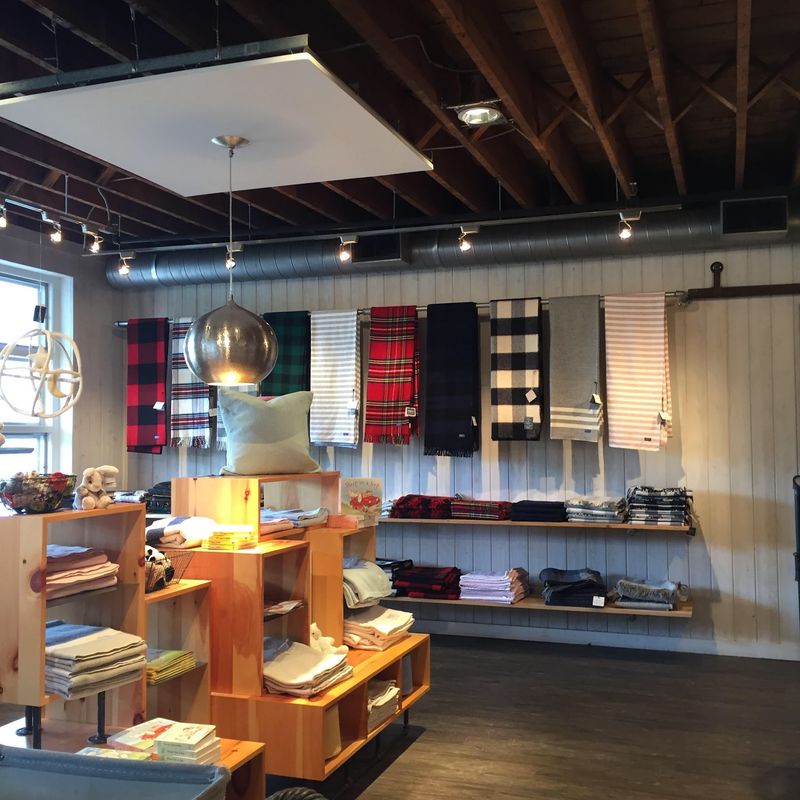
Fair warning: the hardest part of the store is choosing. Rows of blankets make decision-making a real workout.
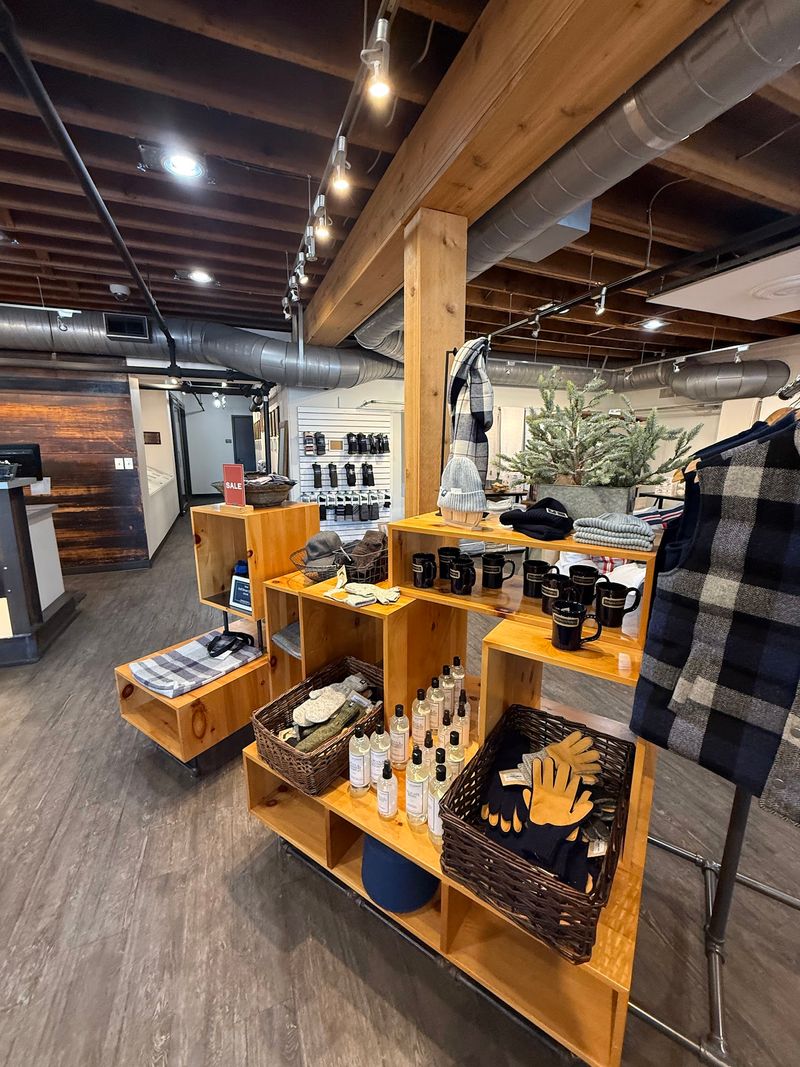
Blankets are the star, by far the most talked-about item. The shop carries throws, bed blankets, and a broader range of wool goods that stretches from gloves to bedding.
Many people arrive hoping to find just one throw and leave with two. Others walk out already planning a return trip for a full-size bed blanket.
Designs lean into Minnesota pride. A loon pattern and a Boundary Waters themed throw are among the pieces that have gone home with happy shoppers.
Products are woven in-house, and the quality shows up in daily use. Owners of several Faribault blankets say they hold up extremely well over time.
Prices sit on the higher end. Still, the common view is that the cost reflects the quality, and these are meant to last for years rather than a single season.
Not every purchase has to be full price, either. The next section covers the part of the store bargain hunters love most.
Seconds, Closeouts, and Smart Finds
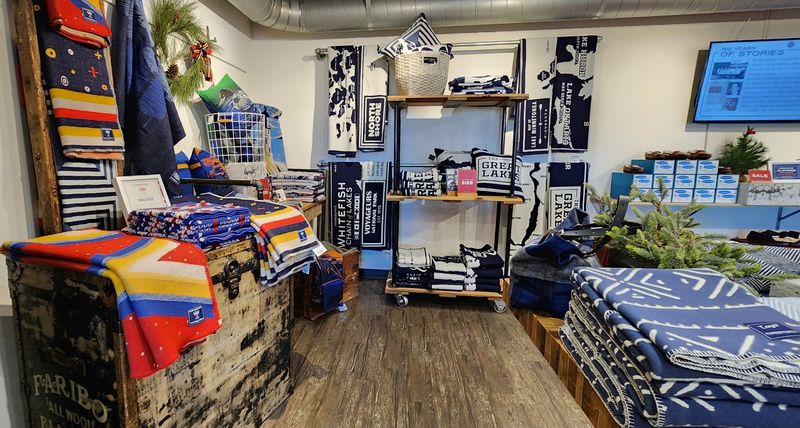
Value seekers, take note. The store keeps a seconds and clearance section, and it is one of the best reasons to shop in person.
Factory seconds and closeouts show up alongside the regular lineup. The headquarters is also known for off-season and extras sales.
For crafters and budget-minded shoppers, that changes the math. A premium wool piece becomes much easier to justify when it is marked down.
Inventory in a section like this naturally shifts. What is there one week may be gone the next, which adds a bit of treasure hunt energy to each visit.
Regulars treat a stop at the mill as a habit, especially when visiting family in town. Checking the clearance shelves becomes part of the routine.
Shopping in person also has another perk. Seeing items directly removes guesswork about color and finish, something that matters more than people expect.
That point connects to an honest note about ordering from home, covered a little further on.
Friendly Faces Behind the Counter
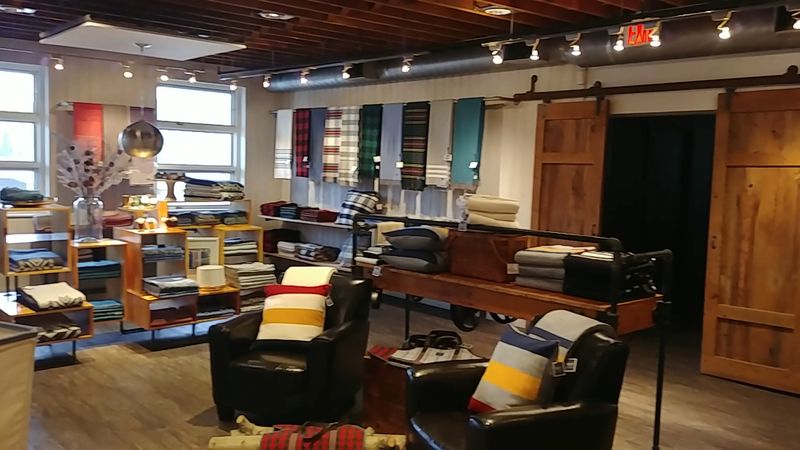
A good question deserves a good answer, and the staff here seem happy to provide one. Employees are described as helpful, friendly, and ready to explain products.
That matters in a store where the choices can feel overwhelming. A knowledgeable clerk can help narrow things down by size, weight, or style.
Passion is a recurring theme throughout the building. Everyone involved seems invested in both the product and the process.
The tour reinforces that impression. People often leave feeling like converts, with a new appreciation for wool after hearing the story told by people who care about it.
Custom pieces are another sign of that personal touch. One custom blanket given as a work gift is still called the best blanket its owner has, years later.
For shoppers, this kind of attention makes the visit feel less like a transaction. It turns a purchase into a story worth telling at the next family gathering.
Not every experience with the company has been smooth, however, and that deserves a clear-eyed look.
A Straight Talk About Online Orders
Here is the honest part. Online orders for items that are not in stock have sometimes taken far longer than expected.
Some orders placed in late 2025 saw delivery dates pushed back several times. A few did not arrive for months, and communication during those delays has drawn frustration.
Other shoppers have had very different results. Some orders arrived within a week, and the customer service team has also been praised as responsive.
Even people frustrated by delays tend to say the same thing about the product: it is great. The blankets themselves are rarely the problem.
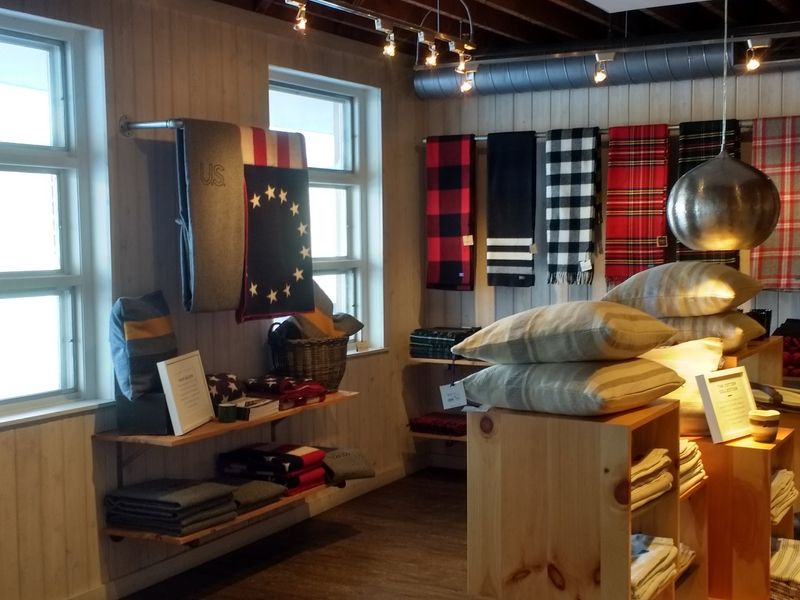
Color is another factor worth weighing. Shades online may not always match what shows up at the door, so seeing items in person can help.
The practical takeaway is simple. For special-order items, set flexible expectations on timing, and avoid cutting it close for gift deadlines.
All of this makes a strong case for driving down and shopping the store directly. That leads nicely into who will get the most from the trip.
Who Will Love This Trip Most
Crafters top the list. Anyone who knits, spins, or quilts will enjoy seeing fiber work done at industrial scale on equipment with real history.
Vintage collectors get their own reward. Machinery from the early 1900s still running in a working factory is a rare sight.
History buffs will appreciate the long timeline, the military connection, and the rescue story. It is a slice of American manufacturing that still functions rather than one that survives only in photos.
Gift shoppers are another natural fit. Blankets with Minnesota designs make thoughtful presents, especially for people who value something built to last.
Day-trippers from the Twin Cities can easily fold the mill into a drive. It is described as a worthy detour for anyone passing through.
Families with mobility needs will appreciate the easy access ramp and roomy parking. The setup keeps the visit relaxed.
Once the decision to go is made, a few practical details help everything run smoothly.
Planning the Visit and a Fair Verdict
Hours are straightforward. The mill is open Monday through Saturday from 9 AM to 5 PM and closed on Sundays.
Tours run on Fridays and Saturdays and require a reservation. The tour price has been listed at $10, though checking the official website for current details is wise.
Arriving with time to browse helps. Between the main collection and the clearance shelves, the store can easily fill an extra hour.
The verdict leans clearly positive, with a 4.4-star average on Google. Product quality and the tour carry most of that praise, while long waits on some online orders are the main sore spot.
Shopping in person sidesteps most of those concerns. Buyers can see colors directly, pick up clearance finds, and walk out with a blanket the same day.
A business that has lasted since 1865, nearly closed, and came back stronger is worth supporting. Its blankets are made to outlast trends.
For Minnesota crafters, collectors, and curious travelers, this mill delivers a rare chance to see how something lasting gets made, then take a piece of that story home.
Share this story