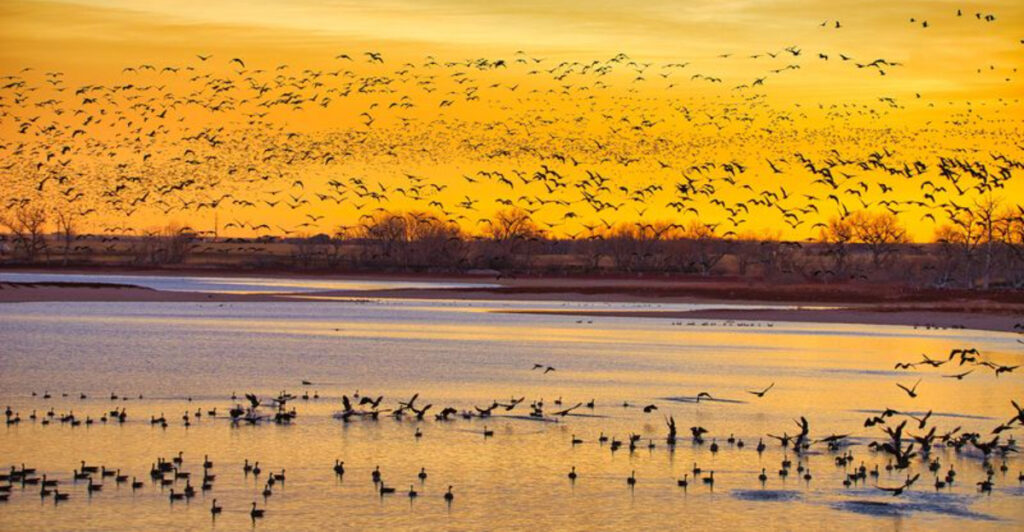
Just outside Denver, one of Colorado’s most important wildlife destinations comes alive each year with a spectacle that attracts birdwatchers and photographers from around the world. Barr Lake State Park spans more than 1,650 acres of wetlands, grasslands, and open water, creating ideal habitat for a remarkable variety of bird species.
During nesting season, visitors can spot bald eagles, herons, pelicans, and countless other birds against a backdrop of sweeping Front Range scenery. Whether you’re carrying a professional camera or simply enjoy nature at its most vibrant, this hidden gem offers one of Colorado’s most rewarding outdoor experiences.
Where the Front Range Suddenly Opens Up
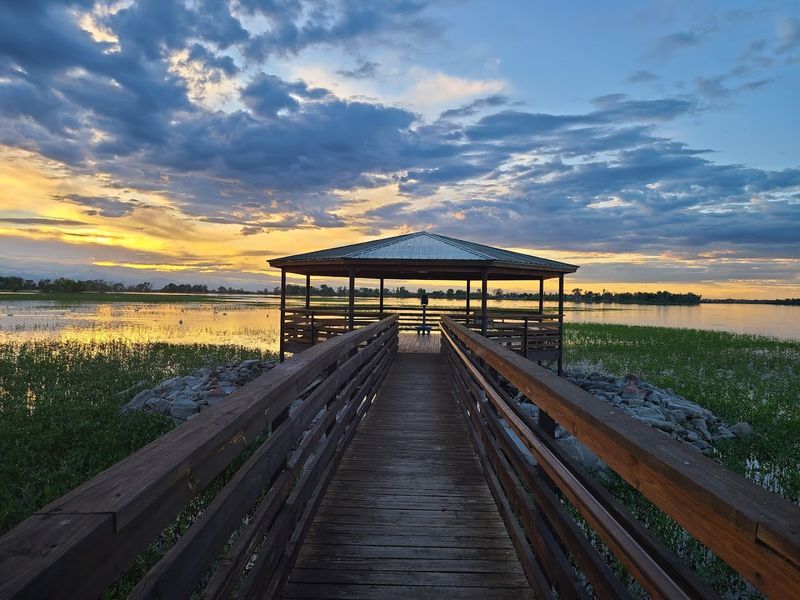
At first glance, Barr Lake State Park pulls off a trick that very few Front Range destinations can manage. One minute you are driving through the developed edges of metro Denver, and the next the land opens into water, marsh, grassland, and sky on a scale that reads almost cinematic.
That sudden shift is part of the draw, especially for photographers who need uncluttered sightlines and room for wildlife to move naturally.
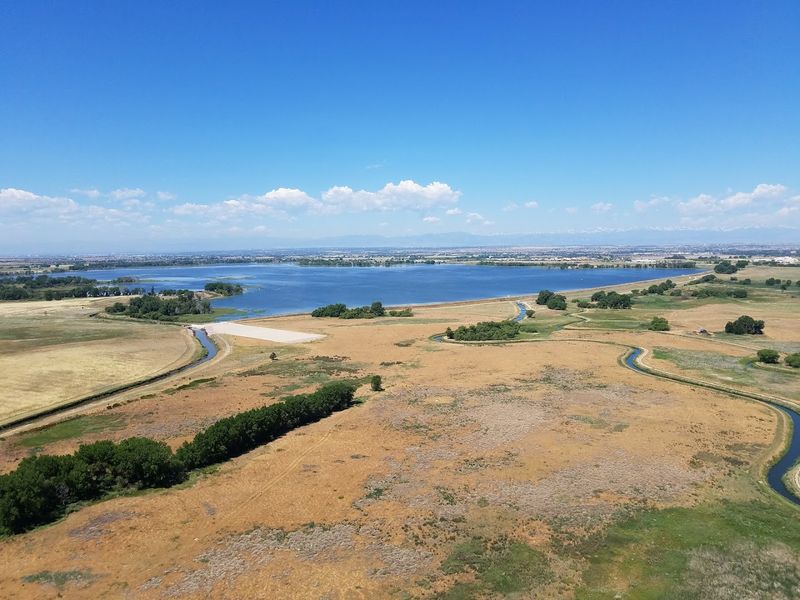
The lake itself spreads out with a broad, quiet presence rather than a dramatic alpine pose. Shoreline reeds soften the edges, cottonwoods frame key views, and long horizontal bands of blue water and tan prairie create the kind of clean composition that makes a telephoto frame look instantly organized.
In nesting season, the landscape becomes even more charged because every snag, treetop, and wetland pocket might hold active bird behavior rather than a static silhouette.
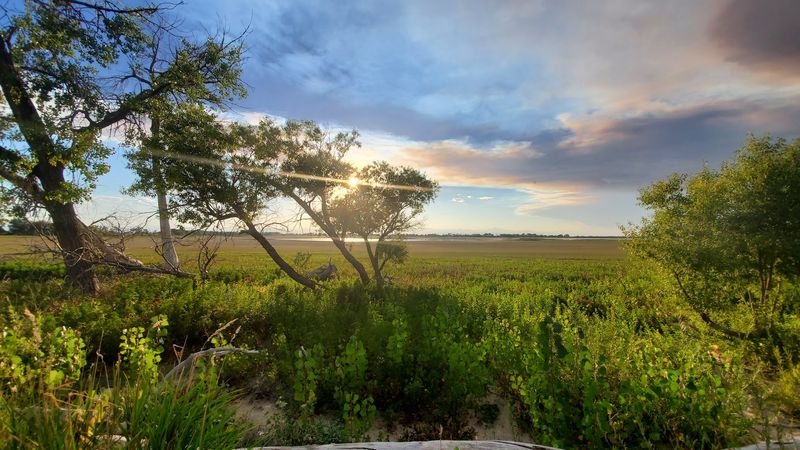
Morning light tends to reveal the park at its most layered. Low sun catches the grasses in pale gold, the boardwalks and trails pick up crisp shadow lines, and the still water can mirror passing clouds before the day’s breeze starts texture across the surface.
Even without spotting a major bird immediately, the setting already gives you a strong reason to slow down, scan carefully, and keep the camera ready.
That visual spaciousness matters here because Barr Lake is not a tightly staged wildlife display. It works as a functioning habitat first, with nesting, feeding, flight, and shelter all unfolding across a large piece of land.
The result is a place where every overlook feels slightly different, and where the horizon itself becomes part of the experience.
Why Nesting Season Changes Everything
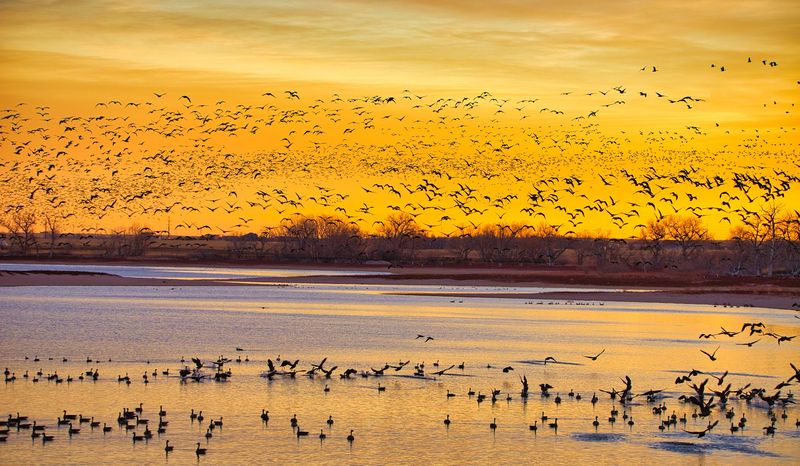
Nesting season is when Barr Lake shifts from scenic to electric. Instead of simply watching birds pass through, you are witnessing a period of territorial movement, courtship, nest tending, and constant scanning by adults that have real work to do.
That urgency changes the rhythm of the park, giving every patch of shoreline and every tall tree a stronger sense of purpose.
The sanctuary is especially known for raptor interest, and that is a big reason serious photographers show up with long lenses, monopods, and more patience than small talk.
A large bird lifting off from a perch is impressive any time of year, but during nesting season the behavior can be more focused and more repeatable if you are in the right place and keep your distance. You are not just hoping for a lucky flyover. You are reading a living landscape.
Smaller moments matter too. Wetland birds move through reeds, waterfowl patrol the lake surface, and sudden alarm calls can redirect attention before anything is visible to the naked eye.
Good birding here often starts with listening, then noticing motion, then settling into a frame as the scene reveals itself in pieces rather than all at once.
That is why Barr Lake attracts both dedicated birders and image makers who travel well beyond Colorado. The appeal is not only species variety.
It is the chance to observe behavior, anticipate action, and work within a habitat large enough to stay dynamic across the day. Nesting season adds tension, structure, and a very real sense that the next minute could be the best one.
The Boardwalks, Blinds, and Quiet Angles That Pay Off
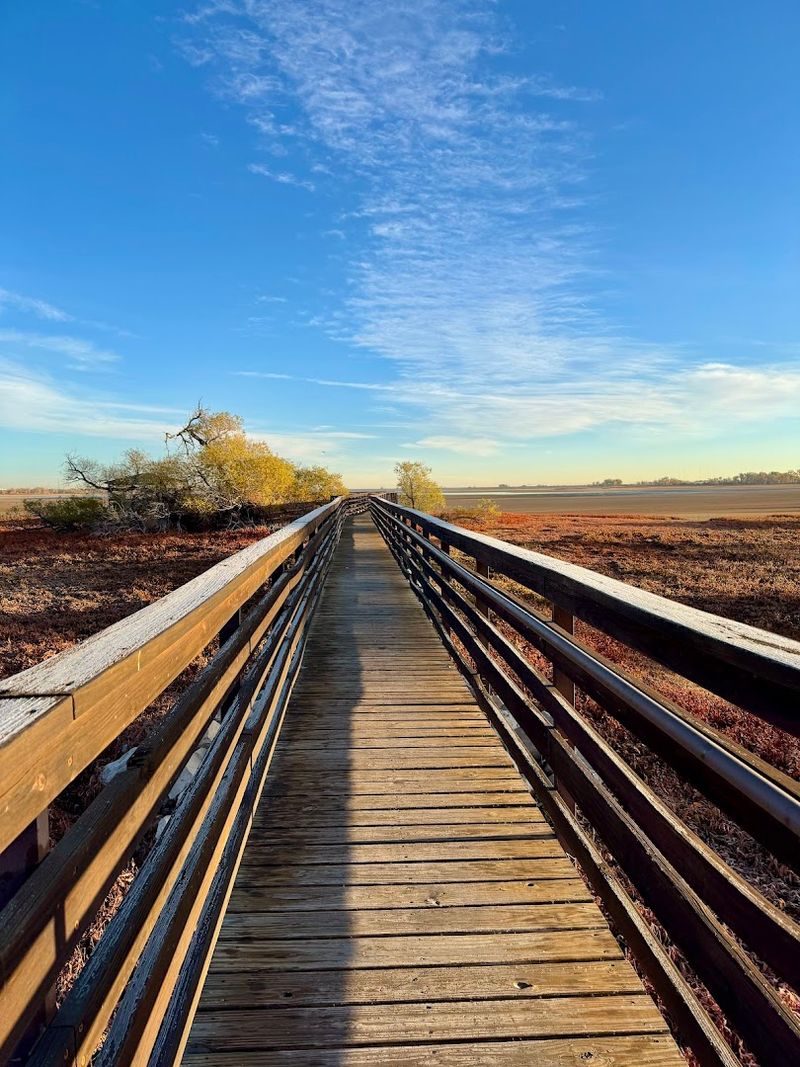
Barr Lake rewards movement, but not the rushed kind. The park’s trails, boardwalk sections, viewing points, and wildlife blinds create a slow-build experience where each bend can change your angle on the marsh or open a cleaner line toward the water.
For anyone carrying binoculars or a camera, that layout is one of the park’s smartest features because it encourages patient repositioning instead of constant backtracking.
The boardwalk areas are especially effective in wetland habitat. They lift you just enough to see over certain grasses while still keeping you close to the textures that define the marsh, from reed walls to floating vegetation to the narrow channels that birds use like hidden roads.
A blind, meanwhile, gives you a different kind of advantage. It minimizes your visual presence and lets the scene settle down, which is often when subtle movement starts to appear.
Some of the strongest moments here are not giant sightings announced from far away. They are the quiet intervals when a shoreline suddenly becomes active, when ripples betray motion near the edge, or when a perched bird shifts from stillness into action after ten patient minutes.
Barr Lake teaches you to trust these pauses. The habitat rarely looks empty for long if you keep scanning carefully.
That design also makes the park friendly to different speeds of exploration. You can commit to longer stretches around the lake, or you can focus on selected viewing zones and work them thoroughly.
Either way, the setting favors observers who watch edges, track changing light, and understand that a few extra minutes at one overlook can produce far more than another fast mile.
A Colorado Birding Hotspot With Real Urban Contrast
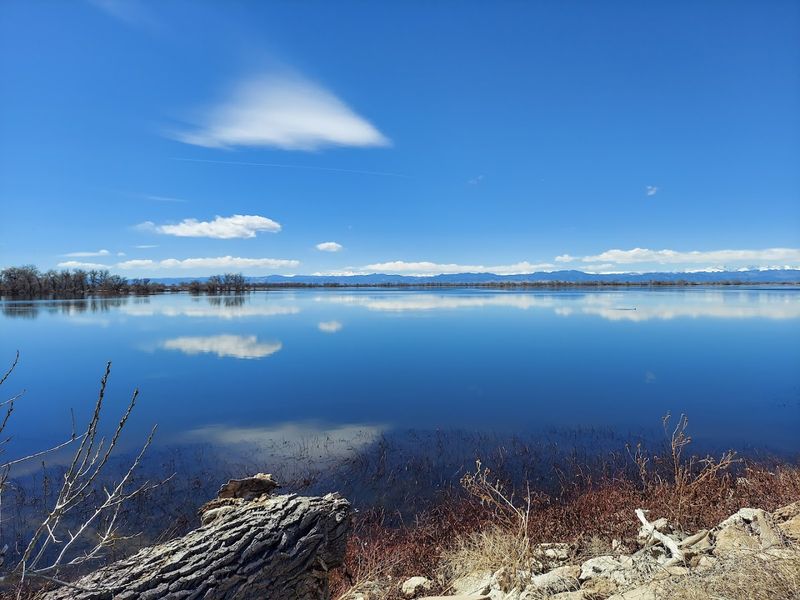
One of the most striking things about Barr Lake is its location. This is not a remote wilderness that demands a full escape plan, yet once you are on the trails the urban edge fades surprisingly fast behind prairie wind, water sounds, and the rustle of reeds.
That contrast gives the park an unusual identity in Colorado. It is both accessible and ecologically dramatic. The Front Range has no shortage of mountain scenery, which can make lower-elevation wetlands easy to overlook. Barr Lake proves why that would be a mistake.
Bird habitat here depends on a different visual language: broad flats, layered shorelines, snag-filled nesting opportunities, and open water that invites long views instead of vertical spectacle.
For photographers, that means cleaner backgrounds, easier flight tracking, and compositions shaped by space rather than crowding.
There is also a practical benefit to this setting. Because the park sits within reach of a large population corridor, it becomes a realistic place to revisit under changing conditions instead of treating every outing like a one-time expedition.
Light shifts, weather moves through, migration windows evolve, and nesting activity changes from week to week. Repeated visits can produce a completely different portfolio without leaving the same general destination.
That urban-nearby, habitat-rich combination helps explain the park’s reputation. Barr Lake does not rely on novelty alone.
It offers a substantial protected landscape where serious wildlife observation can happen close to major roads, neighborhoods, and day-trip routines. In a state often defined by peaks, this lake and marsh system makes a convincing case for looking lower, wider, and far more carefully.
How to Photograph the Park Without Fighting the Light
If the goal is strong wildlife photography, timing at Barr Lake matters almost as much as gear. Early morning usually gives you the best combination of cooler activity, softer light, calmer water, and a quieter trail experience before the middle of the day flattens contrast and stirs more wind across open areas.
The difference between arriving at sunrise and showing up three hours later can be the difference between layered images and harsh glare.
Light behaves beautifully here when it has room to skim across the landscape. Low sun can outline reeds, add definition to cottonwood bark, and pull subtle color from the prairie without turning the scene overly dramatic.
Because the park contains open water and pale grasses, bright midday conditions can become tricky fast. Highlights blow out, distant haze thickens, and birds on reflective surfaces become harder to expose cleanly.
That does not mean late arrivals are pointless. Overcast days can soften the entire park and make detail work easier, especially in marsh zones where contrast can get extreme.
Wind also becomes part of your planning. It changes water texture, moves vegetation, and affects how flight shots read in the frame, so checking the forecast before heading out is less optional here than it might seem.
The smartest approach is to treat Barr Lake like a landscape and wildlife assignment at the same time. Start with broad scenic compositions while the light is low, then shift attention toward behavior around likely activity zones as the morning develops.
Pack patience, extra battery power, and enough time to stay put after the first sighting, because some of the best action comes after the easy light has already announced itself.
Why Barr Lake Deserves an Early Start
Barr Lake State Park stands out because it offers a kind of wildlife experience that many travelers underestimate until they see it in person.
The acreage gives birds room to behave naturally, the wetland setting creates constant visual variation, and the accessibility makes repeat visits realistic instead of aspirational.
During nesting season, those strengths line up in a way that turns an ordinary morning into a serious field session. Plenty of scenic places deliver one obvious photo stop and then flatten out. Barr Lake keeps unfolding.
A wide lake view can lead to a close study of reeds, then to a high scan of treetops, then to a sudden burst of movement overhead.
That progression is why the park works so well for both fast scanners and deeply patient observers. There is always a new angle to test or a different pocket of habitat to read.
It also fills a useful gap in a Colorado itinerary. If your mental picture of the state is all switchbacks, summit views, and alpine lakes, this park expands the map.
Here the drama comes from horizontal space, active habitat, shifting light, and the possibility of witnessing birds engaged in the business of raising young. The mood is less postcard, more field notebook with excellent sky.
So if spring travel plans need one place that delivers both calm and suspense, Barr Lake earns a high spot on the list. Show up early, move slowly, and pay attention to the edges where water meets grass and trees meet open sky.
That is where the sanctuary reveals why photographers cross oceans, not just county lines, to stand quietly beside this Colorado lake.
Share this story