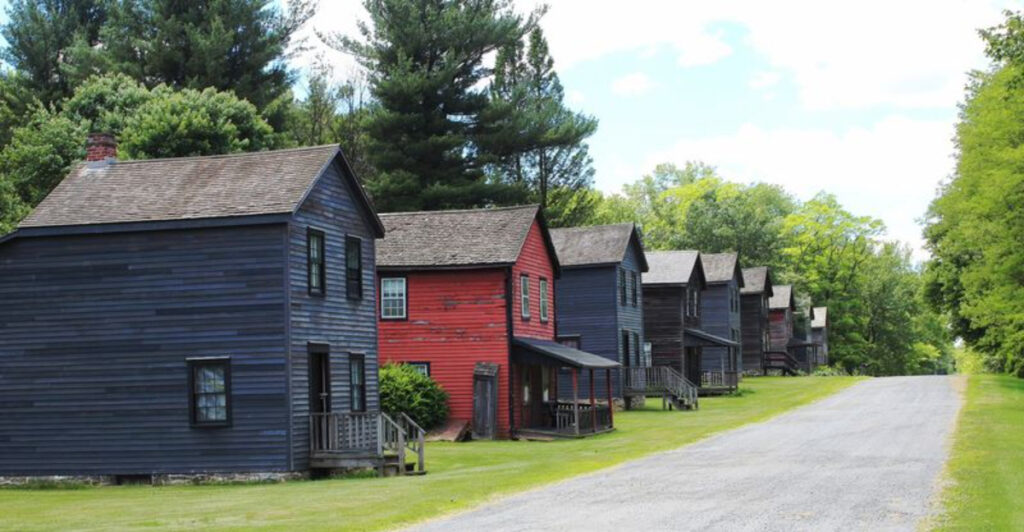
If you have ever wanted to walk straight into Pennsylvania’s coal country past, Eckley Miners’ Village feels almost unreal. This preserved company town outside Weatherly still looks strikingly close to the way it did in the 1800s, with rows of weathered homes, quiet lanes, and the weight of history in every direction. What makes it even more compelling is that it is not a staged recreation – it is a real place where the past still lingers.
Once you start exploring, it becomes impossible not to imagine the miners, families, and hard lives that shaped this village. As you move through the streets, the silence feels almost intentional, as if the buildings themselves are holding onto stories that never fully left, turning every corner into a quiet reminder of the coal towns that once defined the region.
1. A First Glimpse Of A Village That Time Forgot
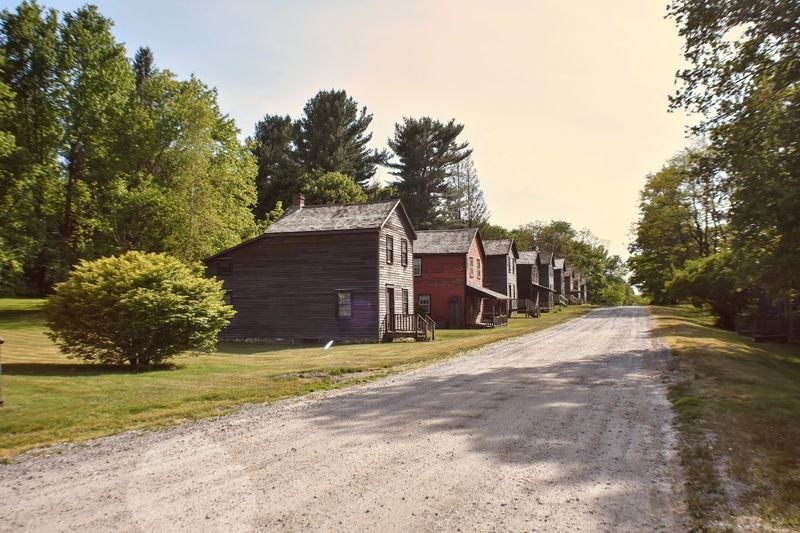
The first thing that struck me at Eckley Miners’ Village was the silence.
You pull into a place that does not feel polished or overly recreated, and that is exactly why it works so well.
Instead of modern distractions, you get a long historic streetscape, simple wooden buildings, and a mood that instantly pulls you backward in time.
This village began as a coal company town in 1854, and today it remains one of Pennsylvania’s most complete windows into anthracite mining life.
Walking here feels less like visiting a museum and more like stepping into a paused moment from the industrial age.
The preserved homes, outbuildings, and public structures make the village feel unusually honest.
That honesty is what stays with you.
Eckley is not flashy, but it is deeply atmospheric, and every creak of wood or gravel underfoot seems to remind you that this place was built around labor, survival, and community.
2. Walking Main Street Feels Like Entering The 1800s
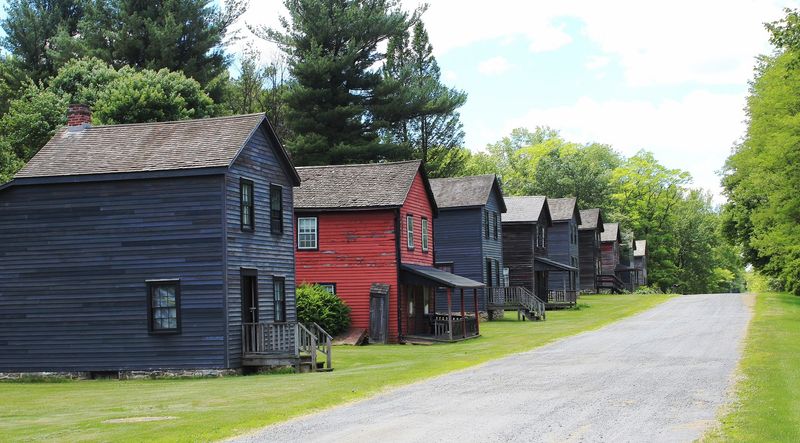
Main Street is the heart of Eckley Miners’ Village, and it is where the setting really starts to work on your imagination.
As you walk or slowly drive through, the village unfolds in a long line of modest homes, utility buildings, and historic landmarks that show how tightly organized company town life once was.
Nothing about it feels rushed, and that slower pace lets you notice every detail.
You start seeing differences in house size and design, which quietly hint at social rank, ethnicity, and job status within the mining community.
Some structures are open for viewing, while others can only be appreciated from outside, but even peeking through windows adds to the feeling that real lives once played out here.
Reviews often mention how easy the village is to explore, and that accessibility makes the experience feel welcoming.
What I liked most is that the village rewards curiosity.
The longer you linger, the more the landscape begins telling its story.
3. The Museum Adds The Human Story Behind The Buildings
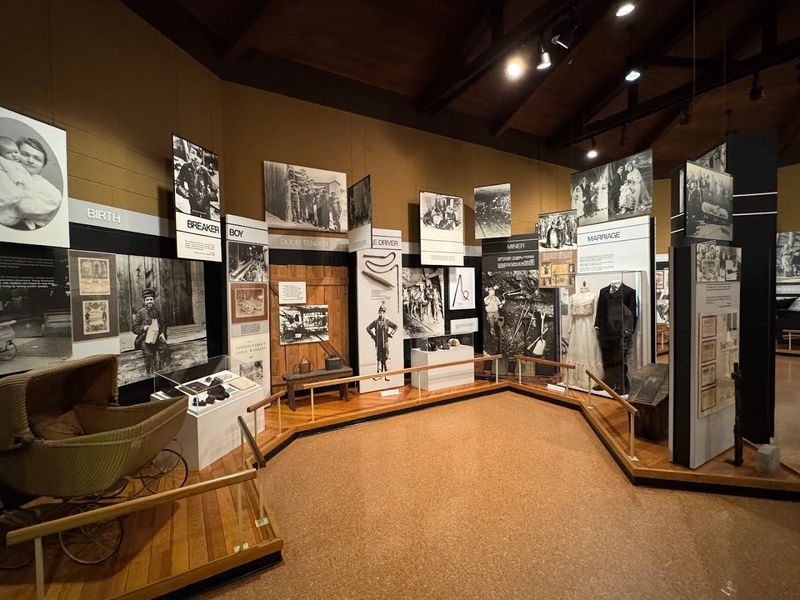
While the village itself is free to walk around, the museum is where the deeper emotional context comes into focus.
Visitors regularly call it the best part of the experience, and I can understand why, because the exhibits help turn old buildings into stories about real people.
Mining tools, household items, photographs, and interpretive displays reveal what daily life actually looked like for workers and their families.
The museum does not feel overwhelming, but it is thoughtful and surprisingly rich.
You come away with a clearer understanding of immigration, labor, housing, religion, and the economic system that shaped towns like Eckley across Pennsylvania’s anthracite region.
Several reviews mention knowledgeable guides and friendly staff, and that personal touch seems to make a big difference.
If you only skim the village, you will still enjoy it, but the museum is what gives the streets meaning.
It transforms a scenic walk into a much fuller encounter with history.
4. The Homes Reveal How Hard Coal Town Life Really Was
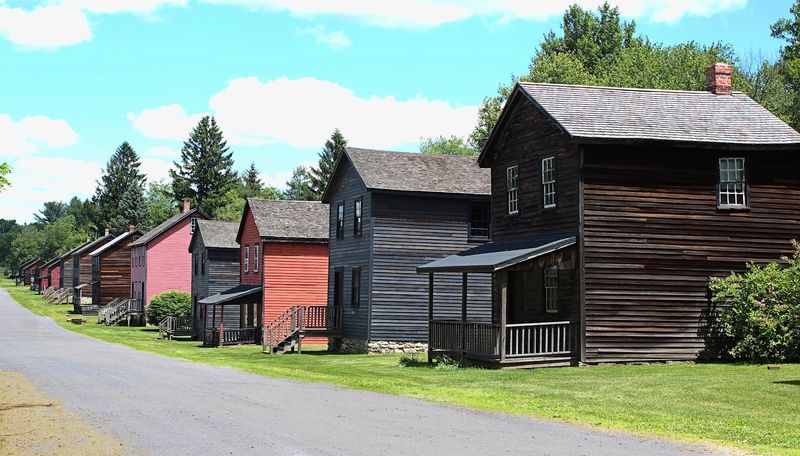
The houses at Eckley Miners’ Village are among the most revealing parts of the site.
At a glance, they may seem simple and picturesque, but the longer you look, the more they communicate about cramped living conditions, limited comfort, and the harsh economics of company town life.
These were not charming cottages built for nostalgia.
They were practical homes for families tied to exhausting and dangerous work.
What makes the village powerful is that the homes are still arranged in ways that show class and hierarchy.
Larger dwellings for managers and supervisors contrast with the smaller workers’ houses, making inequality visible without needing much explanation.
Some reviews note that not every building is fully open to enter, and that can be a little disappointing, but the exterior setting still speaks volumes.
I found myself imagining children on the road, laundry lines in the yards, and miners returning home covered in coal dust.
The village quietly invites that kind of reflection.
5. A Real Movie Connection Helped Save This Historic Town
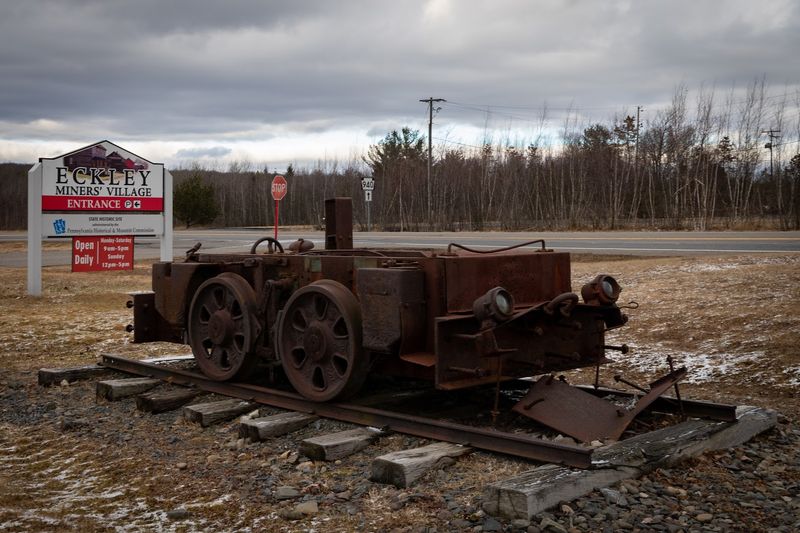
One of the most fascinating details about Eckley Miners’ Village is that its survival is tied, in part, to film history.
The 1970 movie The Molly Maguires was filmed here, and that attention helped preserve the village at a time when demolition could easily have erased it.
Once you know that, walking the site feels even more layered, because you are seeing both a historic community and a place that helped bring coal region history to the screen.
Visitors still mention the movie connection with real excitement, especially if they recognize certain buildings from the film.
That cinematic link never overwhelms the site’s deeper significance, but it does give people another point of entry into the story.
It is rare to find a place where preservation, labor history, and film history overlap so naturally.
What matters most is the result.
Instead of becoming another lost patch of industrial Pennsylvania, Eckley endured, and today you can experience that history in a setting that still feels remarkably intact.
6. It Still Feels Lived In, Which Makes It Even More Powerful
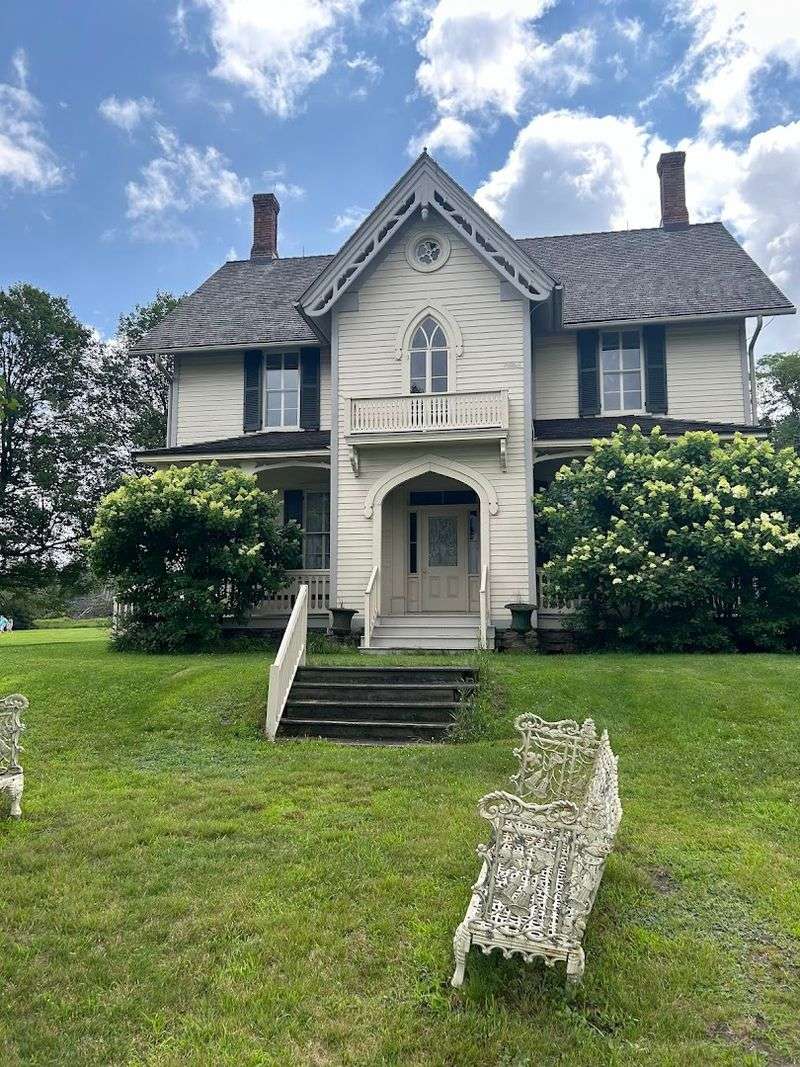
Part of what makes Eckley Miners’ Village feel so unusual is that it is not completely sealed off from present life.
Some families still live on the property, and that detail changes the atmosphere in an important way.
It reminds you that this is not a fake backdrop or empty set, but a real village with continuity, memory, and ongoing care.
That lived-in feeling also adds a quiet sense of respect to the visit.
Many reviewers specifically note the need to be mindful around occupied homes, and that seems like part of the experience rather than an inconvenience.
Mailboxes, maintained yards, and subtle signs of present-day life sit alongside deeply preserved historic structures, creating a striking blend of past and present.
I think that balance is one reason the village stays with people.
Eckley does not feel embalmed.
Instead, it feels like history still sharing space with everyday life, which somehow makes the hardships and humanity of the old mining town feel even closer.
7. How To Visit And Make The Most Of Your Time There
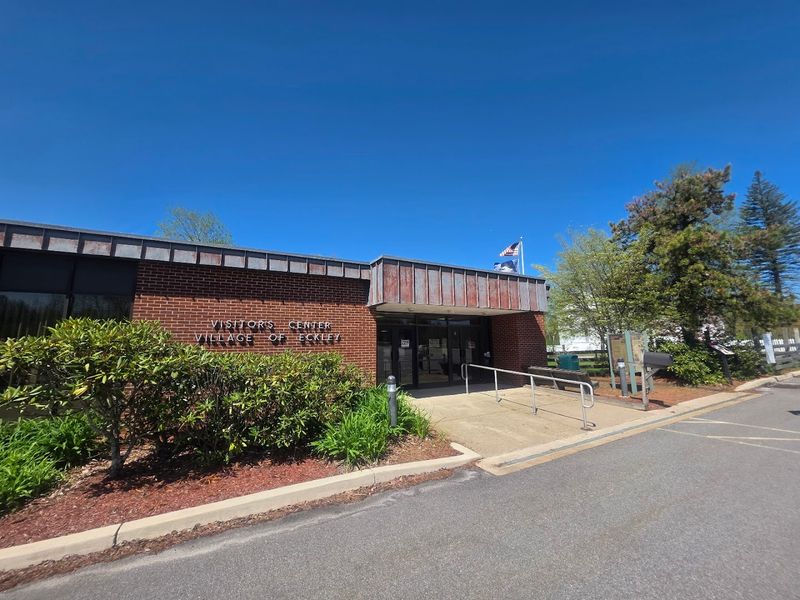
If you are planning a visit to Eckley Miners’ Village, it helps to know that the experience can be as brief or as immersive as you want.
Many visitors spend anywhere from 45 minutes to three hours here, depending on whether they simply walk the grounds or also tour the museum.
The site is located at 2 Eckley Main Street in Weatherly, and the museum is generally open Wednesday through Sunday from 10 AM to 4 PM.
Comfortable shoes are a smart idea because the best way to appreciate the village is on foot.
Reviews suggest that even people who arrive close to closing time still enjoy driving through and stopping for photos, but giving yourself extra time makes a difference.
The museum fee is modest, and several visitors say it is absolutely worth paying.
What I would recommend most is slowing down.
Let the quiet settle in, read the signs, respect the residents, and allow Eckley’s preserved streets to tell their story at their own pace.
Share this story