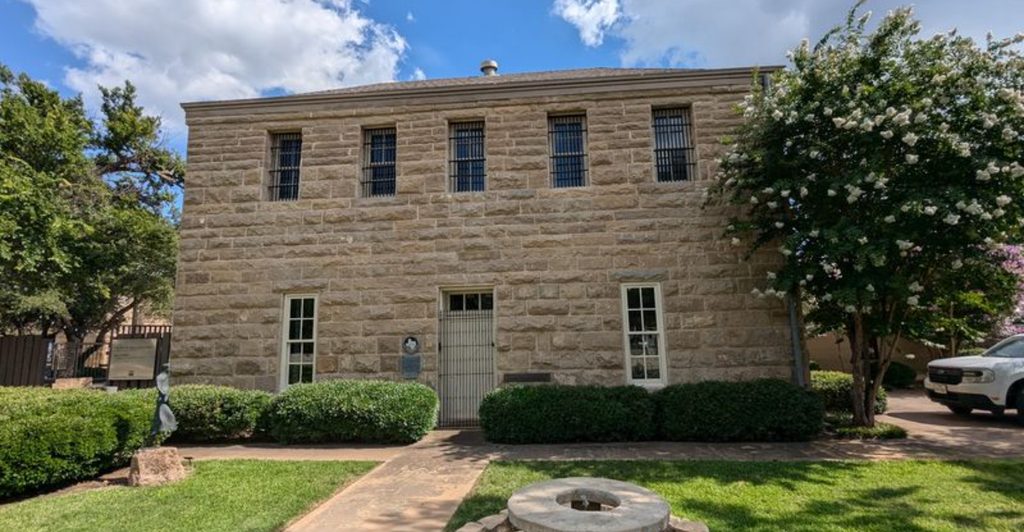
In the heart of small-town Albany, Texas, an 1880s limestone jailhouse has traded inmates for Impressionist paintings and ancient Asian artifacts. The Old Jail Art Center sits on South 2nd Street, where iron bars and original cells now frame world-class works by Picasso, Renoir, and Andy Warhol. What started as a frontier lockup has become one of the most surprising cultural destinations in West Texas, proving that great art doesn’t need a big city zip code to thrive.
1. A Frontier Jail Turned Cultural Treasure
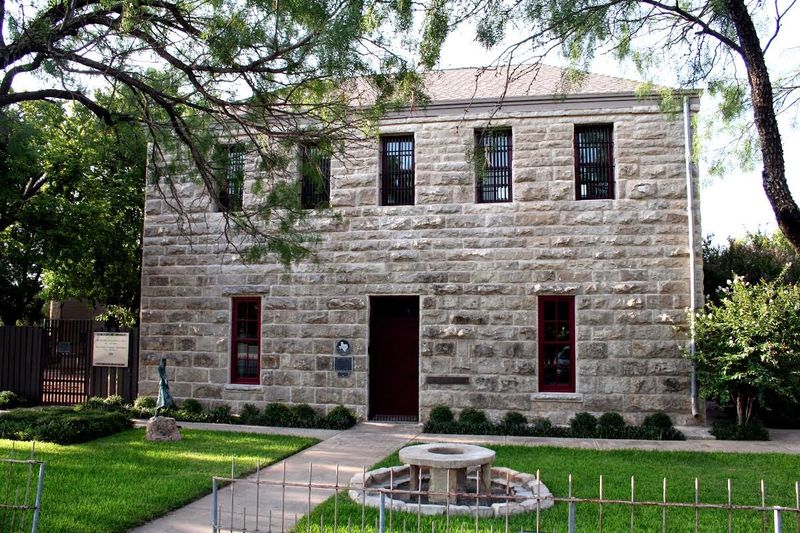
Back in 1878, Shackelford County needed a proper jail, so they built one out of thick limestone blocks that could handle the rowdiest cowboys and cattle rustlers. For decades, this sturdy structure on South 2nd Street locked up troublemakers and kept the peace in a region where law and order were still being figured out. The building served its original purpose until the mid-20th century, when it finally closed its doors as a functioning jail.
Fast forward to 1980, and a group of forward-thinking locals saw potential where others might have seen an old relic. They transformed the abandoned jailhouse into an accredited art museum, preserving the original cells and ironwork while adding gallery space. The conversion respected the building’s gritty history while creating room for fine art to breathe.
Today, visitors walk through the same corridors where prisoners once shuffled, but instead of hearing keys jangling, they encounter masterpieces from across centuries and continents. The juxtaposition feels intentional and powerful. Rough stone walls now display delicate brushwork, and spaces designed for confinement have become places of creative freedom.
The restoration work maintained architectural integrity while meeting modern museum standards. Original cell doors remain in place, and you can still see where bars divided the space. This respectful preservation earned the center accreditation from the American Alliance of Museums, a distinction held by fewer than 5% of museums nationwide.
Albany’s population hovers around 2,000 people, making this achievement even more remarkable for such a tiny Texas town.
2. World-Class Art in an Unexpected Place
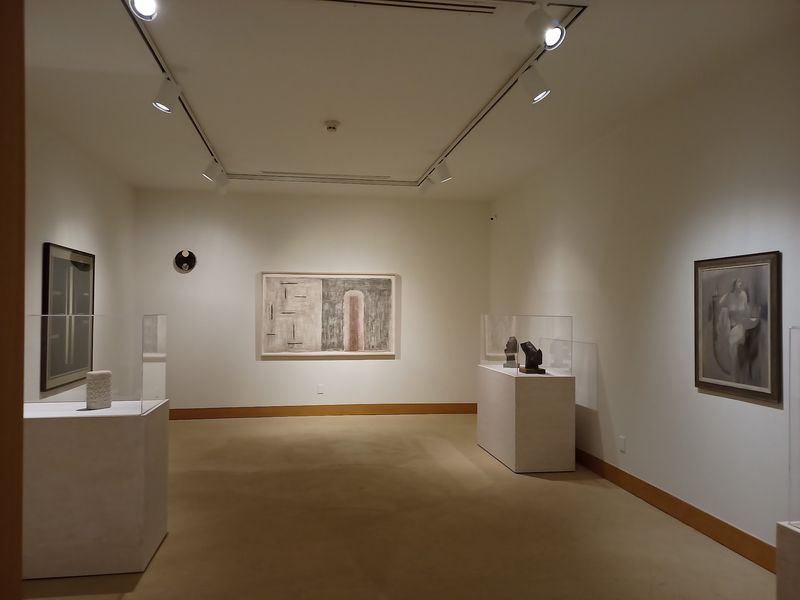
Nobody expects to find a Picasso hanging in a town where cattle outnumber people, but that’s exactly what makes the Old Jail Art Center so delightfully shocking. The permanent collection includes works by Henri Matisse, Gustave Caillebotte, and Andy Warhol, names typically associated with major metropolitan museums. Yet here they are, accessible and free to the public, in a community of about 2,000 residents surrounded by ranch country.
The collection spans multiple continents and centuries, from ancient Asian ceramics to contemporary American sculpture. You’ll find Henry Moore bronzes, Renoir paintings, and pieces that would command serious attention in New York or Los Angeles. The museum’s founders built relationships with collectors and donors who believed small-town Texas deserved access to significant art.
Walking through the galleries feels surreal in the best way possible. One moment you’re studying a piece of ancient pottery, the next you’re face-to-face with modern abstract work. The variety keeps things interesting, and the intimate setting means you can spend quality time with each piece without fighting crowds.
Rotating exhibits bring in fresh perspectives throughout the year, so repeat visitors always discover something new. The museum hosts works from emerging artists alongside established masters, creating dialogue between different eras and styles. This commitment to diverse programming has earned consistent five-star reviews from visitors who describe the experience as “world-class” and “surprisingly cosmopolitan.” Free admission removes barriers, making culture accessible to everyone who walks through the door.
3. Original Jail Cells Preserved as Gallery Space
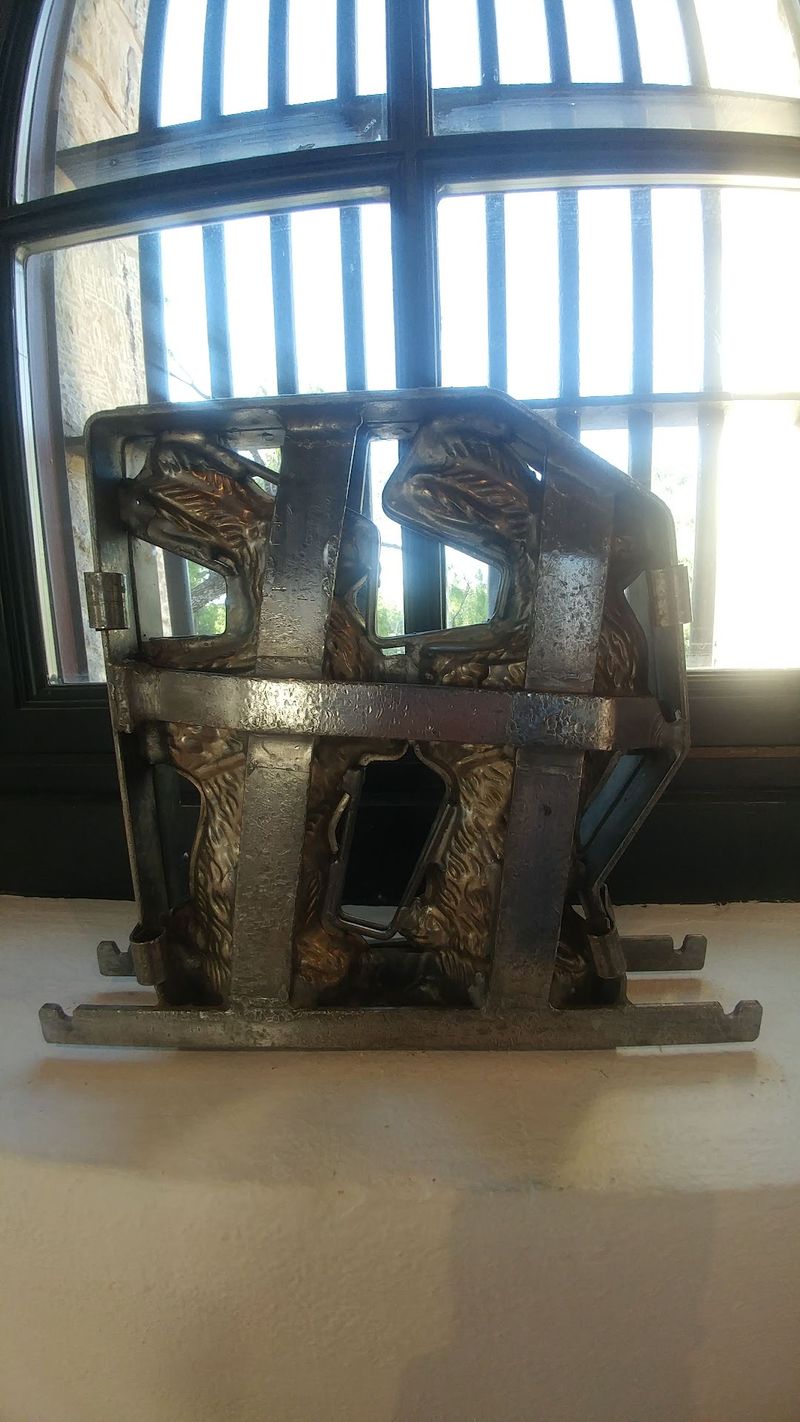
Step inside and you’ll immediately notice the iron bars haven’t gone anywhere. The museum deliberately kept the original jail cells intact, turning confinement spaces into unconventional display areas. Artwork hangs where prisoners once scratched the days into stone walls, creating a stark contrast between past and present purposes.
Some cells remain empty, allowing visitors to imagine what life was like for those locked inside over a century ago. Others have been carefully integrated into the gallery flow, with art pieces positioned to interact with the historic architecture. The bars cast interesting shadows across paintings and sculptures, adding an unplanned visual element that changes throughout the day.
This preservation choice gives the museum its distinctive character and prevents it from feeling like just another white-walled gallery. The rough limestone blocks and heavy iron remind you constantly of the building’s frontier justice origins. Tour guides share stories about the jail’s past alongside information about the artwork, weaving two narratives together.
Visitors frequently mention the cells in their reviews, describing them as both eerie and fascinating. Kids especially love exploring the old lockup spaces, making the museum more engaging for families than typical art institutions. The decision to maintain these features rather than gut the interior shows respect for local history while serving the museum’s educational mission.
You can literally stand where lawbreakers once stood, then turn around to study a masterpiece, all within the same small room.
4. Free Admission Makes Art Accessible
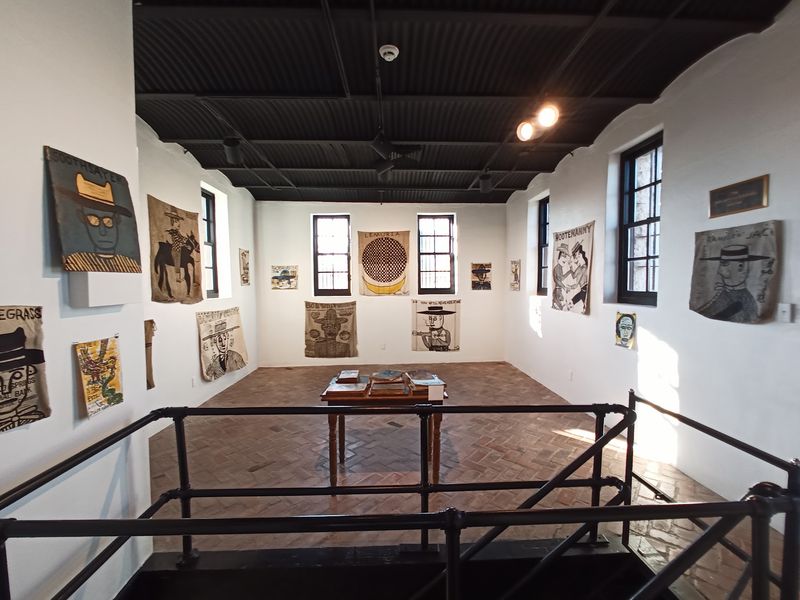
Most world-class museums charge admission fees that can add up quickly for families, but the Old Jail Art Center operates on a different philosophy entirely. Every visitor walks in free of charge, whether you’re a local stopping by during lunch or a tourist driving through West Texas. This open-door policy removes financial barriers that might otherwise prevent people from experiencing fine art.
The decision to offer free entry reflects the museum’s mission of cultural accessibility and community service. Donations are welcomed but never required, and nobody makes you feel guilty for not contributing. The staff greets everyone warmly, from art experts to folks who’ve never set foot in a gallery before.
This approach has paid dividends in community engagement and visitor numbers. Families can bring kids without worrying about wasted admission if little ones get restless. Teachers organize field trips knowing the cost won’t burden school budgets.
Solo travelers exploring Texas back roads can pop in spontaneously without calculating expenses.
The free admission model works because of strong donor support and community investment in keeping the arts alive in rural Texas. Volunteers and members help fund operations, ensuring the doors stay open Tuesday through Saturday. Many visitors mention in reviews that they made donations specifically because they appreciated the no-pressure environment.
One reviewer noted driving over from Anson specifically because they’d heard about both the quality of art and the welcoming atmosphere. When culture is treated as a public good rather than a luxury product, everybody wins.
5. Rotating Exhibits Keep Things Fresh
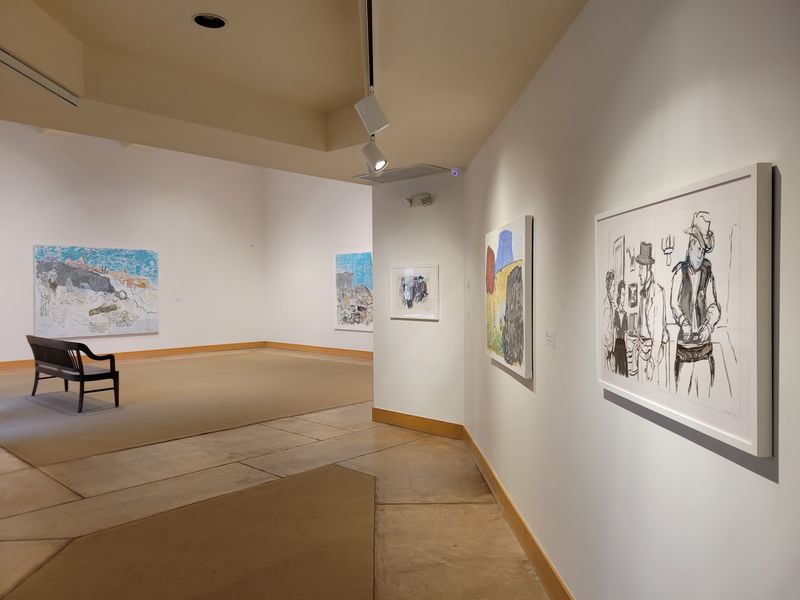
While the permanent collection provides a solid foundation, the museum’s rotating exhibitions ensure there’s always a reason to return. New shows cycle through every few months, featuring everything from regional artists to nationally recognized names. One visit might showcase contemporary photography, while your next could highlight traditional pottery or abstract painting.
The exhibition schedule gets posted on the museum’s website, allowing art enthusiasts to plan visits around shows that interest them most. Past exhibits have explored specific themes, artistic movements, or individual artists’ bodies of work. This variety means the museum appeals to different tastes and keeps the experience dynamic rather than static.
Local and regional artists benefit from the platform, gaining exposure they might not otherwise receive in rural Texas. The museum has become a cultural hub for the surrounding area, drawing creative people together and fostering artistic community. Emerging talents share wall space with established masters, creating interesting juxtapositions and conversations between works.
Several reviews mention returning multiple times specifically because the exhibits change regularly. One enthusiastic local wrote about visiting every few months to catch new pieces, treating the museum like a living, breathing part of community life rather than a one-time tourist stop. The staff curates thoughtfully, balancing accessibility with artistic challenge.
Videos about area history complement the visual art, providing context about West Texas culture and heritage. This commitment to fresh programming, combined with the permanent collection, gives visitors compelling reasons to make the Old Jail Art Center a repeat destination rather than a single checkbox on a road trip itinerary.
6. Educational Programs and Community Outreach
The Old Jail Art Center doesn’t just display art, it actively works to create new artists and informed audiences through robust educational programming. Teacher workshops provide educators with tools and resources to bring art into their classrooms, even in districts without dedicated art teachers. These training sessions have rippled outward, affecting thousands of students across rural Texas communities.
On-the-road programs take art directly to schools that can’t easily make the trip to Albany. Museum staff and volunteers load up supplies and hit the highway, bringing hands-on art experiences to kids who might otherwise never encounter them. This outreach extends the museum’s mission far beyond its limestone walls, serving districts scattered across vast West Texas distances.
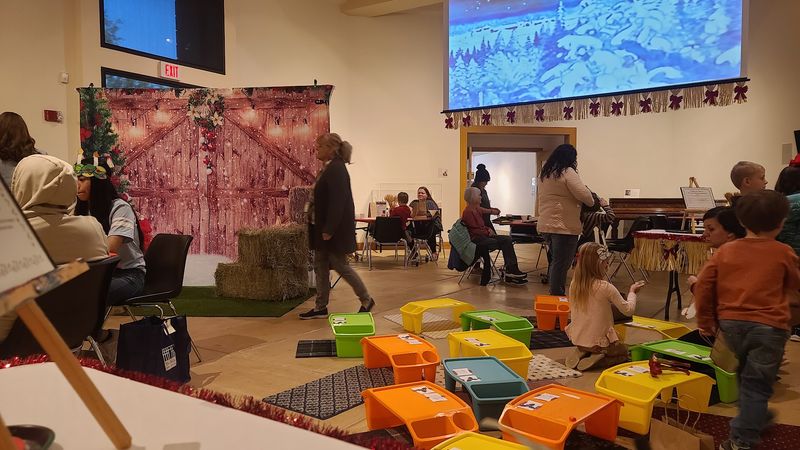
Family-friendly events throughout the year make art approachable for all ages. During Albany’s Wild West Days celebration, the museum hosts activities like paper stained-glass projects, with junior docents helping young visitors create their own masterpieces. These interactive experiences demystify art museums and build positive associations with cultural institutions from an early age.
The museum’s library contains extensive art resources available to researchers, students, and curious visitors. One reviewer specifically praised this collection, calling it “absolutely fabulous to have in a town that size.” Special events like Diwali celebrations have been held at the center, showing its role as a gathering place for diverse cultural expression. Multiple reviews mention the knowledgeable, friendly staff who enhance visits by answering questions and sharing insights without being pushy or pretentious.
This educational commitment transforms the museum from a passive viewing experience into an active participant in regional cultural life.
7. A Hidden Gem Worth the Drive
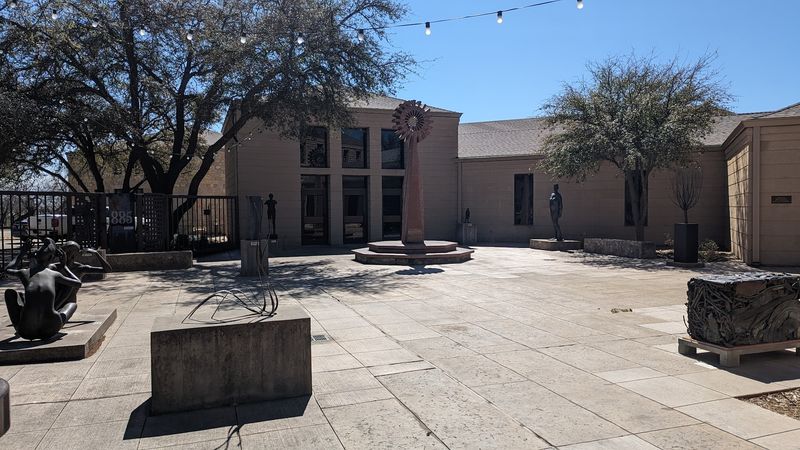
Albany sits about 40 miles northeast of Abilene, surrounded by rolling ranch land where mesquite trees dot the horizon and cattle graze under big Texas skies. It’s not on the way to anywhere in particular, which means visitors have to make a deliberate choice to go there. Yet review after review describes people making that choice and feeling richly rewarded for the effort.
The town itself retains authentic Old West character without feeling like a tourist trap. Historic buildings line the streets, local businesses serve the community rather than just visitors, and the pace remains decidedly unhurried. The Old Jail Art Center fits naturally into this environment while simultaneously elevating it, giving people an additional reason to explore this corner of Texas.
Multiple reviewers express genuine surprise at finding such sophisticated art in such an unexpected location. One wrote about pulling into Albany with low expectations and leaving absolutely amazed. Another described it as “the last thing we expected” but emphasized it was the real deal, encouraging others to make the trip.
The museum has become a destination anchor for the region, drawing culture-seekers who might not otherwise venture into rural Shackelford County. These visitors often discover Albany’s other charms: good milkshakes, friendly locals, clean facilities, and genuine Texas hospitality. The museum operates Tuesday through Saturday from 11 AM to 5 PM, giving folks plenty of opportunities to plan visits.
Several reviews mention combining the art center with other area attractions, creating mini road trips through West Texas. For anyone driving through the region or looking for an off-the-beaten-path cultural experience, this hidden gem absolutely deserves a spot on the itinerary.
8. Indoor and Outdoor Art Experiences
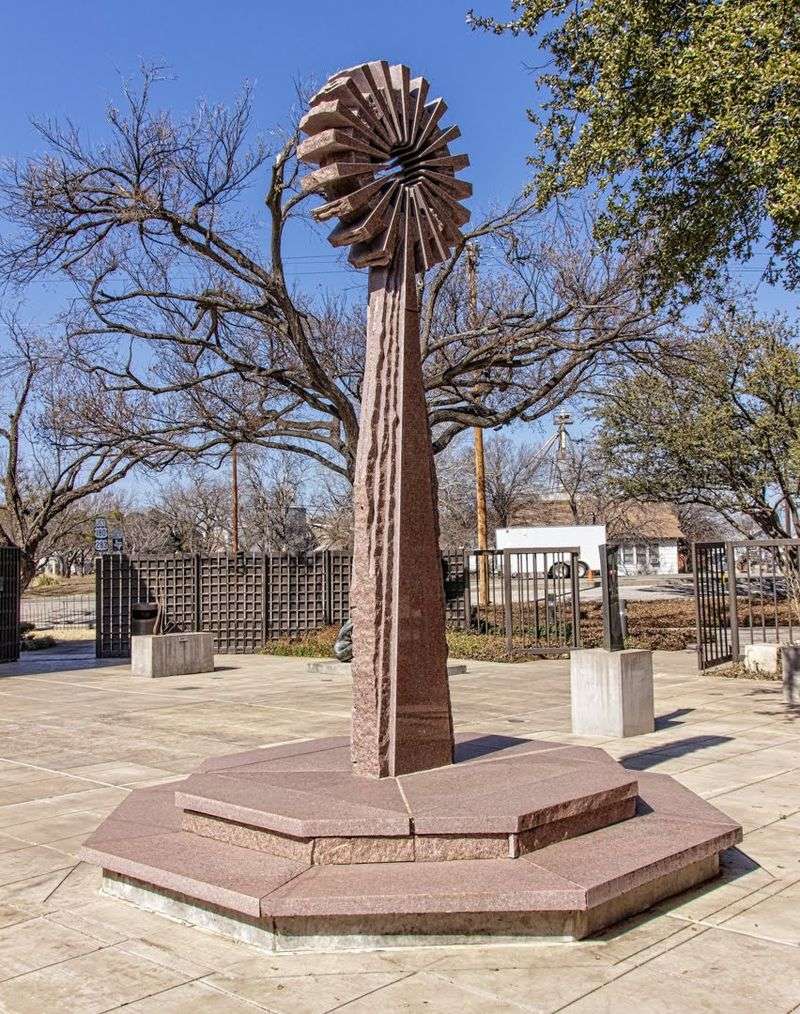
Art doesn’t stop at the museum’s walls. The Old Jail Art Center has expanded beyond its historic building to include outdoor installations and sculptures that take advantage of the Texas landscape and climate. Visitors can stroll through exterior spaces where three-dimensional works interact with natural light, native plants, and the wide-open West Texas sky.
These outdoor pieces provide a different kind of viewing experience than indoor galleries allow. Sculptures change appearance throughout the day as the sun moves, casting evolving shadows and highlighting different angles. The outdoor setting also makes art more accessible to visitors who might feel intimidated by formal gallery spaces or need breaks from indoor environments.
Families with energetic kids particularly appreciate having both options. Children can explore outside areas more freely while still engaging with art, then move indoors when they’re ready for a calmer experience. This flexibility makes visits more enjoyable and less stressful for parents trying to introduce young ones to cultural activities.
Reviews specifically mention “cool art, inside and outside,” indicating visitors notice and value this dual approach. The outdoor component also allows the museum to display larger works that wouldn’t fit within the historic building’s footprint. Henry Moore bronzes and other substantial sculptures need room to breathe, and the Texas landscape provides that space generously.
The combination of indoor galleries within historic jail cells and outdoor installations across the grounds creates a complete art experience that takes advantage of the location’s unique character. Visitors can spend an hour or an entire afternoon exploring, depending on their interest level and schedule. This variety in presentation styles and viewing environments demonstrates sophisticated curatorial thinking that respects both the art and the audience.
Share this story