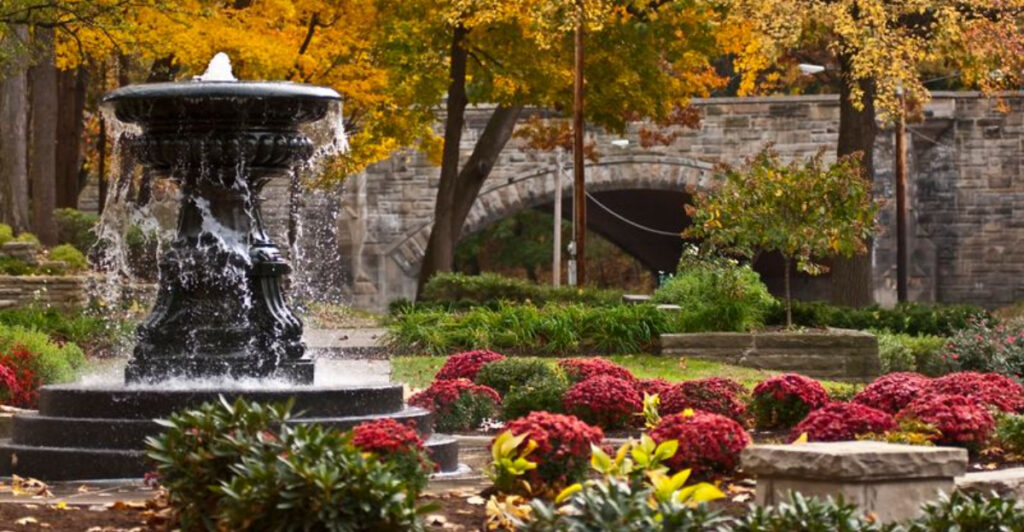
Cleveland Cultural Gardens is one of the most unusual places to visit in Ohio. Spread along a long green stretch near Martin Luther King Jr. Drive, it brings many cultures together in one public park.
Each garden shares a different story through plants, paths, statues, and memorials. A walk here feels like a world tour that also teaches you something about Cleveland itself.
1. African American Garden
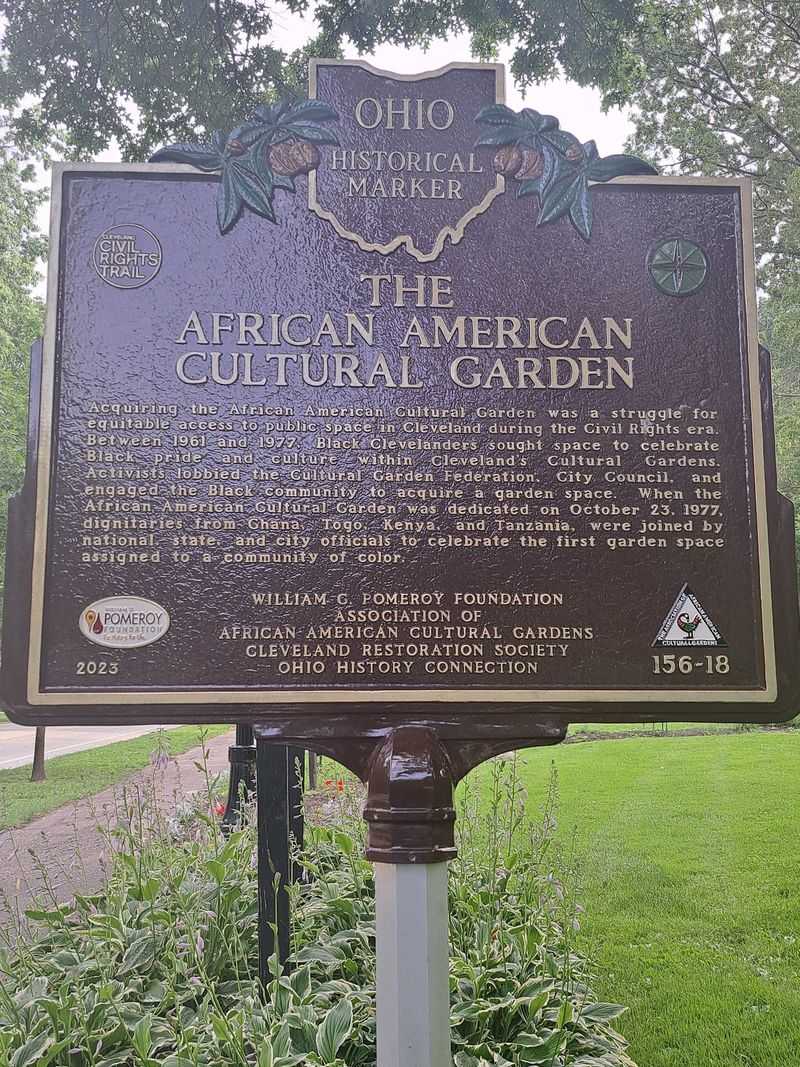
Some places invite quiet thought the moment you arrive, and the African American Garden is one of them. Within Cleveland Cultural Gardens, this space honors history, strength, learning, and creativity in a setting that encourages people to slow down and look closely.
You may notice stone details, meaningful inscriptions, and a layout designed for reflection.
Families often appreciate gardens like this because they turn a simple walk into a chance to talk about leadership, community, and perseverance. Kids can read plaques, ask questions, and connect names from school lessons to real public spaces.
That makes the visit feel personal instead of distant.
If you are planning a longer trip through the park, give this stop a little extra time. Bring water, wear good walking shoes, and pause long enough to notice the details.
The Cultural Gardens are spread out, so a thoughtful pace helps you enjoy more of what each place is trying to say.
2. Albanian Garden
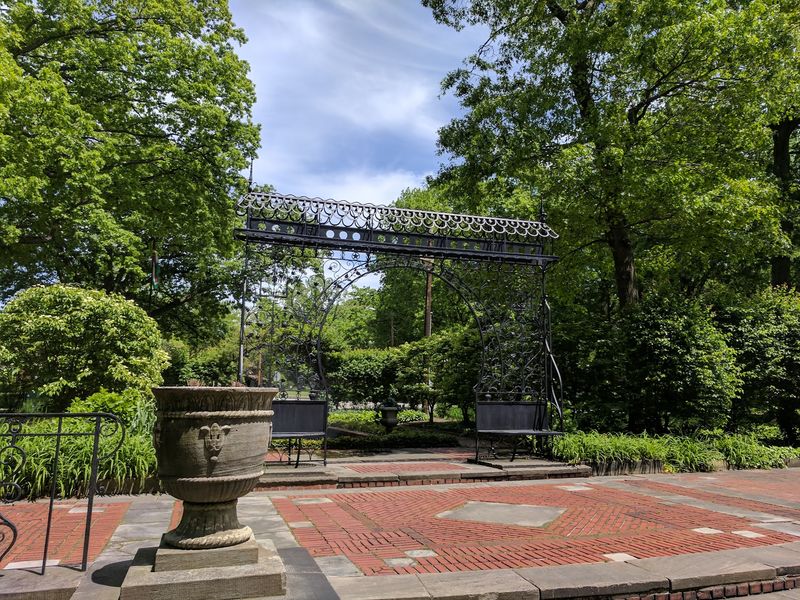
A small garden can still leave a strong memory, and the Albanian Garden does exactly that. Tucked into the larger Cleveland Cultural Gardens, it celebrates heritage through design, symbols, and carefully planned landscaping.
Even if you know little about Albania before your visit, the setting gives you an easy starting point for learning.
One of the nicest parts of exploring this area is noticing how each garden has its own mood. Some feel grand and formal, while others feel intimate and personal.
The Albanian Garden fits well into that second feeling, which makes it a rewarding stop for people who enjoy quieter corners.
Try pairing this visit with nearby gardens so you can compare styles as you walk. Look for plaques and artistic touches that explain the story behind the space.
Since parking can be limited along the route, arriving earlier in the day often makes the experience smoother and less rushed for first-time visitors.
3. American Garden
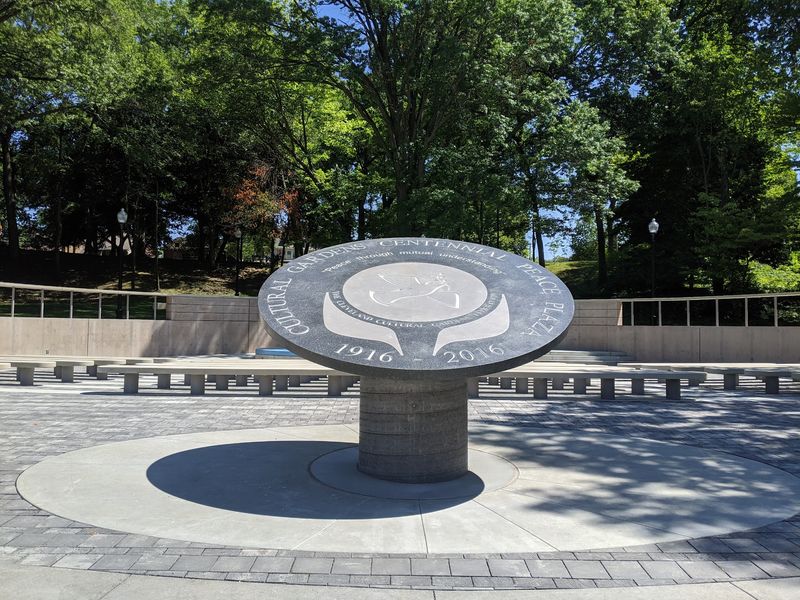
Right in the middle of a park devoted to world cultures, the American Garden adds an important layer to the story. It reflects ideas of shared citizenship, public memory, and the many backgrounds that shape life in Cleveland.
Rather than standing apart from the other gardens, it helps tie them together.
Visitors who enjoy history often like stopping here because it offers a broader frame for the full experience. After seeing gardens devoted to specific national traditions, this space can feel like a reminder that many communities built the city side by side.
That larger message gives the park much of its meaning.
If you are visiting with children, this is a good place to talk about how people can celebrate family roots while also belonging to one community. The setting also works well for photos because of its open views and balanced design.
On busy days, patience helps, especially when crossing between gardens along the roadway.
4. Armenian Garden
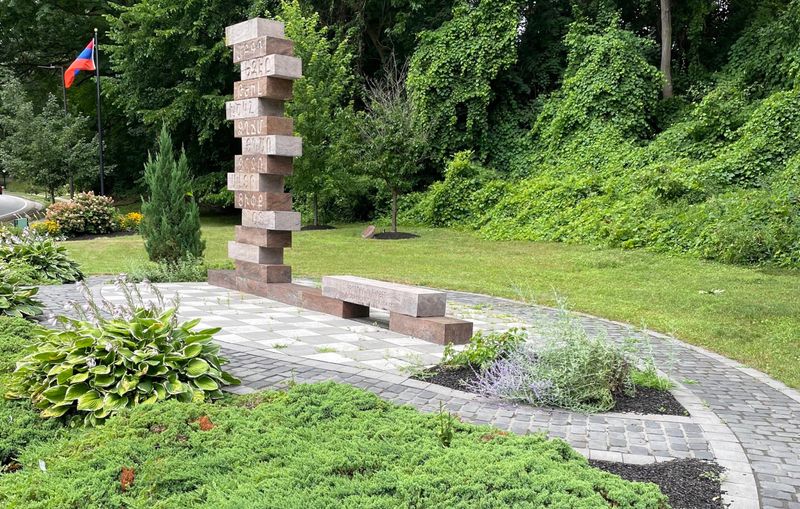
Stories of endurance and memory often live in public spaces, and the Armenian Garden carries that feeling well. Located within Cleveland Cultural Gardens, it gives visitors a place to honor heritage while learning about a people with deep cultural and historical roots.
The design may seem modest at first, but it rewards careful attention.
Many travelers rush through big parks, yet this is a garden worth experiencing slowly. Look at the stonework, read any inscriptions you find, and notice how the landscape supports the message rather than competing with it.
The balance between beauty and remembrance is part of what makes the stop meaningful.
Because the Cultural Gardens stretch over a long route, you may not see everything in one trip. Choosing a few gardens like this one and spending real time in them often feels better than hurrying past dozens of signs.
A calm visit also makes it easier to appreciate how much care local communities have given these spaces.
5. Azerbaijani Garden
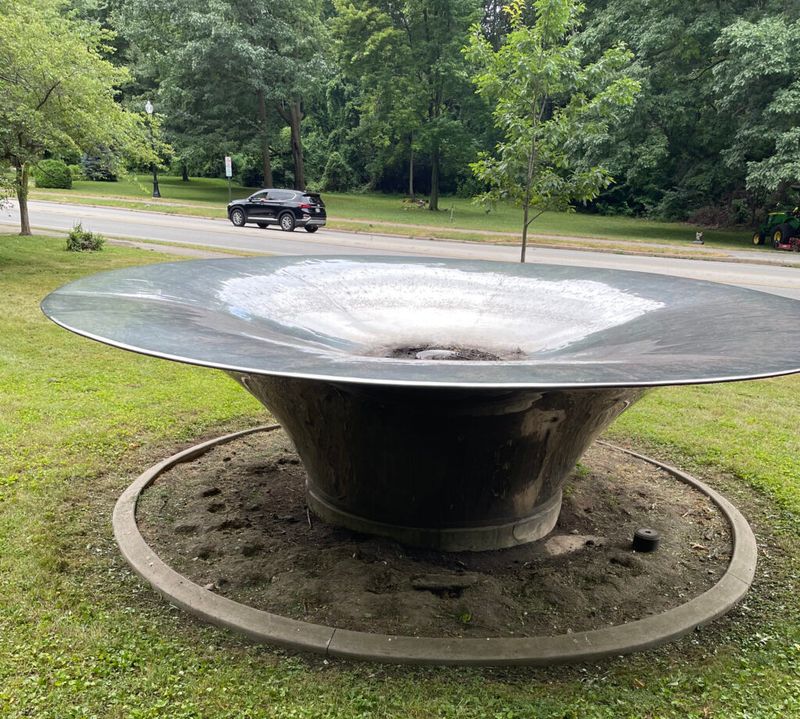
Not every visitor expects to discover an Azerbaijani Garden in Cleveland, which is part of what makes the Cultural Gardens so memorable. This stop adds another voice to the park’s wide conversation about identity, art, and belonging.
It shows how local communities have used landscape design to share pride in their roots.
One fun way to explore here is to pay attention to patterns. Shapes in paving, monument details, and plant arrangements can hint at traditions even before you read a plaque.
That makes the visit feel a little like solving a gentle puzzle with your eyes and your curiosity.
If you enjoy photography, soft morning or evening light can help architectural details stand out better than harsh midday sun. Since traffic nearby can be active, stay alert while moving between gardens.
Taking a map or checking the official website before you go can also help you plan a route that includes some less familiar sections like this one.
6. British Garden
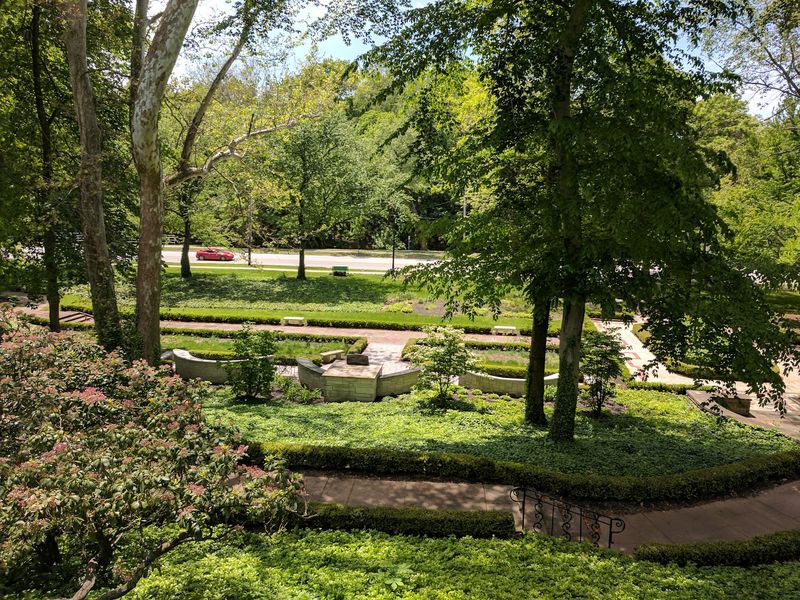
There is something comfortably familiar about the British Garden, even for first-time visitors. Its orderly look, balanced planting, and calm setting fit nicely into the larger rhythm of Cleveland Cultural Gardens.
While some sections of the park feel dramatic, this one can come across as steady, polished, and quietly welcoming.
That makes it a good stop for anyone who likes taking a breather during a long walk. You can pause on a bench, study the layout, and compare its formal style with neighboring gardens.
The differences are part of the fun, especially if you enjoy architecture and landscape design.
Because the Cultural Gardens stretch along both sides of the road, planning where to stop matters. If you are visiting with older relatives or younger children, break the route into smaller chunks and choose a few gardens at a time.
The British Garden fits nicely into a relaxed section of the trip where simple beauty does a lot of the talking.
7. Chinese Garden
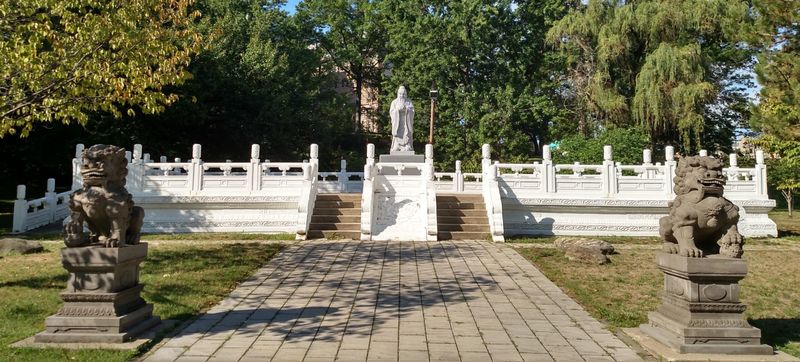
Bright colors, careful lines, and a strong sense of symbolism can make the Chinese Garden stand out right away. In a park full of different cultural expressions, this garden often draws attention because its design language feels distinct from many Western-style memorial spaces nearby.
It offers a nice shift in visual rhythm during a longer visit.
Children often enjoy gardens like this because there is so much to notice. Curves, shapes, plant choices, and decorative features can spark questions that lead to conversations about tradition and meaning.
That turns a casual outing into a learning experience without making it feel like homework.
For the best experience, slow your pace and look at how the space is arranged. Gardens are not just collections of plants.
They are built to guide movement, focus the eye, and create mood. If you come during spring or early summer, blooming areas may add even more color to one of the most eye-catching parts of Cleveland Cultural Gardens.
8. Croatian Garden
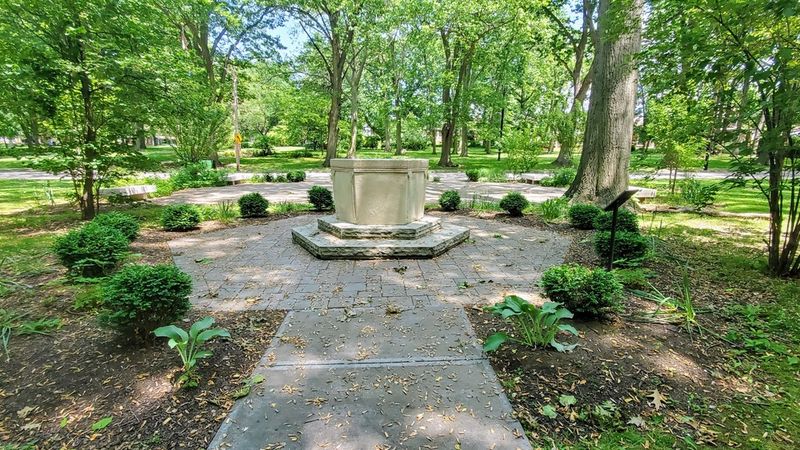
Sometimes a garden works like a handshake from a community, and the Croatian Garden carries that friendly spirit. Set within the long chain of Cleveland Cultural Gardens, it reflects pride in heritage while still feeling open to anyone who wants to stop, read, and explore.
You do not need special background knowledge to enjoy it.
Public spaces like this matter because they preserve identity in a form people can experience together. A monument in a museum is one thing, but a garden invites movement, fresh air, and conversation.
That combination helps history feel alive rather than tucked away behind glass.
If you are building your own self-guided tour, consider mixing well-known gardens with lesser-known ones. The famous stops often get the most attention, but smaller sections can surprise you with thoughtful details and a more personal mood.
Bring comfortable shoes and expect some uneven walking, since parts of the route involve sidewalks, slopes, and frequent stops along the parkway.
9. Czech Garden
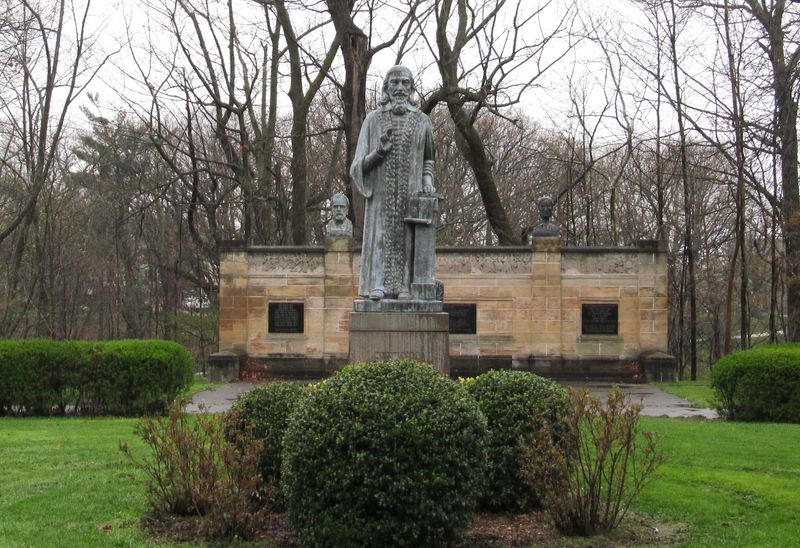
The Czech Garden blends learning and beauty in a way that suits the whole park. Visitors can admire the landscaping, but the real reward often comes from stopping to read the names, symbols, and historical references placed throughout the space.
Even a short visit can leave you with one new fact to remember.
That is one reason the Cultural Gardens appeal to teachers, parents, and curious travelers. You are not just looking at flowers.
You are walking through a public lesson about migration, memory, and how neighborhoods shape a city. The Czech Garden contributes to that lesson with its own character and voice.
Try visiting on a mild weekday if you want a quieter experience. Reviews often mention that parking and traffic can be the trickiest parts of the trip, especially during events.
Once you are on foot, though, gardens like this make the extra effort feel worthwhile, because every few steps bring another detail that asks you to slow down and pay attention.
10. Estonian Garden
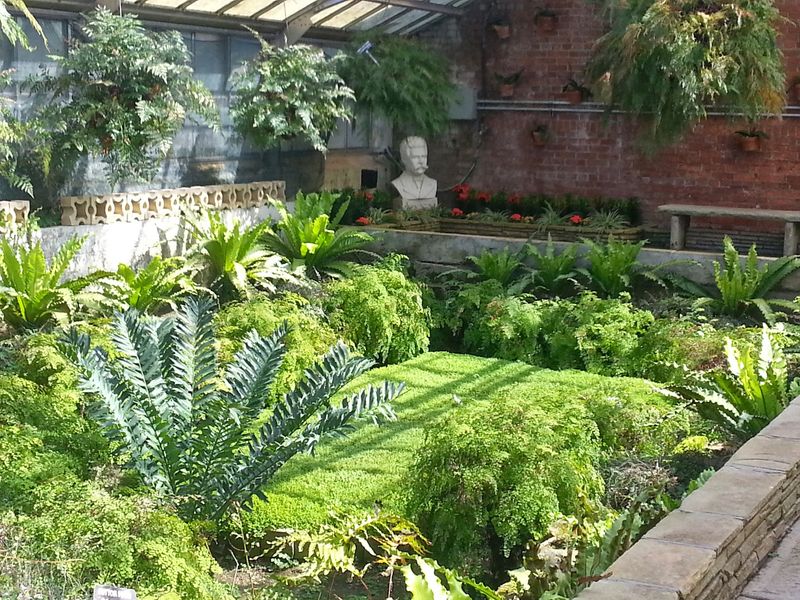
Not every garden shouts for attention, and the Estonian Garden is a good reminder that subtle places can still be memorable. Part of the charm at Cleveland Cultural Gardens comes from discovering spaces that feel gentle, thoughtful, and a little unexpected.
This garden fits that feeling well.
Instead of rushing by, treat it like a pause in the middle of a longer story. Smaller gardens often show their strengths through proportion, texture, and the way a monument sits within the landscape.
You may find that the quieter design actually helps you notice more.
A smart way to enjoy the full park is to alternate between ornate gardens and simpler ones. That keeps the walk from feeling visually crowded and gives each stop more room in your memory.
Since some visitors spend hours here and still miss sections, do not worry about seeing everything at once. Picking a handful of gardens and experiencing them carefully can make the day feel richer and less tiring.
11. Finnish Garden
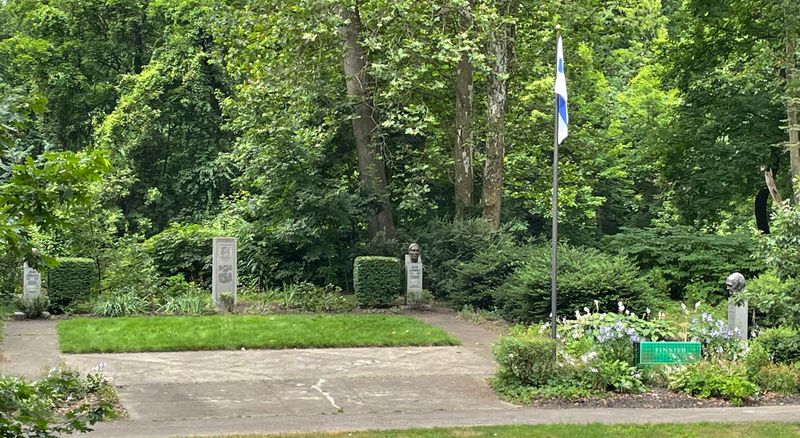
A garden does not need flashy decoration to feel special, and the Finnish Garden proves that point beautifully. Visitors often remember certain spaces because of a mood rather than a single object, and this one can feel calm, clean, and thoughtfully arranged.
It offers a refreshing contrast to more elaborate sections nearby.
That simple strength makes it a nice stop for people who enjoy design that lets natural materials speak for themselves. Stone, greenery, and open space can create a quiet rhythm that fits the larger park very well.
The result is a place that feels steady and unhurried.
One helpful tip for first-time visitors is to budget more time than you think you need. Reviews regularly mention that the Cultural Gardens are longer and more spread out than expected.
If a garden like this catches your attention, give yourself permission to linger. The best visits here are rarely about checking every box.
They are about finding a few meaningful corners and letting them stay with you afterward.
12. German Garden

Order, craftsmanship, and civic pride come together nicely in the German Garden. Set among the many cultural spaces in the park, it reflects a community story while also adding to the grander feel of the entire landscape.
Visitors who appreciate structure and balance may find themselves lingering here longer than planned.
One easy way to read a garden is to ask what kind of mood it creates. The German Garden can feel composed and dignified, which suits a place meant to honor heritage in a public setting.
Details in stonework and layout often do as much storytelling as the written plaques.
If you are visiting with someone who loves local history, this is a smart stop to include. Cleveland’s many immigrant communities shaped the city in lasting ways, and gardens like this help make that history visible.
Because the route can be long, carry water and wear shoes that handle both sidewalks and slight hills. Comfort matters when a walk can stretch much farther than expected.
13. Greek Garden
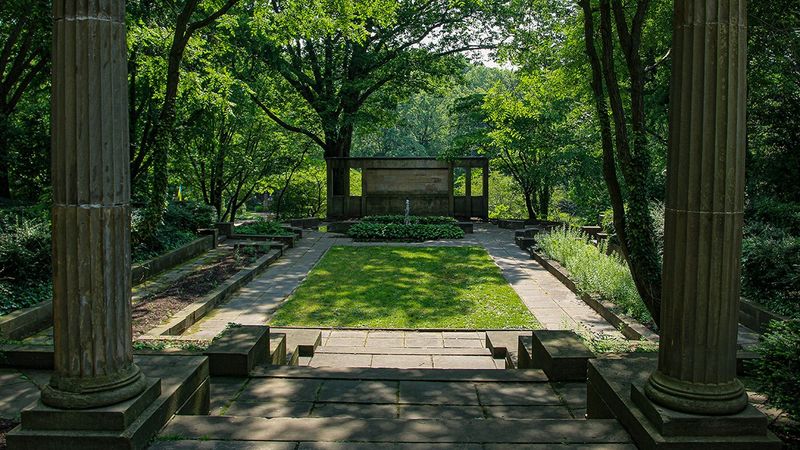
If one garden often earns a wow reaction, it is usually the Greek Garden. Known for its striking look and classical style, this part of Cleveland Cultural Gardens can feel especially grand.
Columns, sculpture, and formal stonework help give it a strong visual presence that many visitors remember long after the walk is over.
Because it is so photogenic, this is a popular stop for pictures, family outings, and special occasions. Even people who know very little about Greek history can appreciate the drama of the design.
It has the kind of layout that makes you want to pause, look back, and take it in from more than one angle.
Try visiting when the light is softer, since morning or late afternoon can make the details stand out better in photos. Also take your time reading nearby plaques and memorial elements.
Gardens like this are not just scenic. They are built to celebrate ideas, accomplishments, and cultural memory in a way that feels both local and timeless.
14. Hebrew Garden
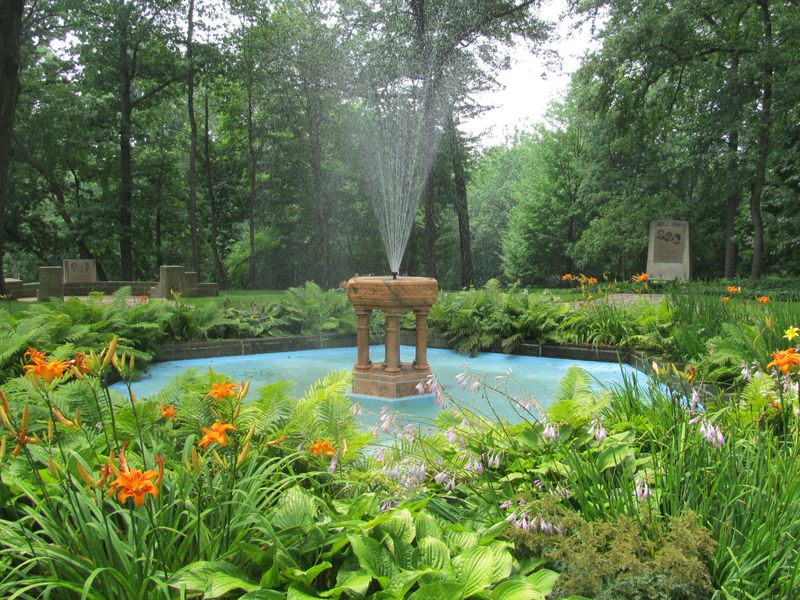
The Hebrew Garden brings a thoughtful, deeply rooted presence to the Cultural Gardens. It is one of those places where the mood matters just as much as the visible design.
Stone markers, inscriptions, and the arrangement of the landscape work together to create a setting that invites respectful attention.
Many visitors appreciate spaces like this because they connect heritage with learning in a direct, public way. A short stop can open conversations about faith, history, migration, and the role of community in shaping Cleveland.
That educational value is one reason the larger park feels so much richer than a normal garden walk.
When you visit, avoid rushing straight to the next stop. Give your eyes time to settle on the details and your mind time to absorb what you are reading.
The Cultural Gardens reward patience. Even on a busy day, a few extra quiet minutes here can change the pace of your whole visit and help you understand why this place means so much to many residents.
15. Hungarian Garden
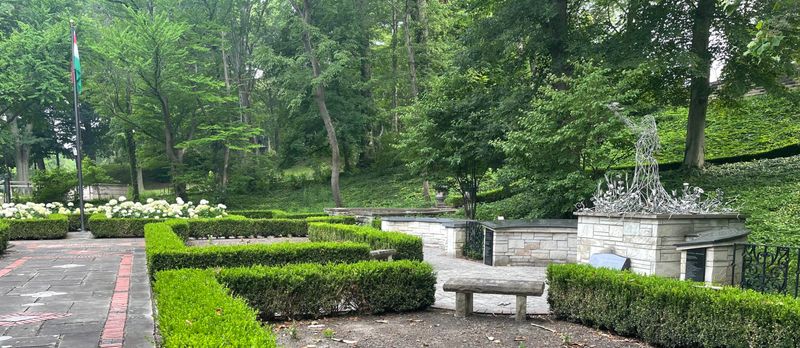
History and beauty share the stage in the Hungarian Garden, where cultural pride is expressed through public art and landscaping. It is the kind of place that can catch your eye from a distance, then hold your attention once you step closer.
Little details often reveal themselves slowly.
That slow reveal is part of the pleasure at Cleveland Cultural Gardens. You may first notice flowers or a statue, but then a name, inscription, or symbol adds another layer of meaning.
Suddenly the garden feels less like scenery and more like a conversation between generations.
If you enjoy finding hidden favorites, keep this stop on your list even if bigger gardens grab most of the headlines. Sometimes the most rewarding moments come from places you almost skipped.
Bring a camera if you like documenting architectural details, and take breaks along the way. A full tour can stretch for miles, so steady pacing helps you stay curious instead of getting tired halfway through the route.
16. Indian Garden

Color, symbolism, and thoughtful design give the Indian Garden a lively presence within the park. As you move through Cleveland Cultural Gardens, certain spaces seem to change the rhythm of the walk, and this is one of them.
It offers visual energy while still fitting the peaceful setting around it.
Visitors who come with children may find this garden especially useful for sparking questions. Public art can be a great doorway into learning because it starts with something people can actually see.
A carving, a pattern, or a monument can lead naturally into a bigger discussion about tradition, language, and history.
To make the most of your stop, pay attention to both the centerpiece and the surroundings. The way paths, plants, and open space frame the monument often matters as much as the monument itself.
If you are exploring on a warm day, this is also a good reminder to carry water. The full Cultural Gardens route is longer than many first-time visitors expect.
17. Irish Garden
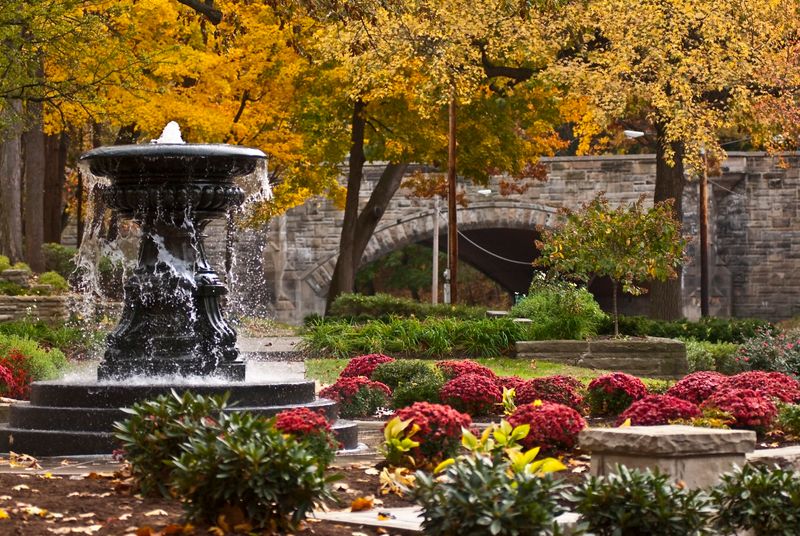
Fresh greenery and a welcoming atmosphere help make the Irish Garden easy to enjoy. Among the many stops in Cleveland Cultural Gardens, this one can feel especially warm and approachable, the sort of place that invites both reflection and conversation.
It has enough character to stand out without feeling overwhelming.
Some reviews mention maintenance differences from one section of the park to another, and visitors have often singled out this garden as a cared-for space. That attention shows in the overall feel.
When a garden is tidy and thoughtfully kept, it becomes easier to focus on its story instead of its wear.
If your group includes people with different energy levels, consider using the Irish Garden as one of your planned rest points. It works well as a place to pause, take photos, and talk about what you have seen so far.
The wider park can involve a lot of walking, so building in slower stops like this helps make the outing more comfortable and memorable.
18. Italian Garden
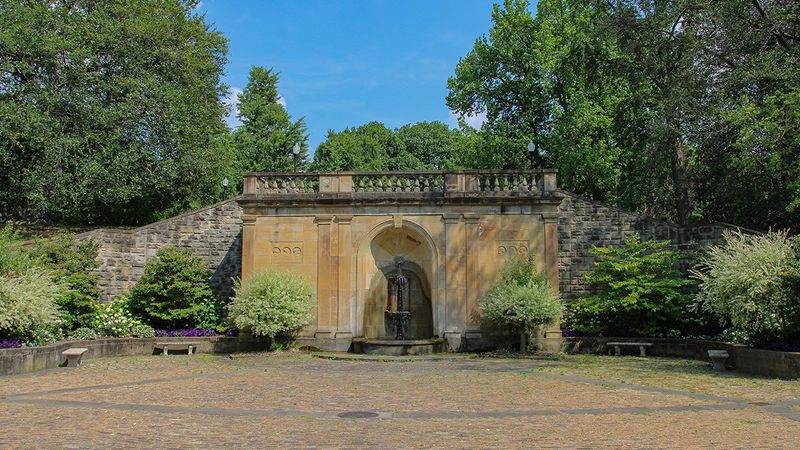
For many visitors, the Italian Garden is one of the showstoppers of the entire park. Its more elaborate design, classical features, and strong sense of drama make it a favorite for photos and first impressions.
If you are introducing someone to Cleveland Cultural Gardens, this is often a smart place to start.
The appeal goes beyond looks. A grand garden like this also shows how immigrant communities used art and public space to make a lasting mark on the city.
You can feel pride in the details, from the arrangement of steps and terraces to the placement of sculpture and plantings.
Because it is such a popular stop, try to visit at a less crowded time if you want a calmer experience. Early morning can be especially pleasant, with softer light and fewer interruptions for photos.
Even if you only have time for a shorter visit, make room for this garden. It captures the blend of beauty, memory, and civic spirit that defines the park.
19. Latvian Garden
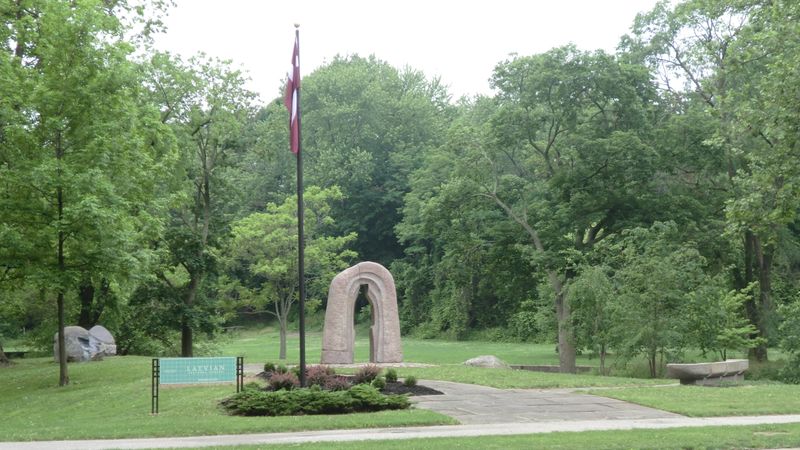
There is a quiet dignity to the Latvian Garden that makes it easy to appreciate. It may not be the loudest or largest stop in Cleveland Cultural Gardens, but it adds another important thread to the park’s story of migration, memory, and belonging.
Sometimes that quieter voice is exactly what stays with you.
One reason smaller gardens matter is that they reveal how broad Cleveland’s cultural history really is. Each community has chosen a way to be seen, remembered, and represented in public.
When you walk from one garden to the next, you begin to understand the park as a map of people as much as a map of places.
If you are making a photo album or travel journal, gardens like this can add balance to the grander scenes. A modest memorial surrounded by careful landscaping often tells a more intimate story.
Pause long enough to notice the scale, the materials, and the mood. Those little details are often what make the visit feel personal.
20. Lebanese Garden
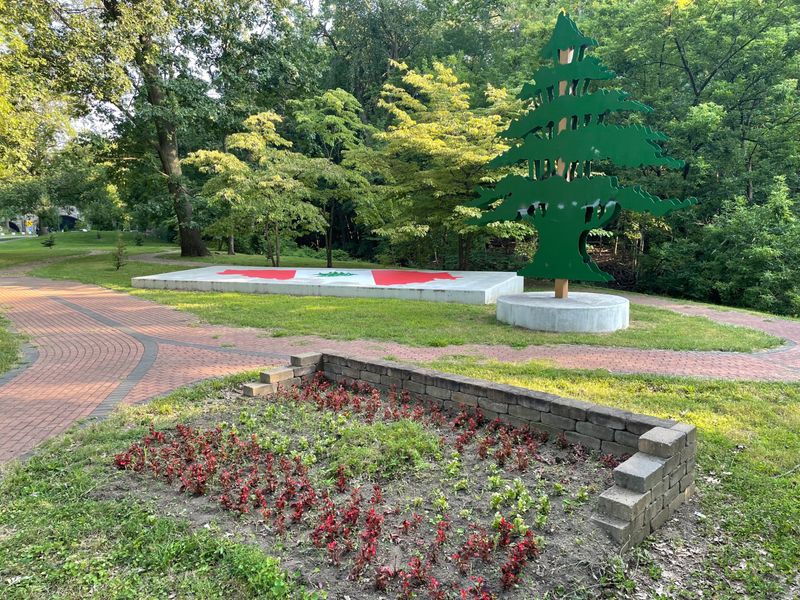
The Lebanese Garden adds another rich cultural layer to an already remarkable park. As with many stops along the route, the power of the space comes from the way landscape and memory work together.
A visitor might first notice flowers or stonework, then realize the deeper purpose is to honor a community’s story in Cleveland.
That blend of beauty and identity is what makes the Cultural Gardens feel different from a standard city park. You are not just passing pretty scenery.
You are moving through pieces of history placed outdoors where anyone can encounter them. The Lebanese Garden plays that role with grace and warmth.
If you enjoy connecting places to people, spend a minute imagining the generations behind the memorials and symbols you see. Public gardens are built through effort, donations, and community care, so each one reflects real commitment.
On a longer visit, pair this stop with several nearby gardens from different regions. The comparisons make the whole park even more interesting and memorable.
21. Lithuanian Garden
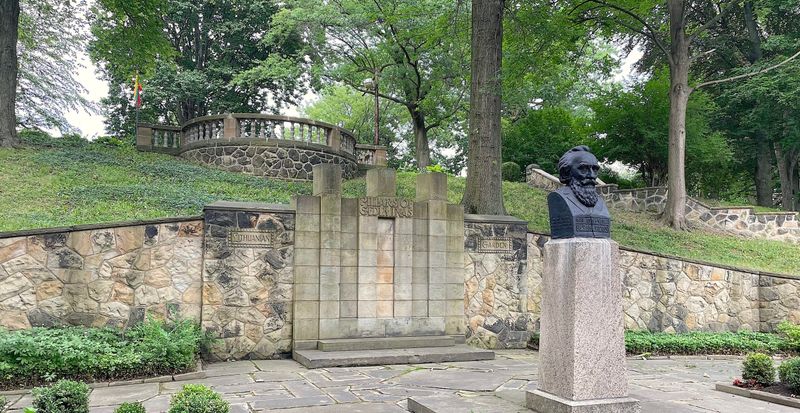
The Lithuanian Garden has the kind of charm that grows on you. At first glance, it may seem simple, but a closer look often reveals careful symbolism and a sincere sense of tribute.
Within Cleveland Cultural Gardens, that honesty feels right at home.
One of the best things about this park is how it rewards curiosity. Visitors can walk through quickly and still enjoy the scenery, but those who stop to read plaques and study monuments come away with much more.
The Lithuanian Garden is a good example of a place where small details carry a lot of meaning.
Try taking notes or photos of your favorite features as you go. After several gardens, designs and names can start to blend together, especially on a longer outing.
A simple record helps you remember which places spoke to you most. Since the park stretches for a considerable distance, breaking the trip into sections and choosing highlights like this garden can make the whole experience feel more manageable.
22. Palestinian Garden

Some gardens carry a strong emotional weight, and the Palestinian Garden can be approached that way. In the larger setting of Cleveland Cultural Gardens, it stands as another example of how public space can honor heritage, memory, and community ties.
The message reaches beyond geography and speaks to belonging.
Visitors do not need expert knowledge to connect with a garden like this. Start with what you can see: the layout, the monument, the plantings, and the tone of the place.
Then add what you learn from plaques or memorial text. Piece by piece, the garden becomes easier to understand.
Because the Cultural Gardens bring many identities into one long park, they work best when explored with patience and respect. Gardens like this remind people that history can be personal as well as public.
If you are visiting during a festival period or special event, expect more traffic and less parking. On a quieter day, the space may offer a more reflective experience.
23. Polish Garden
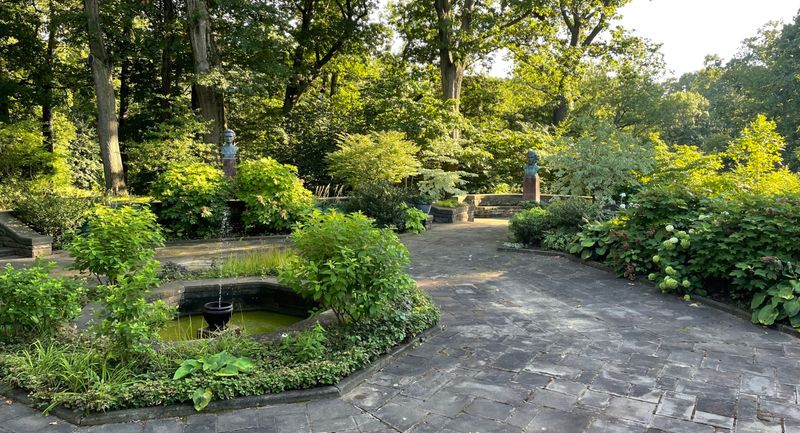
The Polish Garden feels sturdy, expressive, and deeply rooted in community pride. Like many of the best stops at Cleveland Cultural Gardens, it brings together art, memory, and landscape in a way that welcomes both locals and first-time visitors.
You can enjoy it as a pretty place, but it offers more when you linger.
Public memorial gardens often work best when they connect history to everyday life, and this one does that nicely. It is easy to imagine families visiting here to share stories with younger relatives or explain where grandparents came from.
That kind of living connection gives the park its heart.
If you are exploring in spring or fall, the surrounding scenery can make this stop especially appealing. Seasonal color adds another layer to already thoughtful design.
Since the park is long and spread out, many visitors do not reach every garden in one trip. That is perfectly fine.
A shorter route with well-chosen stops like this one often feels more enjoyable than trying to race through everything.
24. Romanian Garden
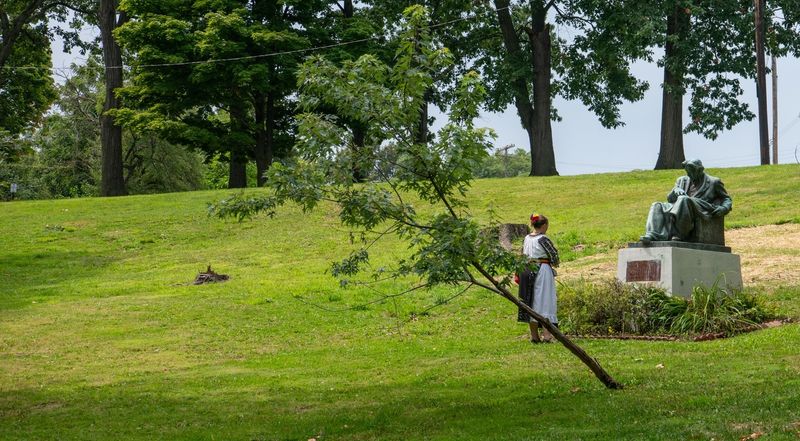
The Romanian Garden adds another memorable chapter to Cleveland’s outdoor storybook of cultures. It reflects the larger purpose of the Cultural Gardens by turning heritage into something visible, walkable, and shared.
A person can arrive knowing very little and still leave with a stronger sense of connection.
That is the magic of this park. It does not teach in a classroom way.
Instead, it uses paths, monuments, and planted spaces to make learning feel natural. The Romanian Garden fits that pattern well, offering both visual interest and a reason to pause.
Visitors who enjoy discovering underappreciated places should keep this stop on their list. Well-known gardens tend to collect the most attention, but quieter ones can offer some of the most satisfying moments.
Bring a flexible attitude and expect the visit to unfold slowly. Between the distance, the road crossings, and the number of gardens, Cleveland Cultural Gardens works best when you allow time for wandering instead of trying to keep a strict schedule.
25. Russian Garden

Bold memorial elements can give a garden a strong sense of presence, and the Russian Garden often leaves that kind of impression. As part of Cleveland Cultural Gardens, it contributes to the park’s unusual mix of history lesson, outdoor gallery, and neighborhood tribute.
The result is more layered than a normal sightseeing stop.
Events in the Cultural Gardens sometimes bring these spaces to life in a different way, with music, gatherings, and celebrations connected to heritage. A garden like this can feel formal on a quiet weekday, then lively and social during a community program.
That range is one of the park’s biggest strengths.
If you hope to catch both scenery and activity, check the official website before your visit. One World Day and other cultural events can add excitement, though they may also bring heavier traffic and harder parking.
On a calm day, you can focus more easily on the garden’s artistic and memorial features, which are best appreciated without rushing.
26. Serbian Garden
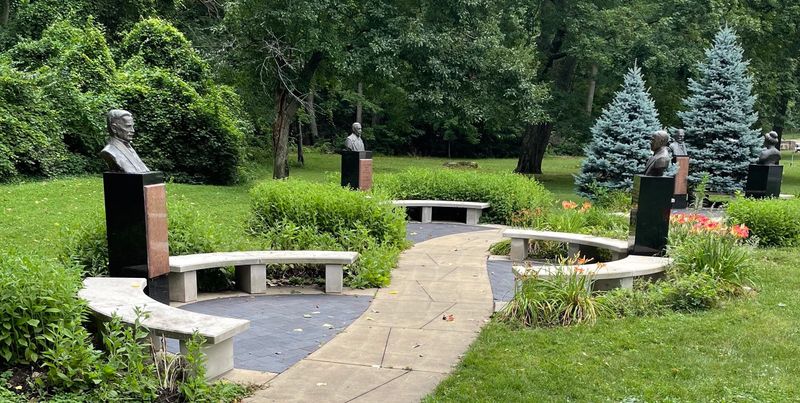
More than a pretty stop, the Serbian Garden can feel like an outdoor page from a history book. Visitors often mention learning surprising facts in the Cultural Gardens, and spaces like this help explain why.
Statues, plaques, and national symbols turn a walk into a chance to discover people and ideas you may not have known before.
That sense of discovery makes the park especially good for older kids and curious adults. You do not need a guide to have a meaningful visit.
All you need is enough time to stop reading, looking, and comparing one garden to the next. The Serbian Garden rewards that kind of attention.
When planning your route, remember that some gardens sit at slightly different elevations and may involve a bit of uphill walking. Nothing is extreme, but comfortable shoes are still a smart choice.
If you only have an hour, focus on a cluster of nearby gardens rather than trying to cover the whole park. You will enjoy more by hurrying less.
27. Slovak Garden
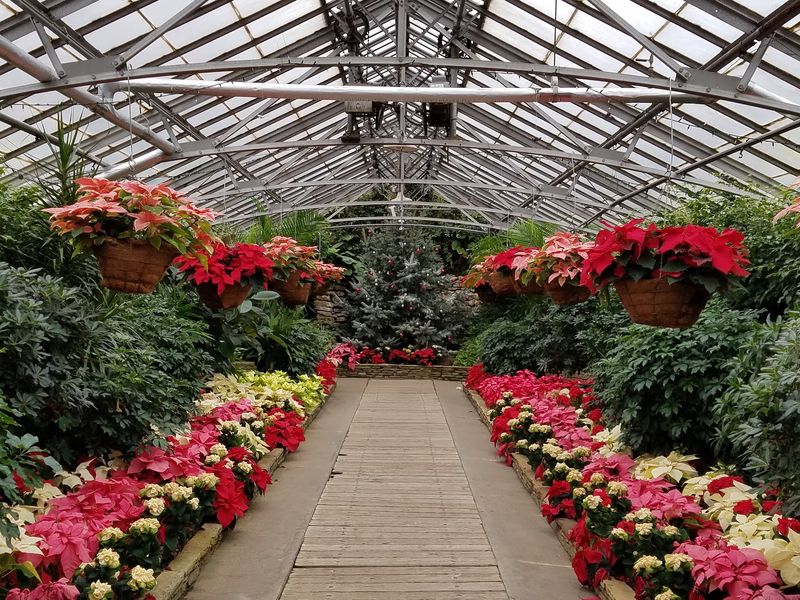
The Slovak Garden offers a nice example of how Cleveland Cultural Gardens can feel both local and global at once. It honors a specific heritage, yet it sits within a shared public landscape where everyone is invited to learn.
That combination is what gives the entire park its welcoming spirit.
As you explore, notice how each garden tells its story differently. Some depend on large sculpture, while others lean on layout, inscriptions, or symbolic details.
The Slovak Garden fits into that creative variety, showing how even a compact space can express identity with clarity and pride.
This is a good stop for visitors who enjoy comparing design choices from one section to another. Taking a few moments to observe the materials, shapes, and planting style can deepen the whole experience.
If you are visiting in warmer months, sunscreen and water are wise additions to your day bag. The park offers a lot to see, but the long stretch of walking can sneak up on people.
28. Slovenian Garden
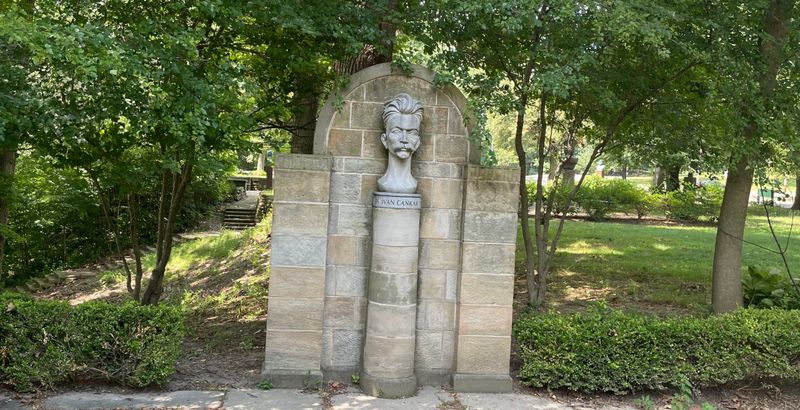
Gentle and sincere, the Slovenian Garden adds another meaningful stop to the long sequence of nationality gardens. What stands out here is not just appearance, but the sense that a real community wanted to leave something lasting in Cleveland’s public landscape.
That human effort gives the space warmth.
Many visitors come for the scenery and end up remembering the feeling of the place instead. A garden like this can do that.
It may not overwhelm you with scale, yet it invites a slower, more personal kind of attention. That can be especially rewarding on a busy travel day.
Consider using this stop as part of a more relaxed visit rather than a complete park marathon. Reviews often mention that seeing everything can take several hours, and some people still miss sections.
Choosing a few gardens that interest you most can make the outing less stressful. With fewer places to rush through, you are more likely to notice the plaques, symbolism, and landscaping choices that make each garden unique.
29. Syrian Garden
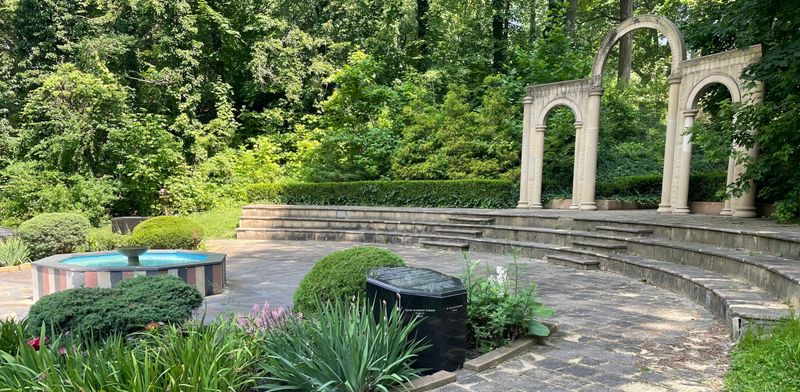
The Syrian Garden shows how the Cultural Gardens can serve as gathering places as well as memorial spaces. Visitors have described attending cultural celebrations in this park, and gardens like this provide a meaningful backdrop for those events.
Heritage becomes something you can see, walk through, and celebrate together.
Even on a quiet day, the space carries a social energy because it represents more than design. It reflects family memory, community ties, and the wish to be present in the city’s shared story.
That is a powerful role for any public garden.
If you are interested in the living side of culture, watch the events calendar before planning your trip. Festivals and heritage gatherings can add music, food, and conversation to the scenery, though they may also make parking difficult.
On a calmer visit, you can focus more on the physical details of the garden itself. Either way, the Syrian Garden helps show why this Cleveland landmark feels more personal than many urban parks.
30. Turkish Garden
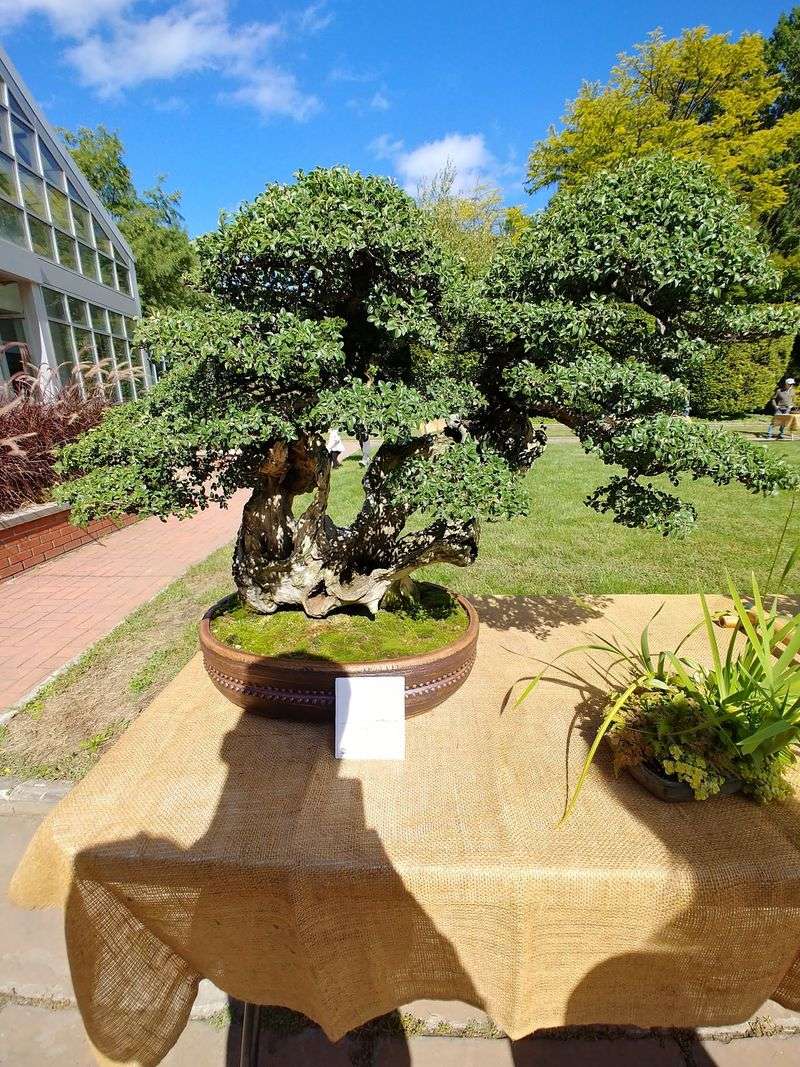
A sense of pattern and purpose can make the Turkish Garden especially interesting to look at. Within Cleveland Cultural Gardens, it adds another distinct visual voice to the long chain of national tributes.
Even if you are simply passing through, the arrangement of forms and spaces can catch your attention.
One useful trick for enjoying this park is to look beyond the main monument. Notice how the surrounding plants, walkways, and open areas support the central idea of the garden.
In well-designed spaces, nothing feels random. Each part helps shape the experience.
The Turkish Garden is a good reminder that the Cultural Gardens are not only about large statements. They are also about thoughtful composition and public storytelling.
If you are traveling with friends, compare which gardens feel most peaceful, most dramatic, or most surprising. That kind of conversation makes the walk more fun.
Since road crossings can be infrequent in places, stay aware of traffic and choose crossing points carefully as you move between sections.
31. Ukrainian Garden
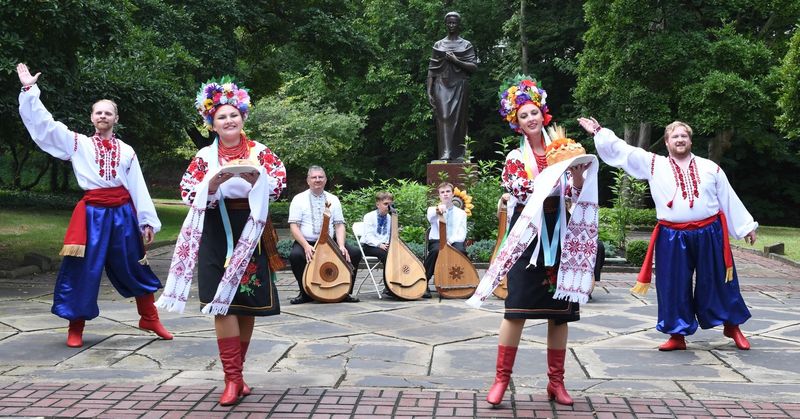
The Ukrainian Garden is often recommended by visitors, and it is easy to see why. It combines visual appeal with a strong sense of identity, making it one of those stops that can anchor a larger tour of Cleveland Cultural Gardens.
If you only have limited time, this is a worthwhile choice.
Popular gardens sometimes earn that reputation because they offer several things at once. You get attractive landscaping, meaningful symbols, and a layout that feels easy to appreciate even on a first visit.
That balance helps the Ukrainian Garden connect with a wide range of travelers.
For families, this can be a good place to pause and read together. Public plaques and memorial features create natural moments to talk about heritage, resilience, and how immigrant communities shaped Cleveland.
Because the park can involve a lot of walking, pack snacks or plan a break after visiting a few major gardens. A comfortable pace makes it easier to stay engaged instead of feeling worn out too early.
32. Welsh Garden
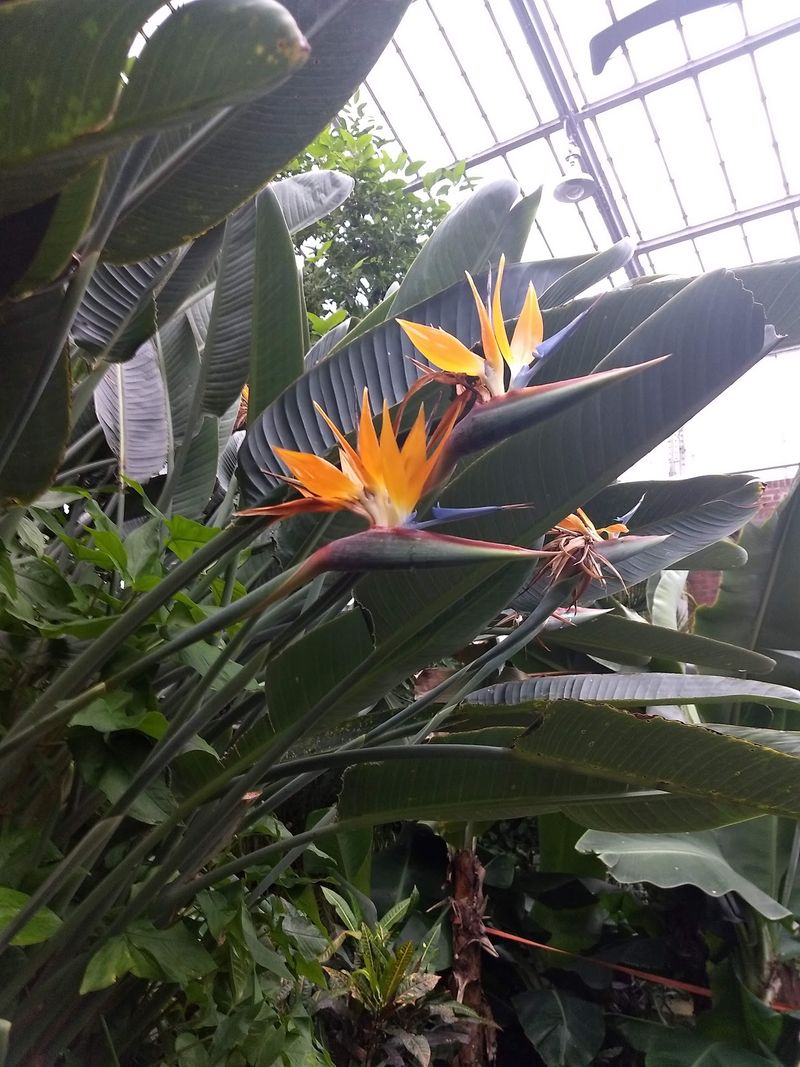
The Welsh Garden may not always be the first one people name, but it contributes a quiet beauty that rounds out the park. Cleveland Cultural Gardens works so well because it includes both dramatic showpieces and more understated spaces.
This garden belongs to that softer side of the experience.
Visitors who enjoy peaceful walks often appreciate stops like this. There is room to breathe, take in the landscaping, and notice how even a smaller garden carries a clear sense of tribute.
Not every memorable place needs a huge staircase or towering monument.
If your goal is to enjoy the park without feeling overwhelmed, build your route around a mix of big-name gardens and calmer ones. That balance keeps the visit varied and relaxing.
The Welsh Garden fits perfectly into that plan. Since some reviews mention limited explanations in parts of the park, it can help to do a little reading before you go.
Knowing a bit of background often makes the symbols and memorial choices feel even more meaningful.
33. Italian Terrace View
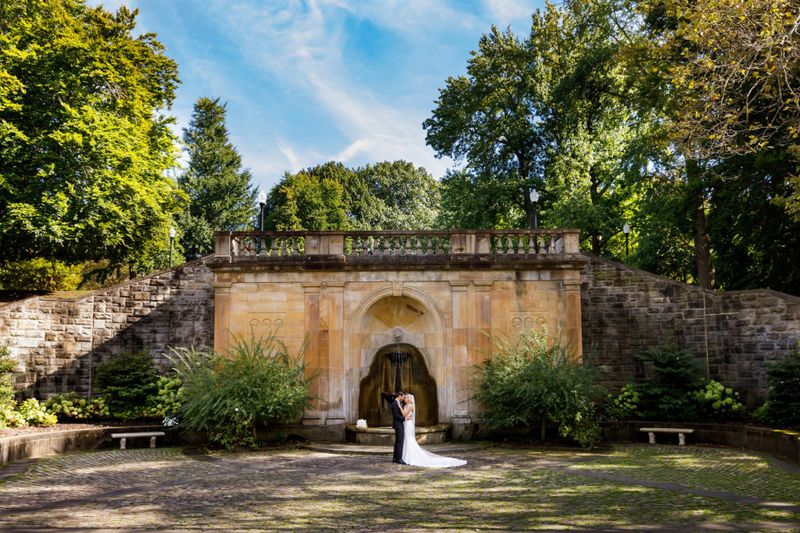
One section of the Italian Garden deserves its own moment, especially if you love strong views and layered design. The terrace areas show how elevation, stonework, and planting can work together to create a scene that feels almost theatrical.
In Cleveland Cultural Gardens, few places frame space quite like this.
Standing here, it becomes easier to understand why so many people choose the park for photos. The composition feels deliberate from nearly every angle.
Whether you are using a phone camera or simply enjoying the view, the arrangement guides your eyes naturally through the scene.
If you visit on a busy weekend, be patient and share the space kindly with other guests. Popular gardens often draw families, photographers, and people attending celebrations.
A slower weekday visit can offer more room to admire the terrace details without interruption. Even if you have already seen the Italian Garden before, focusing on one especially scenic viewpoint can make the experience feel fresh and more memorable.
34. Greek Architectural Walk
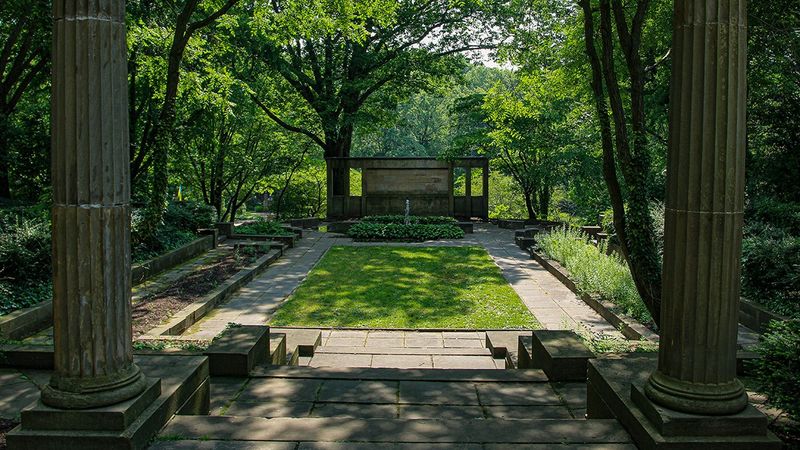
For travelers who love architecture as much as flowers, the Greek Garden offers a rewarding walk. Its classical features help turn a simple stroll into a lesson in proportion, symmetry, and public design.
Inside Cleveland Cultural Gardens, it is one of the best places to experience how architecture shapes emotion.
You do not need expert knowledge to appreciate what is happening here. Wide steps, strong lines, and sculptural details naturally create a sense of importance.
That is why the garden often feels impressive even to people who cannot name every style or reference they are seeing.
A good tip is to look at the garden from several distances. From far away, the structure reads as a bold composition.
Up close, smaller details start to matter more. Both views are worth your time.
Since the park can involve crossing a busy road and covering a lot of ground, give yourself enough time to stop often. Gardens like this are best enjoyed as experiences, not just checkpoints on a map.
35. Parade of Flags Approach
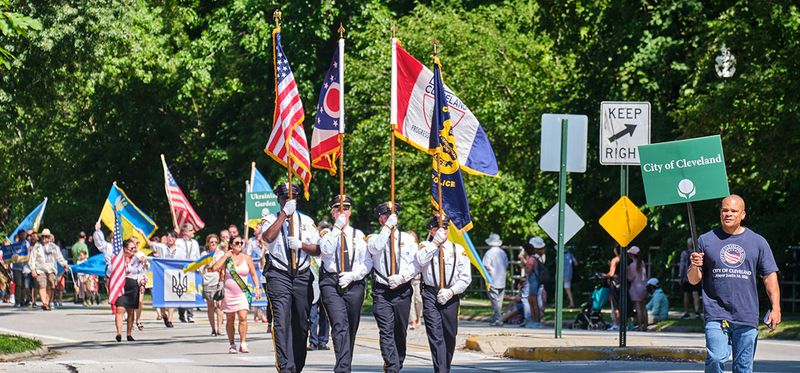
Before you even focus on one specific garden, the Parade of Flags approach can set the tone for the entire visit. Rows of national flags create a strong visual welcome and remind visitors that Cleveland Cultural Gardens is about unity as much as difference.
It feels festive, hopeful, and easy to understand right away.
That opening impression matters, especially for first-time visitors or children. A long list of garden names might sound abstract at first, but flags make the idea instantly clear.
Many cultures are represented here, all sharing one public landscape. It is a simple sight with a big message.
If you are planning a family outing, this area is a great starting point for talking about geography, immigration, and community pride. It also makes a strong photo stop, especially on a bright day when the colors stand out.
From here, you can branch into individual gardens with a better sense of the larger story the park is trying to tell.
Share this story