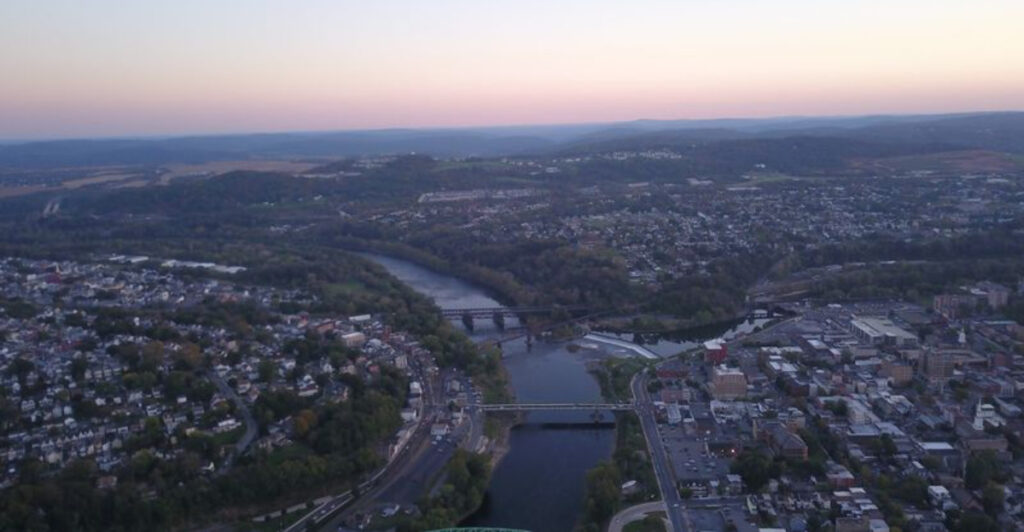
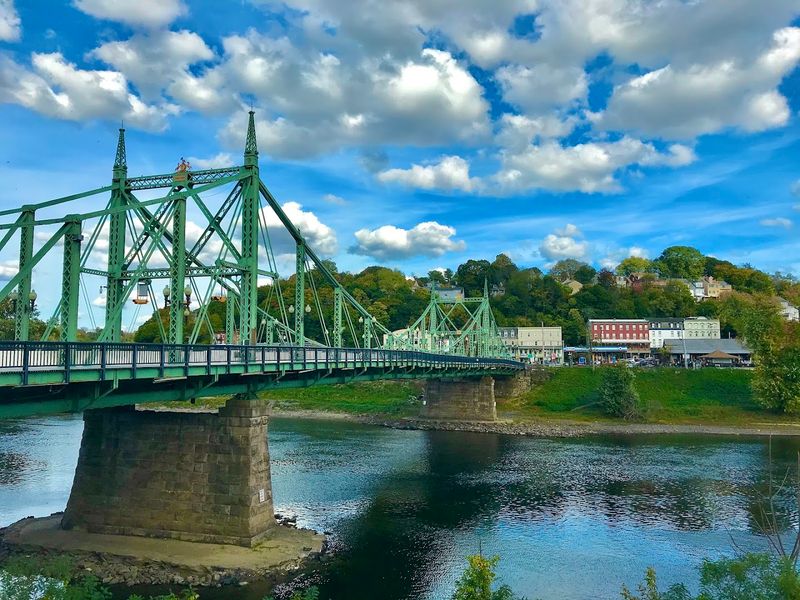
The Free Bridge into Easton is the kind of New Jersey detail that tells you a lot before you even park the car. One minute you’re in Phillipsburg, with the Delaware River sliding past brick storefronts and old railroad bones, and a few minutes later you’re in Pennsylvania for dinner, a show, or a different grocery run.
That little cross-river trick is part of Phillipsburg’s appeal. It feels tucked away without feeling stranded.
It has history without acting precious about it. And most importantly for retirees watching every dollar, it is one of the rare places in New Jersey where the math does not immediately start sweating.
With a small-town pace, lower home prices than much of the state, riverfront scenery, parks, medical care, and Easton right across the water, Phillipsburg makes a fixed-income retirement feel less like a squeeze and more like a plan.
Why Phillipsburg Stands Out For Budget Minded Retirees
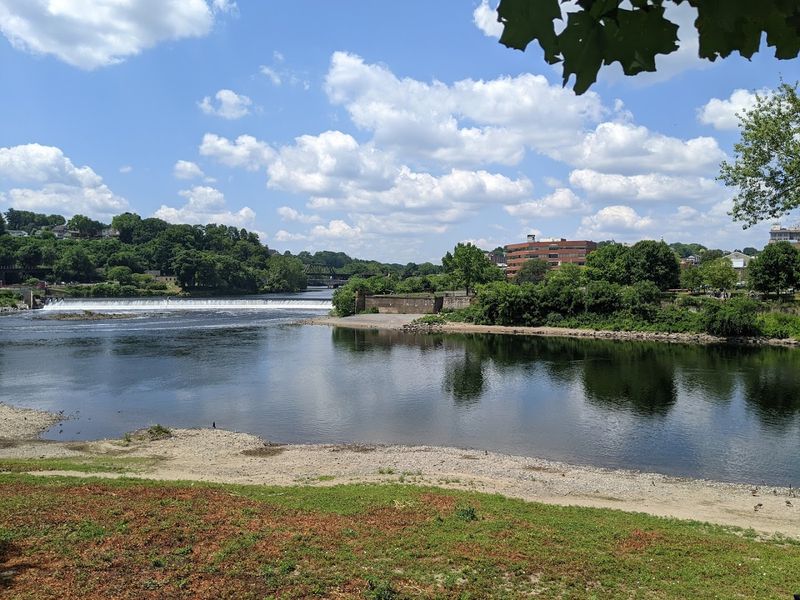
Phillipsburg sits in Warren County at New Jersey’s western edge, which already gives it a different rhythm from the pricier towns closer to New York City. This is not the land of $18 cocktails and condo lobbies that smell faintly of ambition.
It is a working town on the Delaware River, with roughly 15,000 residents, old row houses, neighborhood streets, and enough daily conveniences to make retirement feel practical instead of performative. The big appeal is balance.
Phillipsburg is affordable by New Jersey standards, but it is not empty. That matters.
Some cheap retirement spots ask you to give up too much: decent medical care, grocery choices, entertainment, a place to walk, or a diner where somebody eventually remembers how you take your coffee. Phillipsburg gives you more of those basics than its price tag suggests.
Downtown has a lived-in, slightly scruffy charm, the Delaware River gives the town a natural centerpiece, and Easton, Pennsylvania, is close enough that locals treat it less like another state and more like an extra room in the house.
The Northampton Street Bridge, locally known as the Free Bridge, connects the two communities directly, and yes, that nickname is exactly the kind of detail retirees on a budget appreciate. Phillipsburg’s strongest case is not that it is fancy. It is that it is useful.
You can build a nice week here without constantly paying admission to your own life. A walk in Shappell Park, a river view, a casual lunch, a library stop, a senior center activity, a quick trip across the bridge, and suddenly the day has shape without turning into a receipt collection.
That is the quiet magic here. Phillipsburg does not try to impress you with polish. It wins you over by making ordinary days easier to afford.
Housing Costs Are The Biggest Reason Your Money Goes Further
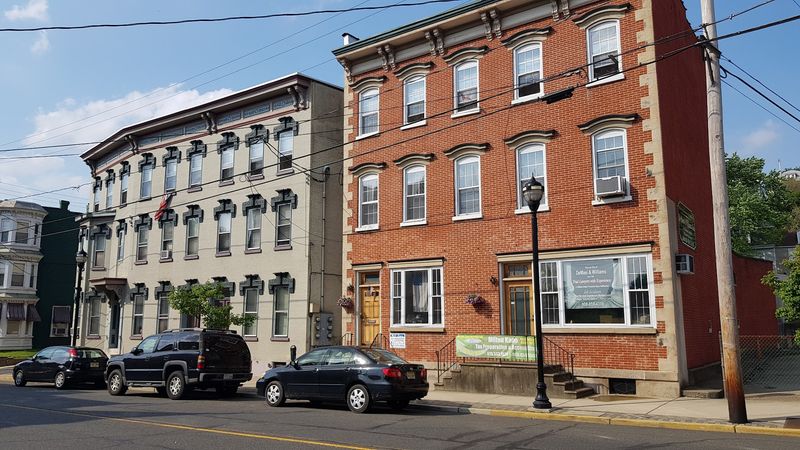
Here is the number that gets people leaning forward: Zillow’s current estimate puts the average home value in Phillipsburg at about $336,500, while Realtor.com recently showed a median listing price around $278,500 for the town.
Those figures move around month to month, of course, but they are still a far cry from the sticker shock retirees see in many New Jersey suburbs.
Housing is the retirement budget bully. It takes the biggest swing first, and if it lands too hard, everything else gets smaller.
That is why Phillipsburg deserves attention. If you are selling a higher-priced home elsewhere in the state, downsizing here could potentially free up cash, lower your mortgage burden, or help you buy something more manageable.
If you are renting, the market is not magically cheap in the way it may have been years ago, but it can still look reasonable compared with North Jersey or shore-adjacent towns. Realtor.com recently listed Phillipsburg’s median rental price around $1,750, while Zillow showed several two-bedroom rentals in the $1,450 to $1,700 range.
That does not mean every retiree can glide in on Social Security alone and start ordering dessert nightly. New Jersey property taxes are still New Jersey property taxes, and maintenance on older homes can surprise you like a raccoon in a garage.
But lower purchase prices can soften those hits. A modest Phillipsburg house, especially one that is paid off or close to it, can make a Social Security check go much further than it would in towns where the mortgage looks like a second career.
The homes here also tend to fit the town’s personality: brick, compact, close to neighbors, and not trying to win a marble-countertop arms race. For retirees who want affordability more than status, that is a pretty good trade.
Social Security Stretches More In This Delaware River Town
The average retired worker’s Social Security benefit for January 2026 is estimated at $2,071 a month, according to the Social Security Administration. That is real money, but in much of New Jersey, it can disappear faster than a parking spot at the shore in July.
Phillipsburg is interesting because the local cost structure gives that check more breathing room. The whole retirement-on-Social-Security idea only works if the essentials stay controlled: housing, taxes, food, transportation, healthcare, and little everyday pleasures.
Phillipsburg helps most with the first category, but there are other pieces too. New Jersey does not tax Social Security benefits, and the state also offers a retirement income exclusion for qualifying taxpayers with income under the current limit, which can help retirees who have pensions, IRA withdrawals, or other retirement income in addition to Social Security.
Then there is the geography. Phillipsburg’s location cuts down on the “I need to drive an hour for everything” problem.
Grocery stores, medical offices, parks, restaurants, and Easton’s downtown are all within a manageable orbit. That matters when gas, insurance, car repairs, and tolls start nibbling at a fixed income.
The town also has the Phillipsburg Senior Center at 310 Firth Street, and Warren County’s Division of Aging and Disability Services lists local senior center resources, meal programs, and virtual activities such as chair yoga and tai chi. The best version of retiring here is not lavish.
It is steady. It looks like choosing a smaller home, keeping the car longer, using local parks instead of pricey memberships, eating out casually instead of constantly, and taking advantage of community programs.
Phillipsburg gives retirees a fighting chance to live that way without feeling like they have been banished from the fun side of life.
Small Town Living Comes With Everyday Convenience
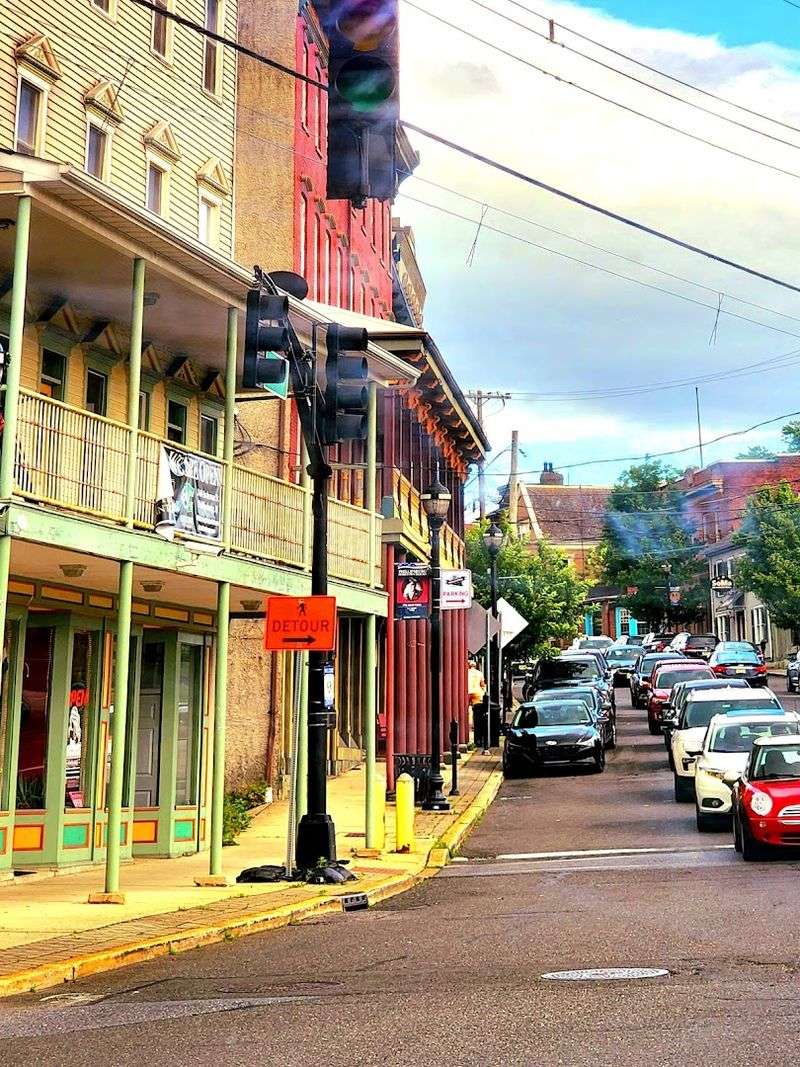
On a normal Tuesday, Phillipsburg feels less like a “destination” and more like a place where errands can actually get done before lunch. That is a bigger compliment than it sounds.
Retirement is not one long scenic overlook. Somebody still has to pick up prescriptions, return library books, buy paper towels, get a blood test, find a birthday card, and decide whether dinner is going to involve cooking or pretending a hot dog counts as a balanced meal.
Phillipsburg works because those ordinary needs are close by. St. Luke’s Hospital-Warren Campus is right in town on Roseberry Street, giving residents access to hospital services without turning every appointment into a regional expedition.
For more specialized care, the broader Lehigh Valley healthcare network is nearby, which is a real comfort for retirees who want small-town prices but not small-town medical isolation. The dining scene is practical in the same way.
SoMa Downtown Grill on South Main Street serves casual American food, with menu items like homemade Reuben eggrolls and crab cake appetizers listed by online menu sources. Toby’s Cup, long known in town for hot dogs and burgers, sits on Memorial Parkway and has the kind of roadside-food reputation that makes locals speak in decades instead of years.
Cross into Easton and the choices multiply quickly, from coffee shops to sit-down dinners near Centre Square. That is the beauty of Phillipsburg’s setup: you get the quieter, cheaper side of the river, but you are not cut off from livelier options.
The bridge does a lot of heavy lifting here. It makes Easton feel like a bonus, not a separate trip.
For retirees, that means more variety without having to move into a busier, pricier downtown. Phillipsburg may not have every convenience on earth, but it has enough of the right ones close enough to matter.
Retirees Get Parks, History, And River Views Without Big City Prices
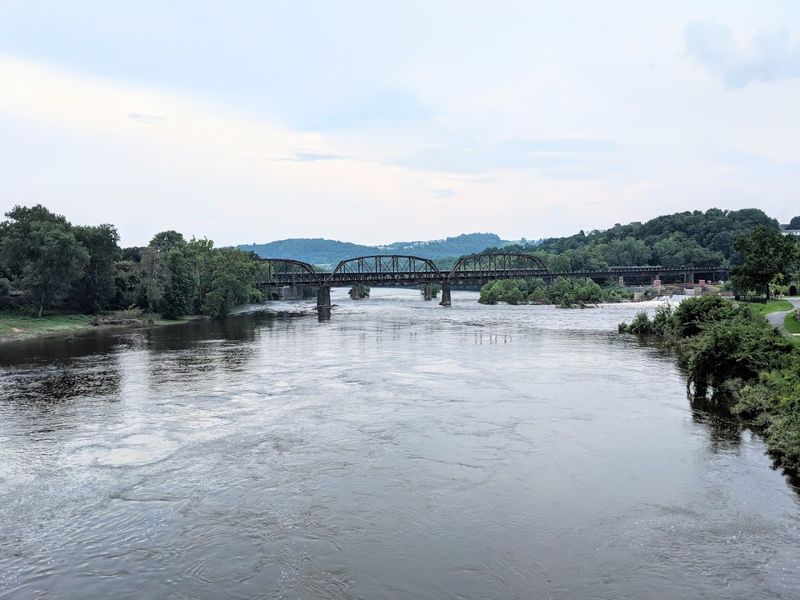
A bench in Shappell Park does not ask for a subscription, a password, or a surge fee. You just sit down.
That is the kind of low-cost luxury Phillipsburg has in surprising supply. The town’s recreation department lists Shappell Park in the heart of downtown as a spot for summer concerts, movies in the park, small events, pop-up shops, and even small weddings.
It also lists Delaware Heights Park, Green Street Park, Walters Park, and other local recreation spaces with features like walking tracks, picnic areas, sports fields, and courts. For retirees, those amenities are not filler.
They are the difference between staying active and staying indoors with the television arguing in the background. Walters Park is especially useful for everyday movement, while Shappell Park gives downtown a public gathering spot that feels neighborly instead of overdesigned.
Then there is the history, which Phillipsburg has in a very New Jersey way: industrial, gritty, fascinating, and not overly polished.
The Morris Canal once stretched from Phillipsburg to Jersey City, and the Canal Society of New Jersey describes it as a 102-mile engineering marvel that overcame a 1,674-foot elevation change using lift locks and water-powered inclined planes.
Phillipsburg was also a major railroad hub, known as a crossroads of five railroads and the western terminus of the Morris Canal.
Today, that legacy still shows up in the Delaware River Railroad Excursions, which operate scenic rides along the Delaware River from Phillipsburg, with weekend trips running May through October and seasonal events like winery trains and holiday rides.
That gives retirees something better than a brochure version of history. It gives them history they can hear, walk past, ride through, and point out to visiting grandkids.
And much of it is either free, low-cost, or easy to enjoy without turning the day into an expensive production.
The Tradeoffs To Know Before Moving To Phillipsburg
No town this affordable in New Jersey comes without a few “let’s be honest” notes. Phillipsburg is not Princeton with a coupon.
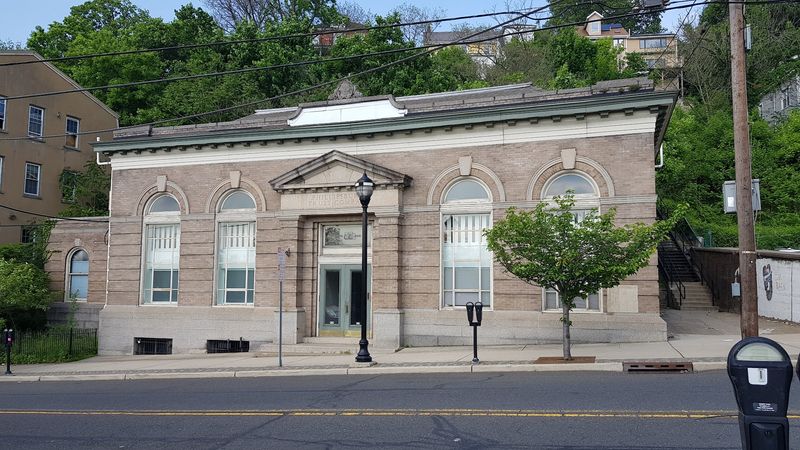
It is older, more working-class, and rougher around the edges in places. Some homes may need updates, and older housing stock can mean surprise repairs, drafty rooms, narrow stairs, or basements that have opinions during heavy rain.
The housing prices are attractive, but the smartest retirees should look closely at property taxes, heating costs, insurance, inspection reports, and whether the home will still work if stairs become a problem later. New Jersey’s statewide property tax burden remains one of the biggest retirement headaches, with the average property tax bill reaching $10,570 in 2025, according to NJ Spotlight News citing state data.
Transportation is another tradeoff. Phillipsburg has local and regional road access, including proximity to Interstate 78, but it is not a train-commuter town anymore in the way some retirees might expect.
If you are picturing a car-free retirement with frequent rail trips into Manhattan, this is probably not your match. You can get around locally, and Easton is right across the river, but many residents will still want a car for medical appointments, larger shopping trips, and visiting family.
The town also does not have the manicured retirement-community feel some people love. That is either a flaw or a relief, depending on your personality.
Phillipsburg feels like a real town, with real-town issues, real-town prices, and real-town neighbors. For retirees who want resort polish, it may feel too plain.
For retirees who want a shot at staying in New Jersey without draining every account, plain may be exactly the point. Phillipsburg’s dream is not luxury.
It is a smaller home, a manageable bill stack, a river nearby, a bridge to more options, and a retirement that still leaves room for ordinary pleasures.
Share this story