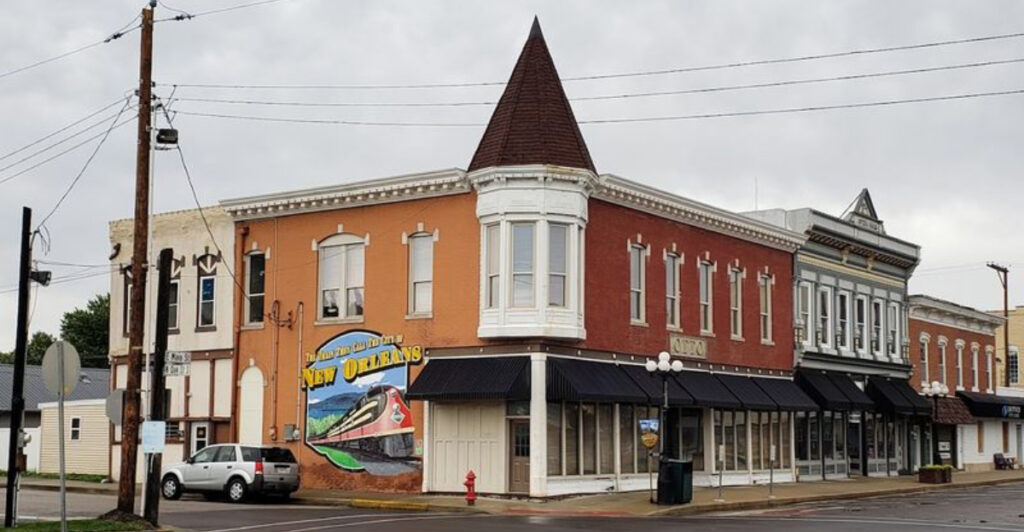
Illinois is home to plenty of charming small towns, but few feel quite as distinctive as Arcola. Known for its strong Amish heritage, horse-drawn buggies, historic downtown, and welcoming atmosphere, this hidden gem offers a glimpse of a slower, more traditional way of life.
Strolling through town reveals beautifully preserved storefronts, local shops, and a sense of character that is increasingly hard to find. The blend of history, culture, and small-town charm creates an experience that feels both peaceful and memorable. If you’re looking for an overlooked Illinois destination with plenty of personality, Arcola deserves a spot on your travel list.
Where the Streets Slow Down and the View Gets Better
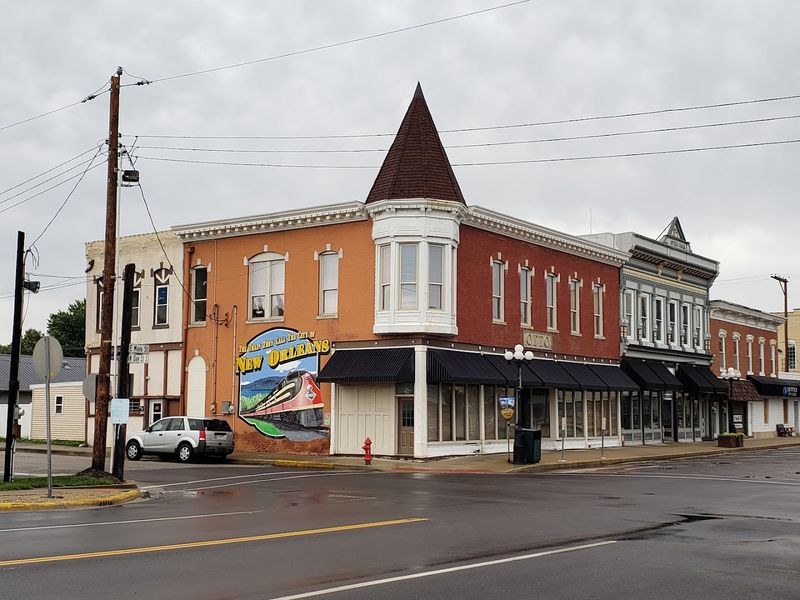
Arcola makes its case quickly. The streets are broad, the buildings sit with confidence, and there is a noticeable shift in pace that hits before you even start looking for landmarks.
Instead of traffic noise and clutter, you get a cleaner visual rhythm: brick facades, old commercial blocks, simple signs, and enough open sky to make the whole town look brighter than expected.
That first sweep matters because Arcola is not trying to impress with size. It works through proportion. Storefronts are close enough together to create a real downtown edge, but the spacing never feels cramped, and the surrounding flat Illinois landscape lets every roofline, steeple, and corner detail stand out with unusual clarity.
You also notice movement that belongs to this place. A buggy on the street changes the scene instantly, not as a novelty, but as part of everyday life around town.
That visual mix of traditional transportation, railroad-era architecture, and practical Midwestern streetscape gives Arcola a texture that many small towns have long since paved over.
Walk a block and the details sharpen. Painted trim, older masonry, tidy display windows, and modest civic buildings all contribute to a downtown that still reads as a working center rather than a preserved stage set.
Nothing needs to shout for attention because the appeal comes from how naturally the pieces fit together. For travelers used to driving through central Illinois without stopping, Arcola can be a real surprise.
It has the kind of immediate visual coherence that makes you slow the car, circle once, and decide this town deserves more than a quick pass on the highway.
The Amish Presence Gives Arcola Its Signature Look
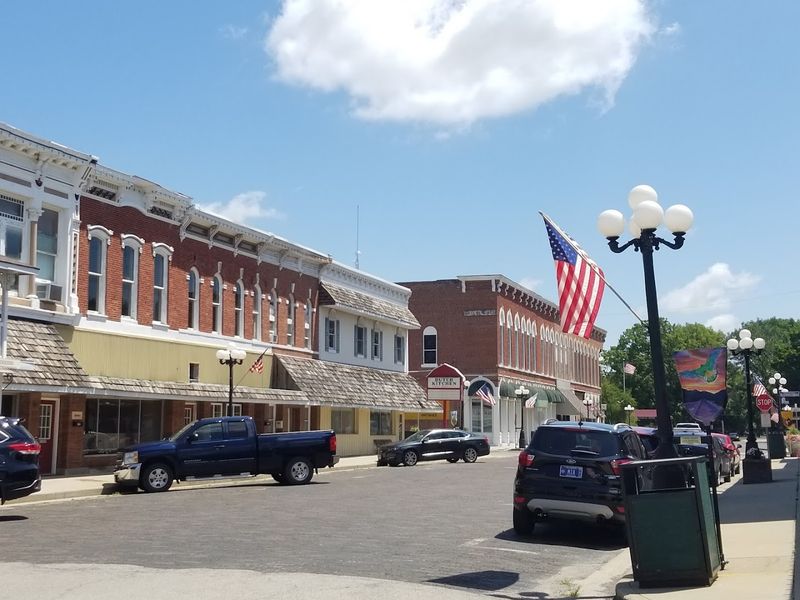
Arcola is often associated with nearby Amish life, but the striking part is how that presence changes the experience of town itself. You do not need a formal attraction to understand it.
The visual cues are built into the day: buggies using the road, practical shops serving local needs, and a pace that feels shaped by routine instead of hurry.
That influence gives Arcola a distinct identity within Illinois. Plenty of towns have old buildings and a courthouse-square charm, but Arcola carries a different kind of order.
The streets feel more connected to surrounding farmland and traditional craftsmanship, so the town reads less like an isolated stop and more like an active crossroads between community, commerce, and countryside.
There is also a useful restraint to the way Arcola presents itself. The Amish connection is visible without being turned into nonstop spectacle.
That keeps the place grounded. You are not being pushed through a themed version of rural life. You are seeing a town where older patterns still shape what moves down the road, what gets sold in shops, and how daily errands look from the sidewalk.
For a visitor, that changes how you spend time here. You pay closer attention to quieter details: hitching areas, wagon proportions, plain clothing, and the practical design choices that come from doing things for utility first.
Even the most ordinary corner can become interesting once you realize Arcola runs on a cultural rhythm that differs from most modern small towns.
That is the real visual hook. Arcola is beautiful not because it is ornate, but because it still shows how a town looks when tradition remains visible in the street instead of hidden behind museum glass.
A Railroad Town With Bones That Still Show
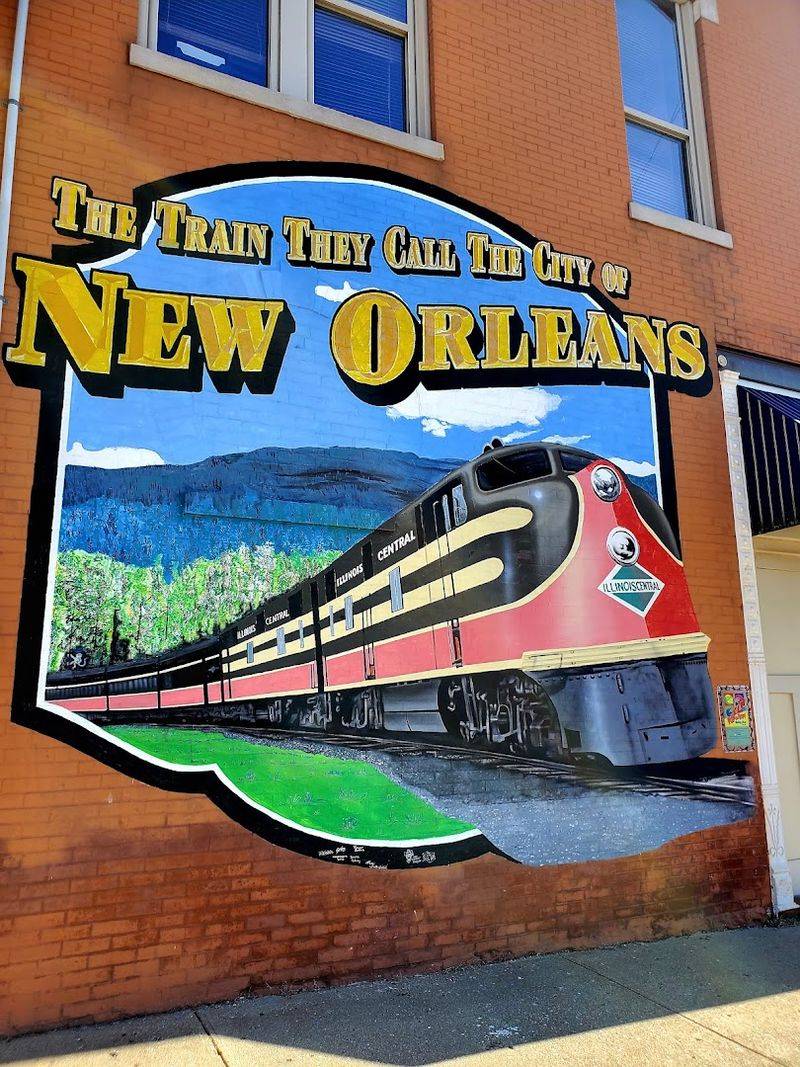
Arcola was founded in 1855 when the Illinois Central Railroad came through, and that origin still explains a lot about the way the town sits on the land. Even if you are not tracing maps or reading plaques, you can sense the logic.
This is a place laid out to function, to connect, and to move goods and people with directness rather than ornament.
That railroad beginning gave Arcola sturdy bones. The commercial core has a practical confidence common to towns that once depended on trains rather than through traffic. Buildings tend to look anchored. Lots feel purposeful.
Streets are broad enough to support business, yet the town remains compact enough to explore without turning the visit into a full-day logistics project.
History here shows up most clearly through structure instead of dramatic storytelling. You see it in block lengths, storefront widths, and the straightforward way downtown meets residential streets.
There is little visual confusion. The town makes sense almost immediately, which is often a sign of places shaped before sprawl and constant redevelopment started blurring edges everywhere else.
That clarity is one reason Arcola photographs so well. The sightlines are clean. Facades line up neatly. Architectural details do not disappear behind oversized signage or chains.
Even a casual walk can reveal nice contrasts between masonry, painted woodwork, and small civic spaces that still belong to the original town pattern.
If you enjoy places where history survives in form as much as in facts, Arcola delivers. Its railroad past is not trapped in a single building or one official stop.
It is built into the way the town operates visually, from the arrangement of downtown blocks to the practical elegance of a community that still looks like it knows why it was placed here.
Why Arcola, Illinois, Feels Different in Every Season
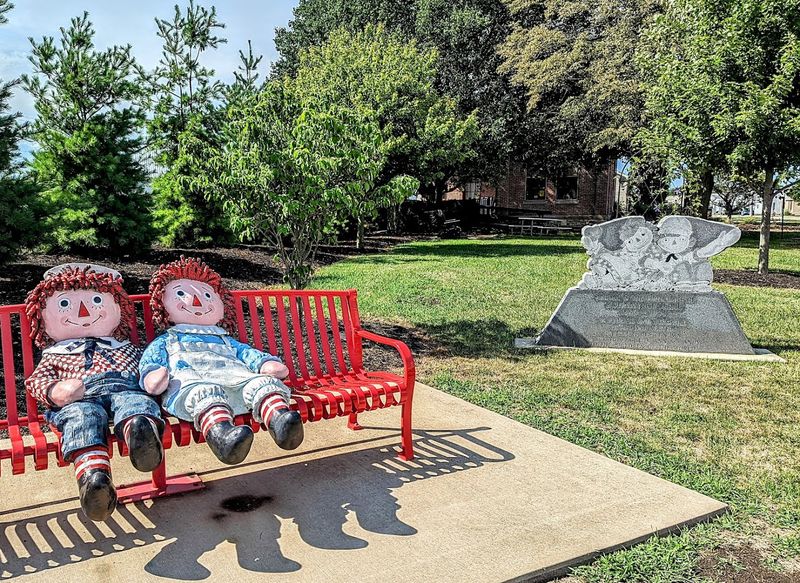
Some towns need perfect weather to look their best. Arcola has stronger fundamentals than that. Because the town is visually simple in the right way, the season changes the mood without erasing the appeal.
Spring softens the edges, summer brightens the brick, fall adds color around the streets, and winter strips everything back to shape and contrast.
The flat landscape around town helps more than you might expect. In hillier places, buildings can get visually crowded by terrain.
Here, Arcola stands out against open sky and long sightlines, which gives churches, older storefronts, and residential blocks a crisp profile. Light spreads differently in this part of Illinois, and the town benefits from it all day.
Morning is especially good if you want the quieter version of Arcola. The streets read cleanly, shadows are longer, and ordinary details such as porch rails, window trim, and roadside edges become more noticeable.
By late afternoon, the warm light brings out the red and brown tones in the older buildings, making downtown look richer without needing any theatrical backdrop.
Season also changes what you notice emotionally. In summer, Arcola can look lively and open, with greenery softening its practical layout.
In colder months, the same blocks feel sharper and more historic, almost like a sketch of a classic Illinois town. Neither version is better.
They simply reveal different strengths in the same compact setting. That flexibility is part of the town’s charm. Arcola is not dependent on one festival weekend, one bloom cycle, or one brief postcard moment.
Its beauty comes from composition, proportion, and light, so whenever you arrive, there is a very good chance the place will still look composed, distinctive, and easy to admire.
The Best Way to Experience It Is on Foot, One Short Block at a Time
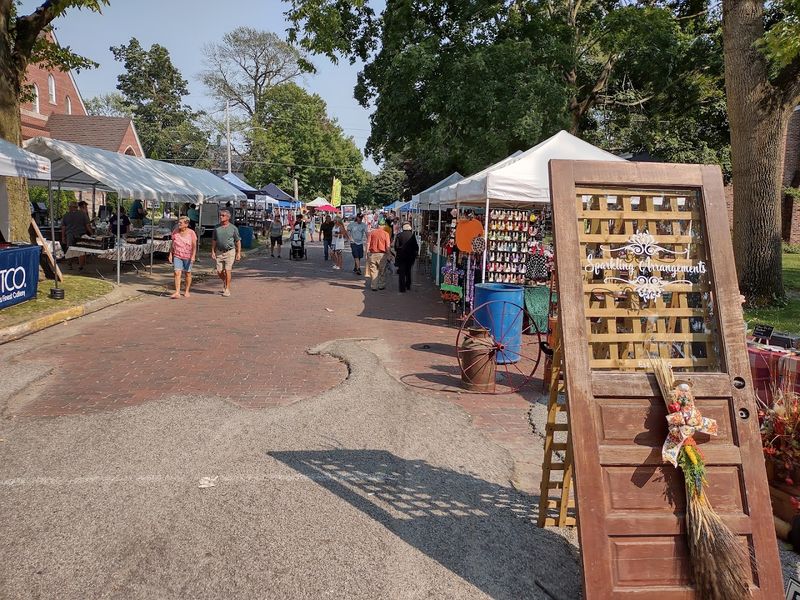
Arcola rewards a slow approach. This is not a town where the best experience comes from checking off major attractions as fast as possible.
The appeal builds through short distances and close observation. Once you park and start walking, the town begins to reveal its scale, its textures, and the little visual shifts that are easy to miss from behind a windshield.
Downtown is compact enough that you can move without pressure. That matters because Arcola’s strongest qualities are often small: a well-kept facade, a side street opening toward a residential block, a buggy crossing your path, or the way an older building anchors a corner.
On foot, those details become the experience instead of background scenery. The town’s layout also makes wandering feel practical rather than random.
Commercial streets transition naturally into neighborhoods, so you can get a fuller picture of Arcola without taking on a long trek.
One moment you are studying brick storefronts and civic buildings, the next you are looking at porches, trees, and the quieter domestic side of town.
That shift gives Arcola depth. It is not only a photogenic main street.
It is a place where the public face and the everyday residential fabric still belong to the same story. The continuity helps the town feel complete, which is a big reason it lands differently than places with a cute center and little else around it.
If you only drive through, Arcola may register as pleasant. If you walk it carefully, the town becomes far more specific.
You start noticing how the architecture, local pace, and Amish presence all interact within a few short blocks. That is when Arcola stops being a roadside curiosity and turns into a place you actually understand.
Small-Town Details That Keep Arcola From Blending In
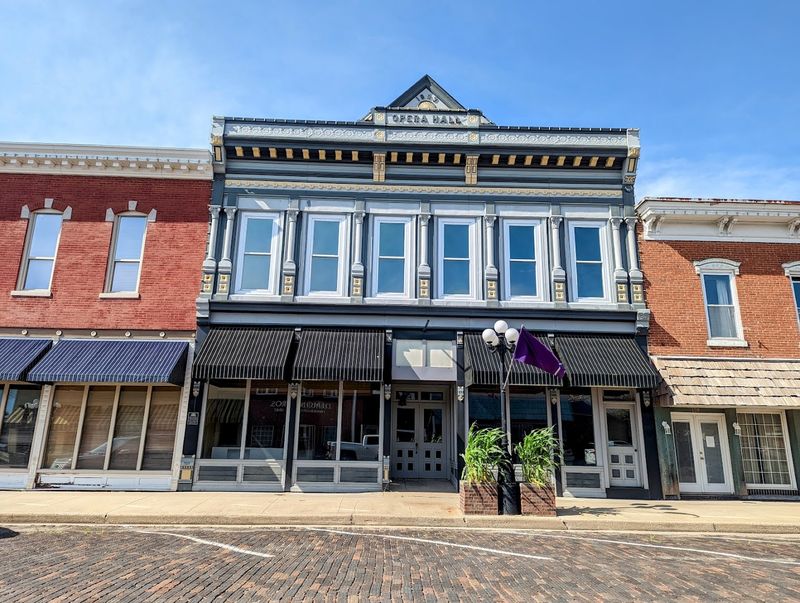
Arcola’s beauty is not only in the big picture. It lives in the details that sharpen the town’s character once you start paying attention.
There is the practical neatness of commercial buildings, the directness of the street grid, and the layered contrast between railroad-era structure and the surrounding culture tied to farming and craftsmanship.
Look closely at downtown and you can see why the place avoids sameness. Older masonry gives the core visual weight, while modest storefront windows and painted trim keep it approachable.
Nothing is oversized. Even the signs and street edges often feel appropriately scaled, which allows the architecture to stay visible instead of disappearing behind modern clutter.
Residential areas add another layer. Houses, porches, yards, and trees soften the business district without breaking the town’s coherence.
In larger places, the transition from downtown to neighborhood can be abrupt or messy. Arcola handles that shift more gracefully, and the result is a town that reads as one connected environment rather than a cluster of unrelated parts.
Then there are the moving details that make the setting unmistakable. A horse-drawn buggy creates a completely different visual tempo than a line of cars.
It changes how you watch an intersection, how you think about distance, and how the town sounds. That kind of detail cannot be manufactured by branding. It has to come from the place itself.
All of this adds up to a specific kind of beauty: disciplined, practical, and visually calm. Arcola does not rely on one dramatic monument or one oversized attraction to stand apart.
Its identity comes from proportion, preservation, and daily life still visible at street level. For travelers tired of interchangeable main streets, that difference is immediately refreshing.
Plan Your Visit for Light, Pace, and the Right Kind of Curiosity
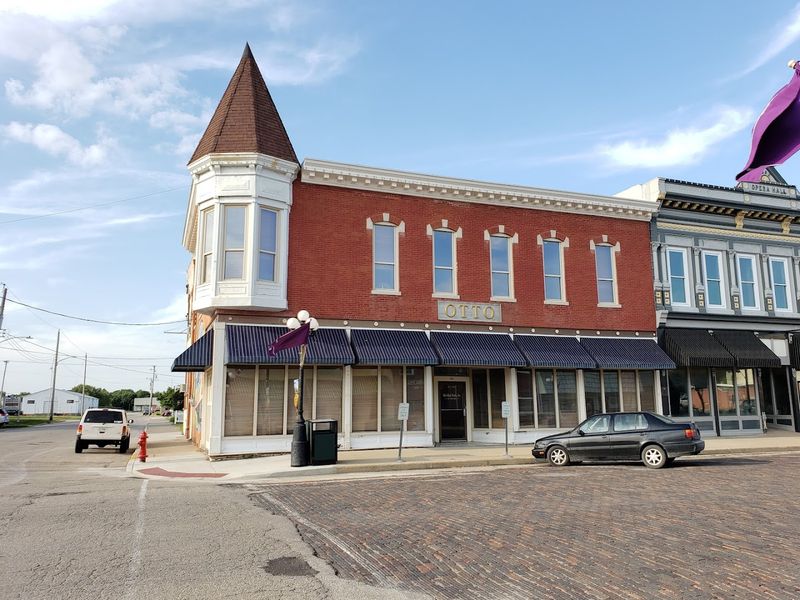
Arcola works best when you give it the right kind of time. This is not a place that demands a packed itinerary, and that is exactly the advantage.
A relaxed visit lets you notice why the town stands out: the visual order, the cultural texture, the railroad-era framework, and the way everyday life still shapes the street scene.
For the strongest first look, aim for daylight when the architecture and open sky can do their work. Morning offers cleaner streets and softer activity, while late afternoon tends to flatter the brick and painted storefronts.
Either window makes it easier to appreciate the town’s lines, colors, and slower movement without rushing from one stop to the next.
It also helps to arrive with curiosity instead of a checklist. Arcola is less about dramatic reveals and more about accumulation. One block gives you historic structure. Another gives you a glimpse of Amish presence in motion.
A side street adds houses, trees, and the domestic scale that completes the picture. The town gradually explains itself if you let it.
Because Arcola is compact, even a short visit can feel satisfying. You do not need a full weekend to understand the essentials, but you do need enough time to walk, pause, and absorb the setting.
That pacing is where the town gains its edge over places that only work in a quick photo and then run out of substance. By the time you leave, the surprise is not that Arcola is pretty. The surprise is how complete it feels.
In one small Illinois town, you get visible history, a distinctive cultural identity, and a streetscape that still knows how to hold your attention without forcing the issue. That combination is rarer than it should be.
Share this story