Zion is quickly becoming one of Illinois’ most talked-about Lake Michigan beach towns, attracting visitors with wide sandy beaches, scenic dunes, peaceful nature trails, and a shoreline that feels refreshingly uncrowded. Located just north of Chicago, this lakeside destination offers the perfect blend of outdoor recreation, waterfront beauty, and easy day-trip convenience without the bustle of many better-known beach communities.
Whether you’re planning a summer swim, a hike through Illinois Beach State Park, or a relaxing afternoon by the water, Zion delivers the kind of coastal escape that keeps people coming back. It’s easy to see why this charming beach town grows more popular every summer.
Where Illinois Suddenly Looks Bigger
Zion makes its first impression through scale. The lake is broad, the horizon is clean, and the shoreline opens with a kind of visual breathing room that catches people off guard when they are still thinking “Illinois beach town.”
Instead of packed commercial strips pressing against the sand, you get a stronger sense of land meeting water on natural terms. That matters immediately in summer, when so many Great Lakes stops can feel overbuilt or overprogrammed.
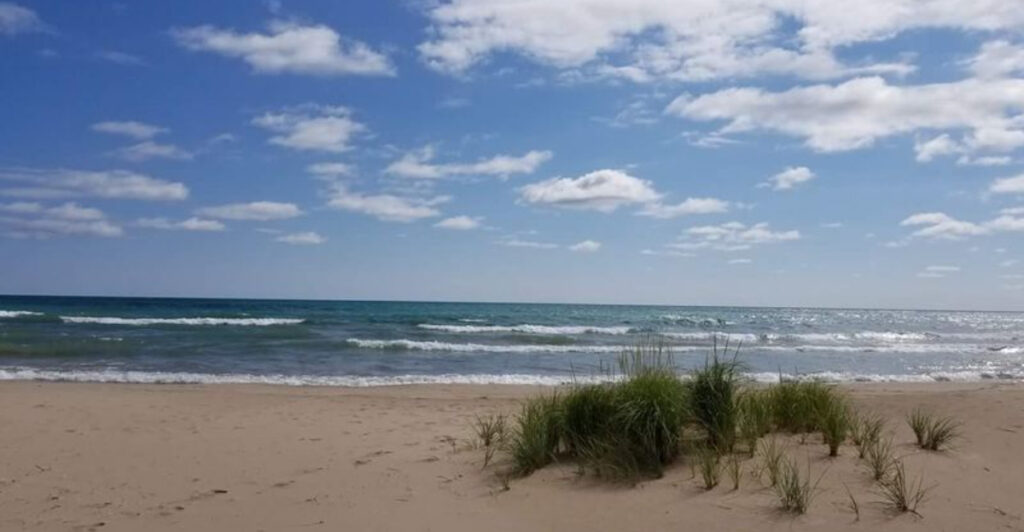
Zion still delivers the classic warm-weather essentials – beach access, sun, and open water – but it frames them with dunes, grasses, and long stretches of shoreline that look better the longer you stand still.
The setting has enough raw texture to slow you down without draining the easy pleasure out of a beach day. Light changes the experience hour by hour.
Morning brings cooler colors and a quieter edge along the sand, midday sharpens the blue of the lake, and evening often turns the whole shore into a softer, wind-brushed scene.
Even on busier weekends, the view keeps some welcome openness because the landscape itself is doing a lot of the work.
That larger visual identity is a big reason Zion is pulling bigger summer crowds. People are not only coming for a towel-on-the-sand afternoon.
They are responding to a piece of Lake Michigan shoreline that feels broader, wilder, and more cinematic than expected, especially for a day trip within Illinois. Zion starts strong because it gives you immediate space, and summer travelers notice that fast.
Illinois Beach State Park Is the Main Event
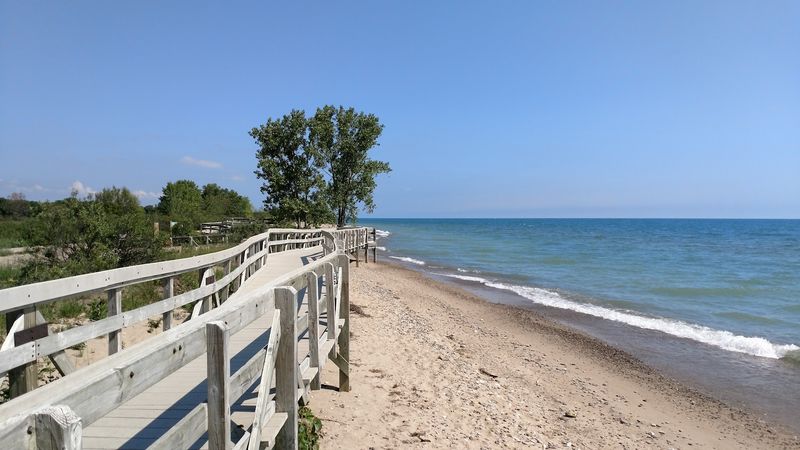
The biggest draw in Zion is not hard to identify. Illinois Beach State Park gives the city a summer centerpiece that feels substantial, not decorative, and that difference shapes the entire destination.
You are not dealing with a tiny municipal strip of sand with a few seasonal extras attached. You are stepping into one of the state’s most distinctive shoreline landscapes.
The park combines beach access with a broader natural setting, which means the day can stretch in several directions without needing to leave town. Some people arrive ready for sand and water first, while others split their time between the beach and the inland terrain where trails, vegetation, and changing ground cover make the experience feel less single-note.
Zion benefits from that variety because it keeps different kinds of travelers moving through the same place for different reasons.
In practical terms, the park helps Zion handle summer attention better than a one-purpose beach stop. Groups can swim, walk, picnic, watch the lake, or simply drift between shaded and open spaces depending on the wind and heat.
Families, solo walkers, birders, and casual road trippers can all share the shoreline without chasing the exact same schedule.
That flexibility is a major part of the town’s growing pull. A place built around one view can be pleasant, but a place built around a full landscape keeps revealing more as the day goes on.
Illinois Beach State Park gives Zion that layered appeal. It anchors the city’s identity, broadens the summer audience, and turns a beach outing into something more expansive than many Illinois travelers expect.
Dunes, Grasses, and the Quiet Details Between the Sand
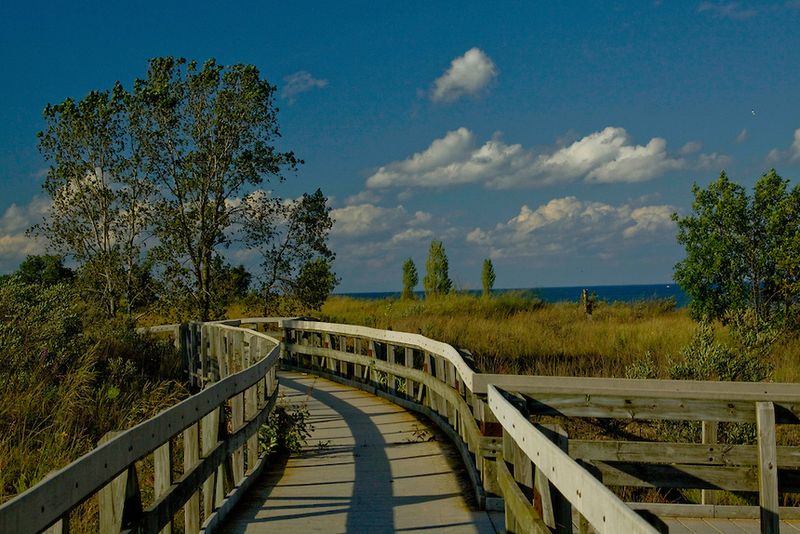
Look past the obvious beach scene in Zion and the smaller details start carrying the experience. The dune formations, beach grasses, sandy paths, and shifting patches of vegetation add structure to the shoreline without making it look managed into sameness.
That texture is one reason the place lands differently from a more urban lakefront. The visual rhythm keeps changing as you move.
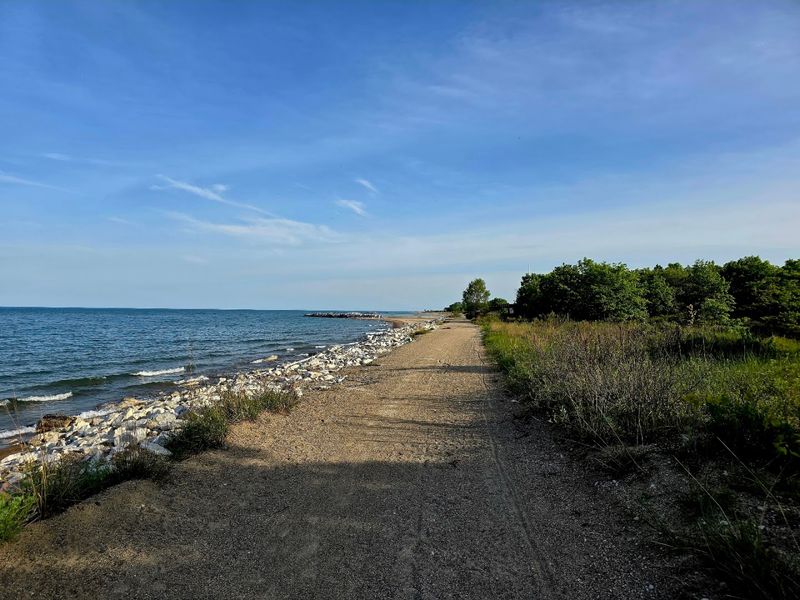
One stretch may feel wide open and bright, then a few minutes later the path narrows, grasses rise higher, and the lake appears in flashes rather than as one constant panorama.
That pattern makes even a short walk more active because you are not just staring at water the whole time. The landscape edits the view for you.
Summer brings out those contrasts especially well. Sun catches the tops of grasses, wind puts motion into nearly everything, and the sand can shift in tone from pale beige to deeper gold depending on the hour.
It is easy to treat the beach as the headline, but Zion’s strongest visual identity often lives in these in-between spaces where land and lake negotiate with each other.
For travelers who like a destination with more than one register, that detail matters. Zion can satisfy the quick beach crowd, but it also rewards slower attention in a way many casual coastal stops do not.
You notice how the dunes shape movement, how the plants soften the edges, and how the shoreline keeps changing its posture. Those subtle features give the town a richer summer personality without needing to announce themselves loudly.
The City Grid Tells an Unusual Zion Story
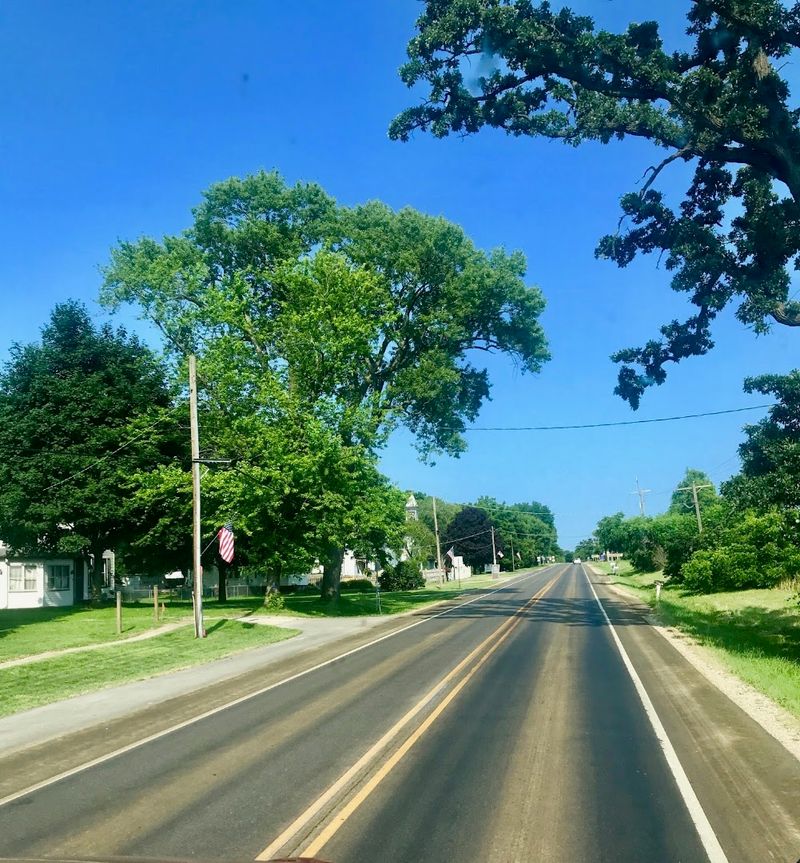
Zion’s appeal is not only natural. The city also carries an unusual history, and even if you arrive focused on the beach, the town’s layout and identity add a different layer to the trip.
Zion was founded in the early twentieth century as a planned religious community, and that origin still gives the place a distinct local story compared with other Illinois shoreline stops.
You do not need a formal history lesson to notice that Zion has a personality separate from generic resort development. The town reads as a real community first, with daily life, neighborhood streets, and civic structure sitting alongside summer recreation rather than disappearing behind it.
That grounded quality changes the energy. The beach may be the lure, but the place around it has its own shape and continuity.
In editorial terms, this is where Zion becomes more interesting than a simple “best beach near Chicago” headline. It is a lakeside city with layers – natural, historical, and residential – and those layers keep it from feeling disposable.
You can move from open shoreline to ordinary blocks and get a clearer sense that people live here year-round, which gives the summer season more context.
That context also explains why Zion stands apart from destinations built mainly to entertain weekend traffic. Its story is older, more complicated, and tied to the city itself instead of just the water.
For travelers, that means the outing has more dimension. The lake supplies the spectacle, but the city supplies character, and together they turn a summer visit into something broader than a sand-and-sun checklist.
Best Summer Moves: Don’t Treat It Like a One-Stop Beach Day

The smartest way to do Zion is to resist the rushed beach-only plan. Yes, the shoreline is the obvious anchor, but the town works better when you treat the day like a sequence instead of one stationary block of sunbathing.
Zion rewards movement. A few hours of beach time paired with walking, scenic pauses, and time to notice the dunes makes the place read fuller and far more distinctive.
Early arrival usually gives you the cleanest rhythm. The light is calmer, temperatures are easier, and the landscape has more breathing room before the middle of the day ramps up.
Starting with a shoreline walk lets you see how the lake is behaving – calm, choppy, bright, hazy – before settling into a more fixed plan. That first pass also helps you spot where you may want to return later.
As the day warms, shifting between beach and inland paths keeps the experience comfortable and visually fresh. It breaks up the exposure, gives you different angles on the same environment, and makes the city’s natural setting feel more dimensional.
Even a short detour away from the sand changes the pace enough to keep the outing from flattening into repetition.
Late afternoon can be the ideal second act. The light softens, the shoreline photographs better, and the whole scene often becomes easier to take in without the harder glare of midday.
Zion is most satisfying when you let it unfold in stages. Instead of chasing nonstop activity, you move with the place, and that approach tends to show exactly why summer crowds keep growing here.
When to Go for the Best Beach Energy in Illinois
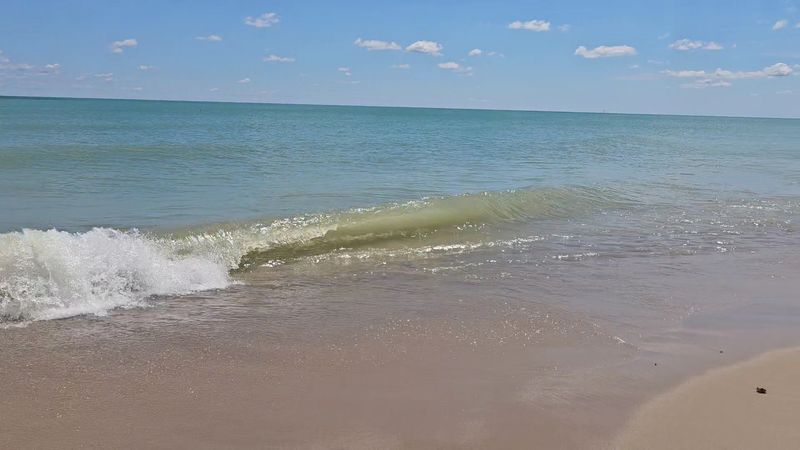
Timing shapes Zion more than many first-time visitors expect. Summer is the obvious season, but the difference between a breezy weekday morning and a hot peak weekend afternoon can completely change how the town reads.
If you want the broadest visual calm and the easiest movement, earlier hours usually show the shoreline at its best.
That does not mean Zion only works when it is quiet. Part of the current draw is that summer energy is visibly building, and there is a certain appeal in seeing the city operate at full seasonal speed.
Beach gear, walkers, families, and groups heading toward the water create a stronger sense of occasion than you get in the off-season. Zion looks awake in summer, and that liveliness is part of the point.
Still, practical planning pays off. Warm weekends can bring more competition for space and a longer search for the exact spot you want, while changing lake conditions can influence how long you stay close to the water.
Bringing a flexible plan helps. If one stretch is busier than expected, the broader landscape gives you ways to pivot rather than forcing the day into a single crowded zone.
For many travelers, the sweet spot is a fair-weather day outside the most intense peak window, when the city has enough motion to feel summery but enough space to remain comfortable. Zion handles that balance well because the destination is larger than one beach access point.
The season matters, the hour matters, and the weather matters, but a little timing strategy can make the whole place open up beautifully.
Why Zion’s Crowd Growth Actually Makes Sense
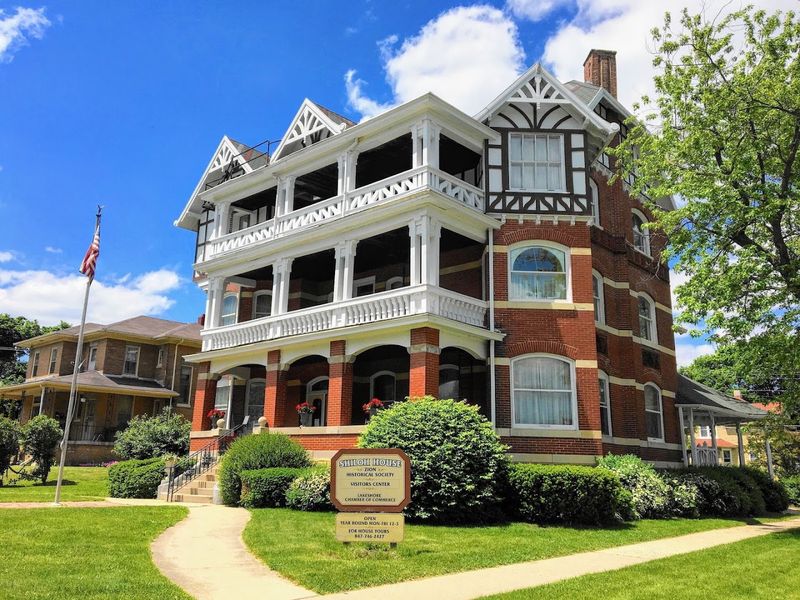
Zion’s rising summer profile is not hard to explain once you see how the city is put together. It offers a beach day, but it also offers room, scenery, and a less compressed kind of shoreline experience than many people expect to find in Illinois.
That combination lands well right now because travelers increasingly want places that look good, move easily, and do not feel overprocessed.
The city benefits from a useful contrast. On one hand, it is accessible enough to fit into a practical summer plan. On the other, the lakefront setting still carries surprise, especially for anyone used to more familiar urban stretches of Lake Michigan.
Zion does not rely on flashy distraction to hold attention. The draw is the landscape itself and the way the town lets that landscape stay central.
There is also a broader appeal in destinations that can serve different agendas at once. Some people want swimming and sun, some want walking and birdwatching, some want a scenic change of pace without a complicated getaway.
Zion can answer all of those without forcing them into separate trips. That versatility is a major reason summer crowds are getting bigger. The city meets multiple moods in one place.
In the end, Zion stands out because it gives Illinois travelers a shoreline experience with more range than the headline first suggests. The beach is real, the natural setting is stronger than expected, and the town around it adds context instead of clutter.
Bigger crowds are following a clear logic. Zion is not a passing curiosity. It is a summer place that makes immediate sense once you are there.
Share this story