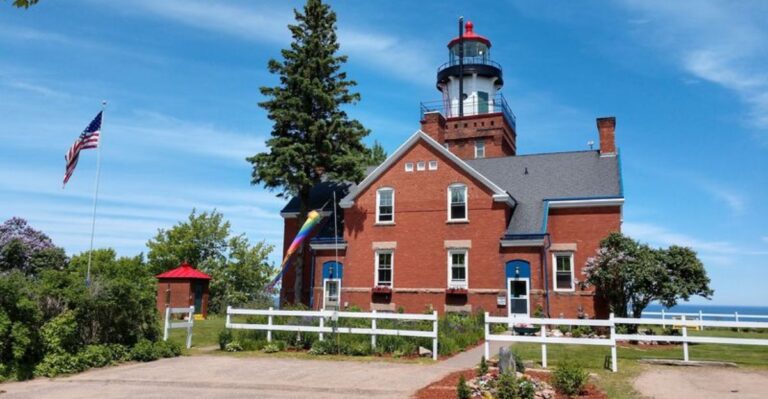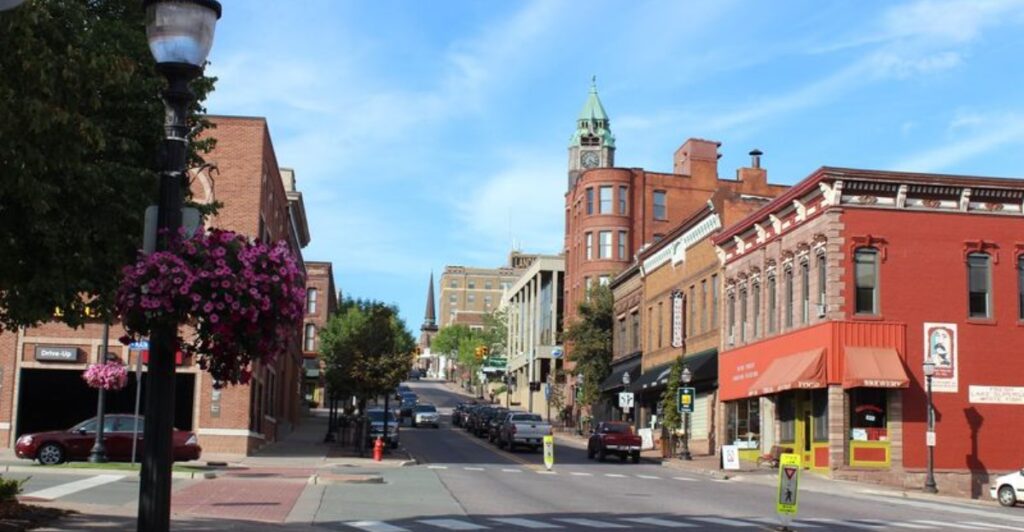
Walking feels like the right way to experience Marquette almost as soon as Lake Superior comes into view. In this Upper Peninsula city, waterfront scenery, parks, coffee shops, local history, and a lively downtown all sit close enough together to make exploring on foot feel easy instead of tiring.
The appeal comes from how much you can see without constantly getting back in the car, letting the day unfold at a slower, more enjoyable pace. One block can lead to the shoreline, the next to a cafe or historic stop, and the whole city feels surprisingly connected.
For anyone who loves Michigan destinations that are scenic, walkable, and full of character, Marquette deserves a closer look.
A Downtown Grid That Makes Walking the Obvious Choice
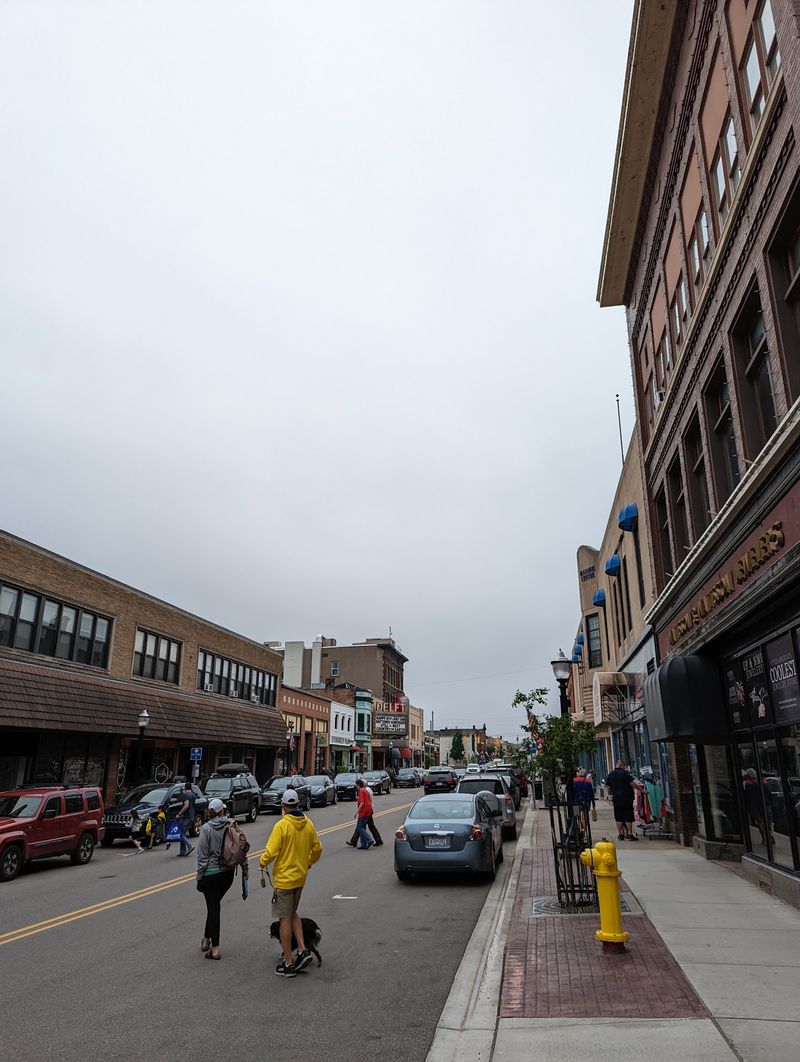
Some cities ask you to study a map before you step outside. Marquette does the opposite.
Its downtown core is compact enough that you can start walking with only a rough sense of direction and still end up exactly where you hoped to be.
Blocks are short, storefronts sit close together, and there is very little dead space between one stop and the next. That matters when you want a trip to move naturally instead of feeling chopped into separate car rides.
You can browse a bookstore, stop for coffee, peek into an outfitter, and keep heading toward the lake without breaking your rhythm.
The layout helps first-time visitors relax. Streets are easy to read, the business district has a clear center, and the shoreline acts like a giant landmark, so getting turned around is less likely than in larger cities.
Even when you wander, you stay connected to the same general area.
Downtown also has the kind of detail that rewards slower travel. Old buildings, painted signs, corner bakeries, and windows filled with local goods give the area personality at walking speed.
In a car, many of those small moments would pass in seconds.
If you are planning a simple self-guided route, begin near the heart of downtown in the morning and let the day unfold outward. Shops, public spaces, and food stops sit close enough that you can adjust based on weather or energy.
Marquette works especially well for travelers who prefer exploring without strict schedules.
By late afternoon, the biggest surprise is usually how much ground you covered without trying very hard. In Marquette, the easy part is not finding things to do.
The easy part is reaching them all on foot.
Lake Superior Steals the Show Along the Waterfront
Water changes the whole mood of Marquette. Just when downtown feels cozy and close, Lake Superior opens beside it and makes the city seem bigger, brighter, and more dramatic.
That shift is one reason exploring on foot stays interesting all day.
The shoreline gives you a natural route to follow. Instead of circling blocks with no clear destination, you can walk toward the water and let the coast guide the next part of the trip.
Parks, open views, and stretches of rocky edge create breathing room between downtown stops.
There is also a physical excitement to this lakefront that smaller inland towns cannot copy. Superior is not a quiet pond backdrop.
On windy days, the waves look bold and restless, and even on calmer days the water has a cold, deep color that gives the coast real presence.
Walking near the lake keeps the city experience from becoming too repetitive. One minute you are passing shops and traffic lights.
A few minutes later, you are hearing gulls, watching the surface flash in the sun, and noticing how the air feels cooler near the shore.
If you want the best experience, leave space in your schedule to slow down here. Benches, viewpoints, and simple places to pause matter as much as the walk itself.
Marquette rewards people who stop often enough to look out, not just ahead.
Comfort also matters by the water. A light jacket is smart even when the day seems mild, because Lake Superior can bring a sudden chill.
With the right layer and comfortable shoes, the waterfront becomes more than scenery. It becomes the thread that ties the entire city together.
The Ore Dock Adds Grit, Scale, and a Sense of Place
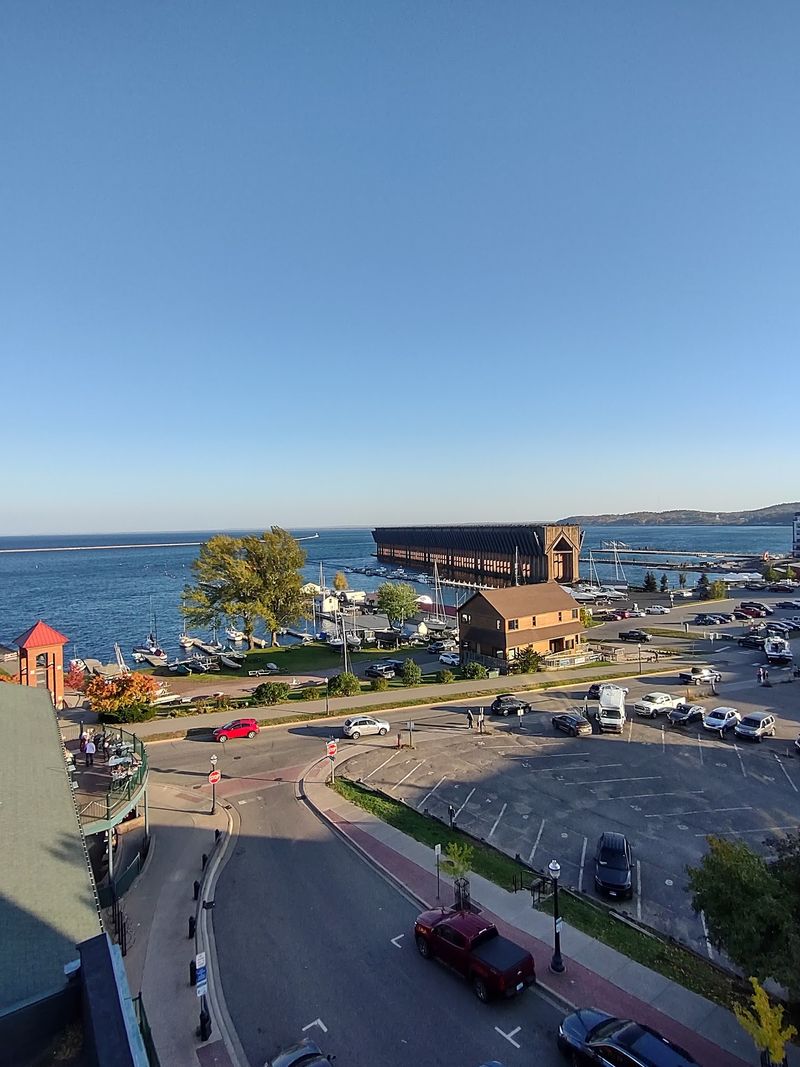
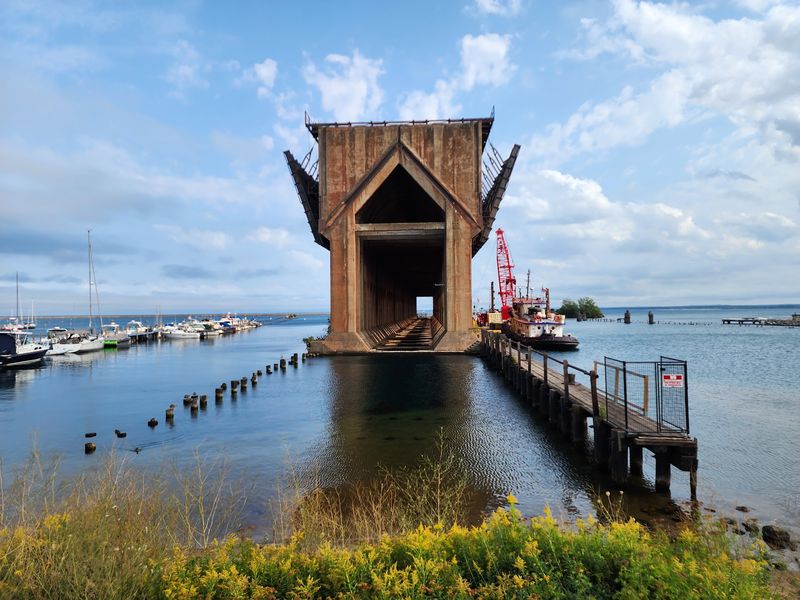
Not every lakeside city has a landmark that looks this tough. Marquette’s ore dock stands out immediately, adding an industrial edge to a place that might otherwise seem all blue water and pleasant storefronts.
It gives the city shape, history, and a visual signature that is hard to confuse with anywhere else.
Even if you know little about Upper Peninsula mining, the structure tells part of the story without needing a long explanation. Its size alone hints at the region’s working past and the role shipping played along Lake Superior.
That makes a simple walk feel more layered, because the scenery is not only pretty. It is tied to labor, trade, and the city that grew around both.
Seen from different angles, the ore dock changes character. From farther away it looks monumental, almost like a bridge to nowhere.
Up closer, the beams and supports show texture, age, and the practical design of something built to do a serious job.
For walkers, it functions like an anchor point. You can use it as a visual goal during a shoreline stroll or as a backdrop for photos that say Marquette far better than a generic water shot.
It also helps connect downtown wandering with the city’s deeper identity.
This is where Marquette avoids feeling polished in a predictable way. The ore dock brings a little roughness, and that roughness matters.
It reminds you that coastal beauty here lives beside working history, not separate from it.
Try seeing it in changing light if time allows. Morning can make it look crisp and graphic, while later hours soften the scene and warm the colors around the lake.
Few landmarks do so much with so little decoration.
Michigan College Energy Keeps the Streets Lively
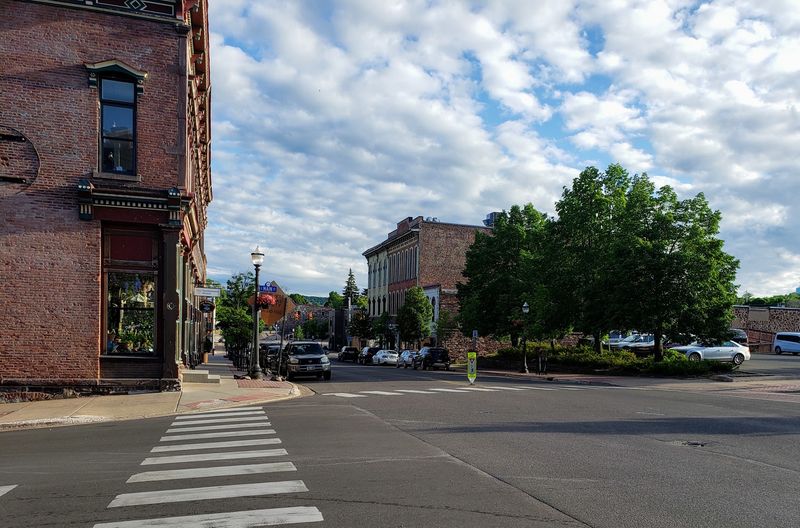
A town can have beautiful views and still feel sleepy. Marquette avoids that problem because it carries a steady pulse from daily local life, and the presence of Northern Michigan University helps keep that rhythm going.
You notice it in the coffee shops, on the sidewalks, and in the easy mix of students, residents, and travelers sharing the same blocks.
That college energy does not turn the city into a party district. Instead, it makes the place active in a practical way.
There are people out during the day, casual places to grab food, and enough movement on the streets to make walking feel natural rather than lonely.
For visitors, this adds flexibility. If you want a slower morning, there are cafes and spots to linger with a drink while watching the street.
If you want to keep moving, the city gives you reasons to continue, with shops, public spaces, and neighborhood pockets that never seem too far apart.
Marquette also benefits from looking like a real town first and a destination second. That balance creates a more relaxed kind of exploration.
You are not walking through a place built only for sightseeing. You are walking through a community that people actually use every day.
The result is especially appealing for solo travelers, couples, or families with older kids who enjoy independent wandering. Streets feel active enough to stay interesting, but not so crowded that every stop becomes a hassle.
You can make spontaneous choices and still feel oriented.
If your favorite trips involve a bit of people-watching along with scenery, this side of Marquette matters. The city is scenic, yes, but it is also functional, youthful, and lived-in.
That combination gives each walk a little extra momentum, especially around midday when the sidewalks are in full swing.
Easy Food Stops Turn a Long Walk Into a Full Day Out
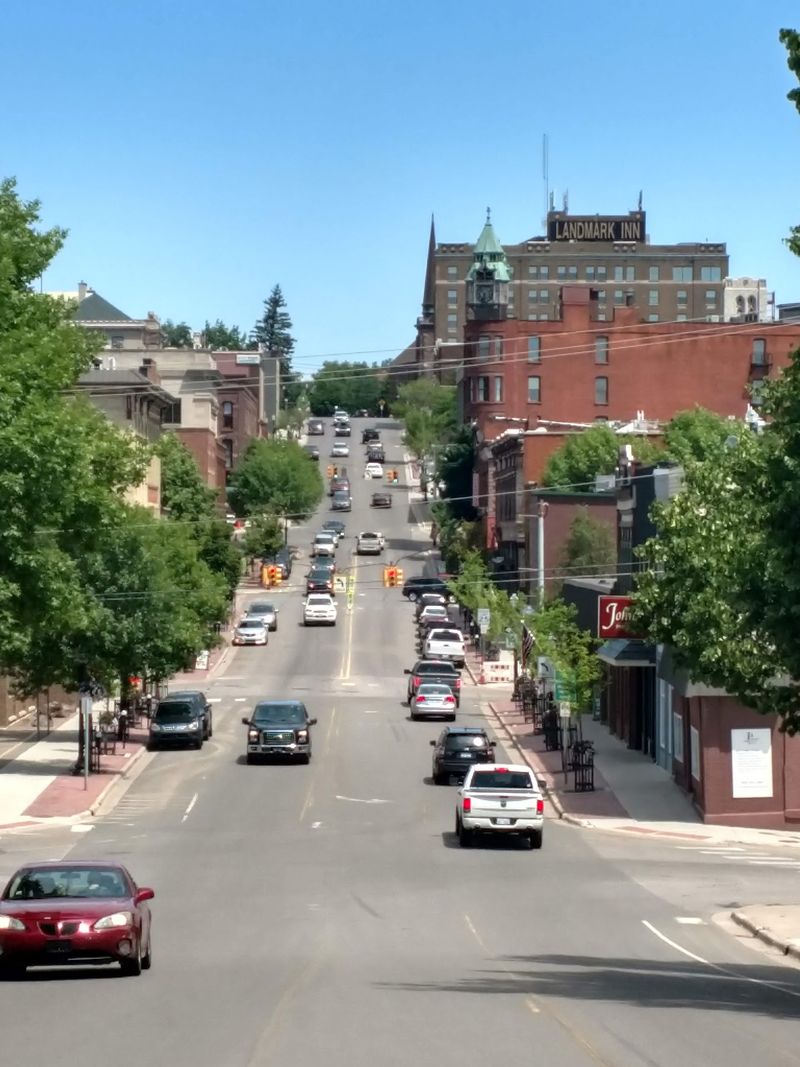
The best walking cities understand one simple truth. People need good places to pause.
Marquette succeeds here because food and drink options are woven into the downtown experience, letting you refuel without stepping away from the part of town you came to explore.
Instead of treating meals as separate events that require driving somewhere else, you can build them naturally into the route. Morning coffee fits near a shop-filled block.
Lunch can come after time by the water. A bakery stop or casual drink works well once your feet start asking for a break.
That rhythm keeps the day from feeling overplanned. You do not need a packed itinerary when the city already offers a comfortable pattern of walk, browse, snack, repeat.
For travelers who like to discover a place gradually, Marquette makes this especially easy.
The downtown scale also helps with decision-making. If one place is busy, another is usually a short walk away.
You are not locked into a single stop, and that freedom lowers the stress that sometimes comes with dining in popular small cities. It is easier to stay spontaneous when alternatives are close.
Look for local character rather than rushing toward the first open door. Marquette’s appeal often comes through smaller details such as warm windows on a cool day, handwritten specials, or a cafe seat with a view of the street.
Those little moments make the break feel like part of the outing, not an interruption.
Practical planning still matters. Comfortable shoes, water, and a rough idea of meal times will help if you intend to spend most of the day outside.
Once those basics are covered, food becomes one more reason Marquette is so walkable. A city that feeds you well is a city you can keep exploring.
Best on Foot in Every Season, With a Few Smart Adjustments
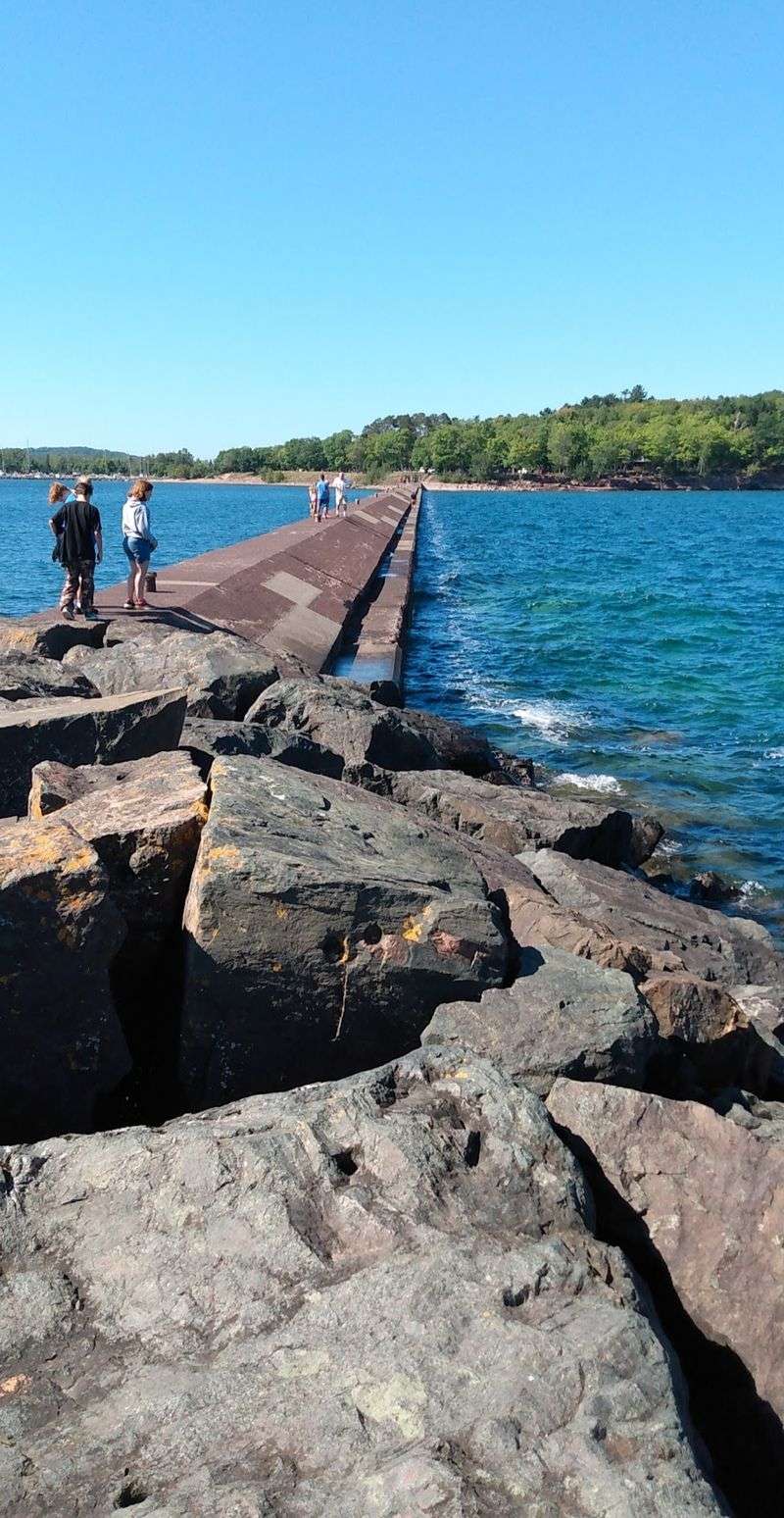
Marquette is not a one-weather city. Its walkability works across much of the year, but each season changes how you should experience it.
Knowing that before you arrive can make the difference between a pleasant wandering day and one cut short by cold wind or poor timing.
Summer is the simplest option for long walks. Hours of daylight stretch the day, businesses are active, and the shoreline is easier to enjoy for longer periods.
You can move between downtown and the lake with very little planning beyond sunscreen, water, and a flexible schedule.
Fall adds color and a sharper edge to the air. That can be an excellent time to explore if you prefer cooler temperatures and slightly calmer streets.
Layers become more important then, especially near Lake Superior, where conditions can change faster than inland visitors expect.
Spring can be refreshing but unpredictable. Some days invite a full afternoon outside, while others still carry winter’s leftovers.
Good shoes matter during this season because puddles, damp paths, and changing temperatures can affect comfort more than distance does.
Winter turns the city into a different kind of walking destination. The views remain striking, but conditions require more care.
Sidewalks may be snowy or icy, the lake air can feel intense, and shorter days leave less room for casual drifting. If you visit then, shorter walks with planned indoor stops are the smartest approach.
No matter the month, start earlier than you think you need to. Marquette rewards daylight, and many of its best qualities come from seeing how downtown, the waterfront, and the wider sky interact.
The city is easy to explore on foot, but your comfort depends on treating Lake Superior weather with respect every step of the way.
How to Spend a Car-Free Day in Marquette From Morning to Sunset
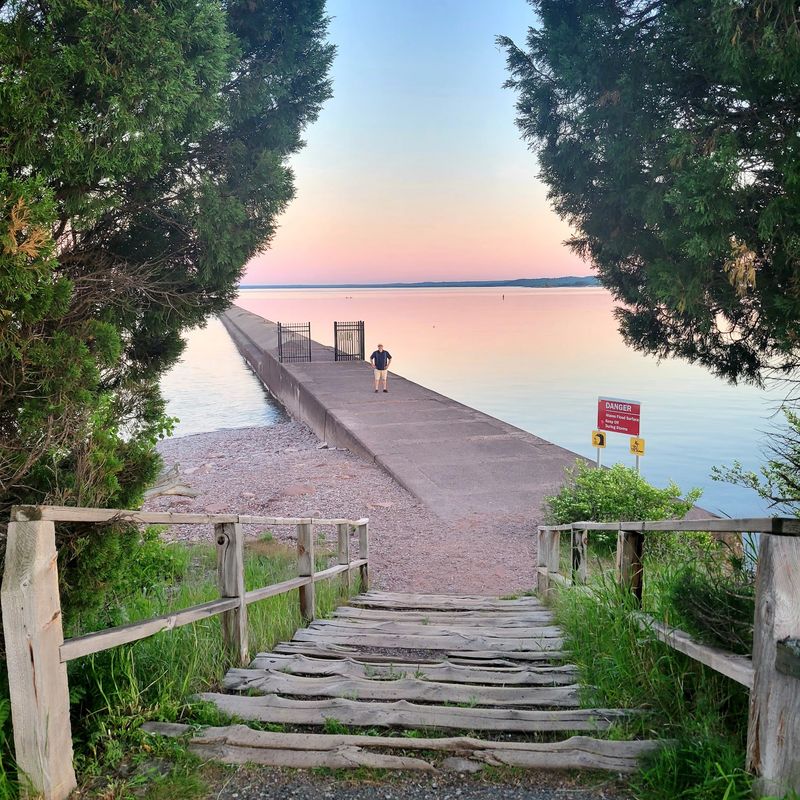
A full day in Marquette can unfold almost like a loop, which is part of its charm. You do not need complicated transportation plans to see several sides of the city.
With a little pacing, you can shape a satisfying car-free day that covers scenery, history, food, and everyday local life.
Start in the morning downtown, when the streets are quieter and the shop windows catch the early light. That is the right time for coffee, a light breakfast, and a first pass through the central blocks before the day gets busier.
Walking then feels calm and roomy, making it easier to notice details in the older buildings and storefronts.
By late morning, angle toward the waterfront. Let the lake become the main event for a while instead of treating it as background scenery.
A shoreline walk, a bench stop, and a few stretches spent simply looking out over the water can reset the pace of the trip in the best way.
Midday is ideal for lunch back near the center of town, especially if you want to stay warm or rest your legs. After that, continue with a looser route that includes a landmark such as the ore dock, nearby public spaces, or another pass through a different cluster of businesses.
Marquette is small enough that revisiting an area rarely feels repetitive.
As the afternoon softens, leave room for one final waterfront pause. Evening light often gives the lake and city edge a different personality than they had earlier in the day.
That last walk back through town usually confirms the main point. Marquette is easy to explore on foot because the city naturally links its best pieces together.
Share this story