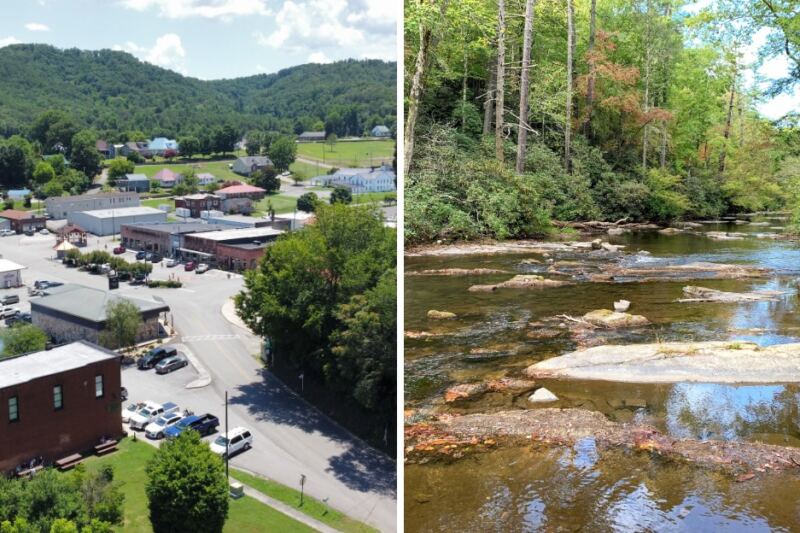
Charleston sits quietly in Bradley County, carrying centuries of Tennessee history without making much noise about it. While bigger towns pull in crowds, this small community of just over 600 people offers something different: authentic Southern charm, historic architecture, and the kind of peaceful atmosphere that feels increasingly rare.
It’s the perfect spot for anyone wanting to experience a slice of old Tennessee without fighting traffic or tourist traps.
Step Into a Town With Roots That Run Deep Through Tennessee History
Charleston’s story stretches back to the early 1800s, when settlers first carved out communities along the Hiwassee River. The town became an important stop for travelers and traders moving through Southeast Tennessee. Walking through Charleston today feels like stepping into a living museum where the past hasn’t been polished away or turned into a theme park.
The town witnessed the Civil War firsthand, with soldiers from both sides passing through its streets. Local families still share stories passed down through generations about those turbulent years. You’ll find remnants of that era in the architecture and layout of the town itself, which hasn’t changed dramatically in over a century.
What makes Charleston special is how it wears its history naturally. There’s no forced nostalgia or manufactured heritage here. The buildings are genuinely old, the streets follow their original paths, and the community maintains connections to its founding families.
Bradley County’s agricultural heritage runs strong through Charleston’s identity. Farming shaped the town’s development and continues to influence its character today. The surrounding countryside still features working farms that have been in the same families for multiple generations.
Unlike many historic towns that have been overtaken by modern development, Charleston preserved its essential character through economic circumstances and community pride. The result is an authentic glimpse into Tennessee’s past that you won’t find in guidebooks. This authenticity makes Charleston feel less like a tourist destination and more like a secret worth discovering.
Wander Past Quiet Streets, Old Homes, and Timeless Southern Character
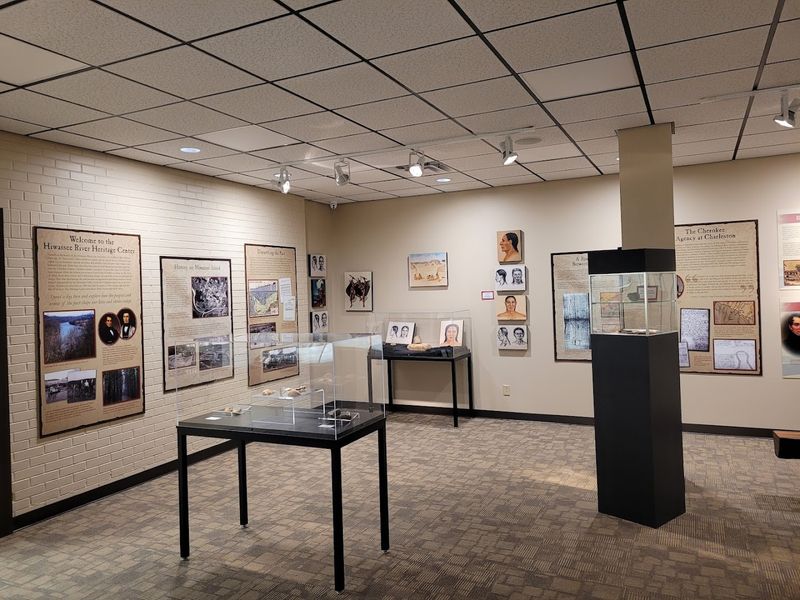
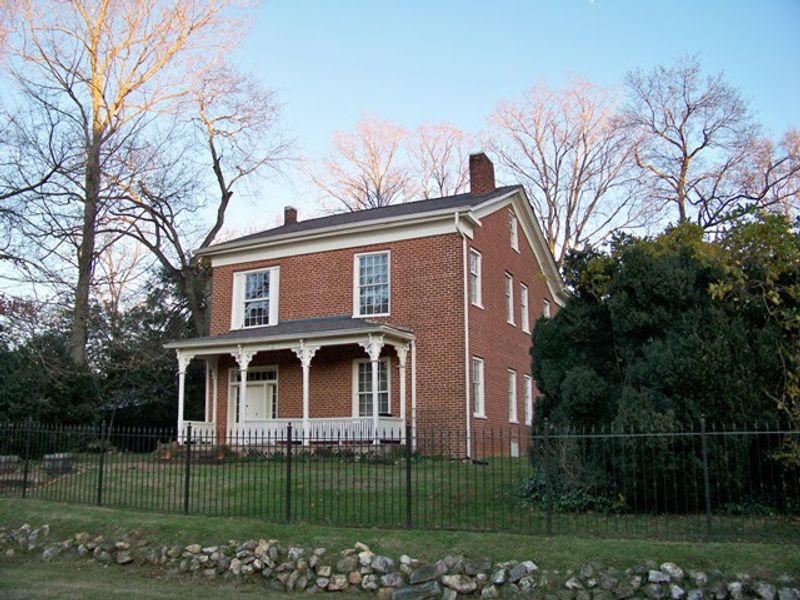
The residential streets of Charleston tell their own stories through architecture that spans generations. Victorian-era homes with wide front porches sit alongside simpler farmhouse designs from the late 1800s. Each structure reflects the era when it was built and the families who called it home.
Front porches remain a defining feature throughout town. These aren’t decorative additions but functional spaces where neighbors still gather on warm evenings. The tradition of porch-sitting connects Charleston to a slower-paced Southern lifestyle that many communities have abandoned.
Oak trees line many streets, their branches forming natural canopies that provide shade during hot Tennessee summers. Some of these trees are as old as the houses they shelter. The combination of mature trees and historic homes creates a picturesque setting that photographers and history enthusiasts appreciate.
Charleston’s small size means you can explore most of the town on foot within an hour or two. The quiet streets invite leisurely strolling without the pressure of timed tours or crowded sidewalks. You’ll likely encounter friendly locals who are happy to share information about their town’s history and point out notable homes.
Many houses display subtle architectural details that reveal their age and original purpose. Look for hand-carved wooden trim, original glass windows, and stone foundations built from local materials. These details showcase the craftsmanship of earlier generations and the pride Charleston residents take in maintaining their historic properties.
The overall effect is a neighborhood that feels preserved rather than restored, authentic rather than reconstructed.
Discover Why Charleston Feels Like a Peaceful Escape From Busier Tennessee Stops
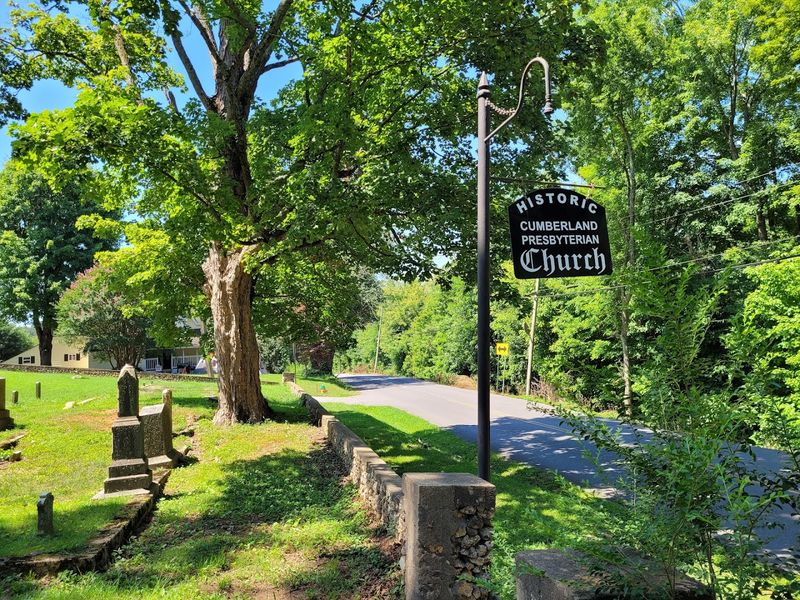
Charleston offers something increasingly valuable in modern travel: genuine tranquility. While nearby Cleveland and Chattanooga buzz with activity, Charleston maintains a pace that feels deliberately unhurried. There are no chain restaurants competing for attention, no traffic lights creating congestion, and no crowds jostling for the perfect photo spot.
The town’s small population means you won’t encounter tourist buses or large groups blocking sidewalks. Most visitors discover Charleston through word-of-mouth recommendations rather than travel websites. This keeps the experience intimate and personal, more like visiting a friend’s hometown than checking off a destination list.
Local businesses operate on their own schedules, sometimes closing for lunch or keeping irregular hours. This might seem inconvenient at first, but it actually reinforces Charleston’s appeal as a place where profit doesn’t dictate every decision. The slower rhythm encourages visitors to adjust their expectations and embrace a more relaxed approach to exploring.
Sound is noticeably different in Charleston. Without constant traffic noise, you’ll hear birds singing, leaves rustling, and occasional conversations from nearby porches. The quiet feels restorative, especially for people escaping from urban environments where silence is rare.
Charleston’s location in Bradley County provides easy access without the chaos of major tourist corridors. You can reach it from several directions, enjoy a few peaceful hours, and return home without dealing with highway congestion or parking nightmares. This accessibility combined with its peaceful character makes Charleston ideal for spontaneous day trips when you need a break from routine but don’t want to invest in elaborate travel planning.
Visit the Historic Spots That Give This Town Its Storybook Feel
Charleston’s historic sites aren’t marked with elaborate signage or visitor centers, which adds to their authentic appeal. The town’s old commercial buildings cluster around the historic center, their brick facades and vintage storefronts reflecting architectural styles from the late 1800s and early 1900s. These structures served the community for generations and continue to function today.
The town’s original layout remains largely intact, allowing visitors to understand how communities were organized in early Tennessee. Streets follow logical patterns based on practical considerations rather than modern planning theories. This historical street grid provides context for understanding how small Southern towns developed and functioned.
Several buildings display architectural features typical of their construction periods. Hand-laid brick patterns, original wood framing, and traditional rooflines showcase construction techniques used before modern materials became standard. Observing these details offers insights into the skills and resources available to builders in earlier eras.
Charleston’s proximity to the Hiwassee River influenced its development and continues to shape its character. The river provided transportation, power, and resources that made settlement viable. Understanding this relationship between town and waterway helps explain Charleston’s location and historical importance.
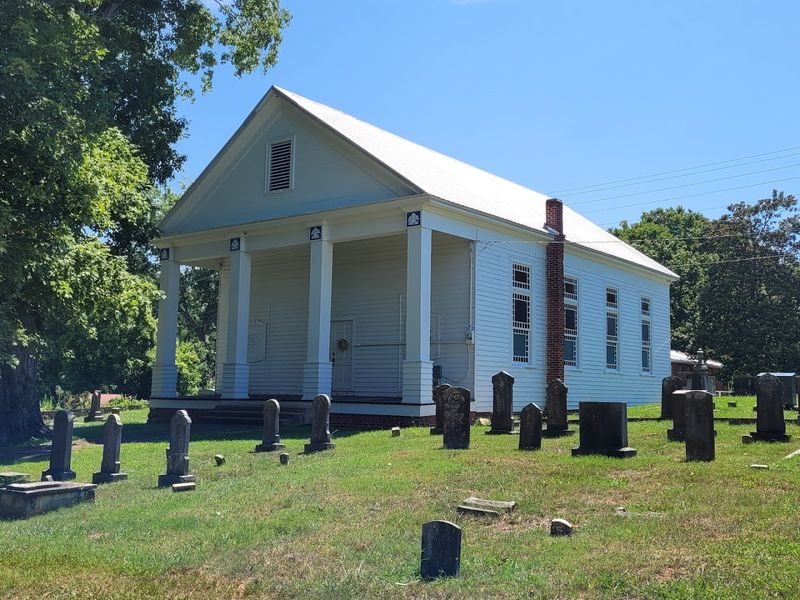
Local churches represent some of the oldest continuously operating institutions in Charleston. Their architecture and cemeteries contain tangible connections to founding families and community history. Many congregations maintain records and artifacts that document Charleston’s evolution through multiple generations.
Exploring these sites provides deeper appreciation for the community’s enduring traditions and the people who built this town from wilderness into the charming destination it remains today.
Slow Down and Enjoy the Simple Beauty That Makes Charleston Worth the Trip
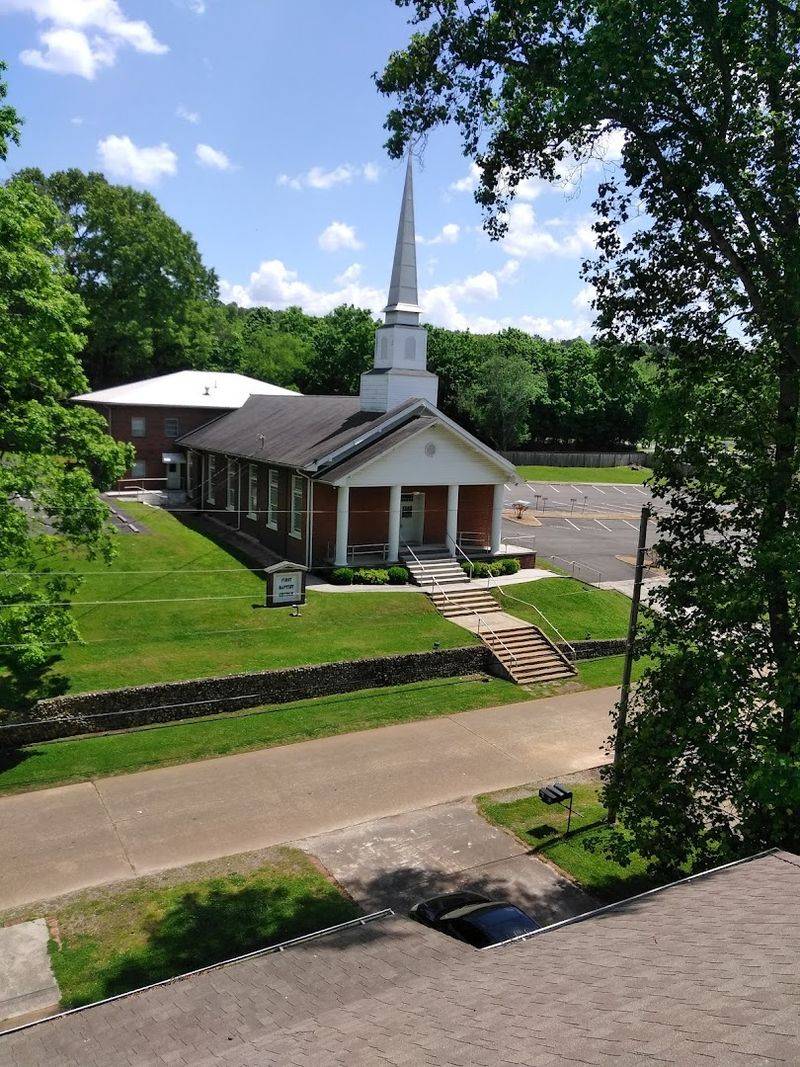
Charleston rewards visitors who arrive without rigid schedules or checklists. The town’s appeal lies not in specific attractions but in its overall atmosphere and character. Taking time to simply observe and absorb the environment reveals details that rushed visitors miss entirely.
Sitting on a bench or in a parking area lets you watch Charleston’s daily rhythms unfold naturally. Locals go about their routines, neighbors exchange greetings, and the town functions according to its own internal clock. This ordinary activity becomes fascinating when you’re accustomed to the manufactured experiences of typical tourist destinations.
The changing seasons transform Charleston’s appearance throughout the year. Spring brings flowering trees and fresh greenery. Summer creates lush canopies that shade the streets.
Fall colors paint the surrounding landscape in warm tones. Winter reveals architectural details hidden by leaves during other seasons. Each visit offers different visual experiences depending on timing.
Charleston encourages a contemplative approach to travel. Instead of rushing between designated stops, you can wander according to curiosity and interest. This freedom to explore without pressure or expectations allows for genuine discovery and personal connection with the place.
The simple beauty of Charleston emerges gradually through observation and presence rather than through curated experiences or guided narratives. This organic discovery process makes visits more memorable and meaningful than typical tourist activities.
Why Every Tennessean Should Experience Charleston at Least Once
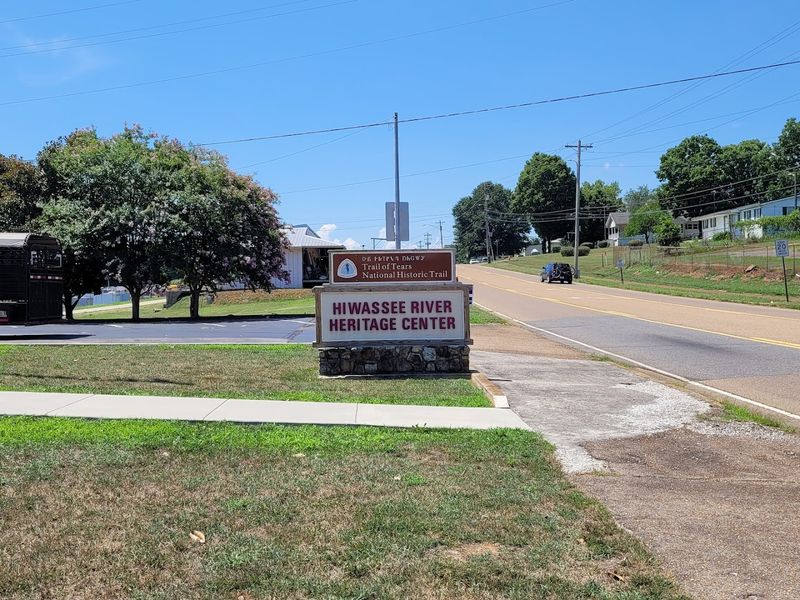
Charleston represents a piece of Tennessee heritage that’s becoming increasingly rare. As cities expand and suburbs sprawl, towns like Charleston that maintain their original character grow more valuable as living examples of the state’s history. Visiting Charleston connects Tennesseans with their shared past in tangible ways that history books cannot replicate.
Many Tennessee residents pass through Bradley County without realizing Charleston exists. The town sits off major highways, quietly preserving its identity while larger communities attract attention. Discovering Charleston feels like finding something that was always there but somehow remained hidden in plain sight.
Understanding Tennessee’s identity requires experiencing its diversity of communities. Charleston offers a counterpoint to urban centers and tourist destinations. It shows how small towns functioned historically and how some continue to maintain traditional values and lifestyles despite modern pressures to change.
For families, Charleston provides educational value beyond what museums can offer. Children can see and touch history rather than viewing it behind glass. The town’s scale makes it approachable for young visitors who might feel overwhelmed by larger historic sites.
Walking these streets creates memories and understanding that enhance classroom learning about Tennessee history.
Charleston also offers perspective on contemporary challenges facing rural Tennessee communities. The town’s struggles with population decline and economic changes mirror issues affecting similar communities statewide. Visiting with awareness of these realities adds depth to the experience and fosters appreciation for the resilience of small-town Tennessee.
Every resident should witness how places like Charleston maintain identity and community despite facing significant challenges, making the trip both enjoyable and meaningful.
Make Time for the Nearby River Views, Scenic Drives, and Quiet Corners Around Town
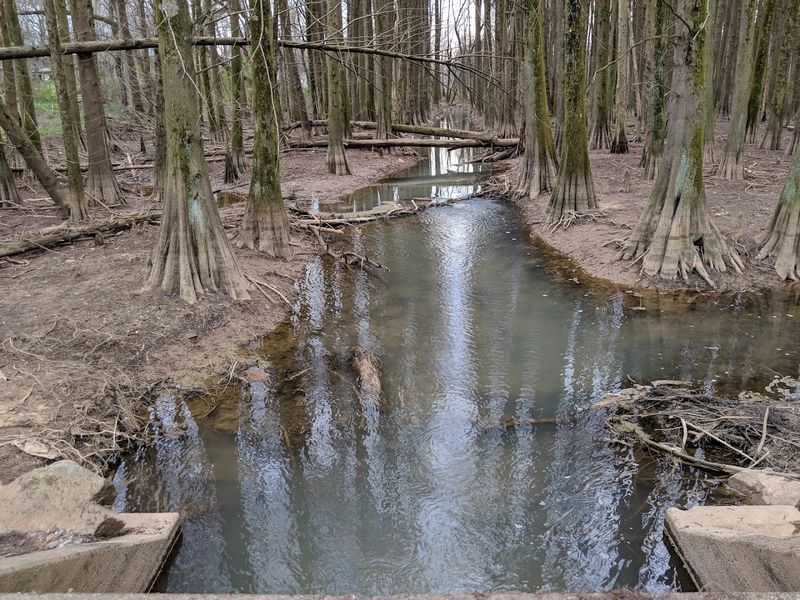
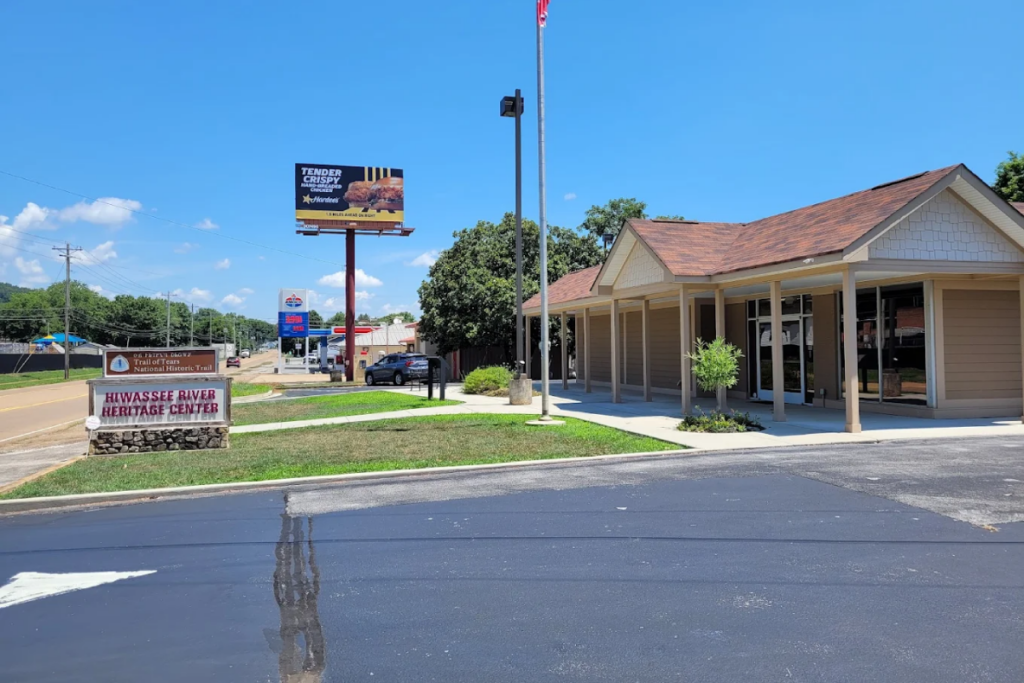
Charleston’s location near the Hiwassee River adds natural beauty to its historic charm. The river winds through Bradley County, creating scenic areas that complement the town’s built environment. Taking time to explore beyond Charleston’s streets reveals the landscape that shaped its development and continues to define its setting.
Several roads leading to and from Charleston offer pleasant drives through rural Tennessee countryside. Rolling hills, farmland, and wooded areas create changing views that showcase the region’s agricultural character. These drives require no specific destination; the scenery itself justifies the journey.
The Hiwassee River provides opportunities for quiet contemplation and nature observation. While Charleston itself is small, the surrounding natural areas offer space for those seeking solitude or outdoor experiences. The river’s presence influenced Charleston’s founding and remains integral to understanding the town’s relationship with its environment.
Exploring the area around Charleston reveals how the town fits into the broader Bradley County landscape. You’ll pass working farms, see how communities connect through rural roads, and gain appreciation for the agricultural heritage that continues shaping this region. This context enriches your understanding of Charleston itself.
Quiet corners exist throughout the area where you can stop, step out, and simply enjoy being present in rural Tennessee. These unplanned moments often become trip highlights because they feel discovered rather than prescribed. A roadside view, an unexpected historic marker, or a particularly beautiful tree can create memorable experiences that structured tourism cannot replicate.
Charleston and its surroundings reward exploration without rigid itineraries, allowing each visitor to create their own unique experience based on personal interests and spontaneous discoveries.
Share this story