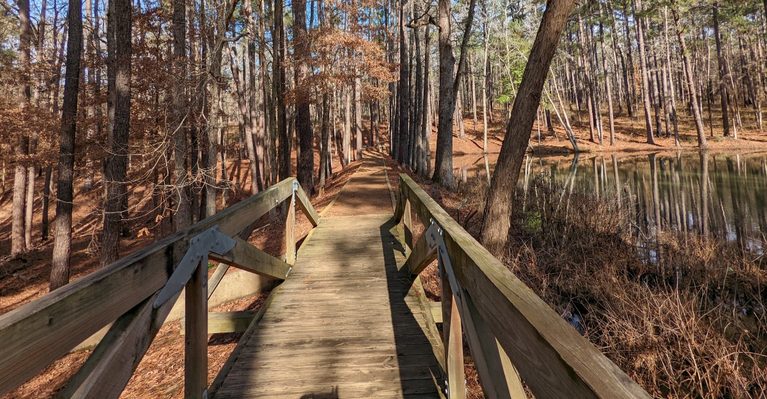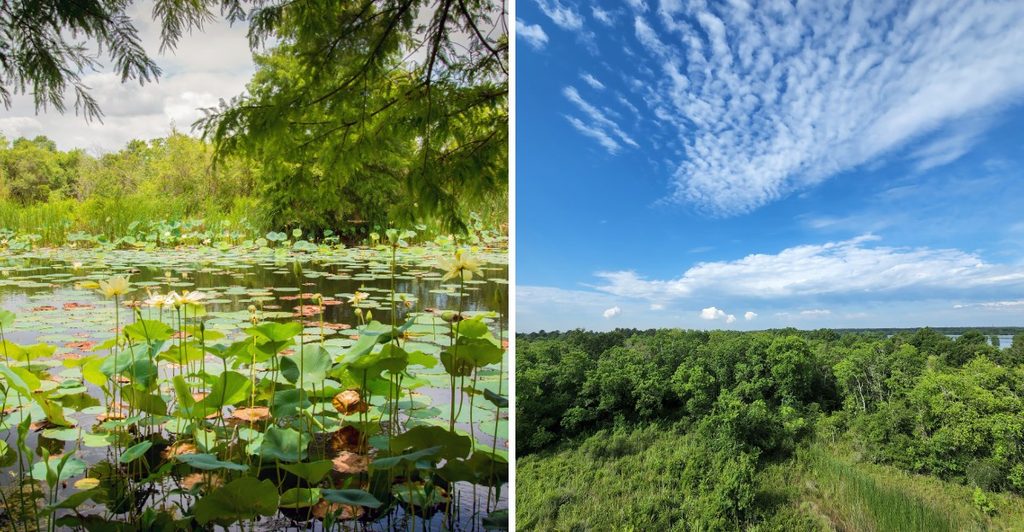
Right on the edge of Houston, a quiet state park offers ponds, wetlands, and a lake without charging you a dime to get in. Sheldon Lake State Park also has a perk that surprises many anglers: you can fish here without a fishing license. Add a tall tower, easy trails, and plenty of wildlife, and you have a day trip that fits almost any family.
Here are eight reasons to put this spot on your list.
1. Fishing Without the License Paperwork
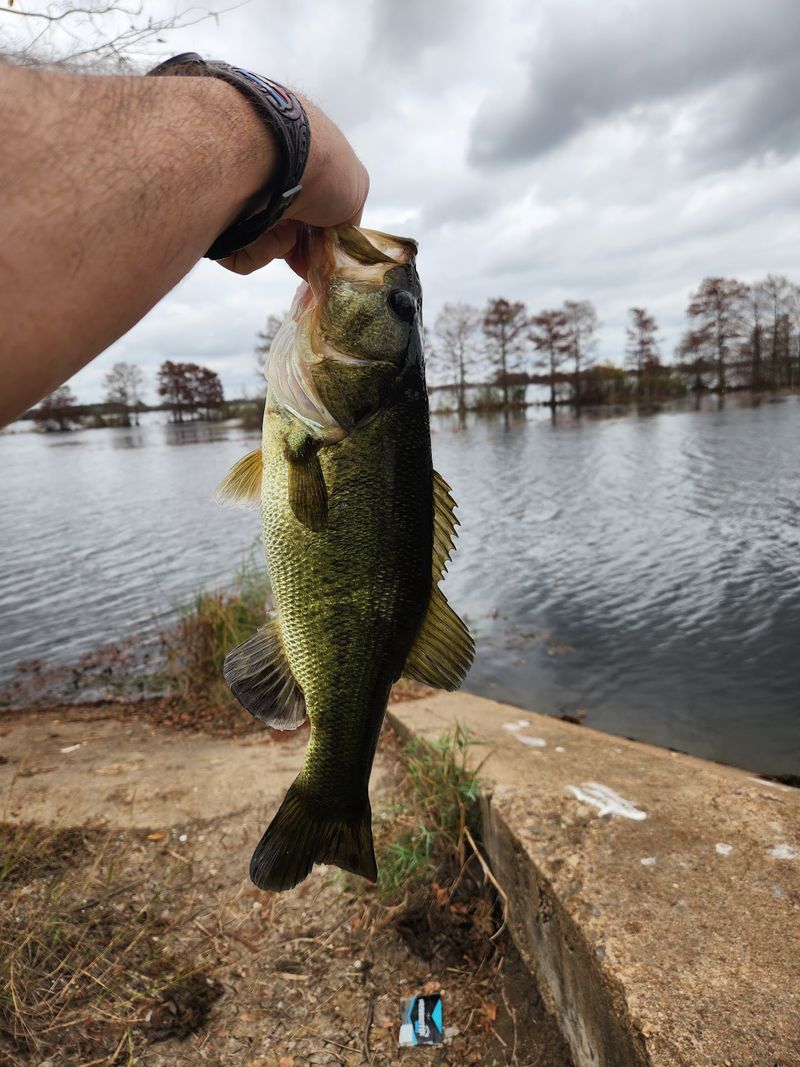
Picture this: you wake up on a Saturday, grab a rod, and skip the license counter entirely. At Sheldon Lake State Park, that is the deal. Park fishing here does not require a fishing license, which is a rare treat for Texas anglers.
The catch is simple. The ponds are catch and release only, so every fish you reel in goes back to the water. That keeps the ponds healthy and gives the next person a fair shot at a bite.
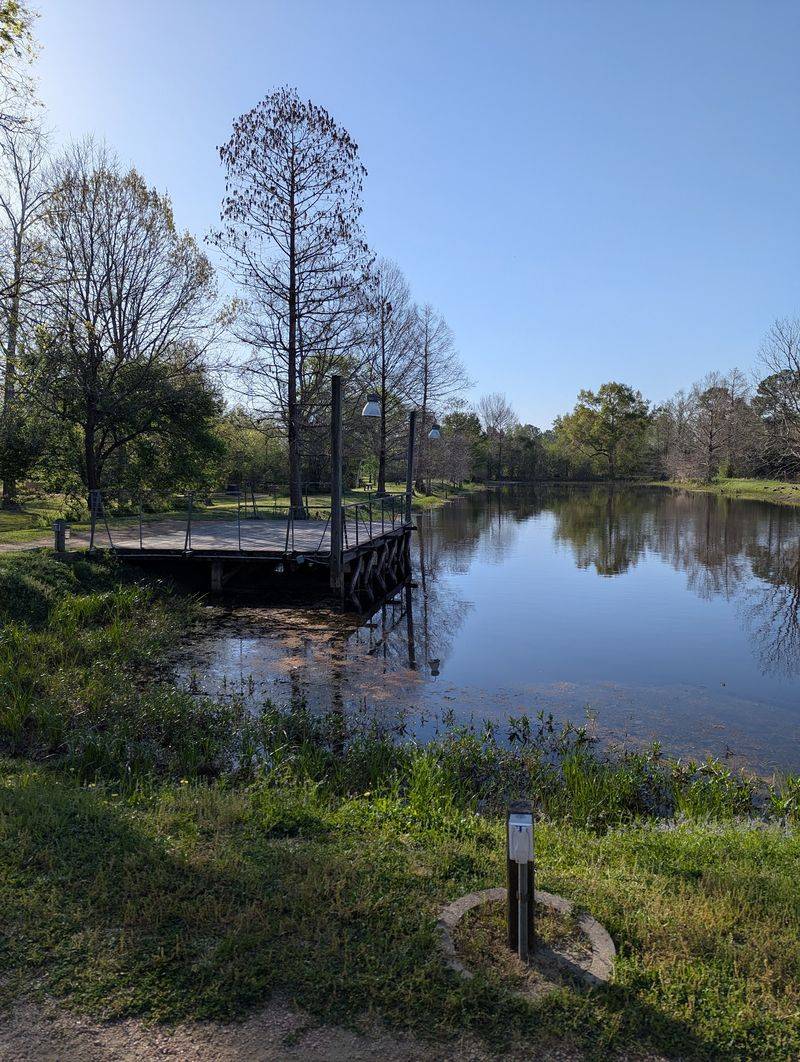
Two of the small ponds are set aside for fishing, so you will not have to wander far from the parking lot. Visitors often say they are not sure what they will catch, but plenty of people line the banks, so something must be biting.
Bring your own gear, since the park does not rent rods. Pack bug spray, a hat, and a small towel for slippery hands. Handle each fish gently and wet your hands before you touch it.
Rules can change, so check the Texas Parks and Wildlife page for Sheldon Lake before you go. A quick phone call to the park office at 281-456-2800 can also clear up any questions about current fishing areas.
2. The Towering Observation Deck
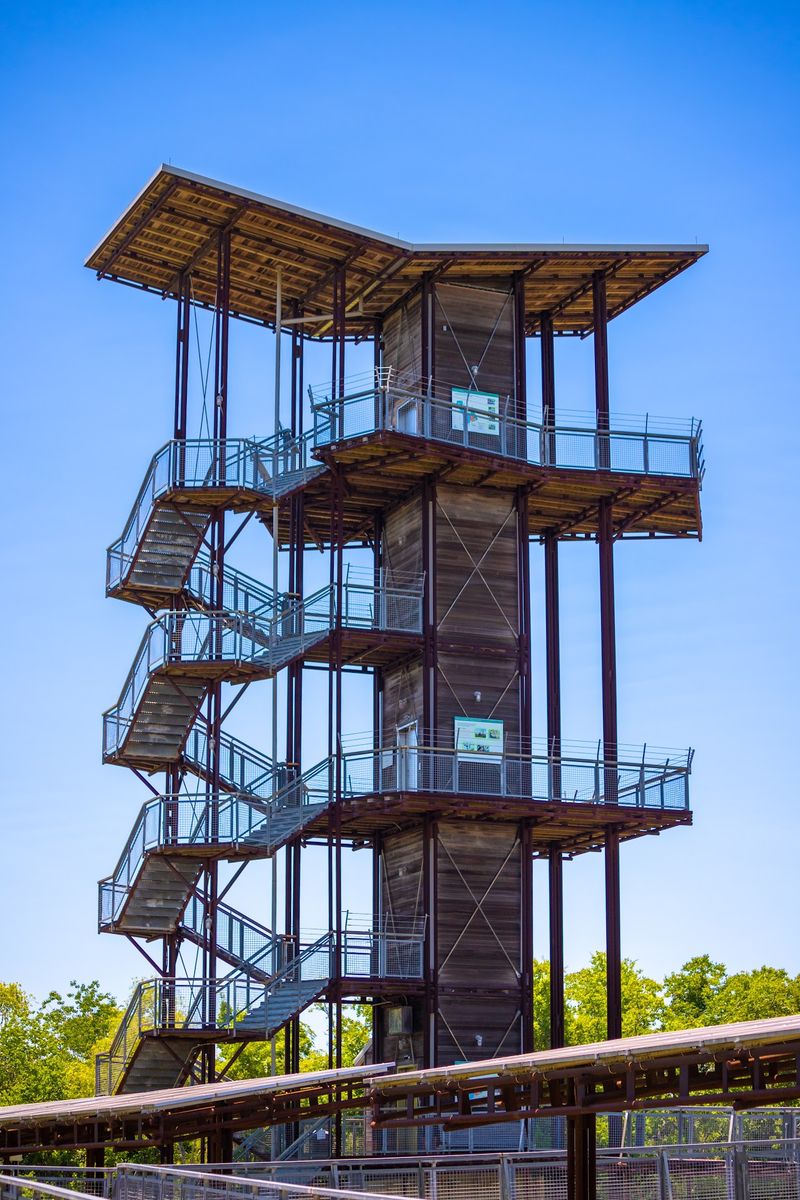
Five or six stories up, the whole landscape opens like a map. The John Jacob Observation Tower is the park’s showpiece, and visitors rave about it more than almost anything else. From the top, you can scan the lake, the marsh, and even the Houston skyline.
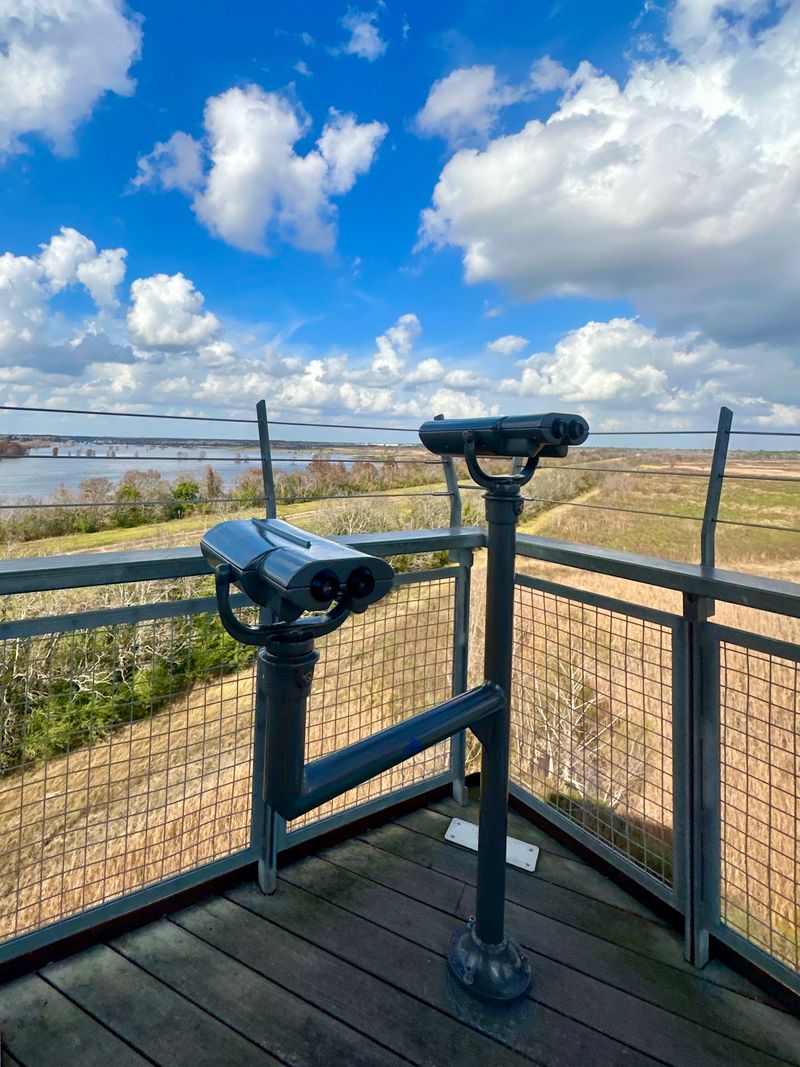
Each level is roomy, with benches, information signs, and solar powered lights. Up top, you will find free mounted binoculars, so you do not need to bring your own. Bird lovers use them to spot herons and egrets tucked into the reeds.
There is an elevator, which makes the views open to visitors who cannot manage stairs. Still, elevators sometimes break down, and a few recent visitors found it out of order. Wear comfortable shoes in case you end up climbing, because you will definitely get your steps in.
Try going near sunrise or late afternoon. The light turns the water gold, and the air feels cooler up high. Bring a camera with a zoom lens if you have one.
Fair warning: the hum of planes and distant traffic can drift up to the platform. It is a reminder that you are still close to the big city, which makes the quiet wetlands below feel even more special.
3. Alligator Spotting, Safely
Alligators come up more than any other topic when people talk about this park. Over a hundred reviewers mention them, and for good reason. They live here, and they are part of the wetland story.
Spotting one takes patience. Some visitors see a baby gator paddling near the water’s edge, while others walk the whole loop and see only turtles and birds. One family joked they would have given five stars if a gator had shown up.
Keep a respectful distance at all times. Stay on the trail, keep kids close, and hold dogs on a short leash. Never feed or poke at wildlife, since that teaches animals to link people with snacks.
Early morning and warm afternoons are the best bets, because gators like to bask in the sun. Scan logs, muddy banks, and spots where plants float on the water. Look for two bumps just above the surface, which are the eyes.
One reviewer put it well: the gators here are no joke. Treat them with respect and you will leave with a great story and zero trouble. Binoculars help you watch from far away, and that is the smartest way to enjoy the show.
4. Easy Trails for Every Pace
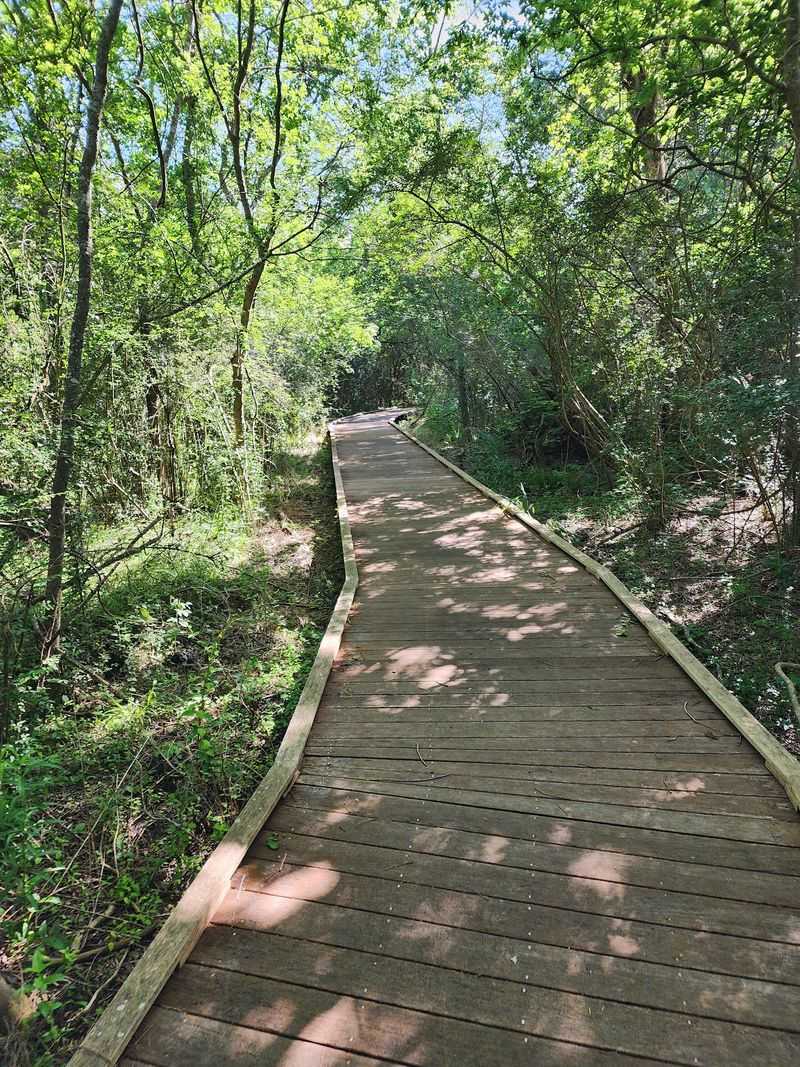
Not every outing needs a heavy backpack and a sore knee. Sheldon Lake keeps its trails flat, tidy, and friendly, which suits strollers, grandparents, and beginners. Visitors describe the paths as clean, gravelly, and well kept.
You will find roughly two miles of hiking in total, with some stretches on dirt and others on raised walkways over wet areas. The Prairie Trail earns special praise. One visitor called it serene, and it is easy to see why when tall grass sways around you.
Because the park is small, you can mix and match short loops. Walk one before lunch, rest at a picnic table, then try another after. That makes it a nice choice for kids with short attention spans.
Some trails close from time to time, especially after heavy rain or on busy holidays. One Easter Sunday visitor found several paths shut. Check the park website or call ahead to learn which routes are open.
Summer in Houston can be steamy, so bring water and a hat. Many locals say November is the sweet spot, when the air is crisp and the walking feels effortless.
5. Free Entry, Real Value
Here is a number most Texas park fans love: zero. Entry to Sheldon Lake State Park costs nothing, and visitors mention that again and again. For families on a budget, that makes weekly trips possible.
One parent says their boys visit every week. They enjoy the clean grounds, the hands-on classes, and the friendly staff. That kind of routine builds real memories without draining a wallet.
The park is open daily from 8 am to 5 pm. Do not show up at sunrise, because the gates do not open early, and a visitor learned that the hard way. Plan to arrive right at 8 for cooler temperatures and more animal activity.
Parking is plentiful, and the restrooms get good marks for cleanliness. Picnic tables are scattered around, so you can bring a cooler and make an afternoon of it.
If you want a Texas State Park Pass for other parks, the office can help. One visitor had theirs in minutes. Also note that the entrance road has had construction lately, so drive slowly and be ready to wait for the temporary light.
6. A Wartime Reservoir Turned Wildlife Haven
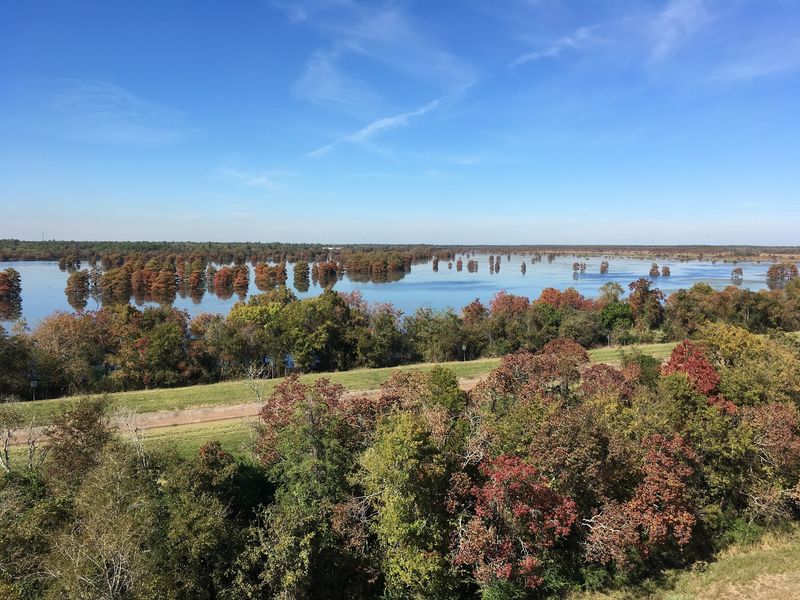
Did you know this peaceful lake once helped power a war effort? Back in 1942, the federal government built a reservoir here to supply fresh water to industries along the Houston Ship Channel during World War II. Before that, the land was coastal tallgrass prairie, later used for farms and ranches growing rice, soybeans, and corn.
After the war, the story took a fishy turn. In the 1950s, the site became a fish hatchery and wildlife management area. The hatchery closed in 1975, but the area kept its role as a refuge for migrating waterfowl.
In 1984, it officially became a state park. That long journey, from prairie to farmland to reservoir to protected land, gives the place real depth. Every pond and path sits on top of a layer of Texas history.
When you walk around, try to imagine the grassland stretching to the horizon. Today, restoration work helps bring prairie plants back to the landscape. Native grasses support insects, birds, and small animals.
Visitors have even thanked the staff for protecting the land from over-building. Knowing the backstory makes a simple stroll feel like a trip through time.
7. Learning Center Fun for Curious Minds
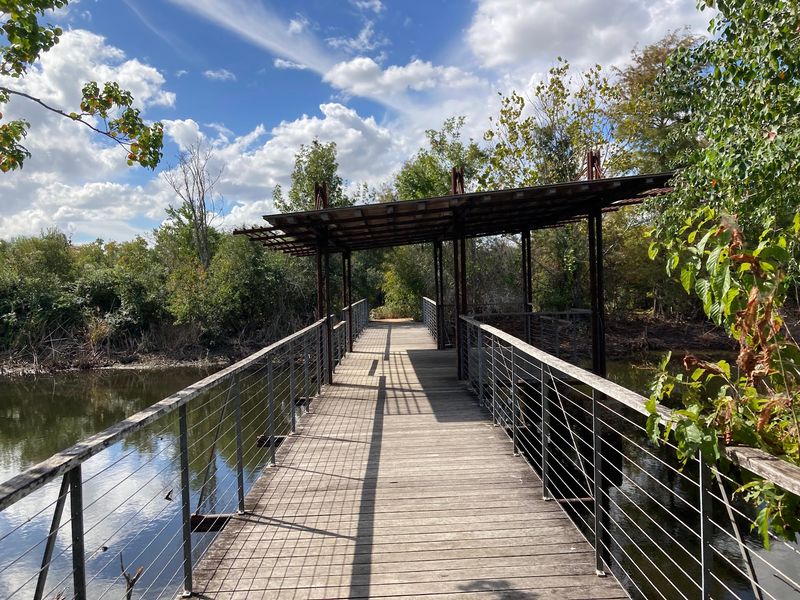
Kids who say they are bored outdoors have not met the park rangers here. The Environmental Learning Center turns a regular walk into a science lesson. Visitors call the staff friendly, knowledgeable, and always ready to chat.
Inside, you will find interactive exhibits focused on local ecology and water conservation. The buildings are solar powered, so even the structure teaches a lesson about clean energy. Hands-on classes and ranger programs run throughout the year.
One visitor said the ranger programs were interesting and informative, and that you never know what you will see on the trail. Another spotted an events board that helped plan future trips. Check it as soon as you arrive.
Teachers and scout leaders can find plenty to work with here. Topics range from pond life to prairie plants to birds that stop by on their migrations. Children can learn by touching, looking, and asking questions.
Programs change, so look at the park website before your visit. If you have a specific interest, call the office at 281-456-2800. A few minutes of planning can turn an ordinary outing into something your family talks about for weeks.
8. Kayaks, Picnics, and Birdwatching
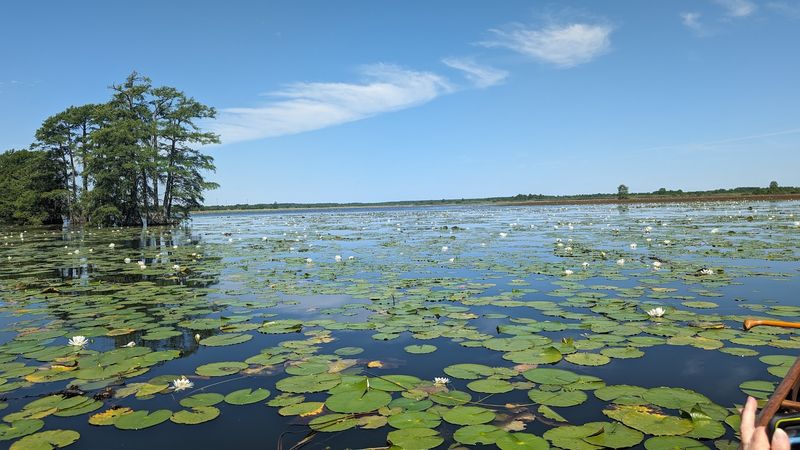
Bring a paddle, a sandwich, and a pair of binoculars, because this park handles all three. The 1,200-acre lake invites kayakers who bring their own boats. Calm water and wetland edges make for relaxed paddling.
Birdwatchers have plenty to look for. Herons, egrets, and migrating waterfowl use the wetlands, and the tower gives you a bird’s-eye perch. Some visitors have counted fish and turtles in the shallows too, even on days when the gators hid.
Wildlife can be unpredictable. One visitor saw almost nothing on a quiet afternoon except two deer near the exit. Another had a wildlife-packed day.
Patience and early arrival tip the odds in your favor.
Picnic tables dot the grounds, so lunch is easy. The park also welcomes dogs on leash, which is a bonus for pet owners. Keep them close, since alligators and dogs do not mix.
One reviewer called this a great way to get away from the daily hustle. Even with distant plane noise, the place feels peaceful. Pack out your trash, and you will leave the spot ready for the next visitor.
Share this story