History does not feel tucked away behind museum glass in Rockton—it is woven right into the streets. Set along the Rock River near the Wisconsin border, this small Illinois village traces its roots to the 1830s, when mills, river power, and early settlers shaped the growing community.
Historic stone buildings still give downtown plenty of character, while antique shops, riverside parks, and a preserved stagecoach inn offer more reasons to explore slowly. The relaxed setting makes it easy to trade a packed itinerary for an afternoon of wandering. For a day trip combining Illinois history with genuine small-town charm, Rockton fits beautifully.
Main Street Stone and Brick Along the Rock River
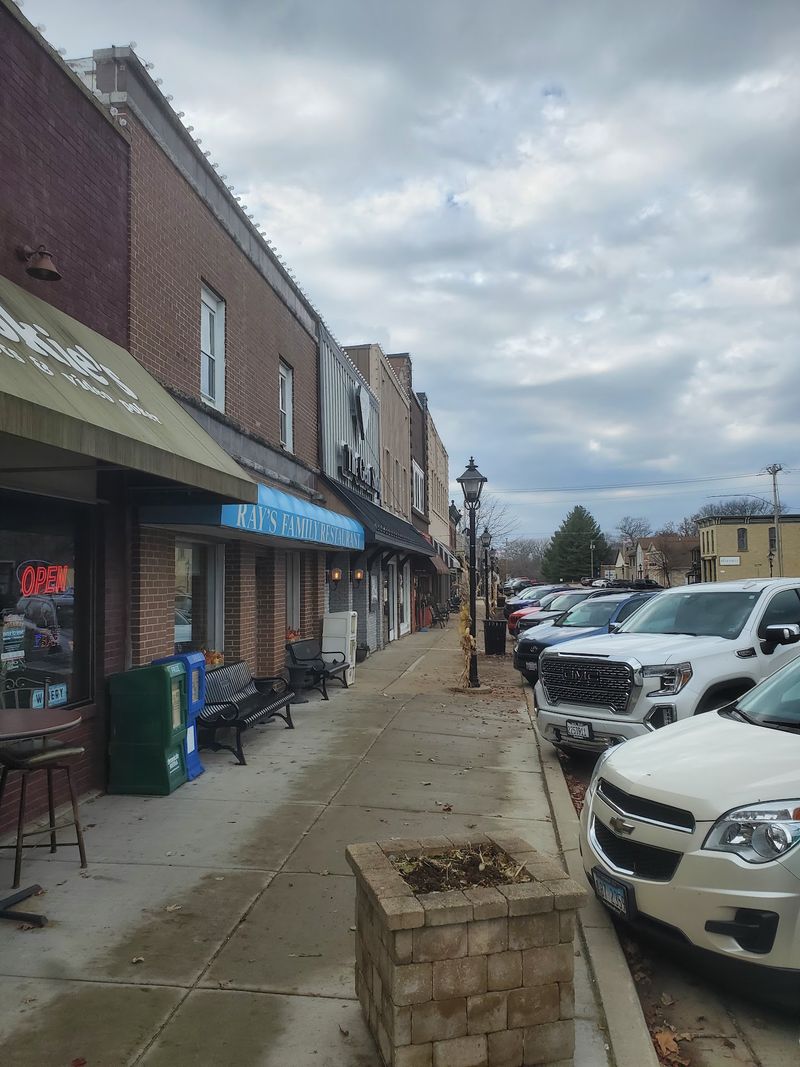
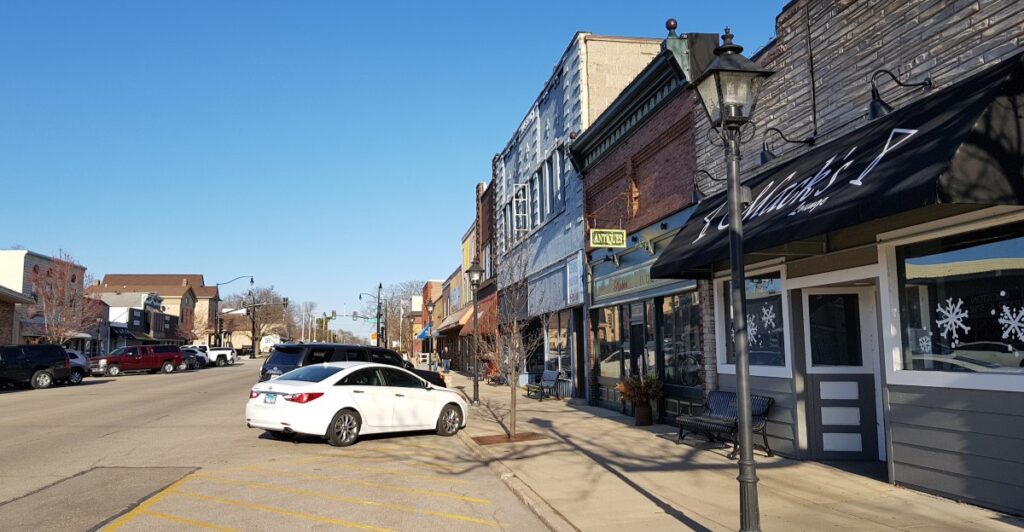
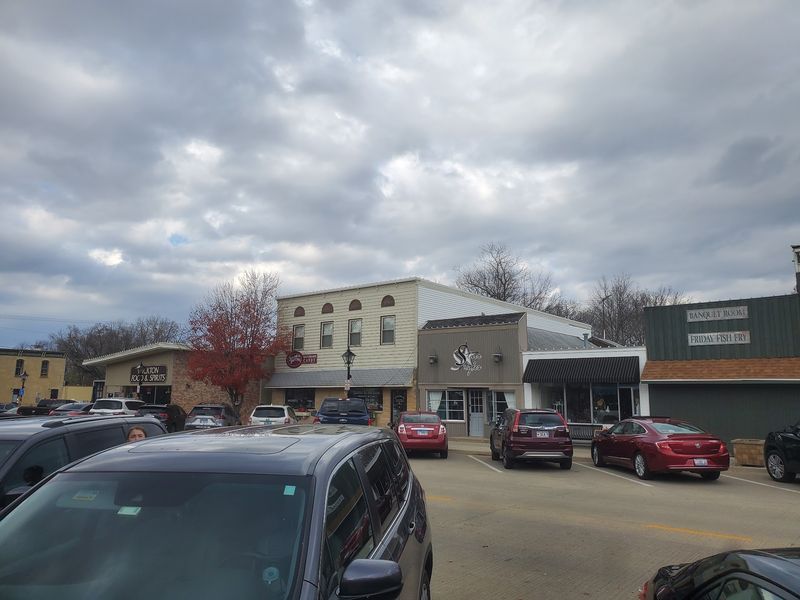
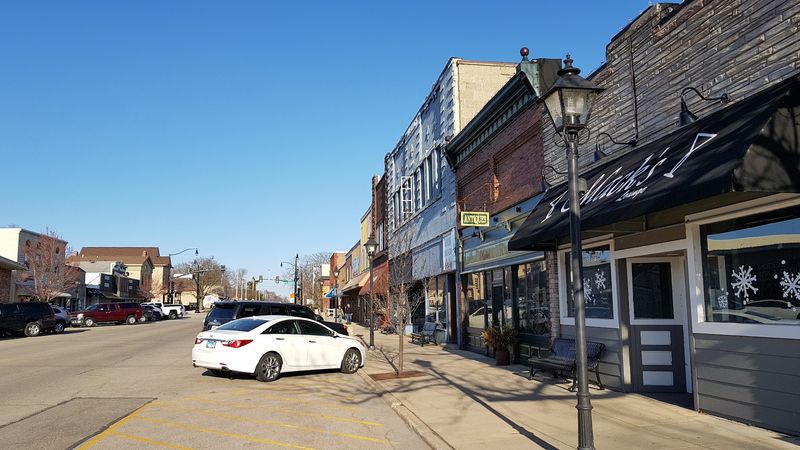
Picture a downtown where the buildings are older than most state parks. Rockton’s Main Street is lined with brick and stone storefronts, many dating back to the 1800s, and they still hold shops, cafes, and offices instead of sitting empty. You can walk the whole stretch in a few minutes, but you will want to go slowly.
Look up as you stroll. Many buildings show tall upper windows, decorative cornices, and painted shop names that hint at what they sold decades ago. The colors run from warm red brick to pale tan stone, and the rooflines step up and down like an old photograph of a frontier town.
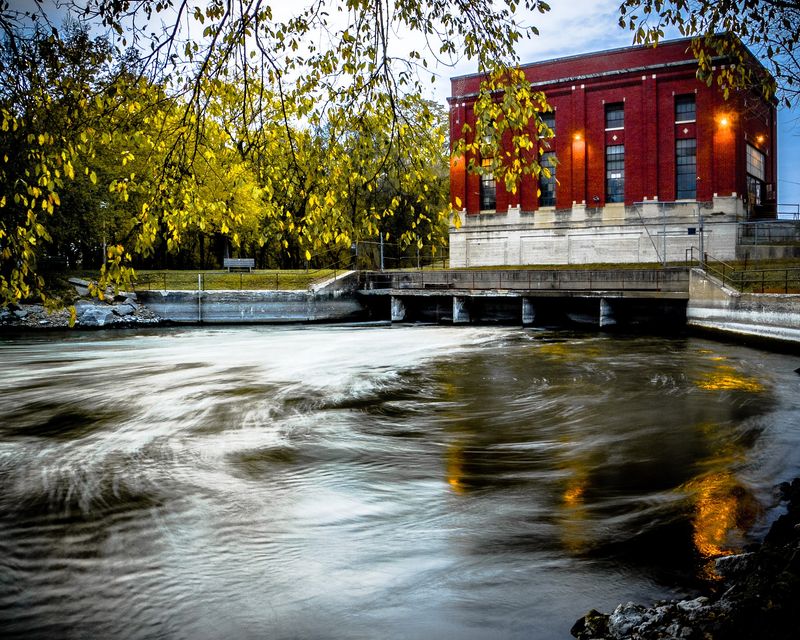
The river is part of the picture too. Rockton sits where the Rock River meets the Pecatonica River, and that water is the reason the town exists. Early settlers built dams and mills here because the current could turn machinery, and Main Street grew up nearby to serve the workers and farmers.
Small details reward a careful eye. Iron railings, worn stone steps, and old hitching-post spots sit next to flower planters and modern benches. The mix shows a town that kept its bones while adding just enough comfort for today.
Parking is easy, which is rare for a historic district. Street spots and small public lots sit close to the shops, so you can leave the car and explore on foot without stress. Families with strollers will find the sidewalks wide and mostly flat.
Start at one end, cross to the other side, and loop back. That simple route lets you see every facade in both morning shade and afternoon sun. Photographers will notice how golden hour turns the brick almost orange, a strong reason to time a visit for late afternoon.
Stagecoach Days at the Historic Wagon Wheel Route
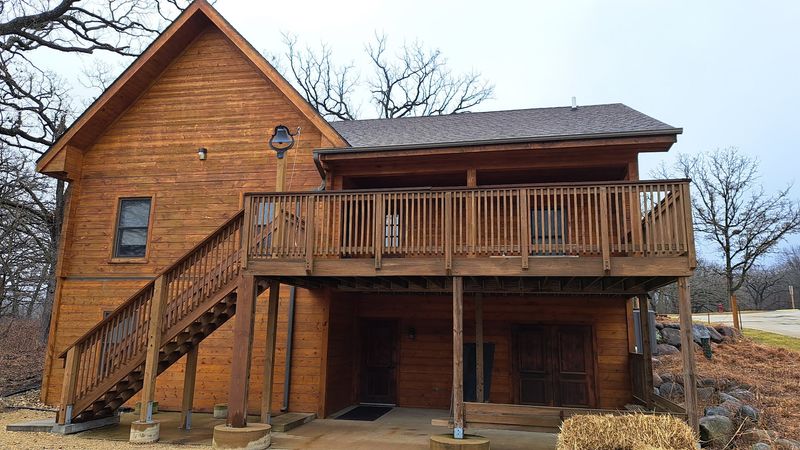
Long before highways, travelers bounced into this area on stagecoaches, tired and hungry. Macktown Living History, located on the west edge of Rockton, preserves that era better than any textbook can. The site sits within a forest preserve and centers on buildings tied to Stephen Mack Jr., one of the earliest settlers in the region.
Mack was a fur trader who married Hononegah, a Ho-Chunk woman, and the two built a life here in the 1830s. Their story is a big part of local history.
Today a nearby forest preserve and a high school both carry Hononegah’s name, showing how deeply the couple is remembered.
At Macktown, you can see the Mack house and the Whitman Trading Post, a store built in the 1840s. The trading post once supplied settlers moving through the valley, and stepping inside gives you a sense of how small and practical frontier shopping really was.
Volunteers keep the site alive with seasonal programs. Depending on the date, you might find demonstrations of old-fashioned crafts, cooking, or pioneer skills. Kids tend to love seeing how people made things by hand before electricity.
Check the schedule before you go, since building tours and events are usually offered on certain weekends in the warmer months. The grounds themselves are open for walking, and the setting along the river makes a peaceful picnic stop.
Pack a lunch and some patience. History here moves at walking speed, and that is the point. Spend an hour reading the signs, peeking through windows, and imagining wagon wheels crunching on gravel, then follow the trail toward the water.
Antique Hunting Through Rockton’s Treasure-Packed Shops
Bring an empty trunk. Rockton has built a reputation as a fun stop for antique lovers, and its shops pack a surprising amount of history into small spaces. Shelves hold everything from old kitchen tins to farm tools to delicate glass dishes.
Wandering these stores is a little like exploring a grandparent’s attic, except everything has a price tag. You might spot a cast-iron skillet next to a 1950s lunch box, or a quilt stitched long before anyone owned a television. Every aisle seems to hold a surprise.
Shopping smart helps. Give yourself time, because the best finds often hide on lower shelves or tucked behind larger pieces. Ask the owners about items that catch your eye, since many know the background of what they sell and enjoy sharing it.
Collectors should know what they are looking for before they arrive. If you love vintage advertising, Midwest pottery, or old books, keep a short list in mind. That way you will not spend your whole budget on the first shiny thing you see.
Hours can vary from shop to shop, and some close earlier in the week. Saturdays are usually the busiest and most reliable day for finding everything open. Weekday visits tend to be quieter, giving you more room to browse.
Cash is handy, though most stores take cards. Measure your car’s cargo space before buying furniture, too. Nothing ruins a great find faster than discovering a dresser will not fit through the hatchback.
Many owners will help you load or suggest a way to arrange pickup later.
Where Two Rivers Meet in Northern Illinois
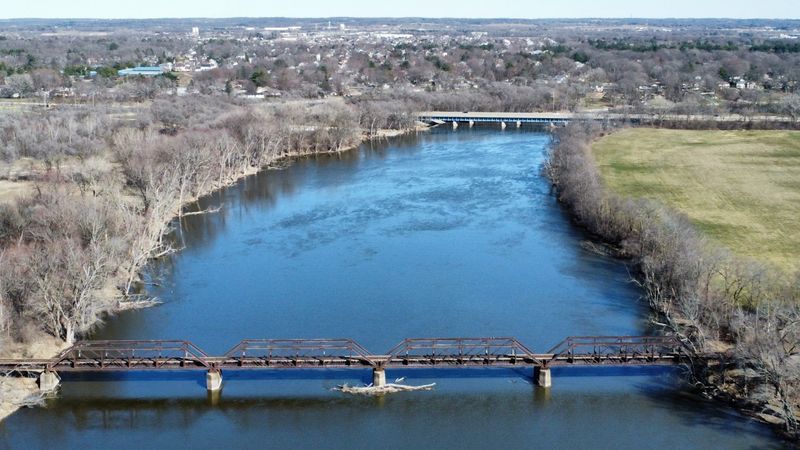
Water shaped Rockton from day one, and it still sets the rhythm of town life. The Rock River flows right past the village, and the Pecatonica joins it nearby. Together they create wide, calm stretches that invite paddling, fishing, and quiet watching.
Early settlers saw the river as an engine. Dams and mills used its flow to grind grain and power work, which drew families and businesses. Remnants of that industrial past still shape the riverbanks, reminding visitors that this pretty scenery once had a hard-working job.
Today the river serves a gentler purpose. Kayakers and canoeists glide past wooded banks, while anglers cast for catfish, walleye, and smallmouth bass. Early mornings bring mist over the water and the sound of birds calling from the trees.
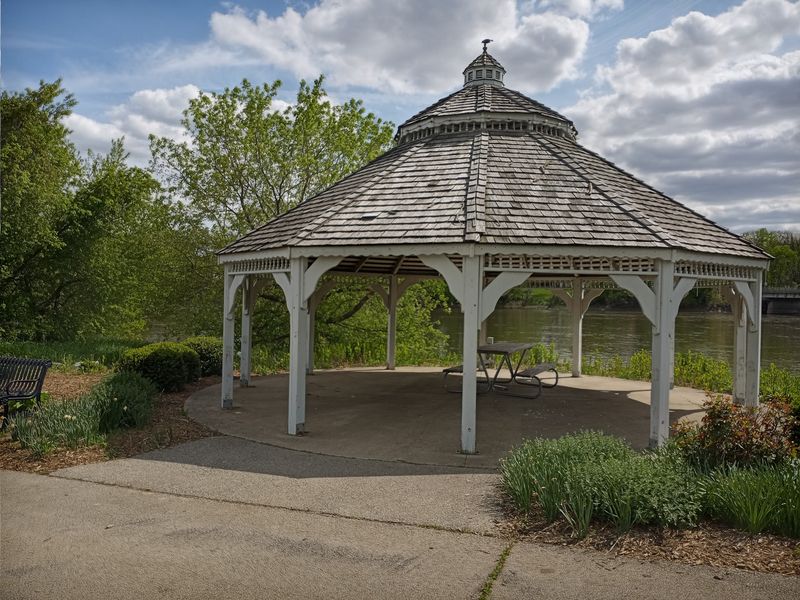
Forest preserves near Rockton give easy access to the shoreline. Hononegah Forest Preserve offers trails, picnic spots, and a boat launch, making it a natural base for a river day. Macktown Forest Preserve sits close by as well, with open lawns and riverside views.
Safety matters out here. Wear a life jacket, check water levels after heavy rain, and steer clear of dam areas, where currents can be dangerous. Bring bug spray in summer, since mosquitoes love the shady banks as much as people do.
Bird watchers should keep binoculars ready. Herons stalk the shallows, and bald eagles are often spotted along the Rock River during colder months. A slow walk along the water at dusk might reward you with a silhouette perched high on a bare branch.
Festival Weekends and Hometown Traditions
Some towns save their personality for special weekends, and Rockton is one of them. Community events bring neighbors into the streets, turning a sleepy downtown into a crowded, cheerful gathering place. Food smells drift from stands, and kids weave between strollers and lawn chairs.
Summer is the busiest stretch. Local celebrations often include live music, craft vendors, games, and plenty of food that is easy to eat while walking. Many events lean into the town’s past, with historical displays or pioneer-themed activities that connect fun with heritage.
Fall brings a different flavor. Cooler air, colorful leaves along the river, and harvest-season events make autumn a favorite time for visitors. The old buildings look especially striking framed by orange and gold trees.
Holiday season adds twinkling lights and festive windows to Main Street. Small-town holiday gatherings tend to feel personal, with shop owners greeting customers by name and local groups organizing family activities.
Planning ahead pays off. Event dates change each year, so check the village calendar or local news before setting out. Arrive early on festival days, since parking fills quickly and the best food lines grow long by midday.
Dress for the weather, and bring a folding chair if music is part of the lineup. Small bills help at vendor booths that may not take cards. Kids will appreciate a little spending money for games or treats.
Even if you miss a big event, ordinary weekends still offer a slice of community life. You might catch a farmers market, a youth sports game at a nearby park, or locals chatting outside a cafe on a sunny morning.
Planning the Perfect Day Trip From Rockford or Chicago
Timing is everything in a town this size. Rockton sits about 15 miles north of Rockford and roughly 90 miles northwest of Chicago, which makes it an easy day trip. Beloit, Wisconsin, is just a few minutes away across the state line.
Morning is the smartest arrival window. Grab breakfast or coffee downtown, then stroll Main Street while the light is soft and the sidewalks are quiet. Shops usually open mid-morning, giving you time to admire the buildings first.
Late morning works well for antique browsing. Leave a couple of hours if you enjoy digging through shelves. Afterward, head to a local restaurant for lunch, where pub-style food and family diners fit the hometown mood.
Afternoons belong outdoors. Drive a few minutes to Macktown or Hononegah Forest Preserve for a riverside walk, picnic, or paddle. History fans can tour the old trading post area if programs are running that day.
Season choice changes the experience. Spring brings fresh green banks and fewer crowds. Summer means festivals and water fun, while fall offers bright color and crisp walking weather. Winter is quiet, with some limited hours, but eagle watching along the river can make it worthwhile.
Comfortable shoes are a must, since you will walk more than expected. Bring a reusable bag for shopping and a small cooler if you plan to grab treats or picnic supplies. Cell service is reliable, though printed directions to forest preserves never hurt.
Wrap up with dinner downtown or a sunset stop by the water before heading home. The drive back feels shorter when the sky over the river turns pink.
A Village That Chose to Keep Its Past
Plenty of small towns once had stone storefronts and riverside mills. Most lost them to fires, highways, or shopping malls. Rockton held on, and that choice is the real reason it stands apart.
Growth has come to the area, with new homes and businesses spreading as the Rockford region expands. The 2020 census counted nearly 7,900 residents, a solid number for a village. Yet the historic core still looks much like it did generations ago, a sign of careful local attention.
Preservation is not an accident. Keeping old buildings standing takes owners willing to repair brick, replace windows thoughtfully, and fill storefronts with active businesses. Each restored facade represents years of effort and money that could have gone toward tearing it down.
History here is also layered. Native peoples lived along these rivers long before settlers arrived, and the story of Stephen Mack and Hononegah blends those worlds together. Mills and merchants added another chapter, and today’s shop owners write the newest one.
Visitors play a part too. Spending money at local stores, eating in family restaurants, and respecting historic sites helps keep the village healthy. Every purchase supports the people who maintain these old walls.
Compare Rockton with a busy suburban strip and the difference is clear. Here you get uneven rooflines, hand-painted signs, and a river that still frames daily life. Nothing feels copied from a corporate design plan.
So go for the antiques, the trails, or the festivals. Stay long enough to notice the cornerstone dates carved into old buildings, and you will understand how much history a small Illinois village can quietly protect.
Share this story