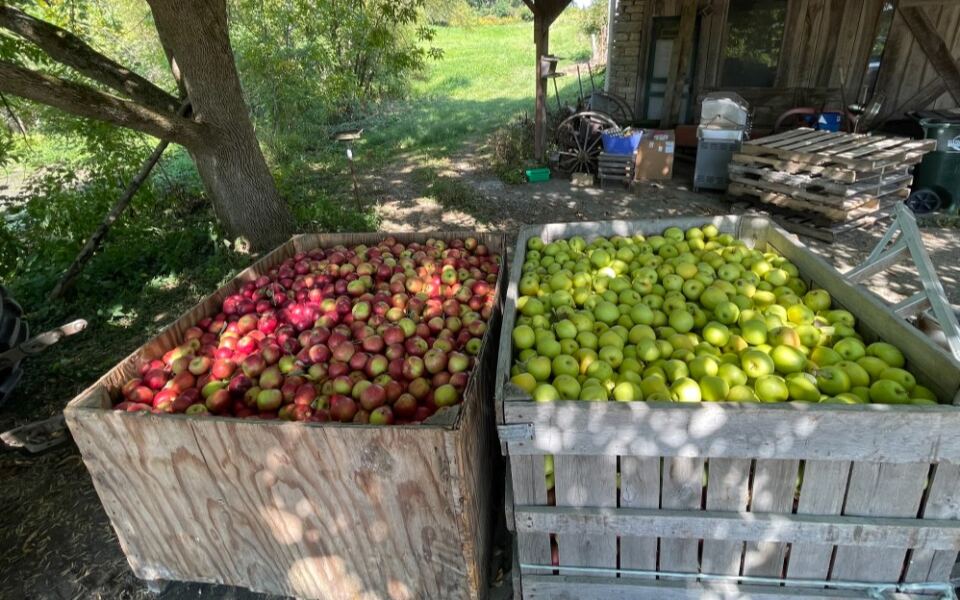
Forty varieties of apples grow on one family farm, and you can’t pay for a single one with a card. Leave the plastic in your wallet. This place runs on cash, and nobody seems to mind.
The same family has worked this land since 1916. That’s three generations of growers tending trees, pressing cider, and filling a little barn store with fruit picked that morning.
I like how the whole setup feels pleasantly stubborn. There’s no corn maze or bounce house. You get apples, peaches, pears, honey, eggs, and cold-pressed cider that hasn’t been pasteurized.
I believe Ohio needs more spots like this. It’s a farm stand that never chased trends and somehow got better for it. There’s something about picking out fresh apples in an old-fashioned barn store, bringing home a jug of cider, and knowing it all comes from a family that’s worked the same land for generations that makes a fall visit feel extra special.
1. Bring Cash, Because The Barn Store Plays By Old Rules
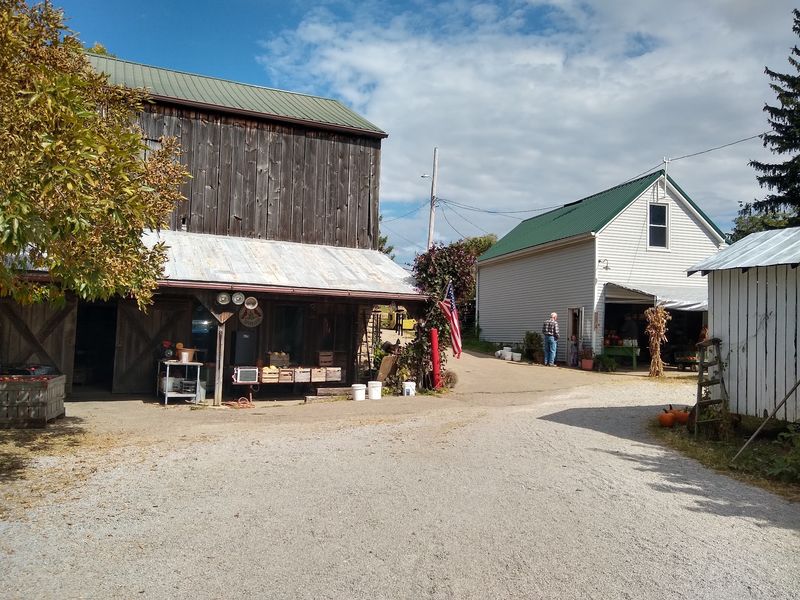
Hollmeyer Orchards keeps things refreshingly simple at the checkout. The family farm accepts cash only, so plan ahead before you head out.
That one rule shapes the whole visit in a nice way. There’s no tapping, no swiping, and no waiting for a card reader to wake up.
Hit an ATM on the way, then bring a little extra. Apples have a funny habit of multiplying in your arms once you see all the choices.
The orchard sits in Cincinnati, Ohio, and it has been family-run since 1916. Three generations have kept the doors open and the trees producing.
Paying with bills fits that long history surprisingly well. It feels like buying fruit the way your grandparents probably did, straight from the people who grew it.
A quick tip will save you some grief. Folks who forgot cash have left empty-handed, so tuck the bills in your pocket before leaving home.
Small denominations help keep the line moving. They also make it easier to grab one more jar of jam without doing math at the counter.
Honestly, the rule becomes part of the charm. Cash in hand, basket on your arm, and fall officially begins.
2. Forty Apple Varieties Means You Might Need A Game Plan
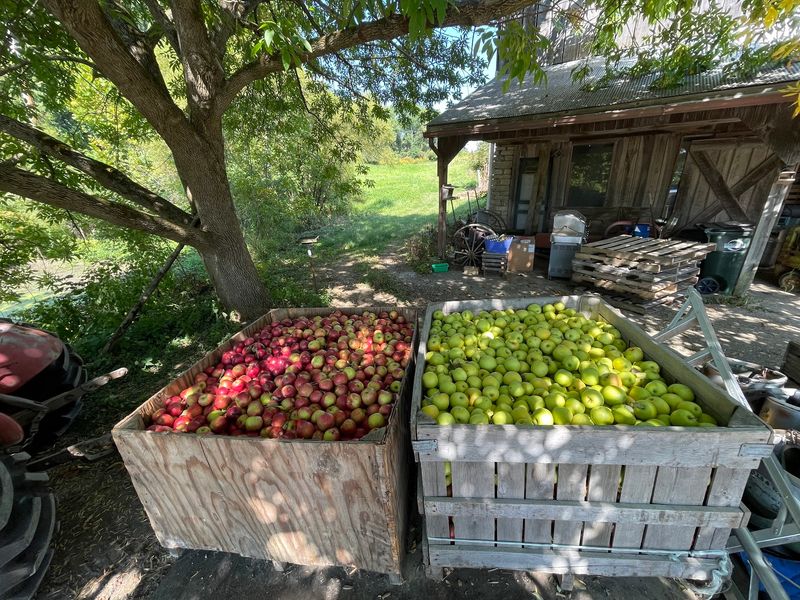
McIntosh, Mutsu, Melrose, and Mollies Delicious are just the start. The 45-acre farm grows about 40 apple varieties, and many rotate through the store as they ripen.
Some names sound familiar, like Gala, Granny Smith, and Golden Delicious. Others feel like characters from an old novel, such as Stayman Winesap and Arkansas Black.
Each variety has its own job. Lodi apples are known as an excellent choice for applesauce, which makes them a smart pick for home cooks.
Bakers can hunt for Rome Beauty, Jonathan, or Idared. Snackers might lean toward Cortland, Liberty, Blushing Gold, or Prima for eating fresh.
The apple season starts with early-ripening varieties in summer, followed by a changing selection as more apples mature through the fall. Availability depends on the harvest, so each visit can bring something different.
That means a September visit and an October visit can look totally different. Coming back a few times is less of a habit and more of a strategy.
Not sure what to grab? Ask the family which apples suit your recipe, since they know their trees better than anyone. A mixed bag for pie never hurts either.
3. The Unpasteurized Cider Deserves Its Own Fridge Shelf
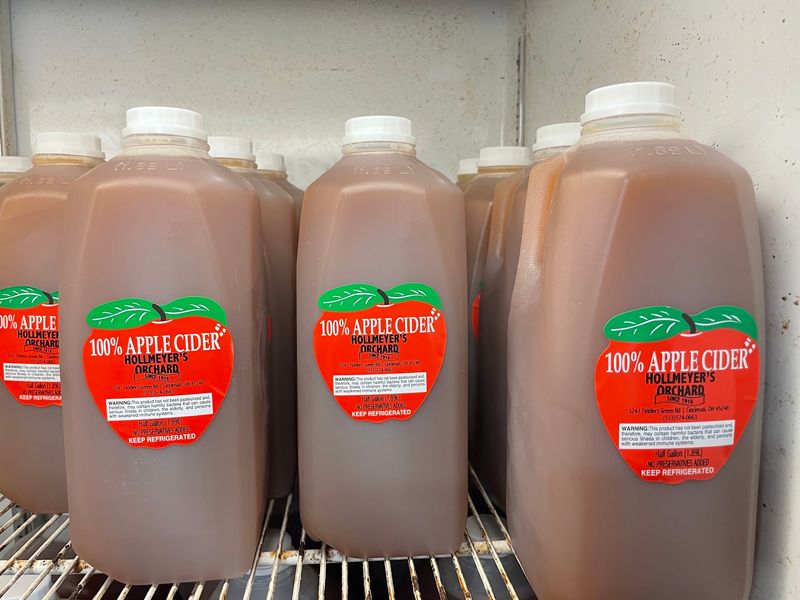
Cold-pressed and unpasteurized, the cider at Hollmeyer Orchards is about as close to drinking a fresh apple as it gets. The family presses it from fruit grown right on the farm.
You’ll find it in half-gallon and gallon jugs. The bigger size is tempting, and frankly, it disappears faster than you’d expect.
Timing matters here. Cider is typically available through March, but early in the season it may not be ready yet.
That makes a phone call before a cider-only trip a wise move. Nobody wants to drive out just for jugs that aren’t on the shelf yet.
Because the cider is unpasteurized, it can carry harmful bacteria even when properly refrigerated. Children, pregnant women, older adults, and people with weakened immune systems should choose pasteurized cider instead. Keep fresh cider refrigerated, follow the farm’s storage guidance, and freeze any extra if needed.
Leave some headspace in the container before freezing. Liquid expands, and a cracked jug is a sad way to end the day.
Warm it on the stove with a cinnamon stick on a chilly night. Or pour it straight from the fridge after raking leaves. Both options feel like peak Ohio autumn.
4. Skip The Ladder, Since The Picking Is Already Done For You
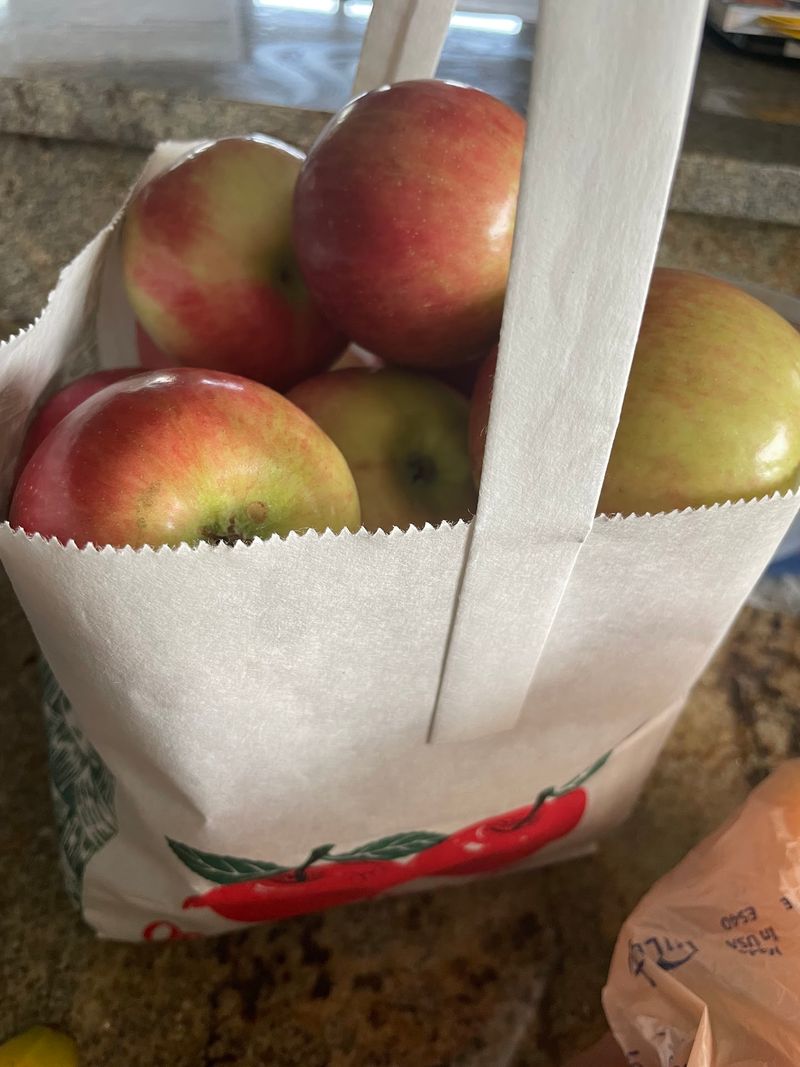
No ladders, no buckets, and no hunting for the one tree nobody has stripped yet. The orchard does not offer pick-your-own, and that’s part of its personality.
Instead, the family picks everything fresh and brings it to the farm store. You simply show up, browse the bins, and choose what looks good.
Some people love the U-pick scramble. Others would rather not chase a toddler between rows while balancing a half-full bag.
Here, you skip all that effort. The fruit arrives ready, sorted by variety, and handled by people who know exactly when each apple is ripe.
That expertise counts for a lot. Certain apples need time in cold storage before they taste their best, and growers know those details.
So go ahead and ask questions at the counter. Which one stays crisp longest? Which apple works for sauce?
You’ll get answers rooted in decades of experience.
It’s a calmer kind of fall outing. Less sweaty hayride energy, more friendly farm stand stop with a trunk full of fruit at the end.
5. Peaches, Pears, And Plums Steal The Spotlight Before Fall
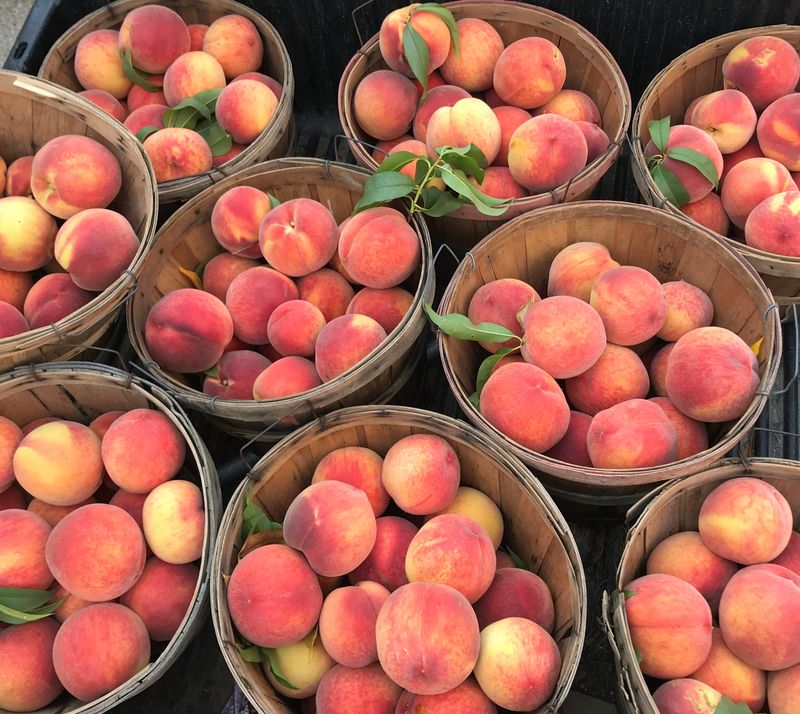
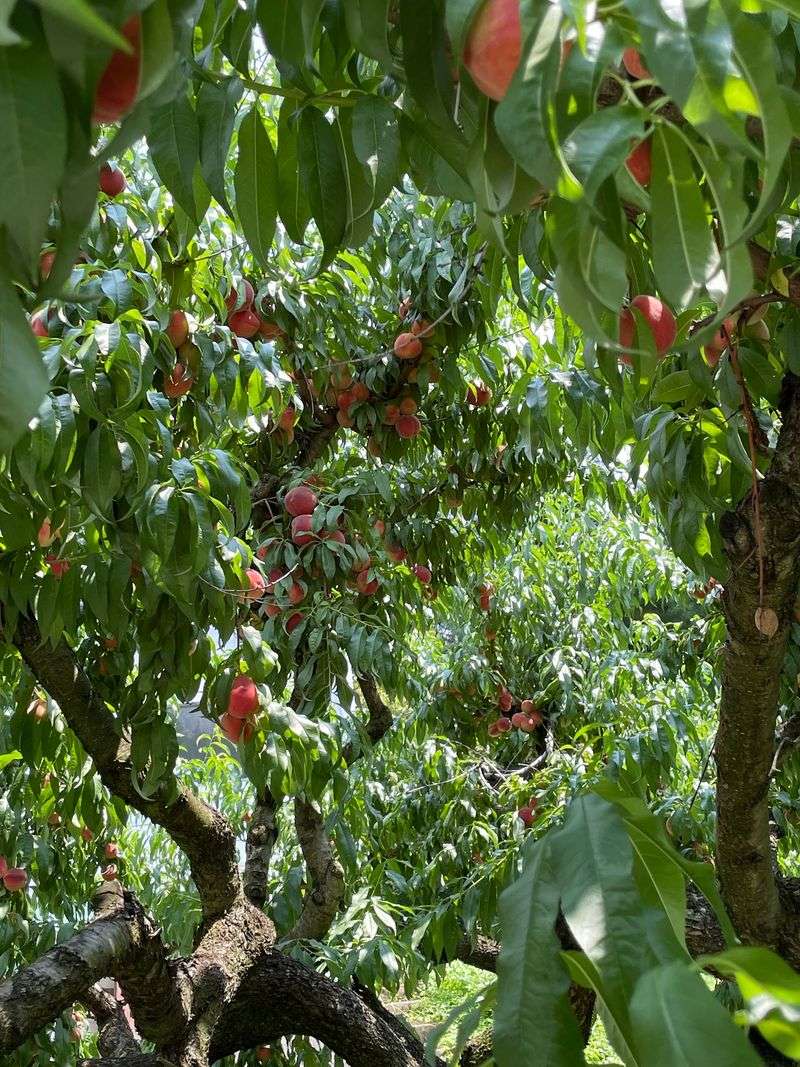
Apples get the headlines, but summer fruit quietly makes a strong case for an earlier visit. Hollmeyer Orchards also grows peaches, plums, pears, and blackberries.
Peaches show up as they ripen in the warm months. That’s your cue to stop by before the calendar even thinks about pumpkins.
Pear fans get two notable options. Seckel pears are small and sweet, while Bartlett pears are the classic choice for slicing or baking.
Seckels are fun to pack in lunchboxes. Their bite-sized shape makes them feel like a snack built for small hands.
Plums round out the fruit lineup nicely. Blackberries add another reason to keep this farm on your summer radar.
Availability changes with the weather and the trees. What’s on the table one week may be gone the next, so flexibility helps.
A good approach is to treat each visit like a little surprise. Bring a cooler bag, grab whatever looks freshest, and plan dinner around it. Peach cobbler on a Tuesday?
Nobody will complain about that plan.
6. Garden Vegetables Sneak Into Your Basket Too
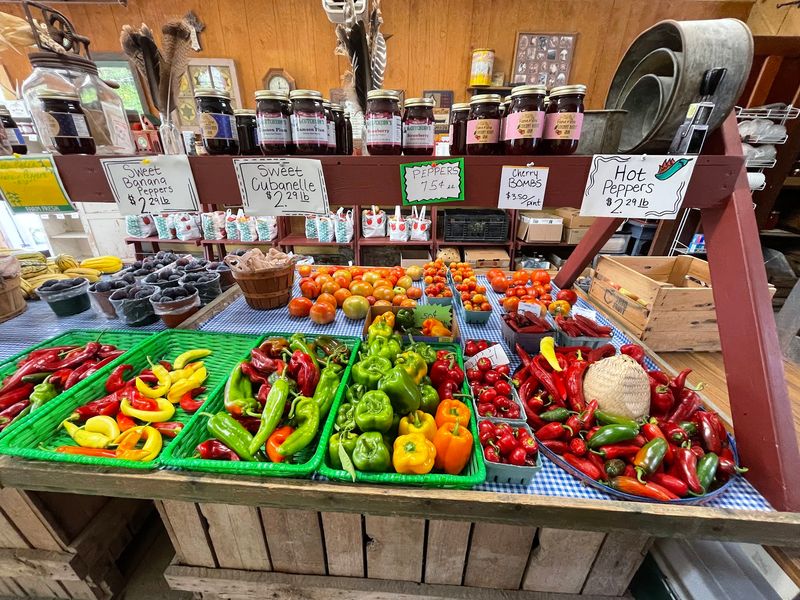
Tomatoes, eggplant, peppers, zucchini, squash, and basil all share space with the fruit here. The orchard is a full-on produce stop when the garden is cranking.
That’s great news for anyone planning a week of home cooking. You can grab dessert apples and dinner vegetables in one easy trip.
Late summer into fall is a sweet spot. Tomatoes and peppers often overlap with the first apple varieties, so your basket gets colorful fast.
Squash deserves a special mention as the weather cools. Roasted with a little butter and salt, it turns an ordinary weeknight into something cozy.
Fresh basil is the sneaky star, though. Pair it with farm tomatoes for a simple salad that tastes like the last warm days of the year.
Eggplant and zucchini work beautifully on the grill or in a casserole. Buying them straight from the grower means fewer miles between the vine and your plate.
Bring a sturdy bag or box. Produce piles up quickly, and juggling tomatoes in your arms is a skill few of us have mastered.
7. Honey, Jams, And Eggs Turn A Quick Stop Into A Pantry Haul
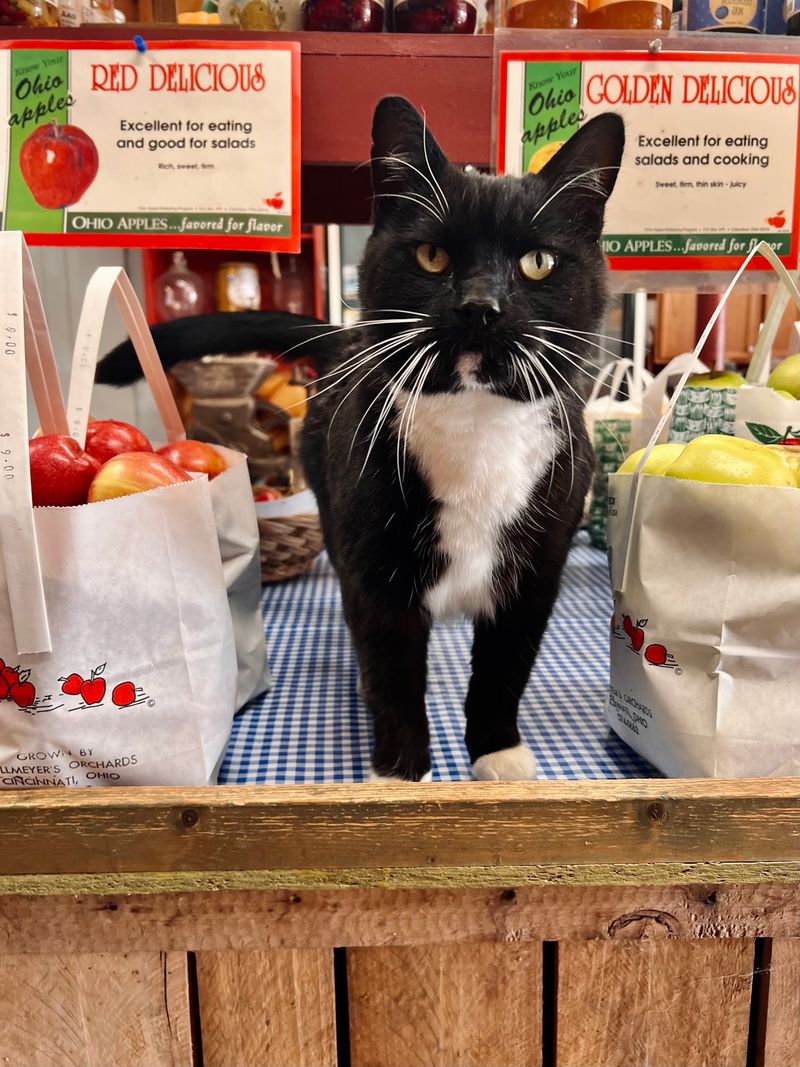
Local apple blossom honey sits on the shelves, and the name alone sounds like spring in a jar. It’s a lovely pick for tea, toast, or gifts.
Next to it, you’ll find old-fashioned jams, jellies, fruit butters, and syrups. These are the kinds of jars that make breakfast feel a little fancier.
Bake mixes are another handy find. Just add fresh fruit, and you’re on your way to a homemade treat without a lot of fuss.
Caramel apples are available at the farm store too. Kids tend to spot them in about two seconds, so consider yourself warned.
Free-range farm-fresh eggs complete the haul. Pair a dozen with fresh apples and you’ve basically planned Saturday breakfast.
The farm also invites customers to return used egg cartons. Clean pint and quart jars are welcome back too.
This small habit helps keep prices down. It’s also a thoughtful way to cut waste, so stash those empties in your car before your next trip. Future you will feel very organized.
8. Over A Century Of Family Roots Grows On These Trees
Back in 1916, this family started growing fruit on the west side of Cincinnati. More than a century later, Hollmeyer Orchards remains a third-generation family farm.
That kind of staying power is rare. Plenty of farms near growing cities have turned into subdivisions or shopping centers over the years.
This one kept its trees. The farm covers about 45 acres, which still feels like real countryside within a city address.
Generations of Ohio families have made a fall stop here part of their routine. It’s easy to see why the visit feels nostalgic, even on your first trip.
The barn store keeps an unfussy, homespun style. There’s no slick gift shop trying to sell you souvenir mugs.
What you get instead is a working farm focused on what it grows. Apples, cider, produce, and pantry goods take center stage, just as they likely did decades ago.
I can’t imagine a better way to honor a long family legacy. Keep the trees healthy, keep the cider flowing, and let the fruit do the talking.
9. Know The Hours Before You Hit Fiddlers Green Road
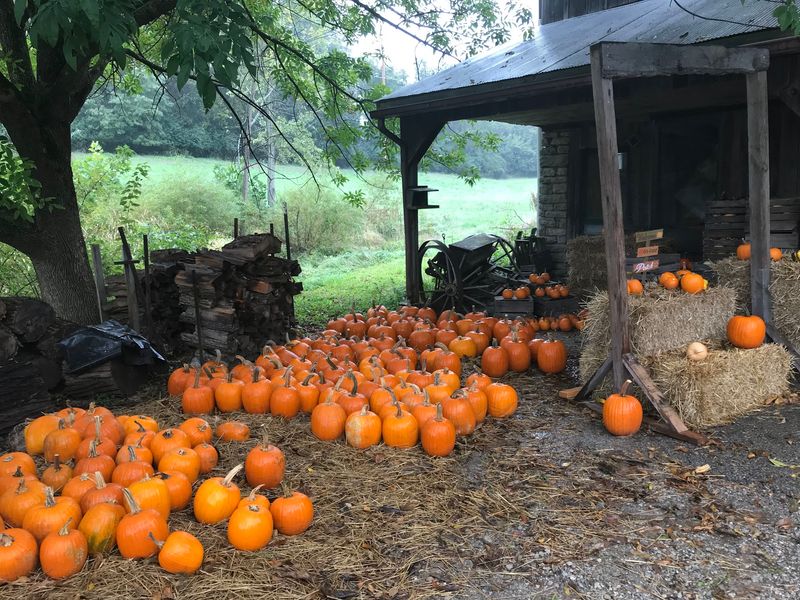
Finding the farm is the easy part. Hollmeyer Orchards sits at 3241 Fiddlers Green Road, Cincinnati, OH 45248.
The store stays open year-round, which surprises many people. Weekday hours run from 9 a.m. to 6 p.m., Monday through Friday.
Saturdays go from 9 a.m. to 5 p.m. Sundays are shorter, running from noon to 4 p.m. Because published Sunday hours vary between listings, it’s worth calling the orchard at (513) 574-0663 before making a special trip.
Aim to arrive well before closing. A farm runs on harvest work, so earlier visits give you the best selection and the least stress.
Winter brings another option for city shoppers. The orchard also sells at Cincinnati’s Findlay Market during December, January, and February.
That’s handy when cider cravings hit in the middle of a gray Ohio winter. You can stock up downtown without driving out to the farm.
Before any trip, run through a tiny checklist. Cash, reusable bags, empty egg cartons, and maybe a cooler for cider.
Then roll down the windows and enjoy the ride. A trunk full of apples has a way of making the drive home feel shorter.
Share this story