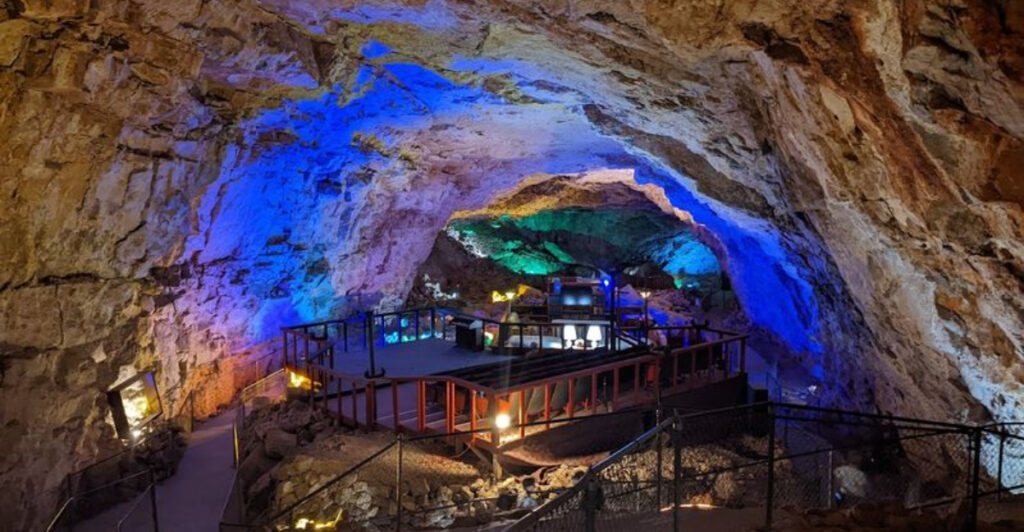
Ready to eat lunch 200 feet below ground in Arizona without breaking a sweat? Grand Canyon Caverns & Inn makes it happen with a smooth elevator ride 21 stories down into a vast, ancient limestone chamber. Inside, the Cavern Grotto offers an intimate dining experience surrounded by natural rock formations that shimmer under soft lighting.
After your meal, a guided tour reveals the scale and history of one of the largest dry caverns in the country. It’s an experience that feels equal parts unusual and unforgettable. For a Route 66 stop that truly stands out, this one is hard to beat.
The Descent: Elevator To An Underground Table
It starts with that brief, weightless drop as the elevator doors slide shut and you’re carried more than 200 feet below the Arizona desert, the outside heat fading into a steady, cool 56 degrees. By the time the doors open, the space reveals itself all at once—wide, quiet, and surprisingly open, more like a natural hall than a tight cave.
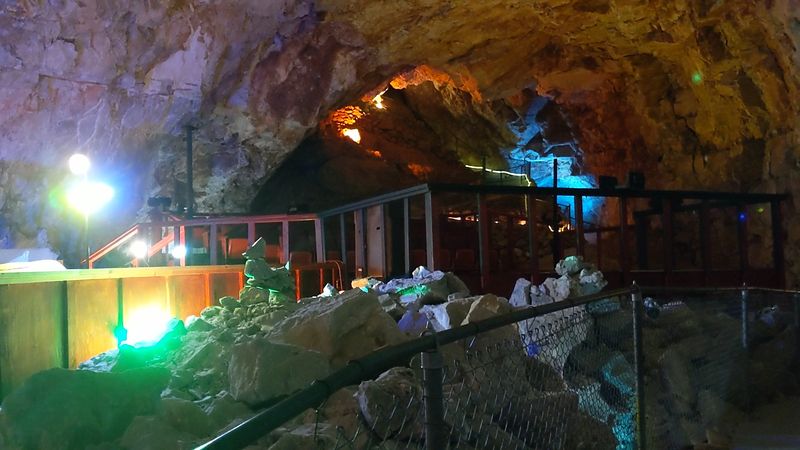
Stepping onto the platform feels a little surreal at first, especially as sound softens and the lighting casts a warm glow across the limestone walls, highlighting ripples and ledges shaped over millions of years. As your eyes adjust, the setup becomes clearer: a defined walkway, a compact dining area with limited seating, and a small service station that keeps everything running smoothly without distracting from the surroundings.
Staff move confidently through the space, clearly used to the rhythm of serving guests in a place that still feels unusual no matter how many times you’ve seen it. The air feels dry and stable rather than damp, which adds to the comfort, and conversation naturally drops to a relaxed, almost hushed level.
It’s a setting that leans more immersive than theatrical, where the logistics—elevator access, coordinated service, and careful pacing—fade into the background, leaving you to take in the novelty of dining inside a massive underground chamber that feels both ancient and unexpectedly welcoming.
Cavern Grotto Dining: Four Tables, Big Atmosphere
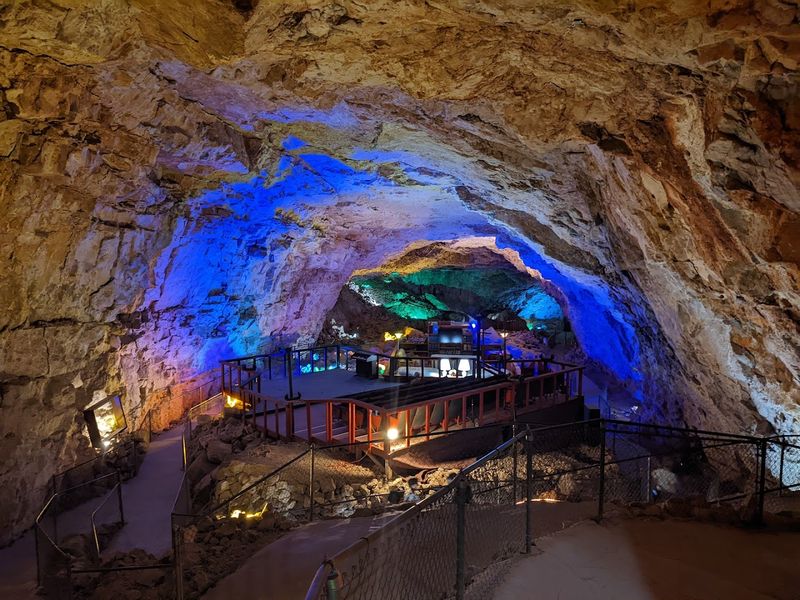
Tucked into the cavern floor, the dining setup leans into its limited scale, and yes—there really are just four tables, which gives the whole experience a surprisingly intimate feel. Instead of a crowded dining room, you get a shared space where every small sound carries softly and the cave itself becomes part of the atmosphere rather than just a backdrop.
The tone is easygoing and unpretentious, more in line with a quirky Route 66 stop than anything formal, with staff who keep things moving smoothly without overcomplicating the moment. The menu follows that same logic, sticking to familiar, satisfying options like burgers, sandwiches, and salads that fit the setting without trying to steal the spotlight.
With the temperature holding steady, you’re not rushing through your meal or fidgeting for comfort, and the lighting strikes a nice balance—bright enough to see your plate, soft enough to preserve the calm of the space.
Because seating is so limited, there’s a natural sense of connection that builds among guests, whether it’s exchanging quick reactions or sharing that same “can’t believe we’re eating down here” moment. By the end, it feels less like a standard meal and more like a shared experience, where the small crowd and unusual setting turn dinner into something quietly memorable.
How The Food Gets Here: Freshness With A Pulley Assist
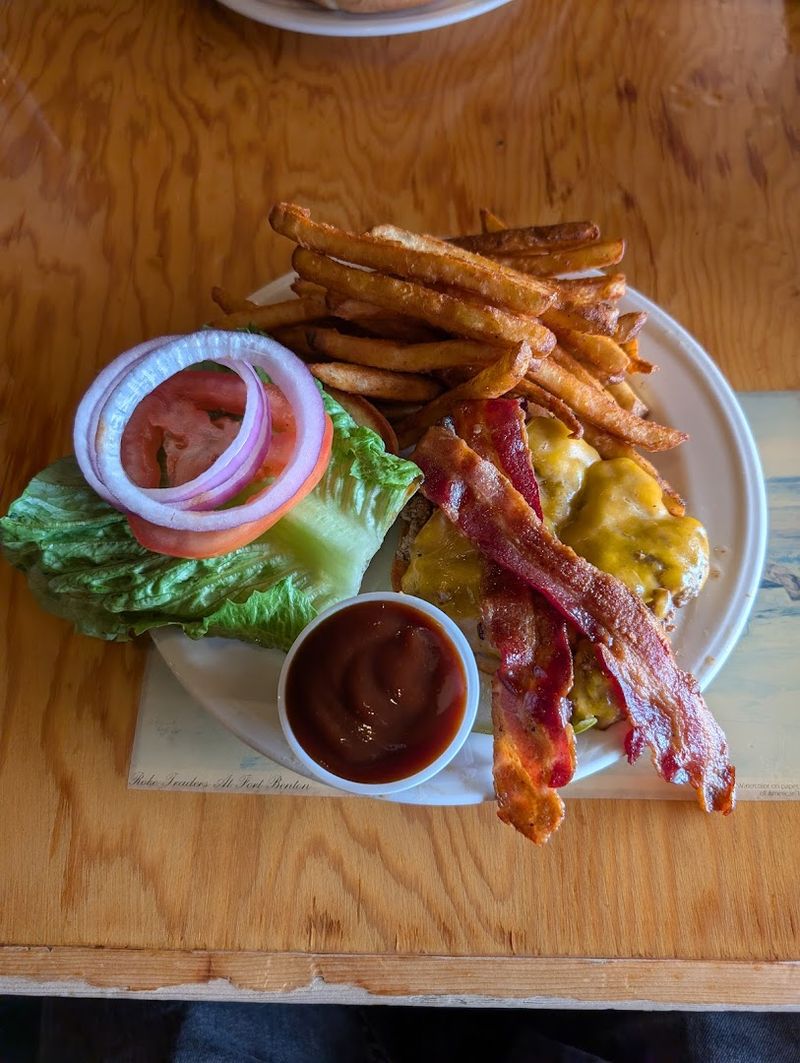
Ever wonder how a fresh burger and a crisp salad make their way more than 200 feet underground without missing a beat? It comes down to a well-coordinated system where meals are prepared above ground and carefully transported down, keeping the cavern itself free from the noise and heat of a full kitchen.
That separation works in everyone’s favor—you get food that tastes like it came straight off the grill, while the dining space stays cool, calm, and true to its natural setting. Service runs on timing and communication, with staff syncing orders between the surface and the cavern so dishes arrive consistently and without long waits, which matters when the space only holds a handful of tables.
There’s a quiet efficiency to it all that feels seamless once you’re seated, and it helps the experience stay focused on where you are rather than how it all works. Keeping cooking equipment out of the cavern also helps preserve the environment, limiting excess heat and strong aromas so the air stays comfortable and the formations remain the star.
The result is a meal that lands just right—fries still crisp, salads still cool, and everything arriving in a way that feels surprisingly smooth given the setting—proof that a little behind-the-scenes coordination goes a long way underground.
Tour + Meal Combo: The Crowd Favorite Plan
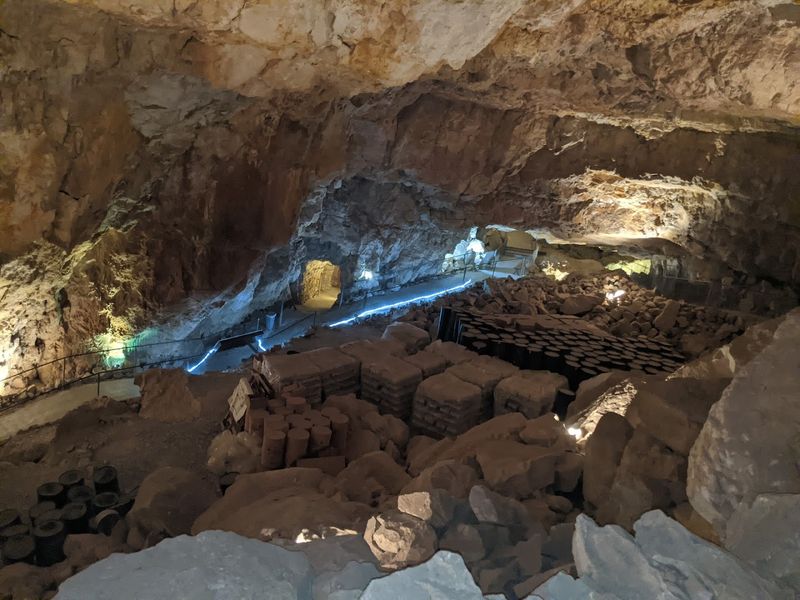
For travelers who like a little context with their meal, the tour-and-dining combo pulls everything together into one smooth experience. You’ll start by heading into the dry cavern with a guide who walks you through the space in a way that’s easy to follow, pointing out how the formations developed, why the environment feels so different from typical caves, and adding in a few local stories that keep things light.
The route isn’t overly demanding, but it does include some gentle inclines and a handful of stairs, so comfortable shoes with decent grip make a difference. Most visitors handle it just fine, though it’s worth being mindful of your own pace as you move through the space.
Along the way, you’ll pick up bits of geology without it ever feeling like a lecture, and details like fossils or oddly shaped formations tend to grab attention, especially for younger visitors. Once the walk wraps up, transitioning straight into the underground dining area feels natural, turning the visit into something more complete rather than a quick in-and-out stop.
It also solves the practical side of timing, since you’re already below ground and don’t have to rush off to find food elsewhere. Reservations are a smart move, particularly during busy travel seasons, and it’s always worth double-checking current schedules and availability before arriving—especially since elevator timing plays a big role in how the whole experience runs.
Temperature, Acoustics, And Why Dry Caverns Feel Different
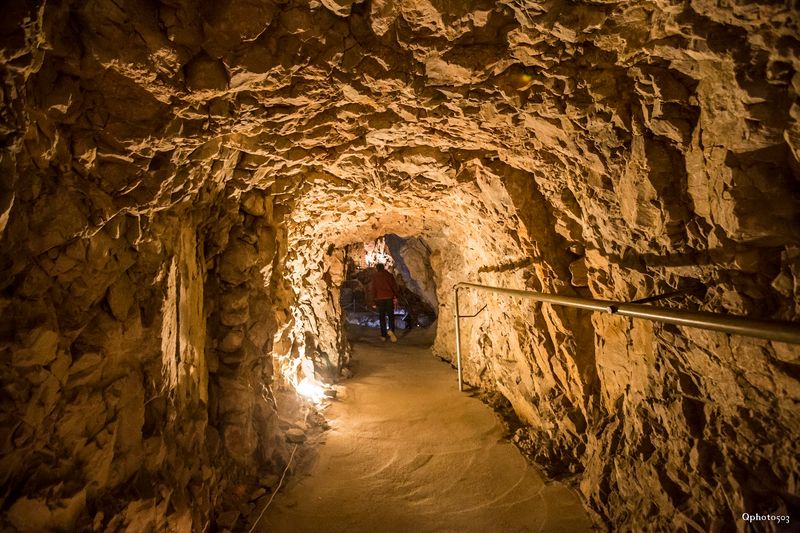
Picture the cavern as its own built-in climate system, holding steady at around 56 degrees no matter what’s happening above ground, which means Arizona heat never follows you down. A light layer is usually enough to stay comfortable, and once you settle in, that consistency becomes part of the appeal rather than something you think about.
Sound behaves differently here too—voices don’t bounce sharply but instead travel softly, giving the space a calm, almost cushioned feel that makes conversation easy without needing to raise your voice. What really sets it apart, though, is the dryness; unlike many caves, there’s no dripping water, slick surfaces, or damp chill, so the air feels neutral and the walkways stay firm underfoot.
The lighting leans subtle and intentional, highlighting the natural textures without overpowering them, so the cavern keeps its atmosphere while still being easy to navigate and photograph. All of these elements work together in a way that feels surprisingly comfortable for such an unusual setting—you’re not shivering, sweating, or adjusting constantly, just taking it in at your own pace.
For a place shaped over millions of years, it manages to feel approachable almost immediately, blending natural conditions with just enough thoughtful design to make the experience smooth from start to finish.
Staying Overnight Underground: The Suite With Serious Quiet
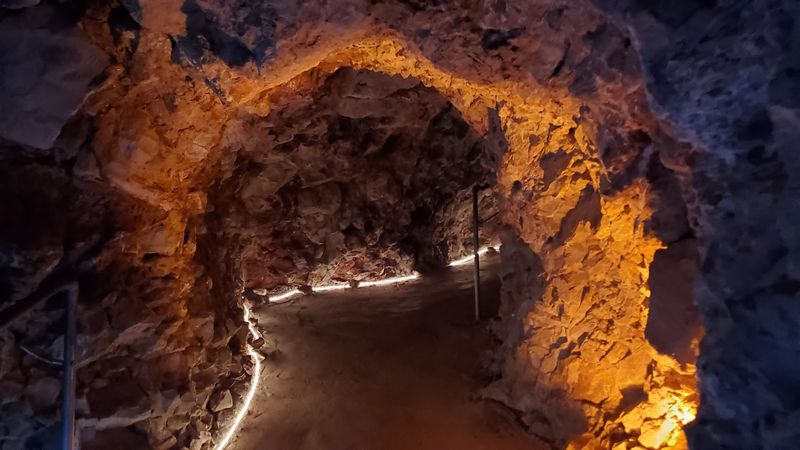
For travelers chasing something beyond the usual overnight stay, the underground suite at Grand Canyon Caverns delivers a story you’ll be telling for years. Set deep below the surface, the space feels more like a private hideaway than a traditional hotel room, blending basic comforts with a setting that’s undeniably out of the ordinary.
The quiet down here is striking—muted, steady, and far removed from the hum of highways or neighboring rooms—making it easy to unwind, read, or simply sit with the novelty of where you are. It’s not luxury in the polished sense, but it is comfortable, and the atmosphere does most of the heavy lifting.
Booking ahead is essential since availability is extremely limited, and checking current details before your trip helps avoid surprises. Staff handle logistics carefully, from coordinating elevator access to making sure you understand how everything works, so while you’re deep underground, you’re never truly cut off.
Bringing a few personal touches—like layers or something to listen to—can make the experience even more enjoyable. When morning comes and you head back up to the surface, the contrast hits immediately, trading that calm, enclosed stillness for bright desert light. It’s a unique reset, and for many visitors, easily the most memorable part of the entire stop.
Route 66 Vibes: Getting There And Making It A Day
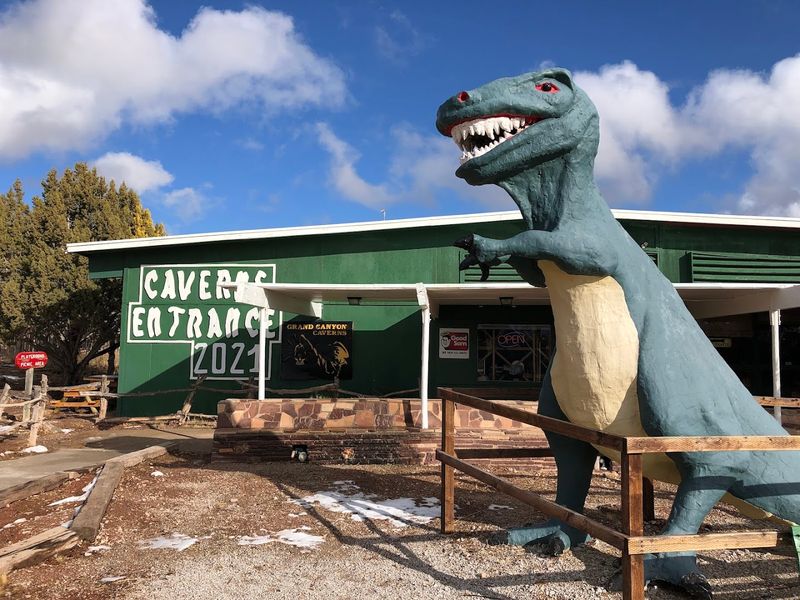
Rolling in off Route 66, the turn for Grand Canyon Caverns feels like stepping into a quieter, slightly offbeat slice of Arizona road-trip culture, where the landscape stretches wide and the signage hints at something unexpected below ground.
The property itself keeps things simple and functional, with a small market, a casual café, and staff who are quick to point you in the right direction whether you’re checking in for a tour or grabbing a bite before heading down.
It’s not polished in a luxury sense, but that’s part of the appeal—it runs on practical, traveler-friendly energy that fits the route perfectly. Plan to spend a few hours here rather than rushing through, especially if you’re pairing the cavern tour with the dining experience, since timing revolves around scheduled elevator trips and guided groups.
It’s also worth stepping back outside for a moment to take in the open desert before or after your visit, just to appreciate the contrast. Getting here is straightforward by car, though cell service can be spotty, so having directions and reservations saved ahead of time makes things easier.
If you’re driving between Flagstaff, Kingman, or even Las Vegas, it’s smart to top off fuel earlier than expected. By the time you’re back on the road, the stop leaves a calm, slightly surreal impression—exactly the kind of unexpected highlight that makes Route 66 worth driving.
Reservations, Timing, And Accessibility Notes
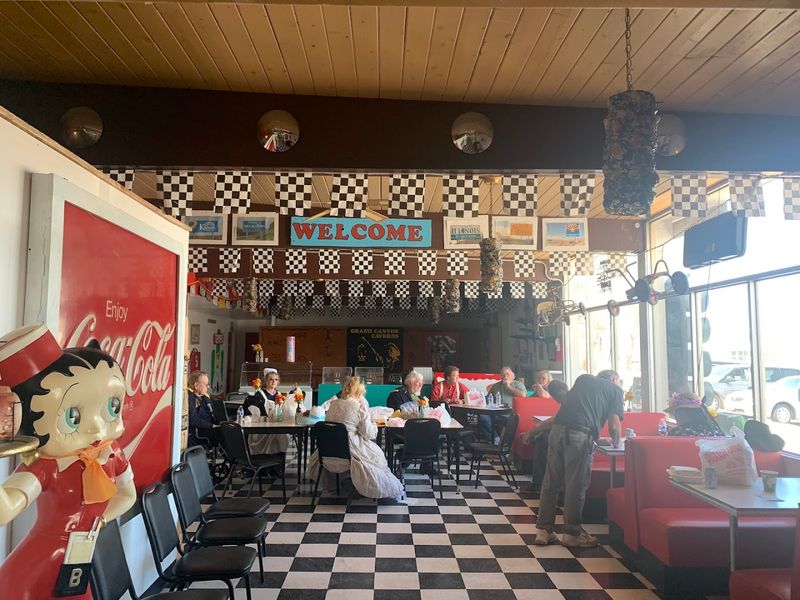
With limited seating and scheduled tours running throughout the day, reservations are less of a suggestion and more of a necessity here, especially on weekends or during peak Route 66 travel months.
Booking ahead gives you a much better shot at lining up both the tour and dining experience without awkward gaps or missed slots, and it’s always worth checking the official site for updated hours, pricing, and combo options before you hit the road.
Timing plays a bigger role than you might expect, since everything revolves around elevator cycles and guided group movement, so arriving a bit early helps keep things stress-free. Accessibility is worth considering too—the elevator takes care of the main descent, but the tour itself can include some uneven paths, gentle inclines, and a few stairs, so calling ahead for specifics is a smart move if mobility is a concern.
Dressing for the environment also makes a difference; even in the middle of summer, that steady 56-degree temperature can feel cool once you’re standing still, so a light layer and comfortable shoes with good grip go a long way.
It’s best to travel light, keep your hands free, and double-check policies around cancellations or photography in advance. A little preparation upfront makes the entire visit feel smoother, letting you focus on the experience instead of the logistics.
The Inn Above Ground: Simple, Handy, And Route-Ready
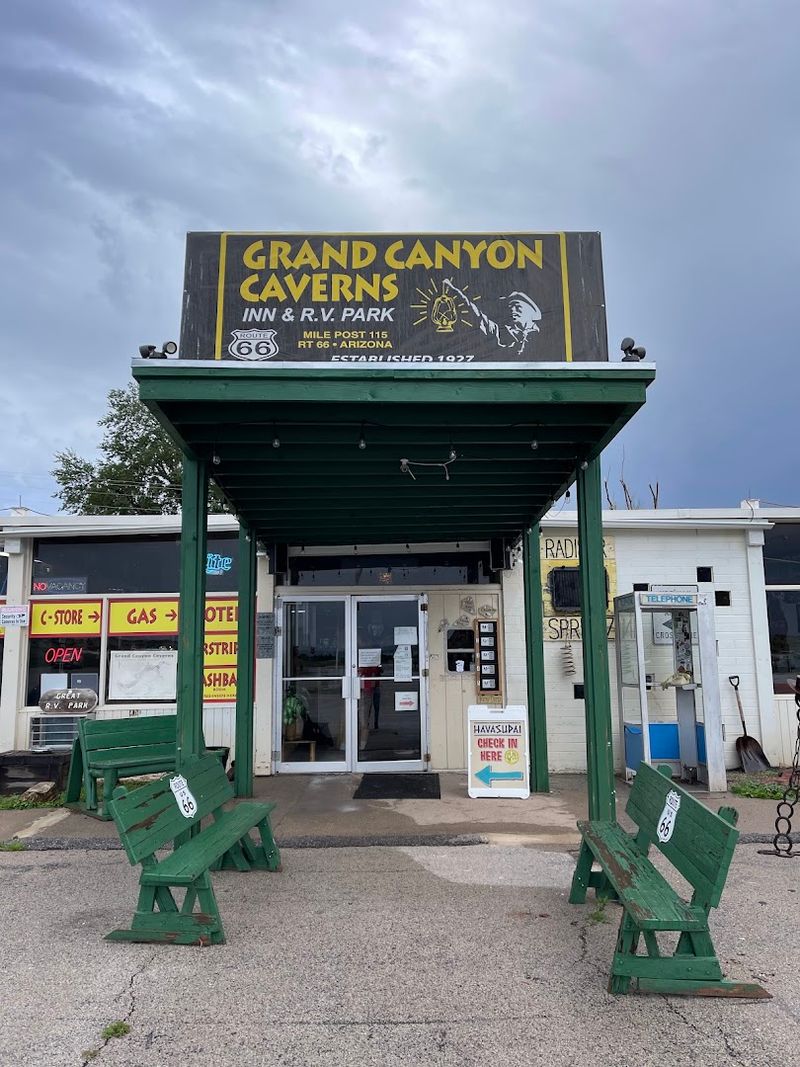
Set just steps from the cavern entrance, the inn leans into practicality over polish, making it a solid choice for travelers who care more about convenience than curated aesthetics. Rooms are straightforward and functional, closer to a classic roadside motel setup than anything boutique, but they cover the essentials—comfortable beds, working AC, and a place to recharge after a long stretch on the road.
The location does most of the heavy lifting here, especially if you’re planning to tour the caverns, since you can go from your room to check-in in just a few minutes without juggling extra driving or parking. Mornings tend to start early, with simple breakfast options that help you get moving without much delay, whether you’re heading underground or back onto Route 66.
Around the property, there’s a slightly retro, family-friendly feel, with quirky photo spots and open space that give it a relaxed, unpretentious vibe. Service is typically direct and helpful, the kind that keeps things moving without overcomplicating the stay.
Wi-Fi is available but can vary, and rooms may show a bit of age, which adds to that lived-in roadside charm more than it detracts. If you’re expecting luxury, this isn’t it—but if you want easy access, minimal fuss, and a place that fits naturally into a road trip, it does the job well.
Share this story