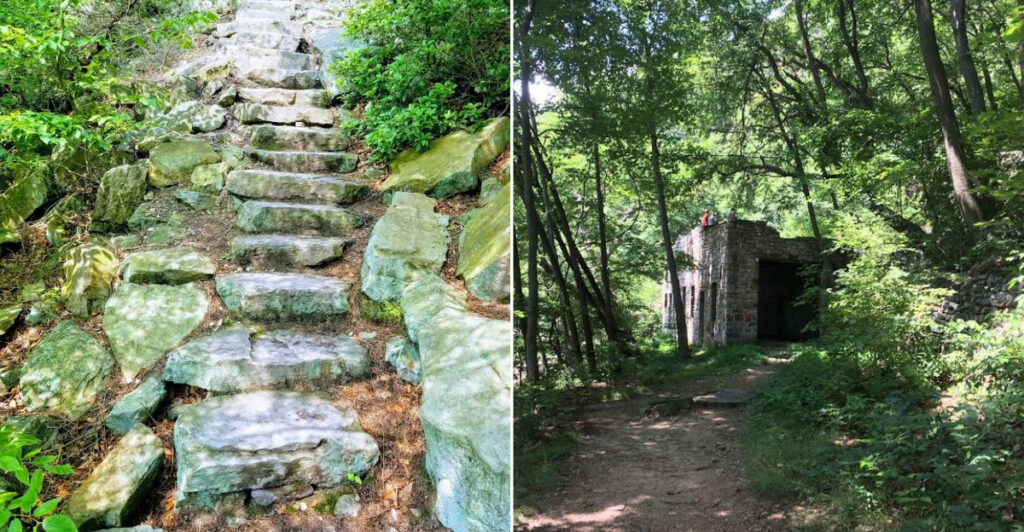
Some hikes ease you into the view, but Thousand Steps makes you earn every inch of it. This legendary Mapleton trail climbs more than 1,000 rugged stone steps before opening to overlooks that feel far bigger than the effort you just spent.
What starts beside a highway quickly turns into one of the most memorable short, steep adventures in Pennsylvania, with every section revealing another reminder of the mountain’s demanding past. The climb is intense, the stonework is historic, and the sweeping views at the top make the challenge feel completely worthwhile. If you want a hike with history, grit, and a payoff that truly stuns, this is the one to know.
1. Finding the Trailhead and First Impressions
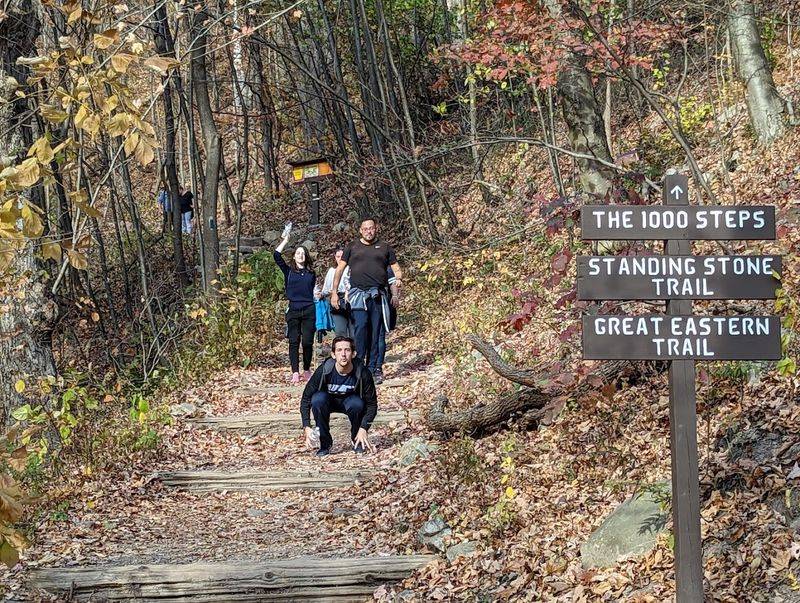
If you are heading to Thousand Steps for the first time, the approach is simpler than the challenge ahead.
Parking sits right off William Penn Highway in Mapleton, and the trail is open twenty four hours, which makes sunrise starts especially tempting.
I like that the trailhead feels straightforward once you know to walk past the lot and find the path behind the guardrail.
There is no long warmup here.
Within minutes, the route turns serious, and you can hear water, spot rugged rock, and feel the mountain rising in front of you.
That quick transition is part of what makes this place memorable, because the adventure starts almost immediately.
Before you climb, bring water, wear shoes with a good grip, and expect a real workout rather than a casual stroll.
The parking area may be easy to reach, but everything after that asks for effort and steady determination throughout uphill.
2. The History Hidden in Every Step
What makes this hike more than a fitness test is the story built into every stone.
The steps were originally created for quarry and mine workers who climbed this mountainside daily, carrying tools, food, and everything needed for a shift.
When you read the trail signage, the route stops feeling like a novelty and starts feeling like a direct connection to the region’s industrial past.
I think that history changes the climb.
Each uneven rise becomes a reminder that this was once part of ordinary work, done in rain, snow, and summer heat, not a weekend challenge checked off for fun.
That perspective adds humility to the experience and makes the overlook feel earned in a deeper way.
At Thousand Steps, the mountain is not just scenery.
It is also labor history above Mapleton.
If you only focus on the burn in your legs, you miss magic beside the trail.
3. What the Climb Actually Feels Like
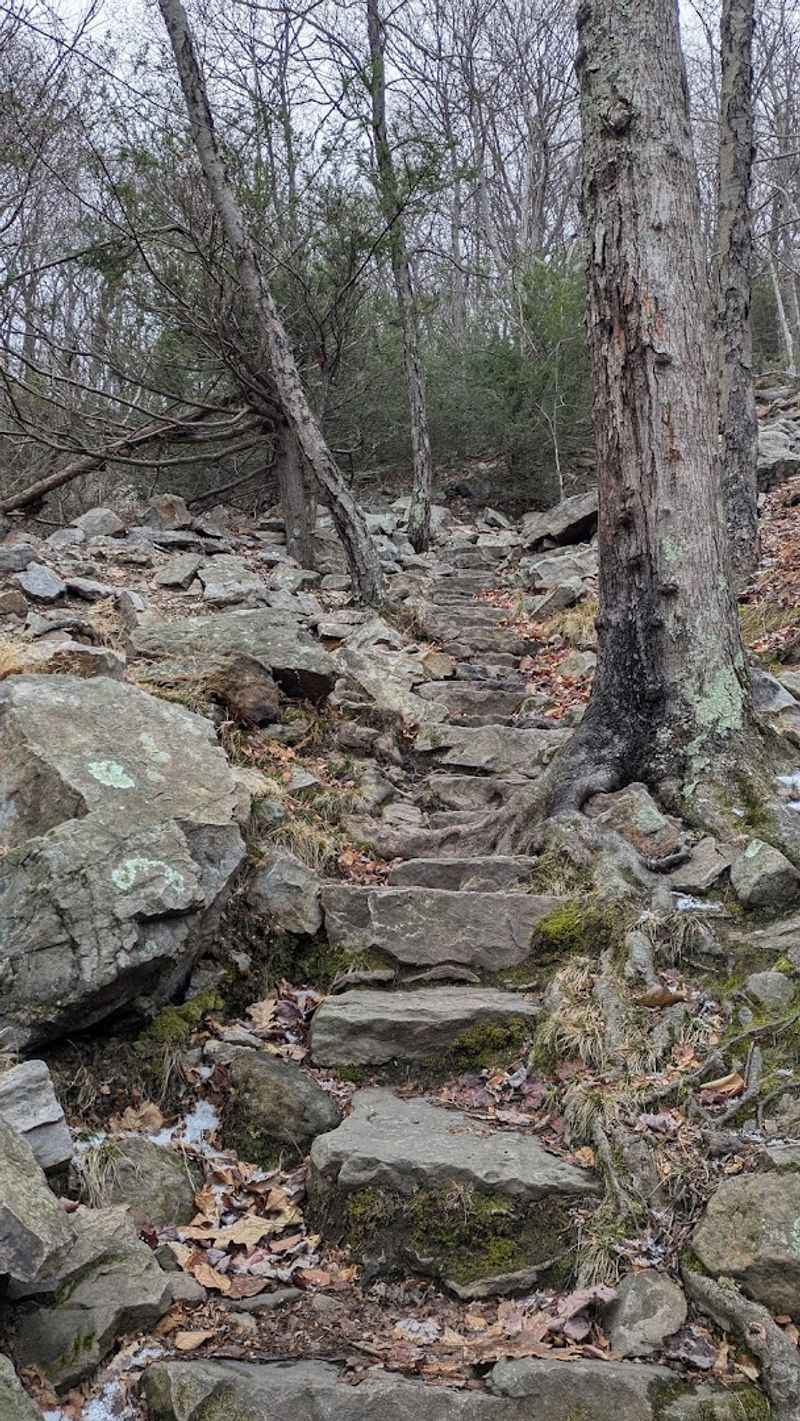
The climb itself is the reason people talk about this trail with equal parts pride and warning.
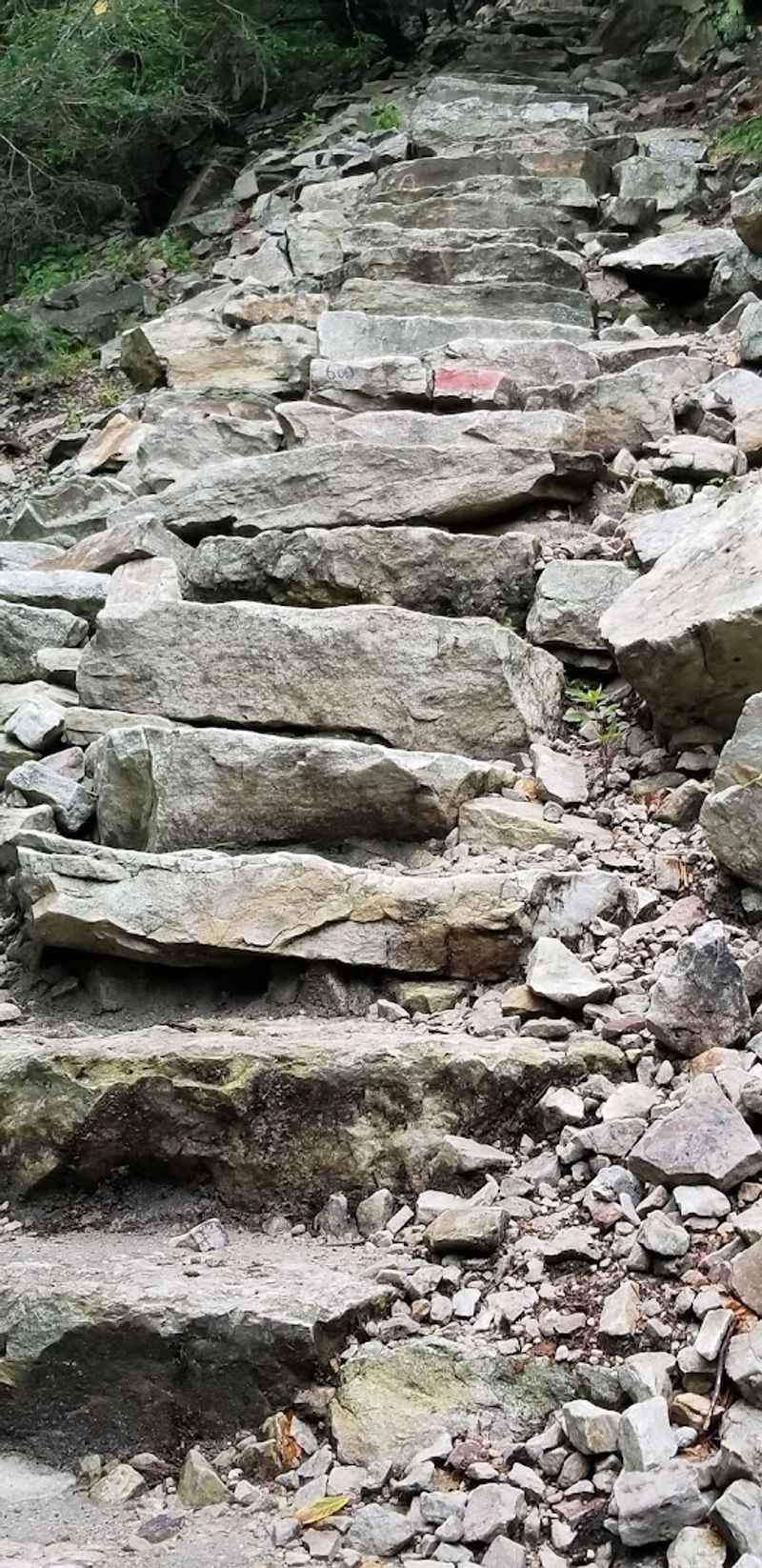
Reviews repeatedly mention that the steps are steep, uneven, and sometimes much bigger than expected, with more than one thousand total by the time you reach the upper section.
I would never call it technical, but it absolutely feels like a mountain version of a Stairmaster with rock edges and very little mercy.
What helps is the way the trail breaks your progress into pieces.
Painted numbers appear every hundred steps or so, giving you small victories when your breathing gets louder and your calves start to complain.
Those markers matter more than you might think, because mentally this hike is as demanding as it is physical.
If you pace yourself, stop when needed, and treat the climb like a series of short efforts, it feels much more manageable.
Slow and steady really works here.
4. Small Natural Details That Make It Special
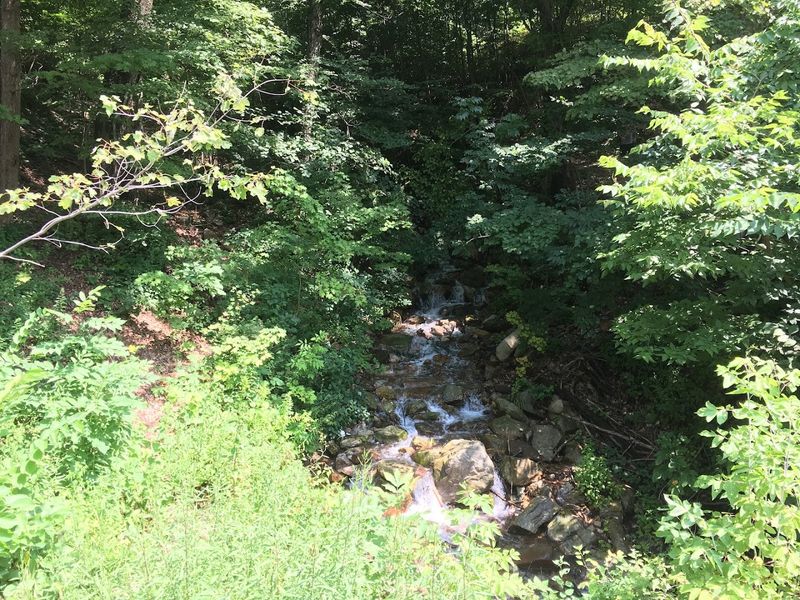
One of my favorite surprises about Thousand Steps is that it is not just stone, sweat, and sky.
Early on, hikers often notice a small waterfall area, and higher up there are mossy rocks, springs, and pockets of green that soften the harshness of the climb.
Those details keep the trail from feeling repetitive, even when your legs are locked into a steady upward rhythm.
The mountain also rewards anyone who pays attention between rests.
Rock formations jut out beside the trail, tree cover shifts with elevation, and occasional breaks in the forest hint at the wider Juniata Valley beyond.
You do not need wildflowers or sweeping meadows for this route to feel beautiful, because its appeal comes from texture and contrast.
That balance is part of why the hike sticks with you.
It can feel rugged and historical one minute, then cool, shaded, and unexpectedly peaceful the next.
5. The Top, the Dinky Shed, and the First Reward
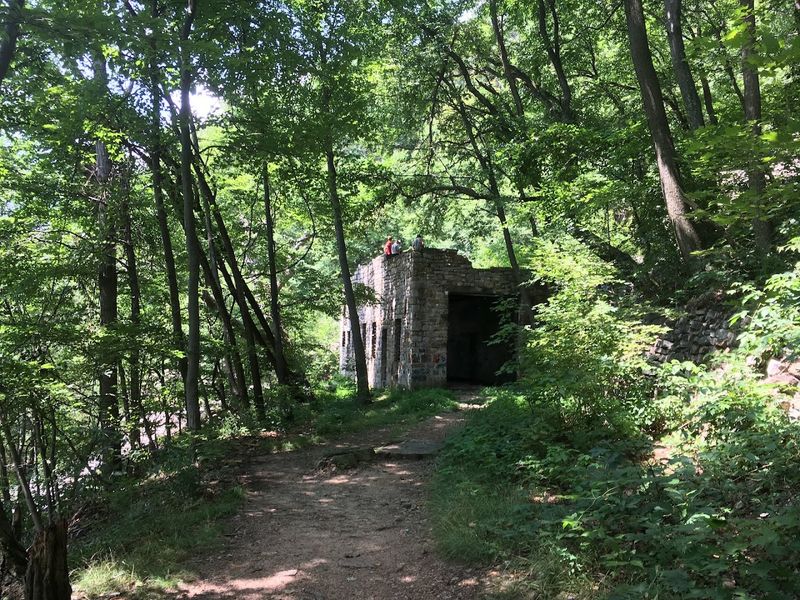
Reaching the top of the main stair climb comes with a real sense of accomplishment, but the reward is not limited to one quick photo stop.
Near the upper area, hikers can explore the old structure often called the Dinky Shed, a remnant that adds more character to an already memorable finish.
Standing there, you get that satisfying mix of relief, curiosity, and the urge to keep wandering instead of turning around immediately.
I love that the summit area feels layered rather than crowded around a single viewpoint.
One direction gives you a smaller scenic payoff, while the other invites you farther along the ridge toward even better views.
After such a hard ascent, that extra bit of exploration feels earned instead of optional.
This is where the trail’s history and scenery come together best.
You can look out across the landscape, catch your breath, and picture the people who once climbed here for work.
6. Why the Extra Walk to the Quarry Overlook Matters
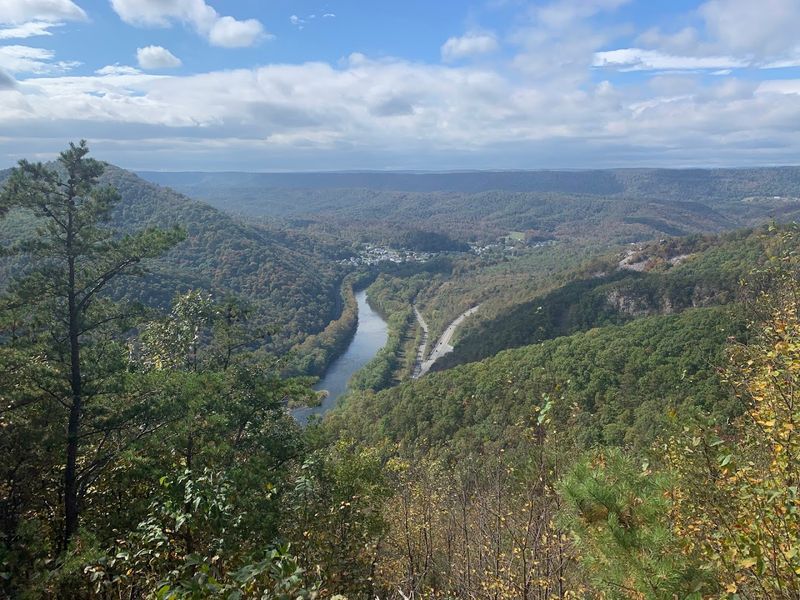
If you stop at the top of the steps, you miss what many hikers describe as the true jaw dropping reward.
Continuing roughly six tenths of a mile along the ridge leads to a quarry overlook that opens into one of the most dramatic views in central Pennsylvania.
After the punishing climb, that flatter stretch feels generous, and it builds suspense before the landscape suddenly falls away.
This is the kind of overlook that makes people quiet for a minute.
The valley spreads wide, the ridges stack into the distance, and the whole setting feels bigger than you expect from a trail that starts beside a highway.
I can understand why so many visitors say the extra walk is absolutely worth it.
If you have enough water and daylight, do not rush back down after reaching the top.
That walk turns a hike into a standout one, and it is the view people remember afterward.
7. The Descent Is Its Own Challenge
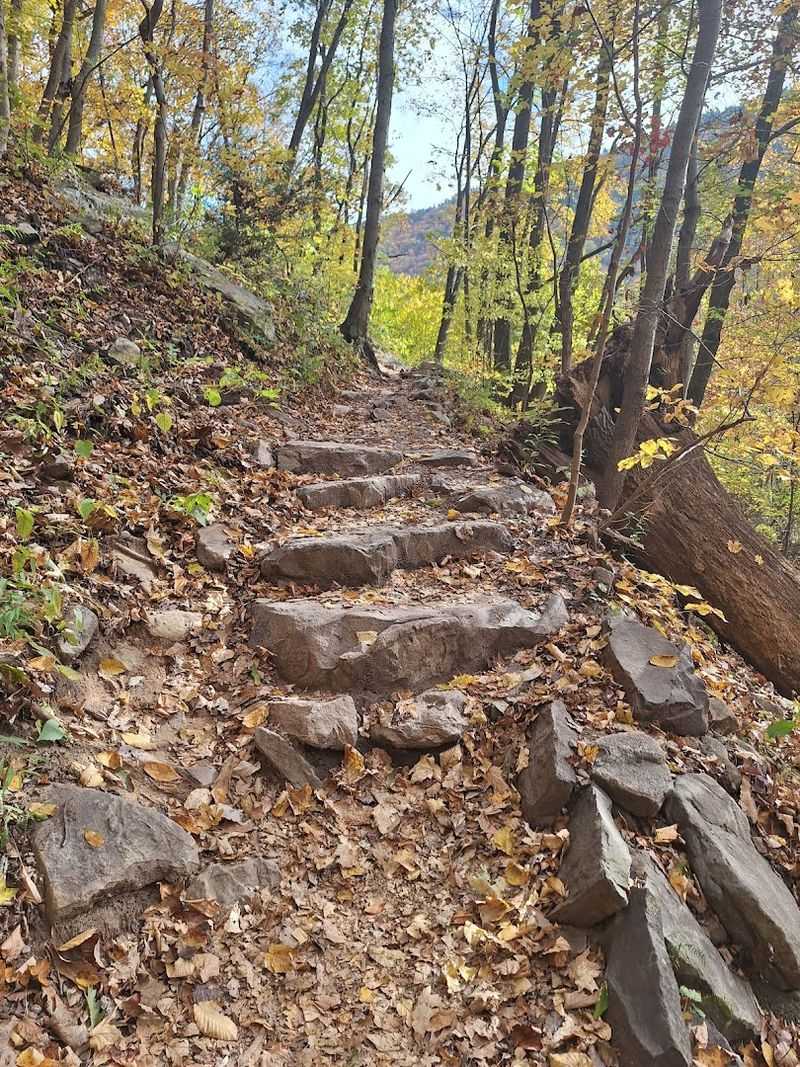
Coming down Thousand Steps deserves just as much respect as going up.
Review after review warns that tired legs, wobbly knees, slick rock, and uneven step heights can make the descent feel surprisingly intimidating, especially if you pushed too hard on the climb.
Hiking poles are a smart idea here, and careful foot placement matters from the first downward turn to the final stretch near the road.
I think this trail is best for hikers with at least some recent trail experience and decent balance.
It is not the place to race, and it is probably not ideal for very small kids or anyone with limited mobility.
Even confident hikers should expect their calves and quads to notice every step on the way down.
The best strategy is simple: slow your pace, keep drinking water, and save a little energy for the return.
Finishing strong here feels every bit as satisfying as reaching the top.
8. Best Time to Go and How to Plan Your Hike
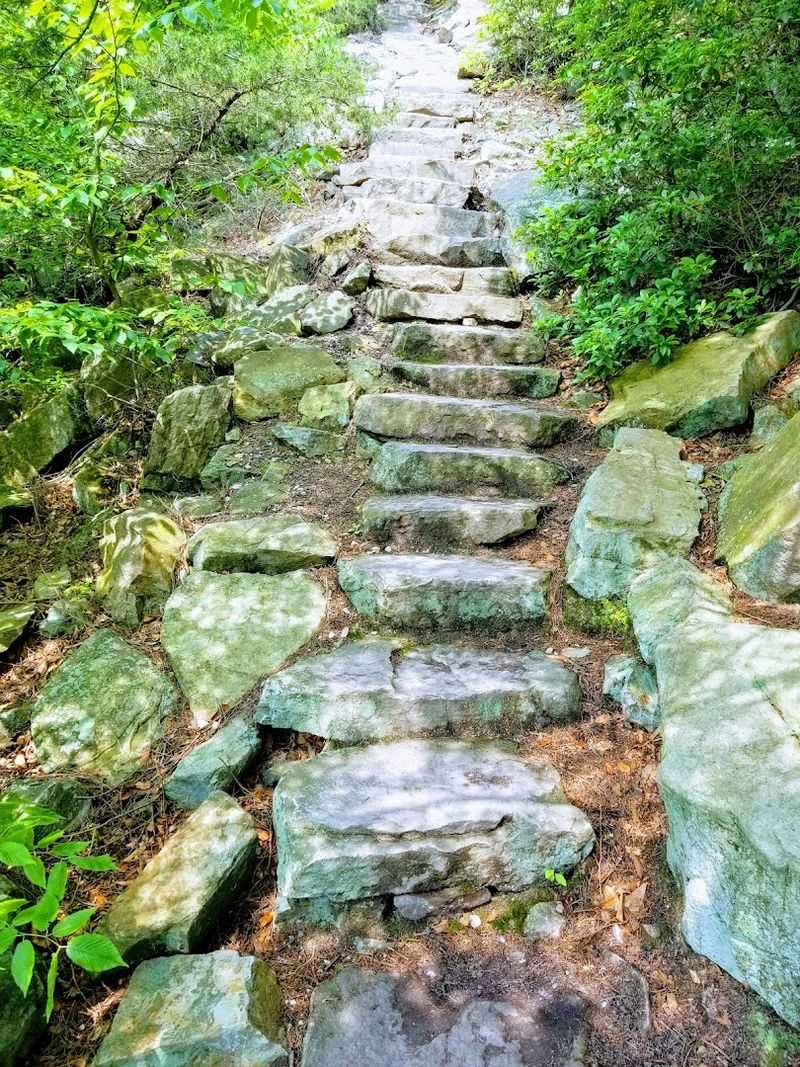
Because Thousand Steps is open twenty-four hours, you have the flexibility that many destination hikes do not offer.
Early morning is especially appealing if you want cooler temperatures, softer light, and a quieter climb, while spring and fall usually deliver the most comfortable conditions for tackling the steep ascent.
Summer can still be rewarding, but the exposed effort and humidity can turn the steps into a serious sweat session.
Most hikers seem to finish the outing in about an hour to an hour and forty-five minutes, depending on pace, breaks, and whether they continue to the farther overlooks.
I would budget extra time, because this is not a place to rush, and the best moments often happen when you stop to read the plaques or stare across the ridge.
The trail is well maintained, but preparation still matters.
Bring water and enough daylight.
This is a place you earn with every steep stone step.
Share this story