The apple cider donuts are made daily, but that does not mean they sit around waiting for you. At Zimmerman’s Country Market in Sewell, warm cinnamon-sugar rings have a habit of vanishing into paper bags alongside Jersey tomatoes, loaf cakes, garden plants, and whatever else shoppers suddenly decide they need.
That is the danger of stopping at a farm market that has had more than a century to learn the local appetite.
The Zimmerman family’s connection to this Gloucester County land reaches back to 1911, and the business now combines a produce market, scratch bakery, garden center, and seasonal family attraction at one Salina Road address.
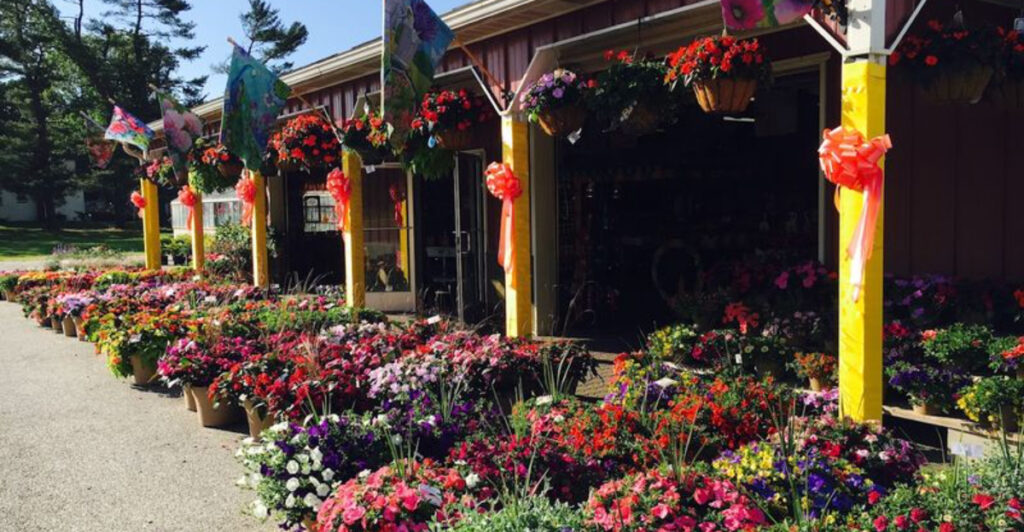
Spring fills the greenhouse with flowers. Summer brings corn and peaches.
Autumn belongs to pumpkins and hayrides, while fresh-cut firs take over as Christmas approaches. It is part grocery run, part bakery raid, and part family tradition—the kind of South Jersey place where buying tomatoes can easily become an afternoon.
The Sewell Farm Market That Has Stayed in the Zimmerman Family Since 1911
More than 115 years separate Zimmerman’s earliest roots on the property from the market families visit today.
The Zimmerman family says its members have grown up on this land since 1911, carrying the property through multiple generations while expanding it into a farmers market, bake shop, garden center, and destination for outdoor activities.
That history matters because Zimmerman’s does not feel like a business assembled around a carefully manufactured “country” theme. Farming, growing, baking, and celebrating the seasons all belong to the same family story.
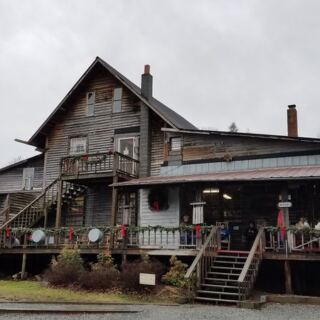
The market sits at 425 Salina Road in Sewell, a few miles from the busy commercial stretches of Washington Township but far enough removed to retain a distinctly agricultural rhythm.
Customers arrive for ordinary things—corn for dinner, a pie for Sunday, flowers for the porch—and end up participating in routines that South Jersey families have repeated for decades.
One generation remembers bringing children for a hayride; the next returns with grandchildren. Zimmerman’s has also adapted without sanding away its personality.
It accepts the realities of modern family schedules, offering online reservations for seasonal events and posting regular operating hours, yet the heart of the place remains refreshingly direct. Produce is displayed for eating, cakes are baked for taking home, and pumpkins are piled where children can inspect every lopsided candidate.
The current posted market hours are 8 a.m. to 6 p.m. Monday through Saturday and 8 a.m. to 5 p.m. Sunday, although holiday schedules can change. That makes Zimmerman’s easy to treat as a quick errand, but its longevity comes from being more than a convenient stop.
It is one of those increasingly uncommon family businesses where the date in the name is not decoration. The “1911” connects today’s doughnuts, tomatoes, flowers, and hayrides to a piece of working South Jersey history that never had to be recreated because it never disappeared.
Fresh Produce Brings the Best of South Jersey’s Growing Seasons Indoors
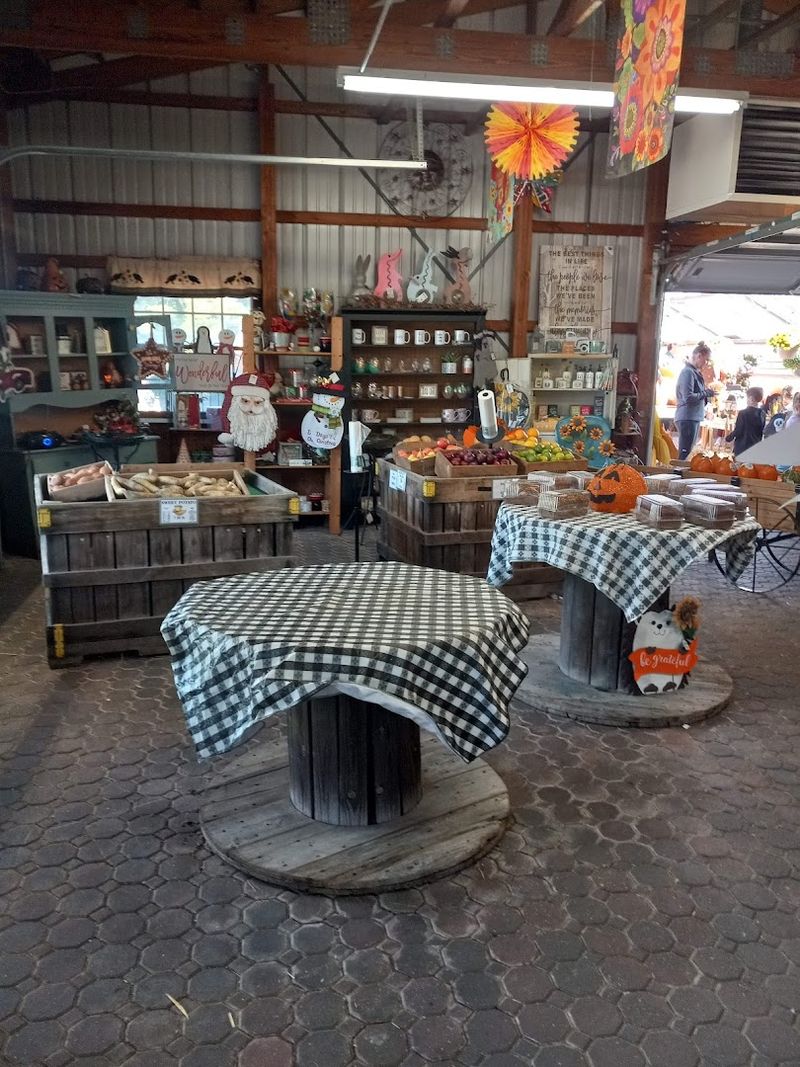
By midsummer, the shopping list practically writes itself: white corn, ripe Jersey tomatoes, and peaches soft enough to perfume the car on the way home.
Zimmerman’s has long highlighted the crops that define warm-weather eating in this part of the state, including corn and tomatoes grown on the farm and fruit sourced according to the local season.
One glimpse behind the scenes has even shown corn being picked during a summer morning by Eddie, who had reportedly spent 35 years harvesting it on the property. That is a little more personal than watching an employee open a waxed shipping box beneath supermarket lights.
The selection changes because the growing calendar changes. Corn and tomatoes claim the spotlight during the hottest weeks, when dinner can be handled with a few ears, sliced tomatoes, and almost no actual cooking.
Peaches add the sort of juice-down-your-wrist sweetness that makes napkins useless. As the weather shifts, the displays lean toward apples, squash, gourds, pumpkins, and the sturdy vegetables that belong beside roasts and soups.
Zimmerman’s is not trying to pretend every crop is naturally available every month of the year. The point is to catch ingredients when South Jersey does them best.
That seasonal approach makes even a familiar vegetable more interesting. Fresh corn bought close to harvest still has its snap.
A properly ripe tomato needs little beyond salt. A basket of peaches can become cobbler, jam, or breakfast, assuming everyone in the house does not eat them first.
The market format also invites browsing in a way a tightly planned grocery trip rarely does. Shoppers may arrive for tomatoes and leave with fruit, cider, baked goods, and a plant balanced awkwardly in the passenger seat.
That is not poor planning. It is simply what happens when the produce section follows the farm instead of a corporate stocking chart.
Apple Cider, Donuts, and Scratch-Made Treats Make the Bakery Impossible to Pass
The bakery announces itself before anyone has time to make responsible decisions. Zimmerman’s makes its apple cider donuts daily, turning out the cinnamon-dusted farm-market classic that has become one of the most talked-about reasons to visit.
They are small enough to suggest moderation and good enough to expose that suggestion as nonsense. A half-dozen feels practical right up until the bag begins noticeably lightening on the drive home.
The donuts may be the headliners, but the bakery does not rely on one famous item. Zimmerman’s describes its baked goods as made from scratch and sold only at the market, with pies, cookies, loaf cakes, and upside-down cakes filling out the case.
The loaf-cake lineup alone includes apple, peach, blueberry, cherry, pumpkin, peanut butter, and traditional pound cake. Peach and blueberry also appear as upside-down cakes, where fruit and syrupy topping settle into the kind of sticky, tender layer that makes neat slices unlikely.
The variety gives the bakery different personalities throughout the year. Fruit cakes and pies fit naturally beside summer produce, pumpkin takes over when the greenhouse fills with mums, and decorated cookies arrive for major holidays.
During the Christmas season, the market has offered 18 varieties of homemade cookies, a number large enough to turn “I’ll take a few” into a serious box. What keeps the bakery from feeling like a separate concession is how closely it follows the rest of the property.
The flavors make sense beside the crops and seasons outside. Apple cider donuts taste particularly right on a cool fall morning, while peach cake belongs on a July table with iced tea.
Nothing needs an elaborate explanation or trendy garnish. These are familiar desserts made with enough care to remind you why they became familiar in the first place.
The hardest part is not choosing what looks best. It is carrying the box past the car without opening it.
Pumpkins, Hayrides, and Fall Fun Turn Shopping Into a Family Tradition
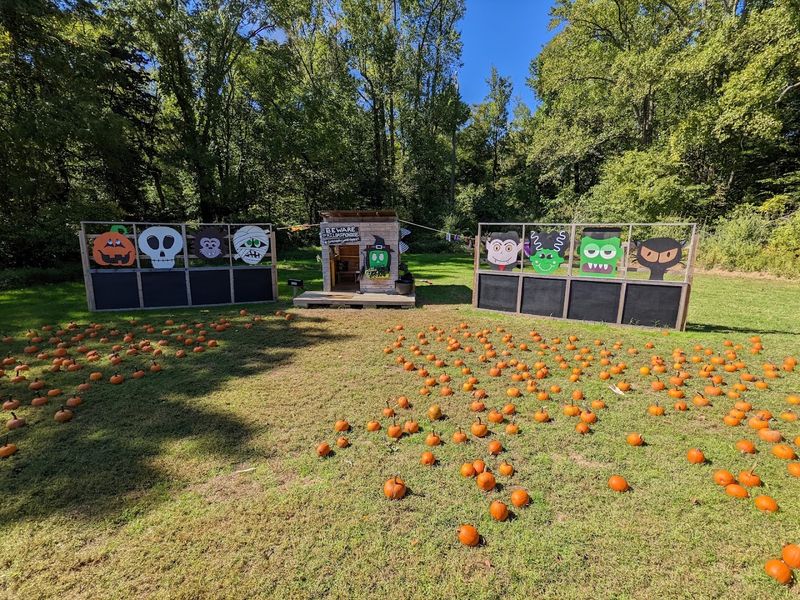
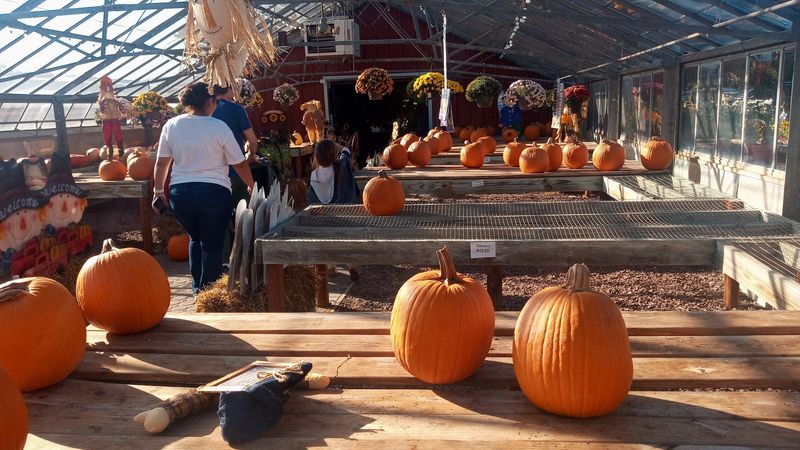
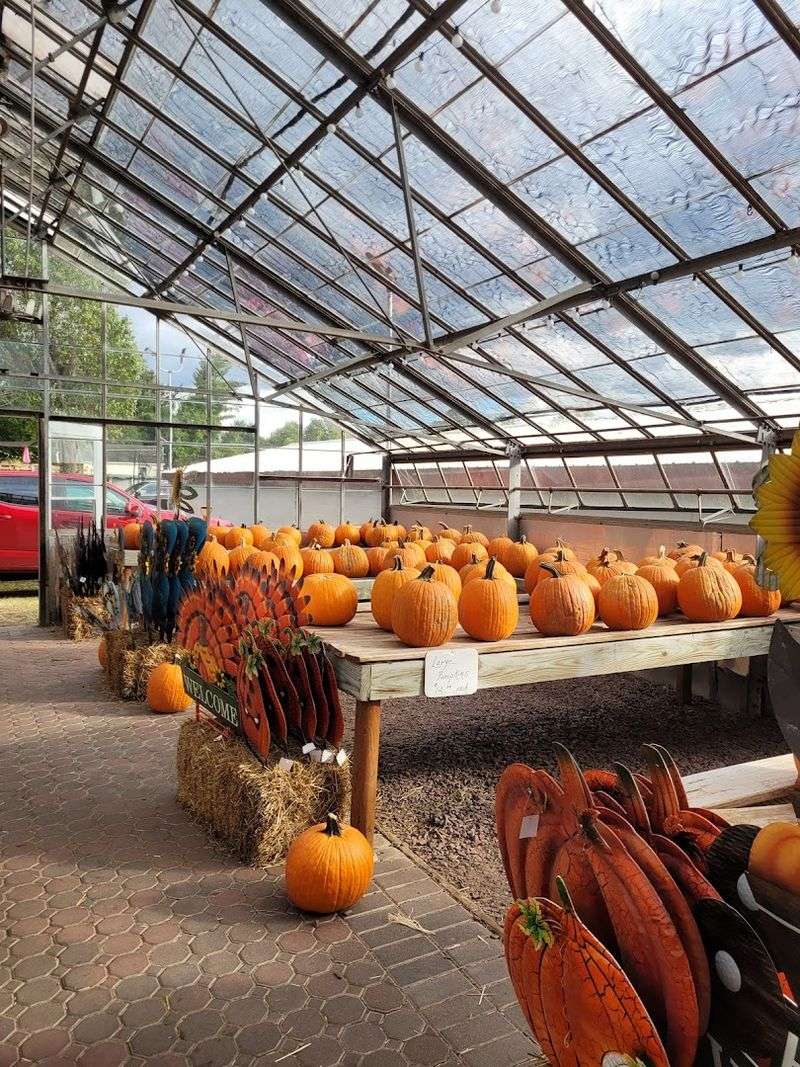
On an October weekend, Zimmerman’s stops behaving like a simple market and starts operating like a small seasonal universe. Pumpkins fill the property in sizes ranging from child-manageable to porch-dominating, while mums, corn stalks, hay bales, baked goods, and farm activities compete for everyone’s attention.
The centerpiece is the hayride to Hilda’s House, a playful autumn tradition built squarely for younger visitors. Children ride out across the farm, receive a surprise from Hilda’s cauldron, and choose a small pumpkin before returning to the activity area.
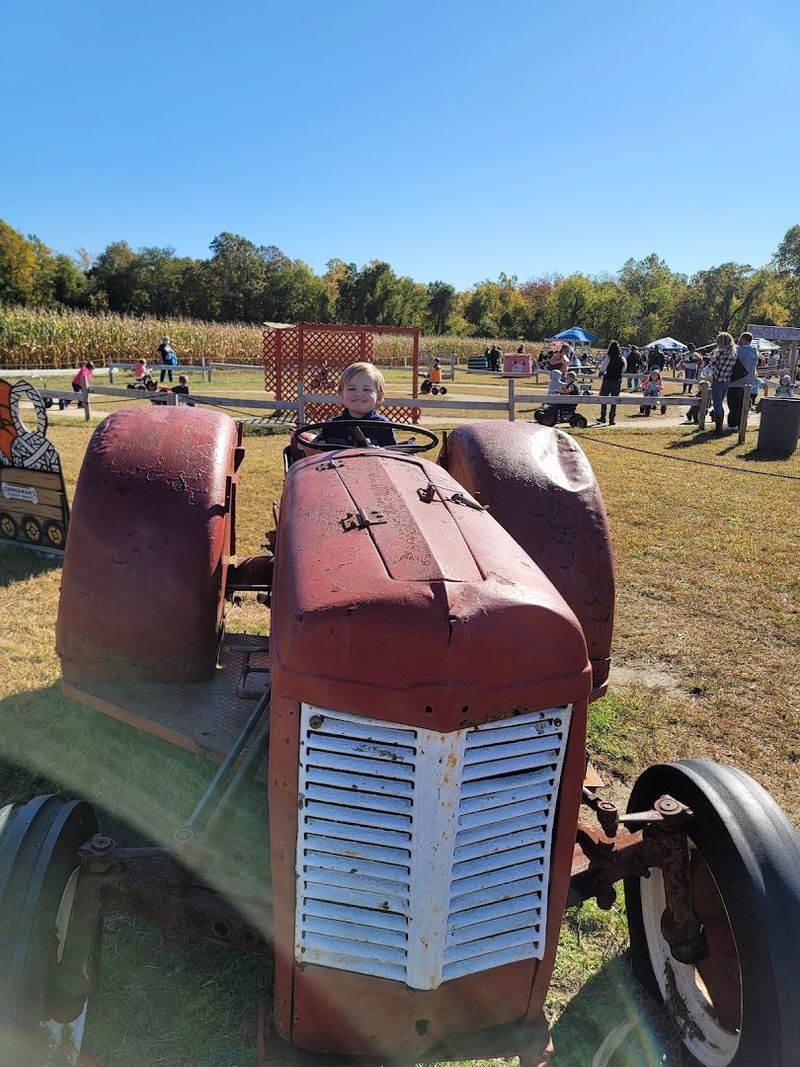
It is just spooky enough to feel exciting without turning a preschool outing into a week of sleeping with the lights on. Before or after the ride, kids can spend time in the Fall Fun Field and hop aboard the cow train, giving parents a chance to settle in rather than hustling from one five-minute activity to another.
Zimmerman’s has also used the field for birthday parties, providing families with a 20-by-30-foot tent area, a two-hour celebration, hayride access, small pumpkins, prizes, goodie bags, and continued play in the field.
Groups looking for a later and slightly more grown-up version of farm season can reserve private bonfire hayrides, bringing their own food, drinks, and s’mores supplies while Zimmerman’s handles the ride and campfire setup.
Flashlights, glow sticks, and music are encouraged, which gives the evening the easygoing feel of a backyard gathering with a tractor attached. Naturally, the market remains part of the experience.
Families can finish by choosing a carving pumpkin and collecting donuts, loaf cakes, or pies for the weekend. That combination is what turns the visit into a recurring tradition rather than a one-time attraction.
The children remember Hilda, the cow train, and the pumpkin they insisted on carrying themselves. Adults remember the cider donuts and the unusually quiet ride home after all that running around.
Flowers, Garden Plants, and Christmas Trees Keep the Market Busy Year-Round
Spring arrives at Zimmerman’s in greenhouse form. By May, the space fills with annuals, perennials, hanging baskets, and enough blooming color to make an undecorated porch feel like a personal failure.
The market’s 2026 spring displays included plants for garden beds and Mother’s Day shopping, giving customers the option of picking out something living instead of another gift that will eventually occupy a drawer.
Because the garden center is attached to an actual farm market, buying plants feels like a natural extension of the place rather than an unrelated seasonal department.
The greenhouse changes character as the year moves on. Bright spring flowers eventually give way to chrysanthemums, pumpkins, corn stalks, and straw bales for fall decorating.
A shopper can arrive planning to buy one mum and discover that the front steps apparently require an entire agricultural installation. Winter brings another transformation.
Zimmerman’s sells fresh-cut Pennsylvania Douglas fir and Fraser fir Christmas trees, along with fresh roping, wreaths, and decorated grave blankets.
The tree selection turns an annual household chore into a familiar family ritual: walk the rows, debate height and fullness, choose the one everyone can agree on, then stop at the bakery because selecting a fir is hungry work.
Holiday events add still more reasons to visit, including hayrides, campfires, cow train rides, children’s play areas, and scheduled Santa visits. Yet the plants and greenery remain more than background decorations for the activities.
They are part of the market’s basic cycle. Flowers signal spring, mums and pumpkins announce fall, and rows of evergreens mark the final stretch of the year.
Even shoppers who rarely attend a ticketed event can measure the seasons by what has appeared outside the market. That rhythm keeps Zimmerman’s from being defined solely as a fall destination.
There is almost always something growing, blooming, ripening, baking, or waiting to be tied to the roof of a car.
Why Zimmerman’s Country Market Still Feels Like a Step Back in Time

Plenty of businesses use words like “old-fashioned,” but Zimmerman’s has the receipts—more than a century of family history, daily scratch baking, farm-grown produce, hayrides, greenhouses, and Christmas trees sold from the same Sewell property. What feels nostalgic is not that the market has refused to change.
Online booking, card payments, organized events, and a busy seasonal calendar make it a modern operation. The difference is that convenience has not replaced personality.
A trip still revolves around tangible things tied to the land and the calendar: corn picked in summer, pumpkins stacked in October, cakes made in the bakery, and fir trees brought in for Christmas.
Children encounter the farm through cow train rides, egg hunts, hayrides, campfires, and Hilda’s cauldron rather than through an exhibit explaining what farms used to be.
Adults get the less flashy pleasure of buying food from a business whose family roots in the property reach back to 1911. The market’s scale helps, too.
At 425 Salina Road, the farmers market, bakery, garden center, greenhouse, and activity fields sit close enough together that a visit unfolds naturally. There is no need to manufacture an itinerary.
You browse the produce, smell the donuts, notice the flowers, and somehow end up watching a child carry a pumpkin half their size. The place can be a ten-minute stop for tomatoes or a full seasonal outing, and neither version feels like the wrong way to experience it.
That flexibility may explain why Zimmerman’s has remained part of local family routines for so long. Traditions survive when they are enjoyable enough to repeat and simple enough to fit into real life.
Generations of South Jersey customers have changed, the surrounding area has grown busier, and grocery shopping has become faster, but the Zimmerman family is still on Salina Road, marking each season much the way it always has—with something fresh to eat and a reason to stay awhile.
Share this story