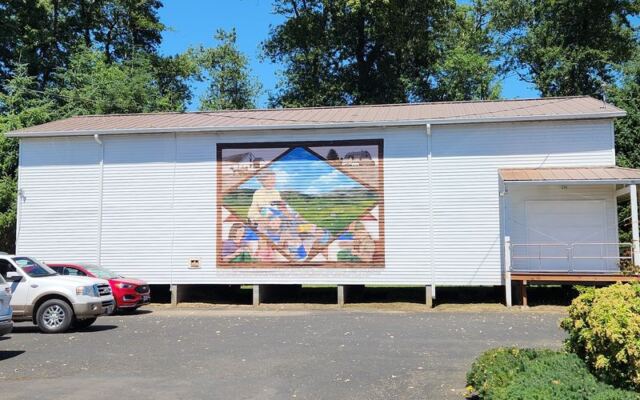
Most people drive to Tillamook for cheese and ice cream, and plenty of them never notice the small sign along the road. That sign points to a place where quilts hang like paintings, looms sit ready for anyone brave enough to try one, and a basket of antique buttons once sold a whole bag for seventy-five cents. It is a small nonprofit run mostly by volunteers, and it has quietly kept fiber art alive on the Oregon Coast for years.
Places like this one are the kind Oregonians hope will always be here. The doors open five days a week, admission has been famously low, and the people inside love to talk about thread. Keep reading to learn what makes it special, what to see, and how to plan a stop that fits neatly into a coast trip.
A Quilt Haven on the Wilson River Loop
Just off the main route through Tillamook County sits a building that many travelers zip right past. That would be a mistake for anyone who owns a sewing machine.
The Latimer Quilt & Textile Center is at 2105 Wilson River Loop, Tillamook, OR 97141, on the north Oregon Coast. It is a museum devoted to quilts, weaving, and the wider world of fiber arts.
The setting is a quieter corner of town, away from the busy highway crowds. Many people learn about it the same way, by spotting a roadside sign while heading somewhere else in Tillamook.
Once inside, the scale becomes clear. The center is small, yet it packs in gallery exhibits, working looms, a gift shop, classrooms, and a quilt archive.
It works as a museum, a community hub, and a shop all at once. That mix is a big part of why fiber fans keep coming back year after year.
A stop here takes far less time than a full day, so it slips easily into a Tillamook road trip. Just be warned that quilters tend to stay longer than they planned.
Lessons From an Old Schoolhouse
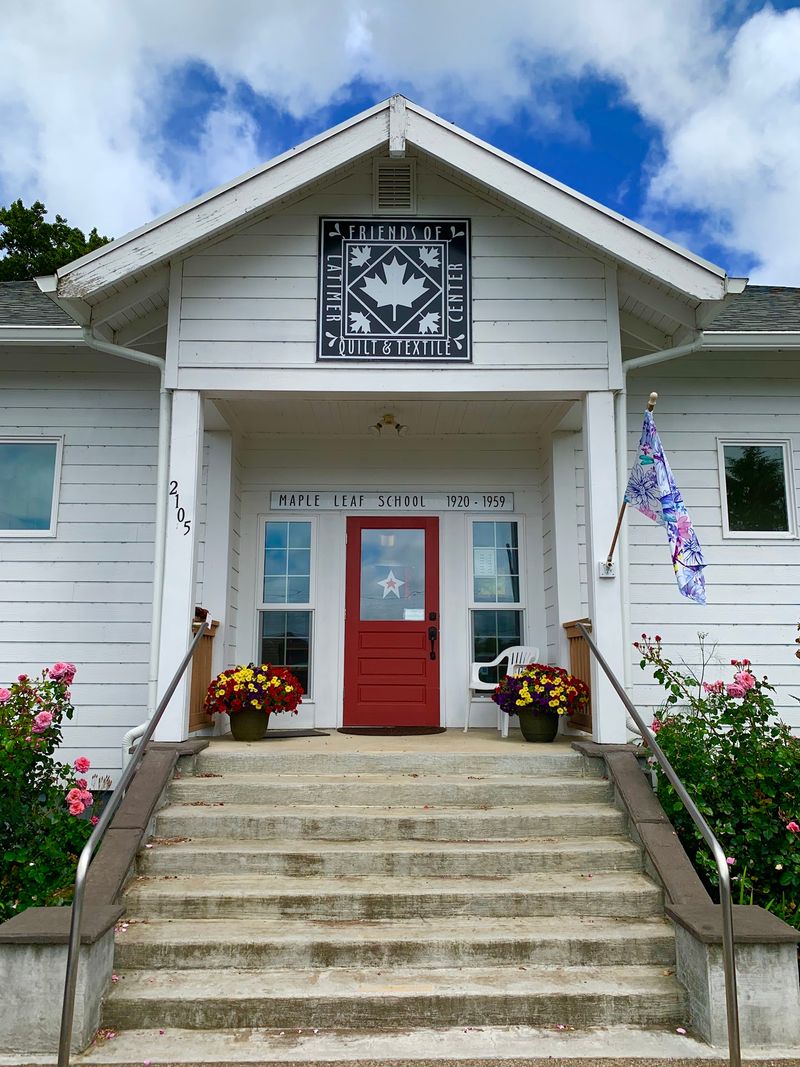
Some museums live in shiny new buildings. This one has a more homespun story, and the building itself is part of the charm.
The center is often described as an old schoolhouse, and it carries that friendly, small-town feel. It reads more like a community history space than a grand gallery.
That character fits the mission well. Quilting and weaving have long been crafts passed between neighbors, friends, and family members, so a former place of learning feels like a natural home.
The center still teaches, too. Classes and workshops run here, and one of the rooms works as a classroom where members gather to sew and chat.
Longtime members describe coming here for decades. Some quilt groups have even planned coast sewing retreats that included a full day at the center, either working on projects or helping sort donations.
That kind of loyalty does not happen by accident. It grows when a place keeps its doors open and its tables ready for the next project, one stitch at a time.
The Gallery That Never Sits Still
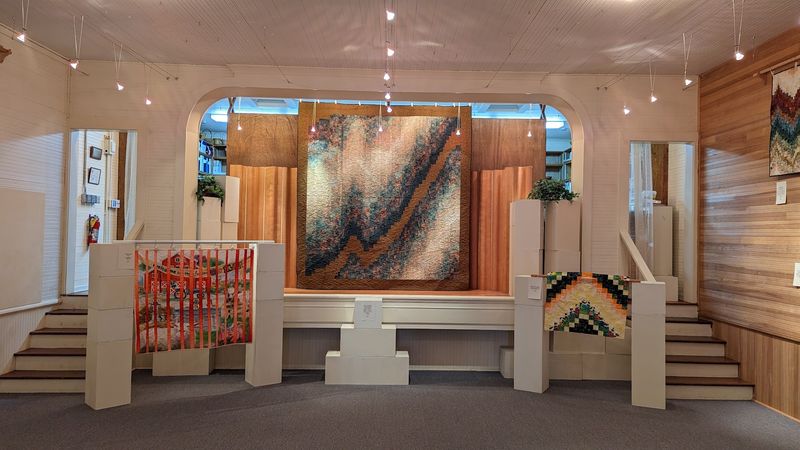
Here is a fun fact for repeat travelers. The main gallery changes regularly, so the room seen last summer may look completely different today.
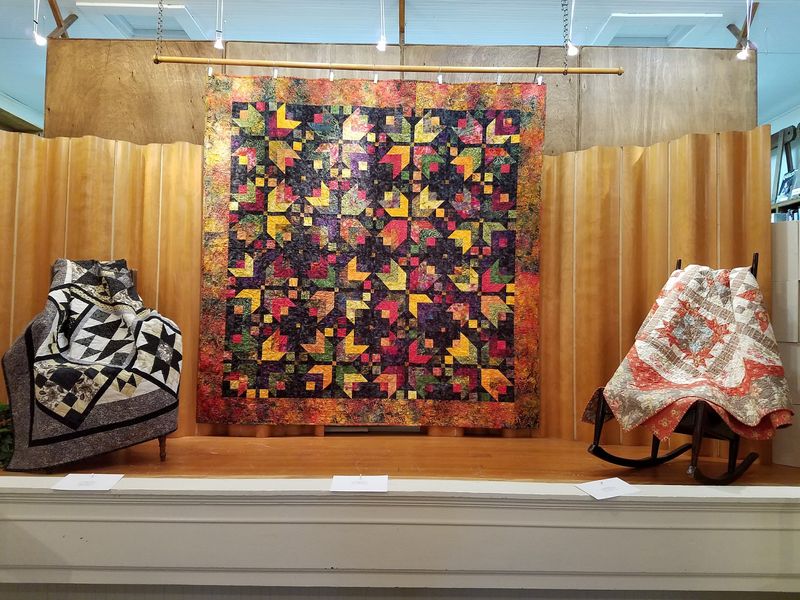
The gallery room always hosts some kind of fiber or textile exhibit. It might feature quilts one season and woven tapestries, embroidery, or antique sewing tools the next.
Past shows have covered a wide range of ideas. One exhibit focused entirely on unique items made and decorated with vintage buttons.
Another summer show centered on the color indigo. Basketry and artistic bags have also had their turn in the spotlight.
The installations are thoughtful and museum quality, which surprises people who expect a casual craft display. Some feature exceptional pieces that leave a lasting impression.
Members also get a chance to shine. A themed member exhibit based on fairy and folk tales has been planned for spring, giving local artists a stage for their own fiber work.
Because exhibits rotate, checking the website before a visit is smart. The next show might be the reason to plan a second trip.
Art Quilts With a Message
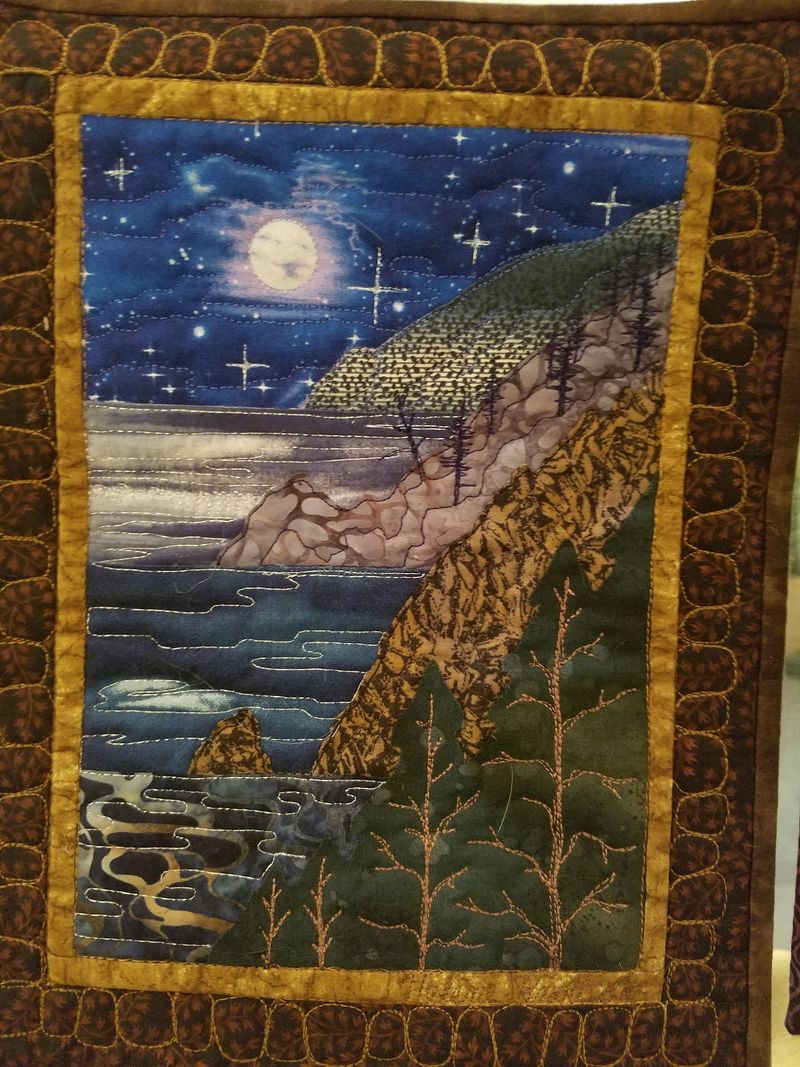
Quilts are not just bed covers here. Some of them tell stories that stay with people long after the drive home.
The center has hosted work from SAQA, the Studio Art Quilt Associates. These art quilts are created by skilled fiber artists who spend many hours exploring a single topic through fabric.
The result can be deeply moving. Pieces in this kind of show are often described as both beautiful and emotional, with real weight behind the stitching.
Photography has not been allowed during some exhibits. That rule keeps the focus on seeing the work in person, which is part of the point.
For quilters who mostly know traditional patterns, these shows can open new doors. They show how fabric can carry ideas, memories, and big feelings.
Shows like these change over time, so the exact work on display depends on when the trip happens. The art quilt corner of the craft world is well worth a closer look, and this little museum makes room for it.
Old Quilts, Long Memories
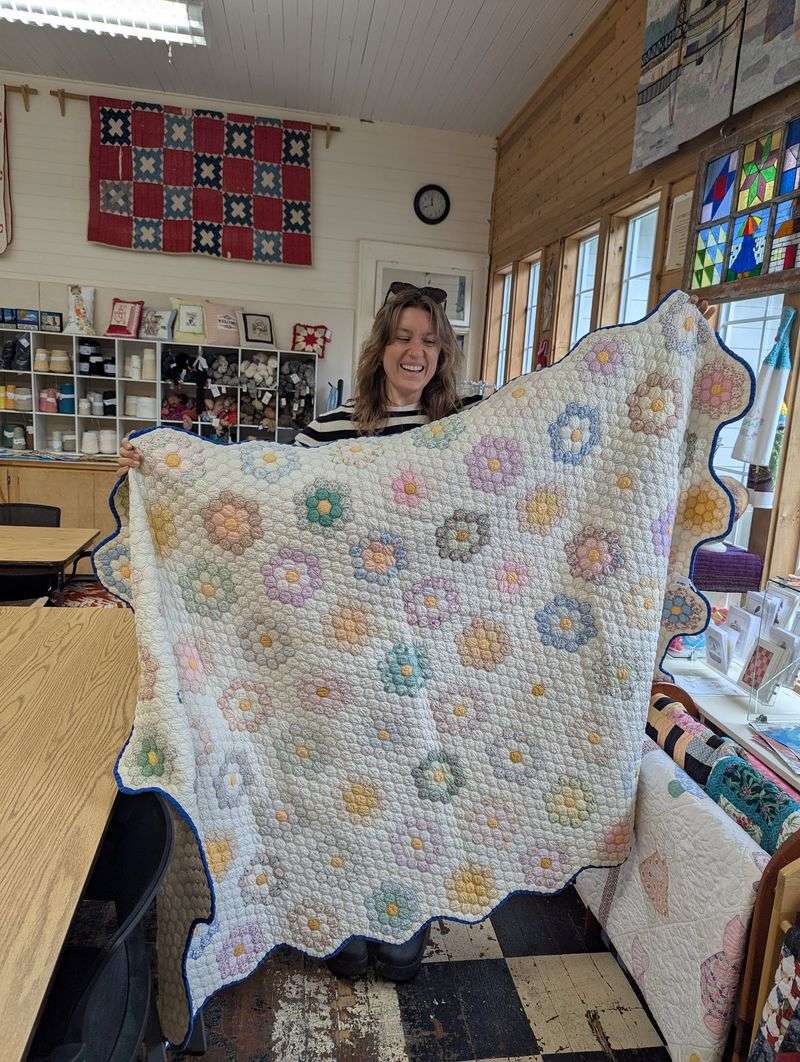
One quilt on display was pieced together from the maker’s mother’s dresses. That single detail sums up why old quilts matter so much.
The center shows both old and new quilts. The historic pieces carry family stories, frugal habits, and the patient handwork of earlier generations.
Many quilters come here to study the older work closely. Patterns, fabric choices, and stitching styles reveal how the craft has changed and what has stayed the same.
Newer quilts sit alongside them, made by local quilt artists with fresh ideas. Seeing both in one place gives a fuller picture of quilting as a living tradition.
The building also displays older sewing machines. People who return regularly enjoy checking them out and seeing what has been added since their last stop.
Preservation is the quiet heart of the whole operation. Each old quilt saved and shown here is one more piece of history that did not end up forgotten in a closet, and that feels worth protecting.
Secrets of the Bed Turning
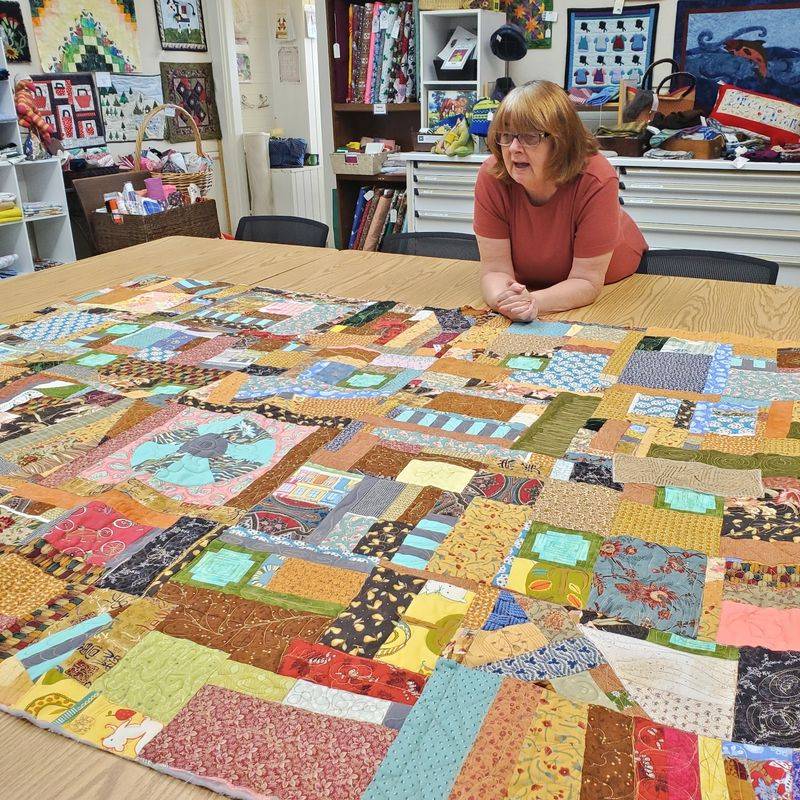
Few museums will pull treasures out of storage on request. This one will, with a little planning.
The center offers a special experience called a bed turning. Call about a week ahead, and staff can take a small group into the quilt archive to show historic quilts.
In a bed turning, quilts are layered and then turned back one by one. Each reveal comes with a chance to see a piece that is not hanging in the public gallery.
It is a rare treat for serious quilt lovers. Historic quilts are fragile, so seeing them up close with a knowledgeable guide feels special.
Planning matters here. Showing up unannounced and asking for an archive tour will likely not work, so a phone call in advance is the key step.
For quilt guilds, family groups, or anyone celebrating a fiber-loving friend, this could be the highlight of a coast trip. Think of it as the museum turning down the covers just for its guests.
Looms You Can Actually Touch
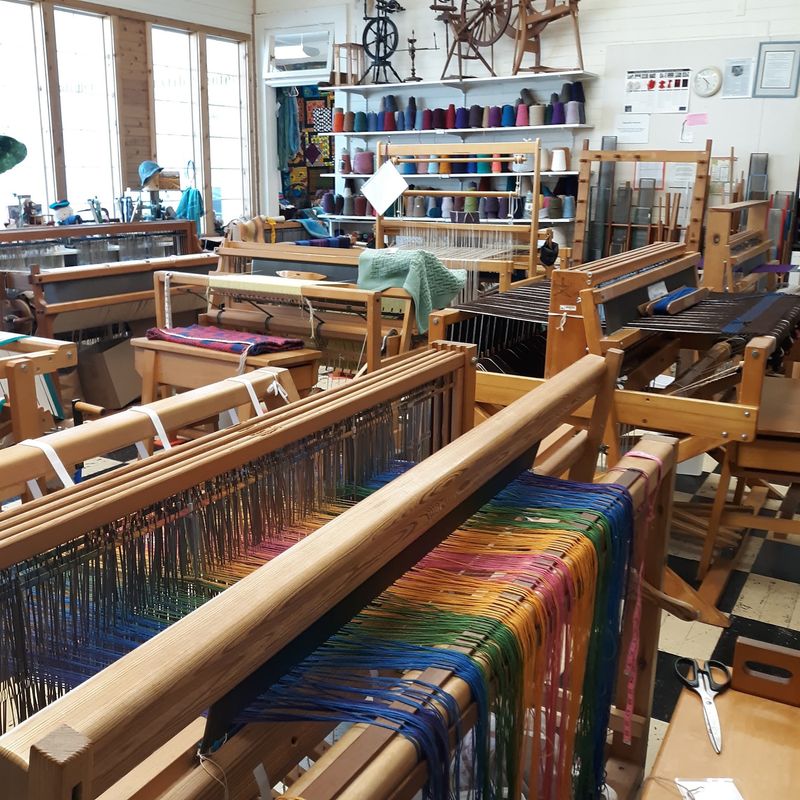
Most museums post signs asking people not to touch. Here, there is a loom that guests can actually try.
Looms come up again and again in conversations about this place. The loom room is one of its most memorable spaces.
On many days, an artist is working at the looms. Watching a weaver build fabric row by row helps explain how textiles are really made.
Staff are happy to describe the process of creating textiles. That makes the visit educational for beginners and interesting for experienced makers too.
Not every day includes live weaving, so it helps to keep expectations flexible. Some visits find the looms busy, while others find them quiet.
Trying the loom is a small moment, yet it sticks. Kids, curious adults, and lifelong sewists all seem to enjoy the chance to throw a shuttle or two. It is a hands-on way to learn that every piece of cloth started as a single thread, and it might just weave a new hobby into someone’s life.
Weekly Circles of Makers
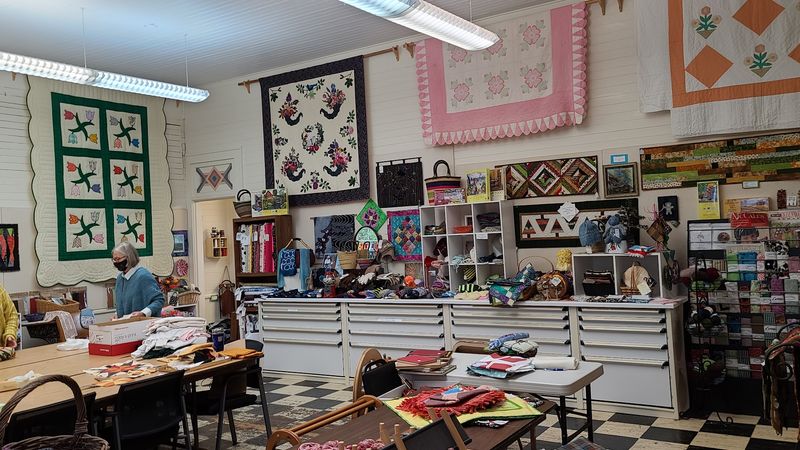
Tuesday, Thursday, and Friday tend to bring a different kind of energy. Those are days when local makers gather to work side by side.
The center has hosted regular groups for fiber artists. These have included a Tuesday fiber arts group, Thursday morning and evening knitting groups, and Friday weavers and rug hookers.
Weavers meet every week, and other fiber groups fill in around them. The schedule may shift over time, so checking ahead is wise.
These gatherings turn the museum into a living, interactive space. It is not just a place to look at finished work but a place where new work is being made.
Travelers are often welcome to bring their own projects and settle in for a while. More than one person has left wishing they had packed their knitting bag.
That community spirit is what keeps a small museum going. A place stays alive when people keep showing up, needles in hand and stories ready to share.
Classes for Curious Hands
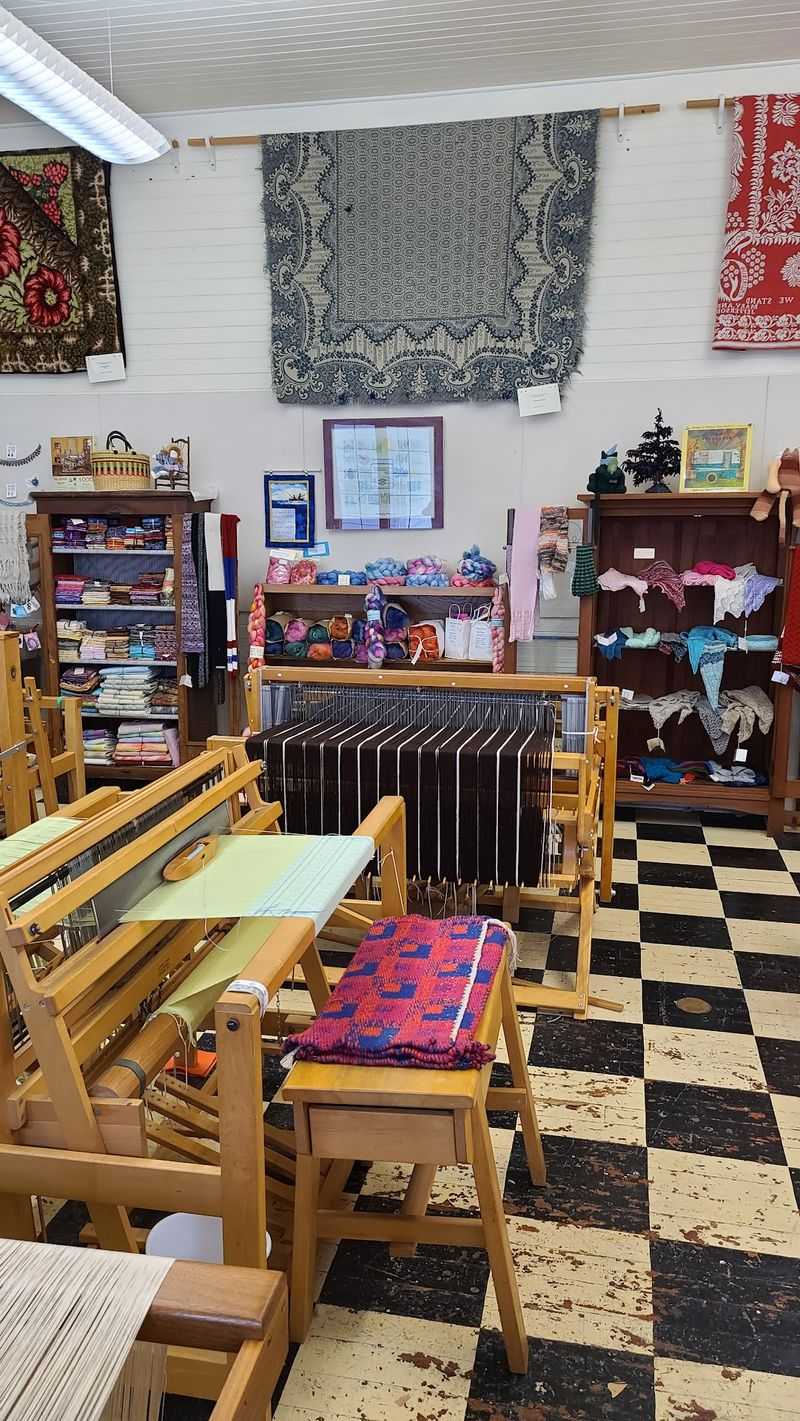
Learning a new craft is easier with a teacher nearby. The center leans into that with classes and workshops for a range of interests.
Felting and needle felting are among the options, with supplies on hand for both. Other fiber skills appear on the class list as well.
The classroom also serves members who want space to work. Quilt groups have used it to spread out projects and chat with people passing through.
Out-of-town guests sometimes leave wishing they lived closer. The classes are a big reason why, since regular sessions are easiest for locals to attend.
For residents of Tillamook County and nearby towns, that makes the center a real community resource. It offers an affordable way to pick up a skill without a long drive to a bigger city.
Class schedules change, so the website is the best place to find current offerings. A single workshop could be the start of a lifelong craft, which is a pretty good return on one afternoon.
A Gift Shop Stitched by Locals
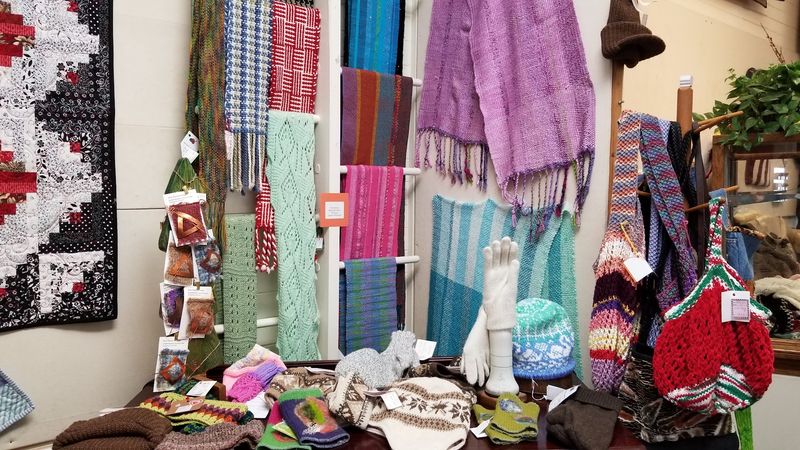
Souvenir shopping gets a lot more personal here. Much of what is for sale was made by local textile artists.
The shop carries handmade quilts, knitted goods, woven items, and other sewn crafts. One hand-knit toque sold for about thirty dollars, which shows how reasonable the prices can be.
Beautiful yarns and fabrics are on hand for makers who want to start something new. Quilting supplies fill shelves too.
Readers have a reason to browse as well. Quilting and knitting themed mystery books by local author Arlene Sachitano are sold here.
Gift hunters do well in this shop. Many people find something special for themselves or for a friend back home, and the items carry a clear local connection.
Every purchase also supports a nonprofit. That makes buying a handmade gift feel like a small vote for keeping this place open, and that is a souvenir with real staying power.
Bargain Books and Button Baskets
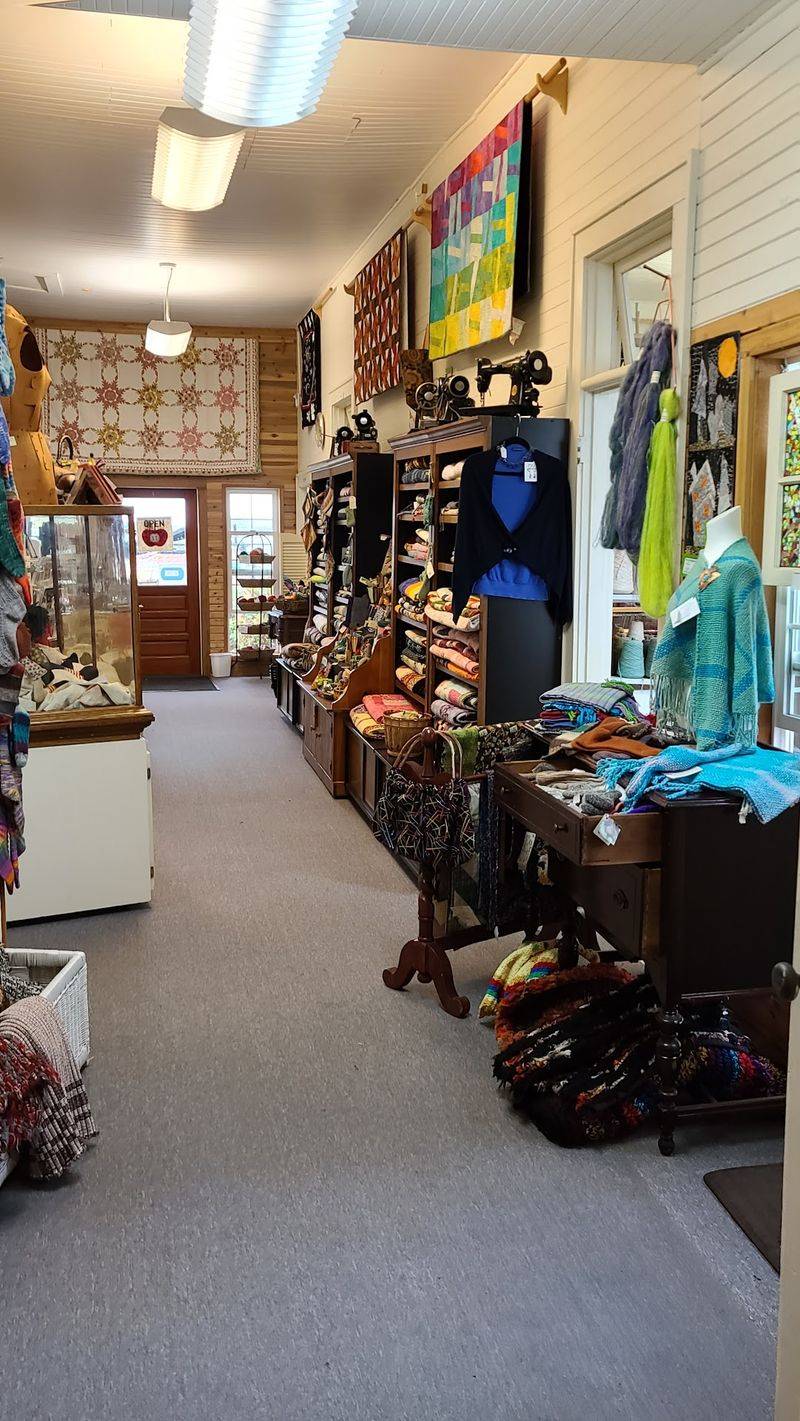
Seventy-five cents once bought a whole small bag of antique buttons here. Deals like that make thrifty crafters very happy.
The button basket is a favorite spot for digging. Antique buttons can finish a project, decorate a quilt, or simply join a growing collection.
Used quilting, sewing, and craft books are another treasure. Their prices are low enough to beat many thrift stores.
Much of this comes from donations. People bring in book collections and supplies, and volunteers sort and organize them for new owners.
That cycle matters. Craft libraries and stash supplies get a second life instead of sitting unused, and new makers can build skills on a small budget.
In a time when everyday costs keep climbing, a place with affordable craft books and supplies is worth knowing about. Bring a little cash, a tote bag, and enough patience to sort through every page and button.
Friendly Faces Behind the Desk
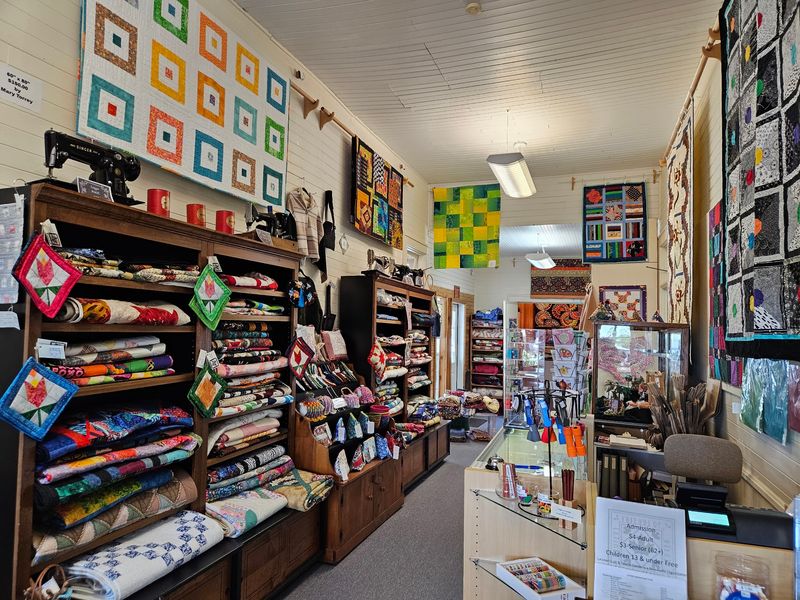
A museum is only as warm as the people inside it. This one earns high marks for welcome.
The front desk staff often share some of the center’s history and explain the current exhibit. That quick introduction helps newcomers know what they are looking at.
Many of the helpers are volunteers, and their enthusiasm shows. The team is often described as friendly, dedicated, and genuinely glad to see guests.
They also bring plenty of personality. Some of the ladies on duty have been called a riot, which suggests a visit can come with a laugh or two.
Staff are happy to walk people through how textiles are made. Questions about patterns, looms, or supplies are clearly welcome.
The center earns a 4.7 star average across more than 170 opinions online, and the people are a big reason why. Small museums depend on volunteers, and these volunteers make the whole place feel like a neighbor’s sewing room.
Who Will Love It Most
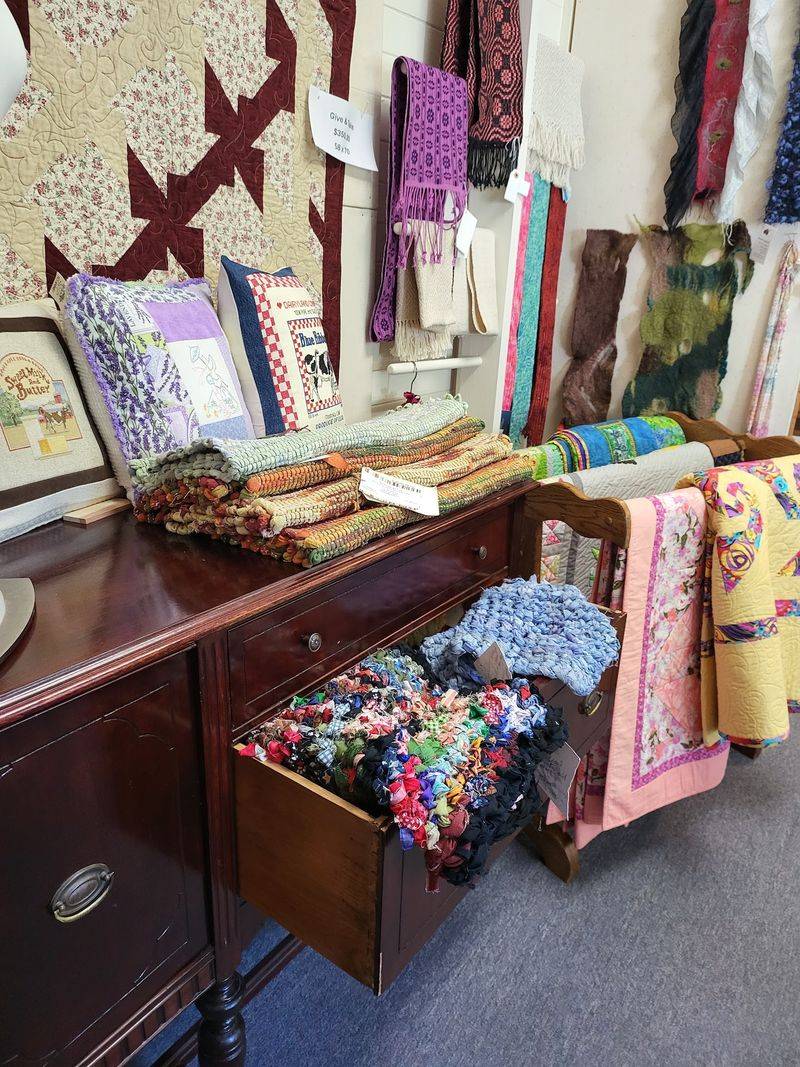
Knitters, quilters, sewists, weavers, and rug hookers all have a reason to stop. This is a museum built for makers.
Crafters with sensory needs have also found it a welcoming place. The calm, small scale can feel more comfortable than a big, busy museum.
Casual travelers enjoy it too. Plenty of people first planned a Tillamook trip around the creamery, then added this stop after seeing the sign.
It is educational without feeling stiff. Families can learn how fabric is made, try the loom, and browse handmade goods.
A small honest note helps set expectations. The space is compact and could use a bit more organizing in spots, so it reads as cozy rather than polished.
Many guests end up telling friends to go. For people who love thread, yarn, or fabric, this is the kind of place that turns a quick look into a long, happy browse.
Hours, Admission and a Gentle Verdict
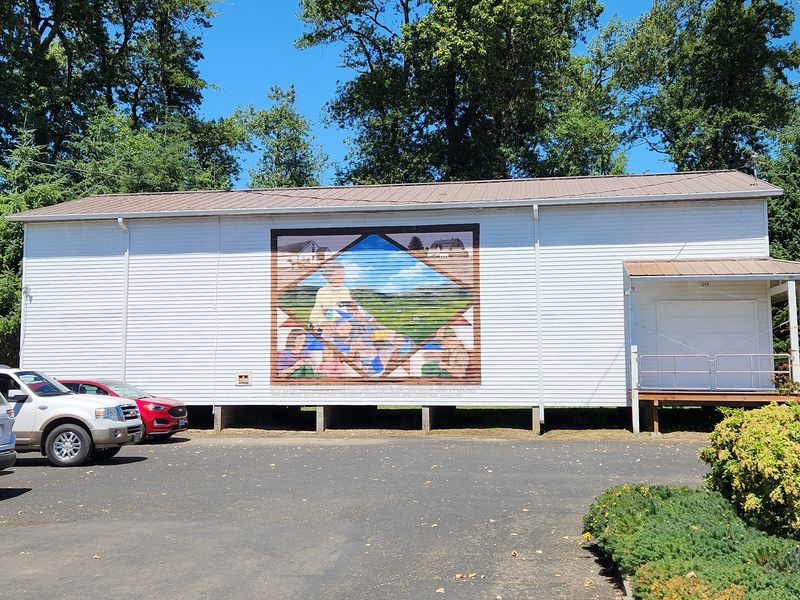
Planning is simple, but the schedule is worth noting. The center is open Tuesday through Saturday from 10 AM to 4 PM.
It is closed on Sunday and Monday. Weekend travelers should aim for a Saturday stop.
Admission has been very modest, with a past entry fee of four dollars. Prices can change, so a quick check of the website at latimerquiltandtextile.com is a good idea before going.
Memberships are available for people who want to support the nonprofit. Members help keep exhibits rotating and the doors open.
For a bed turning in the quilt archive, call about a week ahead. Group gatherings and class times are also best confirmed in advance.
The verdict is easy. This small, volunteer-powered museum preserves a craft, supports local artists, and offers an affordable stop on the Oregon Coast. Places like this need people to walk through the door, so add it to the next Tillamook trip and let the quilts do the rest of the talking.
Share this story