A quieter side of Tennessee’s musical heritage awaits at Fiddlers Grove Historic Village in Lebanon. Set within the Wilson County Fairgrounds, this fascinating collection of historic structures recreates the atmosphere of an earlier Middle Tennessee community, inviting visitors to experience history by walking directly through it. Instead of viewing the past entirely from behind display cases, guests can wander among old homes, shops, community buildings, and other structures that reveal how generations of Tennesseans once lived.
The village’s connection to traditional music adds another dimension to the experience. Fiddling and other forms of folk and country music have long been part of Tennessee community life, passed from one generation to another at gatherings, celebrations, and informal performances. Fiddlers Grove celebrates that cultural tradition while preserving the surroundings where music once played an important role in bringing neighbors together.
As visitors explore the grounds, they can discover period furnishings, historic artifacts, and details that illustrate everyday life before highways, shopping centers, and modern entertainment transformed the region. Each structure contributes another piece to the story, whether it represents how families lived, where children learned, or how neighbors gathered and conducted business. There’s also an appealing simplicity to the village.
You can take your time walking between buildings, examining small details, and imagining the conversations and melodies that might have filled similar Tennessee communities generations ago. For travelers who associate the state’s music history mainly with Nashville’s famous stages and recording studios, Fiddlers Grove Historic Village offers a different perspective. It’s a reminder that Tennessee’s musical identity also grew from small communities, front porches, local gatherings, and traditions shared between ordinary people—making this Lebanon attraction a meaningful stop for anyone interested in the state’s cultural roots.
A Living Timeline Spread Across 48 Authentic Structures
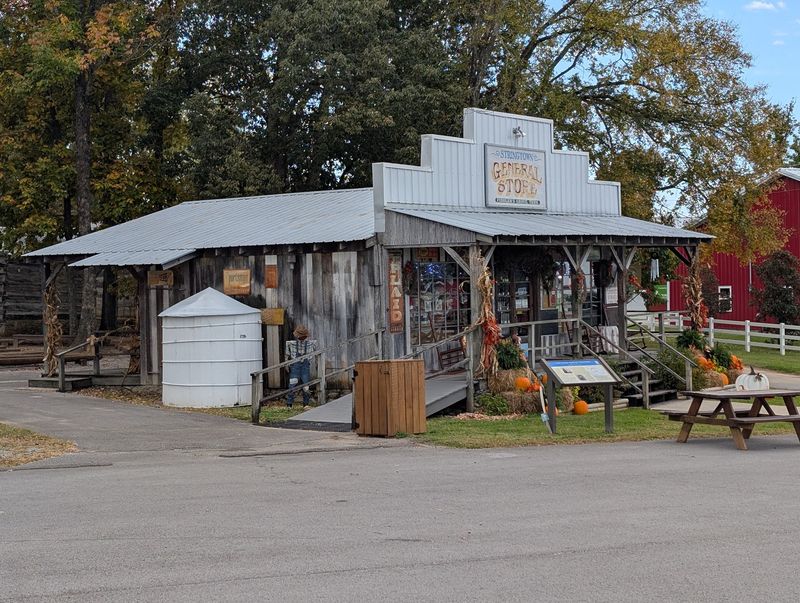
Walking into Fiddlers Grove feels less like visiting a museum and more like stumbling into a time portal where Tennessee’s past comes alive around every corner. The village houses an impressive collection of 48 different historic buildings, each one carefully relocated from its original site across Middle Tennessee to preserve its story. These aren’t replicas or Hollywood set pieces.
They’re genuine structures where real families lived, worked, and built communities long before modern conveniences existed.
Most buildings feature large informational plaques that share their unique histories, giving context to the worn wooden floors and hand-hewn logs. During weekdays, you’ll find the General Store staffed where you pay your modest admission fee, along with the working broom maker demonstrating traditional crafts. The rest of the buildings remain open for self-guided exploration, allowing you to move at your own pace without feeling rushed through the experience.
Log cabins and clapboard structures dominate the landscape, showcasing the architectural styles that defined rural Tennessee life for generations. Each building tells a different chapter of the region’s story, from humble one-room homes to more elaborate community gathering spaces. The layout encourages wandering and discovery rather than following a rigid tour path.
What makes this collection special is how it captures everyday life rather than just highlighting the wealthy or famous. You’ll see where ordinary people cooked their meals, taught their children, and practiced their trades. These spaces feel intimate and real, not staged for tourists.
During the Wilson County Fair and special events, many buildings come alive with costumed interpreters and demonstrations that add another layer of authenticity. Even without the extra programming, the structures themselves speak volumes about Tennessee’s heritage. The village manages to be both educational and deeply atmospheric, creating an environment where history feels touchable rather than distant.
Free parking and plenty of picnic tables make it easy to spend an entire afternoon immersed in this carefully curated glimpse of the past.
The One-Room Schoolhouse That Captures Young Imaginations
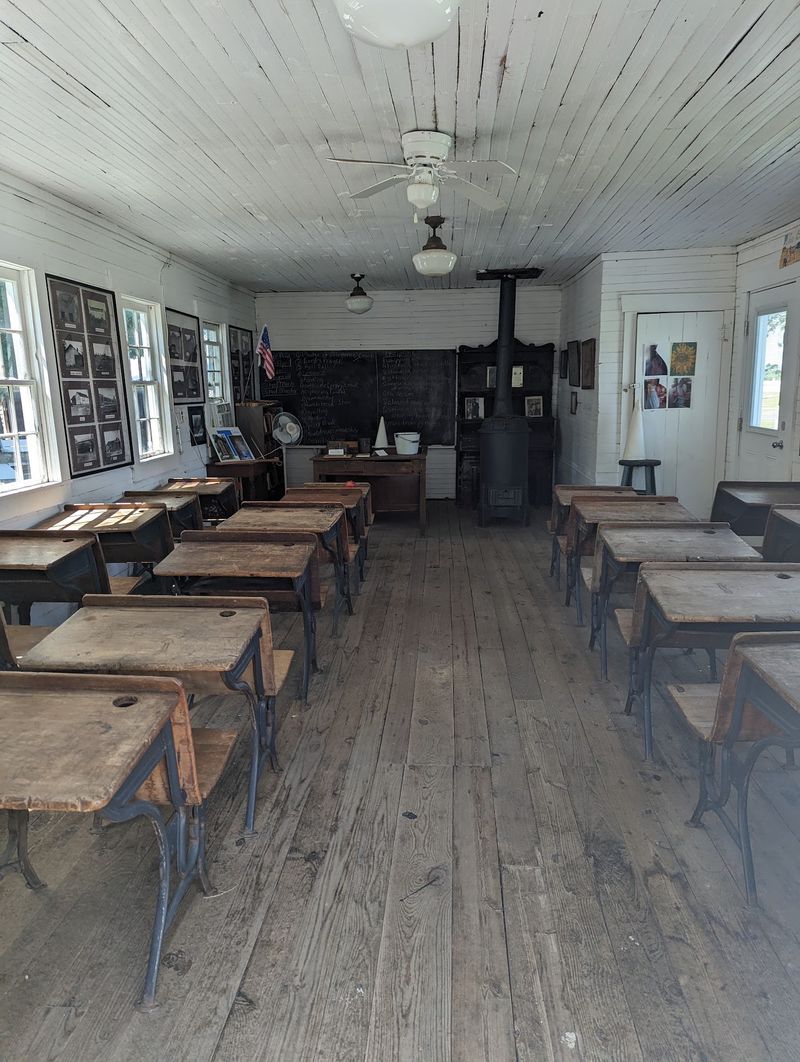
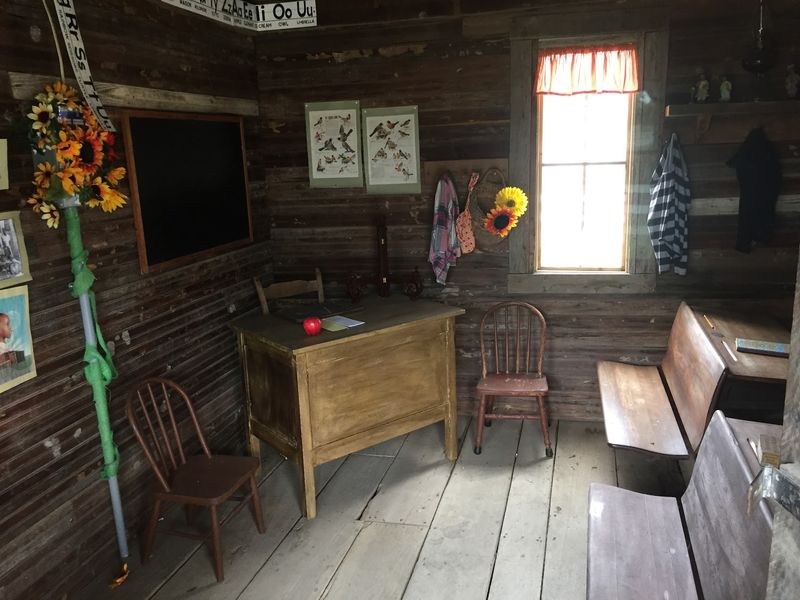
Among all the buildings at Fiddlers Grove, the one-room schoolhouse consistently ranks as the favorite stop for families with children. There’s something magical about seeing where generations of Tennessee students learned their ABCs on slates and recited lessons in unison. Kids today, accustomed to technology-filled classrooms, find the simplicity both fascinating and almost unbelievable.
The schoolhouse preserves the stark reality of rural education before school buses and grade-level separation existed. Students of all ages shared one space, with older children often helping teach younger ones while the teacher managed multiple lessons simultaneously. The wooden desks, worn smooth by countless elbows, still bear the marks of students who sat there decades ago.
Parents and grandparents often find themselves sharing their own school memories while exploring this building, creating unexpected moments of intergenerational connection. The contrast between modern education and this simple room sparks conversations about how much has changed and what might have been lost along the way. It’s hands-on history that resonates differently than reading about it in textbooks.
During special events, the schoolhouse sometimes features period-dressed interpreters who conduct lessons using historical methods and materials. Even without programming, the space invites imagination. Children naturally gravitate toward the teacher’s desk, pretending to call the class to order, or squeeze into the small student seats, giggling at how different school once was.
The building also serves as a reminder of how central education was to even the most remote Tennessee communities. Despite limited resources, families prioritized learning and built spaces dedicated to it. The schoolhouse represents both the hardships of frontier life and the determination to provide better futures for children.
What makes this structure particularly powerful is its accessibility to young minds. While adults might appreciate the craftsmanship of log cabins or the ingenuity of old tools, children immediately understand what happened in this room. They can picture themselves sitting at those desks, and that personal connection makes history feel real rather than abstract.
The Model Railroad Museum Hidden Within History
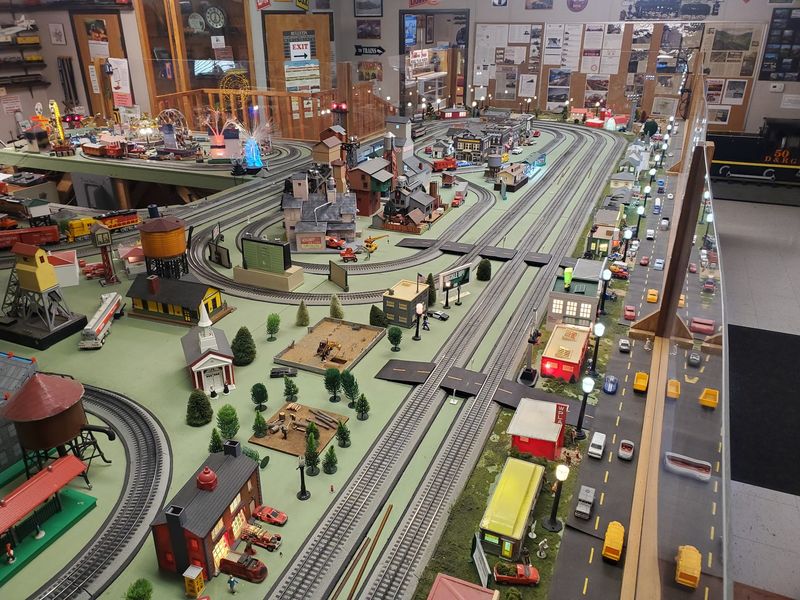
Tucked within the Fiddlers Grove experience is a delightful surprise that captures both railroad history and the craftsmanship of model building. The Model Railroad Museum features all scales of running trains, creating a miniature world that fascinates visitors of all ages. The detailed layouts showcase the important role railroads played in connecting Tennessee communities and driving economic growth across the region.
The museum’s collection represents countless hours of careful work by dedicated hobbyists and historians. Multiple train sets run simultaneously on elaborate tracks that wind through tiny towns, over bridges, and past perfectly scaled buildings. The attention to detail in these displays rivals anything you’d find in major city museums, yet maintains a warm, accessible feel that invites close examination.
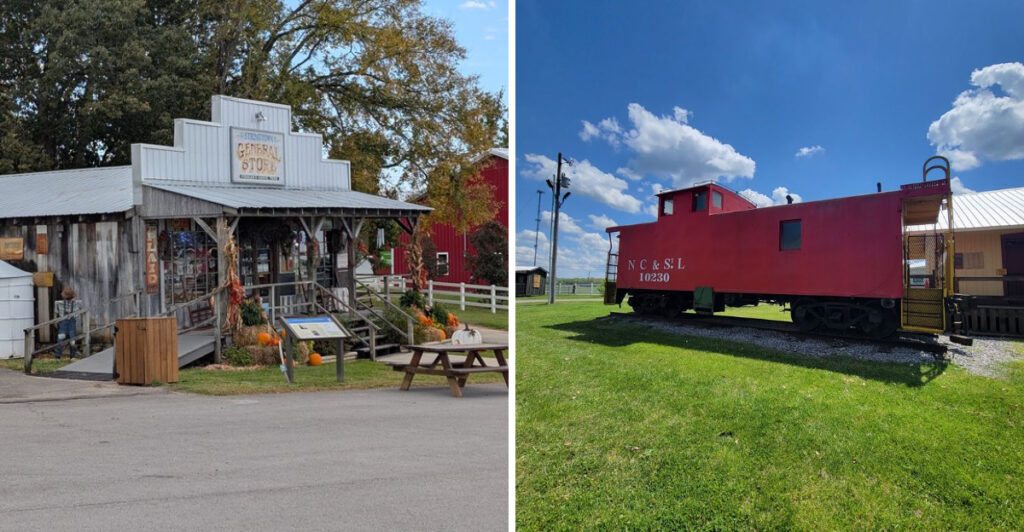
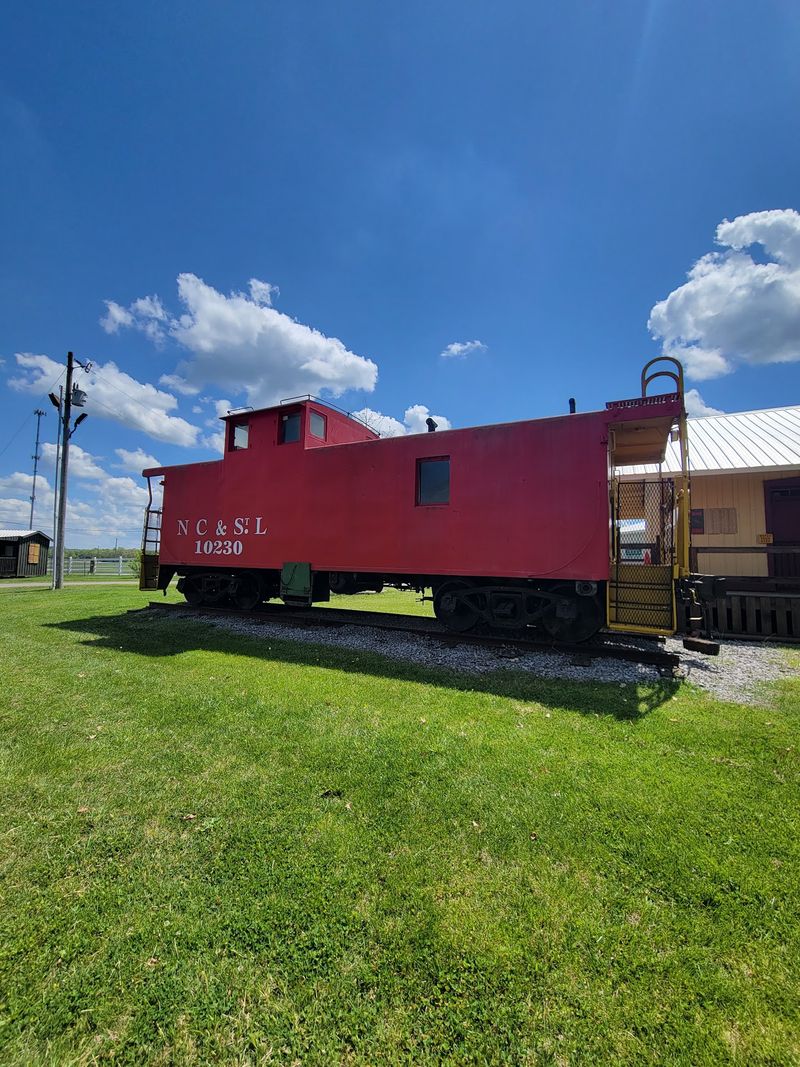
One of the museum’s highlights is the authentic caboose that visitors can actually climb aboard and explore. The friendly volunteer staff, particularly knowledgeable about railroad history, eagerly share stories and answer questions. They’ve been known to give children stickers and offer personal tours that bring the exhibits to life with anecdotes and historical context.
For families, the railroad museum provides a perfect complement to the outdoor historic buildings. When younger children need a break from walking the village grounds, the climate-controlled museum offers engaging entertainment that still connects to Tennessee’s heritage. The running trains mesmerize toddlers while the historical details satisfy curious older kids and adults.
The museum reminds visitors that Tennessee’s development was intimately tied to railroad expansion. These iron horses connected rural communities to larger markets, brought new goods and ideas to small towns, and fundamentally changed how people lived and worked. The models aren’t just toys but representations of the technological revolution that transformed the state.
What sets this museum apart from standalone railroad attractions is how it integrates into the broader Fiddlers Grove narrative. The trains didn’t exist in isolation but were part of the same era represented by the village’s buildings. Seeing them together creates a more complete picture of life during Tennessee’s formative years, when progress and tradition walked side by side down dusty main streets.
Where Traditional Crafts Still Come Alive
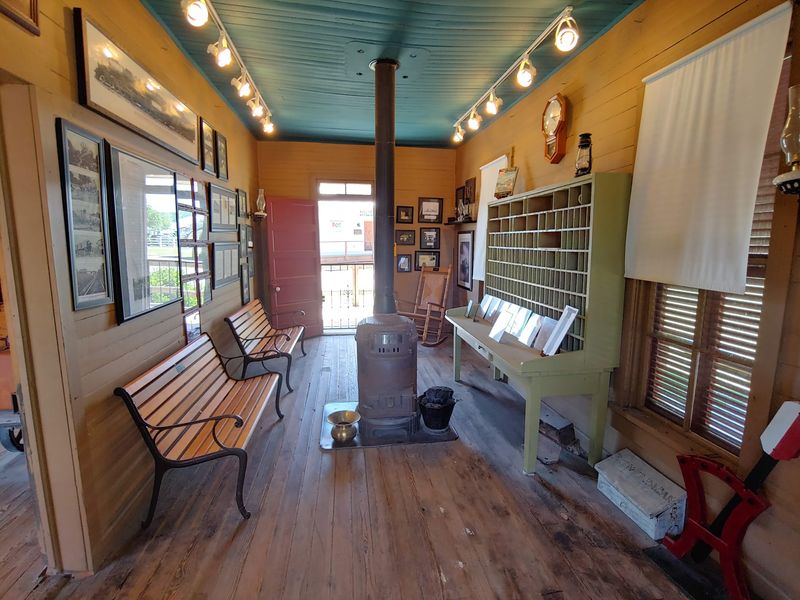
In an age of mass production and online shopping, watching someone create a functional broom entirely by hand feels almost revolutionary. The working broom maker at Fiddlers Grove represents one of the village’s living history elements, demonstrating a craft that once sustained families across rural Tennessee. The rhythmic process of binding broomcorn to wooden handles connects visitors to generations of artisans who made everyday tools with skill and pride.
Traditional craftsmanship wasn’t about aesthetics or hobby fulfillment in earlier times. It was economic survival and community necessity. Families needed brooms, and someone in the area would develop the expertise to make quality ones.
These craftspeople held respected positions in their communities, providing essential goods while passing knowledge to apprentices who would continue the tradition.
Watching the broom maker work reveals the surprising complexity behind objects we take for granted today. The selection of materials, the tension in binding, the balance of the finished product all require knowledge gained through years of practice. Modern factory brooms may be cheaper, but they lack the durability and character of handcrafted versions made with attention to each individual piece.
The craft demonstration serves multiple purposes beyond entertainment. It shows children that people once made nearly everything they used rather than buying it from stores. It highlights the ingenuity and resourcefulness required when communities were largely self-sufficient.
It also preserves techniques that might otherwise vanish completely as older practitioners pass away without successors.
During special events and fair times, additional craftspeople often demonstrate other traditional skills like blacksmithing, weaving, or woodworking. These demonstrations transform the village from a collection of empty buildings into a vibrant representation of working community life. The sounds of hammers on anvils and the smell of woodsmoke add sensory dimensions that static displays can’t match.
The broom maker and other artisans also make themselves available for questions, sharing insights about their crafts and the historical context surrounding them. Their presence reminds visitors that history isn’t just about dates and events but about the daily skills and knowledge that allowed communities to thrive. These conversations often become the most memorable parts of a Fiddlers Grove visit.
The General Store That Serves As Your Gateway
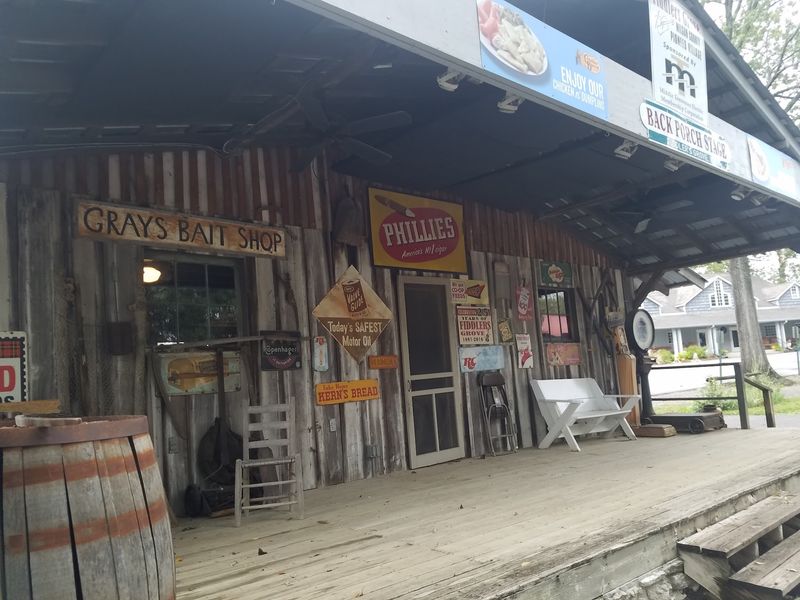
Every journey through Fiddlers Grove begins at the General Store, where paying your six-dollar admission feels like a transaction from another era. The building itself sets the tone for everything that follows, with wooden floors that creak authentically and shelves lined with period-appropriate goods. It’s both the practical entry point and the first immersive experience, immediately transporting visitors backward in time.
General stores were the beating hearts of rural communities before shopping malls and supermarkets existed. They served as gathering places where neighbors exchanged news, post offices where mail arrived from distant relatives, and commercial centers where farmers sold crops and bought supplies. A well-stocked general store meant a community was thriving and connected to the broader world.
The Fiddlers Grove General Store preserves this multifaceted role while serving modern visitors. The staff stationed here provide orientation, answer questions, and offer insights about which buildings might be most interesting based on your interests. Their local knowledge enhances the self-guided experience, pointing out details you might otherwise miss or sharing stories not included on the plaques.
The affordability of admission deserves recognition in an era of expensive family entertainment. Six dollars for adults grants access to the entire village and model railroad museum, making it one of Middle Tennessee’s best values for educational recreation. Families can spend hours exploring without the pressure of maximizing expensive tickets, allowing for a relaxed pace that suits different ages and attention spans.
The store’s preservation showcases the architectural and design elements that made these buildings functional. High ceilings helped with air circulation before climate control, wide plank floors could withstand heavy traffic and freight, and large windows maximized natural light when electricity wasn’t available. Every design choice reflected practical needs rather than aesthetic trends.
Starting your visit here also provides context for understanding the other buildings. The general store was often the most substantial structure in small communities, representing commercial success and community investment. Seeing it first helps visitors appreciate how the simpler cabins and workshops fit into the broader economic and social ecosystem.
The store wasn’t just where people shopped but where community identity was reinforced with every transaction and conversation.
Special Events That Bring History To Life
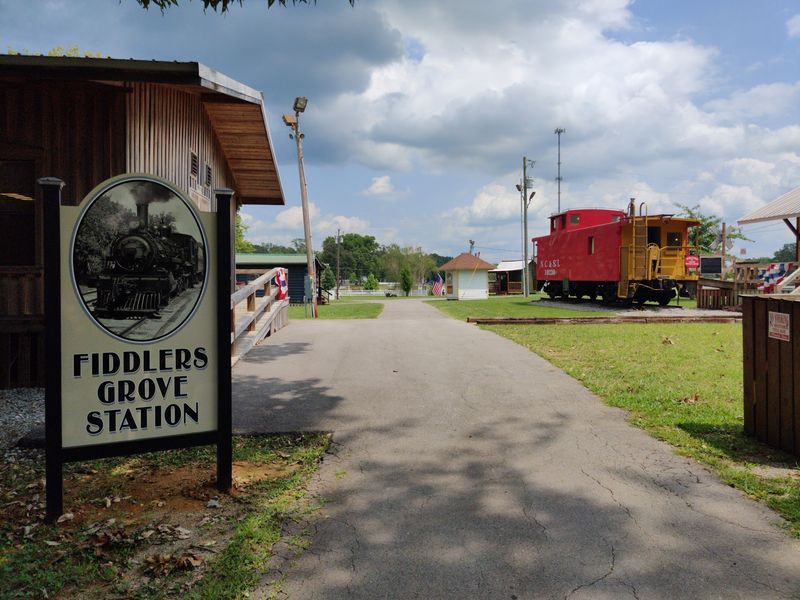
While Fiddlers Grove offers compelling self-guided exploration year-round, the village truly transforms during special events when the grounds pulse with activity and period demonstrations. The Wilson County Fair brings the biggest crowds, with buildings fully staffed by costumed interpreters who engage visitors in the daily activities of Tennessee’s past. Suddenly, the quiet village becomes a bustling community where blacksmiths hammer, weavers work their looms, and the smell of traditional cooking fills the air.
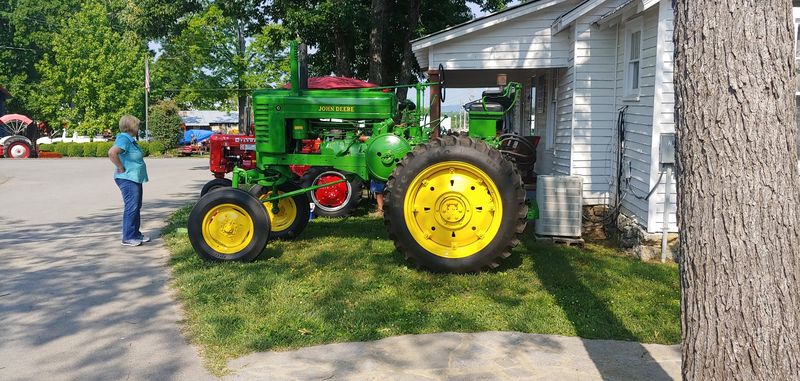
The annual truck show and antique tractor exhibition draw enthusiasts from across the region, combining vintage vehicle appreciation with the historic village setting. These events create fascinating contrasts and connections, showing the evolution of technology while honoring the craftsmanship of earlier eras. Families who might not initially consider visiting a historic village often discover it while attending these specialty shows and return specifically for the buildings.
Seasonal celebrations add another dimension to the Fiddlers Grove experience. The Christmas light show transforms the village into a winter wonderland, with elaborate displays that delight children and adults alike. Santa’s Village, petting zoos, pony rides, and train rides create holiday memories that families cherish for years.
The nostalgic atmosphere of the historic buildings provides the perfect backdrop for celebrating traditional Christmas magic.
Ghosts in the Grove offers a spookier take on history during Halloween season, with special tours that explore the stories and legends associated with the old buildings. Some years feature murder mystery games that encourage interactive participation, turning passive observation into engaging entertainment. These creative programming choices demonstrate how historic sites can remain relevant and exciting for contemporary audiences without compromising their educational mission.
Educational field trips bring school groups throughout the year, allowing children to experience hands-on history that textbooks can’t provide. Teachers appreciate how the village brings curriculum to life, making abstract historical concepts tangible and memorable. Students who might zone out during classroom lectures often become genuinely engaged when they can touch the tools, sit in the spaces, and imagine the lives of people their age from previous generations.
The anniversary celebrations, like Wilson County’s 225th, showcase how the village serves as a community gathering place for marking important milestones. Free events during these celebrations make history accessible to everyone regardless of economic circumstances, reinforcing that this heritage belongs to the entire community, not just those who can afford admission.
The Accredited Arboretum You Might Not Notice
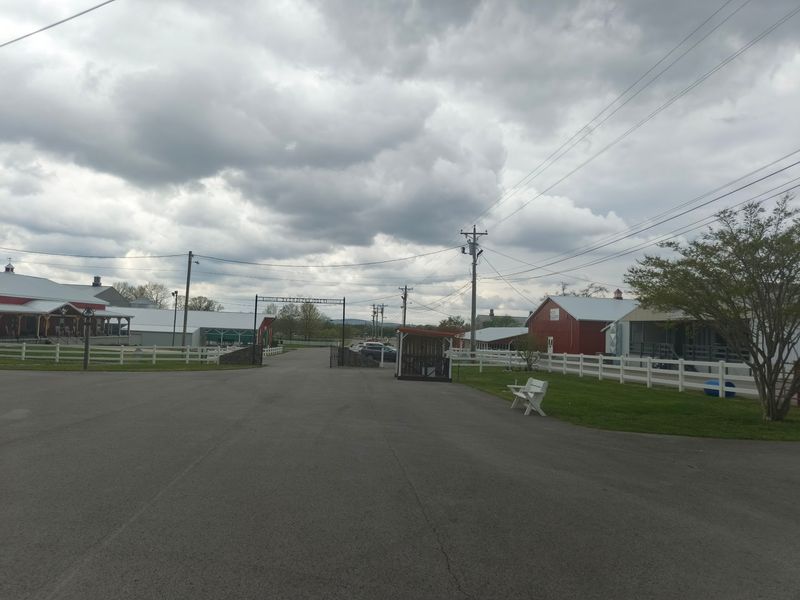
Most visitors arrive at Fiddlers Grove focused on the historic buildings and might completely overlook one of the site’s most remarkable features. The property serves as a fully registered and accredited national arboretum, with the trees found on the grounds carefully documented and maintained. This designation places Fiddlers Grove among a select group of sites recognized for their botanical significance and commitment to tree preservation and education.
The mature trees that shade the village aren’t accidental landscaping but intentional elements that enhance both the historical authenticity and visitor comfort. Many specimens represent species that would have grown naturally in Tennessee during the periods the buildings represent. Others showcase the variety of trees that settlers and later generations cultivated for practical purposes like food production, timber, or medicinal uses.
Walking beneath these towering trees adds immeasurably to the atmosphere of stepping back in time. The dappled shade and rustling leaves create a sensory environment that feels worlds away from modern suburban development. Visitors consistently mention the peaceful, almost sacred quality of the tree-covered paths between buildings, where the modern world fades and imagination can more easily conjure the past.
The arboretum designation also reflects the site’s commitment to environmental stewardship and education beyond just human history. Trees witnessed the events and changes documented in the buildings, providing living connections to the past that extend beyond human lifespans. Some of the larger specimens may have been saplings when the oldest buildings were first constructed, creating tangible links across generations.
Garden beds and plantings throughout the property complement the tree collection, showcasing heritage varieties and traditional landscaping approaches. These aren’t just decorative choices but historical elements that demonstrate how people used plants for food, medicine, dyes, and household purposes. The integration of botanical and architectural preservation creates a more complete historical environment.
For visitors seeking respite, the numerous benches nestled under huge shade trees provide perfect spots to relax between exploring buildings. These quiet corners allow different family members to enjoy the visit at their own pace, with those who tire easily able to rest comfortably while others continue walking. The trees transform what could be a hot, exposed fairground into a comfortable outdoor museum suitable for extended visits even during Tennessee summers.
Family Reunion Paradise With Modern Amenities
Finding the perfect family reunion venue requires balancing nostalgia with practical necessities, and Fiddlers Grove delivers both in surprising abundance. The site offers a large, air-conditioned building equipped with tables, chairs, and a full commercial kitchen complete with a service window and huge commercial ice maker. These modern amenities allow families to host comfortable gatherings while surrounded by historic atmosphere that reinforces connections across generations.
The flexibility of the space stands out as a major advantage for event planning. Families can arrive early to arrange tables and chairs however they prefer, creating intimate conversation areas or long communal dining setups. The full kitchen allows for serious meal preparation beyond simple potluck arrangements, with the service window facilitating efficient food distribution when feeding large groups.
Three-stall bathrooms for both men and women prevent the long lines that plague many reunion venues.
What transforms this from just another rental facility into something special is the built-in entertainment surrounding it. After eating, family members can scatter to explore the cabins, hospital, kitchens, old train, and general store at their own pace. This natural flow prevents the awkward moments when conversation lags and people run out of things to discuss, providing shared experiences that generate new stories and memories.
The outdoor setting offers advantages that indoor venues can’t match. Children can run and play without disturbing other guests, burning energy that might otherwise lead to restlessness. The swings and benches scattered under shade trees accommodate family members who prefer quiet observation over constant activity.
Multiple generations can occupy the same space while engaging in different activities suited to their abilities and interests.
Sometimes special shows or demonstrations coincide with reunion dates, adding unexpected entertainment value. Even without scheduled programming, the village itself provides a backdrop that celebrates heritage and family history in ways that resonate during gatherings focused on kinship and connection. Walking through the old buildings with relatives often sparks stories about grandparents and great-grandparents, strengthening family bonds through shared history.
The cleanup requirement is straightforward and reasonable: leave the space as you found it. This simplicity eliminates the complex contracts and damage deposit concerns that complicate many venue rentals. The combination of modern convenience, historic charm, and reasonable policies makes Fiddlers Grove an exceptional choice for families wanting reunions that feel meaningful rather than merely functional.
Unexpected Wildlife Encounters Among History
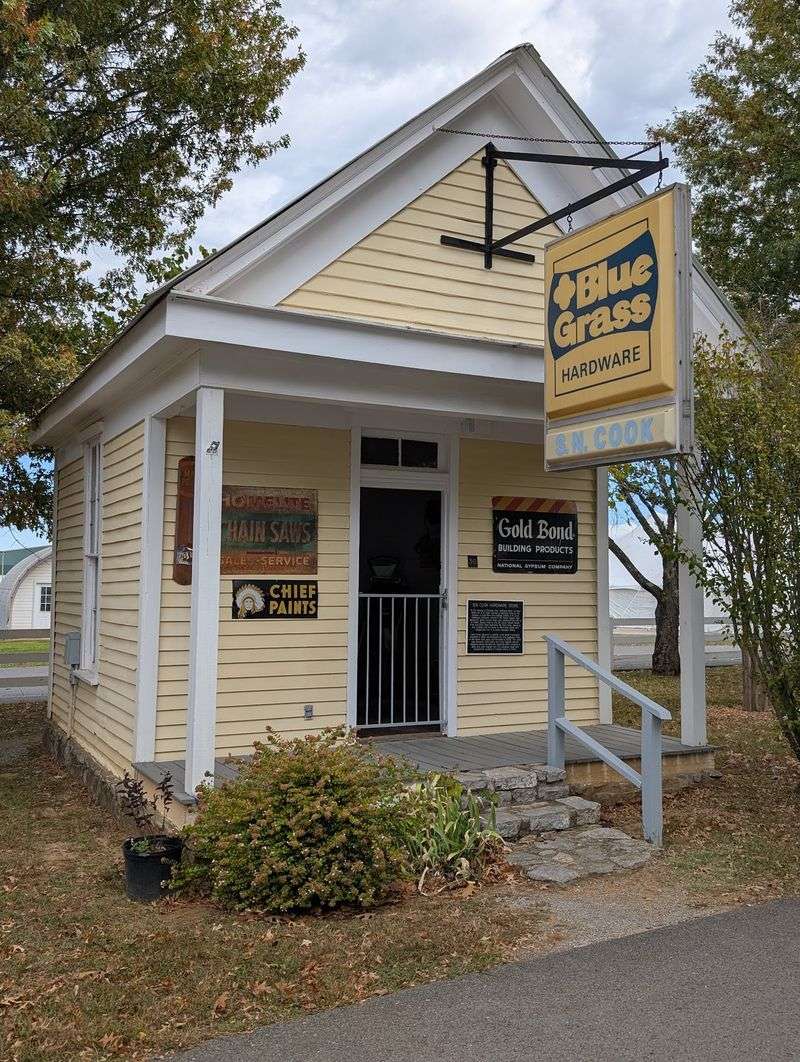
History and nature intertwine in delightful ways at Fiddlers Grove, creating unexpected moments that remind visitors this is a living environment rather than a sterile museum. Families have discovered mama birds nesting in the hardware store, their presence adding an element of gentle wildlife observation to the historical exploration. These unplanned encounters often become the details children remember most vividly, the specific moments that make a visit feel personal and unique.
The old buildings, with their authentic construction and weathered materials, provide ideal habitat for various creatures. Birds find the eaves and rafters perfect for nesting, much as they would have when these structures served their original purposes. Seeing wildlife utilizing the buildings exactly as they did generations ago adds authenticity that no amount of historical recreation could achieve artificially.
These nature moments also create teaching opportunities about how people and wildlife coexisted in earlier times. Before modern pest control and hermetically sealed construction, homes and shops routinely housed various creatures. People developed different relationships with animals, accepting their presence as part of daily life rather than something to be completely eliminated.
Finding a bird’s nest wasn’t cause for alarm but an expected part of living close to nature.
The petting zoo and pony rides available during special events extend the animal encounters in more structured ways. Young children, especially toddlers, often find these experiences even more engaging than the historic buildings. The combination of heritage education and animal interaction creates a well-rounded visit that appeals to different interests and age groups within families.
The peaceful, shaded environment naturally attracts wildlife beyond the intentional animal exhibits. Squirrels scamper across the grounds, butterflies visit the garden plantings, and birds provide a constant soundtrack to exploration. This ambient wildlife presence enhances the atmosphere of stepping away from modern urban life into a quieter, more nature-connected past.
For photographers, the unexpected animal encounters provide compelling subjects that add life and movement to images of static buildings. A bird perched on a weathered windowsill or a butterfly on heritage flowers creates visual interest while symbolizing the continuity of nature across human generations. These moments remind us that while human stories change, the natural world continues its patterns regardless of what decade the calendar shows.
The Volunteer Spirit That Powers Everything
Behind every well-maintained historic building and engaging demonstration at Fiddlers Grove stands an army of dedicated volunteers who give their time because they believe in preserving Tennessee’s heritage. These community members staff the buildings during events, lead tours for school groups, maintain the grounds, and share their knowledge with visitors from near and far. Their passion transforms what could be a collection of old structures into a vibrant, welcoming experience.
The volunteers bring personal connections to the history they share, often recounting stories passed down through their own families about life in earlier Tennessee. This isn’t textbook knowledge delivered by paid staff following scripts but genuine enthusiasm from people who see their own heritage reflected in the buildings. Their warmth and authenticity create an inviting atmosphere where questions are encouraged and conversations flow naturally.
Many volunteers possess specialized knowledge about particular crafts, historical periods, or specific buildings, becoming informal experts who enhance the educational value immensely. The gentleman in the train museum who gives children stickers and personal tours of the caboose exemplifies this spirit of generous engagement. He’s not just watching over exhibits but actively creating positive experiences that might inspire lifelong interests in history or trains.
The volunteer model also reflects the community-centered values that the village itself represents. Just as earlier Tennessee communities relied on neighbors helping neighbors, Fiddlers Grove depends on people contributing their time and skills for the common good. This continuity between past and present values adds another layer of authenticity to the entire experience.
During major events, the coordination required to staff dozens of buildings and manage large crowds demonstrates impressive organizational capability. Volunteers take on roles from parking assistance to craft demonstrations, creating seamless experiences for visitors who may never realize the complexity behind the scenes. Their efforts make ambitious programming possible on budgets that would never support equivalent paid staffing.
The friendliness and inviting nature consistently mentioned in visitor reviews directly result from the volunteer culture. These aren’t people grudgingly fulfilling obligations but enthusiastic ambassadors for Tennessee heritage who genuinely enjoy sharing it with others. Their presence transforms a good attraction into a great one, adding human warmth that no amount of money could buy.
When visitors leave feeling welcomed and valued, volunteer spirit deserves much of the credit.
Accessibility For All Ages And Abilities
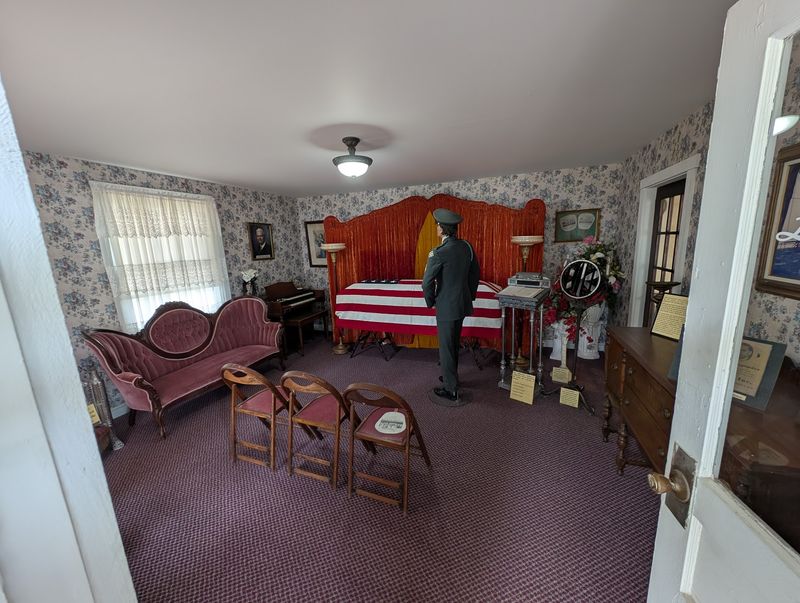
Planning family outings with toddlers, elderly relatives, or individuals with mobility challenges often means navigating accessibility concerns that can make or break the experience. Fiddlers Grove deserves recognition for creating an environment where multiple generations can explore comfortably together. The layout accommodates strollers without requiring heroic efforts from parents, and the size strikes a perfect balance between offering substantial content and avoiding exhausting distances.
The mostly shaded paths between buildings provide crucial comfort during Tennessee’s warm months, preventing the overheating that can quickly end outings with young children or seniors. Numerous benches nestled under large trees offer frequent rest opportunities, allowing family members to pause without feeling like they’re holding everyone back. This thoughtful distribution of seating means people with limited stamina can still participate fully rather than waiting at a single central location.
The self-guided nature of most visits allows families to move at whatever pace works for their group. There’s no tour schedule to keep or timed entry creating pressure to rush through exhibits. Families can linger at buildings that capture their interest and move quickly past others, customizing the experience to match their energy levels and attention spans.
This flexibility proves especially valuable when visiting with very young children whose moods and interests shift unpredictably.
The admission price removes financial barriers that prevent many families from accessing cultural and educational experiences. At six dollars for adults, a family of four can enjoy hours of exploration for less than the cost of a single movie ticket. This affordability means families can visit repeatedly without budget strain, allowing children to build deeper connections through multiple encounters rather than one rushed visit.
Free parking eliminates another common frustration, particularly for families arriving in multiple vehicles or those who appreciate parking close to the entrance. The availability of picnic tables encourages families to pack meals and spend extended time on the grounds, transforming a quick attraction visit into a full day of outdoor family time. This infrastructure supports the kind of unhurried exploration where real learning and memory-making happen.
Even during crowded events, the spacious grounds prevent the overwhelming crush that can trigger anxiety in some visitors. There’s room to step aside, find quiet corners, or take breaks from stimulation without missing the experience entirely. This spatial generosity makes Fiddlers Grove welcoming to people with sensory sensitivities or those who simply prefer less intense environments.
The Music History Connection That Inspired The Name
The name Fiddlers Grove wasn’t chosen randomly but reflects Tennessee’s deep roots in traditional music that shaped American culture. Fiddle music formed the soundtrack to rural Tennessee life for generations, providing entertainment at dances, celebrations, and community gatherings long before recorded music existed. The village honors this musical heritage, recognizing that Tennessee’s story can’t be told without acknowledging the melodies that accompanied work, worship, and play.
Traditional fiddle tunes carried stories, preserved cultural memory, and connected Tennessee communities to their Scots-Irish, African, and Native American musical roots. When neighbors gathered, someone inevitably brought out a fiddle, and the music would start. These weren’t professional performances but participatory experiences where dancing, singing, and playing blurred together.
The music belonged to everyone, passed down through families and communities rather than consumed as commercial product.
The village occasionally hosts live music performances that bring this heritage to life, with fiddlers and other traditional musicians demonstrating the sounds that once filled Tennessee hollows and town squares. Hearing authentic fiddle music while surrounded by period buildings creates an immersive experience that recordings can’t match. The music contextualizes the spaces, helping visitors imagine the social life that animated these structures beyond their utilitarian functions.
Tennessee’s musical legacy eventually flowed into country, bluegrass, and rock and roll, making the state a cornerstone of American music history. The fiddle traditions preserved and celebrated at Fiddlers Grove represent the roots from which these later genres grew. Understanding this foundation enriches appreciation for the music that followed and the cultural forces that shaped it.
The connection between music and community building runs throughout Tennessee history. Music brought people together across social divisions, created shared identity, and maintained cultural continuity even as other aspects of life changed dramatically. The fiddle wasn’t just an instrument but a social technology that strengthened community bonds and preserved collective memory through melody and rhythm.
Visitors who arrive expecting only buildings and artifacts often discover that Fiddlers Grove tells a more complete story, one where music, craft, architecture, and daily life interweave to create Tennessee’s distinctive cultural identity. The name serves as a reminder that heritage isn’t just about structures and objects but about the sounds, stories, and traditions that gave those physical elements meaning. When you understand the music, you understand the people, and the buildings come alive with the echoes of fiddle tunes that once filled them.
Share this story